The Story
Plant Bio
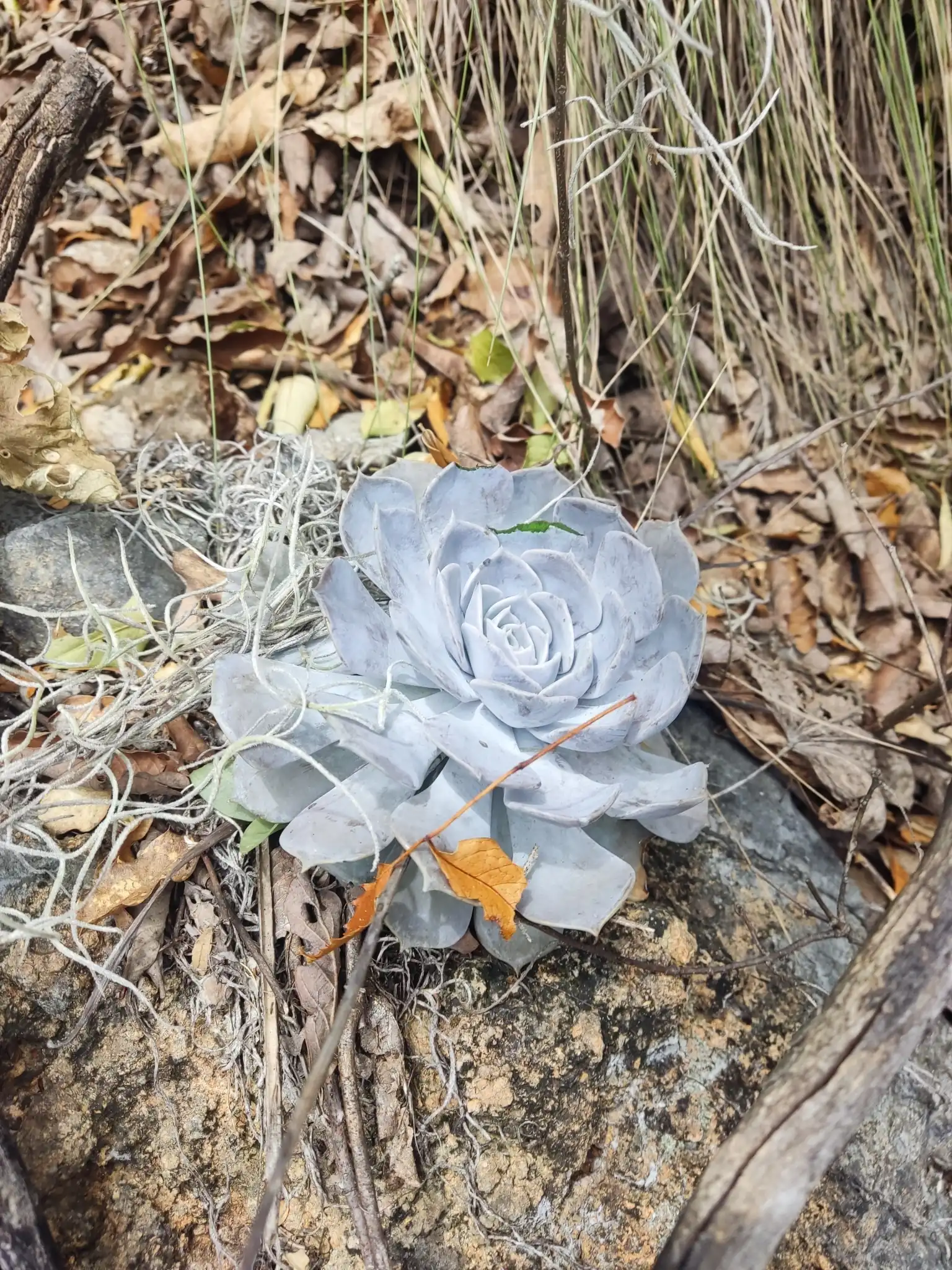
Echeveria lilacina, the ghost echeveria, is a slow-growing succulent subshrub from rocky limestone slopes in Nuevo Leon, Mexico, forming a solitary open rosette to six inches tall and ten inches wide. The thick spoon-shaped leaves store water and are coated in powdery farina that slows water loss and shields the leaf from strong sun.
The foliage holds a pale silvery-gray to whitish-pink tone with a lilac cast, flushing coral in full sun while new growth at the center stays paler. In late winter through spring a reddish stalk rises to twelve inches above the rosette and carries short arching racemes of coral-pink tubular flowers.
Uses & Benefits:
Essentials
At a Glance
Plant Type
Cactus Succulent
Height
6"
Width
10"
Light
Full Sun, Partial Sun
Zones
9, 10
Water
Low
Humidity
Low, 20-40% indoors
Lifespan
Perennial
Native To
Mexico (Nuevo Leon)
Toxicity
Non-toxic to humans, cats and dogs
Bloom period
Late winter – Spring
In flower about 4 months of the year
Planting
How to Grow
- Plant in a very gritty cactus/succulent mix in a pot with drainage holes, setting the rosette just above the soil line.
- Give six hours of bright light with full morning sun and shade from hot afternoon sun to prevent scorch.
- Water deeply only when the mix is dry through, then empty the saucer so the crown never stands wet.
- Feed sparingly with diluted balanced fertilizer once a month in spring and summer only.
- Move pots indoors before first frost; keep above 30F and keep dry through winter.
Pro Tip
Water only when the gritty mix is dry all the way through, and leave the white farina untouched; once wiped off it does not grow back and the leaf scorches more readily.
Keep It Thriving
Care Guide
Do
- Give six hours of bright light with afternoon shade in hot climates
- Use a gritty fast-draining cactus mix and a pot with drainage
- Allow the mix to dry fully between waterings
Don't
- Do not overwater or leave water sitting in the rosette crown
- Do not rub off the white farina coating
- Do not over-pot into a large wet container or cut into the rosette
Seasonal Care Calendar
| Task | Jan | Feb | Mar | Apr | May | Jun | Jul | Aug | Sep | Oct | Nov | Dec |
|---|---|---|---|---|---|---|---|---|---|---|---|---|
| Fertilize | ||||||||||||
| Pest Check | ||||||||||||
| Plant | ||||||||||||
| Propagate | ||||||||||||
| Winter Prep |
Watch Out For
Pests & Diseases
Common Pests
Common Diseases
In the Garden
Landscape Uses & Companions
Landscape Uses
Multiply
Propagation Methods
Good to Know
Common Questions
Ghost Echeveria questions
What zones can Ghost Echeveria grow in?
Ghost Echeveria is hardy in USDA Zones 9–10: in that range it survives winter in the ground. Colder than Zone 9, grow it in a container you can move to shelter for the winter, or as an annual.
When does Ghost Echeveria bloom?
Ghost Echeveria typically blooms from late winter to late spring. Exact timing shifts a week or two with your zone — Sow's bloom calendar maps it to your garden.
Does Ghost Echeveria need full sun?
Ghost Echeveria does best in full sun to part shade. In hot climates, afternoon shade keeps blooms fresher longer.
Is Ghost Echeveria drought tolerant?
Yes — once established (usually after the first full season), Ghost Echeveria handles dry spells with minimal watering. Water deeply its first year to build the root system that makes that possible.
More Echeveria to compare
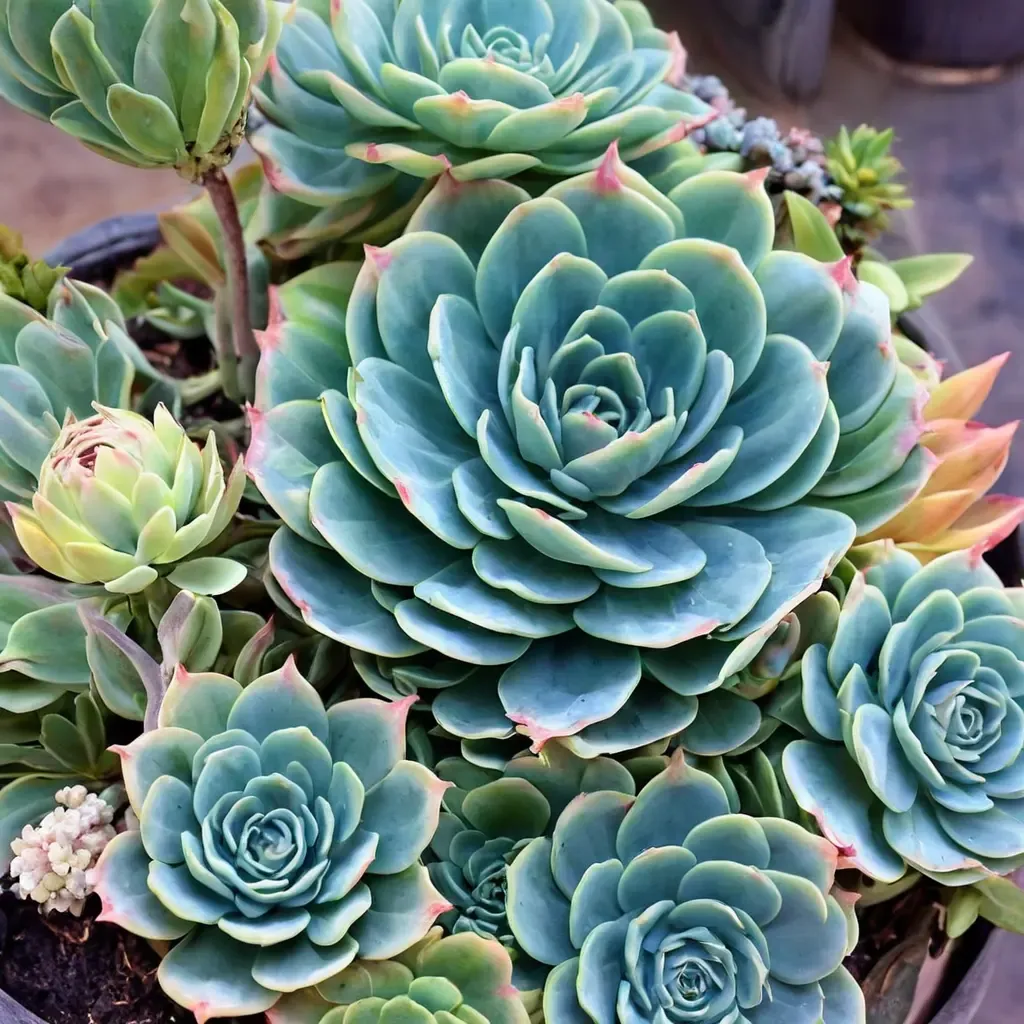
Blue Rose Echeveria
Echeveria imbricata
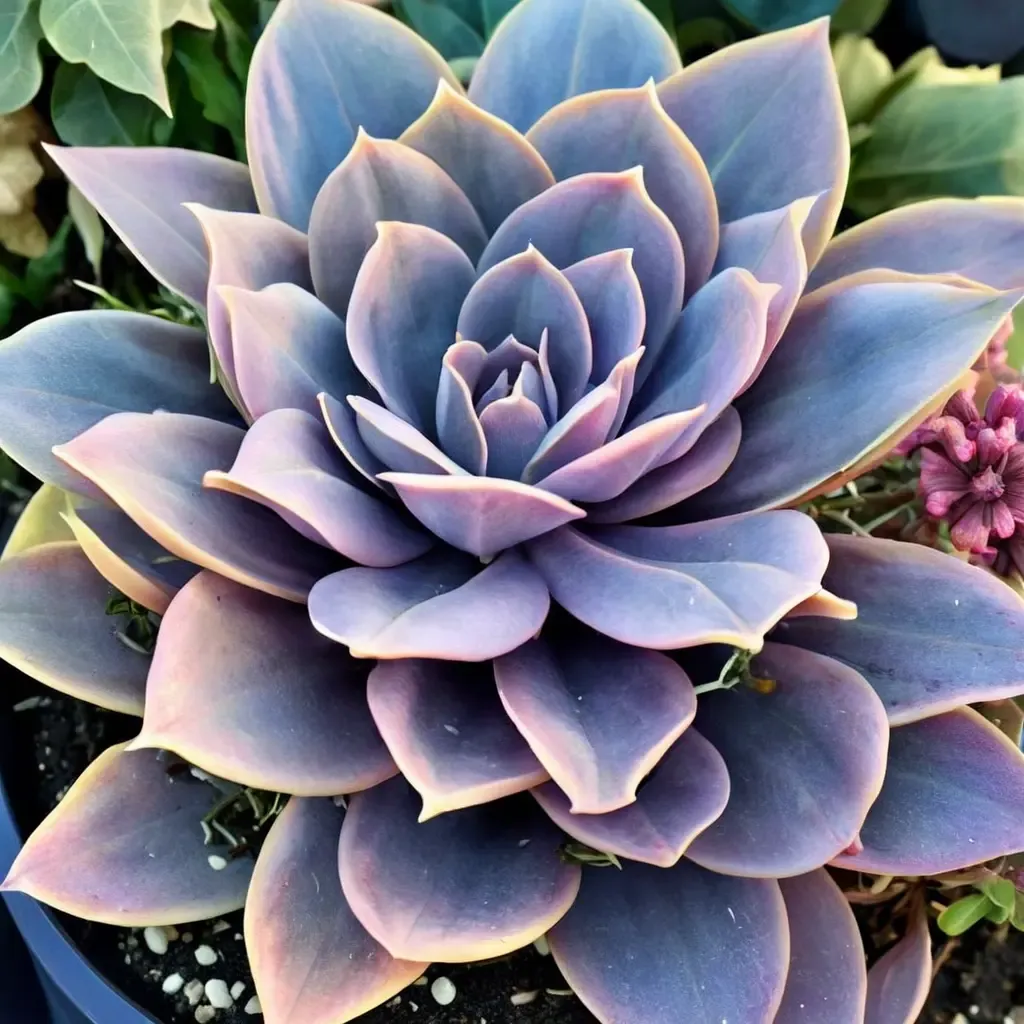
Perle Von Nurnberg
Echeveria secunda 'Perle Von Nurnberg'
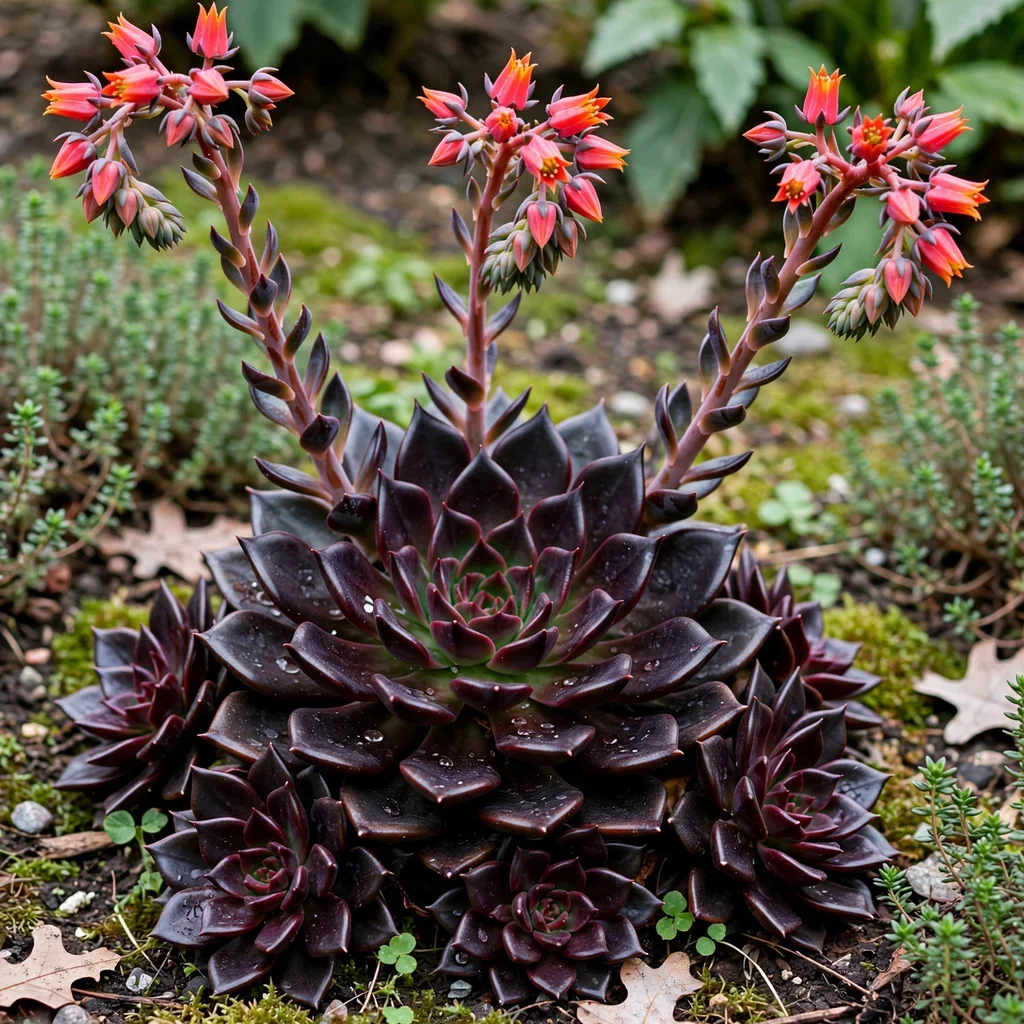
Echeveria Black Prince
Echeveria secunda 'Black Prince'
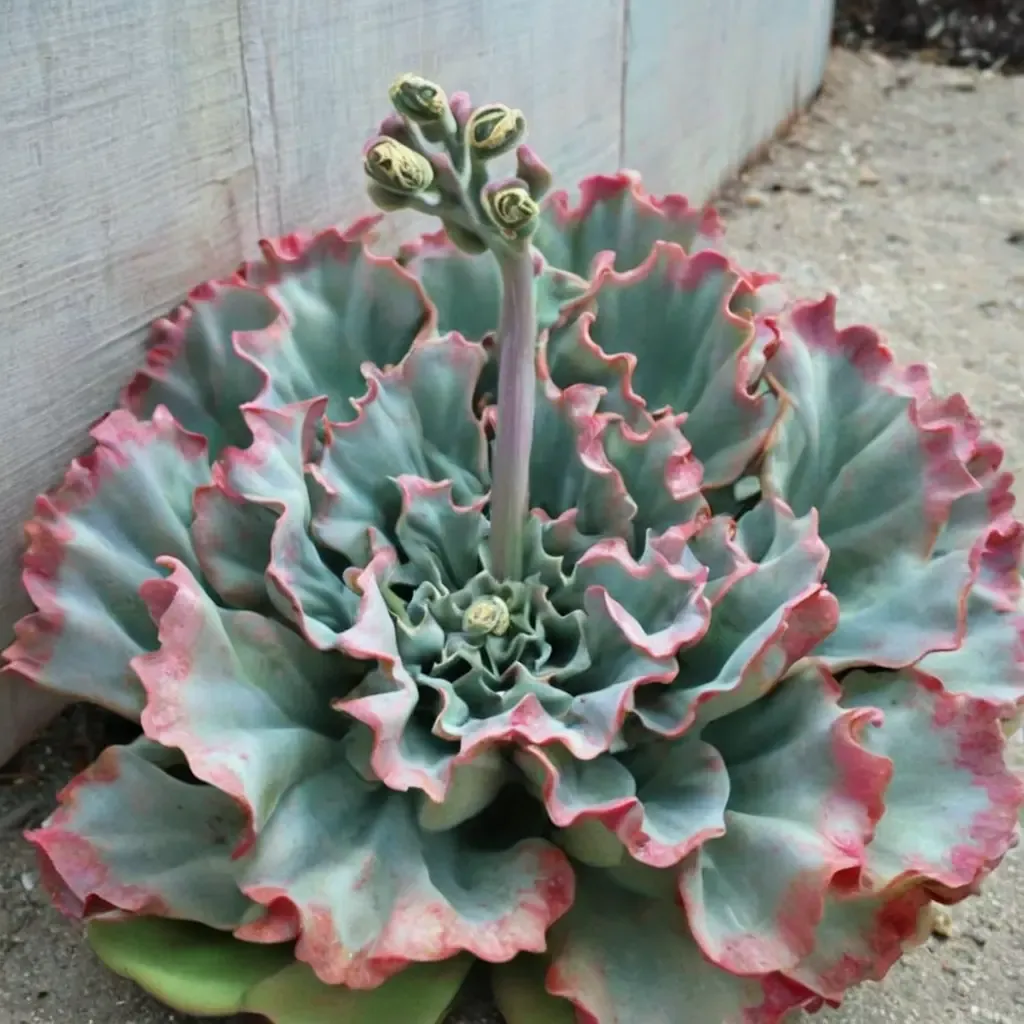
Lady Aquarius Echeveria
Echeveria gibbiflora 'Lady Aquarius'
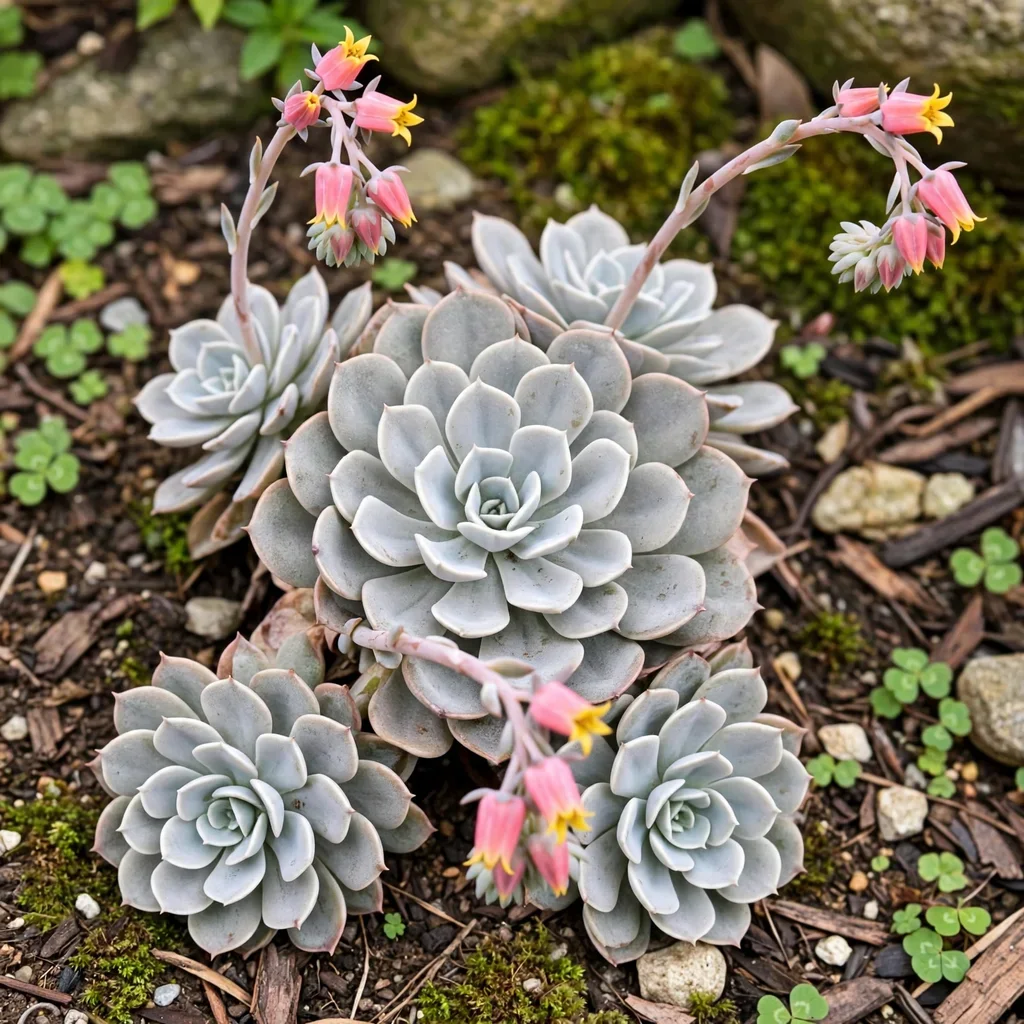
Mexican Snowball
Echeveria elegans
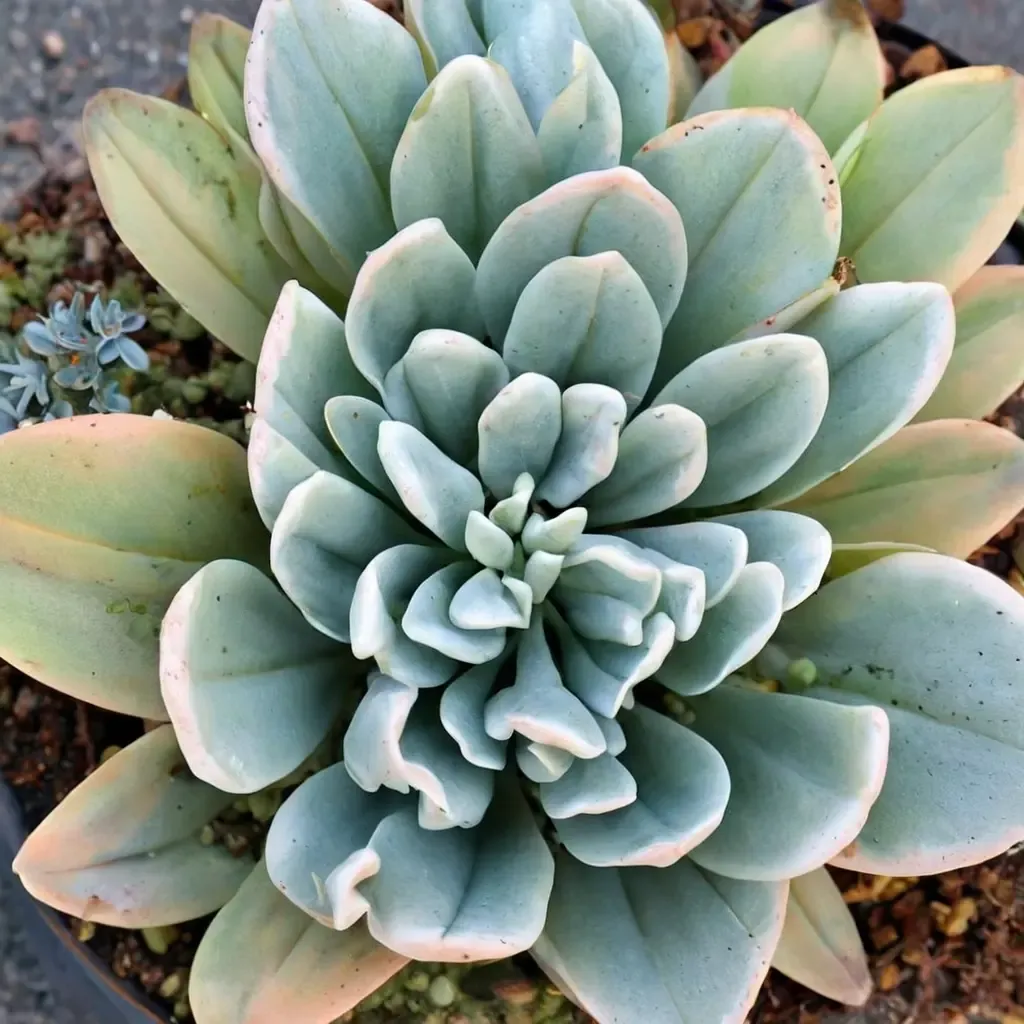
Caribbean Echeveria Echeveria Caribbean
Echeveria runyonii 'Caribbean'
Keep exploring
Explore the genus
Hardy in your zone?
Grow Ghost Echeveria with confidence
See it in a design of your actual yard, get zone-matched care reminders, and track it season by season in your garden journal.