The Story
Plant Bio
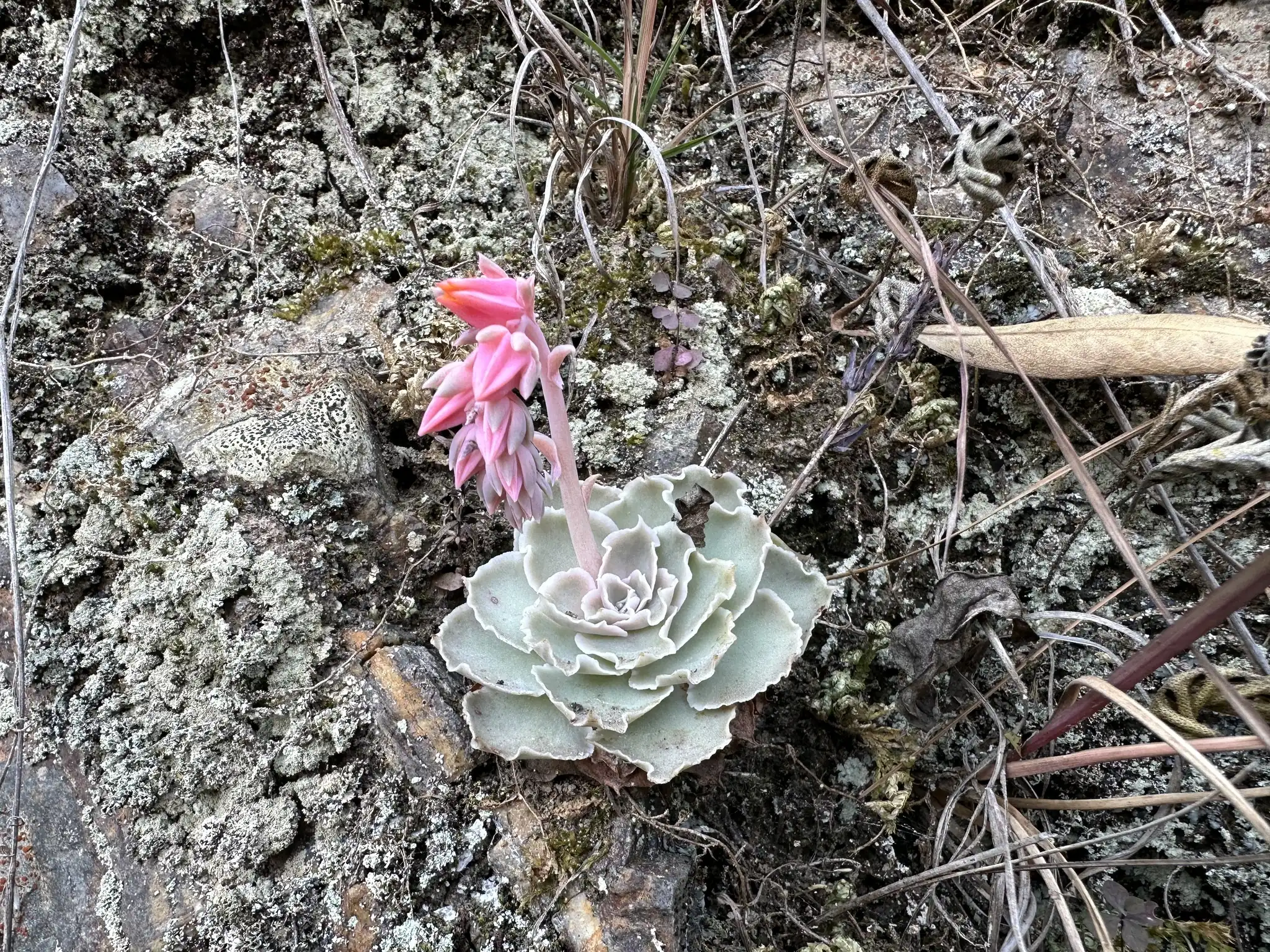
Echeveria shaviana is an evergreen rosette succulent from northeastern Mexico that stores water in thick fleshy leaves and offsets to form a low clumping mound. It grows 3 to 8 inches tall in leaf, with flower stalks to 12 inches carrying one-sided racemes of small urn-shaped flowers in spring to summer.
The rosette holds fifty or more smooth blue-gray leaves with very wavy, frilly margins that flush pink to purple where sun hits them. That crinkled edge and sun-blushed margin separate it from smooth-edged rosette echeverias that stay flat blue in the same light.
Uses & Benefits:
Essentials
At a Glance
Plant Type
Cactus Succulent
Height
8"
Width
12"
Light
Full Sun, Partial Sun
Zones
9, 10
Water
Low
Humidity
Low
Lifespan
Perennial
Native To
Northeast Mexico
Toxicity
Non-toxic
Bloom period
Spring – Summer
In flower about 6 months of the year
Planting
How to Grow
- Pot in a gritty cactus mix with 50 to 70 percent mineral grit in a container with drainage holes.
- Place in full sun to bright partial shade, acclimating slowly to avoid scorch.
- Water deeply only when the soil is dry through, withholding water in cold winter storage.
- Bring indoors before frost and overwinter bright and dry above 40F.
Pro Tip
Keep it in the brightest sun you can give it and in gritty mix that drains instantly; water deeply only when dry and keep water out of the rosette in winter.
Keep It Thriving
Care Guide
Do
- Give bright light to keep the rosette compact and the pink edge colored.
- Use excellent drainage and empty saucers after watering.
- Remove spent flower stems and dead lower leaves to improve airflow.
Don't
- Do not overwater or leave the pot sitting wet, which rots roots and stem.
- Do not grow in dim indoor light, which stretches the rosette.
- Do not cut back into old leafless stem tissue.
Seasonal Care Calendar
| Task | Jan | Feb | Mar | Apr | May | Jun | Jul | Aug | Sep | Oct | Nov | Dec |
|---|---|---|---|---|---|---|---|---|---|---|---|---|
| Deadhead | ||||||||||||
| Pest Check | ||||||||||||
| Plant | ||||||||||||
| Propagate | ||||||||||||
| Winter Prep |
Watch Out For
Pests & Diseases
Common Pests
Common Diseases
In the Garden
Landscape Uses & Companions
Landscape Uses
Companion Plants
Multiply
Propagation Methods
Good to Know
Common Questions
Mexican Hens questions
What zones can Mexican Hens grow in?
Mexican Hens is hardy in USDA Zones 9–10: in that range it survives winter in the ground. Colder than Zone 9, grow it in a container you can move to shelter for the winter, or as an annual.
When does Mexican Hens bloom?
Mexican Hens typically blooms from spring to summer. Exact timing shifts a week or two with your zone — Sow's bloom calendar maps it to your garden.
Does Mexican Hens need full sun?
Mexican Hens does best in full sun to part shade. In hot climates, afternoon shade keeps blooms fresher longer.
Is Mexican Hens drought tolerant?
Yes — once established (usually after the first full season), Mexican Hens handles dry spells with minimal watering. Water deeply its first year to build the root system that makes that possible.
More Echeveria to compare
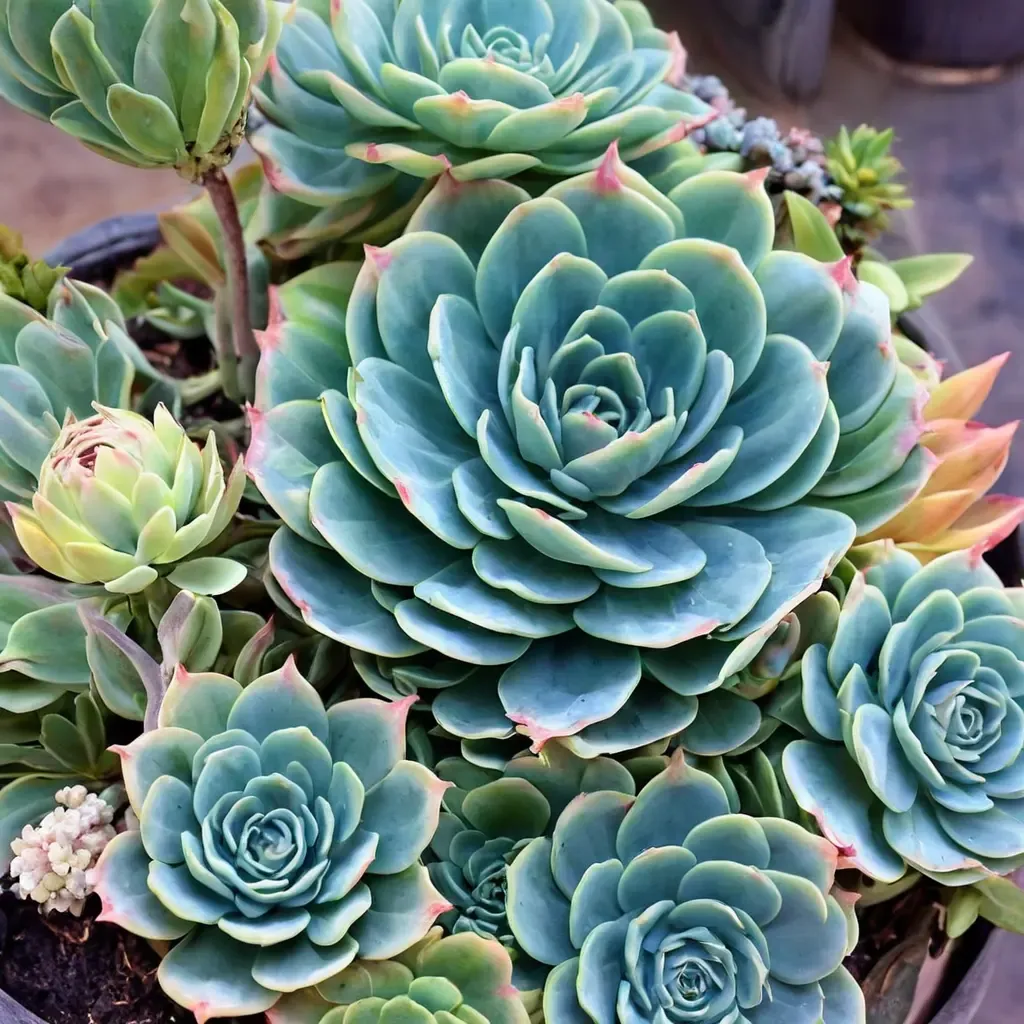
Blue Rose Echeveria
Echeveria imbricata
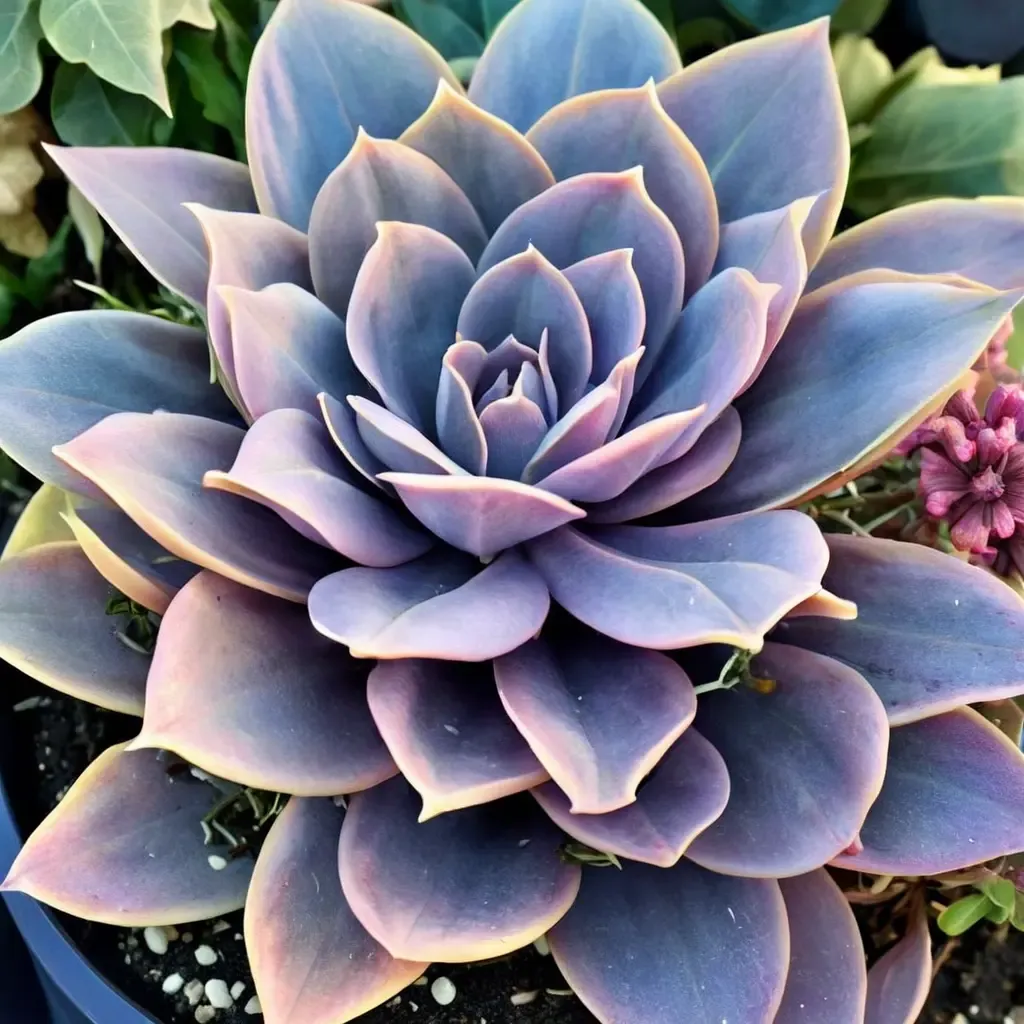
Perle Von Nurnberg
Echeveria secunda 'Perle Von Nurnberg'
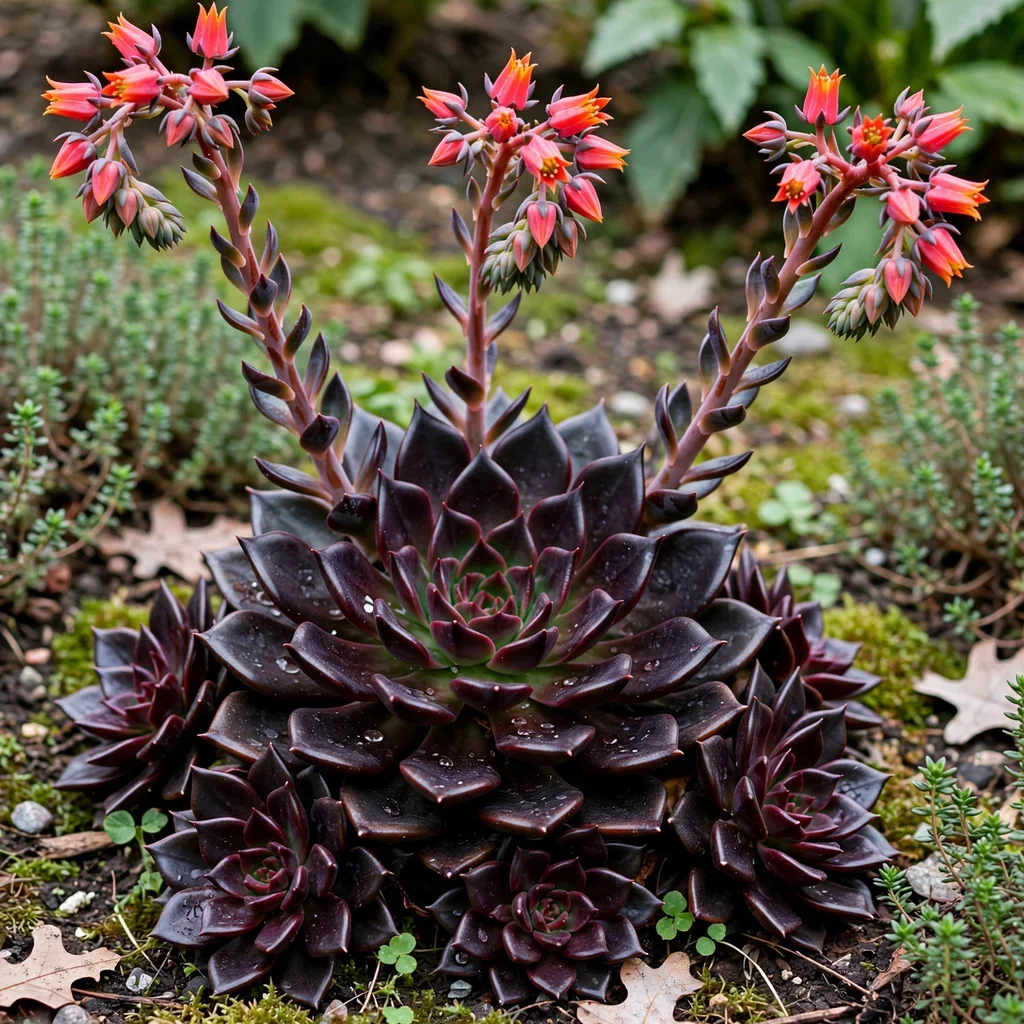
Echeveria Black Prince
Echeveria secunda 'Black Prince'
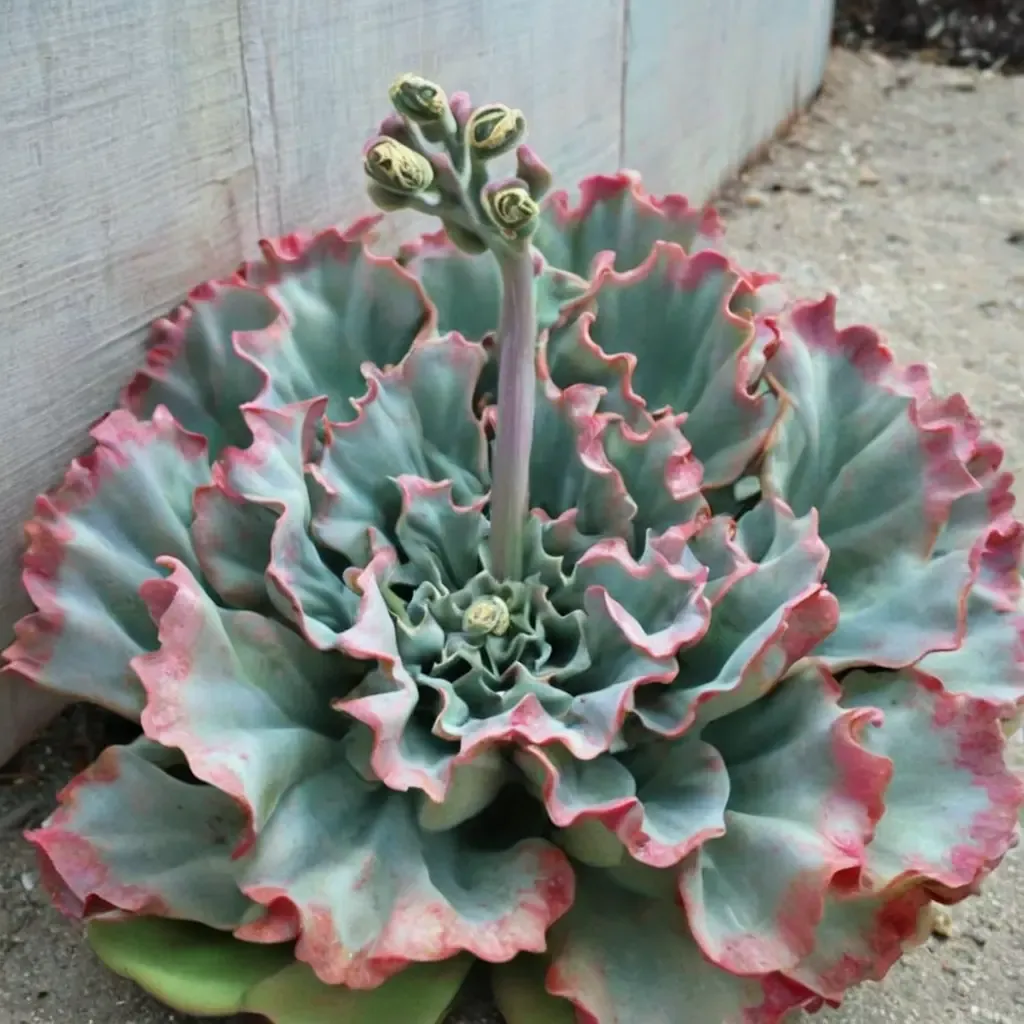
Lady Aquarius Echeveria
Echeveria gibbiflora 'Lady Aquarius'
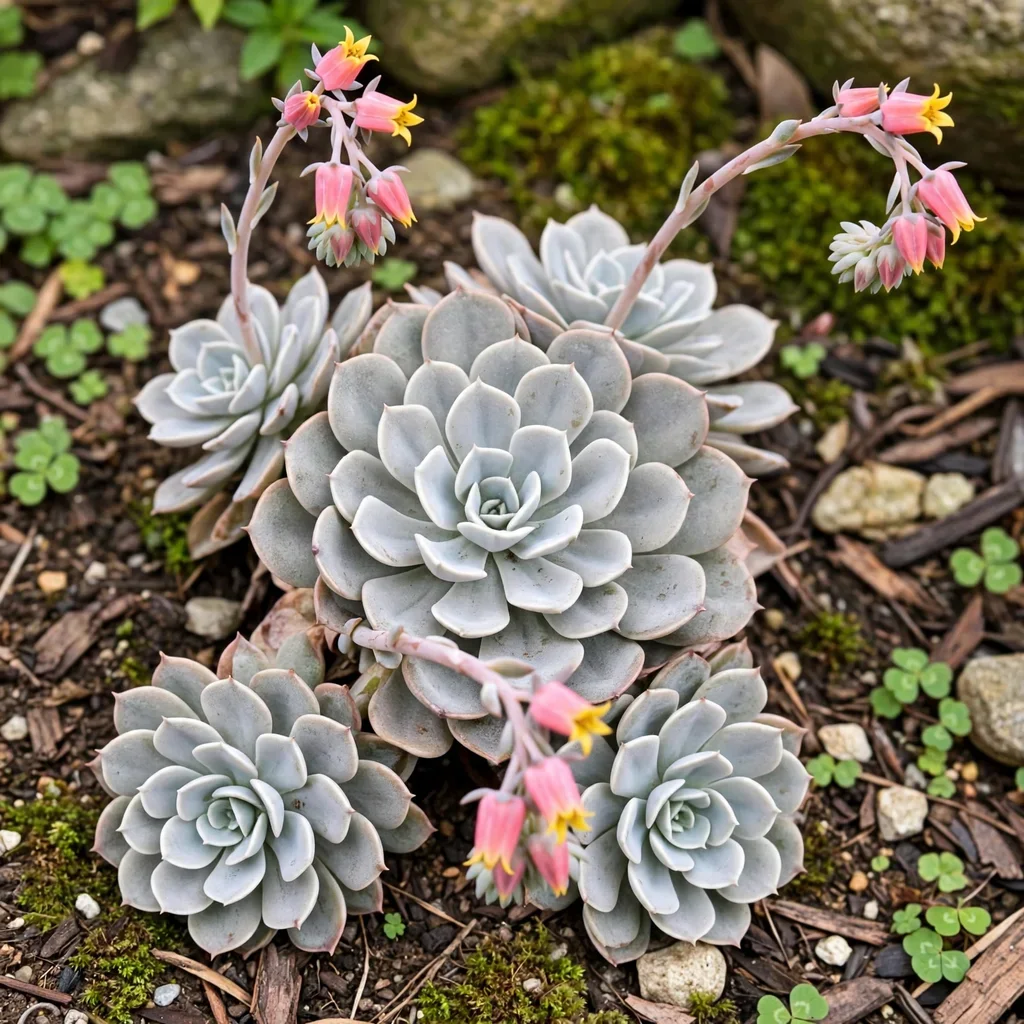
Mexican Snowball
Echeveria elegans
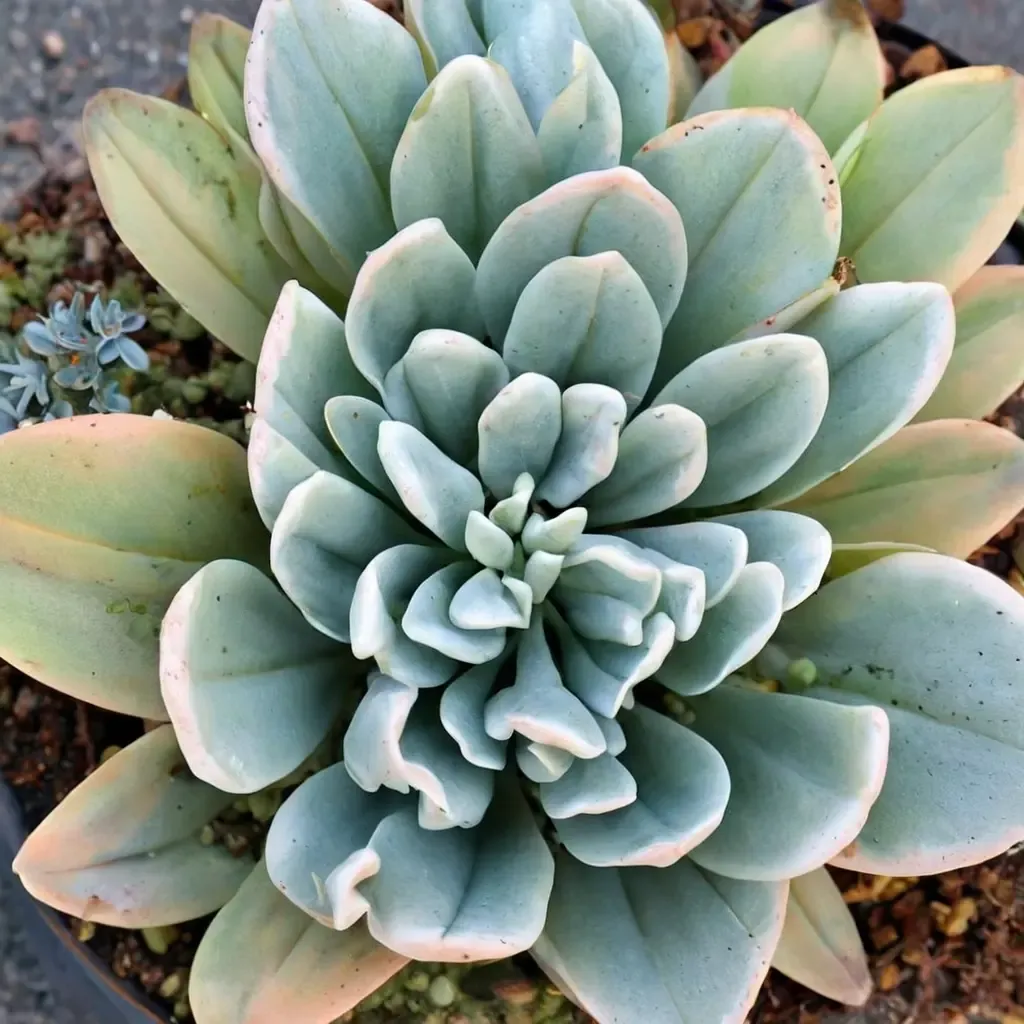
Caribbean Echeveria Echeveria Caribbean
Echeveria runyonii 'Caribbean'
Keep exploring
Explore the genus
Hardy in your zone?
Grow Mexican Hens with confidence
See it in a design of your actual yard, get zone-matched care reminders, and track it season by season in your garden journal.