The Story
Plant Bio
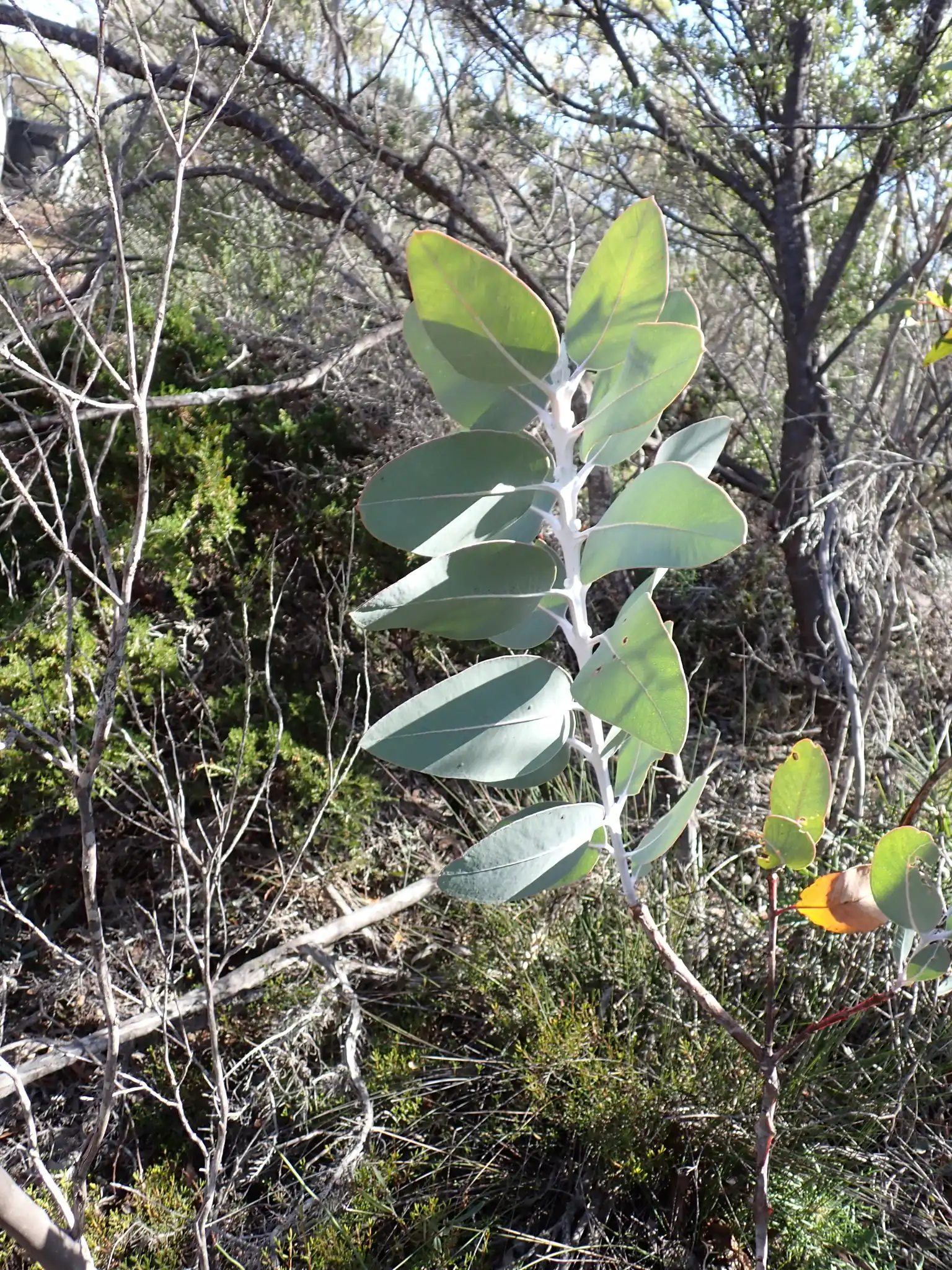
Eucalyptus pleurocarpa, commonly known as tallerack, is a multi-stemmed mallee shrub native to the sandy plains of southwestern Australia. It forms a spreading frame of thin stems bearing thick, leathery grey-green leaves and three-bud clusters of creamy-white flowers.
This species permanently retains its glaucous, silver-blue juvenile foliage into adulthood rather than transitioning to narrow mature leaves. Its square, winged branchlets are covered in a thick, powdery white waxy coating that creates strong year-round architectural contrast.
Uses & Benefits:
Essentials
At a Glance
Plant Type
Shrub
Height
197"
Width
236"
Light
Full Sun
Zones
9, 10
Water
Low
Humidity
Low to moderate
Lifespan
Perennial
Native To
Southwestern Western Australia
Toxicity
Mildly toxic if ingested; foliage may irritate sensitive skin
Bloom period
Spring – Summer
In flower about 6 months of the year
Planting
How to Grow
- Choose a full-sun site with lean, gritty sand or gravelly soil that drains immediately.
- Dig a planting hole twice as wide as the container, keeping the native soil free of organic compost or rich fertilizers.
- Set the plant so the crown sits level with the surrounding soil, then backfill and firm gently around the root ball.
- Water thoroughly at planting to settle the roots, then limit deep irrigation strictly to the first warm season.
Pro Tip
Plant in coarse, lean soil and strictly avoid summer watering once established, as warm moisture lingering around the root crown induces fatal root rot.
Keep It Thriving
Care Guide
Do
- Plant in exceptionally sharp-draining, sandy or gravelly soil.
- Provide full sun exposure to maintain dense foliage and vivid white stem coatings.
- Trim light branch tips after flowering to maintain a compact form.
Don't
- Do not water established plants during warm summer months.
- Do not apply standard high-phosphorus or high-nitrogen fertilizers.
- Do not cut hard into old, leafless wood below the leafy canopy.
Seasonal Care Calendar
| Task | Jan | Feb | Mar | Apr | May | Jun | Jul | Aug | Sep | Oct | Nov | Dec |
|---|---|---|---|---|---|---|---|---|---|---|---|---|
| Fertilize | ||||||||||||
| Pest Check | ||||||||||||
| Prune | ||||||||||||
| Spring Cleanup | ||||||||||||
| Winter Prep |
Watch Out For
Pests & Diseases
Common Pests
Common Diseases
In the Garden
Landscape Uses & Companions
Landscape Uses
Companion Plants
Multiply
Propagation Methods
Good to Know
Common Questions
Tallerack questions
What zones can Tallerack grow in?
Tallerack is hardy in USDA Zones 9–10: in that range it survives winter in the ground. Colder than Zone 9, grow it in a container you can move to shelter for the winter.
Is Tallerack deer resistant?
Yes — Tallerack is rated deer-resistant. Deer typically pass it over, though extreme hunger can override any plant's defenses.
When does Tallerack bloom?
Tallerack typically blooms from spring to summer. Exact timing shifts a week or two with your zone — Sow's bloom calendar maps it to your garden.
Does Tallerack need full sun?
Tallerack does best in full sun (6+ hours).
Is Tallerack drought tolerant?
Yes — once established (usually after the first full season), Tallerack handles dry spells with minimal watering. Water deeply its first year to build the root system that makes that possible.
More Eucalyptus to compare
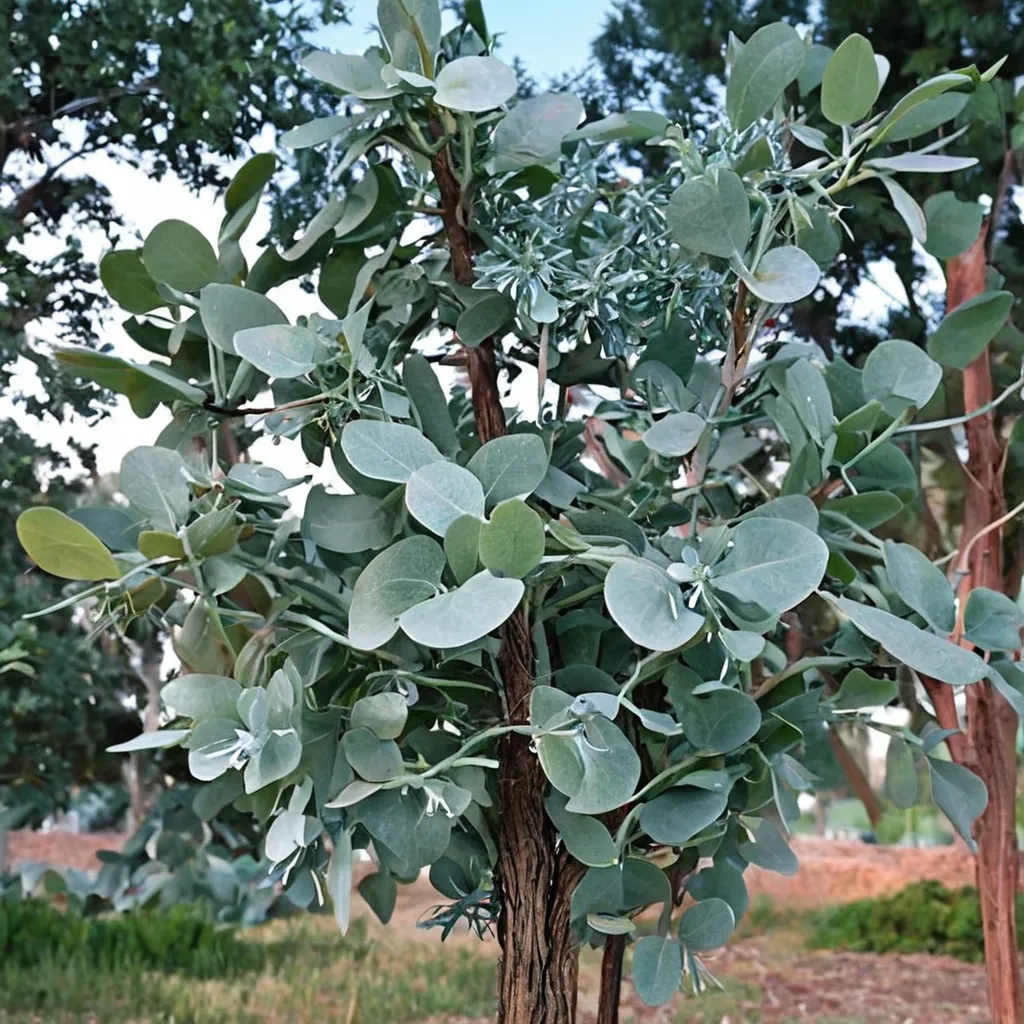
Silver Dollar Eucalyptus
Eucalyptus cinerea
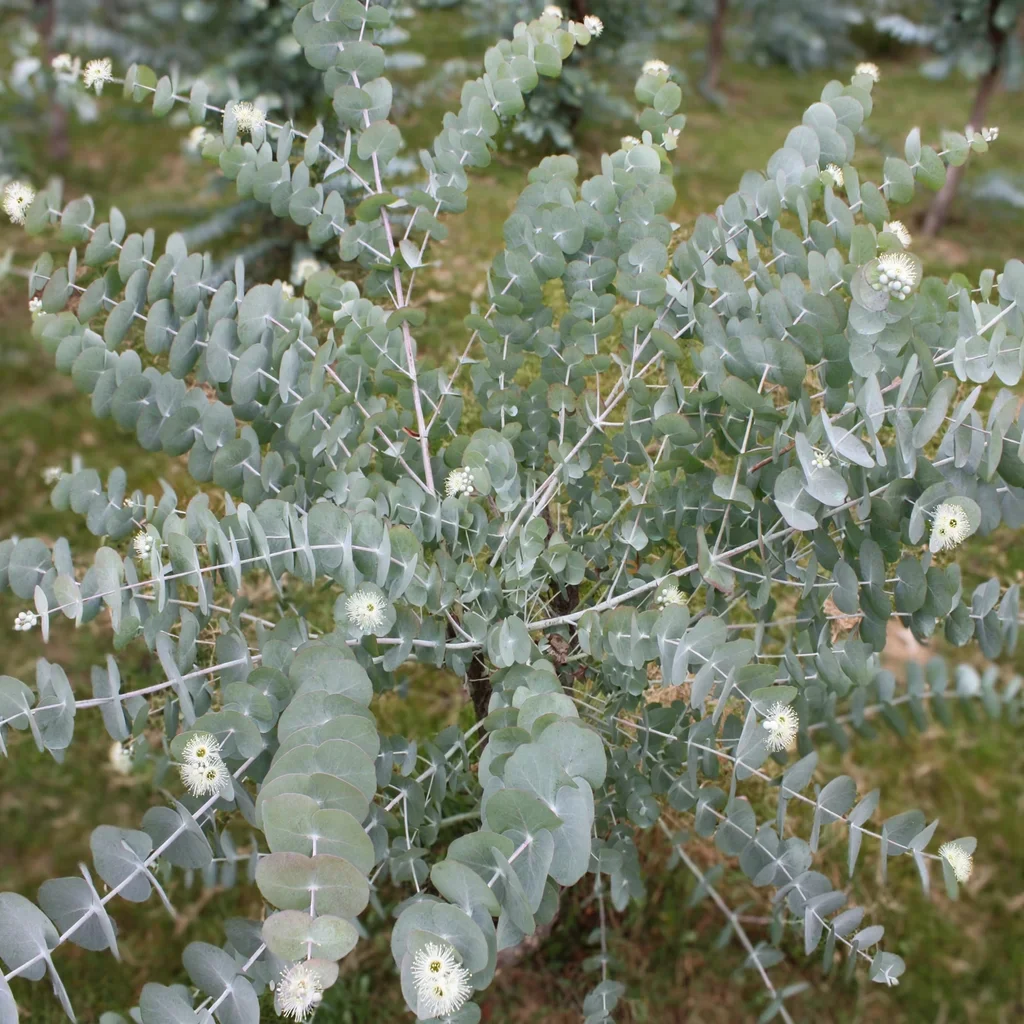
Silver Dollar Tree
Eucalyptus cinerea 'Silver Dollar Tree'
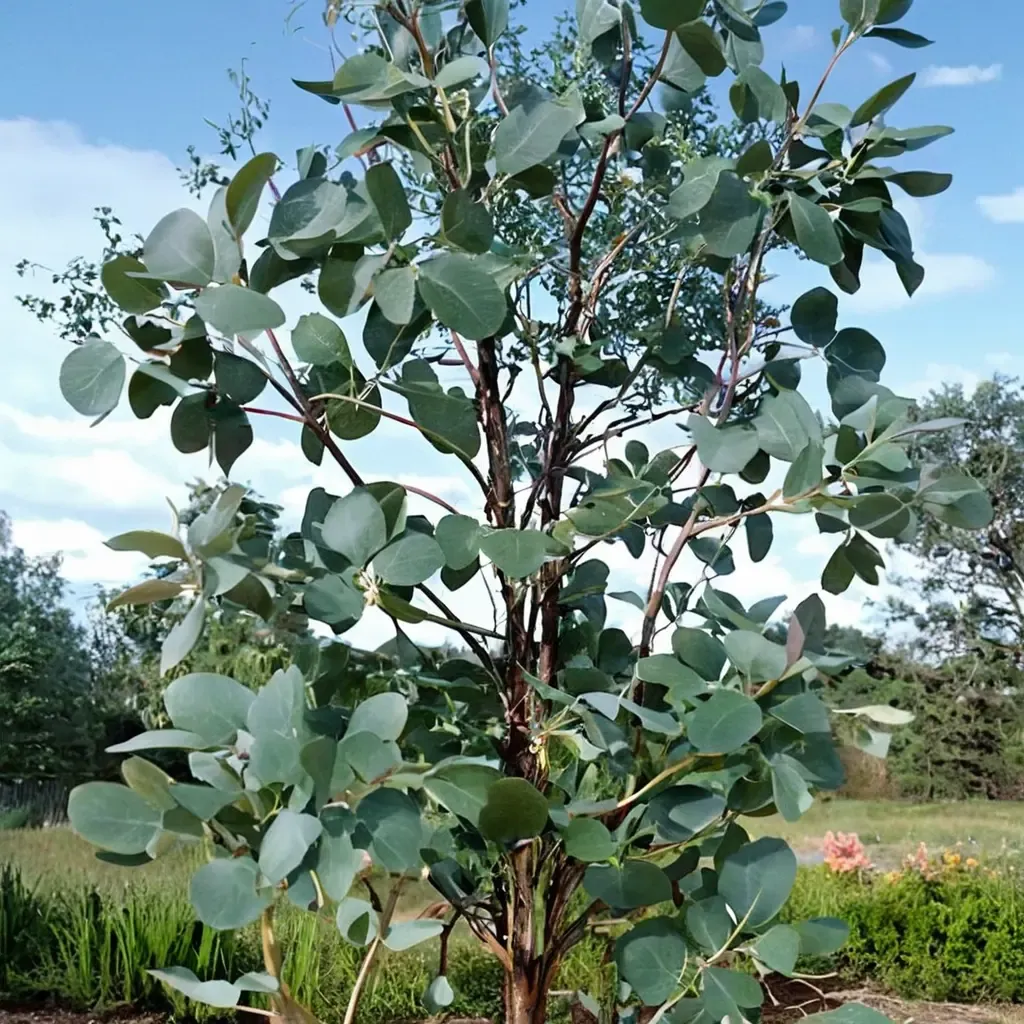
Omeo Gum
Eucalyptus neglecta
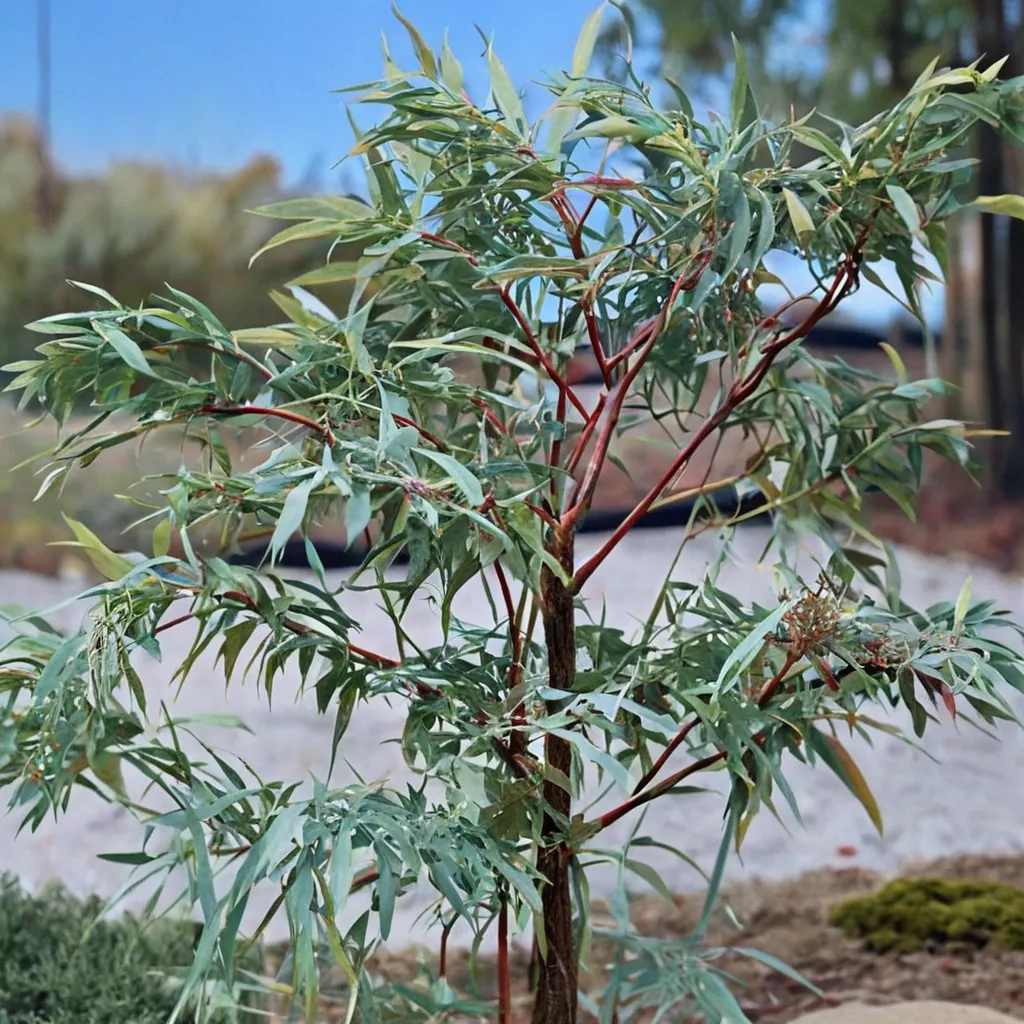
Narrow-leaved Peppermint Eucalyptus
Eucalyptus nicholii
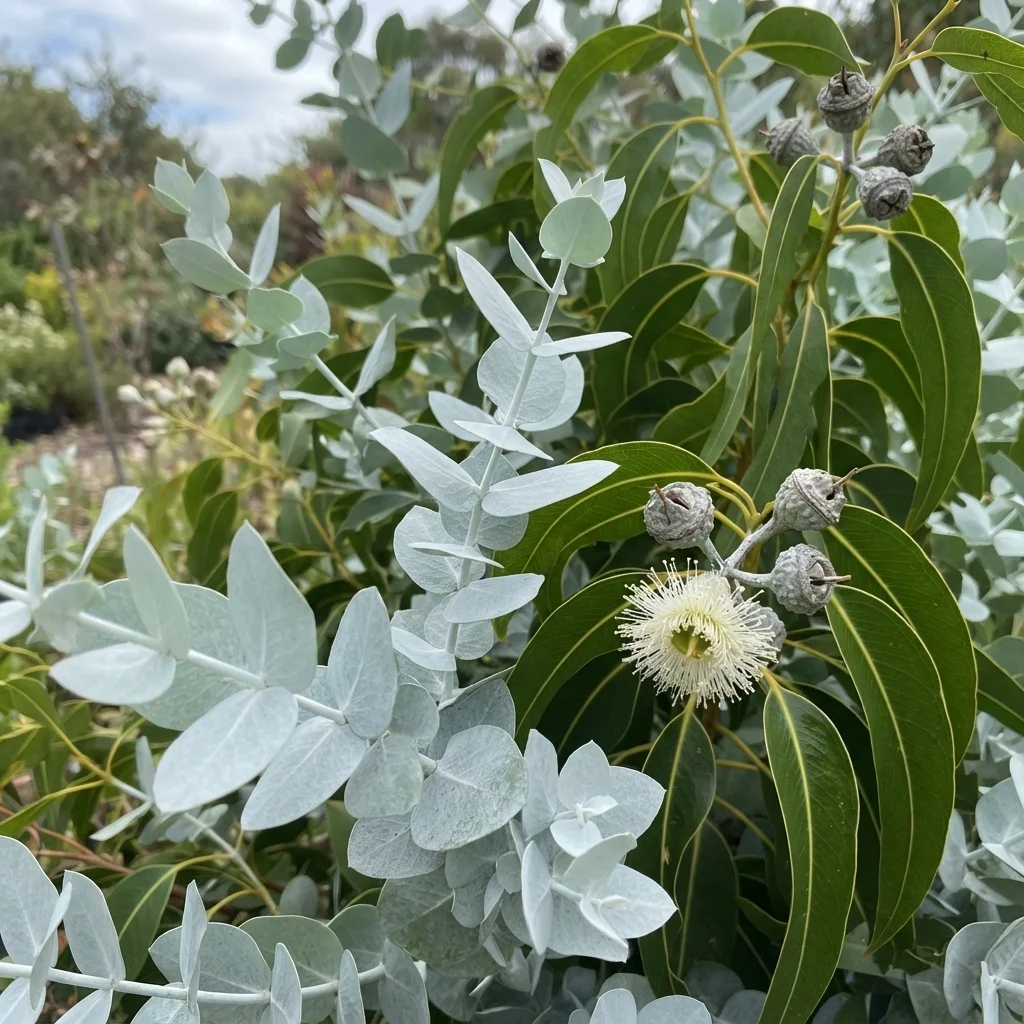
Tasmanian Blue Gum
Eucalyptus globulus
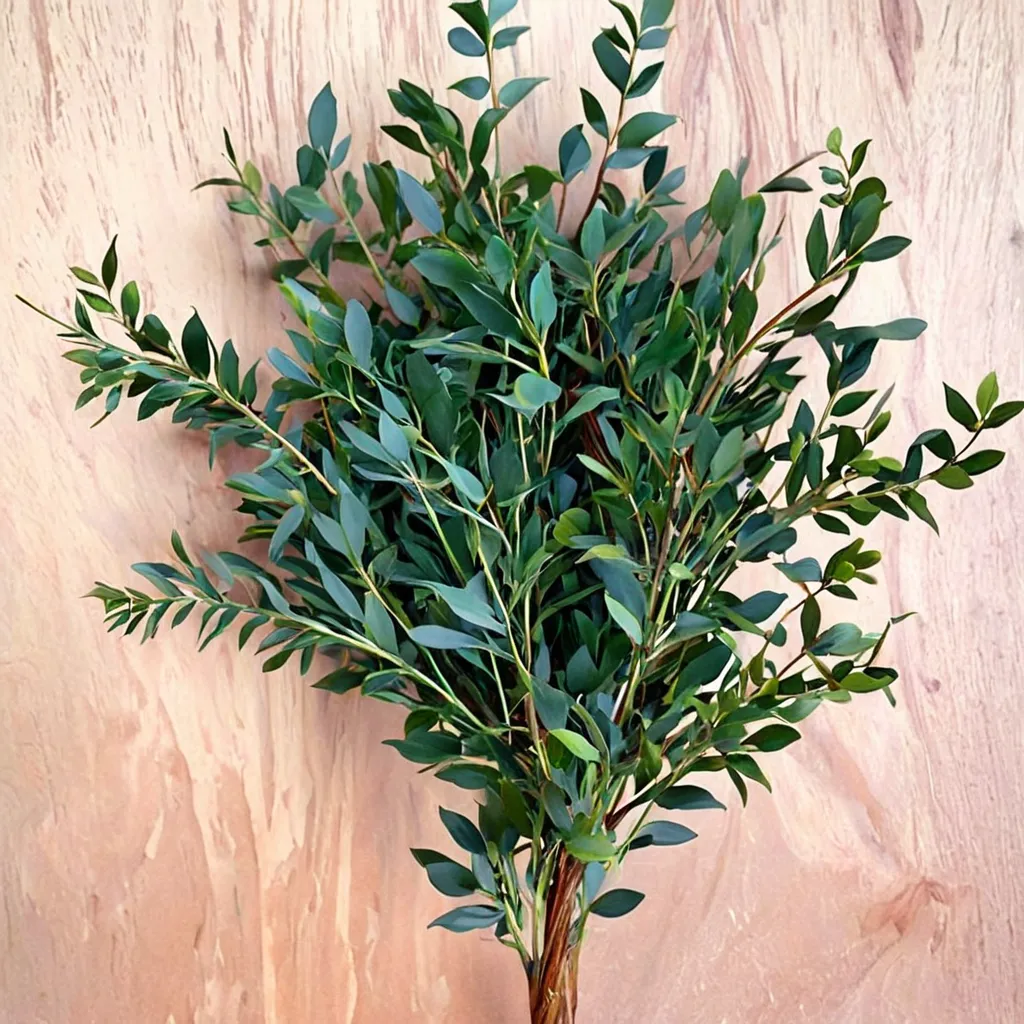
Small-leaved Gum
Eucalyptus parvula
Keep exploring
Explore the genus
Hardy in your zone?
Grow Tallerack with confidence
See it in a design of your actual yard, get zone-matched care reminders, and track it season by season in your garden journal.