The Story
Plant Bio
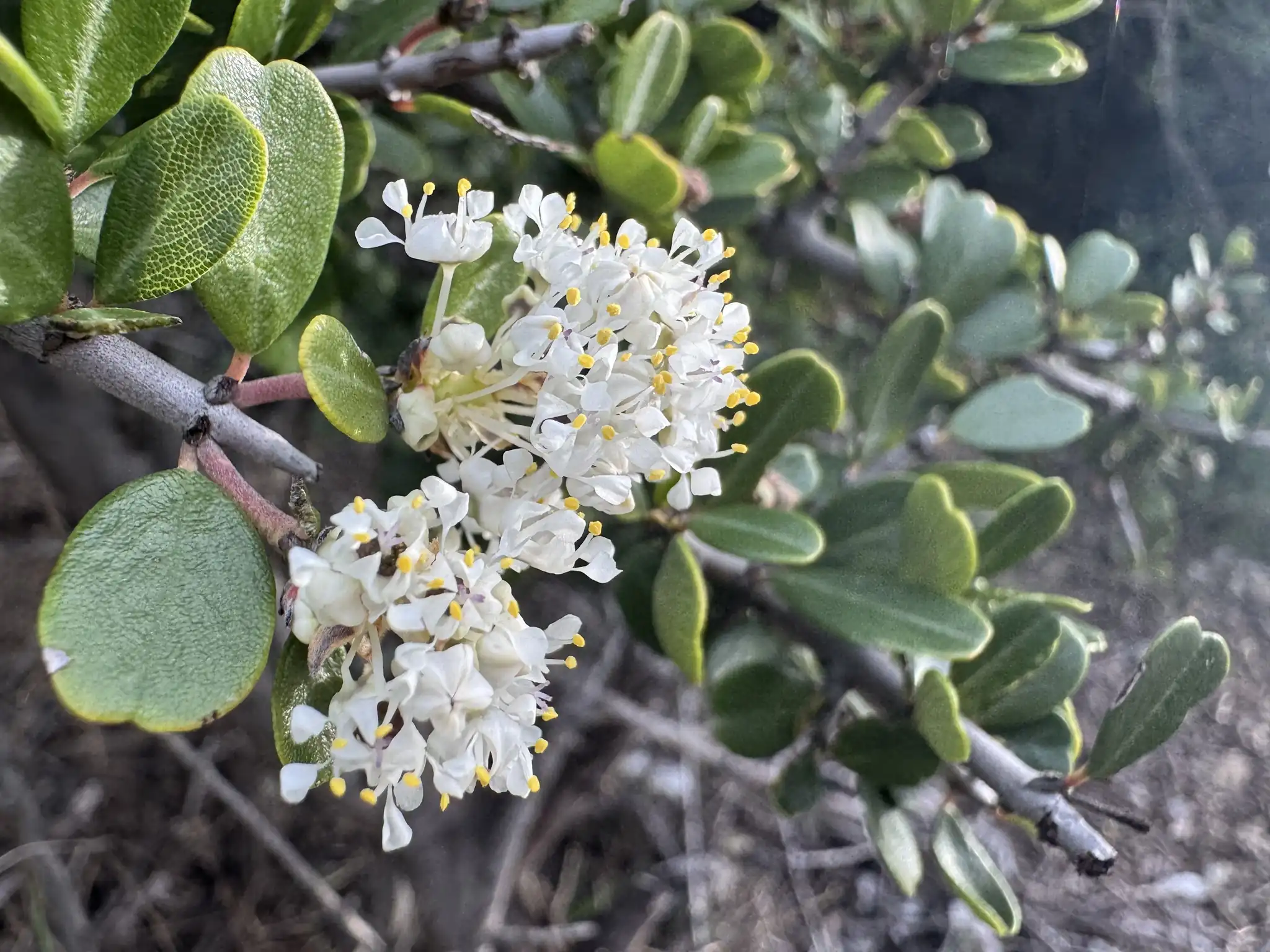
Ceanothus cuneatus, commonly known as buckbrush, is an evergreen chaparral shrub native to western North America, featuring rigid branchlets with near-right-angle branching and small, wedge-shaped bluish-green leaves. In spring, it produces tight, rounded clusters of creamy-white to pale blue flowers held on short lateral shoots.
The species is distinguished by its stiff, almost thorn-tipped lateral twigs and small leaves with prominent, raised veining underneath. Its extensive root system and dense structure make it exceptionally durable on dry, exposed slopes where summer water is absent.
Uses & Benefits:
Essentials
At a Glance
Plant Type
Shrub
Height
150"
Width
96"
Light
Full Sun, Partial Sun
Zones
6, 7, 8, 9, 10
Water
Low
Humidity
Low
Lifespan
Perennial
Native To
Western North America
Toxicity
Non-toxic
Bloom period
Spring
In flower about 3 months of the year
Planting
How to Grow
- Plant in full sun in lean, gritty, or rocky soil with sharp drainage.
- Water occasionally during the first winter and spring to establish roots, then cease all supplemental summer watering.
- Prune lightly directly after spring bloom to shape the canopy, taking care not to cut into old, leafless wood.
- Avoid organic mulches near the main stem and do not apply nitrogen fertilizers.
Pro Tip
Do not irrigate once established; combining summer heat with soil moisture triggers Phytophthora root rot, which rapidly kills the plant.
Keep It Thriving
Care Guide
Do
- Provide sharp soil drainage on rocky or gravelly sites.
- Prune lightly right after spring flowering.
- Expose to full sun for maximum growth density.
Don't
- Do not apply supplemental water during hot summer months.
- Do not cut back into bare, mature brown wood.
- Do not add heavy compost or high-nitrogen fertilizer to the soil.
Seasonal Care Calendar
| Task | Jan | Feb | Mar | Apr | May | Jun | Jul | Aug | Sep | Oct | Nov | Dec |
|---|---|---|---|---|---|---|---|---|---|---|---|---|
| Pest Check | ||||||||||||
| Plant | ||||||||||||
| Prune | ||||||||||||
| Winter Prep |
Watch Out For
Pests & Diseases
Common Pests
Common Diseases
In the Garden
Landscape Uses & Companions
Landscape Uses
Multiply
Propagation Methods
Good to Know
Common Questions
Buckbrush questions
What zones can Buckbrush grow in?
Buckbrush is hardy in USDA Zones 6–10: in that range it survives winter in the ground. Colder than Zone 6, grow it in a container you can move to shelter for the winter.
Is Buckbrush deer resistant?
Not reliably. Deer may browse Buckbrush, especially tender spring growth — plan on repellents or fencing where pressure is high.
When does Buckbrush bloom?
Buckbrush typically blooms in spring. Exact timing shifts a week or two with your zone — Sow's bloom calendar maps it to your garden.
Does Buckbrush need full sun?
Buckbrush does best in full sun to part shade. In hot climates, afternoon shade keeps blooms fresher longer.
Is Buckbrush drought tolerant?
Yes — once established (usually after the first full season), Buckbrush handles dry spells with minimal watering. Water deeply its first year to build the root system that makes that possible.
More Ceanothus to compare
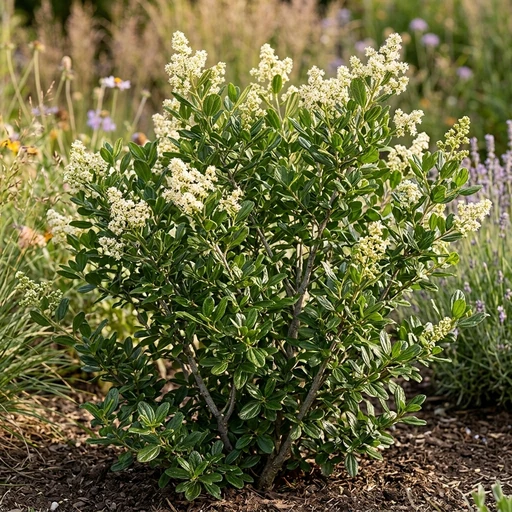
New Jersey Tea
Ceanothus americanus
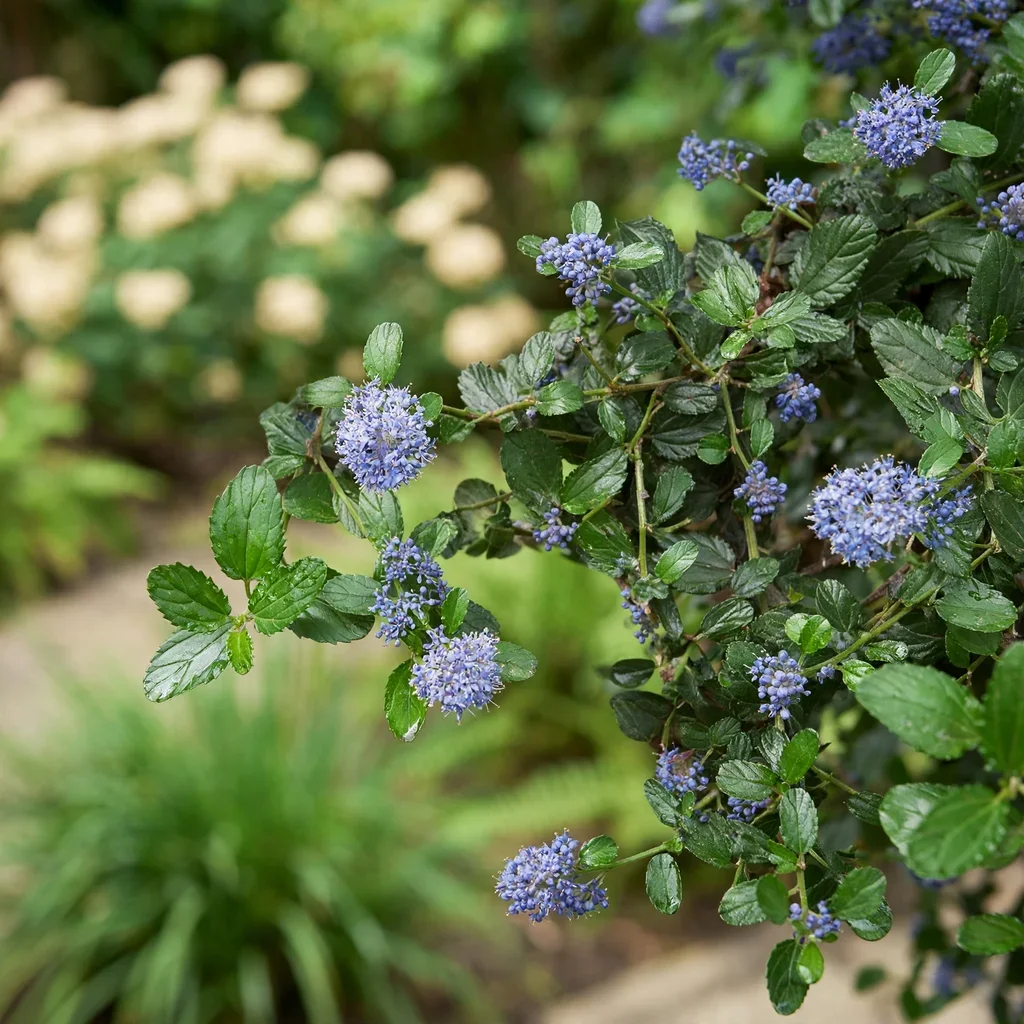
California Lilac
Ceanothus thyrsiflorus
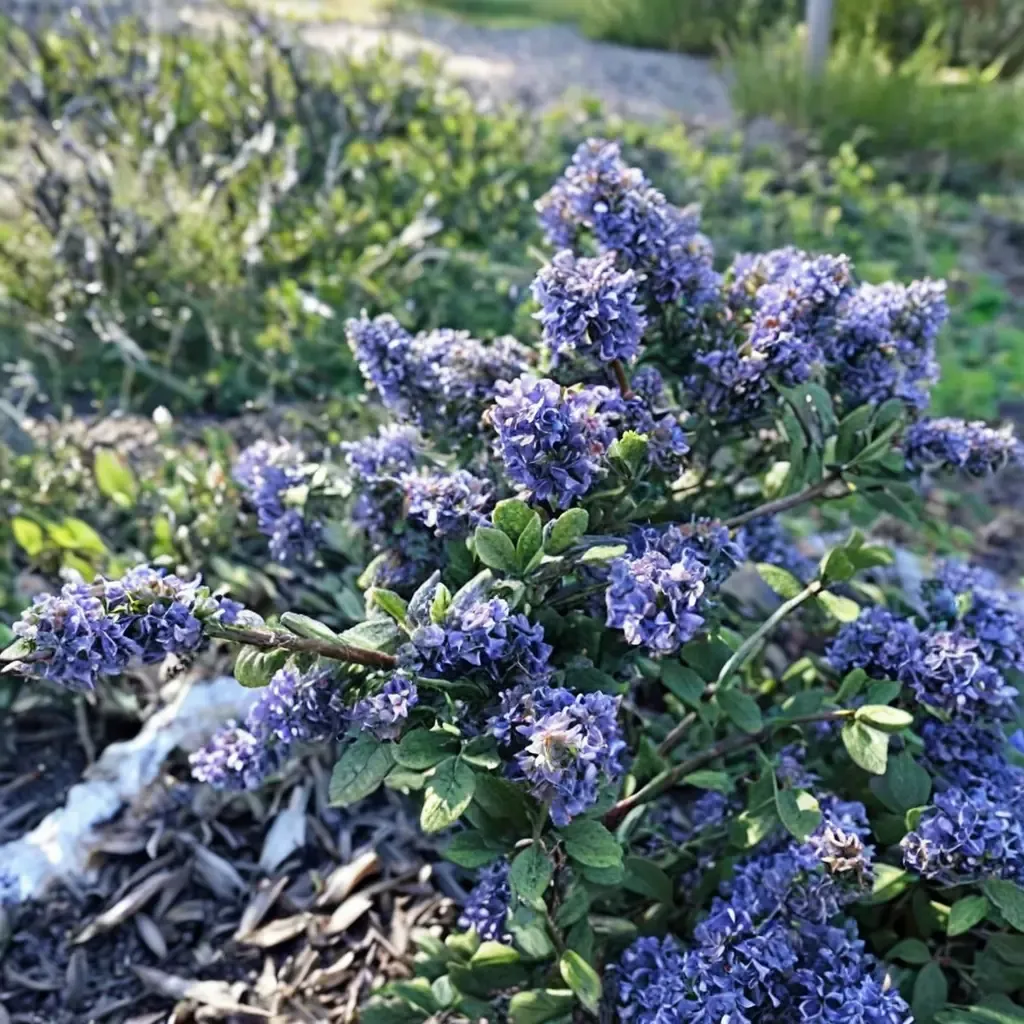
Valley Violet California Lilac
Ceanothus maritimus 'Valley Violet'
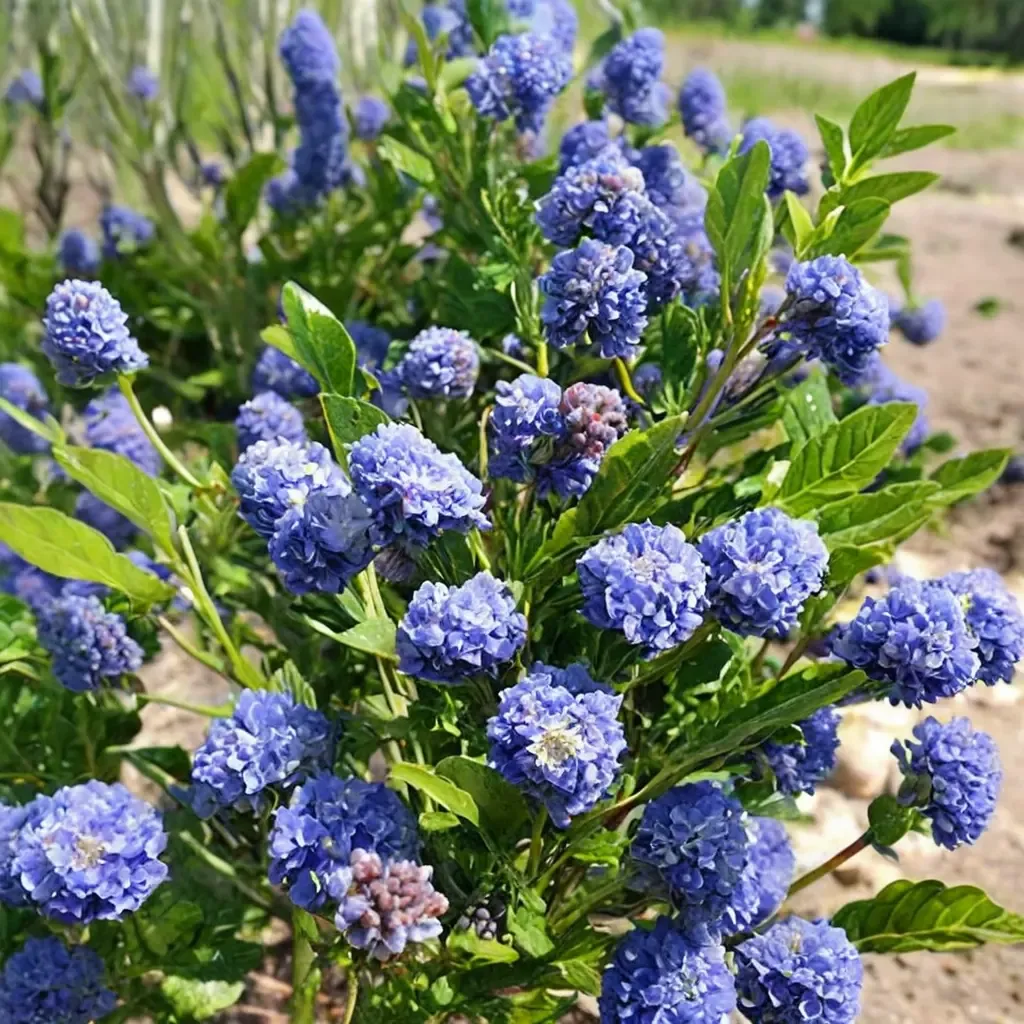
Skylark California Lilac
Ceanothus thyrsiflorus 'Skylark'
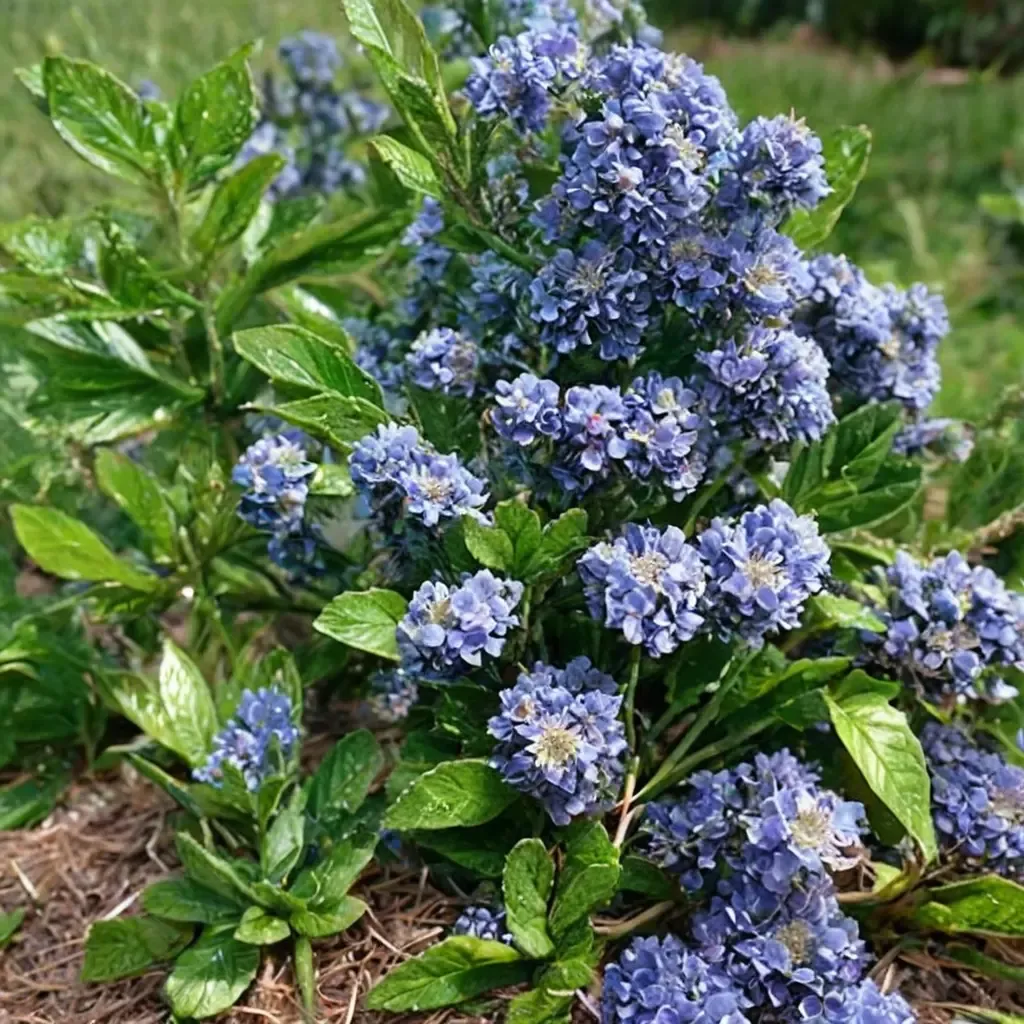
Victoria California Lilac
Ceanothus griseus 'Victoria'
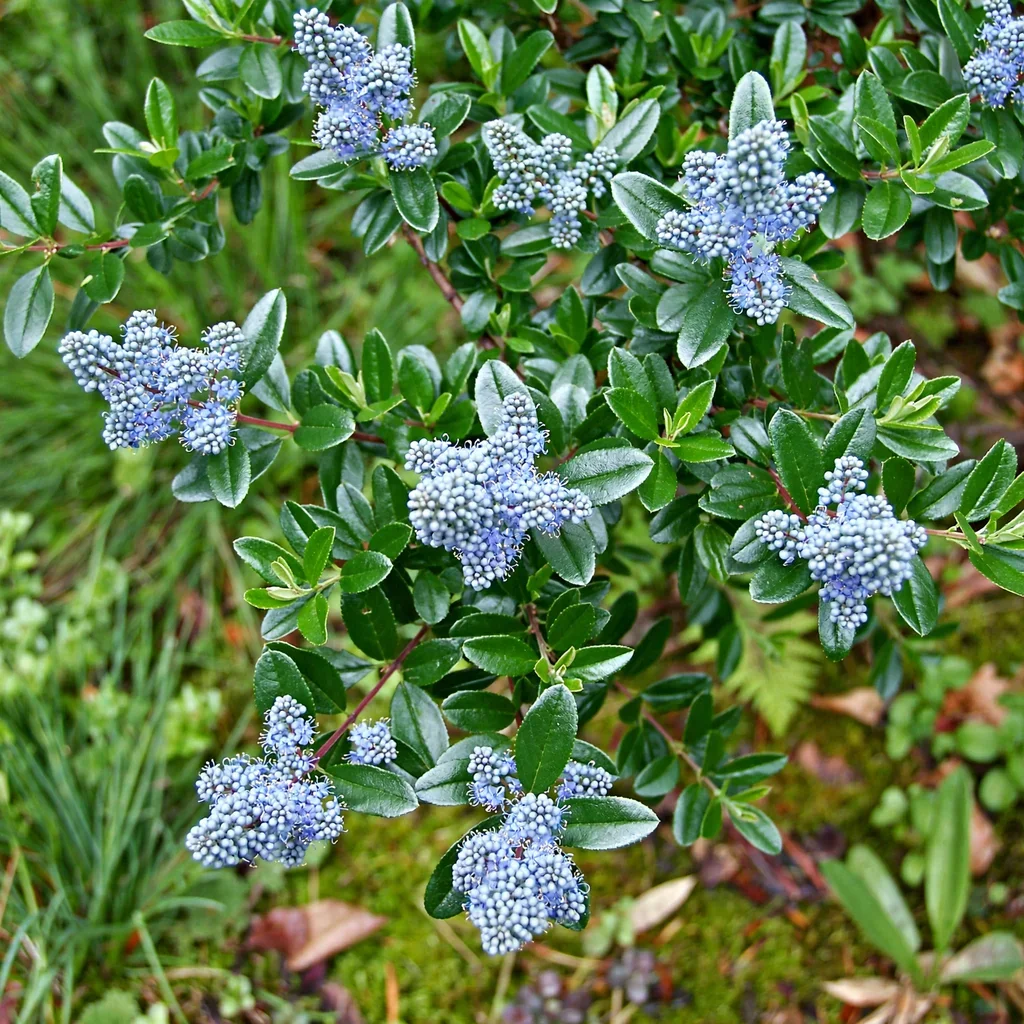
Yankee Point California Lilac
Ceanothus thyrsiflorus 'Yankee Point'
Keep exploring
Explore the genus
Hardy in your zone?
Grow Buckbrush with confidence
See it in a design of your actual yard, get zone-matched care reminders, and track it season by season in your garden journal.