The Story
Plant Bio
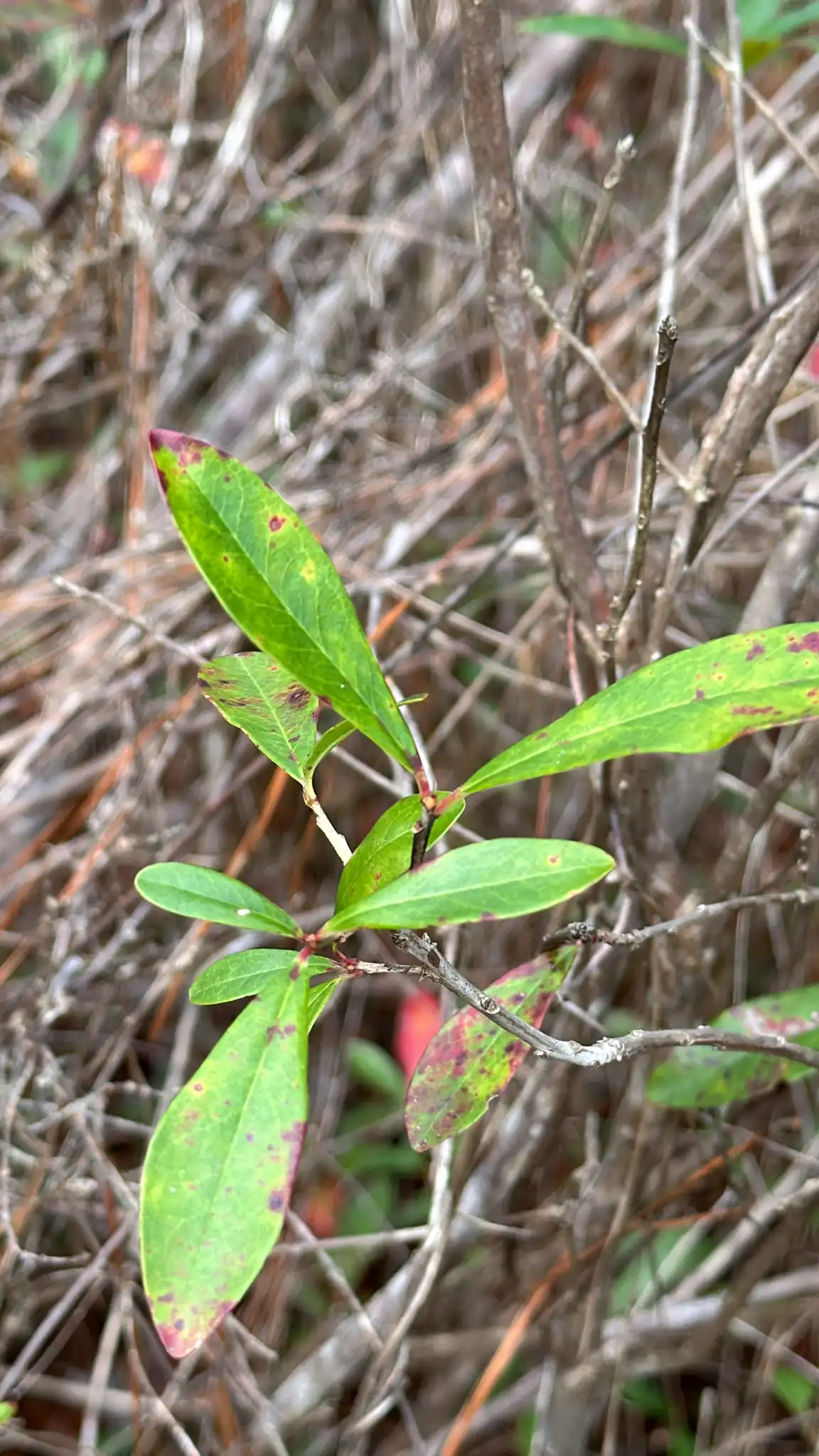
Cyrilla racemiflora is a thicket-forming deciduous to semi-evergreen shrub or small slender tree of southeastern swamps and pocosins, reaching 8 to 10 feet in gardens and to 30 feet in the wild. It carries alternate oblong lustrous dark green leaves 1.5 to 4 inches long on shallow horizontal roots that sucker freely into clones, with smooth cinnamon bark that flakes with age.
It blooms in early summer on slender pendent racemes 3 to 6 inches long of small fragrant white flowers that draw heavy bee activity. Older leaves turn orange to scarlet in fall, and plants hold leaves through winter in the lower South but drop them farther north.
Uses & Benefits:
Essentials
At a Glance
Plant Type
Shrub
Height
120"
Width
96"
Light
Full Sun, Partial Sun
Zones
5, 6, 7, 8, 9, 10
Water
High
Humidity
High
Lifespan
Long-lived woody shrub
Native To
Southeastern USA to northern South America
Toxicity
No known human toxicity
Bloom period
Late spring – Summer
In flower about 4 months of the year
Planting
How to Grow
- Plant in spring in a low spot, pond margin, or rain garden where soil stays moist to wet.
- Dig a hole no deeper than the root ball and twice as wide, then backfill with native acidic soil.
- Water deeply at planting and keep the root zone saturated through the first summer.
- Renew a 2- to 3-inch layer of pine bark or leaf mulch to hold moisture.
- Thin suckers to control spread or prune after flowering to train a single-trunk small tree.
Pro Tip
Set it in permanently moist acidic soil in full sun for heaviest bloom and give it room to spread, because colonies expand by root suckers and check growth if allowed to dry.
Keep It Thriving
Care Guide
Do
- Keep soil consistently moist; more sun gives denser form and more racemes.
- Allow room for suckering into a thicket or remove suckers to hold a single clump.
- Prune after flowering if a tree form is wanted.
Don't
- Do not plant in dry upland soil that dries in summer.
- Do not cut back into old leafless wood expecting strong regrowth.
- Do not over-fertilize; it grows in low-nutrient organic wetland soil.
Seasonal Care Calendar
| Task | Jan | Feb | Mar | Apr | May | Jun | Jul | Aug | Sep | Oct | Nov | Dec |
|---|---|---|---|---|---|---|---|---|---|---|---|---|
| Mulch | ||||||||||||
| Pest Check | ||||||||||||
| Plant | ||||||||||||
| Propagate | ||||||||||||
| Prune |
Watch Out For
Pests & Diseases
Common Pests
Common Diseases
In the Garden
Landscape Uses & Companions
Landscape Uses
Multiply
Propagation Methods
Good to Know
Common Questions
Swamp Titi questions
What zones can Swamp Titi grow in?
Swamp Titi is hardy in USDA Zones 5–10: in that range it survives winter in the ground. Colder than Zone 5, grow it in a container you can move to shelter for the winter.
Is Swamp Titi deer resistant?
Yes — Swamp Titi is rated deer-resistant. Deer typically pass it over, though extreme hunger can override any plant's defenses.
When does Swamp Titi bloom?
Swamp Titi typically blooms from late spring to late summer. Exact timing shifts a week or two with your zone — Sow's bloom calendar maps it to your garden.
Does Swamp Titi need full sun?
Swamp Titi does best in full sun to part shade. In hot climates, afternoon shade keeps blooms fresher longer.
Keep exploring
Explore the genus
Grow Swamp Titi with confidence
See it in a design of your actual yard, get zone-matched care reminders, and track it season by season in your garden journal.