The Story
Plant Bio
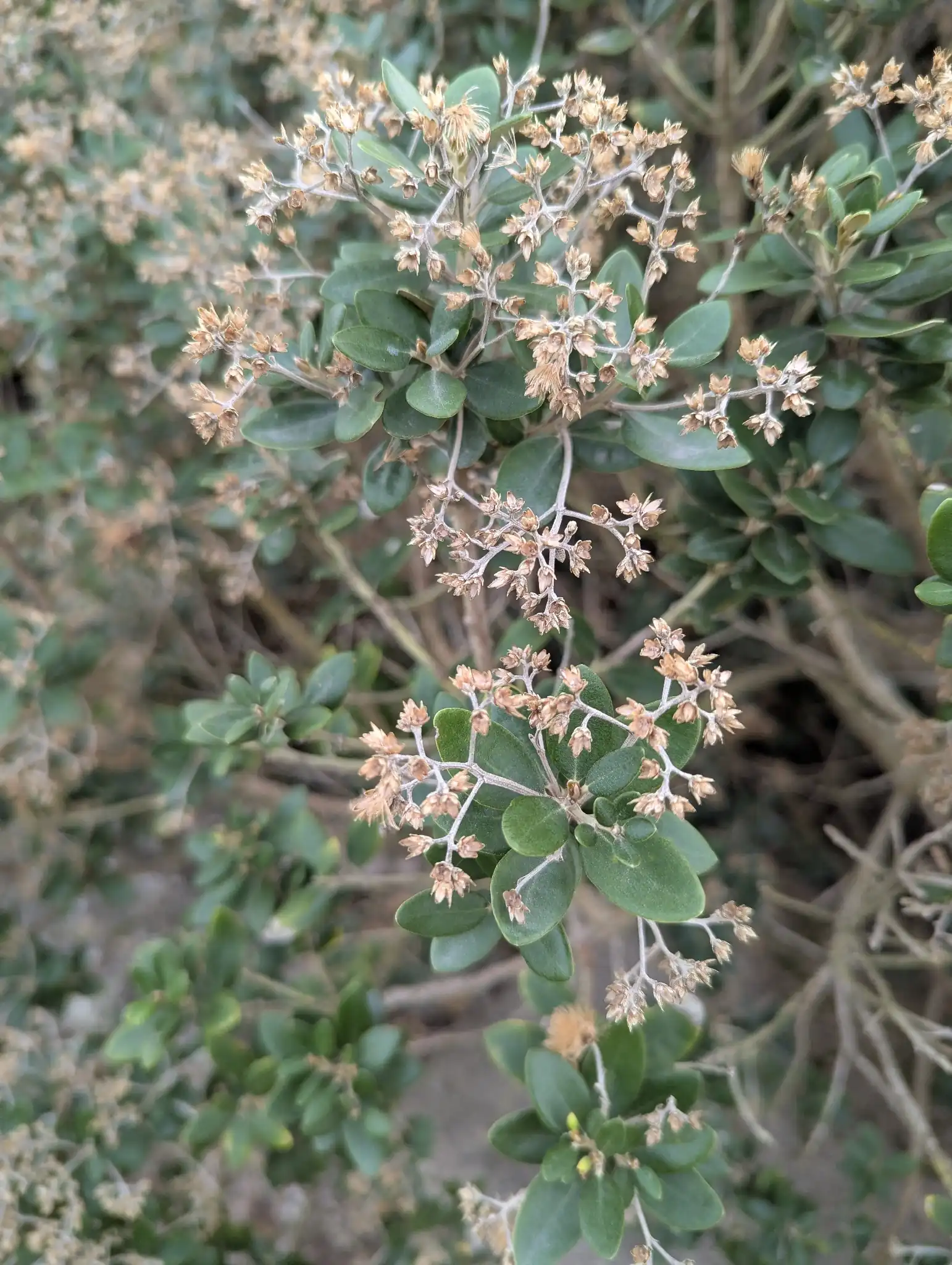
Olearia x haastii is a dense, much-branched evergreen shrub from New Zealand's South Island, growing six to eight feet tall and wide with small oval leathery leaves dark glossy green above and felted white below. In summer it carries dense flat sprays of small white daisy heads with yellow centers that are fragrant and hold for weeks.
This is the natural hybrid of Olearia avicenniifolia and Olearia moschata, rare in the wild but long grown as a hedging shrub that puts on about a foot a year and tolerates wind and salt spray. It is often sold as Olearia haastii without the hybrid mark, and it stands apart by combining hardiness to about 5 degrees Fahrenheit with the ability to break and renew from old wood.
Uses & Benefits:
Essentials
At a Glance
Plant Type
Shrub
Height
72"
Width
72"
Light
Full Sun, Partial Sun
Zones
7, 8, 9, 10
Water
Moderate
Humidity
Average
Lifespan
Long-lived evergreen shrub
Native To
New Zealand - South Island
Toxicity
Unknown; no toxicity reported
Bloom period
Summer – Late summer
In flower about 3 months of the year
Marketplace
Where to Buy
Shipping costs Year-round shipping Free shipping
Planting
How to Grow
- Plant in spring in full sun in a spot sheltered from cold drying winds.
- Dig a hole twice the pot width and set the crown level in moist but well-drained loam.
- Water deeply at planting, then water through the first summer to establish.
- Spread 2 to 3 inches of compost or manure after planting, kept off the stems.
- Shear lightly after summer bloom to keep the crown dense and symmetrical.
Pro Tip
Shear lightly after flowering and mulch with compost; if it gets leggy, cut back into old wood in spring to renew.
Keep It Thriving
Care Guide
Do
- Do plant in moist but well-drained soil with winter shelter from wind.
- Do shear spent flower sprays and lightly trim for shape after bloom.
- Do mulch with compost to hold moisture.
Don't
- Don't plant in waterlogged soil or let pots sit in saucers.
- Don't cut with dull shears that tear the small leaves.
- Don't overwater once established; soggy roots fail first.
Seasonal Care Calendar
| Task | Jan | Feb | Mar | Apr | May | Jun | Jul | Aug | Sep | Oct | Nov | Dec |
|---|---|---|---|---|---|---|---|---|---|---|---|---|
| Deadhead | ||||||||||||
| Mulch | ||||||||||||
| Pest Check | ||||||||||||
| Plant | ||||||||||||
| Prune |
Watch Out For
Pests & Diseases
Common Pests
Common Diseases
In the Garden
Landscape Uses & Companions
Landscape Uses
Companion Plants
Multiply
Propagation Methods
Good to Know
Common Questions
Daisy Bush questions
What zones can Daisy Bush grow in?
Daisy Bush is hardy in USDA Zones 7–10: in that range it survives winter in the ground. Colder than Zone 7, grow it in a container you can move to shelter for the winter.
When does Daisy Bush bloom?
Daisy Bush typically blooms in summer. Exact timing shifts a week or two with your zone — Sow's bloom calendar maps it to your garden.
Does Daisy Bush need full sun?
Daisy Bush does best in full sun to part shade. In hot climates, afternoon shade keeps blooms fresher longer.
Is Daisy Bush drought tolerant?
Yes — once established (usually after the first full season), Daisy Bush handles dry spells with minimal watering. Water deeply its first year to build the root system that makes that possible.
More Olearia to compare
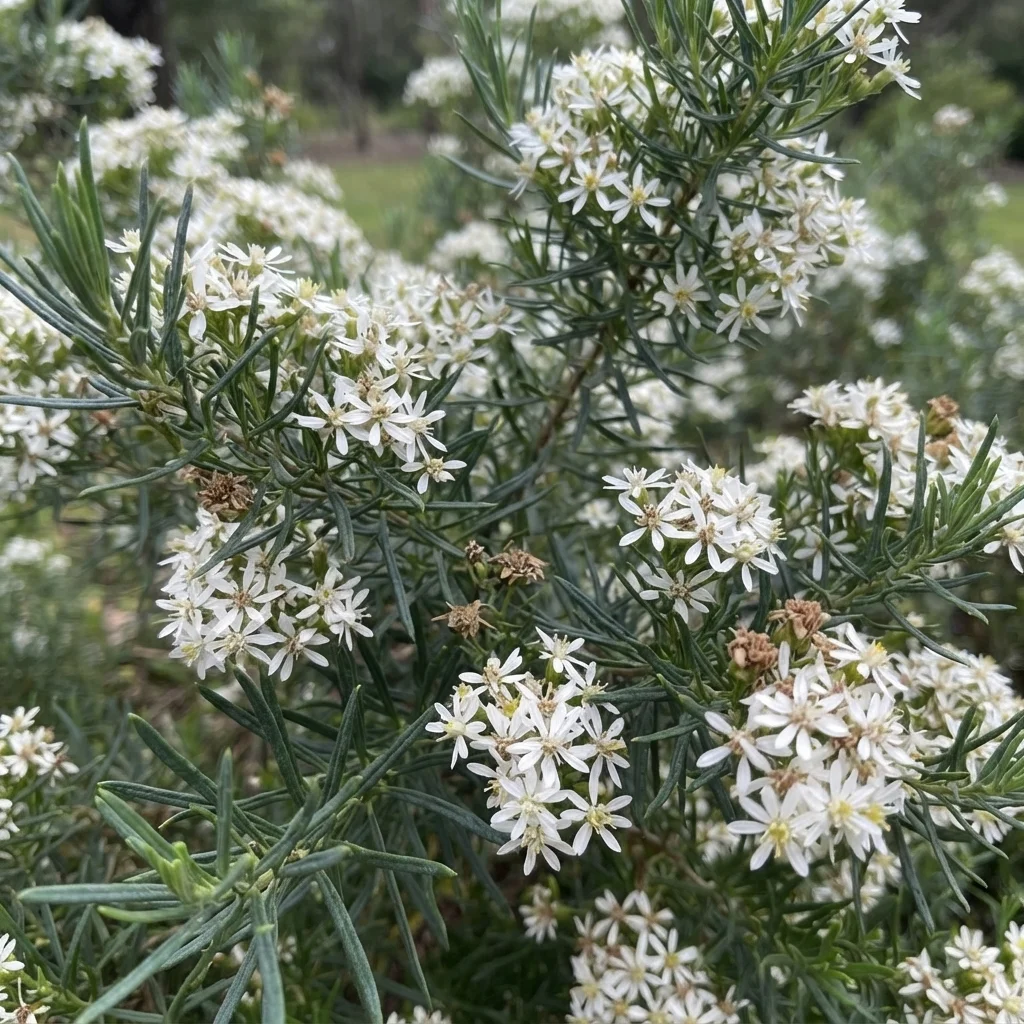
Sticky Daisy-bush
Olearia glutinosa
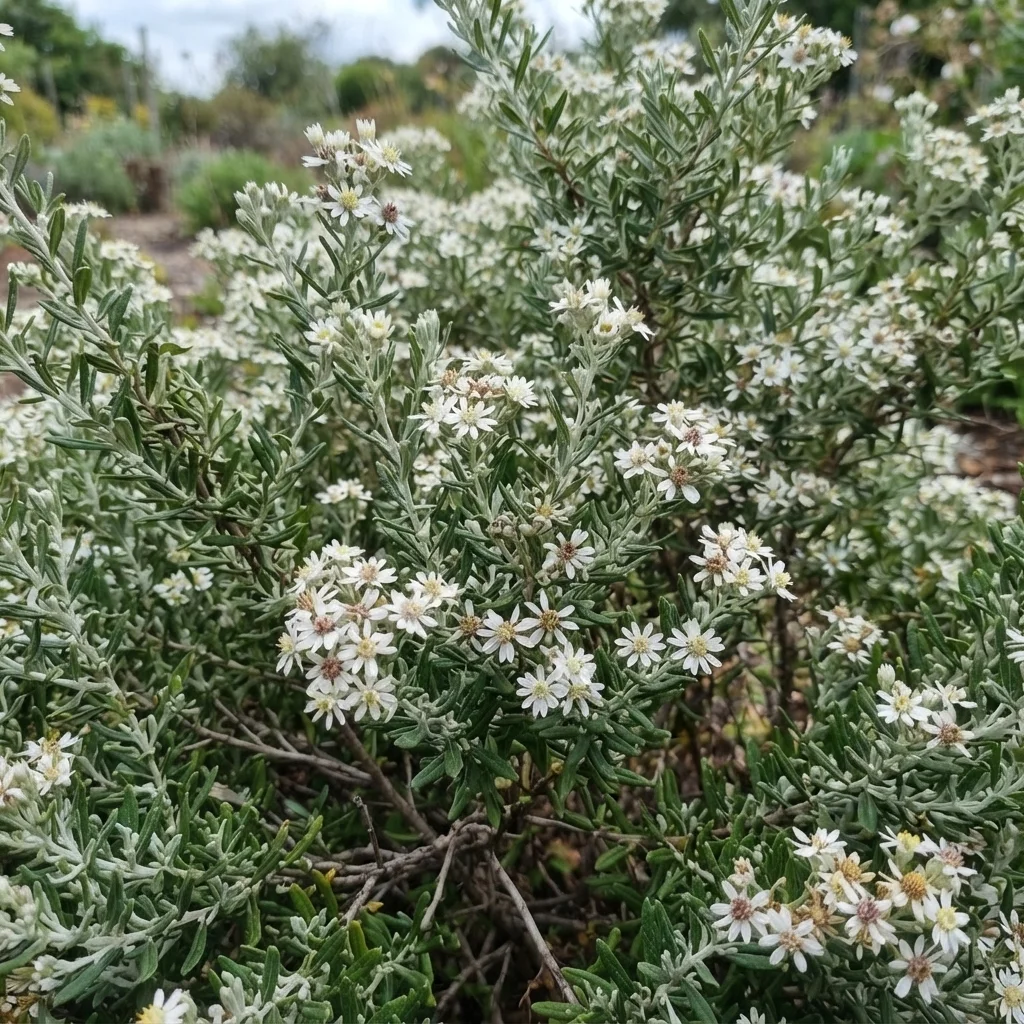
Twiggy Daisy-Bush
Olearia ramulosa
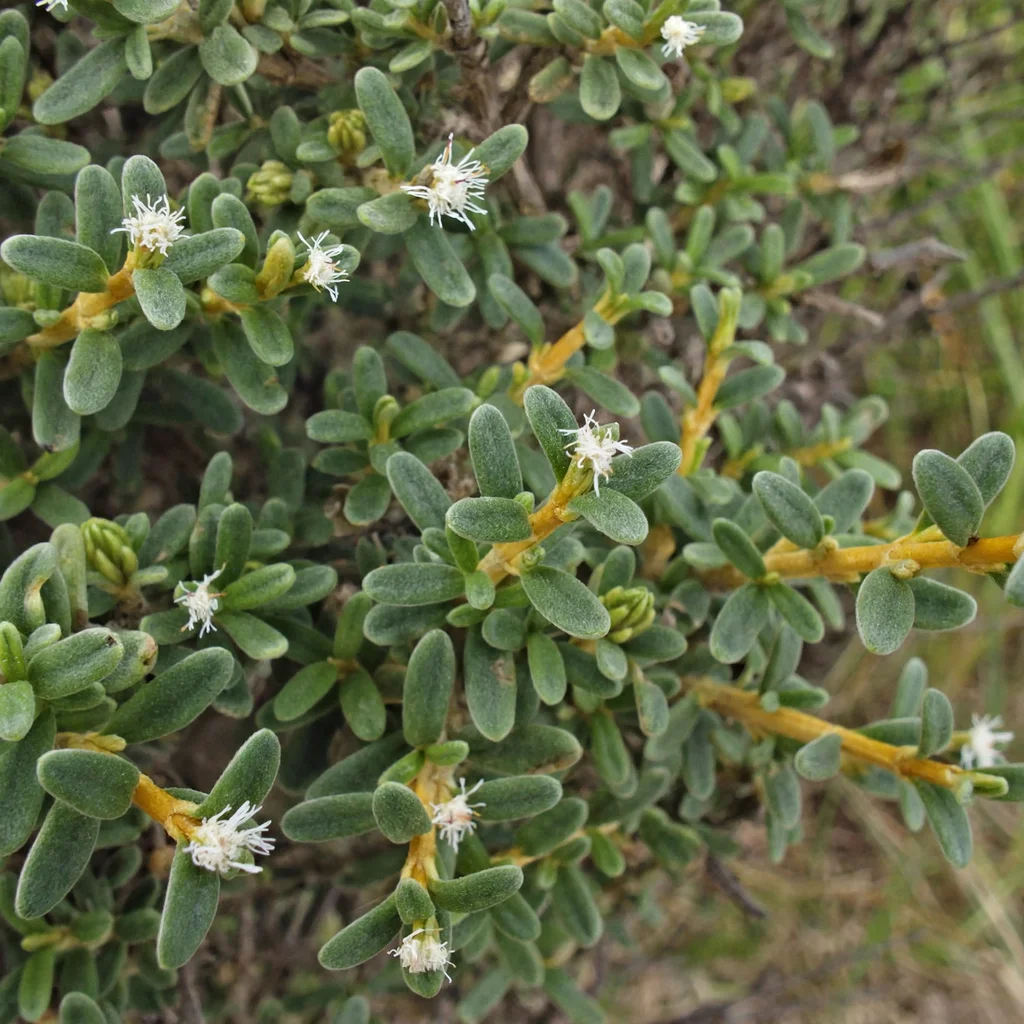
Coastal Daisy-Bush
Olearia solandri
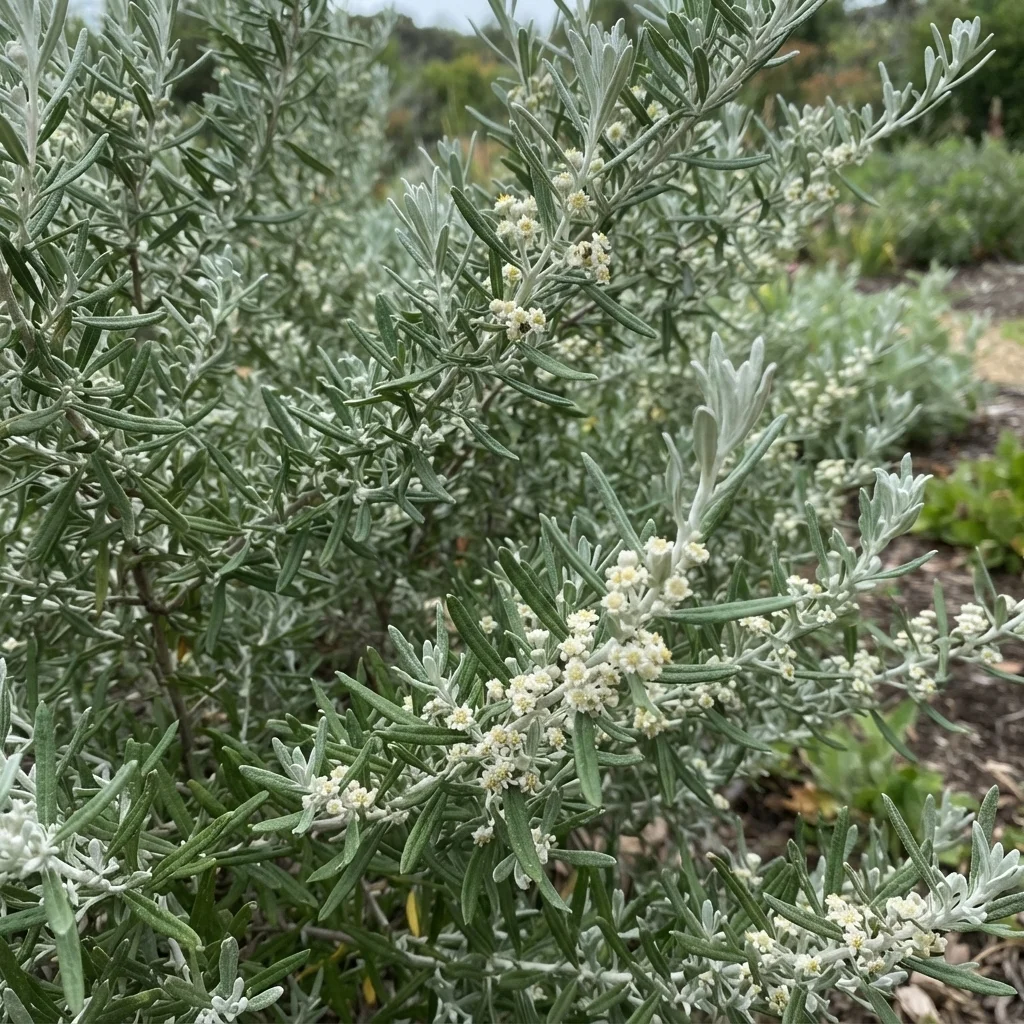
Coast Daisy-bush
Olearia axillaris
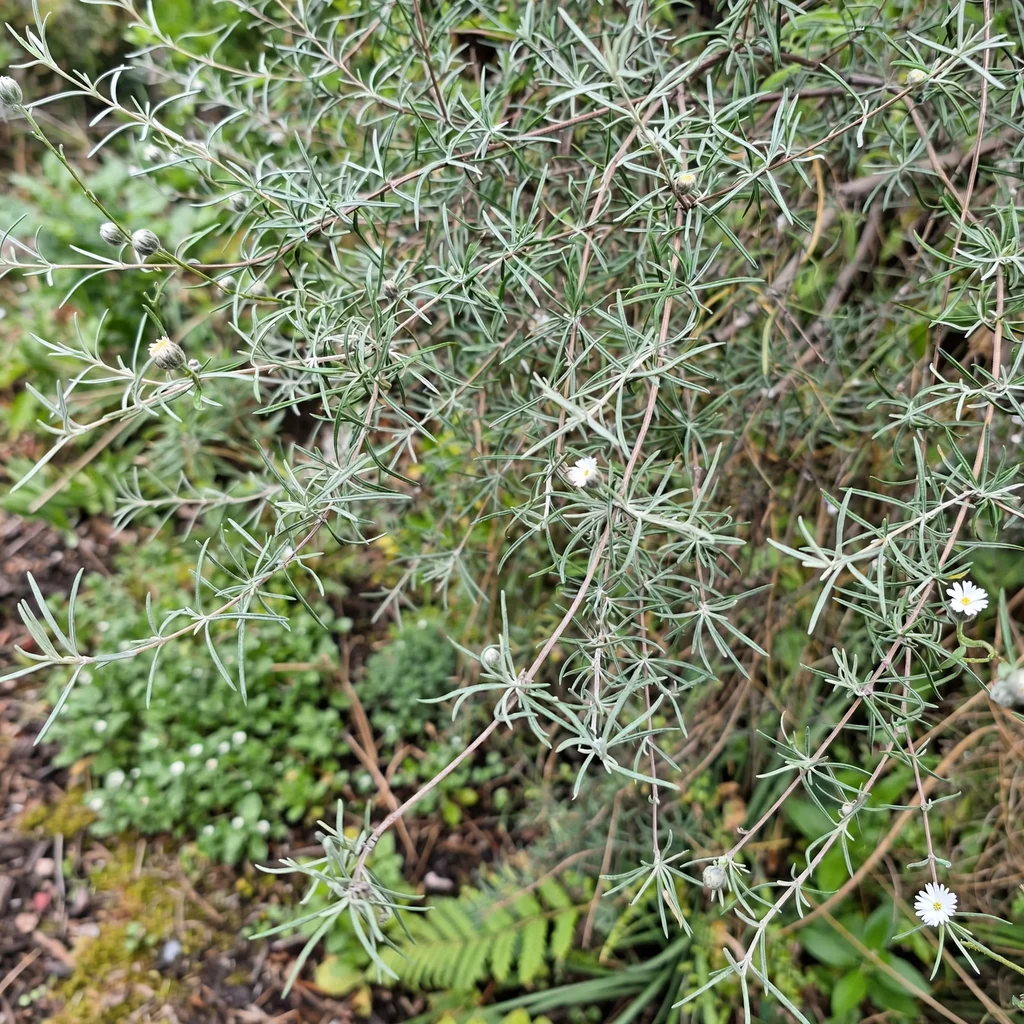
Twiggy Tree Daisy
Olearia lineata
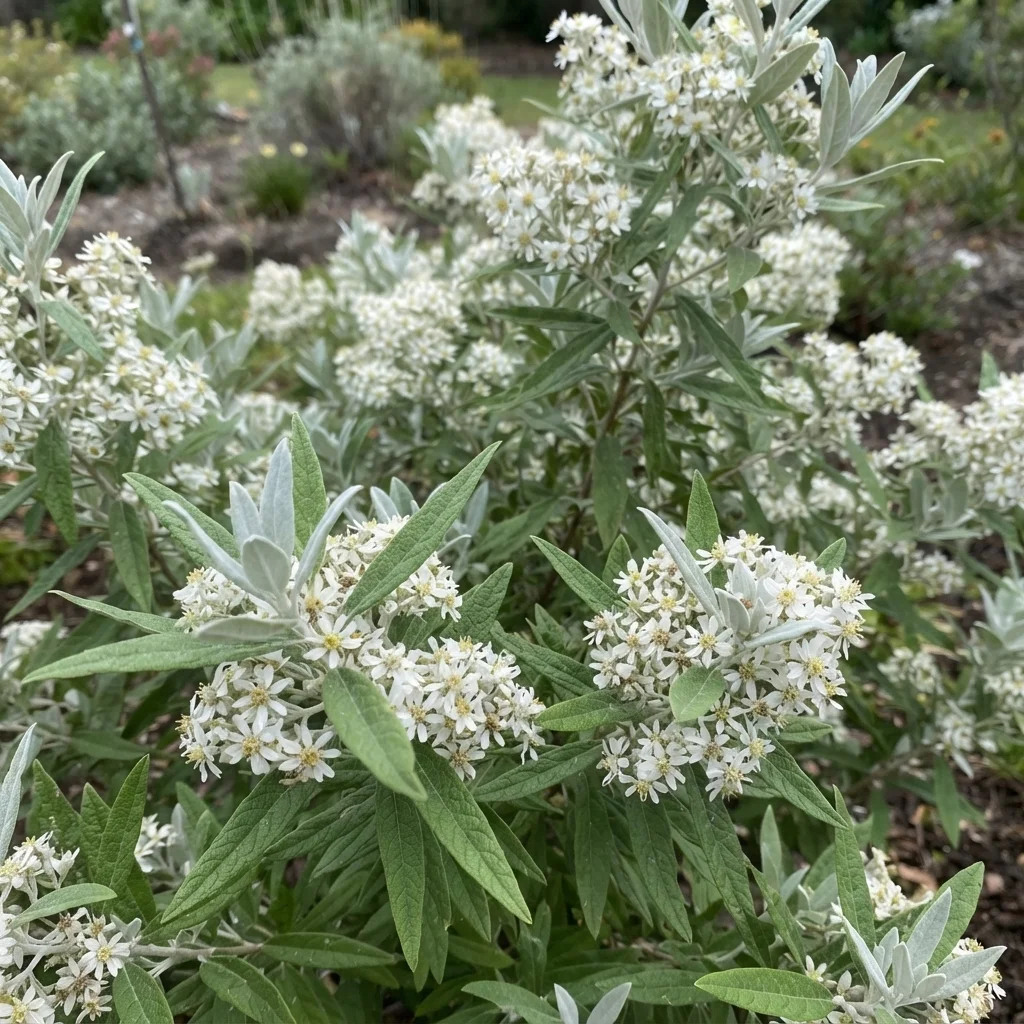
Snowy Daisy-Bush
Olearia lirata
Keep exploring
Explore the genus
Hardy in your zone?
Grow Daisy Bush with confidence
See it in a design of your actual yard, get zone-matched care reminders, and track it season by season in your garden journal.