The Story
Plant Bio
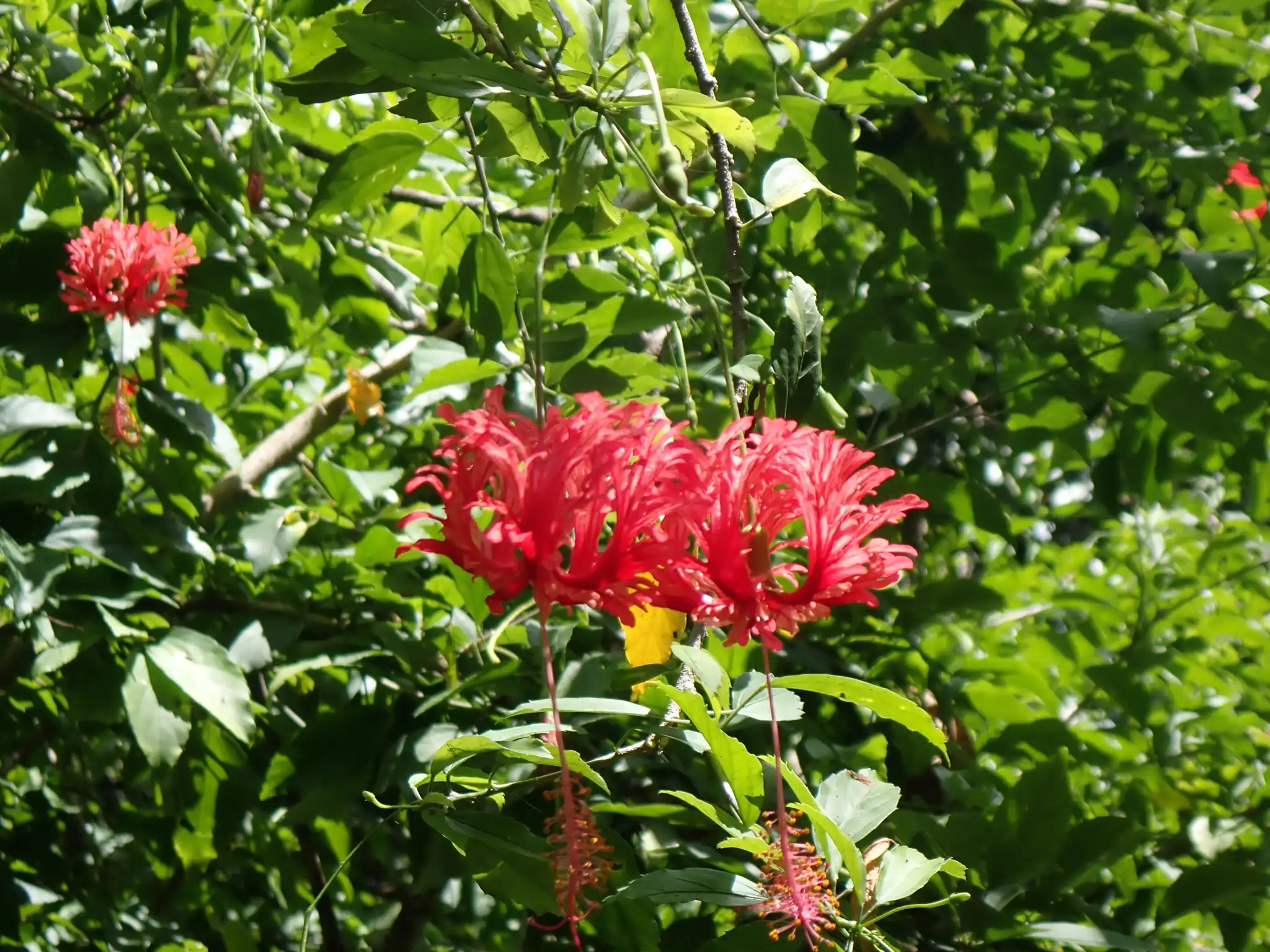
Hibiscus schizopetalus is a fast-growing evergreen shrub or small tree from moist forests and riverbanks in Kenya and Tanzania, reaching six to eight feet tall and five to six feet wide in gardens with thin drooping stems that scramble unless tied to support. It holds green leafy growth through the year where frost-free and sets flowers on short spurs from the previous year's wood.
The solitary flowers hang down on long thin stalks about three inches across, with five deeply cut and fringed petals that recurve to form a lantern-like sphere. Petals are bright red to coral pink-red, opening year-round in frost-free warmth and failing when shaded or cut back hard each year.
Uses & Benefits:
Essentials
At a Glance
Plant Type
Shrub
Height
96"
Width
72"
Light
Full Sun, Partial Sun
Zones
9, 10
Water
High - keep evenly moist
Humidity
High
Lifespan
Evergreen shrub
Native To
Kenya and Tanzania
Toxicity
Mildly toxic to dogs if chewed
Bloom period
Year round
In flower about 12 months of the year
Planting
How to Grow
- Plant in full sun in rich moist well-drained soil, with shelter from strong wind.
- Give it a trellis, stake or adjacent shrub for its thin scrambling stems to lean on.
- Water to keep soil evenly moist and never dry out; mulch to hold moisture in summer.
- Feed monthly during active growth with balanced fertilizer at half label strength.
- Grow outdoors year-round in Zones 10-11; in Zone 9 grow in a large container and move indoors before nights drop below 50F to a warm bright spot with high humidity.
Pro Tip
Leave stems unpruned for three to four years and prune only to restore shape; cutting back every year removes the old wood that carries the flowering spurs and eliminates bloom for a season.
Keep It Thriving
Care Guide
Do
- Keep soil evenly moist and never allow it to dry out.
- Provide full sun for flowering, with part shade in extreme heat.
- Support thin scrambling stems on a trellis or stake.
Don't
- Do not prune hard every year; it blooms on previous year's wood.
- Do not expose to frost or nights below 50F.
- Do not plant in dry or poorly drained soil.
Seasonal Care Calendar
| Task | Jan | Feb | Mar | Apr | May | Jun | Jul | Aug | Sep | Oct | Nov | Dec |
|---|---|---|---|---|---|---|---|---|---|---|---|---|
| Fertilize | ||||||||||||
| Pest Check | ||||||||||||
| Propagate | ||||||||||||
| Prune | ||||||||||||
| Winter Prep |
Watch Out For
Pests & Diseases
Common Pests
Common Diseases
In the Garden
Landscape Uses & Companions
Landscape Uses
Multiply
Propagation Methods
Good to Know
Common Questions
Coral Hibiscus questions
What zones can Coral Hibiscus grow in?
Coral Hibiscus is hardy in USDA Zones 9–10: in that range it survives winter in the ground. Colder than Zone 9, grow it in a container you can move to shelter for the winter.
When does Coral Hibiscus bloom?
Coral Hibiscus typically blooms year-round. Exact timing shifts a week or two with your zone — Sow's bloom calendar maps it to your garden.
Does Coral Hibiscus need full sun?
Coral Hibiscus does best in full sun to part shade. In hot climates, afternoon shade keeps blooms fresher longer.
More Hibiscus to compare
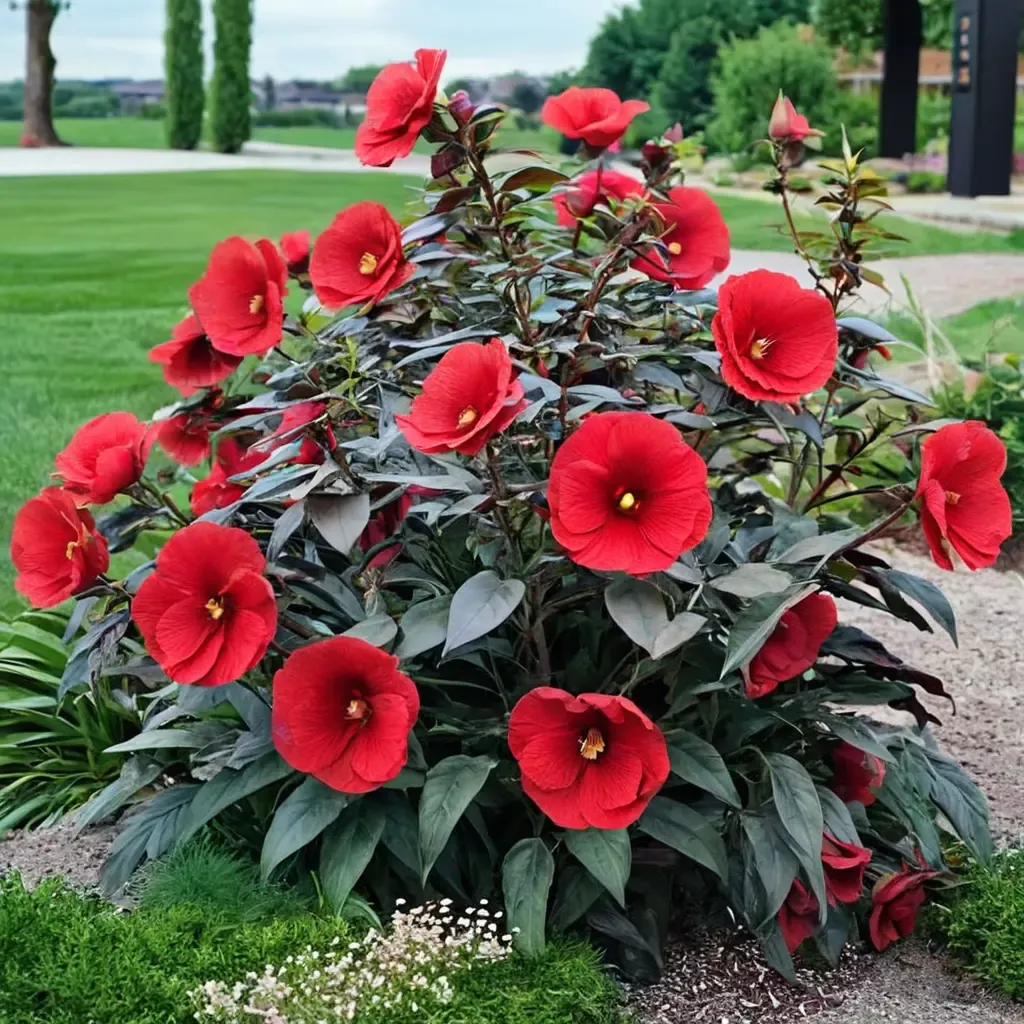
Midnight Marvel Swamp Hibiscus
Hibiscus moscheutos 'Midnight Marvel'
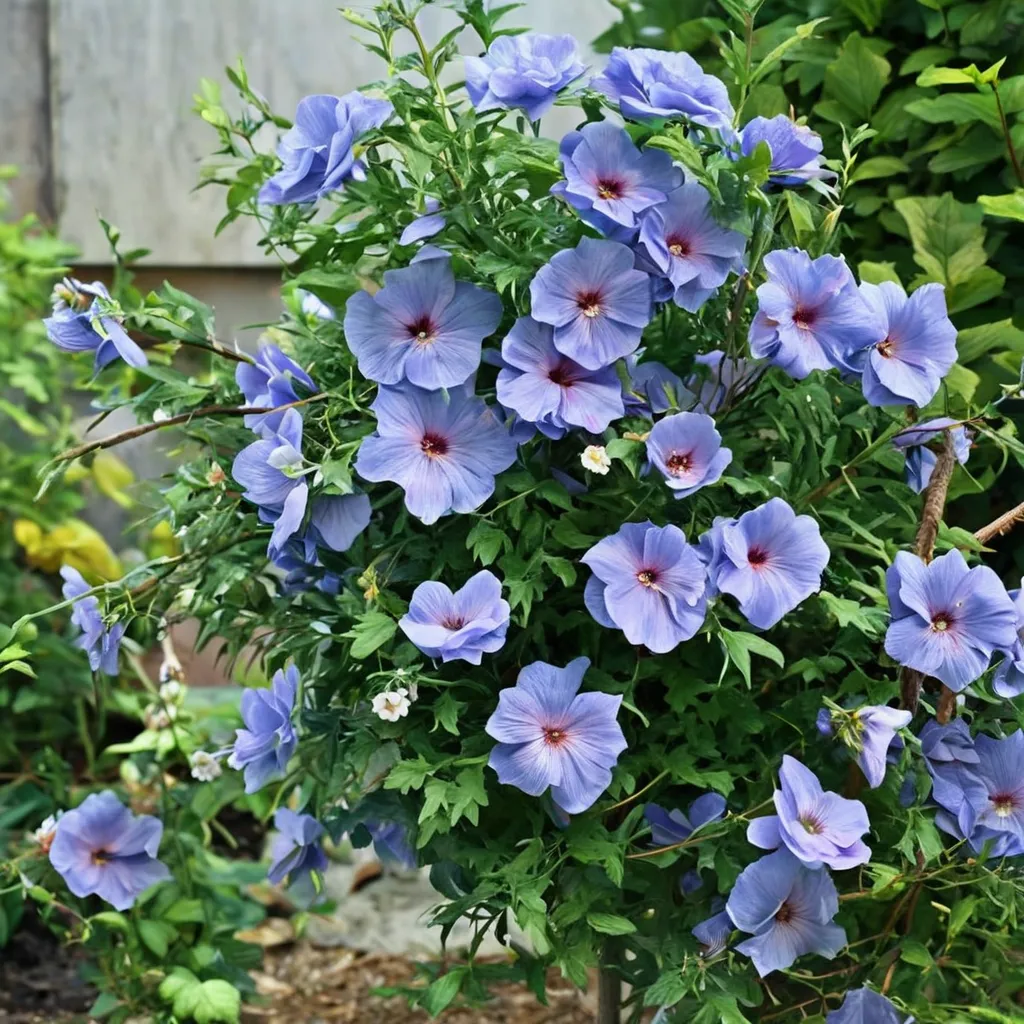
Rose of Sharon Hibiscus
Hibiscus syriacus 'Azurri Blue Satin'
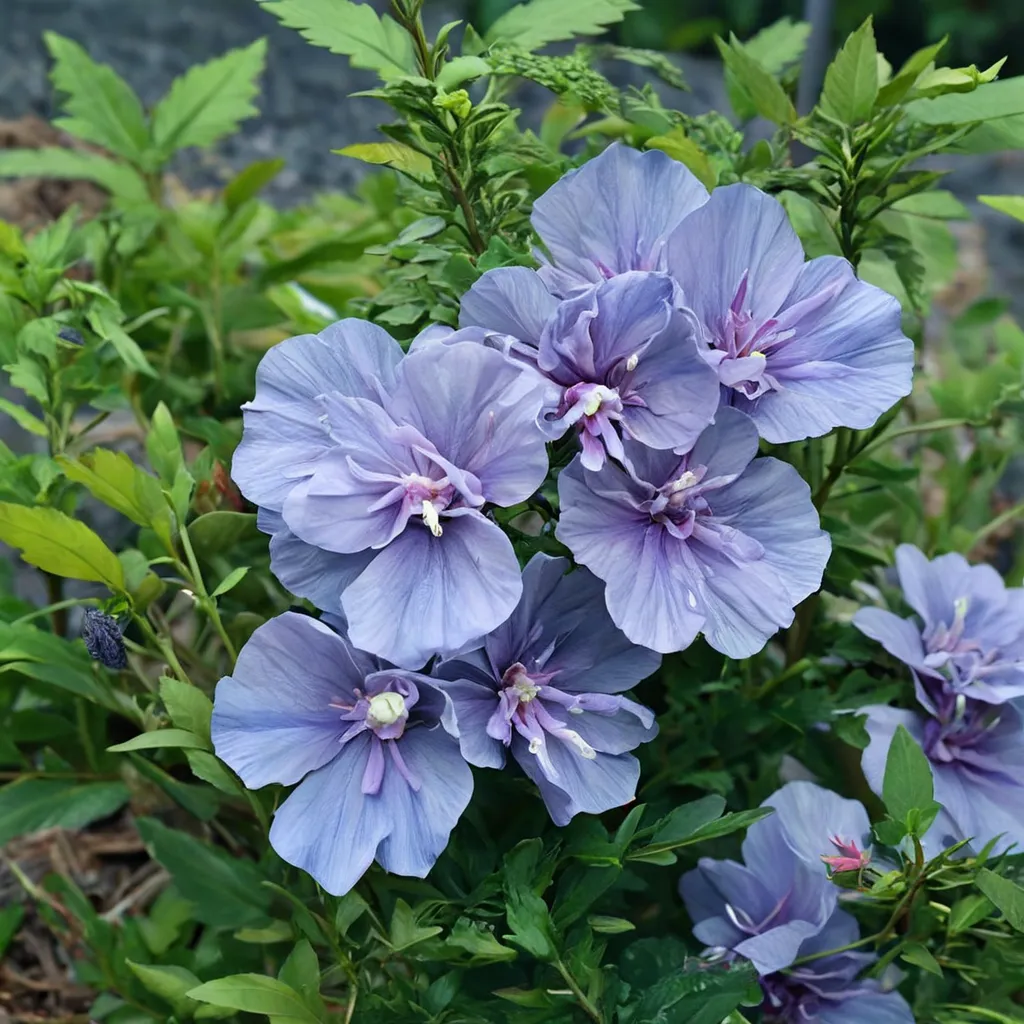
Blue Chiffon Rose of Sharon
Hibiscus syriacus 'Blue Chiffon'
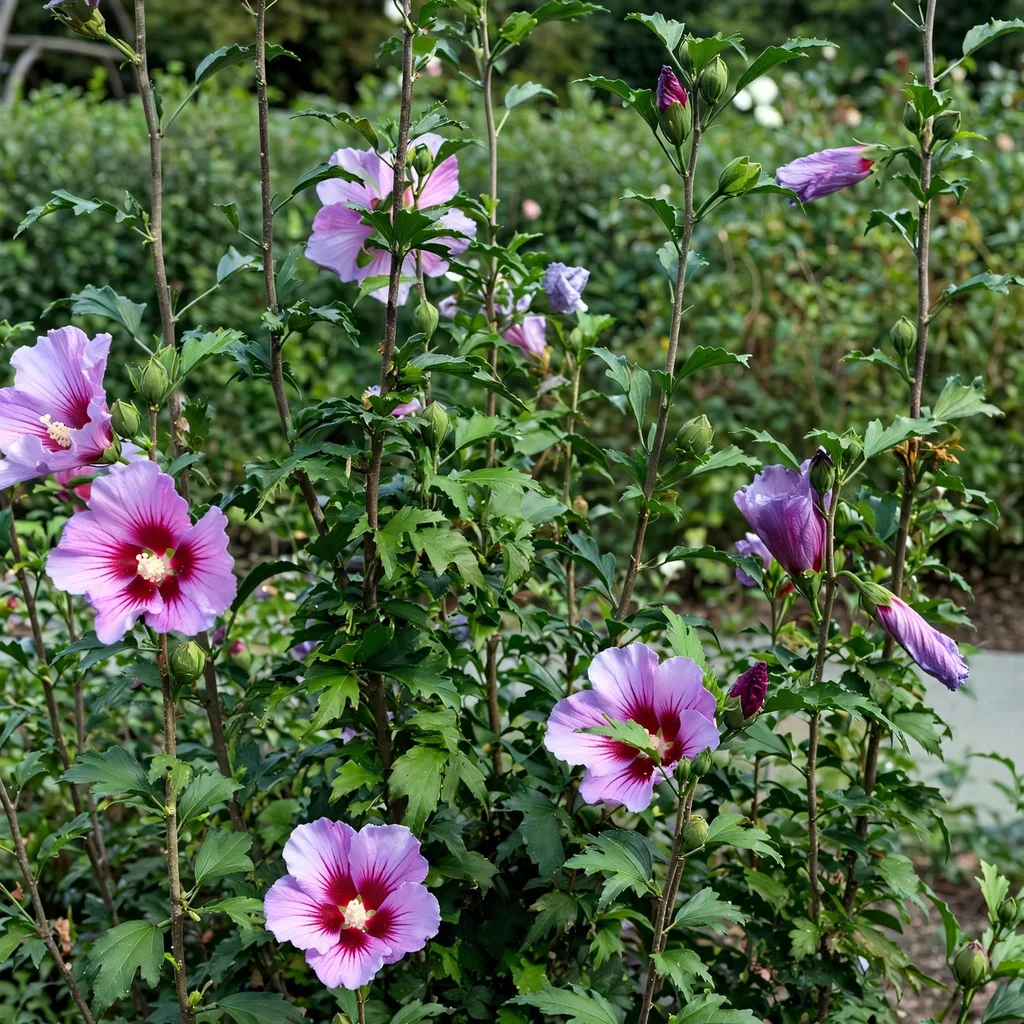
Purple Pillar Hibiscus
Hibiscus syriacus 'Purple Pillar'
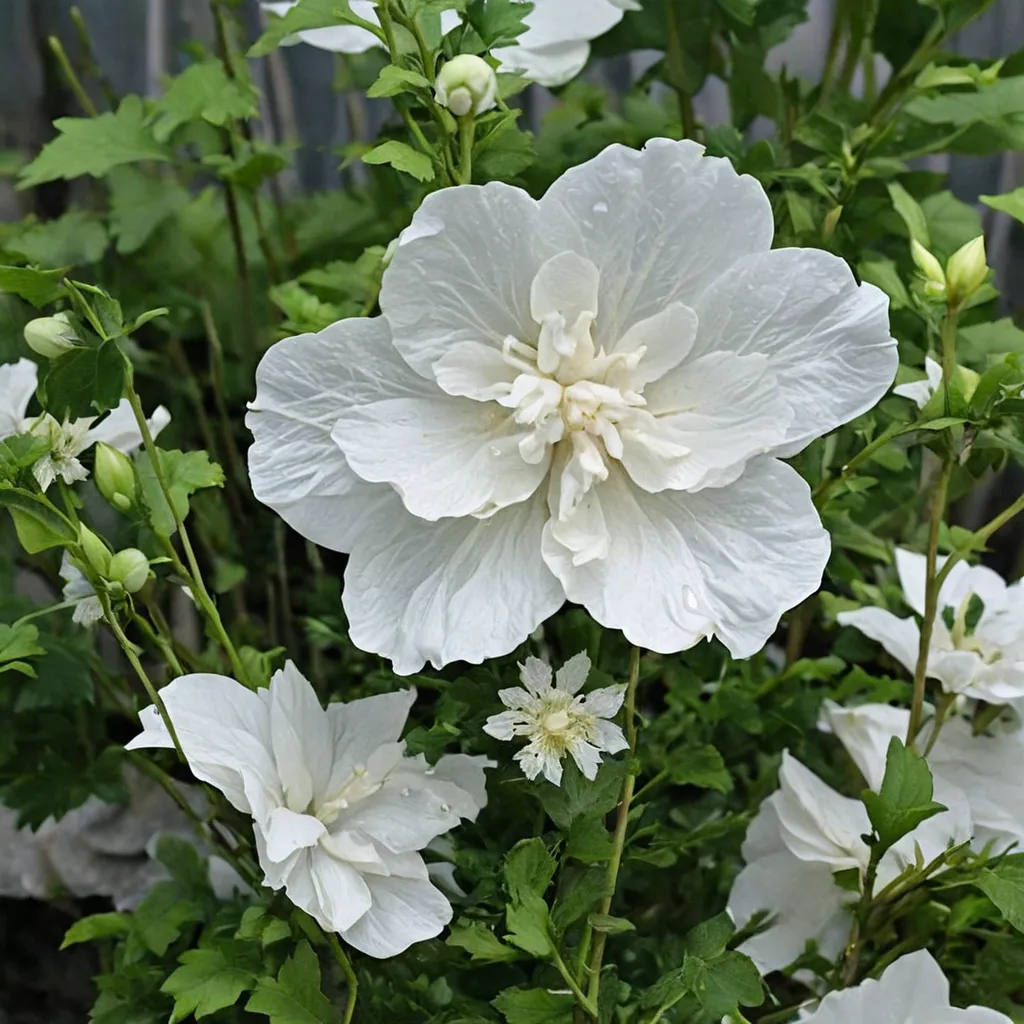
White Chiffon Hibiscus
Hibiscus syriacus 'White Chiffon'
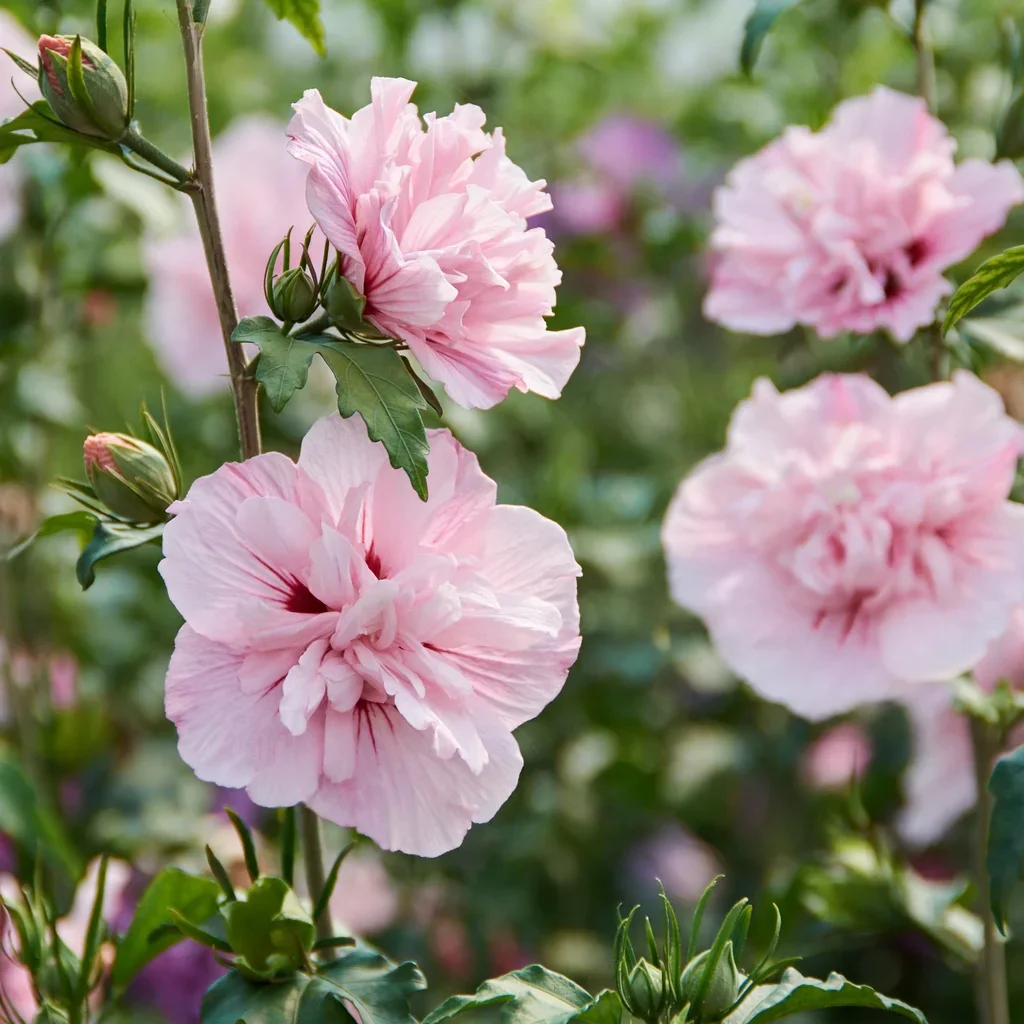
Pink Chiffon Rose of Sharon
Hibiscus syriacus 'Pink Chiffon'
Keep exploring
Hardy in your zone?
Grow Coral Hibiscus with confidence
See it in a design of your actual yard, get zone-matched care reminders, and track it season by season in your garden journal.