The Story
Plant Bio
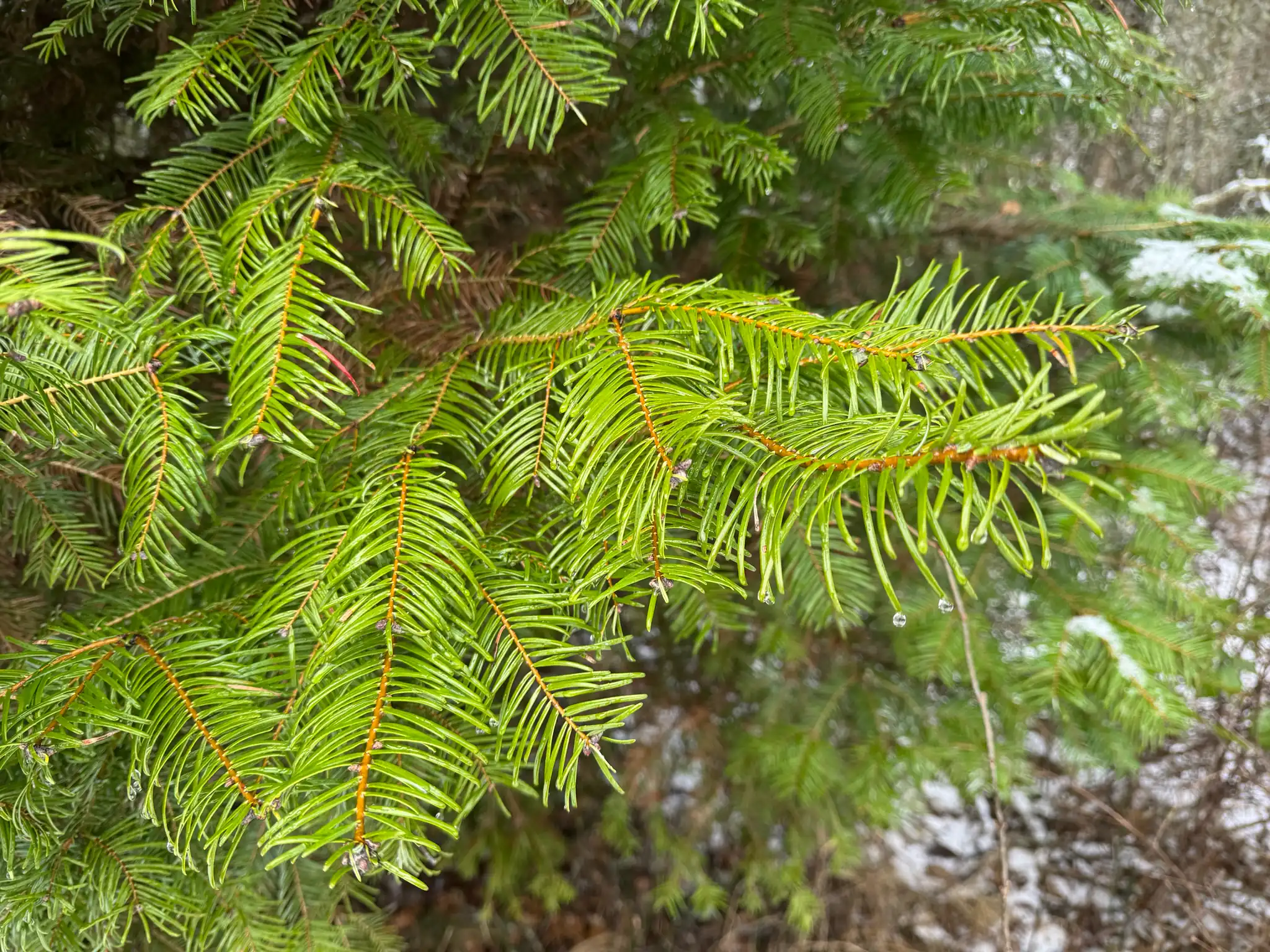
Abies grandis is a massive evergreen conifer native to western North America, forming a narrow, conical canopy when young that flattens out with maturity. Its flat, glossy dark green needles are arranged horizontally in two distinct ranks, revealing two white stomatal bands on their undersides.
New foliage emerges in spring as a bright, glossy yellowish-green, contrasting sharply with the mature dark needles. Upright cylindrical cones develop high in the upper canopy, maturing from yellowish-green to brown before disintegrating on the tree.
Uses & Benefits:
Essentials
At a Glance
Plant Type
Tree
Height
1181"
Width
472"
Light
Full Sun, Partial Sun
Zones
5, 6, 7, 8
Water
Moderate
Humidity
Moderate to High
Lifespan
Perennial
Native To
Western North America
Toxicity
Non-toxic
Bloom period
Spring
In flower about 3 months of the year
Planting
How to Grow
- Plant in full sun to partial shade in deep, moist, well-draining soil with an acidic to neutral pH.
- Water regularly during the first few growing seasons to establish a deep, resilient root system.
- Apply an annual topdressing of organic mulch around the root zone to retain soil moisture and cool the roots.
- Inspect annually in late winter for damaged branches or pest activity, pruning out dead wood cleanly at the branch collar.
Pro Tip
Never cut back into old leafless wood, as true firs lack dormant buds on bare timber and cannot regenerate shoots from old branches.
Keep It Thriving
Care Guide
Do
- Provide deep, moist loam with good drainage.
- Apply organic mulch around the base to retain moisture.
- Prune dead or damaged wood in late winter before new growth begins.
Don't
- Do not cut back into old wood devoid of green needles.
- Do not allow soil to remain waterlogged for extended periods.
- Do not plant in tight urban spaces where its large mature size will overcrowd structures.
Seasonal Care Calendar
| Task | Jan | Feb | Mar | Apr | May | Jun | Jul | Aug | Sep | Oct | Nov | Dec |
|---|---|---|---|---|---|---|---|---|---|---|---|---|
| Fertilize | ||||||||||||
| Mulch | ||||||||||||
| Pest Check | ||||||||||||
| Prune |
Watch Out For
Pests & Diseases
Common Pests
Common Diseases
In the Garden
Landscape Uses & Companions
Landscape Uses
Multiply
Propagation Methods
Good to Know
Common Questions
Grand Fir questions
What zones can Grand Fir grow in?
Grand Fir is hardy in USDA Zones 5–8. Inside that range it survives winter in the ground; outside it, grow it as an annual or a container plant you protect.
Is Grand Fir deer resistant?
Not reliably. Deer may browse Grand Fir, especially tender spring growth — plan on repellents or fencing where pressure is high.
When does Grand Fir bloom?
Grand Fir typically blooms in spring through spring. Exact timing shifts a week or two with your zone — Sow's bloom calendar maps it to your garden.
Does Grand Fir need full sun?
Grand Fir does best in full sun to part shade. In hot climates, afternoon shade keeps blooms fresher longer.
More Abies to compare
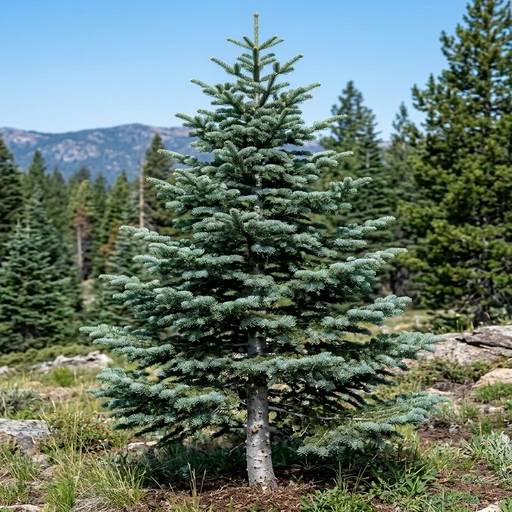
White Fir
Abies concolor
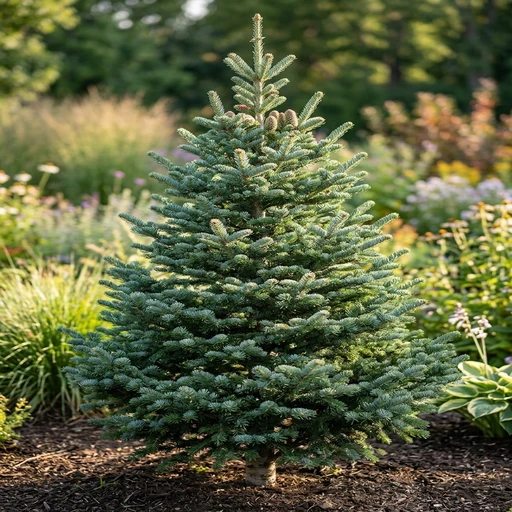
Fraser Fir
Abies fraseri
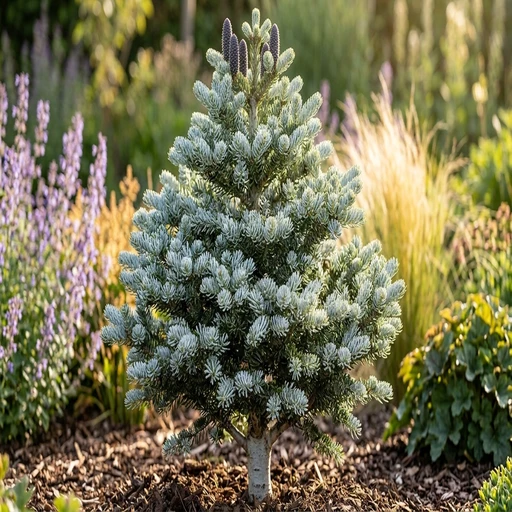
Horstmann's Silberlocke Korean Fir
Abies koreana 'Horstmann Silberlocke'
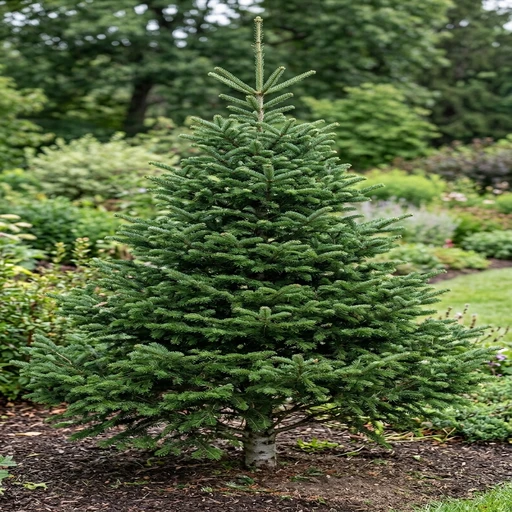
Balsam Fir
Abies balsamea
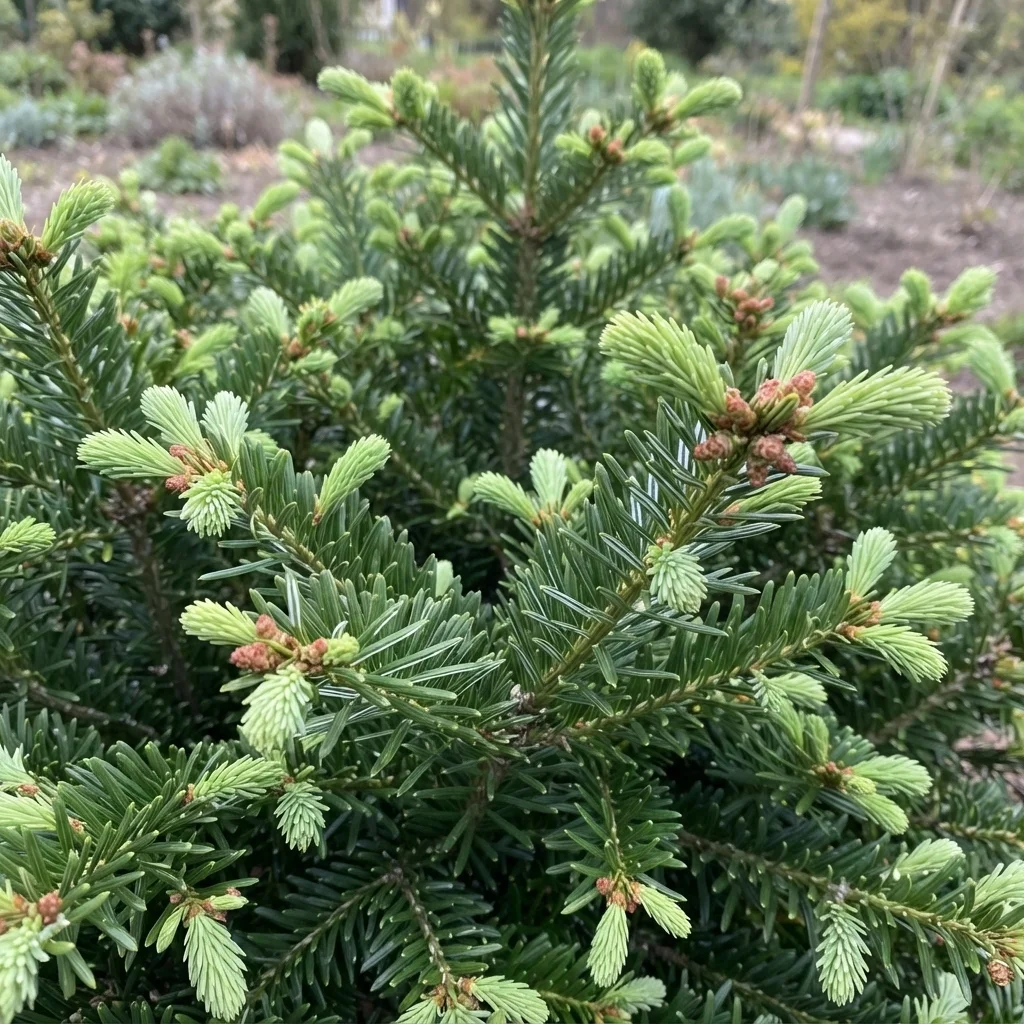
Nordmann Fir
Abies nordmanniana
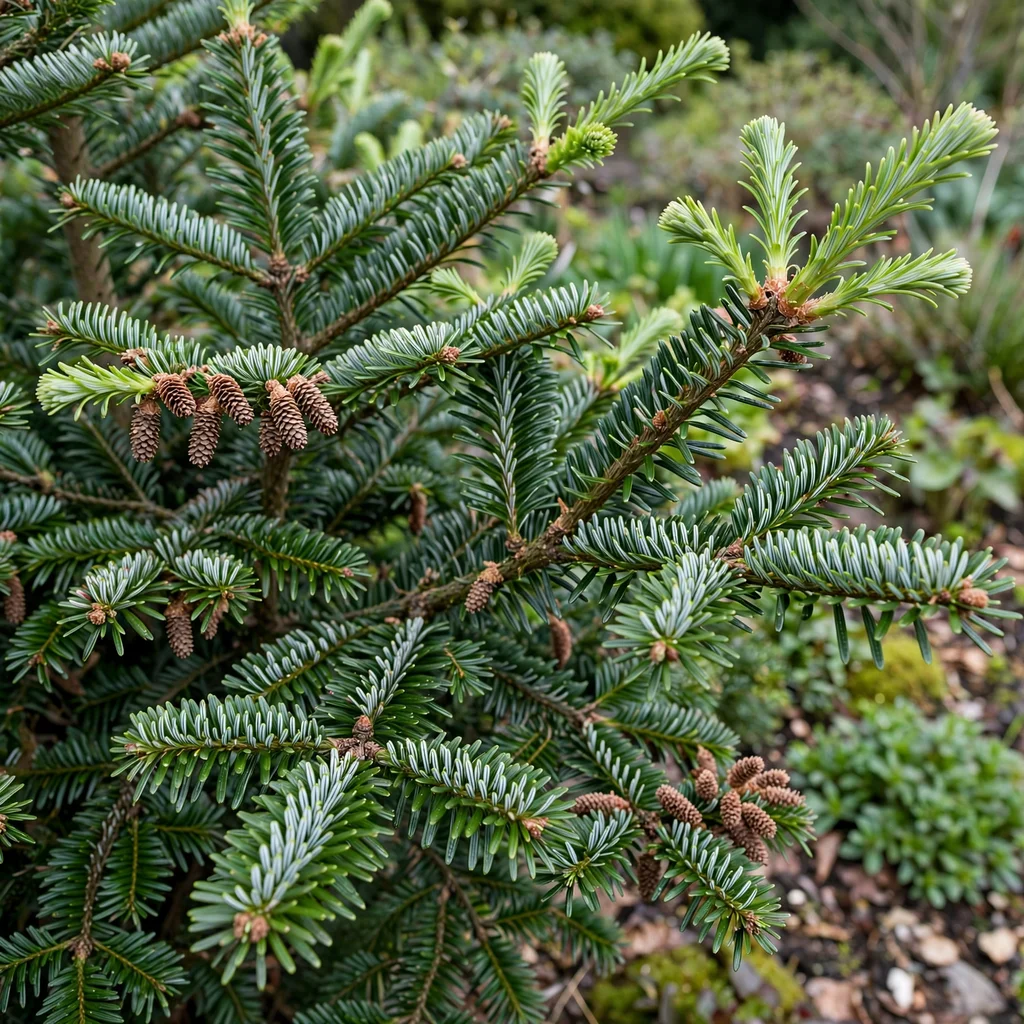
European Silver Fir
Abies alba
Keep exploring
Explore the genus
Hardy in your zone?
Grow Grand Fir with confidence
See it in a design of your actual yard, get zone-matched care reminders, and track it season by season in your garden journal.