
The Story
Plant Bio
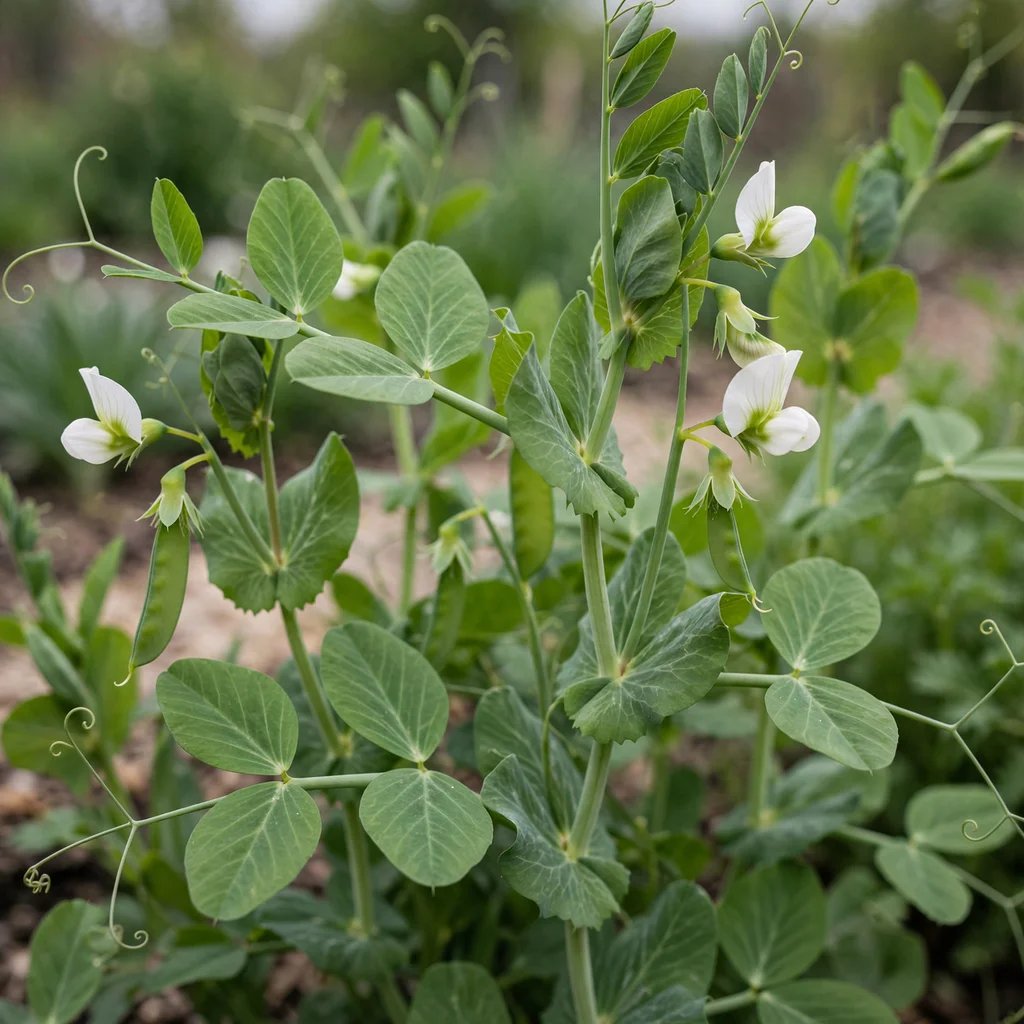
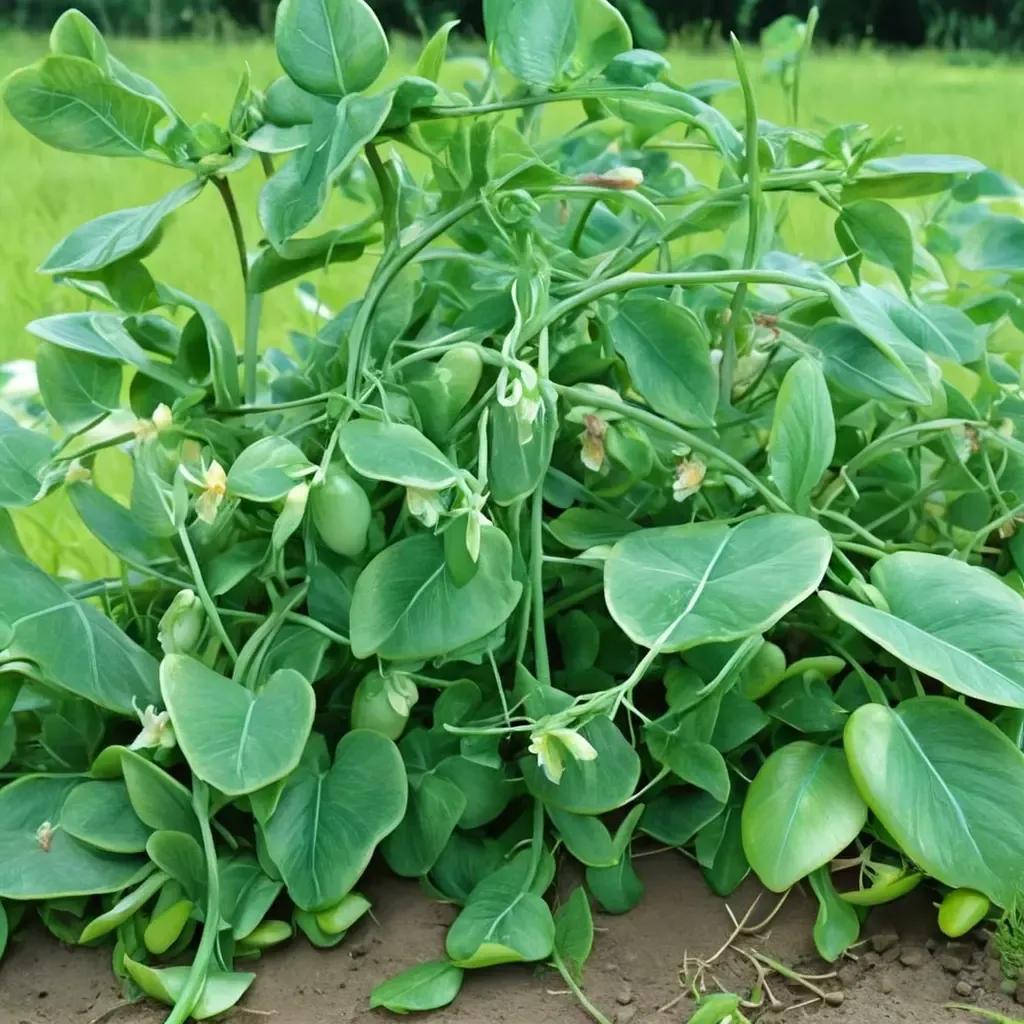
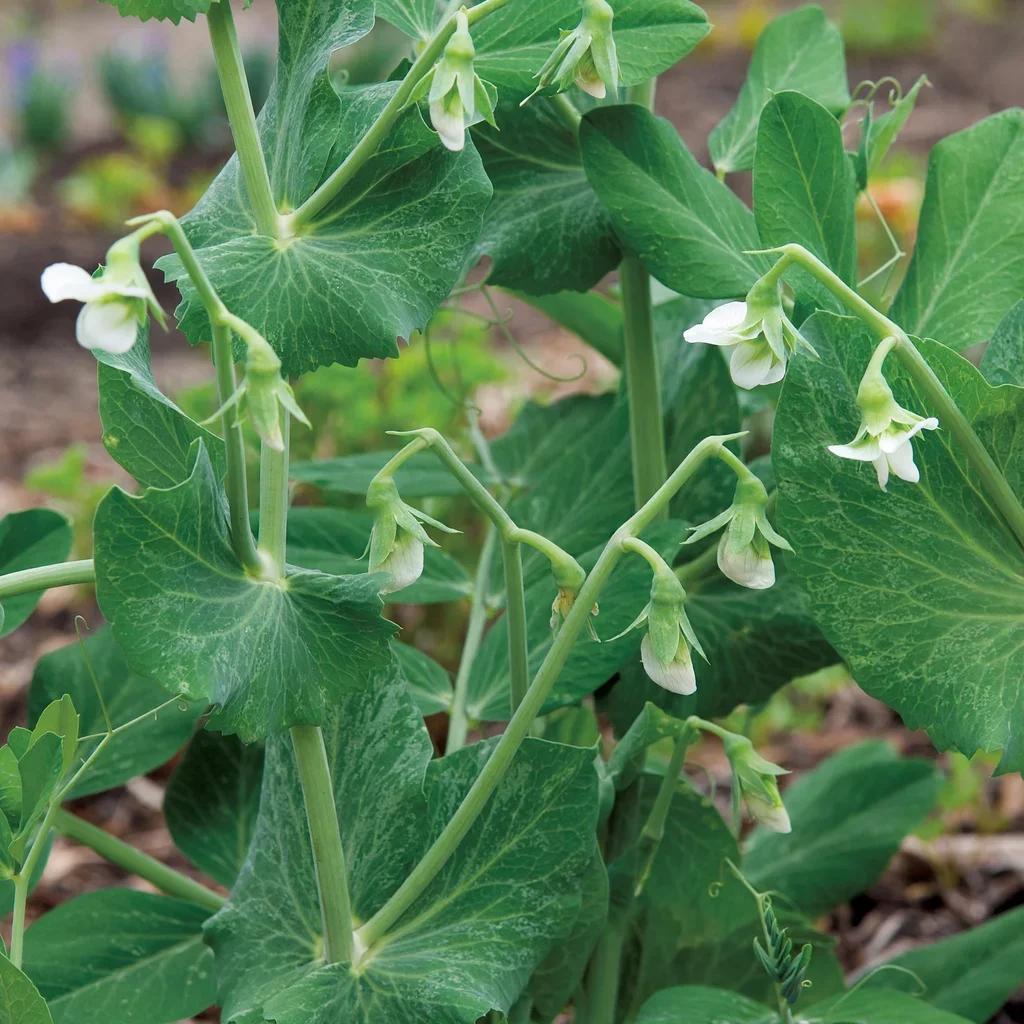
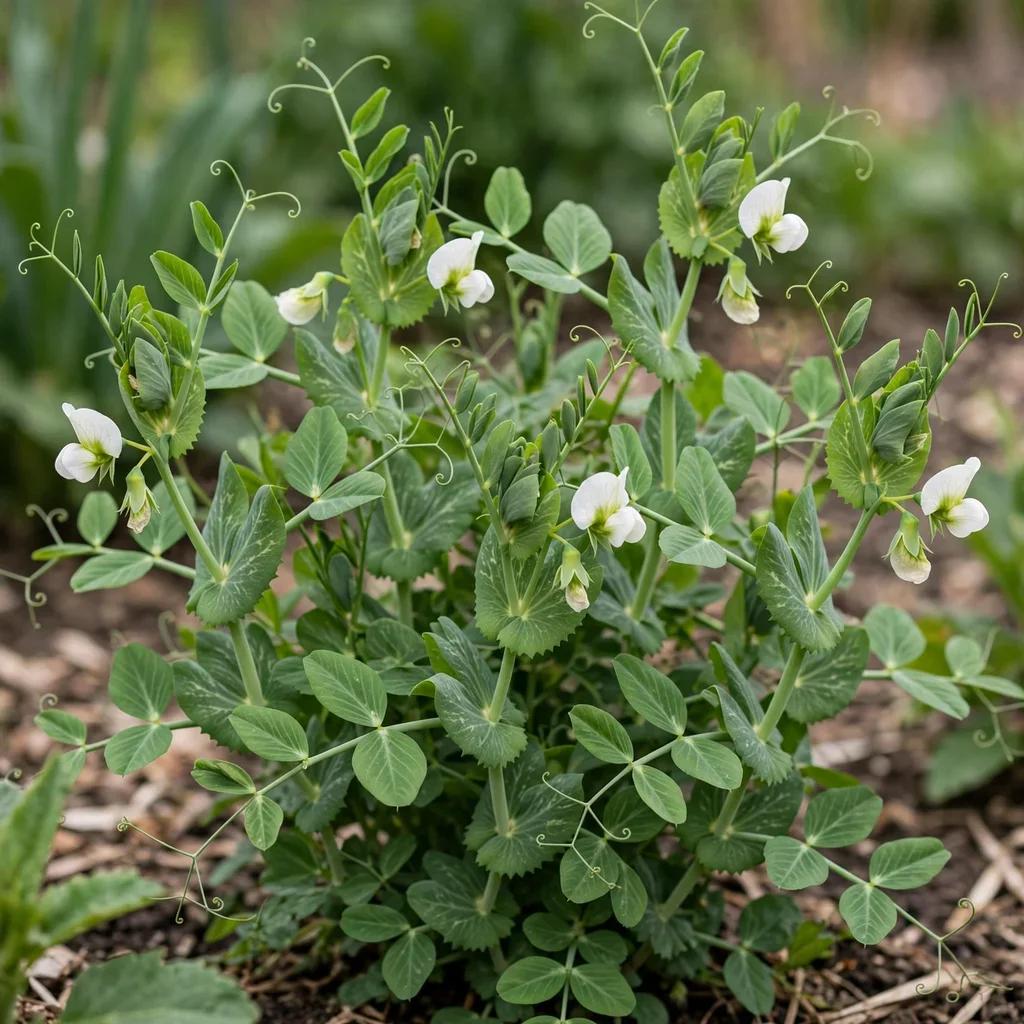
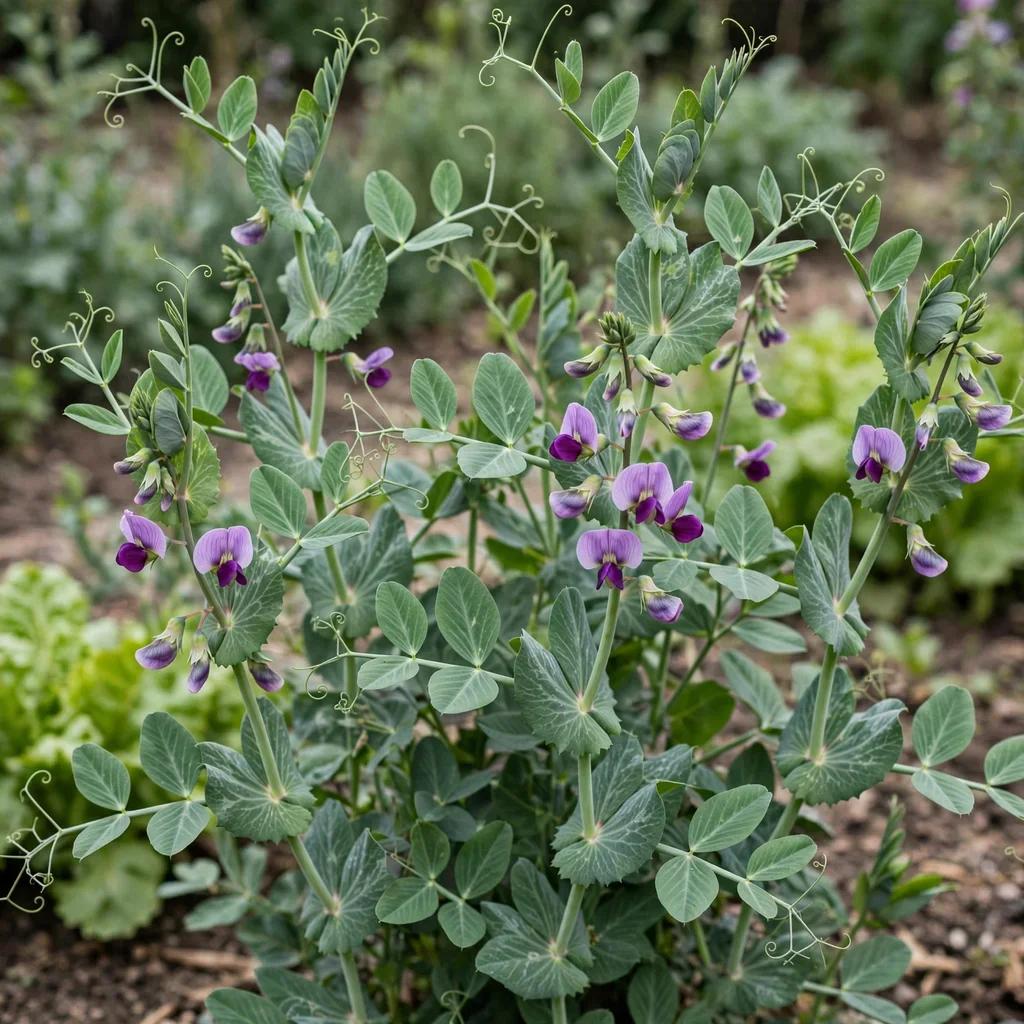
Pisum sativum is a cool-season annual legume that climbs by branched tendrils and fixes nitrogen through nodules on its roots. It forms pinnate leaves with paired leaflets and bears axillary white papilionaceous flowers that develop into fleshy pods.
'Sugar Snap' is a vigorous snap-pea selection reaching 4 to 6 feet tall with a 6- to 11-inch spread that needs a 6-foot trellis. It flowers white in spring to early summer and sets thick-walled edible pods, with flowers, seeds and shoots also edible and yield extended by picking every day or two.
Uses & Benefits:
Essentials
At a Glance
Plant Type
Fruit Vegetable
Height
72"
Width
9"
Light
Full Sun
Zones
4, 5, 6, 7, 8, 9, 10
Water
Even moisture, well-drained
Humidity
Low to moderate with good air flow
Lifespan
Annual
Native To
Southwest Asia and Mediterranean; introduced in North America
Toxicity
Edible; no toxicity reported
Bloom period
Spring – Early summer
In flower about 4 months of the year
Planting
How to Grow
- Sow direct in full sun in well-drained soil as soon as soil can be worked, about 1 inch deep and 1 to 2 inches apart after a 6- to 8-hour soak.
- Set a trellis to 6 feet at sowing and keep soil evenly moist until emergence in 7 to 10 days, then water evenly to limit root rot.
- Thin to stand with air around each stem and feed lightly only; as a legume it fixes nitrogen and excess nitrogen grows vine at the expense of pods.
- Pick pods as they fill and swell and harvest continuously to prolong set; re-sow for fall where winters are mild and rotate peas out of the bed for 3 to 4 years.
Pro Tip
Direct sow as soon as soil can be worked and set the trellis at sowing; late sowing into heat stalls the vines and brings mildew, and transplants never catch up.
Keep It Thriving
Care Guide
Do
- Provide a trellis at planting time
- Keep moisture even from sowing through pod fill
- Pick pods regularly to prolong yield
- Rotate planting bed for 3 to 4 years
Don't
- Do not start indoors and transplant
- Do not sow late into summer heat
- Do not plant successive crops in the same bed
- Do not over-fertilize with nitrogen
Seasonal Care Calendar
| Task | Jan | Feb | Mar | Apr | May | Jun | Jul | Aug | Sep | Oct | Nov | Dec |
|---|---|---|---|---|---|---|---|---|---|---|---|---|
| Harvest | ||||||||||||
| Pest Check | ||||||||||||
| Plant | ||||||||||||
| Stake |
Watch Out For
Pests & Diseases
Common Pests
Common Diseases
In the Garden
Landscape Uses & Companions
Landscape Uses
Companion Plants
Multiply
Propagation Methods
Good to Know
Common Questions
Sugar Snap Pea questions
What zones can Sugar Snap Pea grow in?
Sugar Snap Pea is an annual: it grows, flowers and sets seed in one season, so winter cold doesn't limit where it grows. Gardeners in any zone can grow it by planting at the right time, usually after the last spring frost.
Is Sugar Snap Pea deer resistant?
Not reliably. Deer may browse Sugar Snap Pea, especially tender spring growth — plan on repellents or fencing where pressure is high.
When does Sugar Snap Pea bloom?
Sugar Snap Pea typically blooms from early spring to early summer. Exact timing shifts a week or two with your zone — Sow's bloom calendar maps it to your garden.
Does Sugar Snap Pea need full sun?
Sugar Snap Pea does best in full sun (6+ hours).
More Pisum to compare
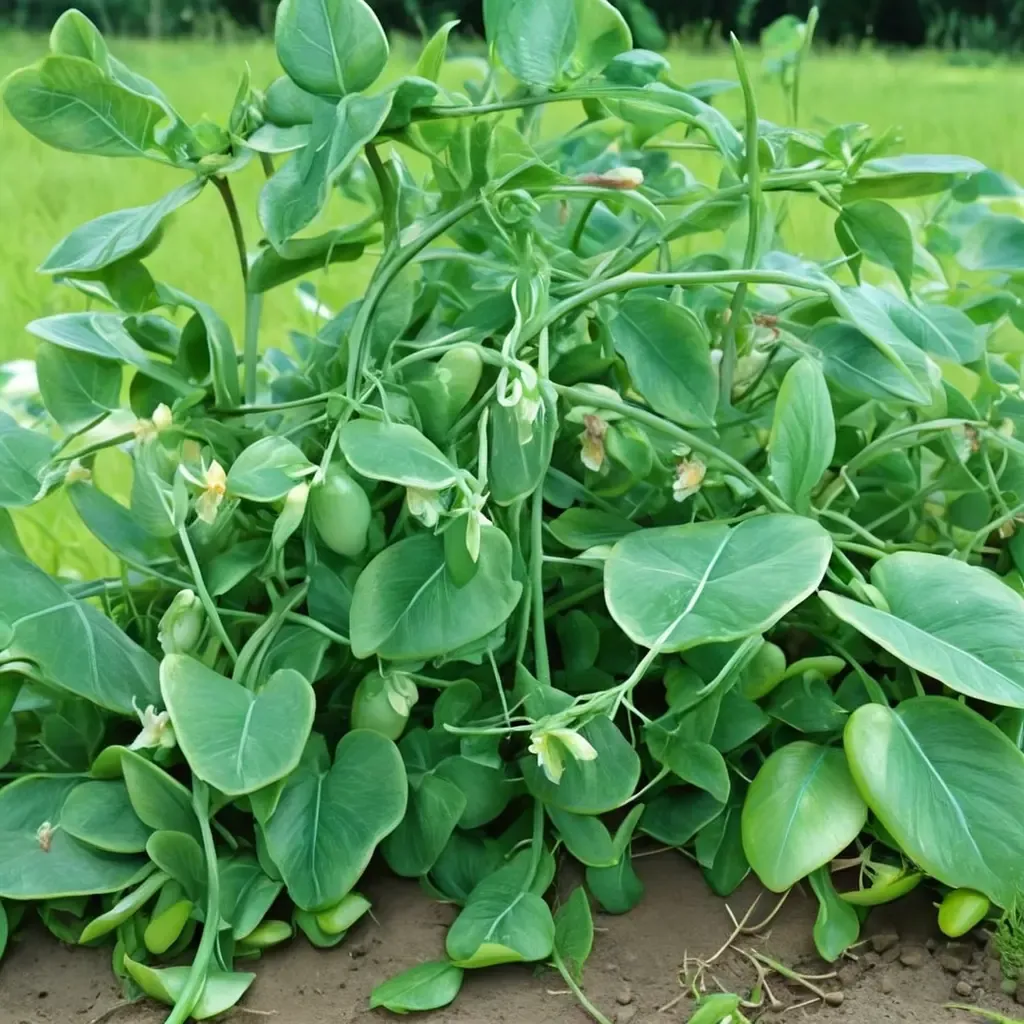
Garden Pea
Pisum sativum
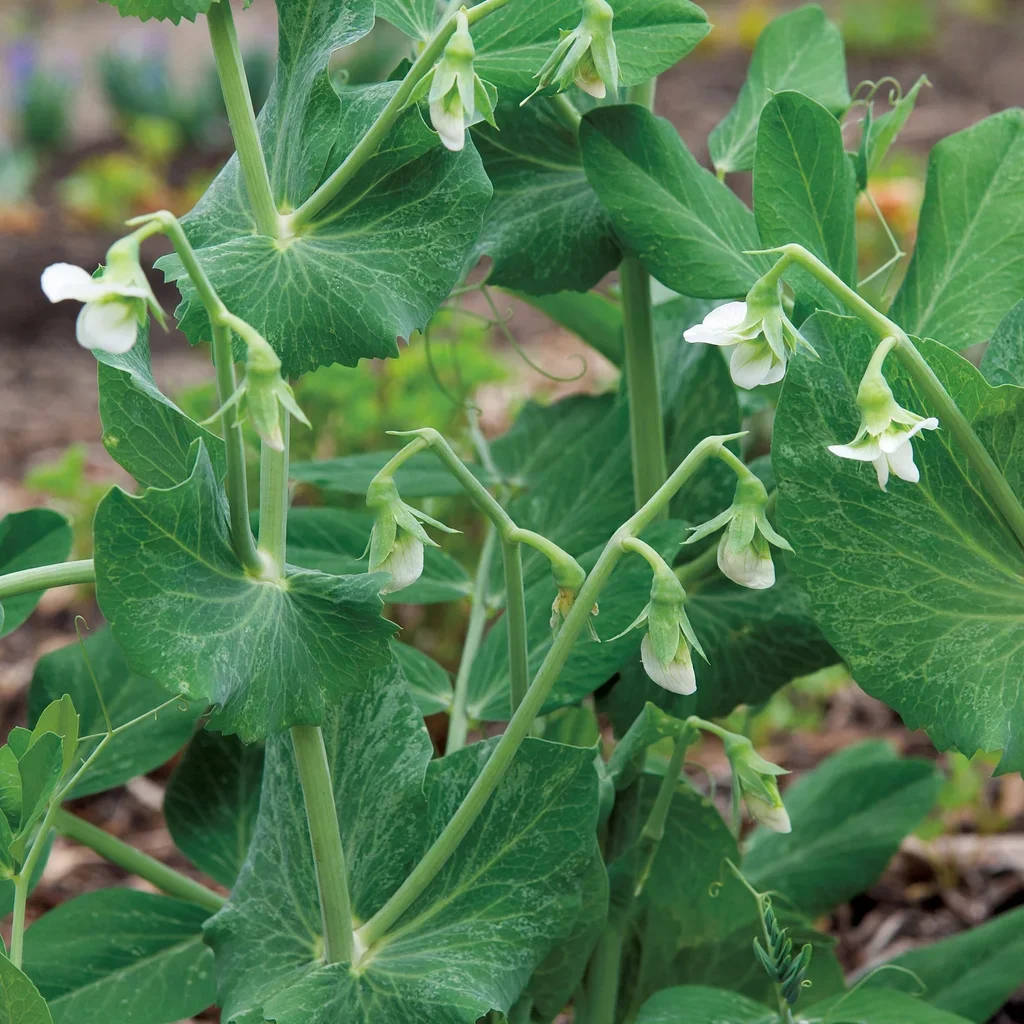
Oregon Sugar Pod II Pea
Pisum sativum 'Oregon Sugarpod II'
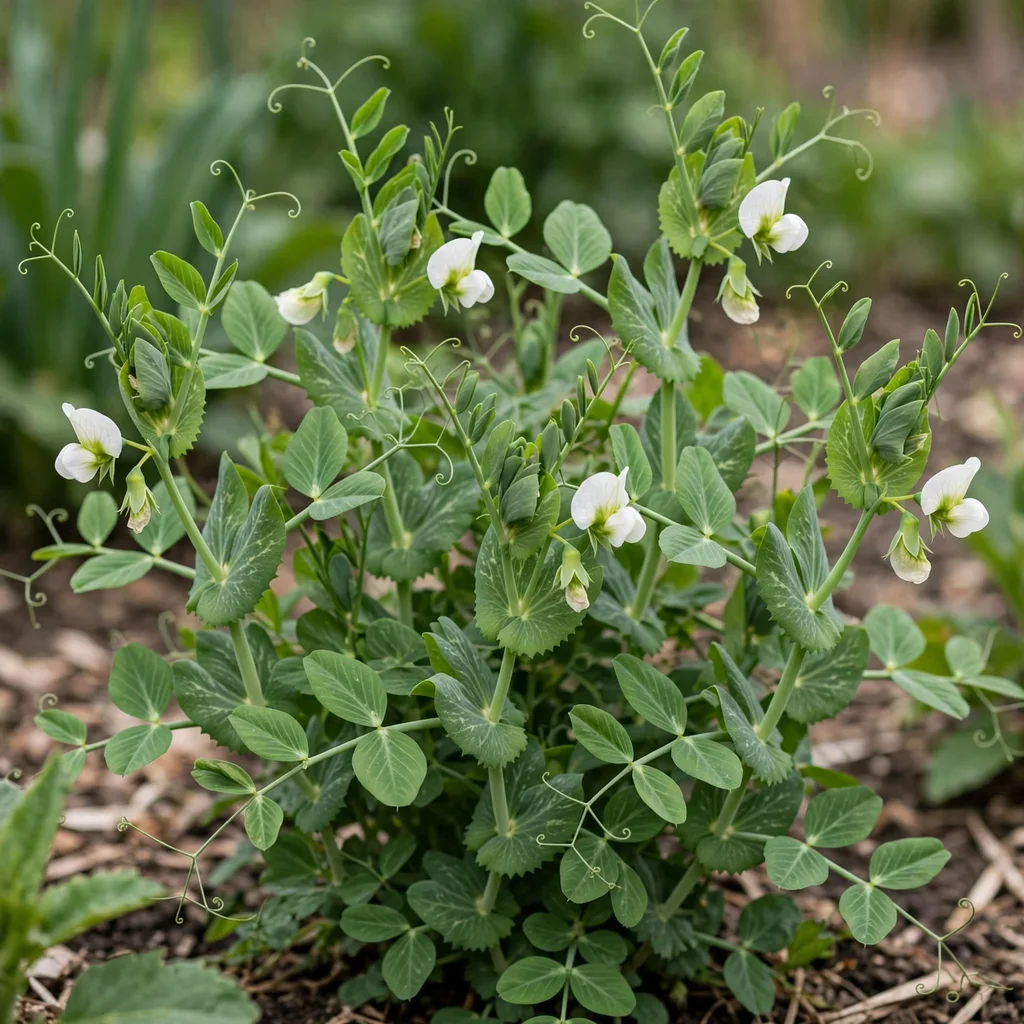
Little Marvel Pea
Pisum sativum 'Little Marvel'
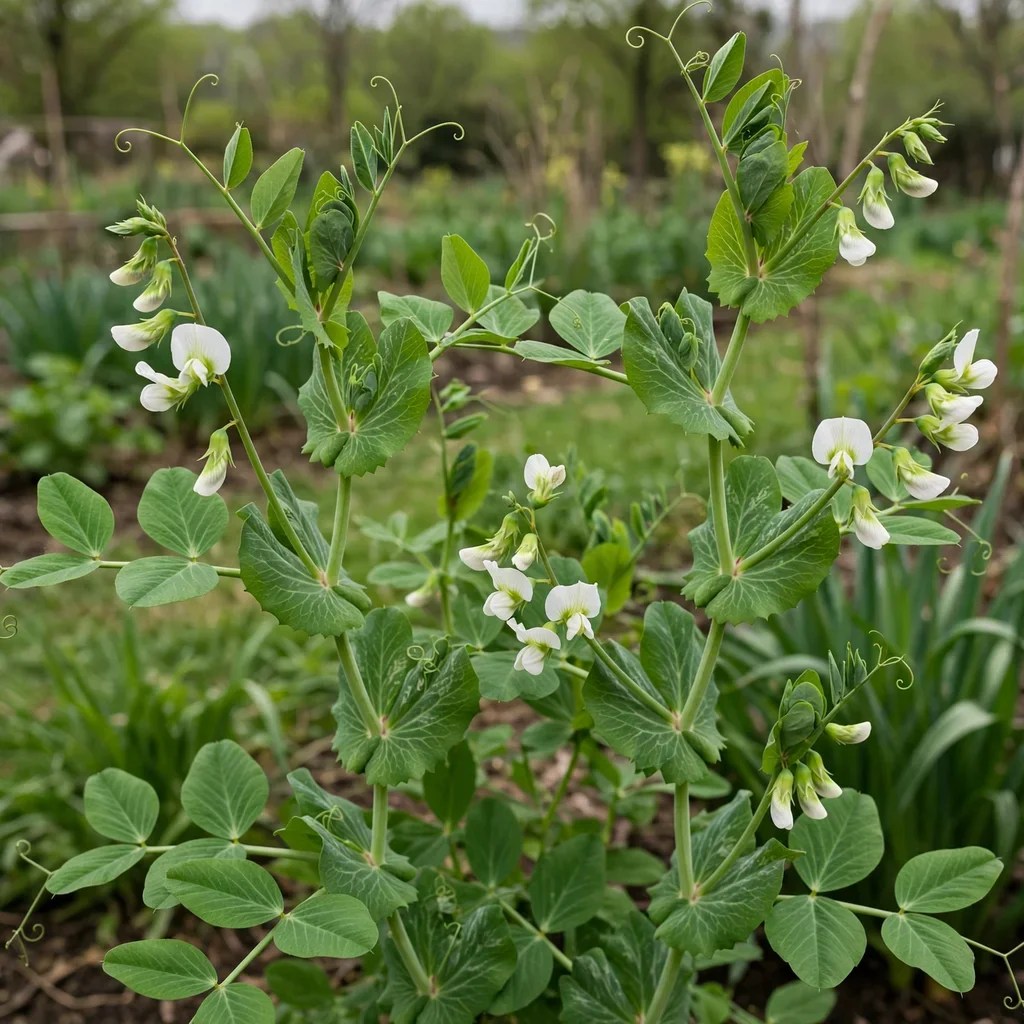
Taichung Snow Pea
Pisum sativum 'Taichung'
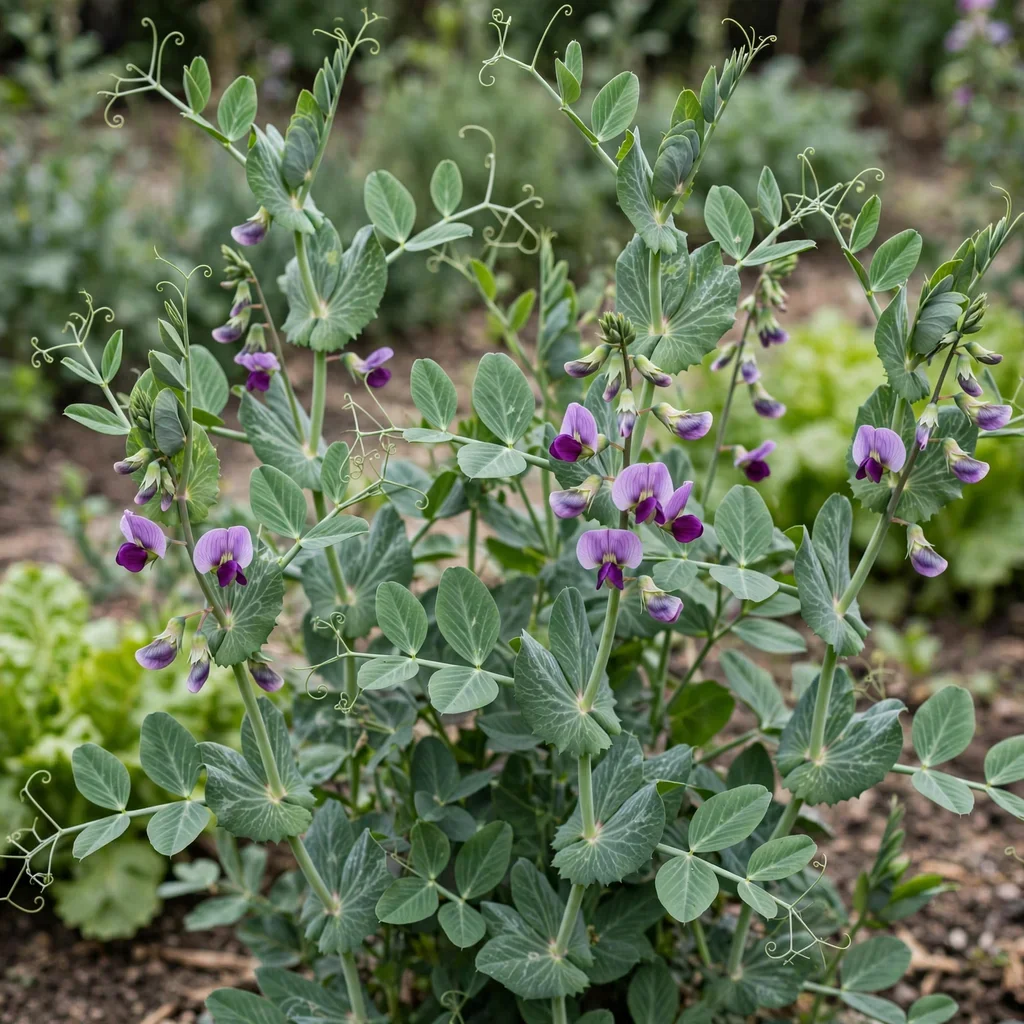
Carouby de Mousanne Pea
Pisum sativum 'Carouby de Mousanne'
Keep exploring
Explore the genus
Guides
Grow Sugar Snap Pea with confidence
See it in a design of your actual yard, get zone-matched care reminders, and track it season by season in your garden journal.