Quick answer
In the North, Midwest and Mountain West, sow peas directly from 4 weeks before your median last spring frost up to the frost date, once the soil is workable and at least 40°F (4°C) 4 inches (10 cm) deep. In Texas, sow 2 to 8 weeks before the last frost. For fall peas in Zones 8 and colder, sow 9 to 12 weeks before the first fall frost.
Key facts
- Spring timing
- 4 weeks before to the median last frost; in Texas, 2–8 weeks before it
- Soil temperature
- At least 40°F (4°C) at 4 in (10 cm), read at 8 a.m.; 45°F (7°C) is safer
- Days to maturity
- 50–90 days; Sugar Ann 51, Sugar Snap 58, Oregon Giant 60
- Fall crop (Zones 8 and colder)
- 9–12 weeks before the median first fall frost
- Mildest climates
- California's interior valleys, central and south Florida, low desert: sow fall through winter
- Frost tolerance
- Seedlings survive frost; flowers and young pods do not
- Heat limit
- Poor above 80°F (27°C); flowering stops near 85°F (29°C)
- Depth and spacing
- 1–2 in (2.5–5 cm) deep, 1–2 in apart; do not thin
Across the North, Midwest and Mountain West, sow peas straight into the garden from 4 weeks before your median last spring frost up to the frost date itself. Start on the first day the soil is workable and reads at least 40°F (4°C) 4 inches (10 cm) down at 8 a.m. Frost is not the danger. Heat is: vines stop flowering once days pass about 85°F (29°C), so the earlier the crop starts, the more pods it sets before hot weather shuts it down.
Texas runs earlier, from 8 weeks to 2 weeks before the last frost, and western Washington and Oregon sow from late winter into spring. A second, smaller crop is possible from a late-summer sowing in Zones 8 and colder. In California's interior valleys, central and south Florida and the low desert, the calendar flips and peas grow from fall through winter.
Pea planting dates by city
In Zones 4 to 8a, each spring window opens 28 days before the city's median last frost and closes on that date; Texas cities sow earlier and stop sooner, and Seattle and Sacramento follow their regions' own calendars. The fall window runs from 12 to 9 weeks before the median first frost.
| City (USDA zone) | Median last frost | Median first frost | Direct sow | Fall sowing |
|---|---|---|---|---|
| Fargo, ND (4a) | May 10 | Sep 30 | Apr 12 – May 10 | Jul 8 – Jul 29 |
| Minneapolis, MN (5a) | Apr 23 | Oct 18 | Mar 26 – Apr 23 | Jul 26 – Aug 16 |
| Chicago, IL (5b) | Apr 16 | Oct 28 | Mar 19 – Apr 16 | Aug 5 – Aug 26 |
| Denver, CO (6a) | May 5 | Oct 9 | Apr 7 – May 5 | Jul 17 – Aug 7 |
| Detroit, MI (6b) | Apr 20 | Oct 27 | Mar 23 – Apr 20 | Aug 4 – Aug 25 |
| Kansas City, MO (6b) | Apr 13 | Oct 24 | Mar 16 – Apr 13 | Aug 1 – Aug 22 |
| Boston, MA (7a) | Apr 4 | Nov 9 | Mar 7 – Apr 4 | Aug 17 – Sep 7 |
| Salt Lake City, UT (7b) | Apr 8 | Oct 31 | Mar 11 – Apr 8 | Aug 8 – Aug 29 |
| New York, NY (7b) | Mar 30 | Nov 20 | Mar 2 – Mar 30 | Aug 28 – Sep 18 |
| Nashville, TN (7b) | Mar 31 | Nov 3 | Mar 3 – Mar 31 | Aug 11 – Sep 1 |
| Raleigh, NC (8a) | Mar 31 | Nov 4 | Mar 3 – Mar 31 | Aug 12 – Sep 2 |
| Atlanta, GA (8a) | Mar 15 | Nov 20 | Feb 15 – Mar 15 | Aug 28 – Sep 18 |
| Dallas-Fort Worth, TX (8b) | Mar 8 | Nov 24 | Mid-Jan – late Feb | Sep 1 – Sep 22 |
| Seattle, WA (9a) | Mar 2 | Nov 23 | Late Feb – Apr | Grow as a spring crop |
| Sacramento, CA (9b) | Feb 2 | Dec 2 | Sep – Jan (fall to winter) | See Direct sow |
| Houston, TX (9b) | Feb 13 | Dec 9 | Late Jan – early Feb | Late Sep – mid-Oct |
Frost dates are medians from NOAA 1991–2020 climate normals for each city's main weather station, and the USDA zone (2023 map) is for that station. In half of years the last frost falls later than shown.
For any other town in Zones 8a and colder, look up your median last spring frost, count back 4 weeks to open the spring window, and stop sowing on the frost date. In Texas, count back 8 weeks to open it and stop 2 weeks before the frost date. For a fall crop, count back 12 weeks and then 9 weeks from your median first fall frost.
Treat each opening date as the earliest possible day, not an appointment. In Fargo and Minneapolis the window can open before the ground has thawed; there, wait for workable soil. Seattle, Sacramento and Houston depart from the frost-date pattern for reasons covered under fall and winter peas.
How to tell the soil is ready
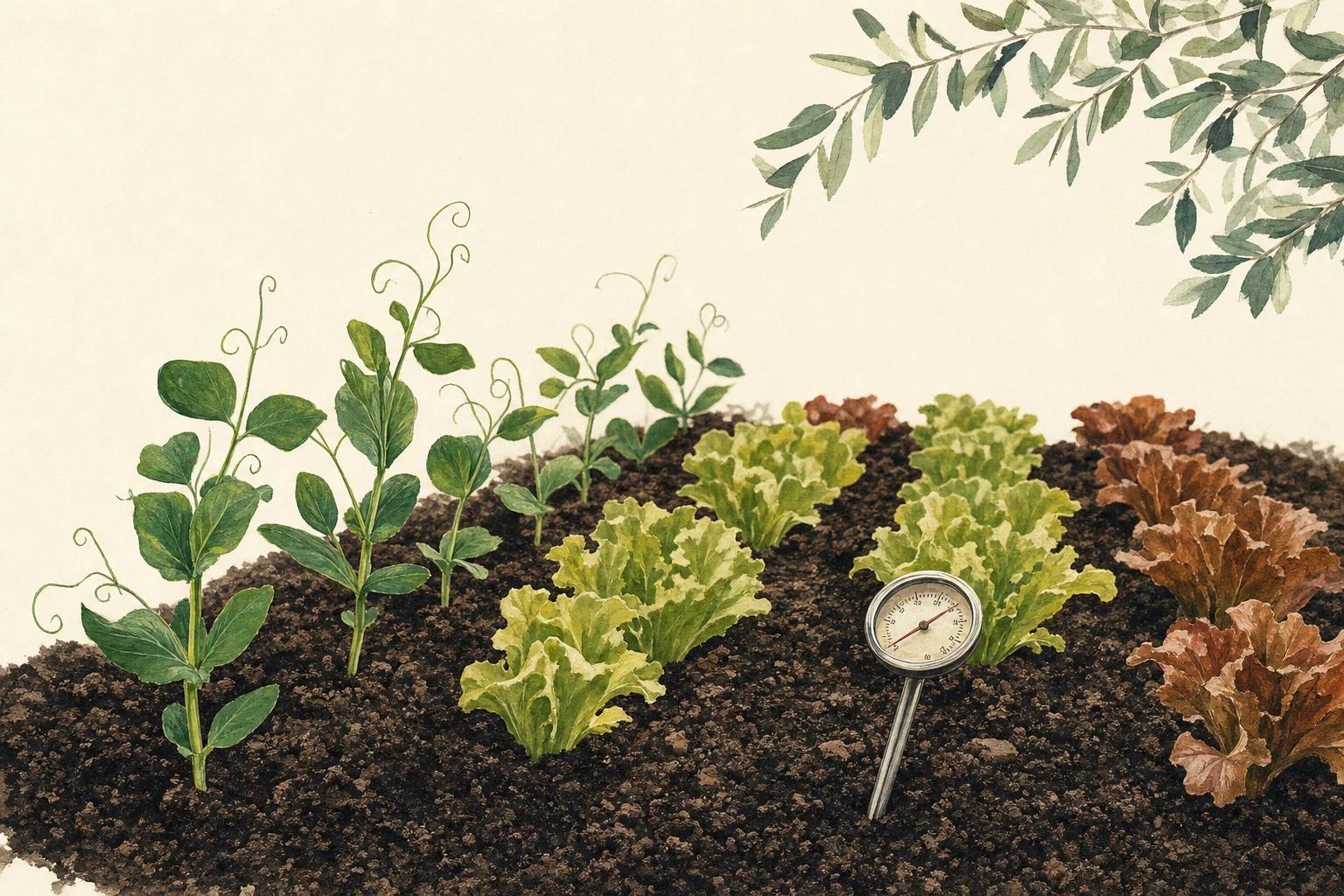
The soil is ready when it crumbles in your hand instead of smearing and a soil thermometer pushed 4 inches (10 cm) deep reads 40°F (4°C) or more at 8 a.m. Waiting for 45°F (7°C) is the safer target.
Take the reading first thing in the morning, before sun on the surface flatters the number, and check over several days. Pea seed sprouts slowly near the 40°F mark and speeds up as the soil warms toward 70°F (21°C), its optimum. Expect 6 to 15 days from sowing to germination, and about 7 to 10 days to emergence once the soil holds 55–65°F (13–18°C).
Ignore the thermometer if the bed is still saturated from snowmelt. Working wet soil damages its structure, and seed that sits in cold, waterlogged ground tends to rot before it comes up. Ground that stays waterlogged every spring is a good candidate for a raised bed, where you control the drainage from the start.
Sowing windows by region
The frost-date rule fits the North, Midwest and Mountain West; Texas sows earlier and stops sooner, and the Pacific coast runs on its own calendar.
| Region | Spring sowing | Fall or winter sowing |
|---|---|---|
| Missouri: south / central / north | Mar 1–30 / Mar 15–Apr 10 / Mar 25–Apr 10 | Not listed |
| Utah: warm areas / cool areas | Until Apr 1 / until May 1 | Mid-Aug north; mid-Sep south |
| Washington | End of Feb to mid-Mar | Not listed |
| Oregon: coast / western valleys | Jan–Aug / Feb–May | Not listed |
| South Carolina: coast | Feb 1 – Mar 15 | Aug 15 – Nov 30 |
| South Carolina: Piedmont | Mar 1 – Apr 5 | Aug 15 – Oct 30 |
| Texas, statewide | 2–8 weeks before frost-free date | 2–12 weeks before first freeze |
| Houston area | Late Jan – early Feb | Late Sep – mid-Oct |
| North Florida | Jan – Mar | Not listed |
| Central and south Florida | Not listed | Nov – Feb |
| Phoenix area (low desert) | Jan 1 – Feb 15 | Sep 1 – Nov 15 |
| California: north | Jan – Apr | Sep – Oct |
| California: south coast | Dec – Mar | Aug |
| California: interior valleys | Not listed | Sep – Jan |
| California: desert valleys | Jan – Feb | Sep – Oct |
Windows are for direct sowing; within each one, soil temperature and moisture pick the day.
North and Upper Midwest (Zones 3–5). Sow the moment the soil thaws and can be worked. Late cold snaps do no harm to emerged seedlings, and cool spring weather is when the vines grow best.
Midwest, Mid-Atlantic and Mountain West (Zones 6–7). Missouri's rows show how quickly the window moves north: the south of the state is nearly finished sowing by the time the north begins. In Maryland and similar mid-Atlantic climates, fall peas often perform poorly, so the spring sowing carries the season.
Southeast and Texas (Zones 7–9). In South Carolina, spring sowing starts in February on the coast and ends by early April in the Piedmont, and the fall window opens in mid-August. In Texas, sow 2 to 8 weeks before the average last frost in spring and 2 to 12 weeks before the first freeze in fall. Around Houston the best weeks are late January to early February and late September to mid-October; a week or two either side is marginal.
Pacific Northwest. In Washington, sow from the end of February to mid-March and pick from mid-June through July. Western Oregon's long, cool spring keeps the window open into May, but any April or May sowing there needs a variety resistant to pea enation mosaic virus. Sugar Snap is susceptible, so in western Oregon it goes in early.
Fall and winter peas
Fall peas work in Zones 8 and colder when sown 9 to 12 weeks before the median first fall frost, but they yield much less than a spring crop.
The problem is the order of the weather. A fall crop starts in the hottest stretch of the year, when pea seed germinates poorly in warm soil. It then has to flower and fill pods as days shorten and cool, which slows development. In Maryland, the first killing frost often arrives before the pods mature. Sow a fast variety such as Sugar Ann or a mildew-resistant one such as Oregon Giant, put slower varieties in at the start of the window, and keep the seedbed watered until shoots appear.
Seed sown in late-summer heat needs shade to establish. Cover young seedlings with 50% shade cloth or two layers of floating row cover until they have about 6 leaves.
You can follow a spring pea crop with a fall crop in the same bed. After a June harvest, turn the spent vines into the soil and wait at least 2 weeks before sowing a fall crop of something other than legumes in that bed; sow fall peas in a bed that has not grown peas or other legumes for 3 years.
Zone 9 and frost-free gardens
In the mildest climates, peas are a cool-season crop grown through fall and winter rather than spring. In California's interior valleys, including Sacramento, peas go in from September through January. In the low desert, a September sowing takes 60 to 120 days to harvest and a November sowing 120 to 150, so the early end of the fall window pays off. In central and south Florida, sow from November through February, and finish the crop before spring heat arrives, because warm spells cut production.
Houston has two short seasons: late January to early February in spring, and late September to mid-October in fall.
Seattle is the exception among the Zone 9 cities. In the maritime Northwest, spring is the main pea season, running from late February into April, and the crop is picked in early summer.
How to sow peas
Sow seed directly where the vines will grow. Peas transplant badly, and because the seed germinates in cold soil and seedlings tolerate frost, indoor starts are unnecessary.
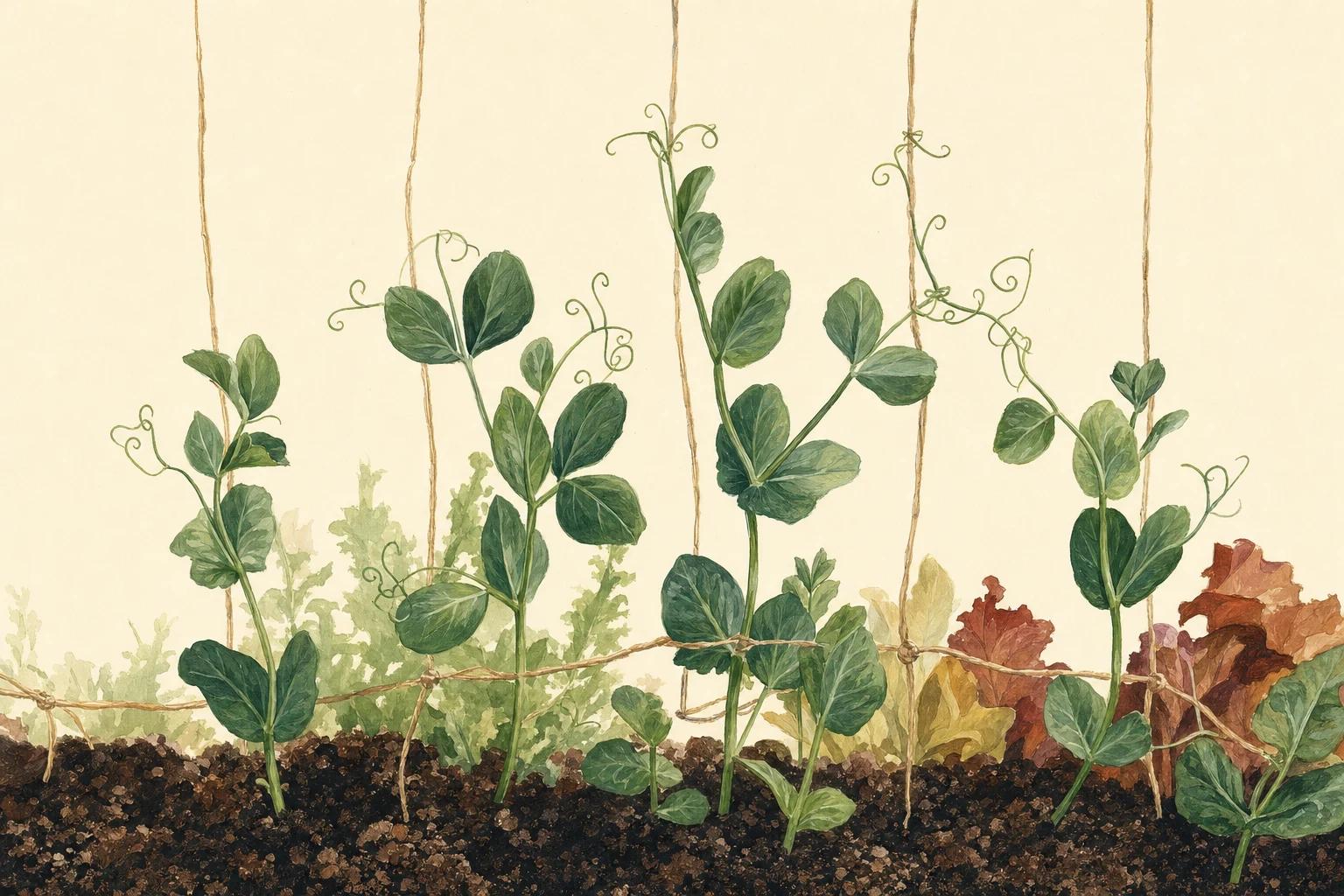
- Put up support first. Install netting, a fence or a string trellis before sowing any variety that grows taller than 3 feet (90 cm), so tendrils find it as soon as they reach out. Dwarf varieties can go without.
- Inoculate the seed. On new ground, coat the seed with a pea inoculant so the roots form nitrogen-fixing nodules. In beds that have grown peas before, this step matters less.
- Open a shallow furrow. Make it about 1 inch (2.5 cm) deep along the base of the support, working within a range of 1/2 to 2 inches (1.3–5 cm). Texas plantings go deeper, at 2 to 3 inches (5–7.5 cm).
- Space the seed. Drop seeds 1 to 2 inches (2.5–5 cm) apart in rows 18 to 36 inches (45–90 cm) apart, or 12 to 18 inches (30–45 cm) for dwarf types. Do not thin the seedlings.
- Cover and keep moist. Backfill the furrow and keep the seedbed moist until shoots appear, which takes 6 to 15 days depending on soil temperature.
Peas prefer a soil pH of 6.5 to 6.8. Root bacteria supply part of their nitrogen, not all of it, so on poor or new ground work fertilizer into the bed before sowing. Feed at about half the rate you use for other vegetables, guided by a soil test: too much nitrogen limits pod production.
Snap, snow and shelling peas: varieties that change the timing
Variety decides how many days you need between sowing and the heat, and whether you need a trellis at all.
| Type | Variety | Days to harvest | Vine height | Notes |
|---|---|---|---|---|
| Snap | Sugar Ann | 51 | 20 in (50 cm) | Dwarf; no trellis needed |
| Snap | Sugar Snap | 58 | 72 in (180 cm) | Needs a tall trellis |
| Snow | Oregon Giant | 60 | 30 in (75 cm) | Resists powdery mildew, enation virus, fusarium wilt race 1 |
| Shelling | Maxigolt | 65 | 30 in (75 cm) | Pods 3.5–4 in (9–10 cm) with 7–8 peas |
Days are counted from direct seeding to first harvest.
Shelling, or English, garden peas are grown for the seeds inside the pod; snap peas carry thick pods eaten whole; snow peas have flat, edible pods. Among shelling peas, varieties with wrinkled seed taste sweeter than smooth-seeded ones. Other recommended garden varieties include the shelling pea Little Marvel and the snow pea Oregon Sugar Pod II.
Fast, compact varieties suit short windows: northern springs that heat up abruptly, and fall sowings racing the first frost. Sugar Ann fits both. Sugar Snap is the reverse case. It needs a 6-foot (1.8 m) trellis and 58 days to first pods, and it carries no listed disease resistance, so it belongs at the very start of the spring window, before heat and mildew arrive. For fall, disease resistance counts as much as speed, which makes Oregon Giant a sound pick.
What happens if you sow too early or too late
Sowing too early risks rotted seed; sowing too late risks vines that stop flowering before they have produced much.
Too early. Seed lying in cold, saturated soil rots instead of sprouting, which leaves gaps in the row. Wait for soil that crumbles, sow in well-drained beds, and rotate peas away from any bed that grew peas or other legumes in the past 3 years. Seed sold as treated holds up better in cold, wet ground. Frost itself is not a reason to wait: seedlings grow at any temperature above 40°F (4°C) and established plants come through heavy frosts.
Too late. Peas grow best between about 55°F and 65°F (13–18°C). Above 80°F (27°C) they struggle, and near 85°F (29°C) they stop flowering and setting pods. Warm weather also shortens the picking season, and hot, dry spells bring powdery mildew. If you miss the spring window, move to the fall or winter window for your area rather than sowing into early summer.
To stretch the harvest instead, make a second and third sowing a week apart early in the window, or sow early and later varieties on the same day. For the rest of the spring garden, see planting dates for other vegetables, or set reminders for each sowing in Sow's garden calendar.
If frost comes after flowering
Cover the plants overnight once they are in bloom or carrying young pods, because frost that seedlings shrug off damages flowers and developing pods. Floating row cover or an old sheet over the row is enough; take it off once the morning warms. Row cover also shields very early sowings through cold spells.
From the Sow catalog
Planting times in the Sow catalog
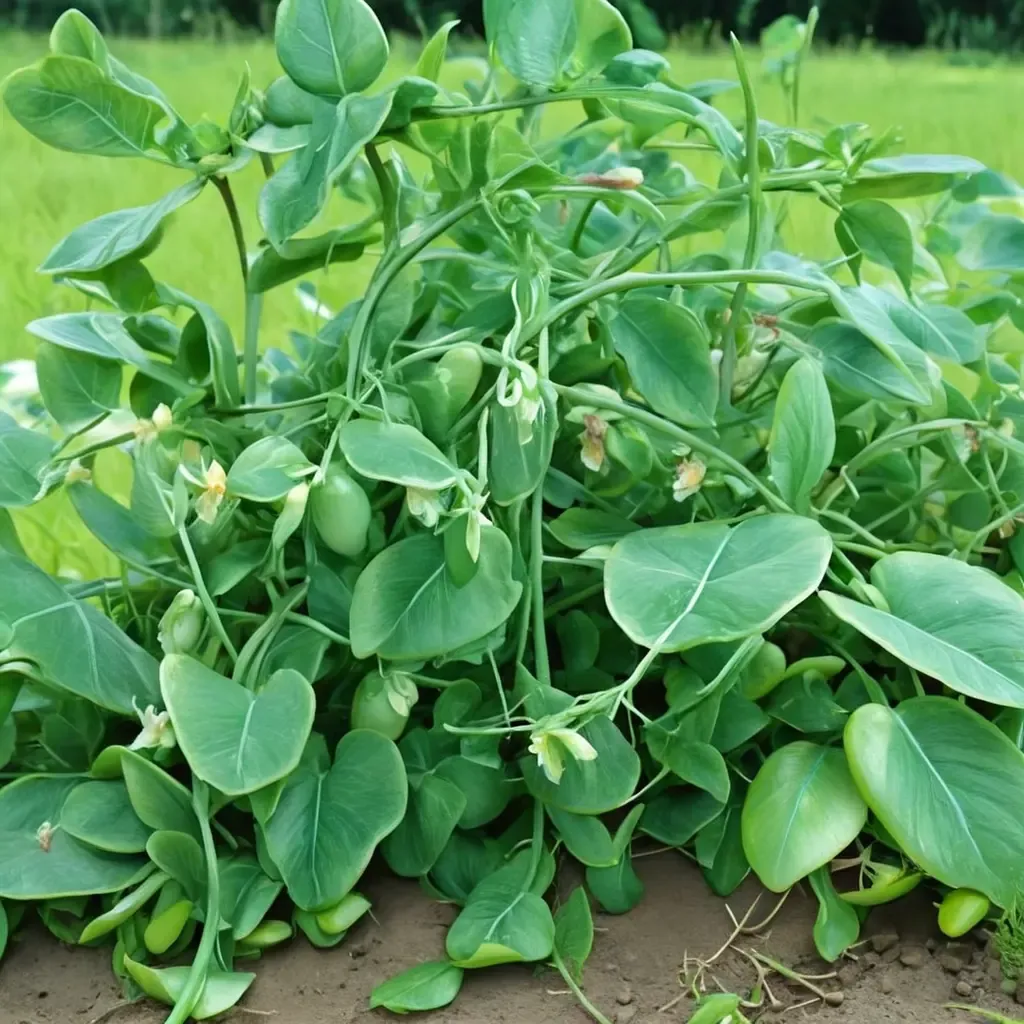
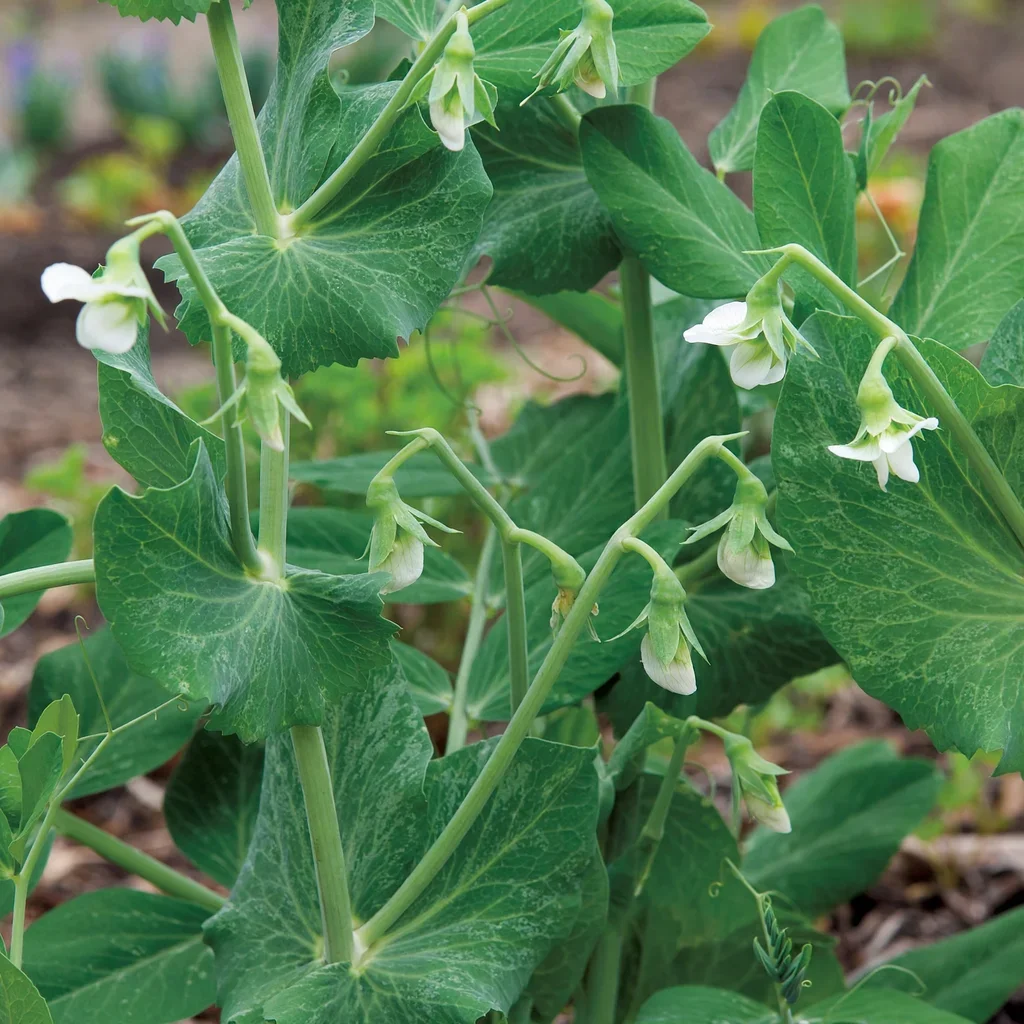
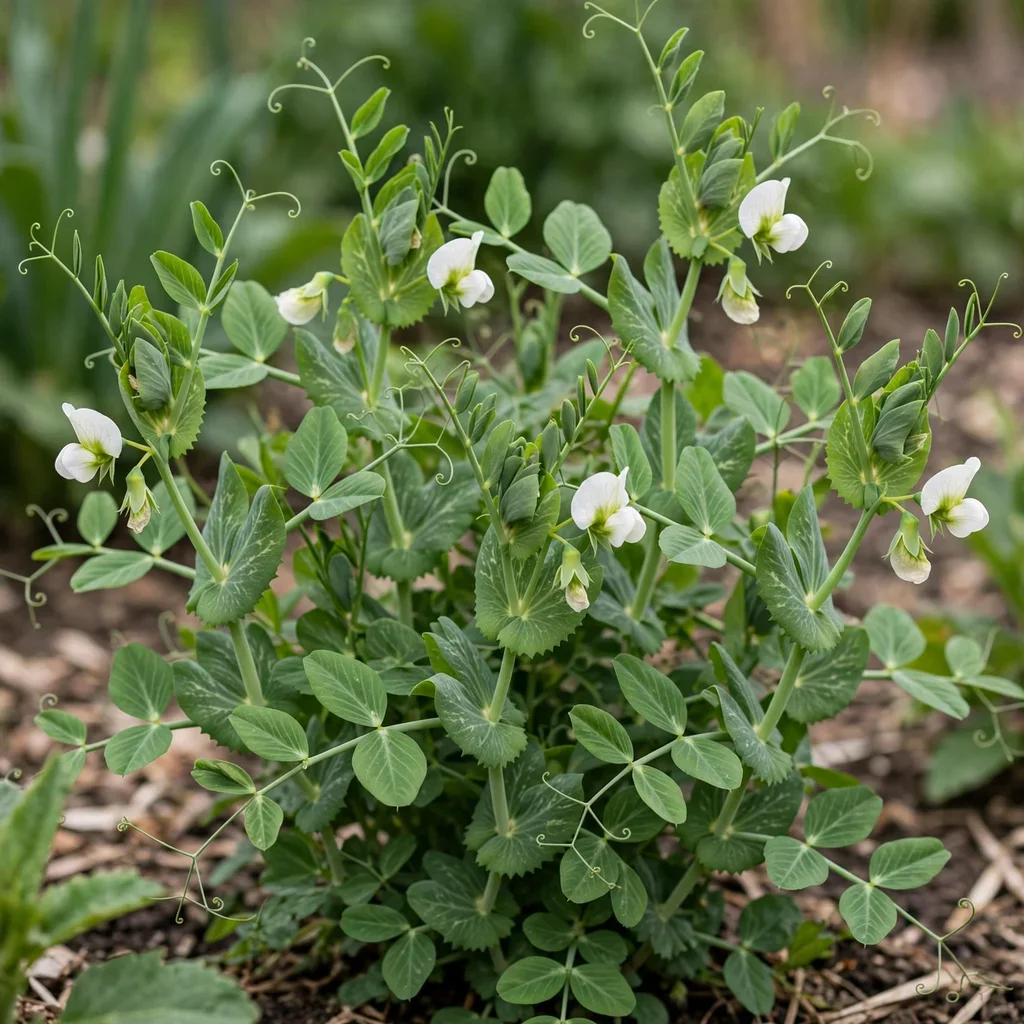
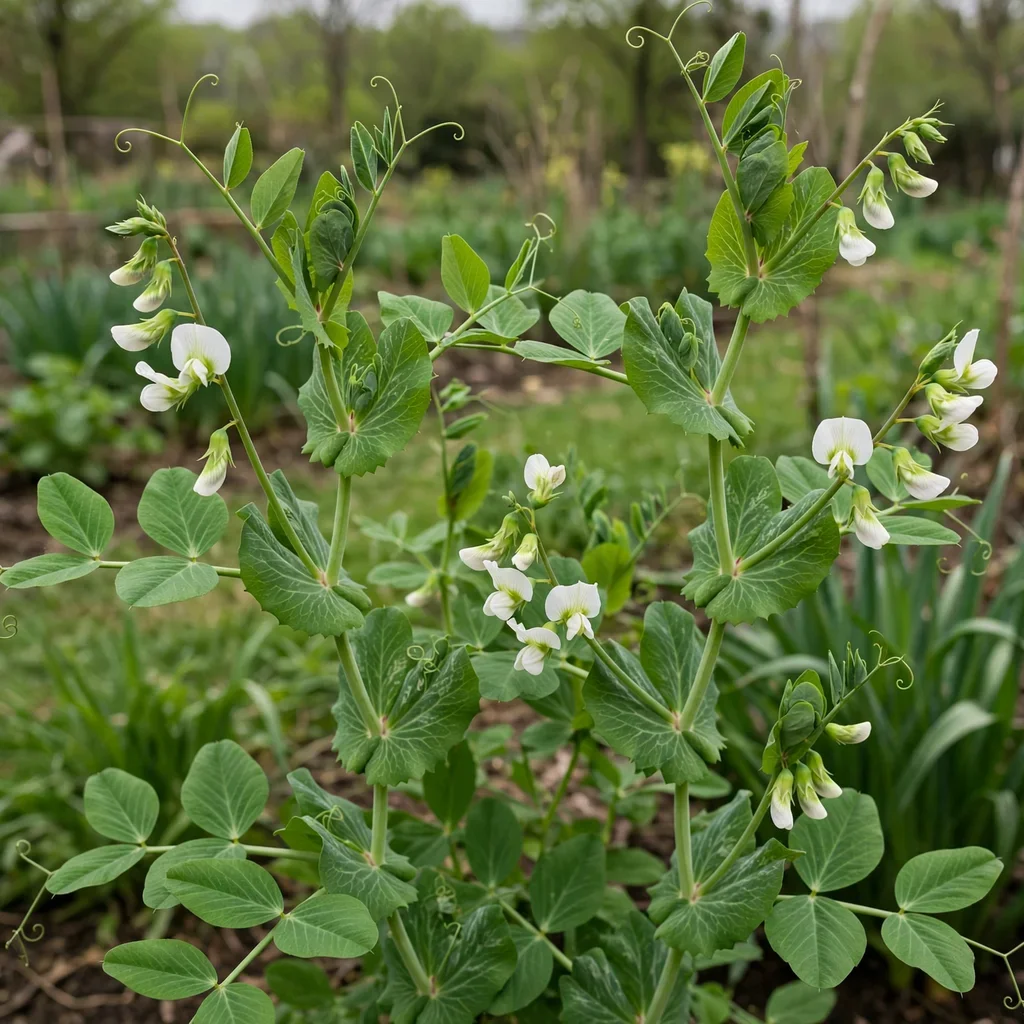
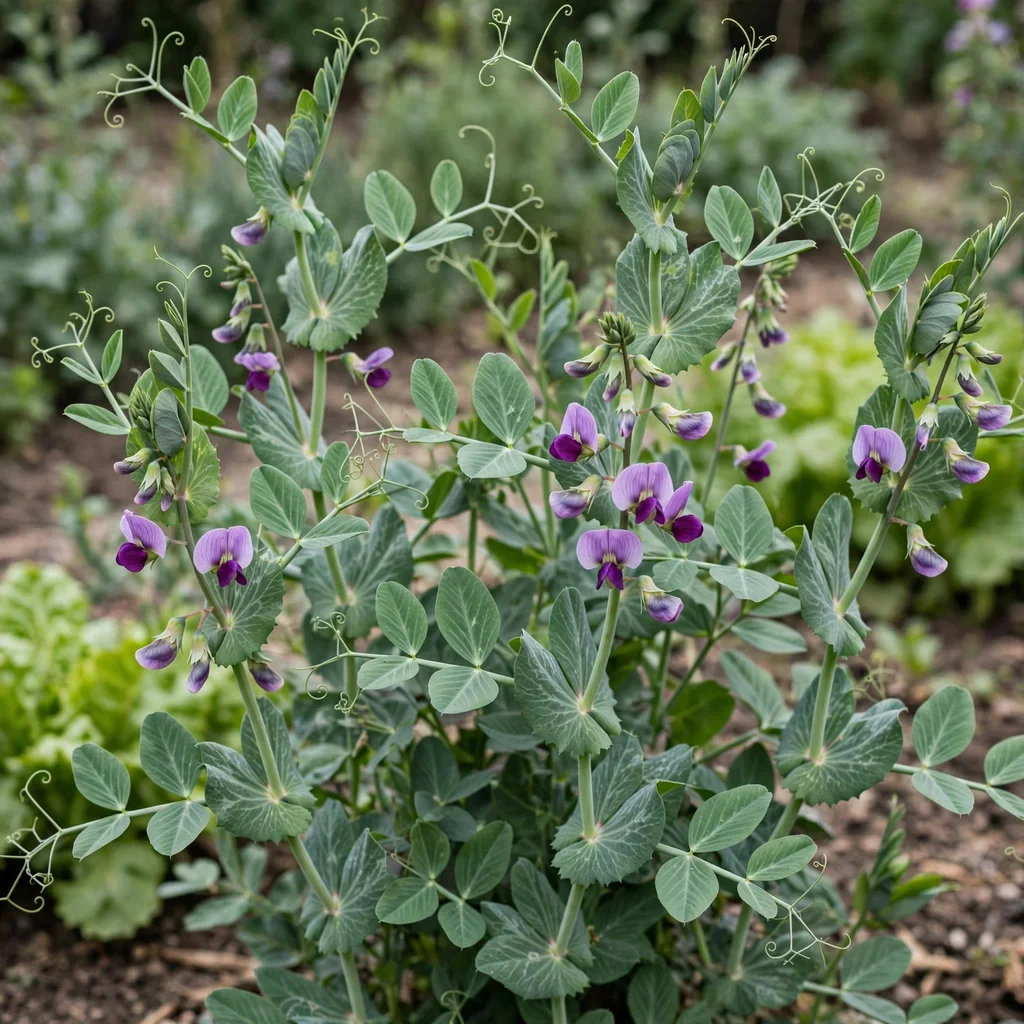
Sow tracks 5 Pisum varieties, hardy across USDA Zones 4 to 10 between them. These are the 5 gardeners save most. Each one opens its own page with its zone range, sun, mature size and, where a nursery lists it, today's price.
Frequently asked questions
Can you plant peas in the fall?
Yes, in much of the country, though a fall crop yields much less than a spring one. In Zones 8 and colder, sow 9 to 12 weeks before your median first fall frost and choose a fast or mildew-resistant variety. Where late summer stays hot, pea seed germinates poorly in warm soil, and a killing frost can arrive before pods fill. In California's interior valleys, central and south Florida and the low desert, fall and winter are the main pea season.
Do peas need a trellis to grow?
Only the tall ones. Dwarf peas under 3 feet (90 cm), such as Sugar Ann at about 20 inches (50 cm), stand on their own in rows 12 to 18 inches (30–45 cm) apart. Vining types such as Sugar Snap reach about 6 feet (1.8 m) and need netting or a fence installed at sowing, before the tendrils start reaching. Support also keeps pods off wet soil and speeds up picking.
When should I plant sugar snap peas?
On the same schedule as other peas: in most regions, from 4 weeks before your median last frost up to the frost date, once the soil is workable and at least 40°F (4°C). Sugar Snap needs about 58 days to its first pods, and peas stop flowering near 85°F (29°C), so sow it at the early end of the window. Its 6-foot (1.8 m) vines need a trellis in place on sowing day.
Can pea seedlings survive frost?
Yes. Young pea plants come through light frosts, keep growing at any temperature above 40°F (4°C), and established vines withstand heavy frosts in spring and fall. The weak point is the crop: once plants flower and set pods, frost damages blossoms and young pods. If frost is forecast at that stage, cover the rows overnight with floating row cover or an old sheet.
Can you start peas indoors and transplant them?
It is rarely worth doing. Peas transplant poorly and recover slowly from root disturbance unless each seedling grows in its own container and goes out with its root ball intact. Because pea seed germinates in soil as cold as 40°F (4°C) and the seedlings tolerate frost, sowing straight into the bed makes indoor starting unnecessary.
What is the latest you can plant peas in spring?
It depends on the region. In the North, Midwest and Mountain West, finish by your median last frost; in Texas, about 2 weeks before it; in western Oregon's valleys, sowing runs into May. A pea sown on time still needs 50 to 90 days to produce, and plants struggle once temperatures pass 80°F (27°C). In Utah, for example, the cutoff is April 1 in warm areas and May 1 in cool ones.
Do peas need inoculant?
Not always. Pea inoculant supplies the bacteria that form nitrogen-fixing nodules on pea roots. It is most likely to raise yields on new ground and matters less in established vegetable beds. Inoculated or not, peas still draw on soil nitrogen, so work some fertilizer in on poor ground, but keep the dose to about half the vegetable-garden rate, since excess nitrogen cuts pod set.
How long do peas take to grow?
Most peas are ready 50 to 90 days after sowing, depending on variety and weather. The dwarf snap pea Sugar Ann is among the fastest at 51 days; Sugar Snap takes about 58, the snow pea Oregon Giant about 60, and the shelling pea Maxigolt about 65. Short, cool days stretch those numbers: in the low desert, a November sowing takes 120 to 150 days to harvest.
Should pea seeds be soaked or sprouted before planting?
Neither step is required: dry seed sown in soil at 40°F (4°C) or warmer germinates in 6 to 15 days. For the earliest spring sowings, pre-sprouting helps the plants establish faster. Lay the seed between moist paper towels inside a plastic bag and plant it as soon as roots appear, at the usual depth in moist soil.
References
- University of Minnesota Extension. Growing Peas in Home Gardens. Accessed October 16, 2026.
- Utah State University Extension. Peas in the Garden. Accessed October 16, 2026.
- University of Illinois Extension. Peas. Accessed October 16, 2026.
- University of Maryland Extension. Peas. Accessed October 16, 2026.
- UC Statewide IPM Program (University of California Agriculture and Natural Resources). Cultural Tips for Growing Peas. Accessed October 16, 2026.
- Colorado State University Extension. Vegetable Planting Guide (Table 1). Accessed October 16, 2026.
- Texas A&M AgriLife Extension. Texas Home Vegetable Gardening Guide. Accessed October 16, 2026.
- Texas A&M AgriLife Extension, Harris County. Vegetable Garden Planting Dates for Harris County. Accessed October 16, 2026.
- Oregon State University Extension Service. Vegetable Gardening in Oregon (EC 871). Accessed October 16, 2026.
- Washington State University Extension. Home Vegetable Gardening in Washington (EM057E). Accessed October 16, 2026.
- University of Arizona Cooperative Extension. Vegetable Planting Calendar, Maricopa County. Accessed October 16, 2026.
- Clemson Cooperative Extension Home & Garden Information Center. Planning a Garden (HGIC 1256). Accessed October 16, 2026.
- UF/IFAS Extension. Florida Vegetable Gardening Guide (VH021). Accessed October 16, 2026.
- University of Missouri Extension. Home Vegetable Gardening (G6201): planting dates and varieties. Accessed October 16, 2026.
- Johnny's Selected Seeds. Sugar Ann Pea. Accessed October 16, 2026.
- Johnny's Selected Seeds. Sugar Snap Pea. Accessed October 16, 2026.
- Johnny's Selected Seeds. Maxigolt Pea. Accessed October 16, 2026.
- Johnny's Selected Seeds. Oregon Giant Pea. Accessed October 16, 2026.
- NOAA National Centers for Environmental Information. U.S. Climate Normals 1991–2020: Annual/Seasonal freeze data. Accessed October 16, 2026.
- USDA Agricultural Research Service. USDA Plant Hardiness Zone Map (2023). Accessed October 16, 2026.
Sow Editorial
Written by the Sow team from university extension services, botanical gardens, USDA and NOAA data and plant breeders. Every source is listed under References.