The Story
Plant Bio
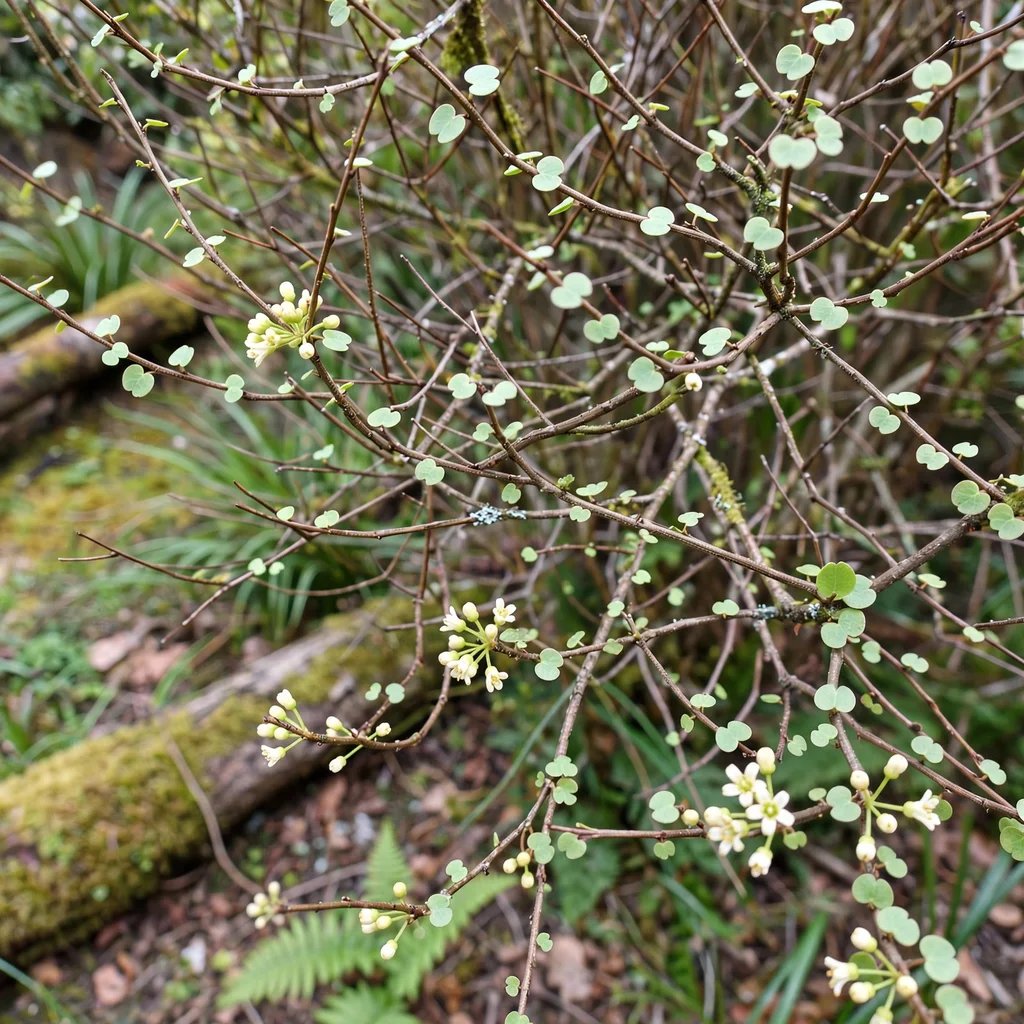
Pittosporum obcordatum is an evergreen columnar shrub or small tree reaching up to twenty-six feet tall, featuring a fine, densely interlacing branch network. The slender stems hold tiny, heart-shaped leaves that exhibit heterophylly, changing shape as the plant matures from juvenile to adult stages.
This species is distinguished by its strict divaricating growth habit, where thin branches interlock at wide angles to form a dense architectural column. Small, pale yellow to cream spring flowers emit a sweet fragrance directly along the fine stems.
Uses & Benefits:
Essentials
At a Glance
Plant Type
Shrub
Height
315"
Width
47"
Light
Full Sun, Partial Sun
Zones
8, 9, 10
Water
Low to moderate
Humidity
Moderate
Lifespan
Perennial
Native To
New Zealand
Toxicity
Non-toxic
Bloom period
Spring – Late spring
In flower about 3 months of the year
Planting
How to Grow
- Select a site with well-draining, humus-rich soil in bright shade or dappled sunlight.
- Dig a planting hole twice as wide as the root ball and set the crown flush with the surrounding soil level.
- Backfill with native soil mixed with leaf mold, tapping gently to eliminate air pockets.
- Water deeply at planting and establish a light mulch layer clear of the main trunk base.
Pro Tip
Prune only active outer growth in late winter; cutting hard into old, leafless wood kills those branches because mature stems lack dormant buds.
Keep It Thriving
Care Guide
Do
- Plant in light, free-draining alluvial or loamy soils.
- Provide shelter from harsh afternoon sun in hot climates.
- Perform light selective tip-pruning in late winter to maintain column density.
Don't
- Do not overwater or plant in heavy, waterlogged clay.
- Do not prune severely back into bare interior timber.
- Do not allow heavy browsing by deer or rabbits on young stems.
Seasonal Care Calendar
| Task | Jan | Feb | Mar | Apr | May | Jun | Jul | Aug | Sep | Oct | Nov | Dec |
|---|---|---|---|---|---|---|---|---|---|---|---|---|
| Fertilize | ||||||||||||
| Mulch | ||||||||||||
| Pest Check | ||||||||||||
| Prune |
Watch Out For
Pests & Diseases
Common Pests
Common Diseases
In the Garden
Landscape Uses & Companions
Landscape Uses
Multiply
Propagation Methods
Good to Know
Common Questions
Heart-Leaved Kohukohu questions
What zones can Heart-Leaved Kohukohu grow in?
Heart-Leaved Kohukohu is hardy in USDA Zones 8–10: in that range it survives winter in the ground. Colder than Zone 8, grow it in a container you can move to shelter for the winter.
Is Heart-Leaved Kohukohu deer resistant?
Not reliably. Deer may browse Heart-Leaved Kohukohu, especially tender spring growth — plan on repellents or fencing where pressure is high.
When does Heart-Leaved Kohukohu bloom?
Heart-Leaved Kohukohu typically blooms in spring. Exact timing shifts a week or two with your zone — Sow's bloom calendar maps it to your garden.
Does Heart-Leaved Kohukohu need full sun?
Heart-Leaved Kohukohu does best in full sun to part shade. In hot climates, afternoon shade keeps blooms fresher longer.
Is Heart-Leaved Kohukohu drought tolerant?
Yes — once established (usually after the first full season), Heart-Leaved Kohukohu handles dry spells with minimal watering. Water deeply its first year to build the root system that makes that possible.
More Pittosporum to compare
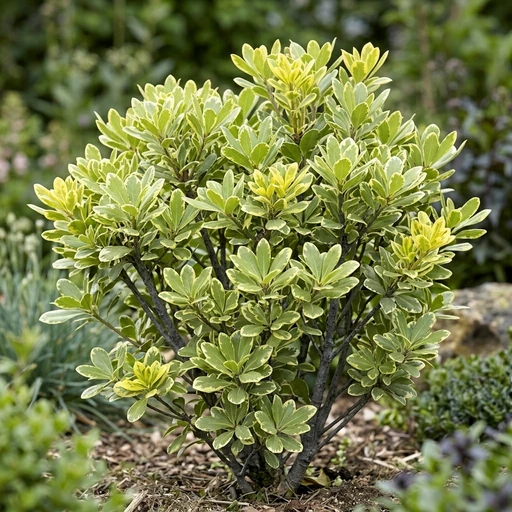
Mojo Pittosporum
Pittosporum tobira 'Mojo'
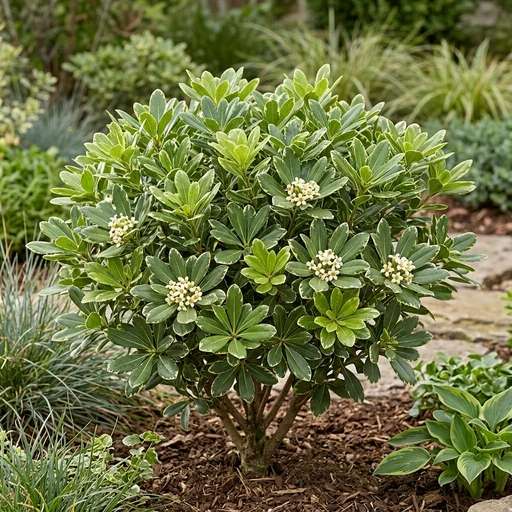
Wheeler's Dwarf Pittosporum
Pittosporum tobira 'Wheeler's Dwarf'
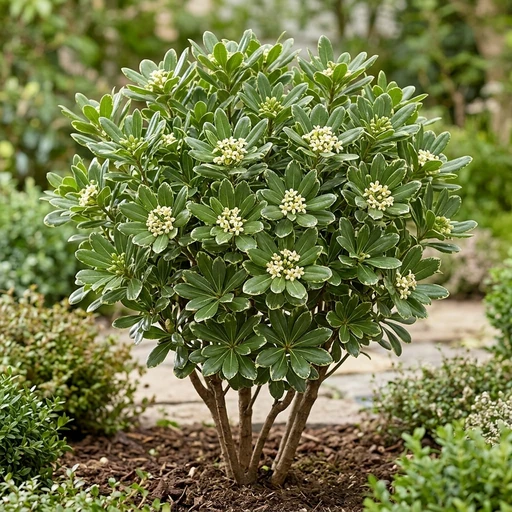
Japanese Pittosporum
Pittosporum tobira
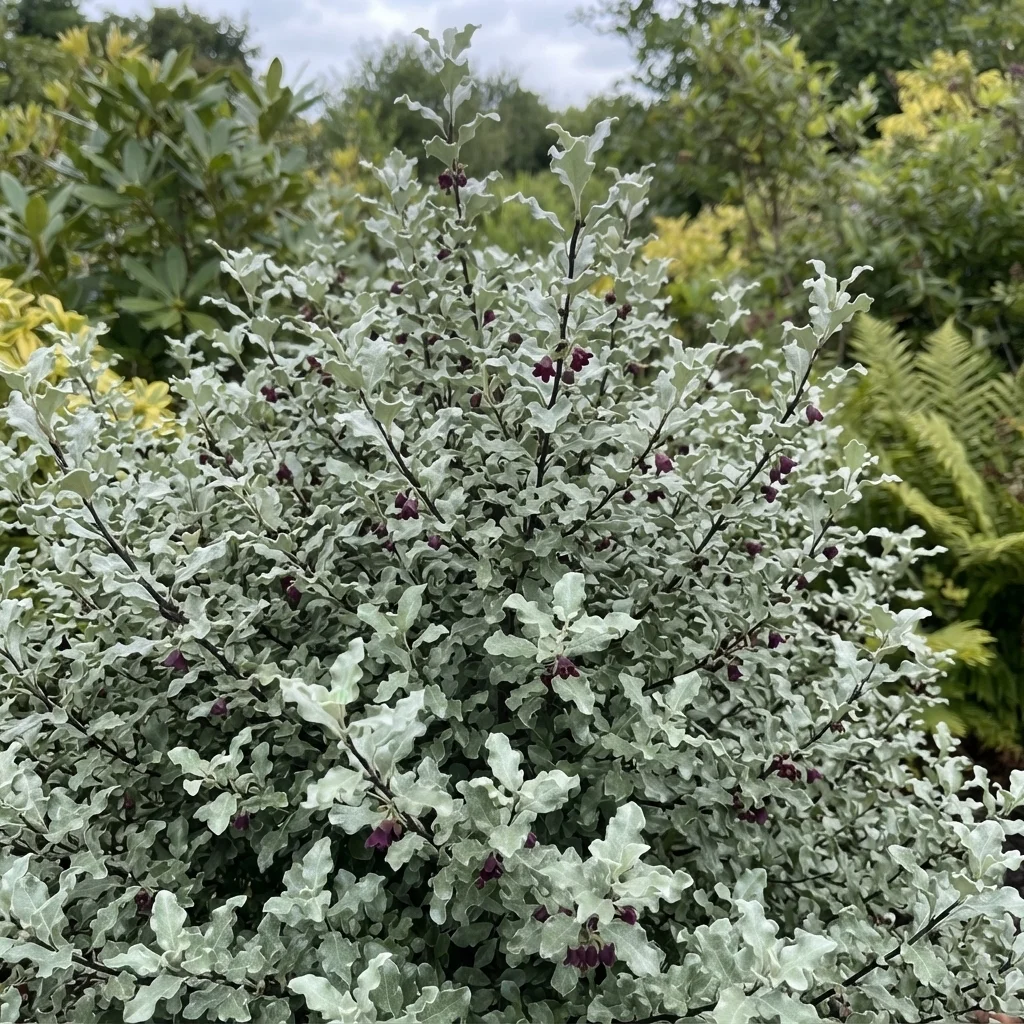
James Stirling Kohuhu
Pittosporum tenuifolium 'James Stirling'
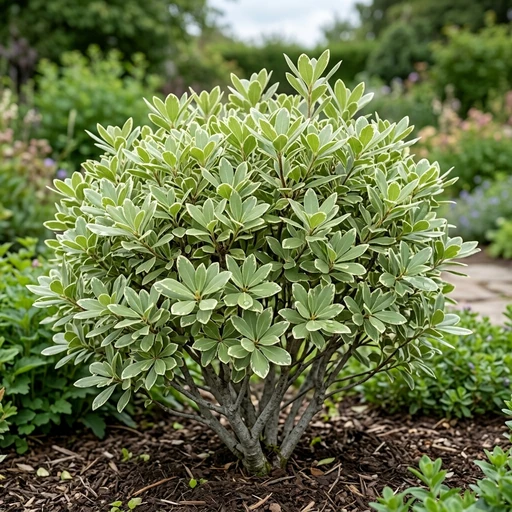
Variegated Japanese Pittosporum
Pittosporum tobira 'Variegatum'
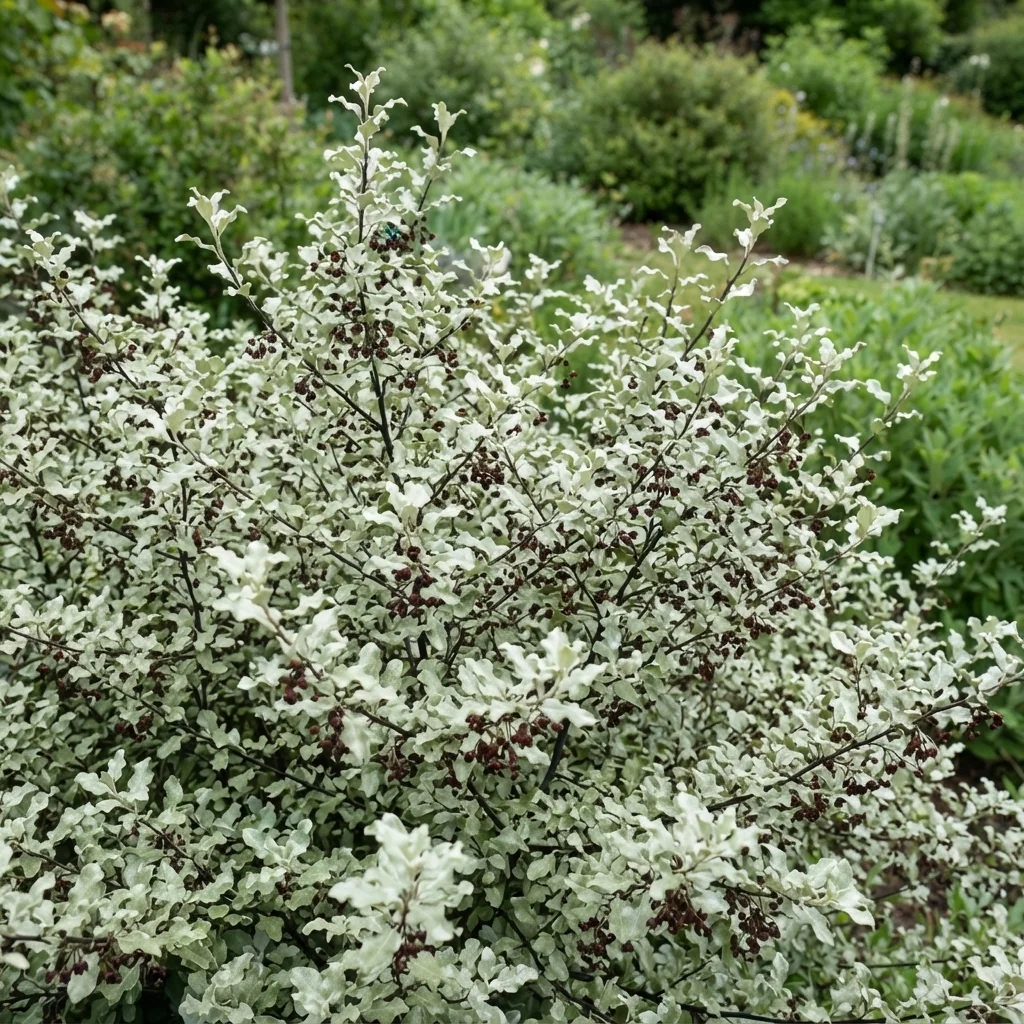
Silver Sheen Kohuhu
Pittosporum tenuifolium 'Silver Sheen'
Keep exploring
Explore the genus
Hardy in your zone?
Grow Heart-Leaved Kohukohu with confidence
See it in a design of your actual yard, get zone-matched care reminders, and track it season by season in your garden journal.