The Story
Plant Bio
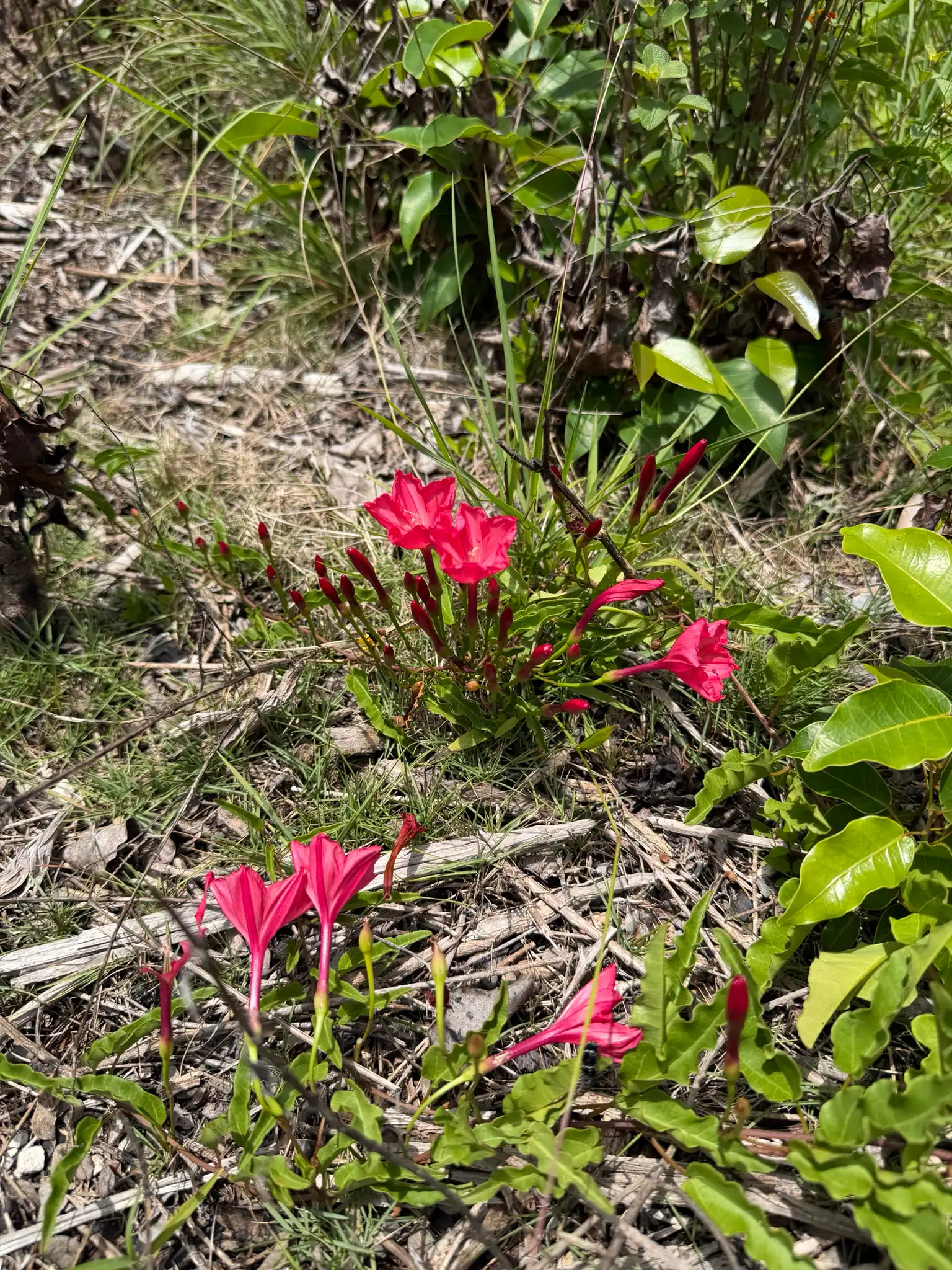
Ipomoea microdactyla is a short-lived perennial vine that climbs by twining from a large underground tuber, producing hairless, slightly fleshy stems that often wind together. The flowers are salverform trumpets with five fused red to scarlet-rose petals and a deep tube, borne in branched cymes with five separate green sepals.
Unlike common annual morning glories, this species drops its vines in the dry winter and resprouts from the tuber, and single plants set almost no seed because the flowers are self-incompatible and need outcrossing. It grows only on calcareous oolitic limestone in south Florida pine rockland at low elevation, where it remains endangered with about a dozen wild populations.
Uses & Benefits:
Essentials
At a Glance
Plant Type
Vine
Height
120"
Width
60"
Light
Full Sun
Zones
10
Water
Low
Humidity
Low
Lifespan
Short-lived perennial
Native To
South Florida and West Indies
Toxicity
Toxic if ingested
Bloom period
Year round
In flower about 12 months of the year
Planting
How to Grow
- Plant nursery-grown stock in spring into sharply drained calcareous limestone rock in full sun.
- Set a low trellis or neighboring shrubs for the twining stems to climb, keeping the tuber crown at soil level.
- Water to establish in the warm growing season, then withhold water once vines yellow and die back.
- Leave the tuber undisturbed through winter dormancy and do not fertilize with rich garden fertilizer.
Pro Tip
Leave the bare winter tuber alone; dormancy looks like death, and digging it up or moving it to rich garden soil prevents resprouting.
Keep It Thriving
Care Guide
Do
- Do plant in limestone rock with sharp drainage.
- Do provide a trellis for twining stems to climb.
- Do leave winter-dormant tubers in place undisturbed.
Don't
- Do not dig the tuber in winter mistaking dormancy for death.
- Do not plant in rich loam or waterlogged soil.
- Do not expect seed from a single isolated plant.
Seasonal Care Calendar
| Task | Jan | Feb | Mar | Apr | May | Jun | Jul | Aug | Sep | Oct | Nov | Dec |
|---|---|---|---|---|---|---|---|---|---|---|---|---|
| Pest Check | ||||||||||||
| Plant | ||||||||||||
| Stake | ||||||||||||
| Winter Prep |
Watch Out For
Pests & Diseases
Common Pests
Common Diseases
In the Garden
Landscape Uses & Companions
Landscape Uses
Multiply
Propagation Methods
Good to Know
Common Questions
Calcareous Morning Glory questions
What zones can Calcareous Morning Glory grow in?
Calcareous Morning Glory is hardy in USDA Zone 10: in that range it survives winter in the ground. Colder than Zone 10, grow it in a container you can move to shelter for the winter, or as an annual.
When does Calcareous Morning Glory bloom?
Calcareous Morning Glory typically blooms year-round. Exact timing shifts a week or two with your zone — Sow's bloom calendar maps it to your garden.
Does Calcareous Morning Glory need full sun?
Calcareous Morning Glory does best in full sun (6+ hours).
More Ipomoea to compare
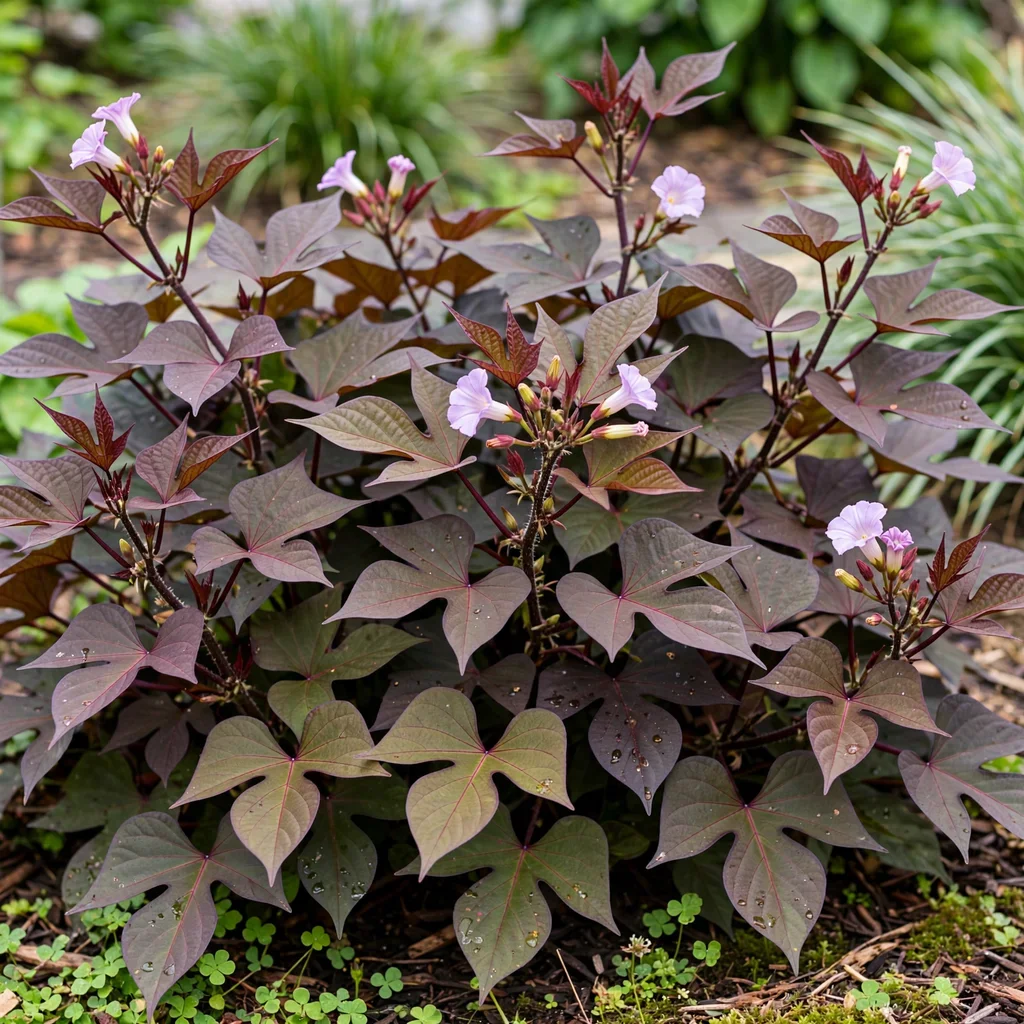
Sweet Potato
Ipomoea batatas 'Sweet Georgia Bronze'
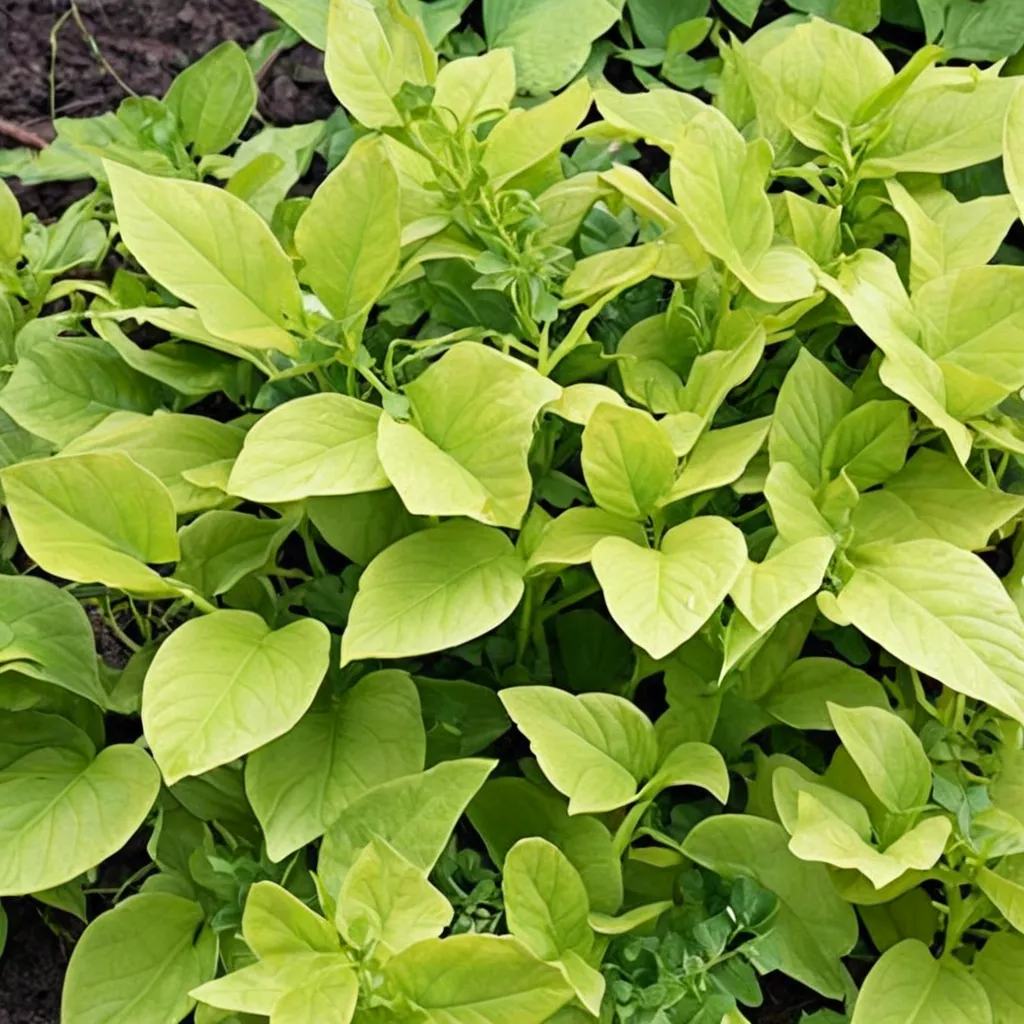
Margarita Sweet Potato Vine
Ipomoea batatas 'Margarita'
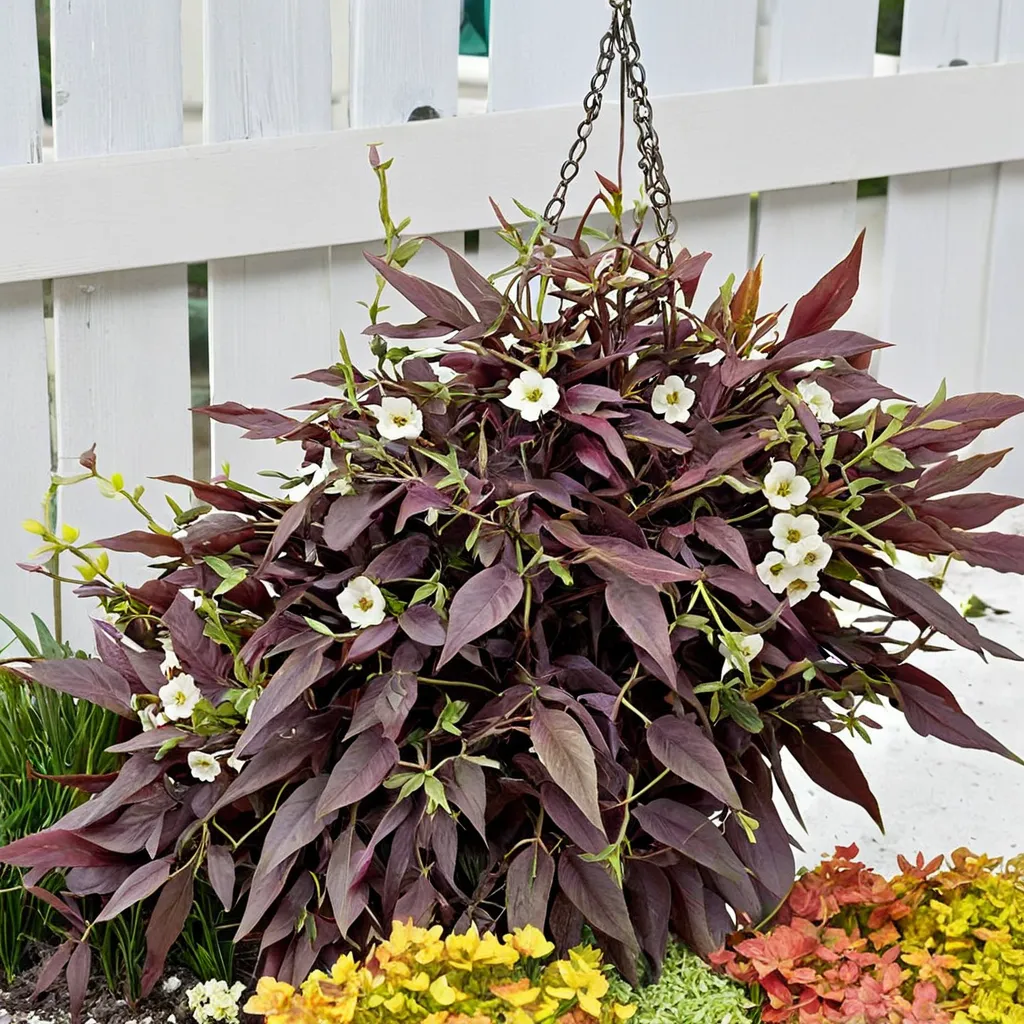
Sweet Caroline Upside Black Coffee Sweet Potato Vine
Ipomoea batatas 'Sweet Caroline Upside Black Coffee'
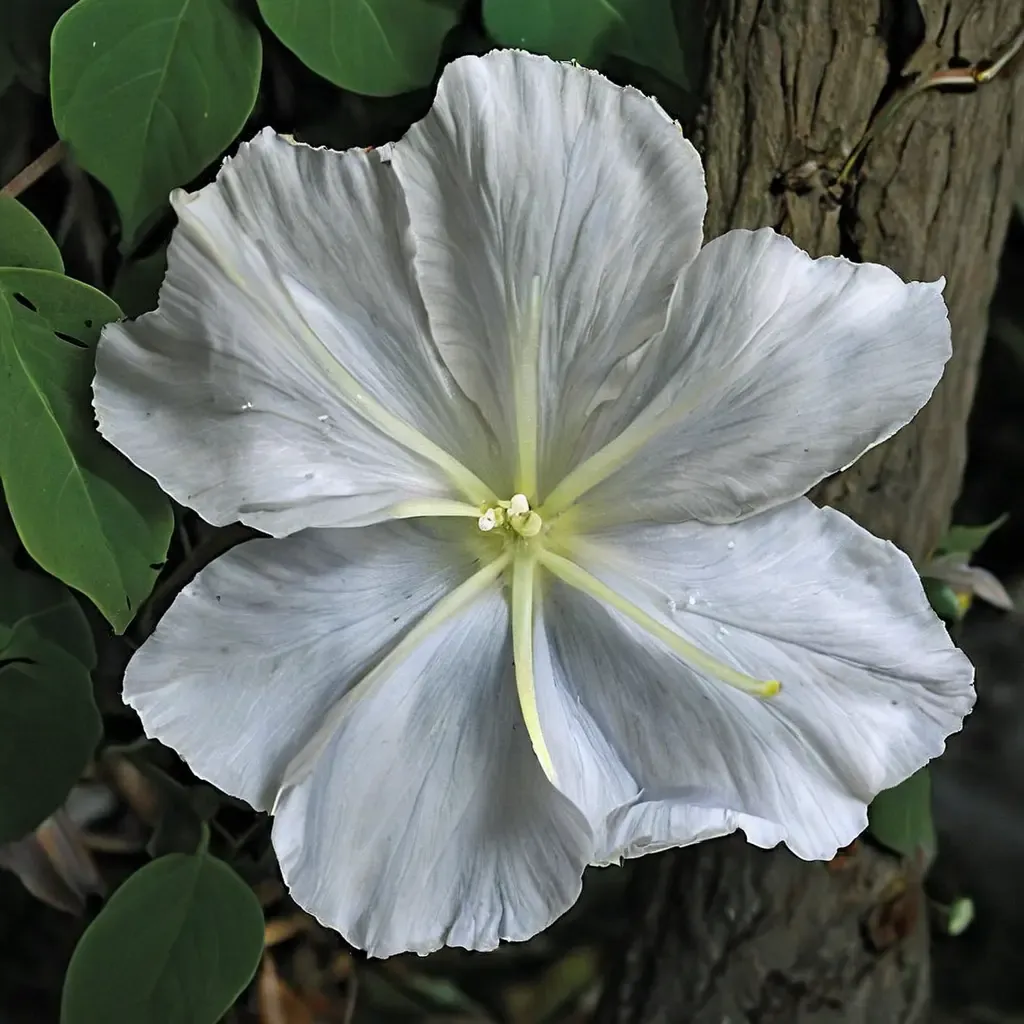
Moonflower
Ipomoea alba
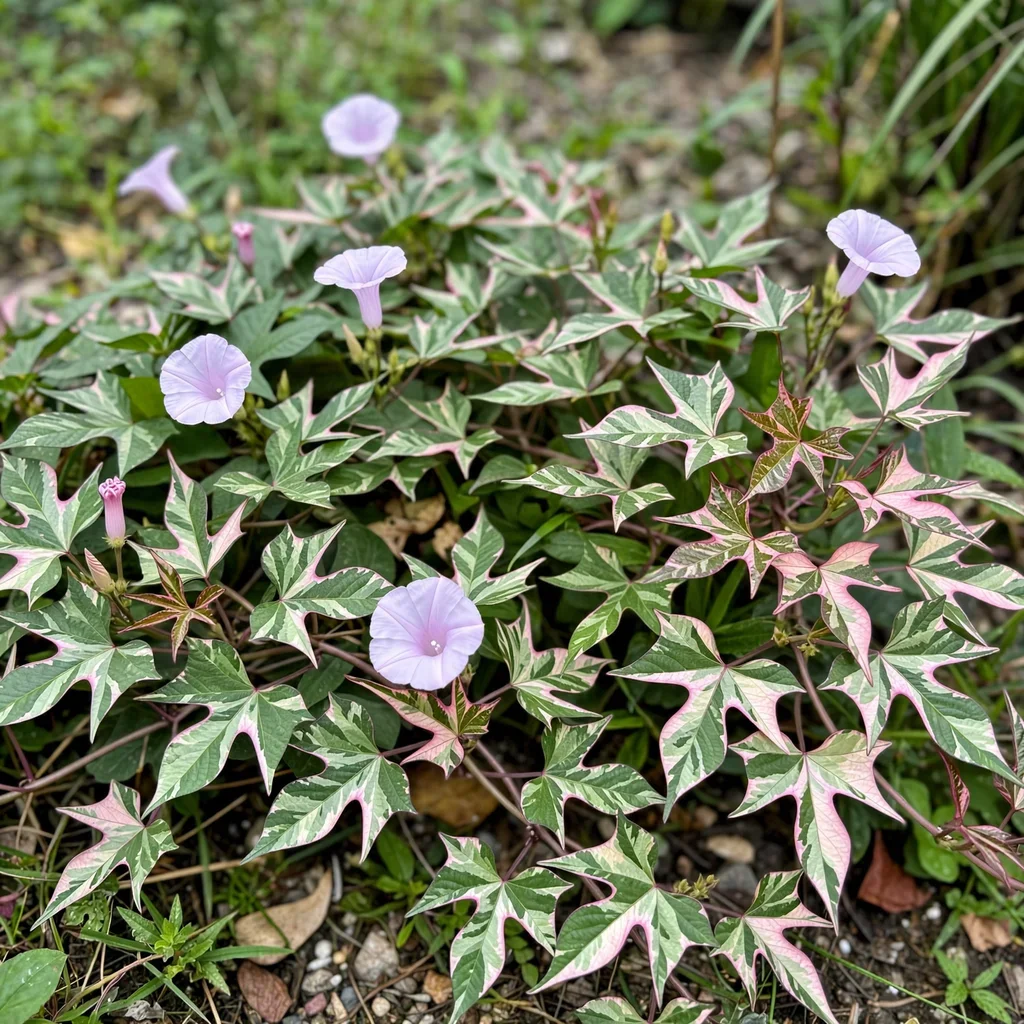
Tricolor Sweet Potato Vine
Ipomoea batatas 'Tricolor'
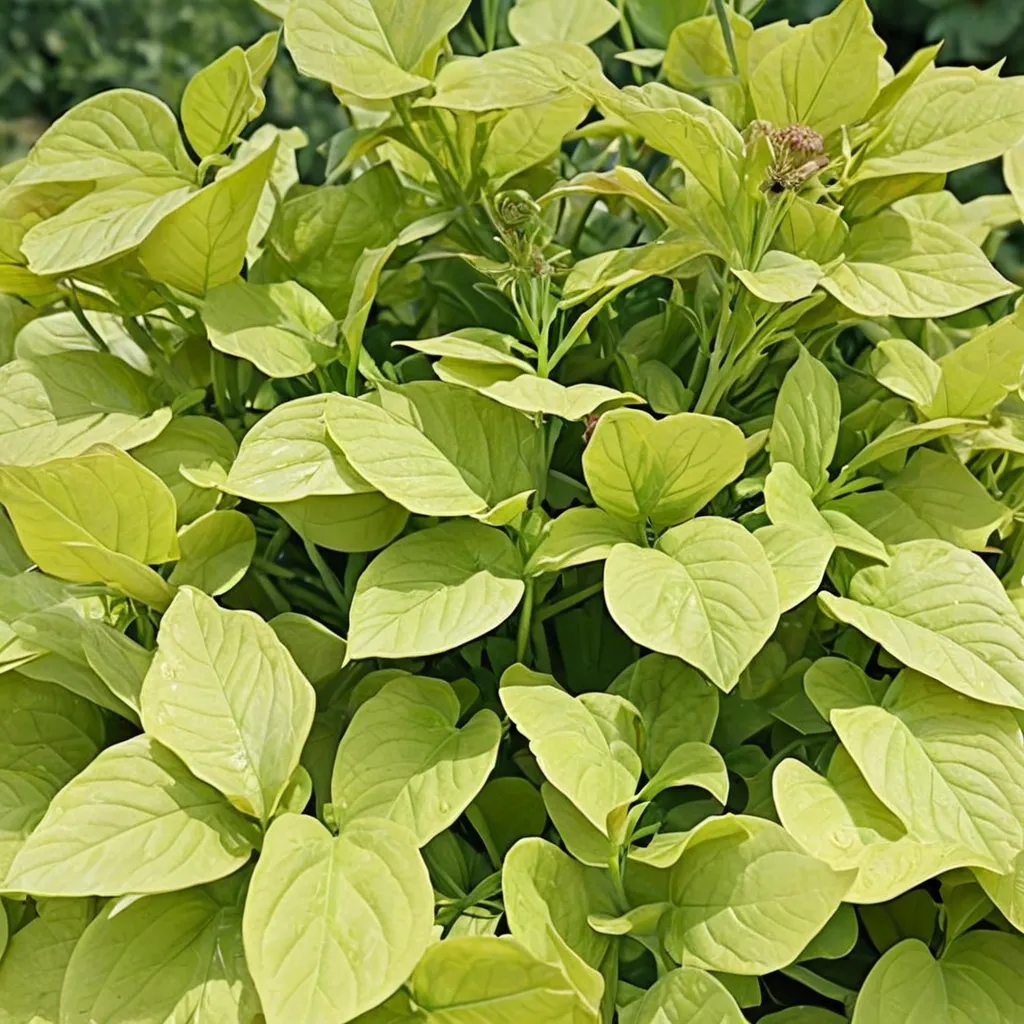
Sweet Potato Vine 'Sweet Caroline Sweetheart Lime'
Ipomoea batatas 'Sweet Caroline Sweetheart Lime'
Keep exploring
Explore the genus
Hardy in your zone?
Grow Calcareous Morning Glory with confidence
See it in a design of your actual yard, get zone-matched care reminders, and track it season by season in your garden journal.