The Story
Plant Bio
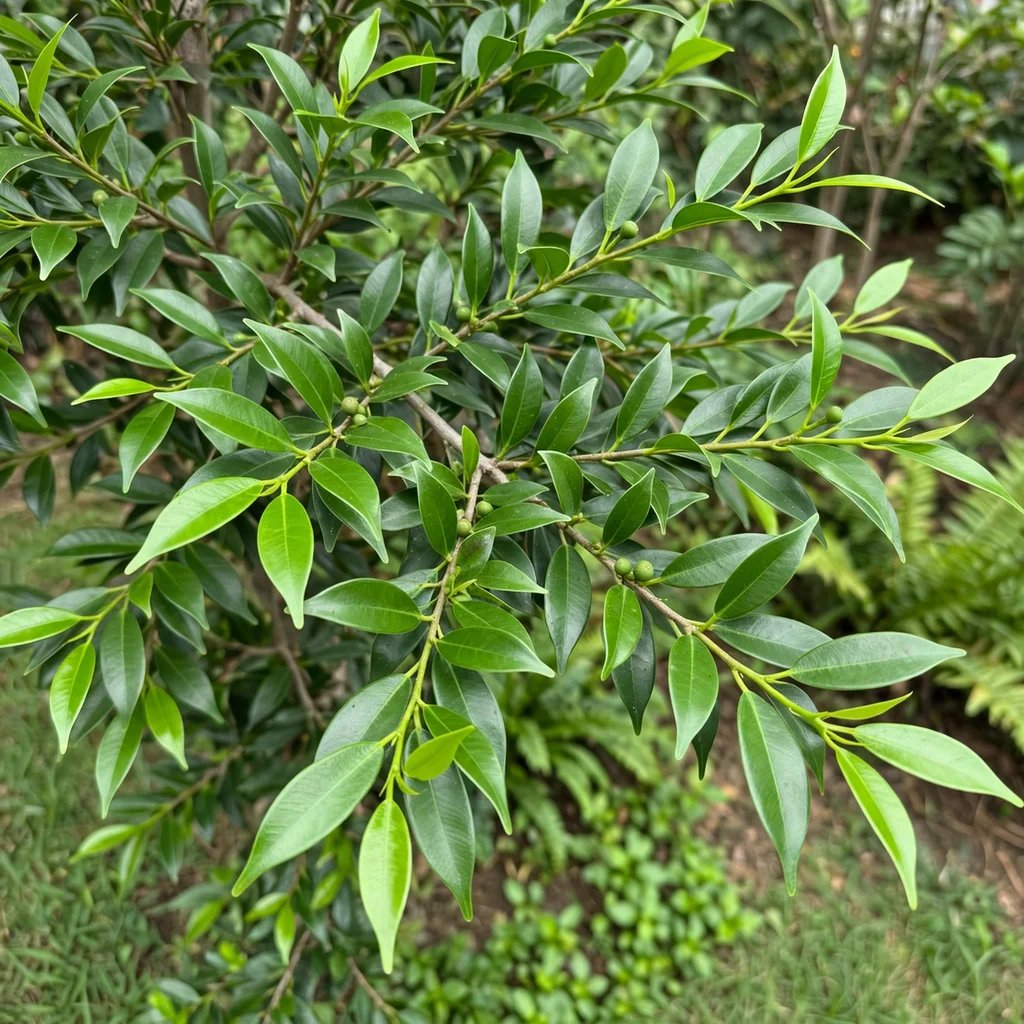
Ficus microcarpa, the Chinese banyan, is an evergreen spreading tree with a dense rounded crown, smooth gray-white bark and slender aerial roots that thicken into columnar supports. The leaves are small, lustrous dark green and blunt-tipped, and the fruit is a 5-6 mm syconium fig that ripens purple-black and is entered through a tiny pore by its host-specific wasp.
'Nitida' is the trade form sold as Indian laurel, selected for dense upright branching and small pliable rounded leaves that shear cleanly into hedges, columns and street-tree crowns. It holds a tighter, less weeping canopy than Ficus benjamina and regrows fast after cutting, with tender green new growth that needs repeated clipping before it hardens.
Uses & Benefits:
Essentials
At a Glance
Plant Type
Tree
Height
720"
Width
900"
Light
Full Sun
Zones
9, 10
Water
Moderate
Humidity
Prefers warm, humid air
Lifespan
Long-lived tree
Native To
Sri Lanka to southern China, Taiwan, Malay Archipelago to northern Australia
Toxicity
Toxic if ingested; latex causes skin allergy
Planting
How to Grow
- Plant after frost has passed in full sun, about 6 hours daily, in moist but well-drained soil.
- Space hedge plants to allow a 10-20 foot screen; keep all plantings well clear of pavement, walls and pipes.
- Water to establish, then water deeply but infrequently; do not keep the root zone waterlogged.
- Clip tender new growth repeatedly through the growing season to hold the hedge or crown shape.
- Protect from frost in Zone 9; bring indoor bonsai forms inside before cold weather.
Pro Tip
Shear tender green shoots before they ripen; once the leaves harden the cut shows and regrowth is slower. Keep roots well away from pavement, foundations and irrigation lines.
Keep It Thriving
Care Guide
Do
- Do clip frequently to prevent fruit set and keep the canopy dense.
- Do prune out thrips-folded tips and dispose of them.
- Do give full sun, warmth and good drainage.
Don't
- Don't plant where roots can lift sidewalks, driveways or foundations.
- Don't overwater or leave pots sitting wet.
- Don't cut hard back into old leafless wood expecting fast fill.
Seasonal Care Calendar
| Task | Jan | Feb | Mar | Apr | May | Jun | Jul | Aug | Sep | Oct | Nov | Dec |
|---|---|---|---|---|---|---|---|---|---|---|---|---|
| Pest Check | ||||||||||||
| Plant | ||||||||||||
| Prune | ||||||||||||
| Winter Prep |
Watch Out For
Pests & Diseases
Common Pests
Common Diseases
In the Garden
Landscape Uses & Companions
Landscape Uses
Multiply
Propagation Methods
Good to Know
Common Questions
Indian Laurel Fig questions
What zones can Indian Laurel Fig grow in?
Indian Laurel Fig is hardy in USDA Zones 9–10: in that range it survives winter in the ground. Colder than Zone 9, winters are too cold for it to survive outdoors.
Does Indian Laurel Fig need full sun?
Indian Laurel Fig does best in full sun (6+ hours).
Is Indian Laurel Fig drought tolerant?
Yes — once established (usually after the first full season), Indian Laurel Fig handles dry spells with minimal watering. Water deeply its first year to build the root system that makes that possible.
More Ficus to compare
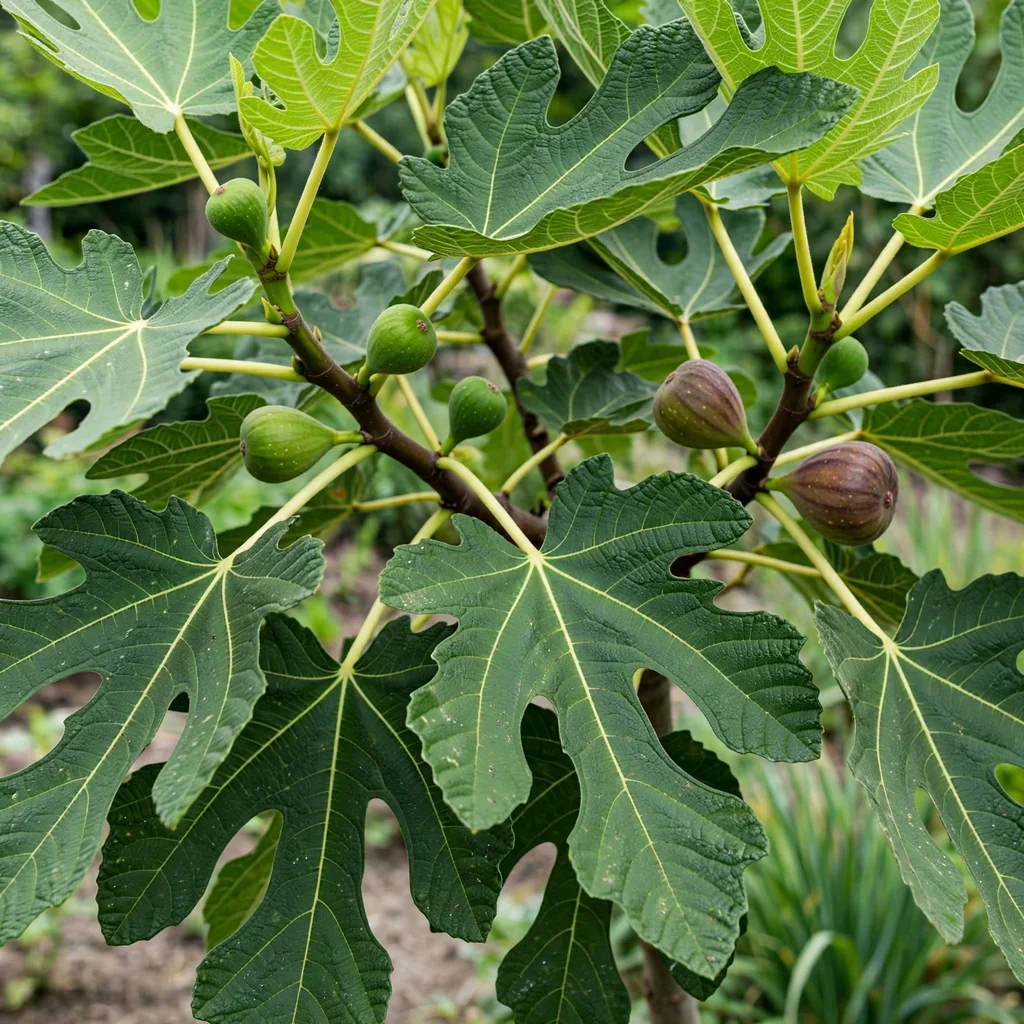
Fig Tree Brown Turkey
Ficus carica 'Brown Turkey'
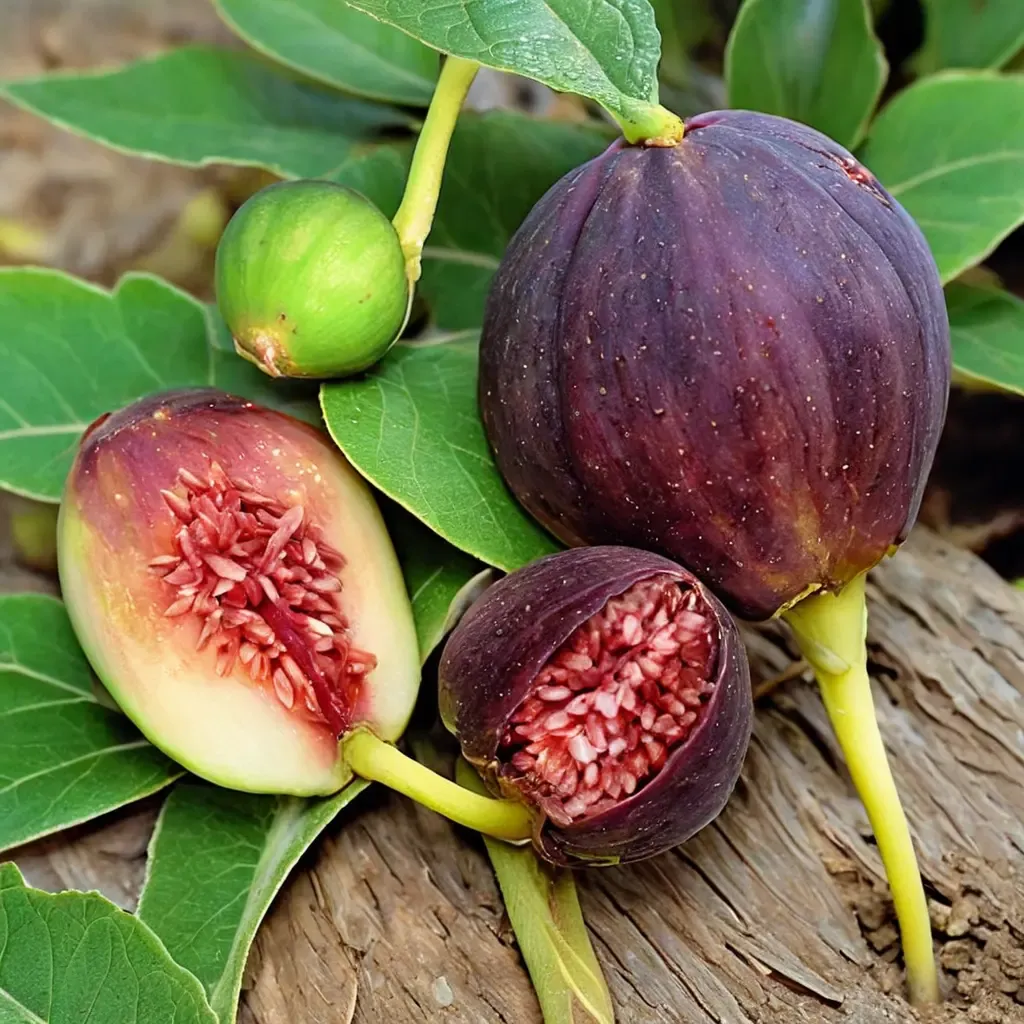
Improved Brown Turkey Fig
Ficus carica 'Improved Brown Turkey'
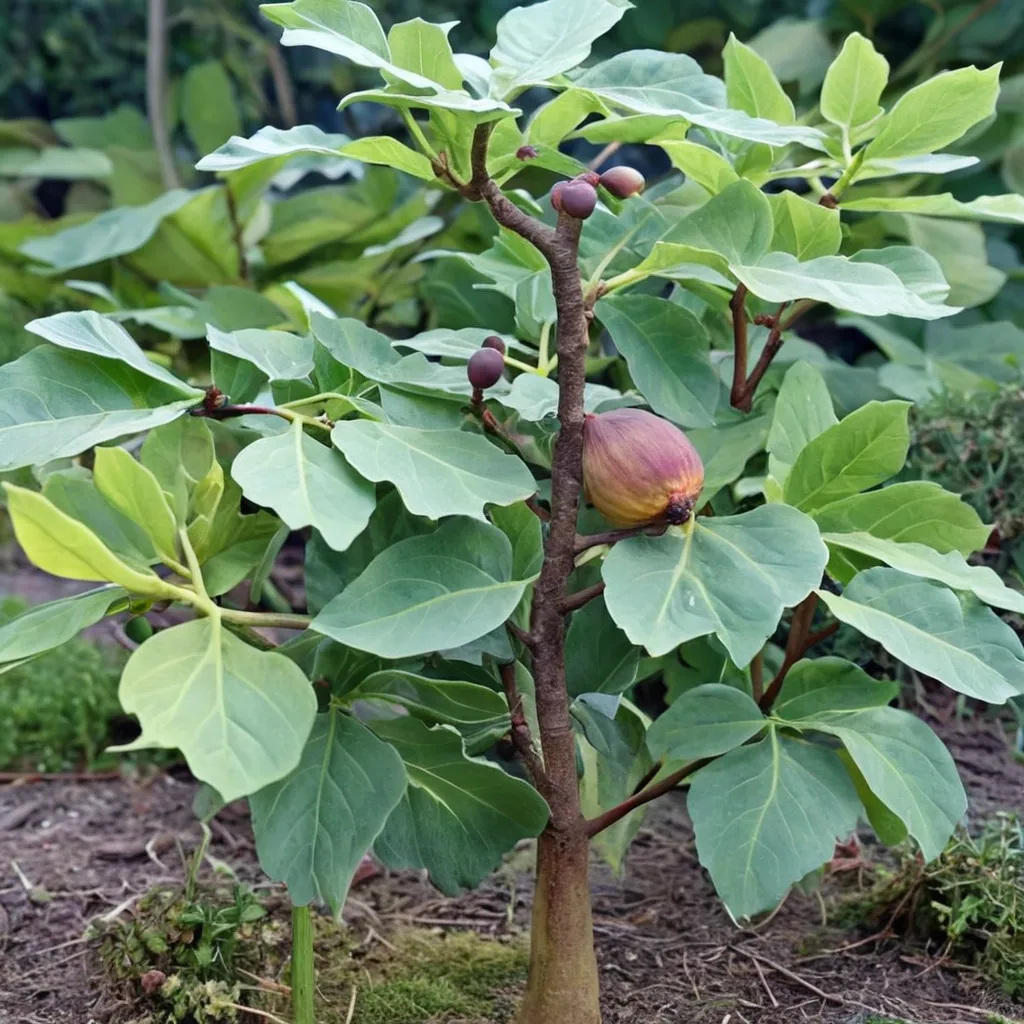
Chicago Hardy Fig
Ficus carica 'Chicago Hardy'
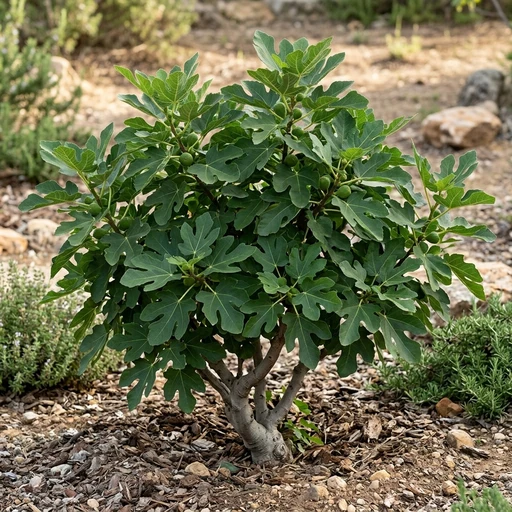
Little Miss Figgy Dwarf Fig
Ficus carica 'Little Miss Figgy'
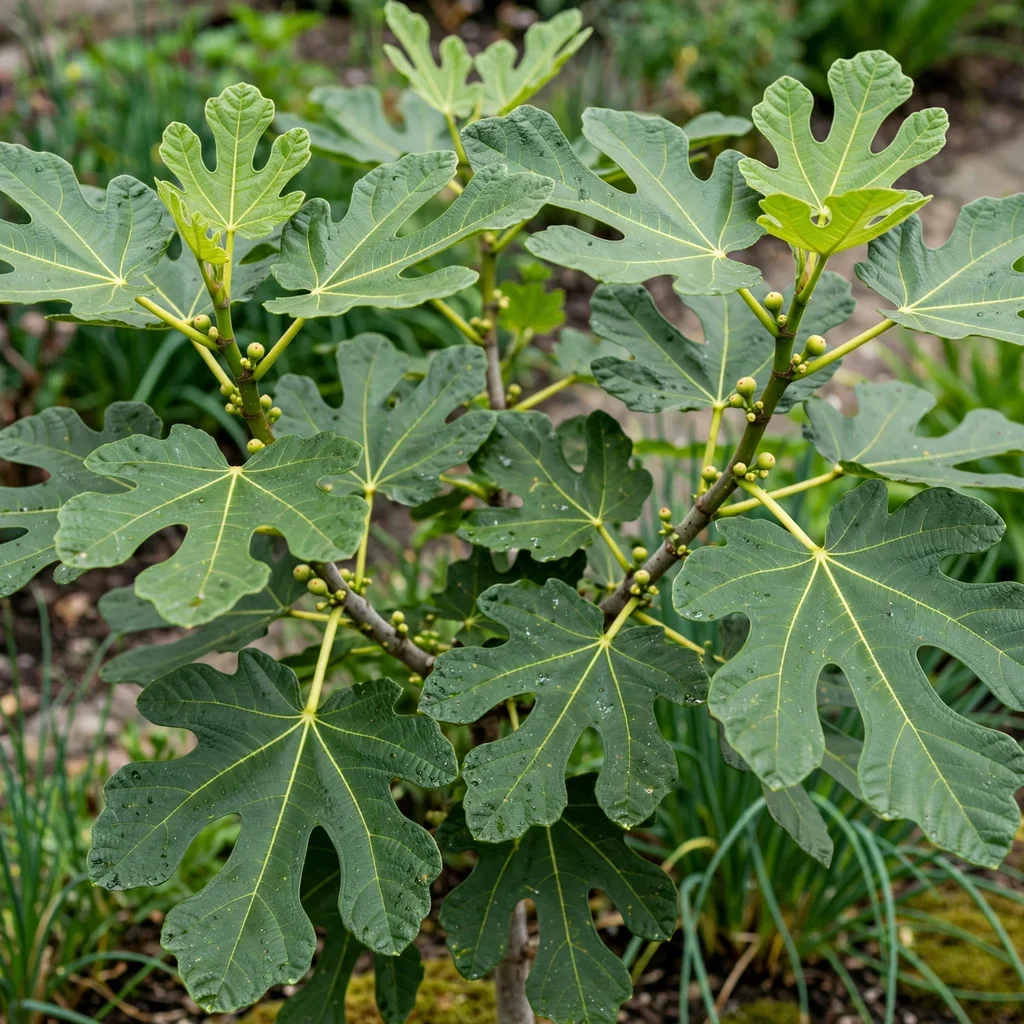
Champagne Fig
Ficus carica 'Champagne'
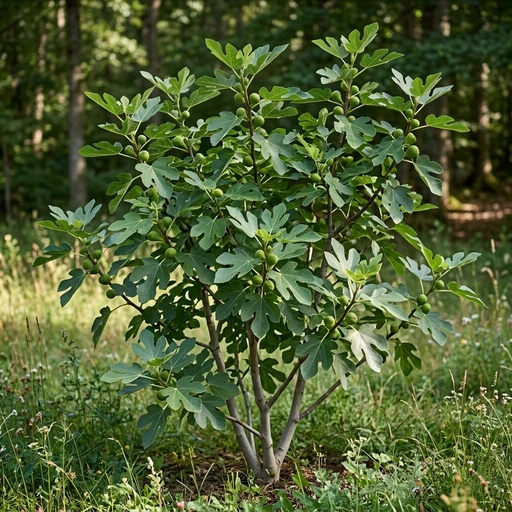
Celeste Fig
Ficus carica 'Celeste'
Keep exploring
Explore the genus
Hardy in your zone?
Grow Indian Laurel Fig with confidence
See it in a design of your actual yard, get zone-matched care reminders, and track it season by season in your garden journal.