The Story
Plant Bio
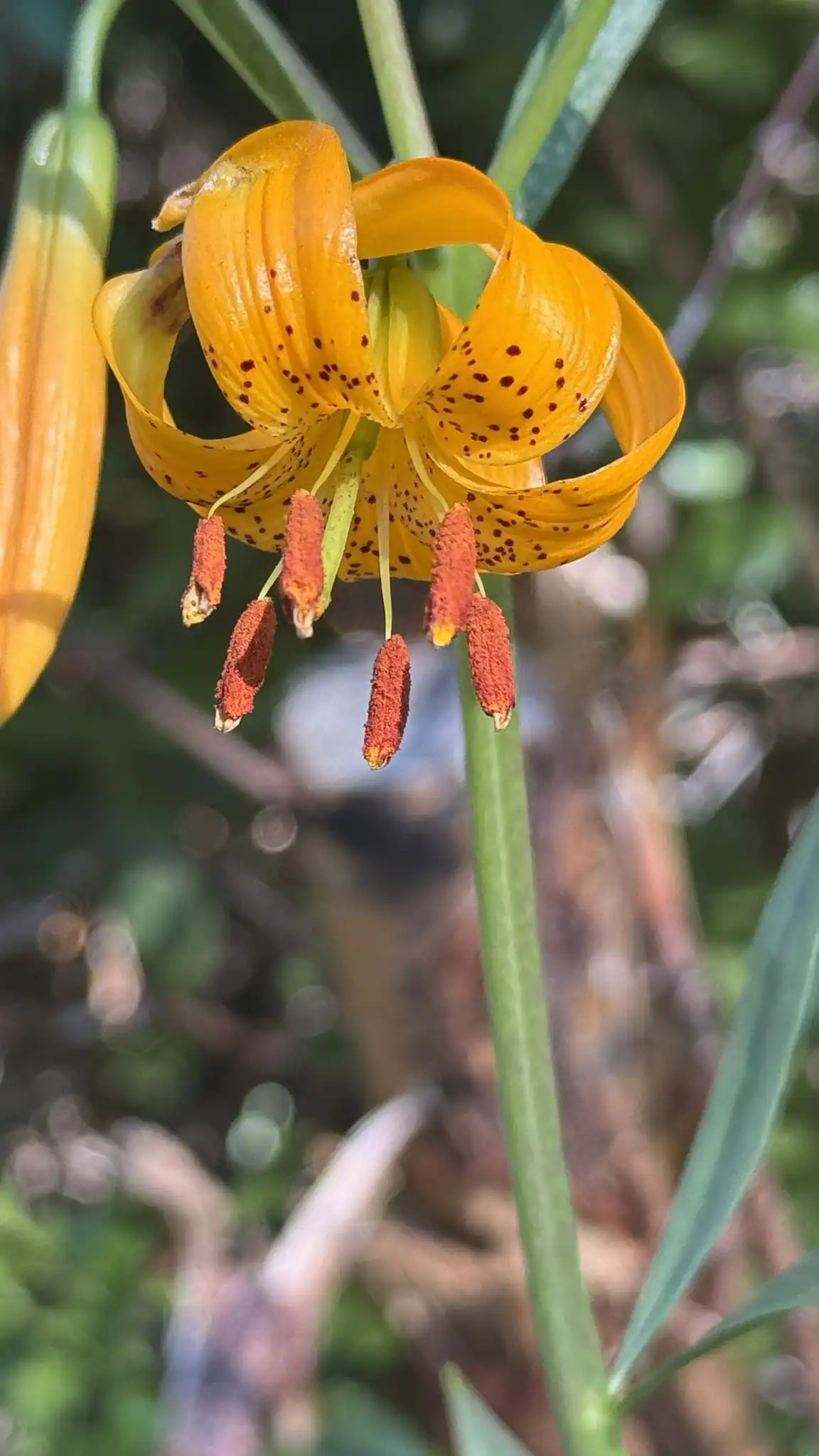
Lilium kelleyanum, Kelley's lily, is a bulbous perennial herb rising on a stout unbranched stem to over 6 feet from a rhizomatous scaly bulb. The nodding Turk's-cap flowers have strongly reflexed segments and bloom in summer above conifer-forest seeps and streambanks.
This California endemic carries pendent yellow to yellow-orange flowers heavily spotted maroon, with magenta to dull-red anthers and pale orange pollen on segments about 2 inches long. It reaches over 6 feet in cool moist shade and requires seep or stream-edge moisture rather than a dry border.
Uses & Benefits:
Essentials
At a Glance
Plant Type
Bulb Corm Tuber
Height
87"
Width
12"
Light
Partial Sun, Shade
Zones
5, 6, 7, 8
Water
Moderate
Humidity
Unknown
Lifespan
Perennial
Native To
California, USA
Toxicity
Toxic to cats
Bloom period
Summer – Late summer
In flower about 3 months of the year
Planting
How to Grow
- Plant in partial to deep shade along a seep, streambank, or moist thicket edge that stays moist through summer.
- Set bulbs in humus-rich loam that drains yet never dries, mimicking flowing seep moisture rather than standing water.
- Water steadily to maintain even moisture and do not let the root zone dry out in summer.
- Space for airflow and keep foliage as dry as possible to limit gray mold in wet weather.
- Leave stems to ripen after bloom so the bulb recharges and remove only fully brown tops.
Pro Tip
Site it in part to deep shade in constantly moist seep or stream-edge soil with good air movement; stagnant winter wet rots the bulb while summer drying stalls it.
Keep It Thriving
Care Guide
Do
- Keep the root zone evenly moist through summer
- Provide afternoon shade and open air circulation
- Hand-pick red lily beetles and check leaf undersides for aphids
Don't
- Do not plant in a dry sunny border expecting drought tolerance
- Do not leave bulbs in stagnant poorly drained soil
- Do not crowd plants or wet the foliage repeatedly
Seasonal Care Calendar
| Task | Jan | Feb | Mar | Apr | May | Jun | Jul | Aug | Sep | Oct | Nov | Dec |
|---|---|---|---|---|---|---|---|---|---|---|---|---|
| Mulch | ||||||||||||
| Pest Check | ||||||||||||
| Plant | ||||||||||||
| Spring Cleanup | ||||||||||||
| Stake |
Watch Out For
Pests & Diseases
Common Pests
Common Diseases
In the Garden
Landscape Uses & Companions
Landscape Uses
Companion Plants
Multiply
Propagation Methods
Good to Know
Common Questions
Kelley's Lily questions
What zones can Kelley's Lily grow in?
Kelley's Lily is hardy in USDA Zones 5–8: in that range it survives winter in the ground. Colder than Zone 5, grow it in a container you can move to shelter for the winter, or as an annual. Warmer than Zone 8, winter isn't the problem: it prefers colder winters, and summer heat can shorten its life.
Is Kelley's Lily deer resistant?
Not reliably. Deer may browse Kelley's Lily, especially tender spring growth — plan on repellents or fencing where pressure is high.
When does Kelley's Lily bloom?
Kelley's Lily typically blooms in summer. Exact timing shifts a week or two with your zone — Sow's bloom calendar maps it to your garden.
Does Kelley's Lily need full sun?
Kelley's Lily does best in part shade.
More Lilium to compare
Tree Lily
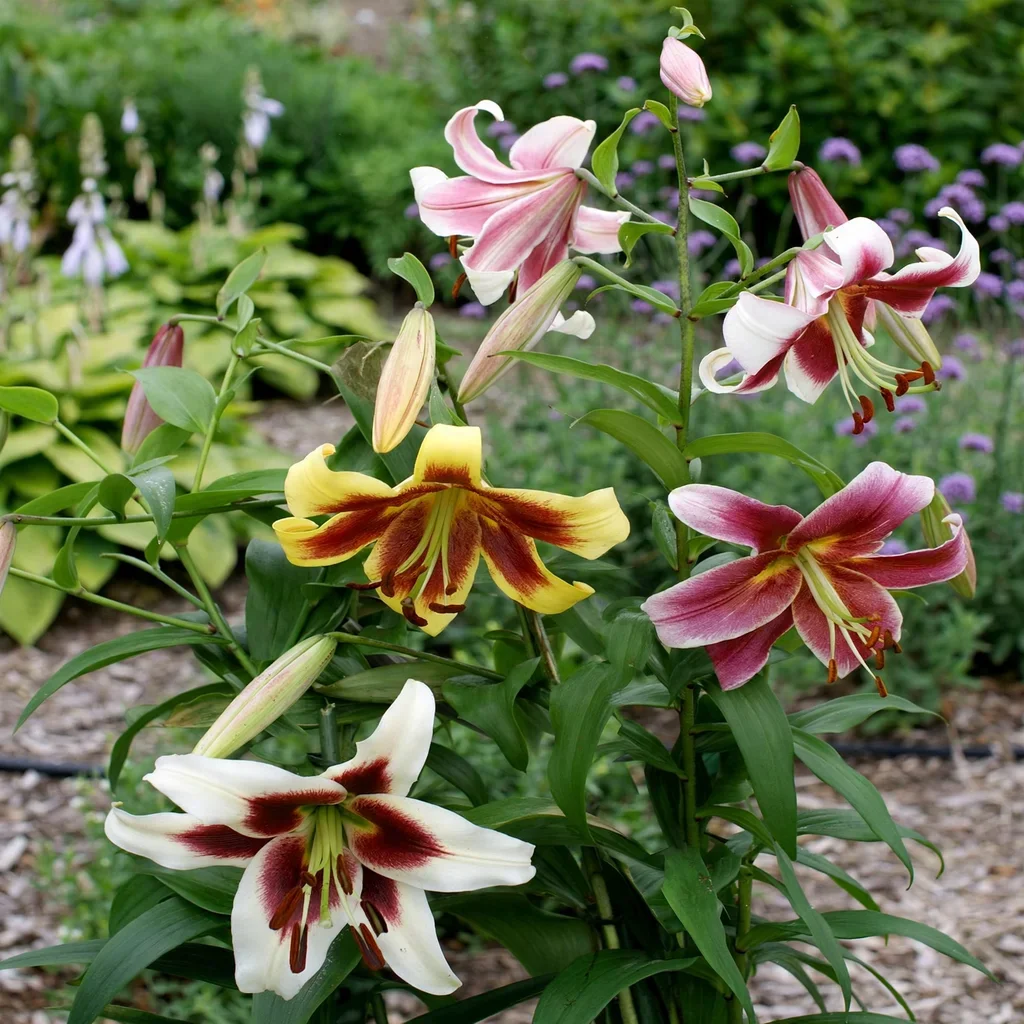
Lilium x hybrida 'Tree Mix'
Wood Lily
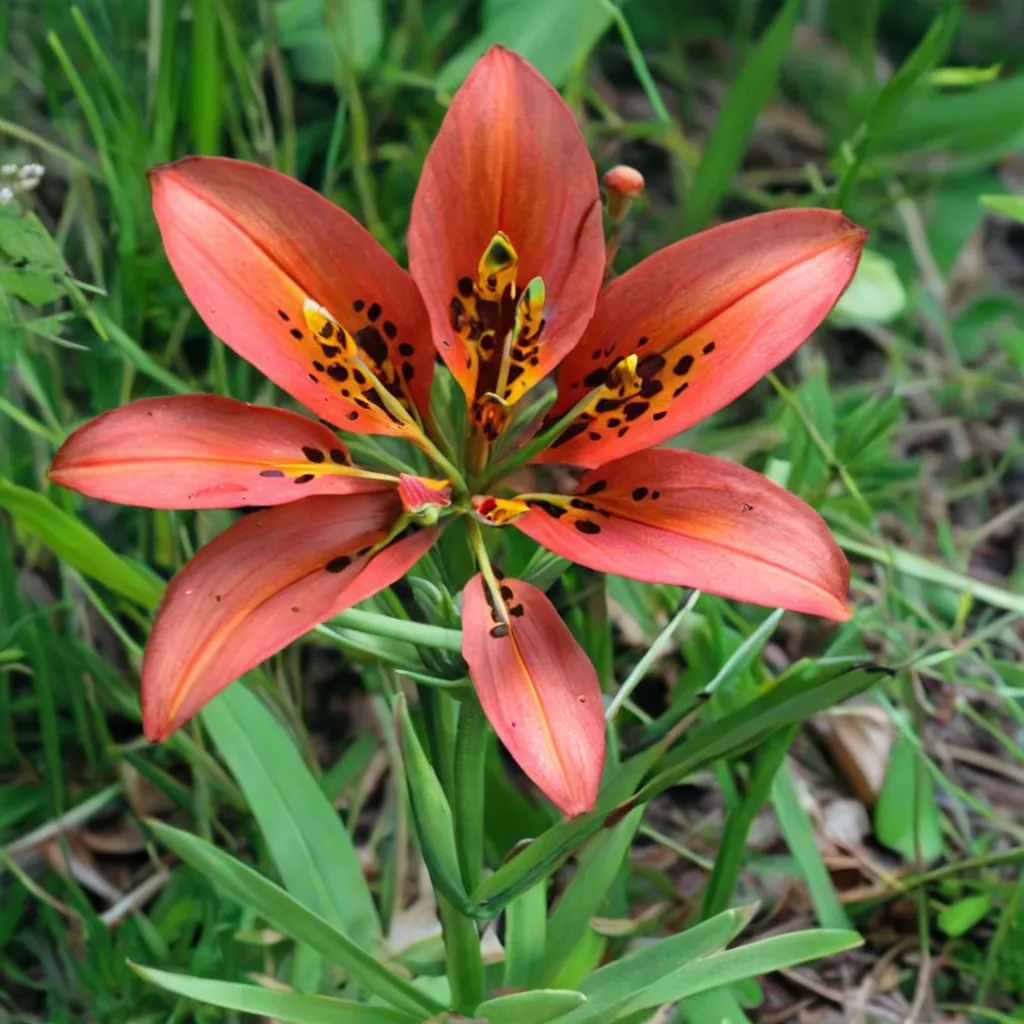
Lilium philadelphicum
Tiger Lily
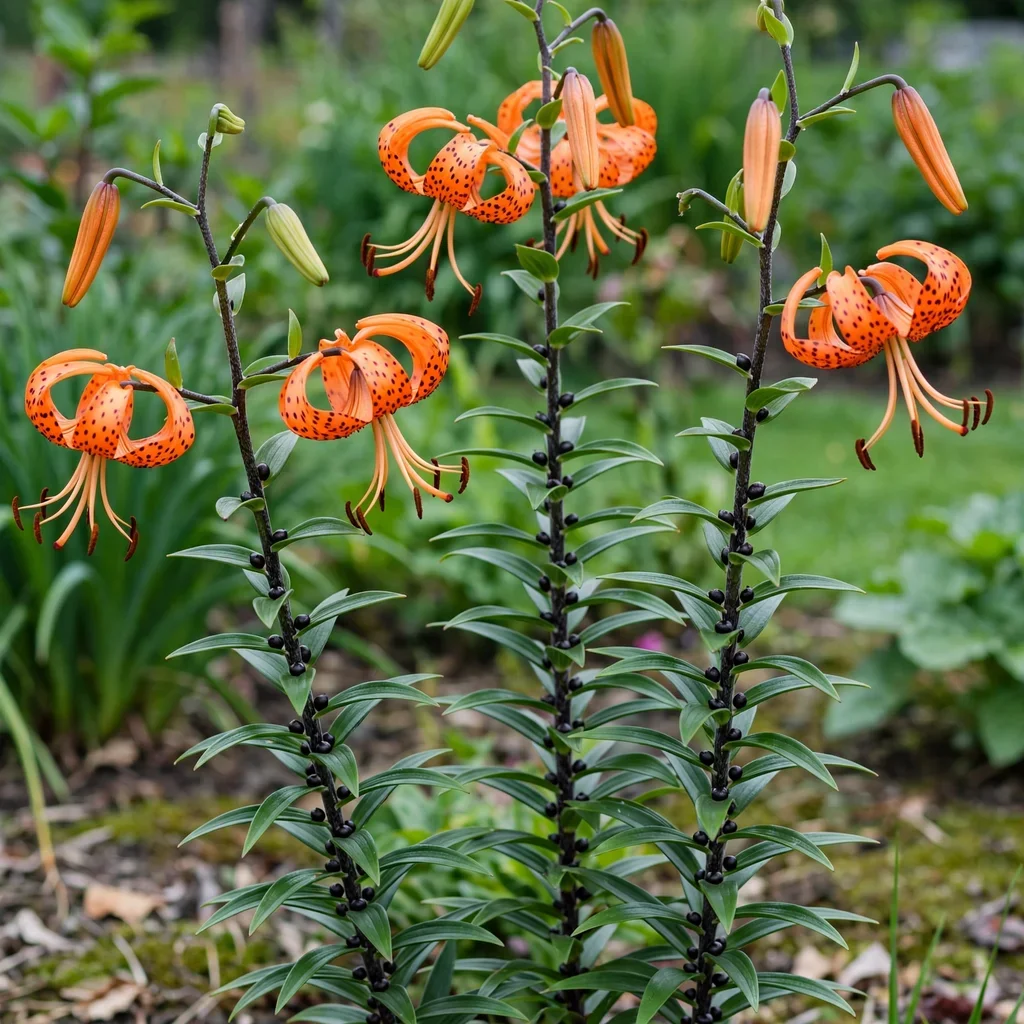
Lilium lancifolium
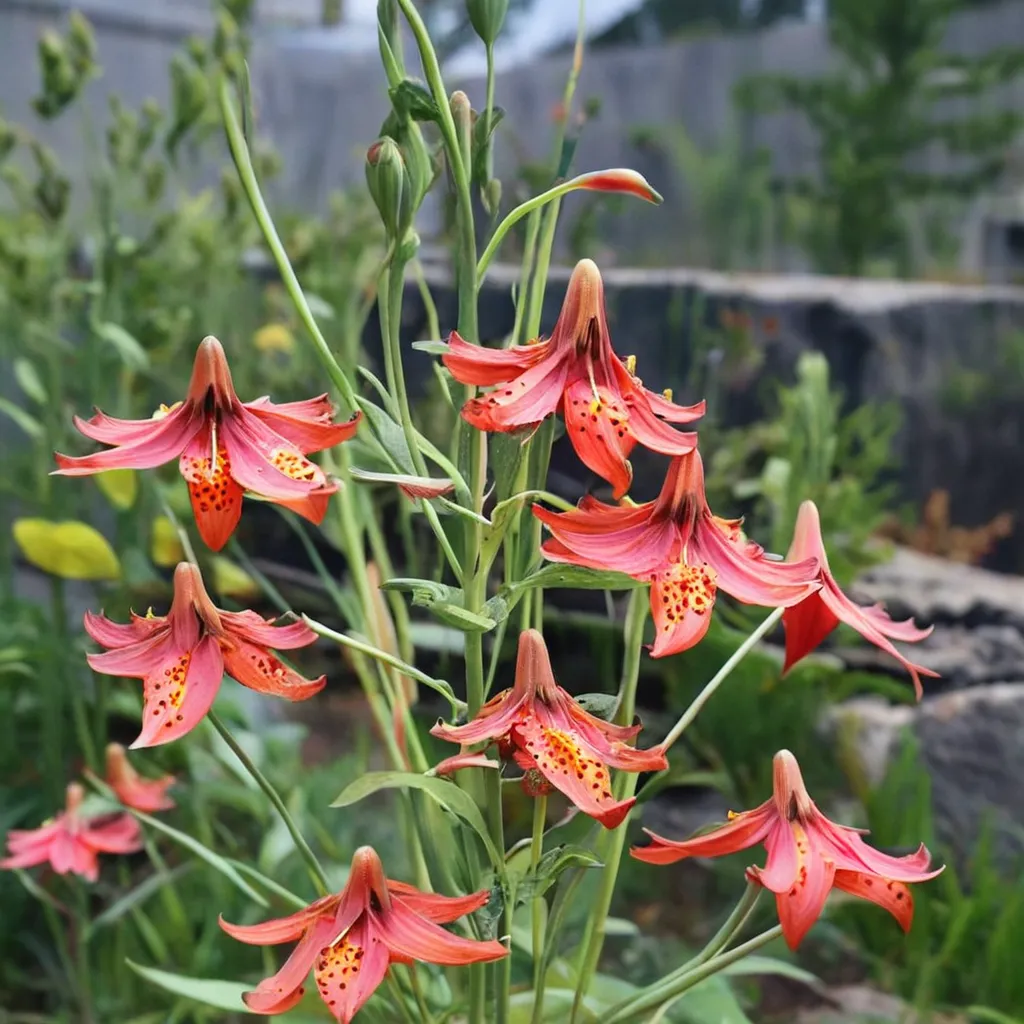
Canada Lily 'Reverend Walker'
Lilium canadense 'Reverend Walker'
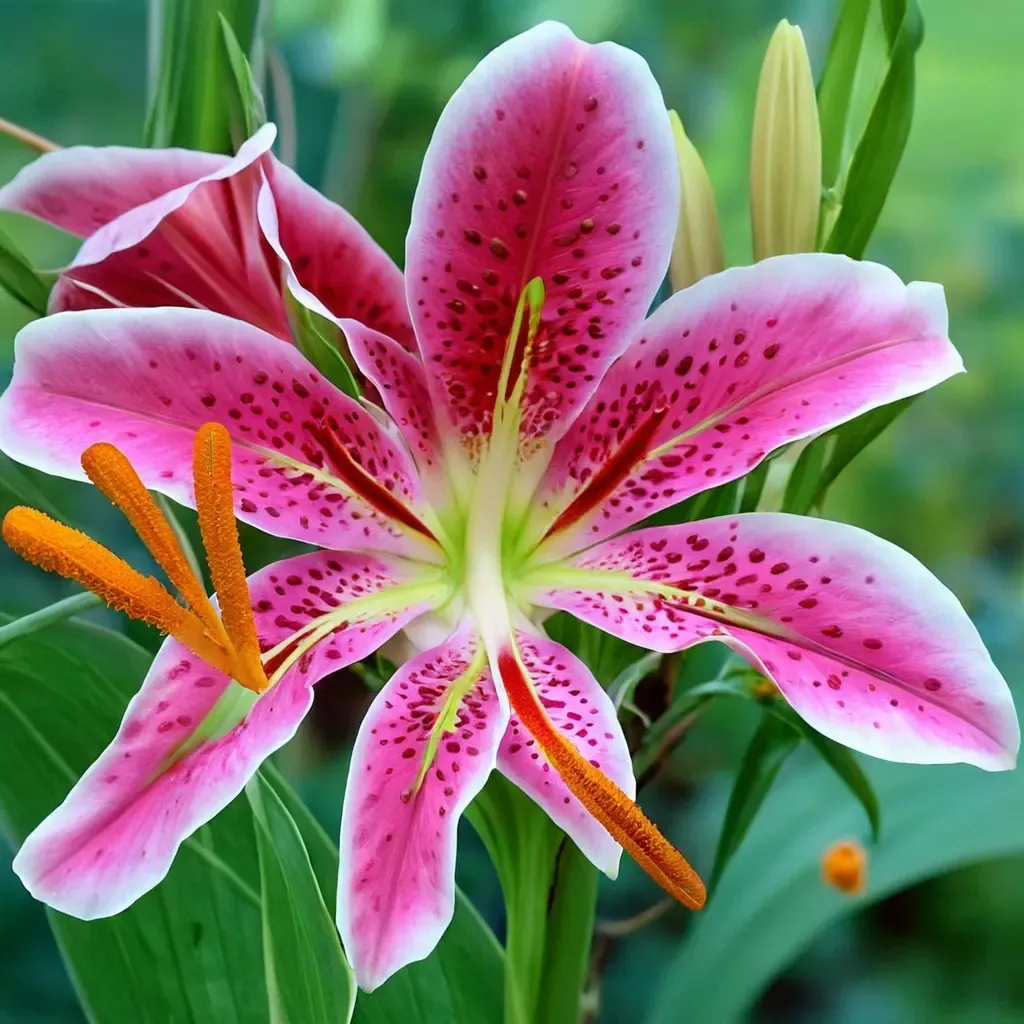
Stargazer Lily
Lilium lancifolium 'Stargazer'
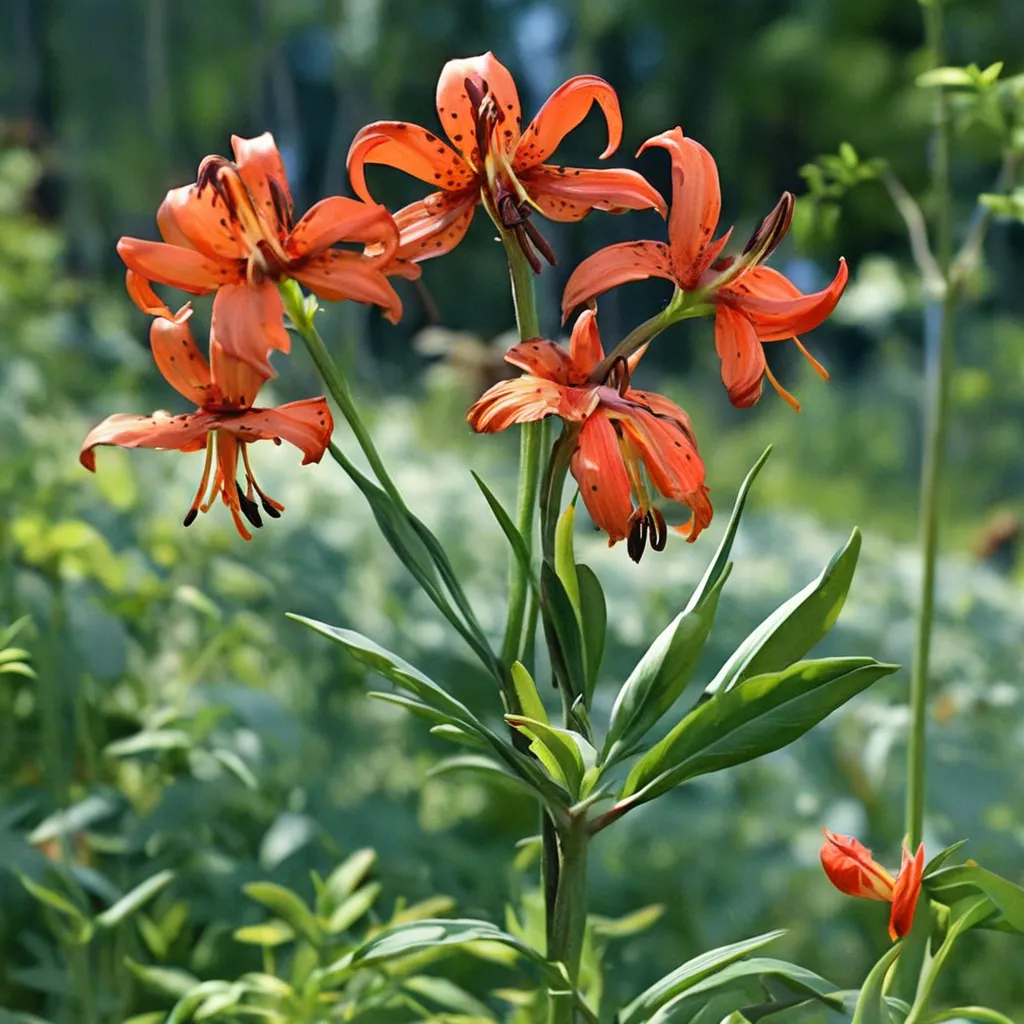
Michigan Lily
Lilium michiganense
Keep exploring
Explore the genus
Hardy in your zone?
Grow Kelley's Lily with confidence
See it in a design of your actual yard, get zone-matched care reminders, and track it season by season in your garden journal.