The Story
Plant Bio
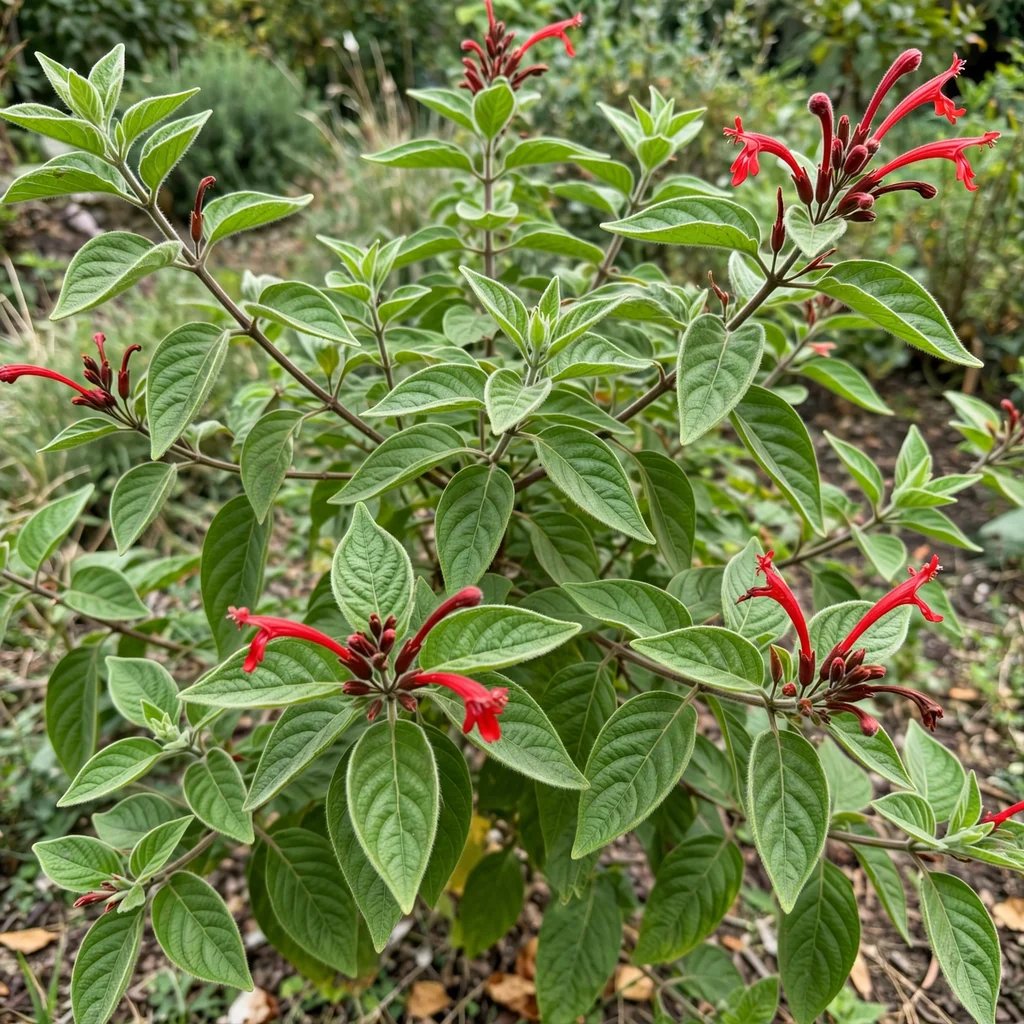
Justicia candicans is a semi-evergreen to deciduous perennial shrub from dry sandy washes and canyons of Arizona, Sonora and western Chihuahua below 2,500 feet. It forms an upright to sprawling mound three to four feet tall and wide, with opposite bright green ovate leaves with soft hairs and tubular flowers carried along the stems.
It differs from Mexican honeysuckle and Brazilian plume by its small desert-shrub stature and inch-long ovate leaves with attenuate tips and visible venation beneath. Its two-and-a-half-centimetre tubes in bright red to red-orange with a broad lower lip open from spring to fall and regrow fast after frost defoliation.
Uses & Benefits:
Essentials
At a Glance
Plant Type
Shrub
Height
48"
Width
42"
Light
Full Sun, Partial Sun
Zones
9, 10
Water
Moderate
Humidity
Unknown
Lifespan
Perennial
Native To
Arizona, Sonora, western Chihuahua
Toxicity
Non-toxic
Bloom period
Spring – Fall
In flower about 9 months of the year
Planting
How to Grow
- Plant in spring after last frost in a sheltered spot protected from hard freezes.
- Dig into well-drained sandy or gravelly soil with neutral to alkaline pH and set at nursery depth.
- Water in deeply, then give supplemental water every two to three weeks in warm weather.
- Place in full sun for most flowers or part shade where sun is intense, avoiding reflective heat.
- Leave winter-damaged stems until spring growth shows, then prune back to live wood.
Pro Tip
Plant in full sun to filtered shade in light gravelly sand out of reflective heat, and give deep supplemental water every two to three weeks in warm weather, weekly in Phoenix summer heat. Leave frost-burned stems through winter and cut back to live wood once spring growth resumes.
Keep It Thriving
Care Guide
Do
- Do give more sun for more flowers and increase water to match.
- Do use gravel mulch to keep the crown drained.
- Do site against a warm wall in Zone 9 for frost protection.
Don't
- Do not plant in heavy clay or low spots that stay wet.
- Do not cut frosted stems in fall before spring regrowth shows.
- Do not let it go dry in summer heat if you want continuous bloom.
Seasonal Care Calendar
| Task | Jan | Feb | Mar | Apr | May | Jun | Jul | Aug | Sep | Oct | Nov | Dec |
|---|---|---|---|---|---|---|---|---|---|---|---|---|
| Mulch | ||||||||||||
| Pest Check | ||||||||||||
| Plant | ||||||||||||
| Prune | ||||||||||||
| Winter Prep |
Watch Out For
Pests & Diseases
Common Pests
Common Diseases
In the Garden
Landscape Uses & Companions
Landscape Uses
Companion Plants
Multiply
Propagation Methods
Good to Know
Common Questions
Red Justicia questions
What zones can Red Justicia grow in?
Red Justicia is hardy in USDA Zones 9–10: in that range it survives winter in the ground. Colder than Zone 9, grow it in a container you can move to shelter for the winter.
When does Red Justicia bloom?
Red Justicia typically blooms from spring to fall. Exact timing shifts a week or two with your zone — Sow's bloom calendar maps it to your garden.
Does Red Justicia need full sun?
Red Justicia does best in full sun to part shade. In hot climates, afternoon shade keeps blooms fresher longer.
More Justicia to compare
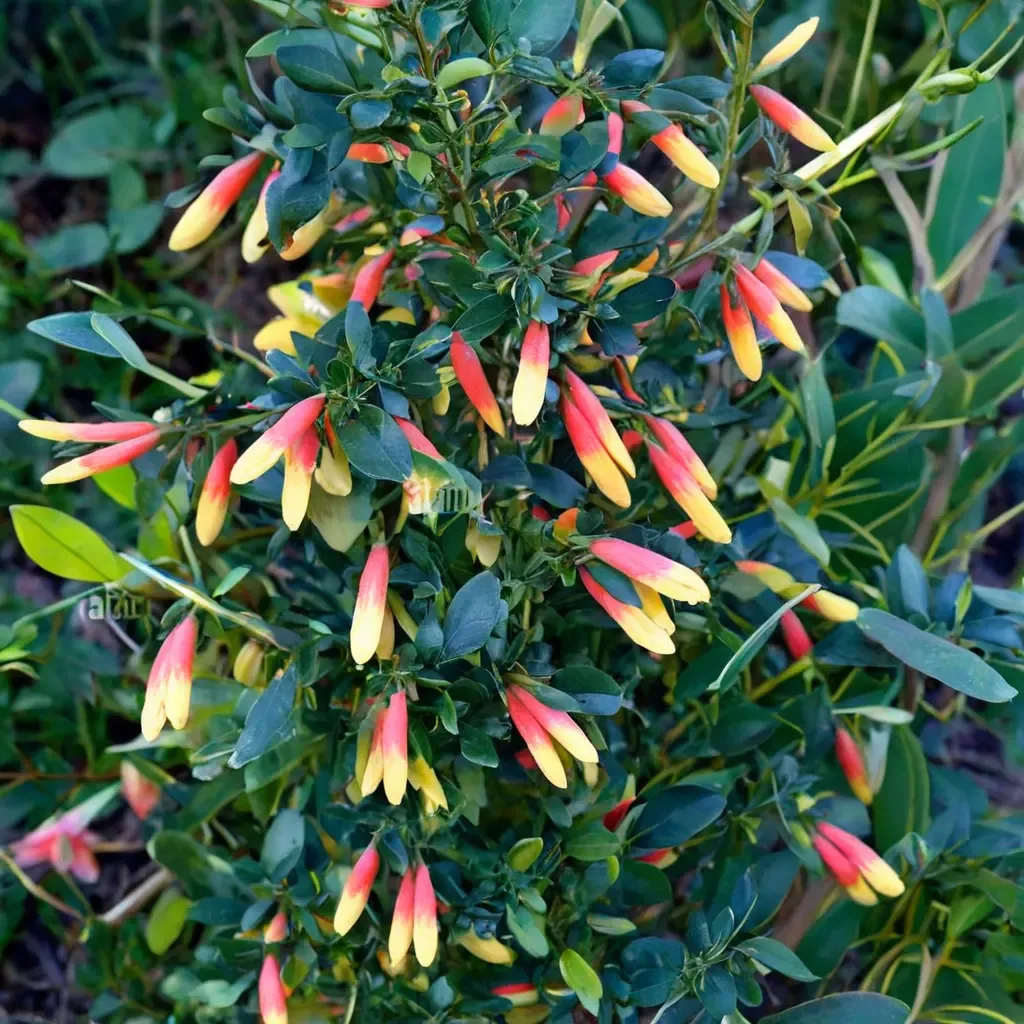
Brazilian Fuchsia
Justicia rizzinii 'Brazilian Fuchsia'
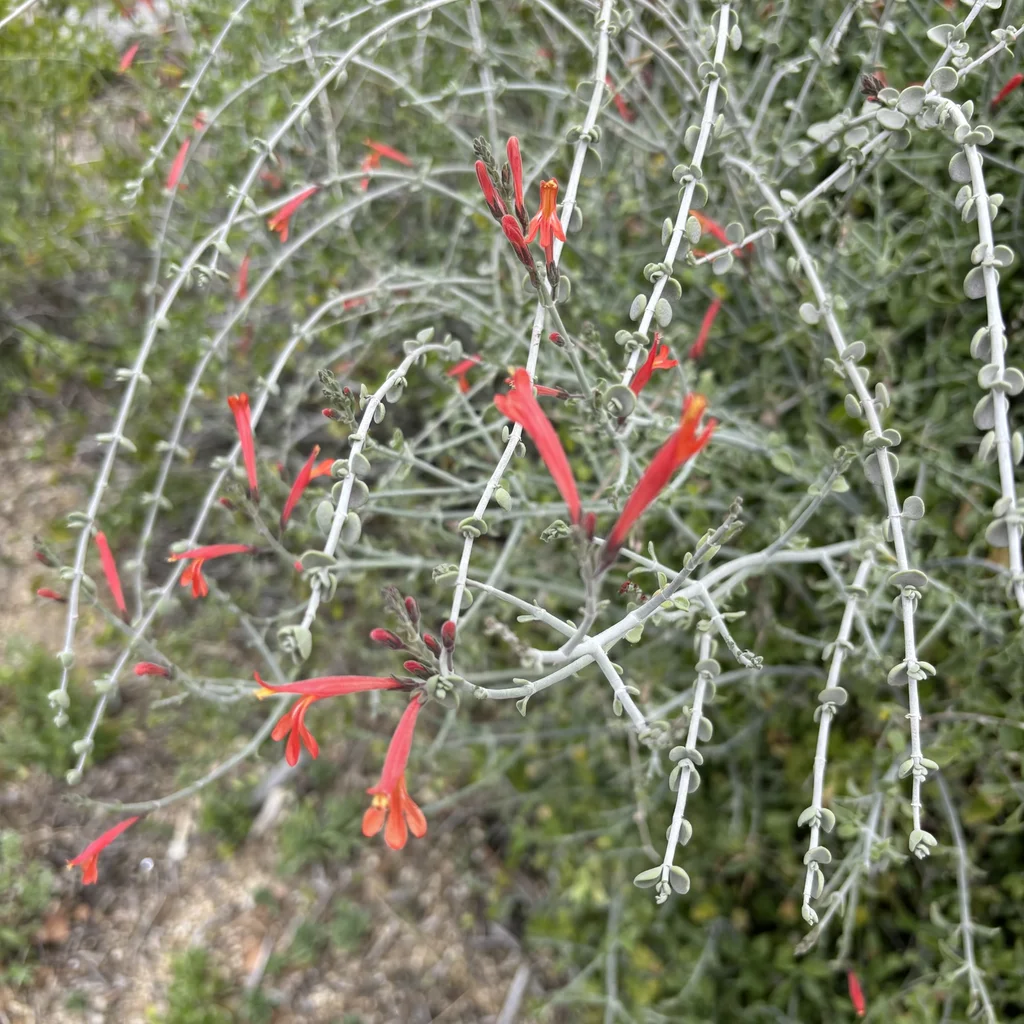
Chuparosa
Justicia californica
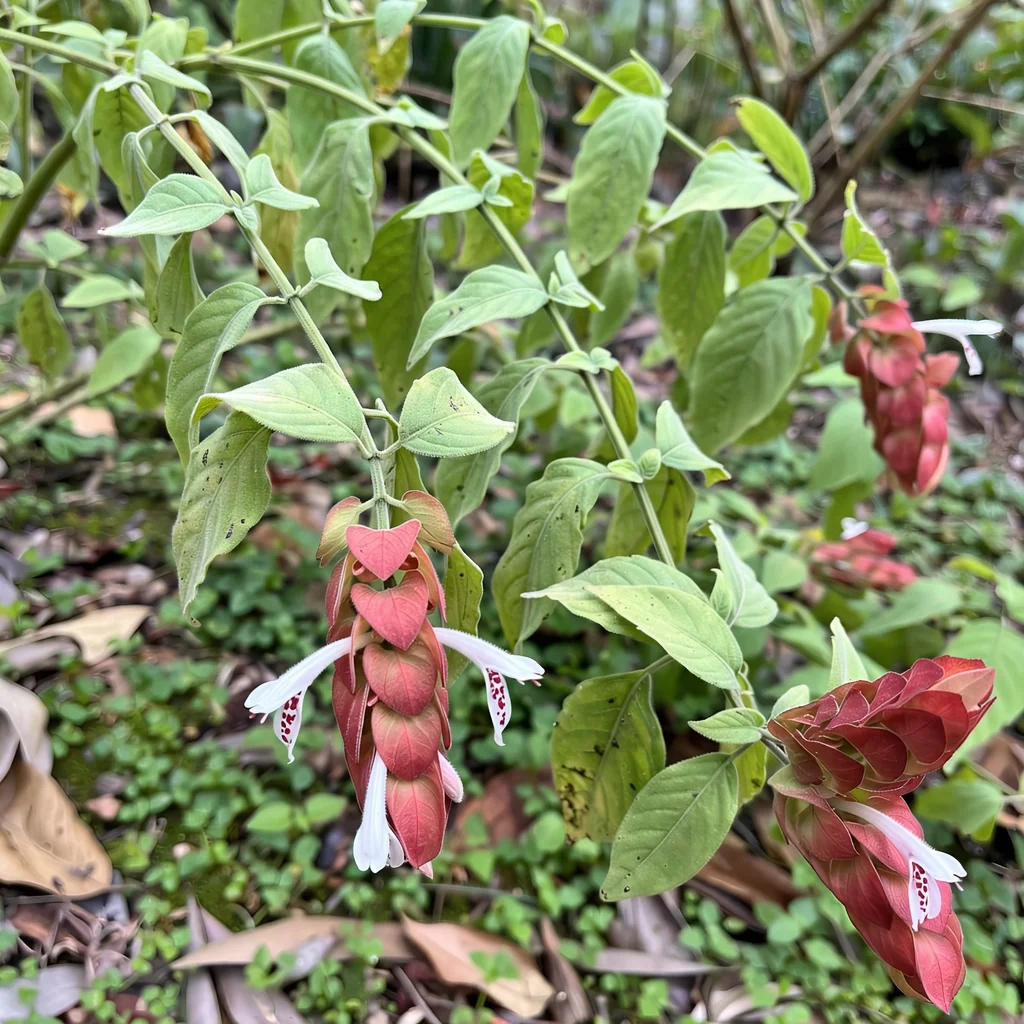
Shrimp Plant
Justicia brandegeeana
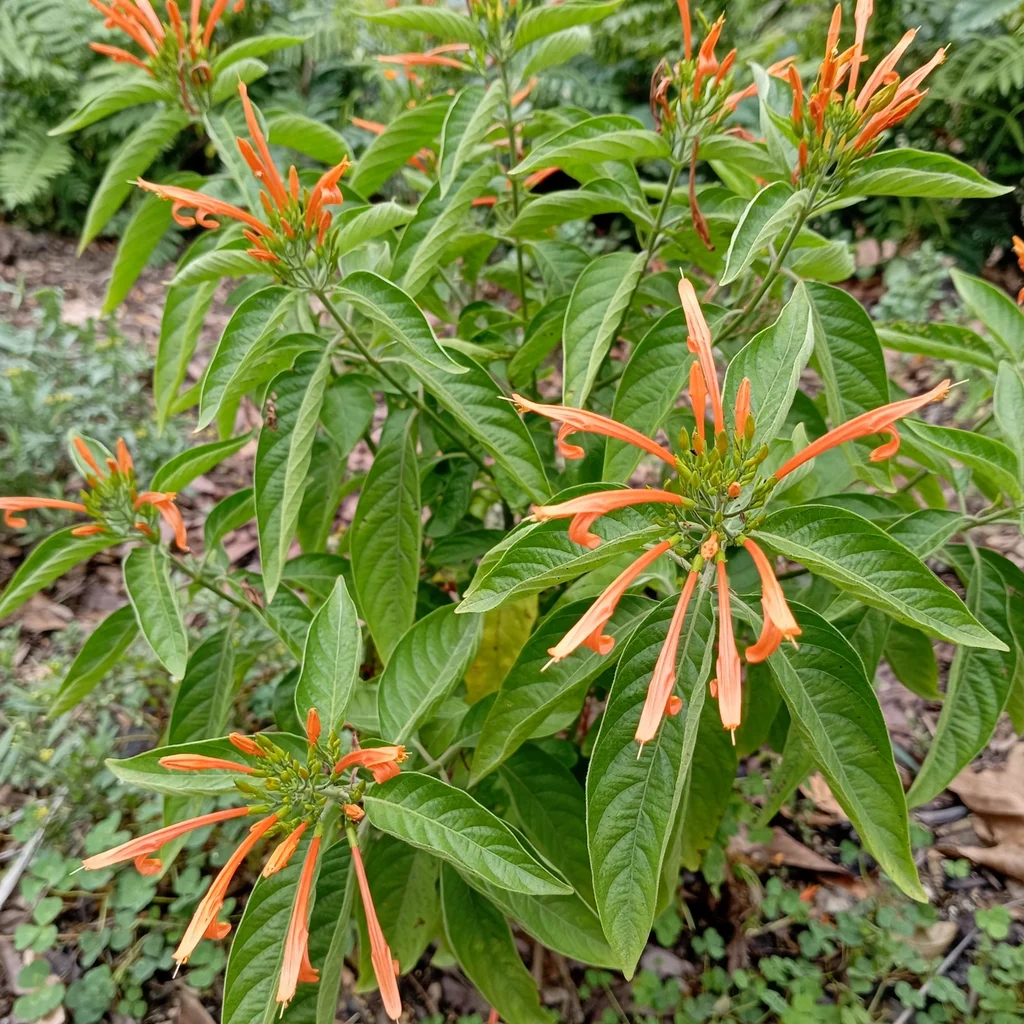
Mexican Honeysuckle
Justicia spicigera
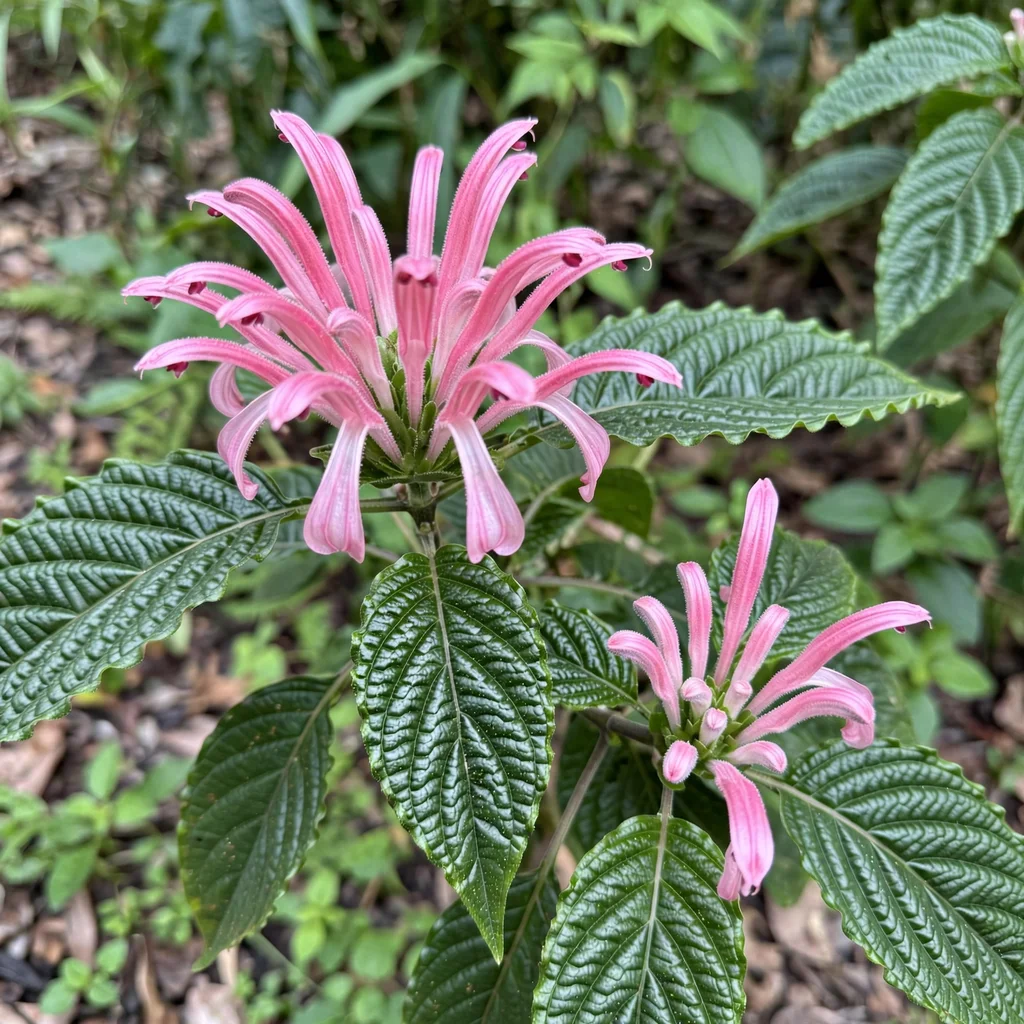
Brazilian Plume
Justicia carnea
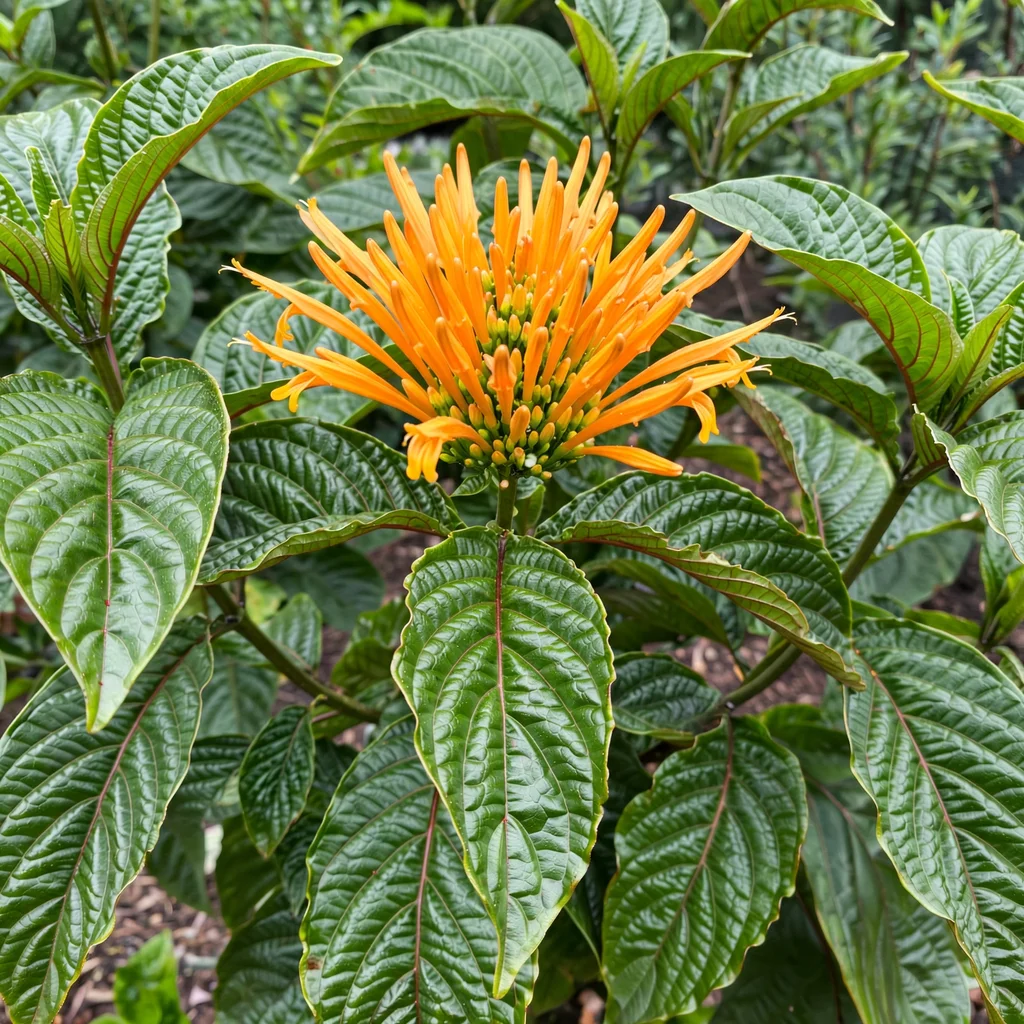
Orange Flame Justicia
Justicia chrysostephana
Keep exploring
Explore the genus
Hardy in your zone?
Grow Red Justicia with confidence
See it in a design of your actual yard, get zone-matched care reminders, and track it season by season in your garden journal.