The Story
Plant Bio
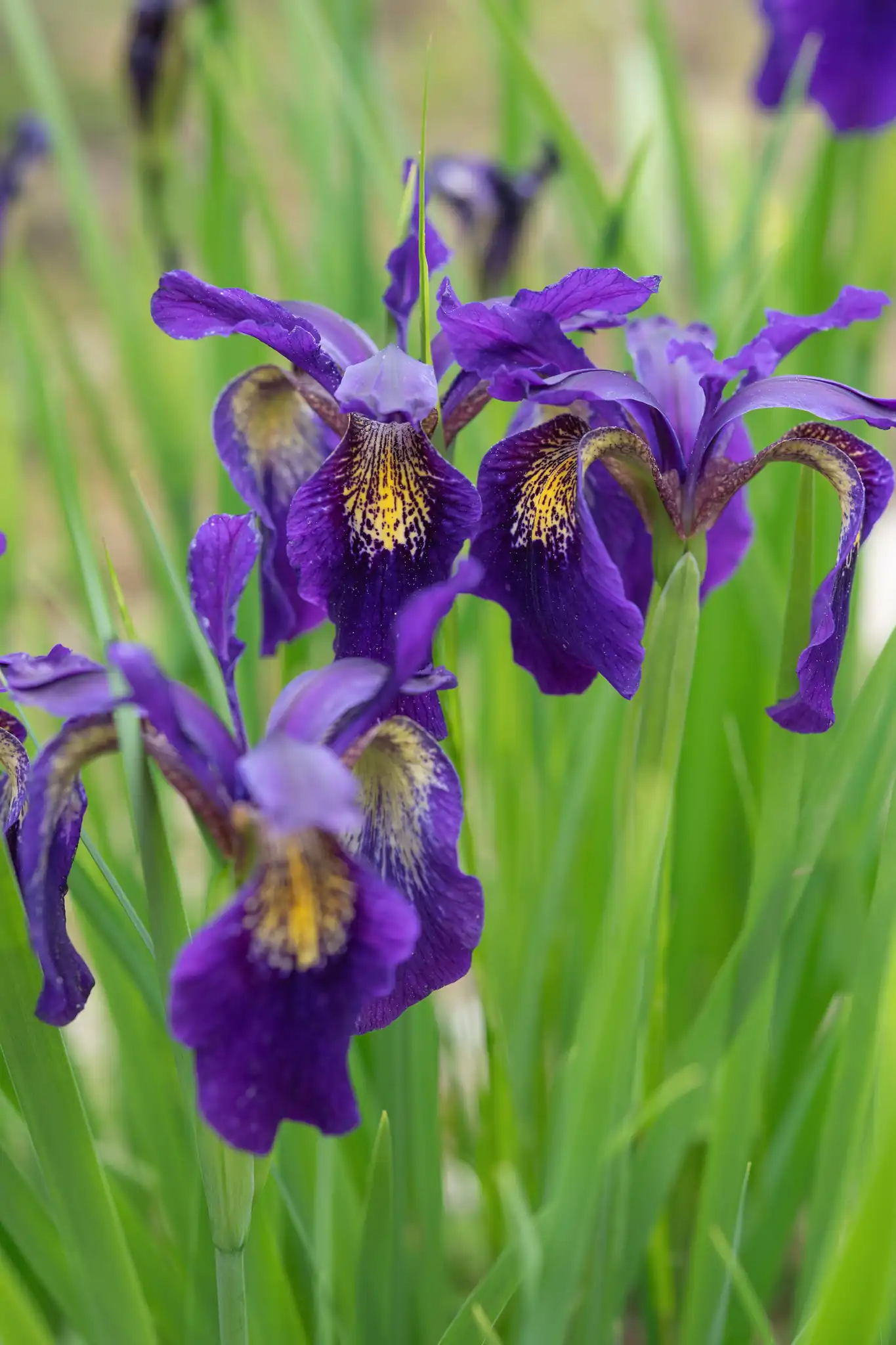
Iris chrysographes is a deciduous, rhizomatous beardless iris that forms a bushy clump of narrow green leaves 18 to 20 inches tall and wide. Each stem carries two fragrant flowers with upright standards and spreading falls veined gold at the throat.
The flowers open darkest red-violet to near-black with a velvety surface and gold streaks on the falls. It belongs to the Sino-Siberian group for moist sun and streamsides, and it declines when dried out or shaded like a bearded iris.
Uses & Benefits:
Essentials
At a Glance
Plant Type
Perennial
Height
20"
Width
20"
Light
Full Sun, Partial Sun
Zones
4, 5, 6, 7, 8, 9
Water
High - constantly moist
Humidity
Unknown
Lifespan
Deciduous perennial
Native To
S China to NE Myanmar; China South-Central, Myanmar, Tibet
Toxicity
Harmful if eaten; rhizomes poisonous
Bloom period
Early summer – Late summer
In flower about 3 months of the year
Planting
How to Grow
- Plant in full sun to partial shade with 6 or more hours of sun for best bloom.
- Set rhizomes in fertile, moist loam or sandy loam rich in organic matter, pH 6.0 to 7.0.
- Keep soil constantly moist but drained; bog margins and streamsides suit it if water does not stand.
- Mulch in spring to hold moisture and keep roots cool.
- Leave clumps undisturbed and remove spent foliage to keep crowns clean.
Pro Tip
Give it full sun and soil that never dries out; most losses come from planting it dry or shaded like a bearded iris.
Keep It Thriving
Care Guide
Do
- Grow in sun with soil that stays constantly moist
- Mulch in spring to conserve moisture
- Plant in fertile loam that drains yet holds water
Don't
- Do not let the root zone dry out
- Do not plant in shade or in waterlogged soil
- Do not eat any part; rhizomes are poisonous
Seasonal Care Calendar
| Task | Jan | Feb | Mar | Apr | May | Jun | Jul | Aug | Sep | Oct | Nov | Dec |
|---|---|---|---|---|---|---|---|---|---|---|---|---|
| Mulch | ||||||||||||
| Pest Check | ||||||||||||
| Plant | ||||||||||||
| Spring Cleanup |
Watch Out For
Pests & Diseases
Common Pests
Common Diseases
In the Garden
Landscape Uses & Companions
Landscape Uses
Multiply
Propagation Methods
Good to Know
Common Questions
Black Iris questions
What zones can Black Iris grow in?
Black Iris is hardy in USDA Zones 4–9: in that range it survives winter in the ground. Warmer than Zone 9, winter isn't the problem: it prefers colder winters, and summer heat can shorten its life.
When does Black Iris bloom?
Black Iris typically blooms in summer. Exact timing shifts a week or two with your zone — Sow's bloom calendar maps it to your garden.
Does Black Iris need full sun?
Black Iris does best in full sun to part shade. In hot climates, afternoon shade keeps blooms fresher longer.
More Iris to compare
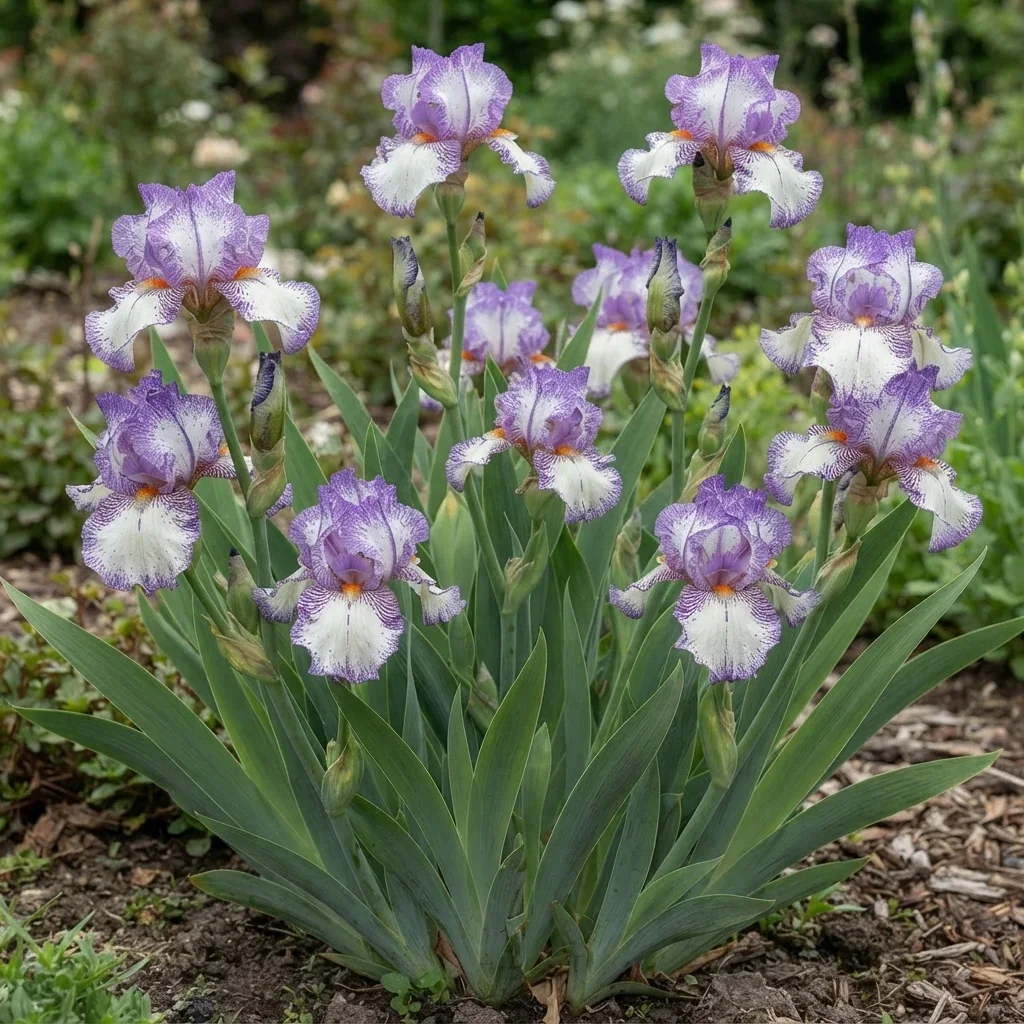
German Iris Bearded Iris
Iris x germanica 'Mix'
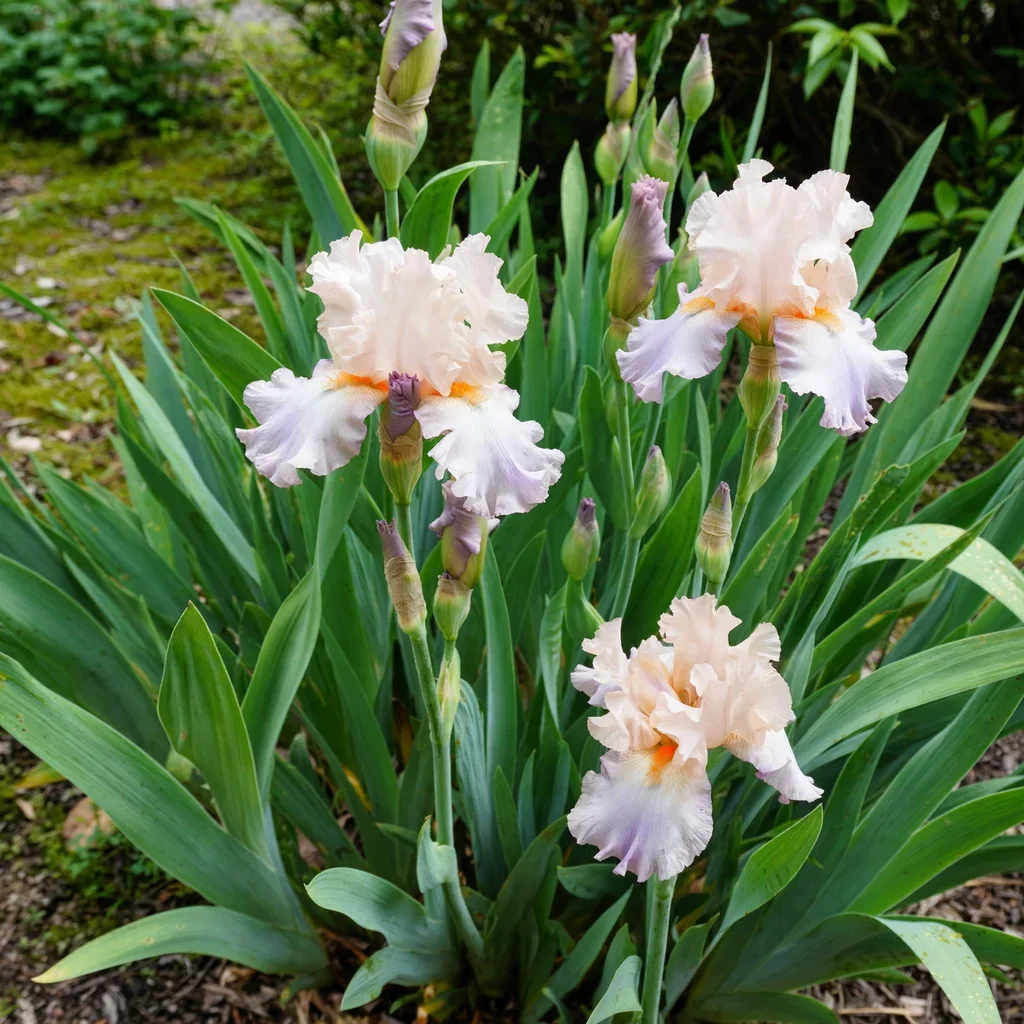
Celebration Song Iris
Iris tenuissima 'Celebration Song'
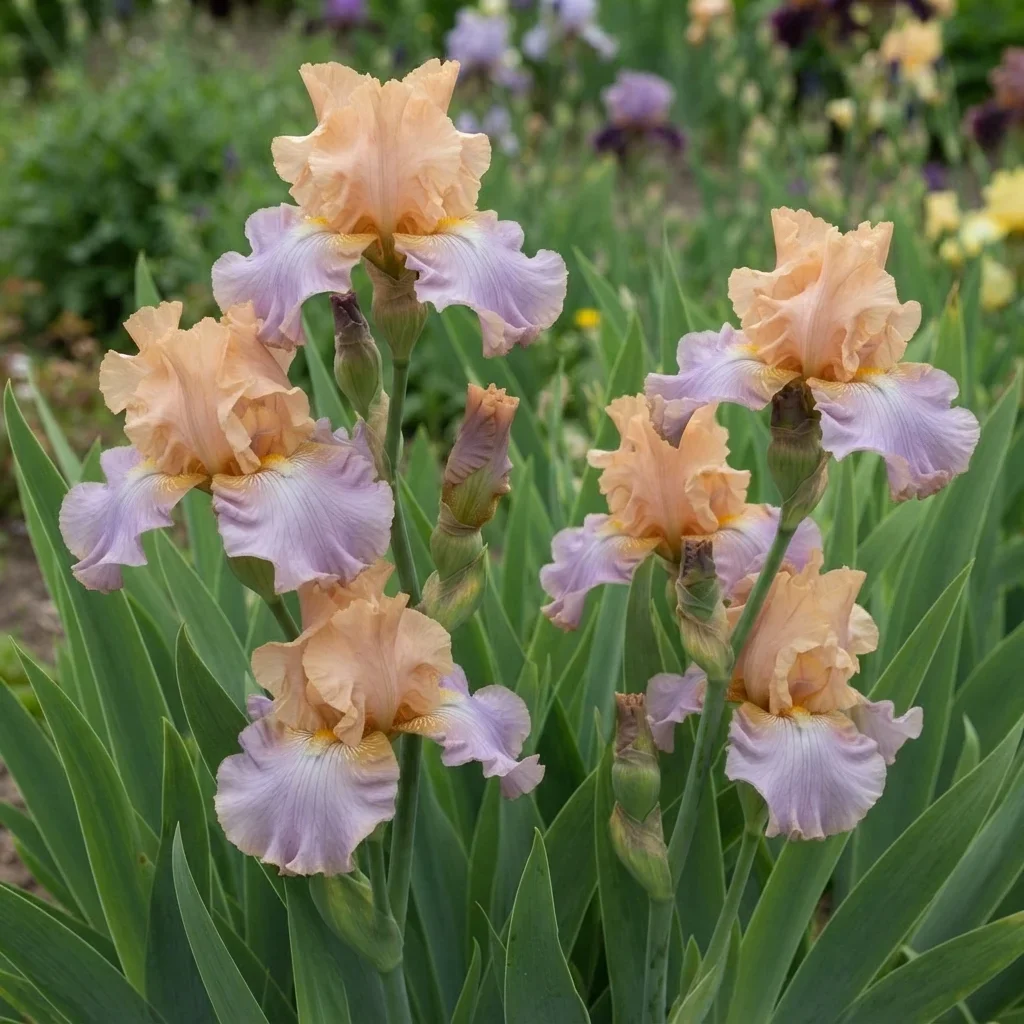
Poem of Ecstasy German Iris
Iris x germanica 'Poem Of Ecstasy'
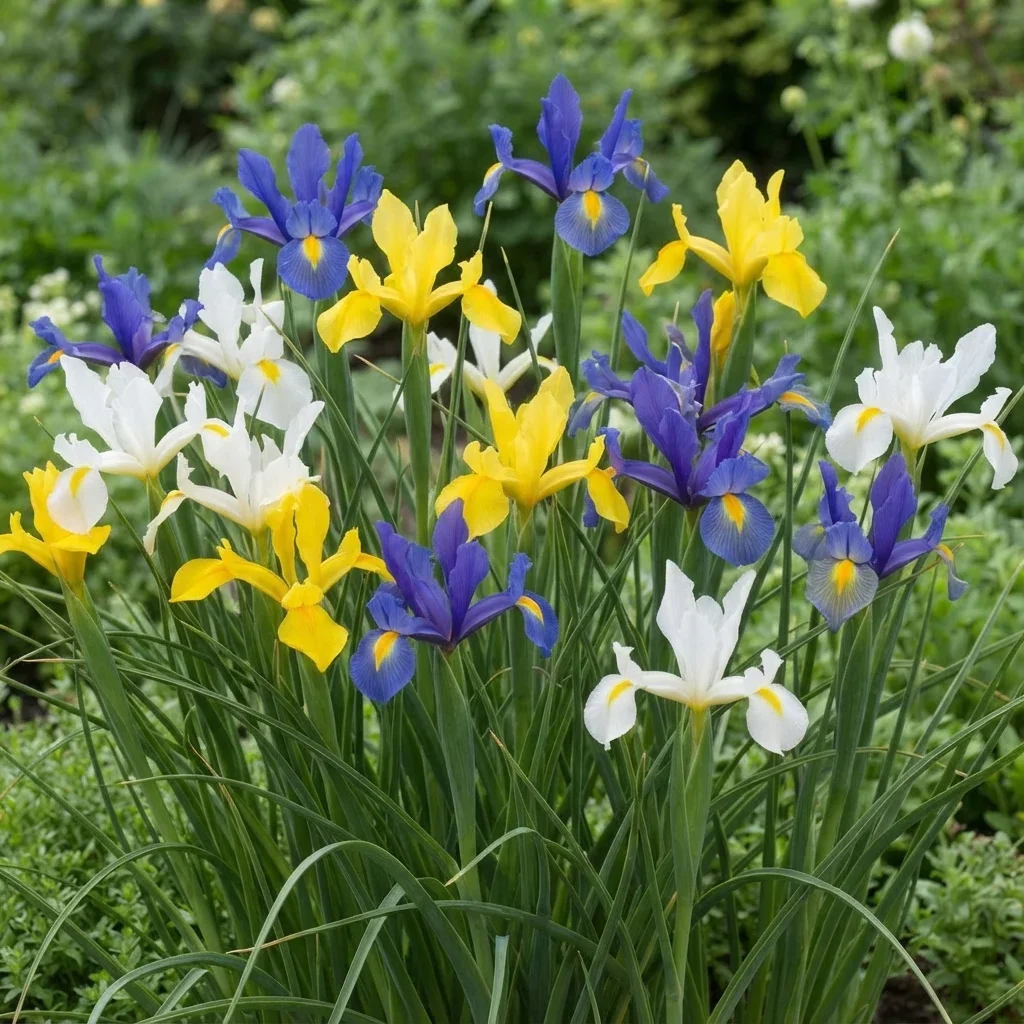
Dutch Iris Mix
Iris x hollandica 'Mix'
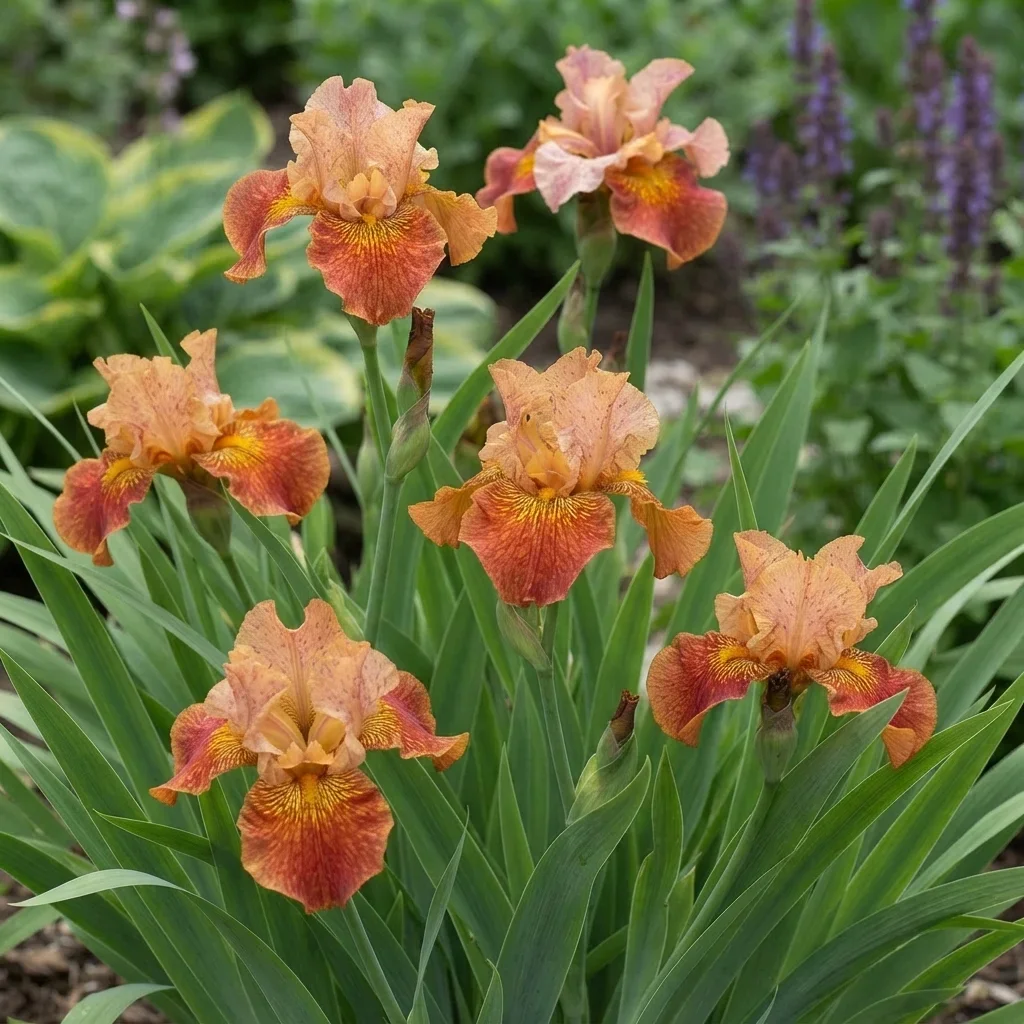
Siberian Iris 'Paprikash'
Iris x hybrida 'Paprikash'
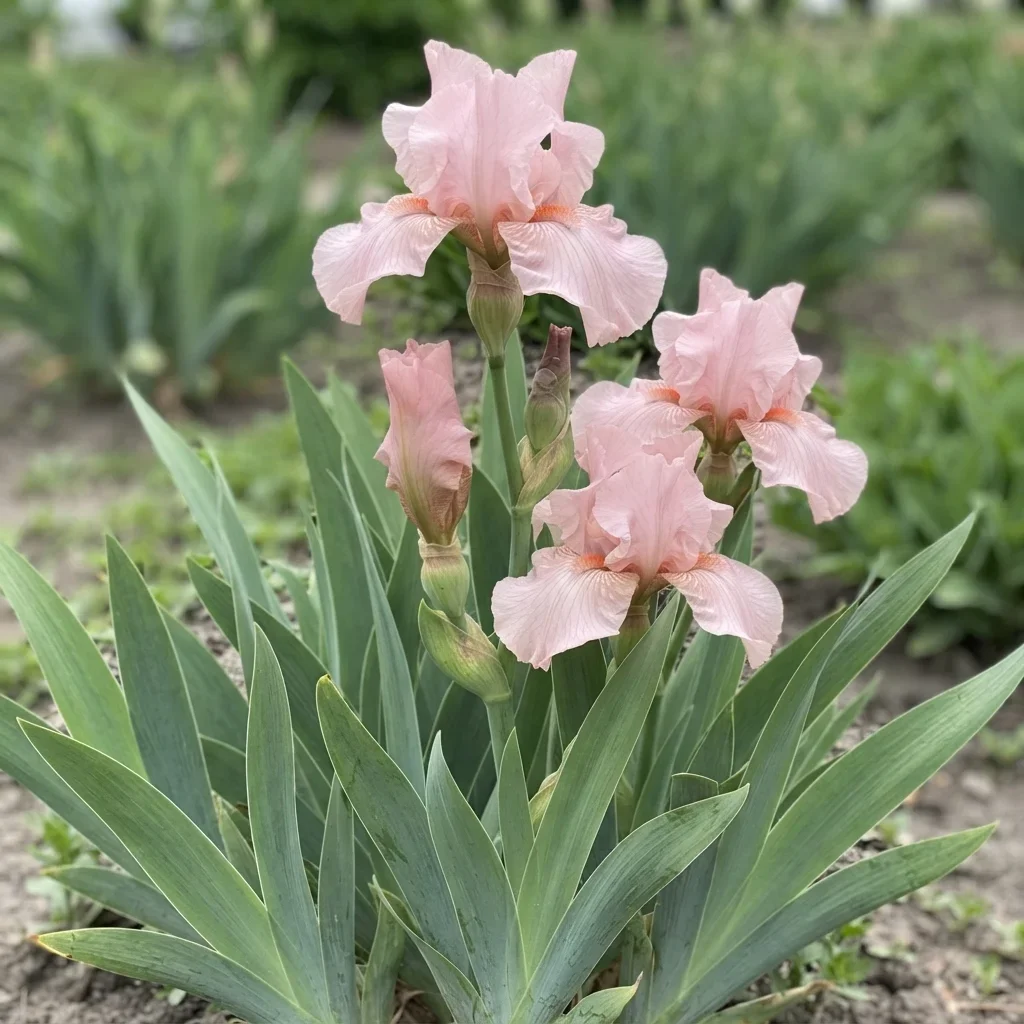
Baboon Bottom Bearded Iris
Iris x germanica 'Baboon Bottom Bearded'
Keep exploring
Explore the genus
Guides
Grow Black Iris with confidence
See it in a design of your actual yard, get zone-matched care reminders, and track it season by season in your garden journal.