The Story
Plant Bio
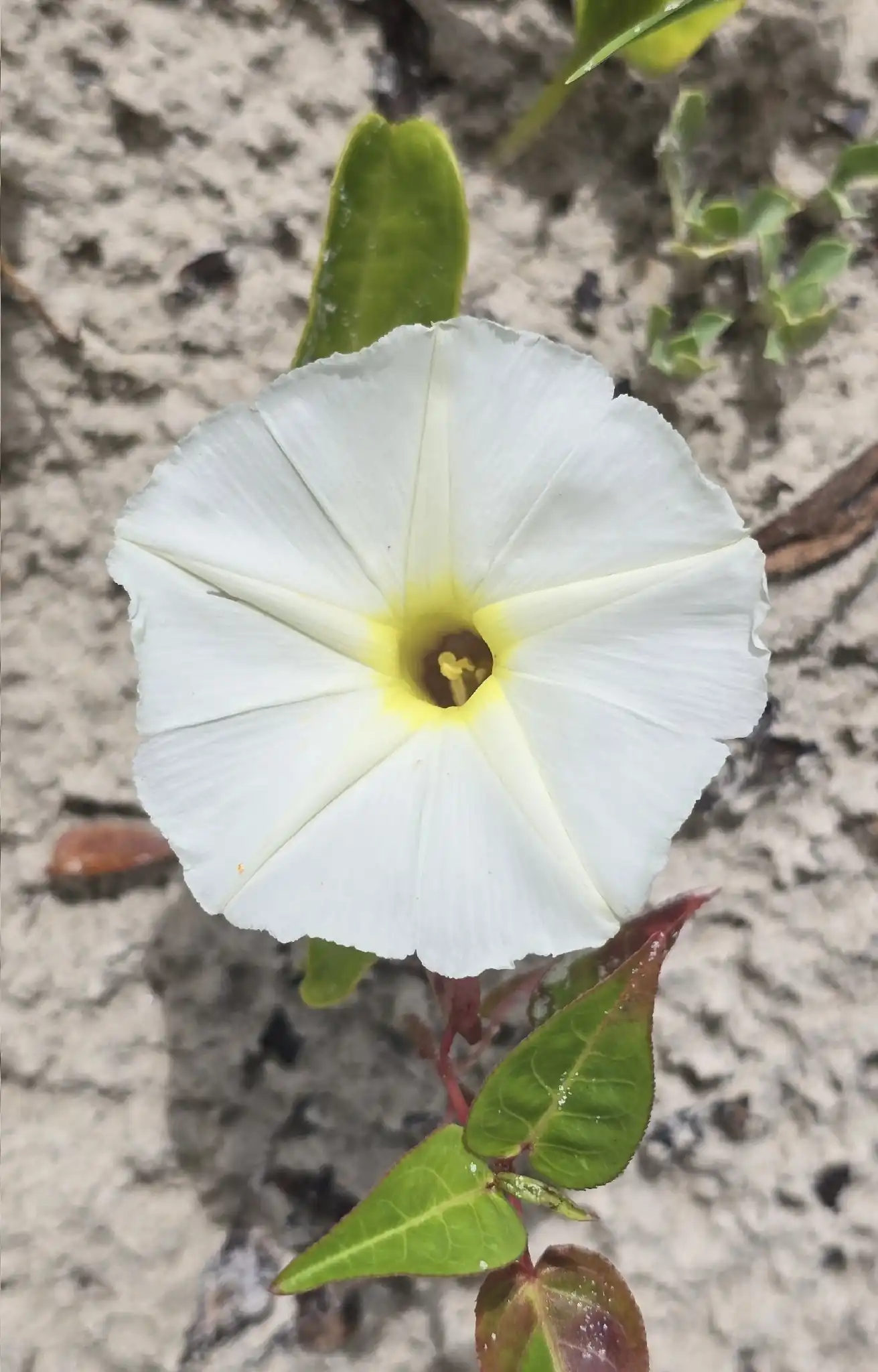
Ipomoea imperati is a perennial morning-glory that grows as a prostrate trailer rooting at the stem nodes, forming mats 2 to 6 inches high with stems running to 30 feet. The alternate leaves are fleshy, leathery and glossy, elliptical with an entire margin and notched tip, variable in shape on the same plant.
Unlike climbing morning-glories it does not twine or climb; it scrambles across beach sand and fore-dunes to stabilize the surface after wind and wash. The solitary axillary flowers are white funnels to 2 inches across with a yellow throat, opening in the morning and closing by afternoon from summer to fall.
Uses & Benefits:
Essentials
At a Glance
Plant Type
Groundcover
Height
6"
Width
360"
Light
Full Sun
Zones
9, 10
Water
Low - dry to moist
Humidity
Average - tolerates salt spray
Lifespan
Perennial
Native To
Southeastern U.S. Gulf and Atlantic coasts
Toxicity
Toxic if ingested - seeds
Bloom period
Summer – Fall
In flower about 6 months of the year
Planting
How to Grow
- Choose open sand in full sun with 6 or more hours of direct sun and good drainage.
- Plant at the same depth as in the container into neutral to alkaline sand, pH 6.0 to over 8.0.
- Water in to settle sand around roots, then keep dry to moist while runners extend.
- Allow stems to lie prostrate and root at nodes to form cover; do not train upright.
- Use as coastal groundcover for dune stabilization rather than as a trellis vine.
Pro Tip
Give it open sand in full sun where it can run and root at the nodes; do not stake it upright and do not treat variable leaf shape as a problem.
Keep It Thriving
Care Guide
Do
- Plant in full sun in sand with good drainage.
- Allow runners to root at nodes to stabilize sand.
- Keep soil dry to moist once established.
- Monitor summer foliage for weevils and mites.
Don't
- Do not plant in heavy clay or wet ground that stays saturated.
- Do not expect it to climb or cover a trellis.
- Do not let pets or livestock chew seeds or foliage.
Seasonal Care Calendar
| Task | Jan | Feb | Mar | Apr | May | Jun | Jul | Aug | Sep | Oct | Nov | Dec |
|---|---|---|---|---|---|---|---|---|---|---|---|---|
| Pest Check | ||||||||||||
| Plant | ||||||||||||
| Propagate | ||||||||||||
| Spring Cleanup |
Watch Out For
Pests & Diseases
Common Pests
In the Garden
Landscape Uses & Companions
Landscape Uses
Multiply
Propagation Methods
Good to Know
Common Questions
Beach Morning Glory questions
What zones can Beach Morning Glory grow in?
Beach Morning Glory is hardy in USDA Zones 9–10: in that range it survives winter in the ground. Colder than Zone 9, grow it in a container you can move to shelter for the winter, or as an annual.
When does Beach Morning Glory bloom?
Beach Morning Glory typically blooms from summer to fall. Exact timing shifts a week or two with your zone — Sow's bloom calendar maps it to your garden.
Does Beach Morning Glory need full sun?
Beach Morning Glory does best in full sun (6+ hours).
Is Beach Morning Glory drought tolerant?
Yes — once established (usually after the first full season), Beach Morning Glory handles dry spells with minimal watering. Water deeply its first year to build the root system that makes that possible.
More Ipomoea to compare
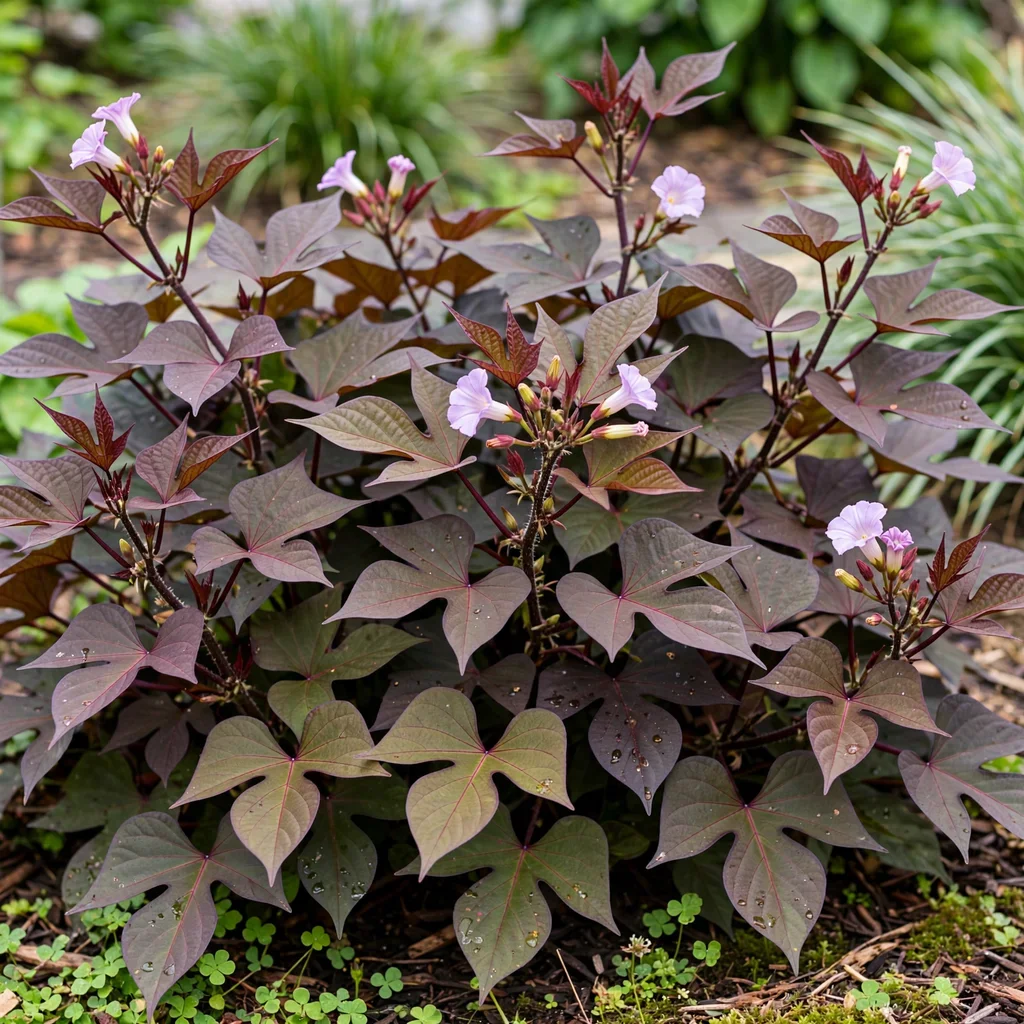
Sweet Potato
Ipomoea batatas 'Sweet Georgia Bronze'
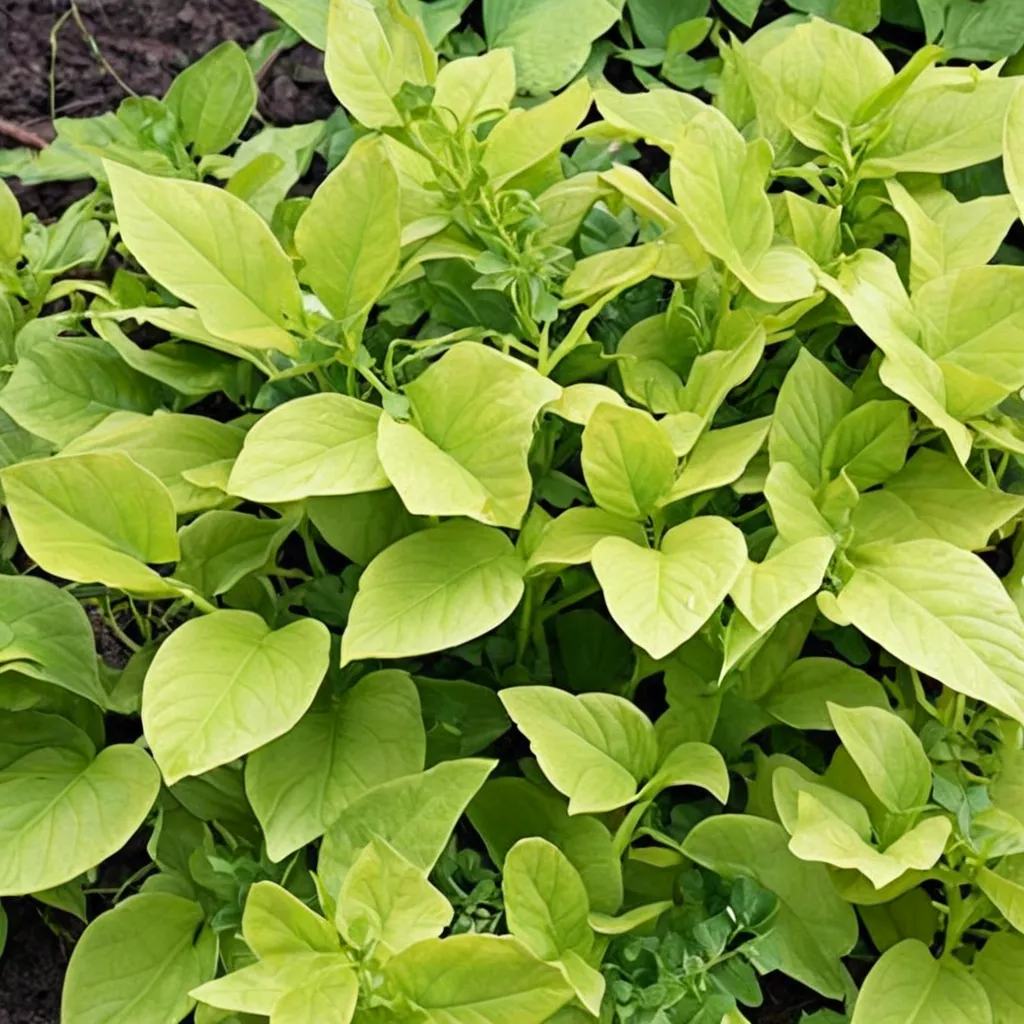
Margarita Sweet Potato Vine
Ipomoea batatas 'Margarita'
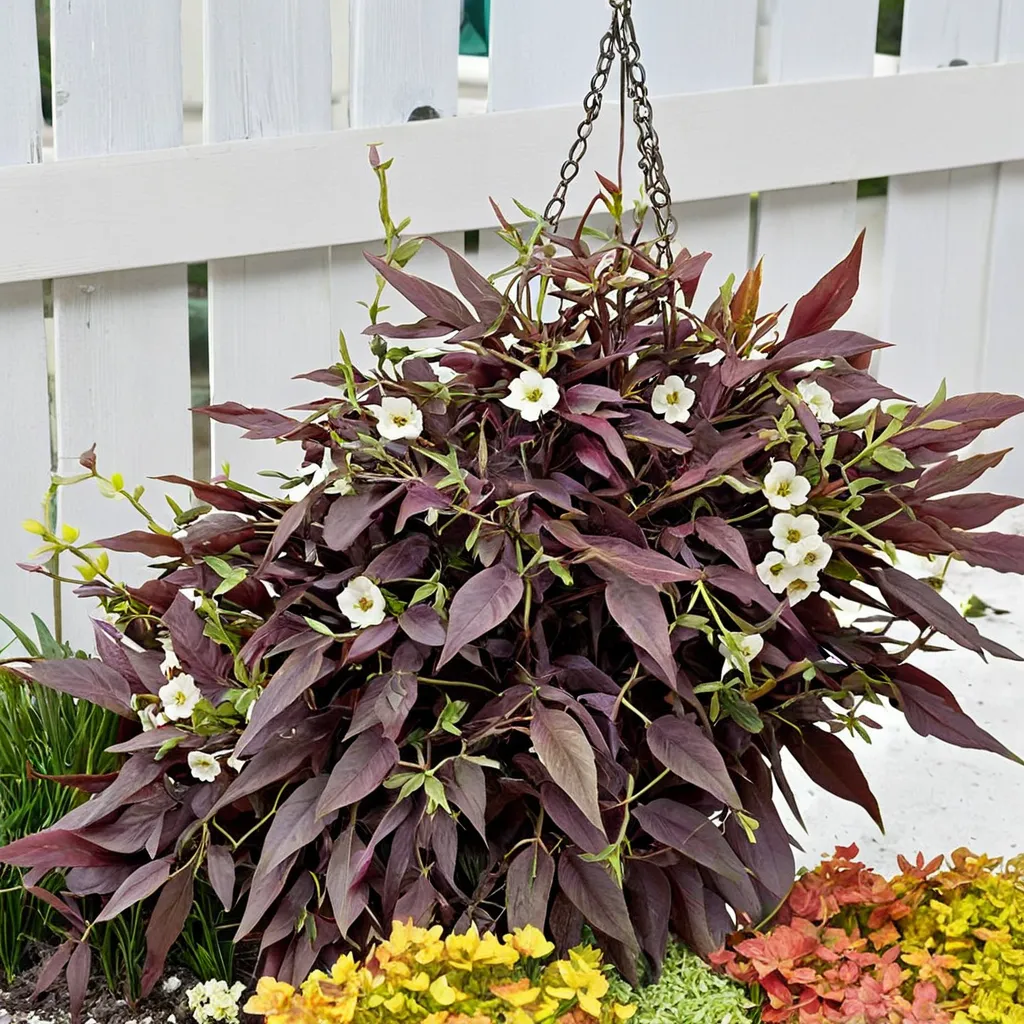
Sweet Caroline Upside Black Coffee Sweet Potato Vine
Ipomoea batatas 'Sweet Caroline Upside Black Coffee'
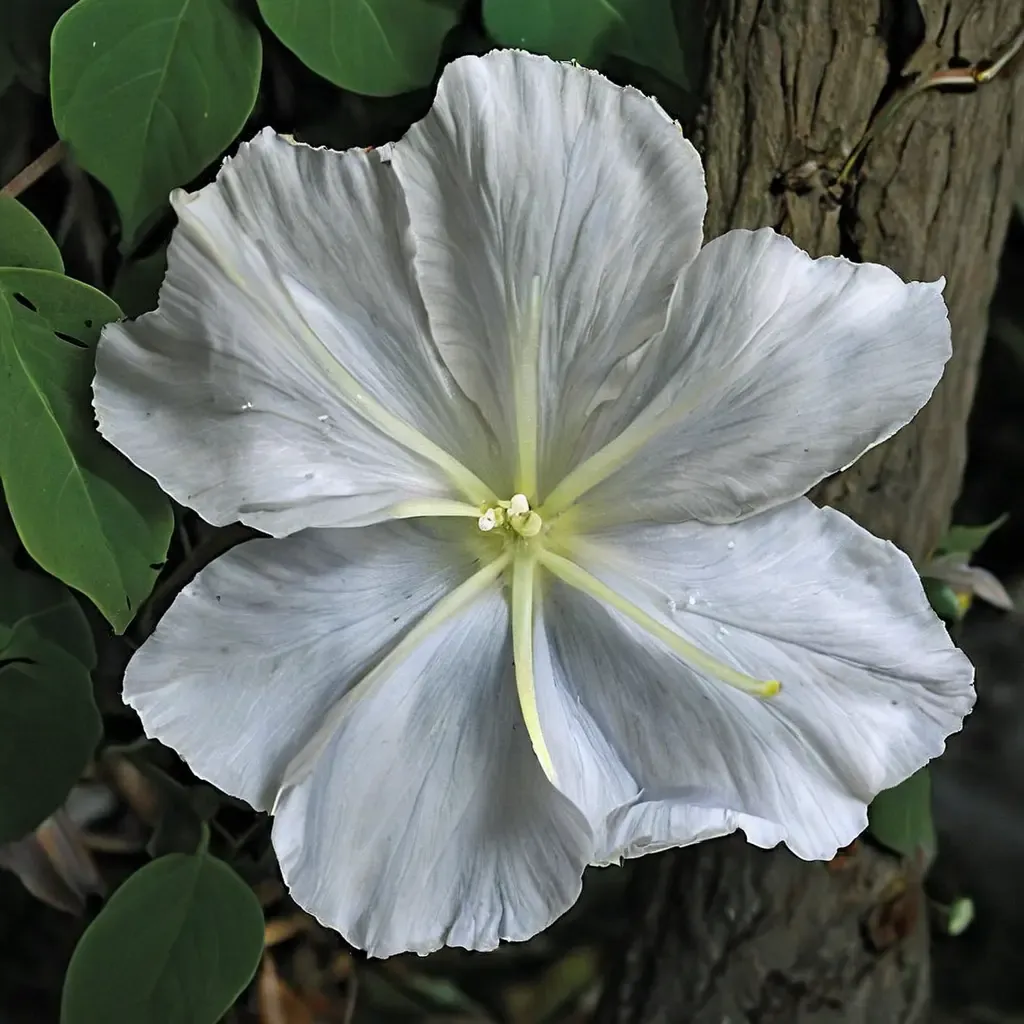
Moonflower
Ipomoea alba
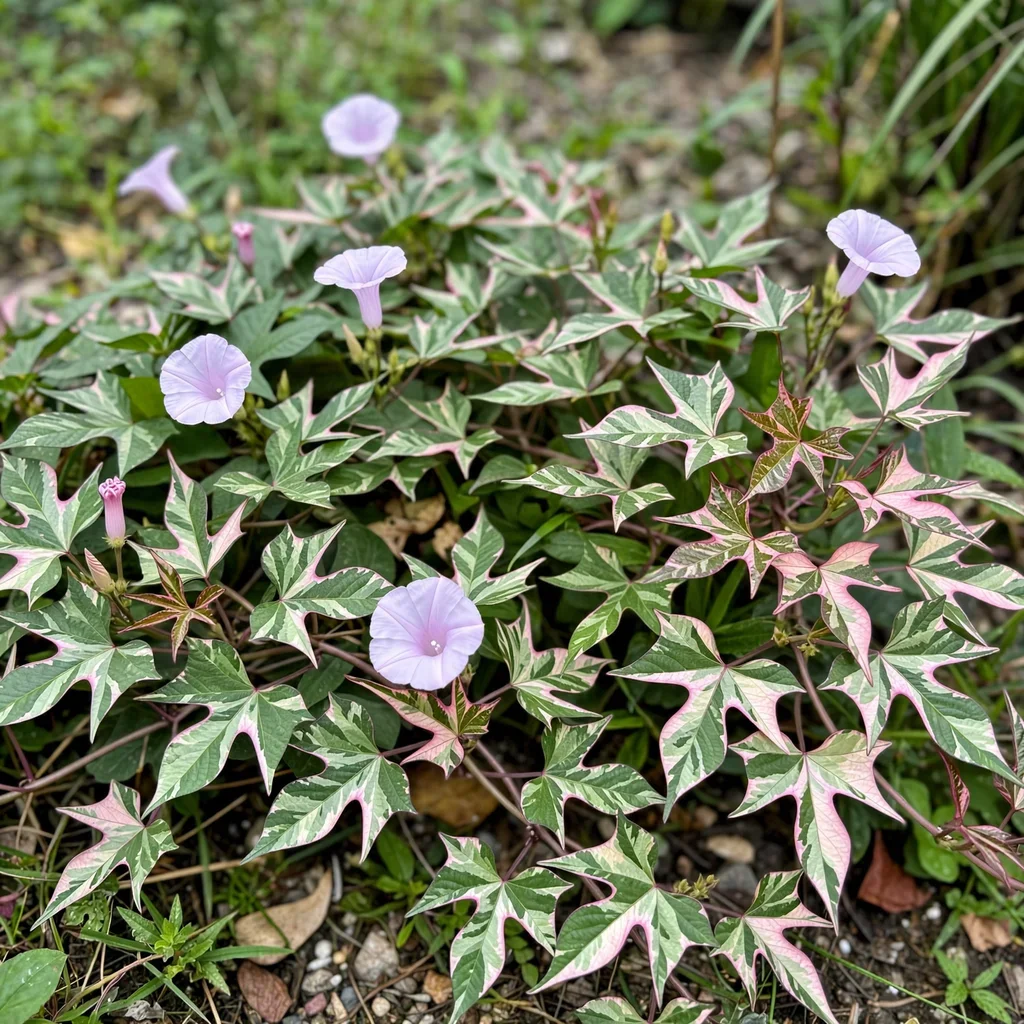
Tricolor Sweet Potato Vine
Ipomoea batatas 'Tricolor'
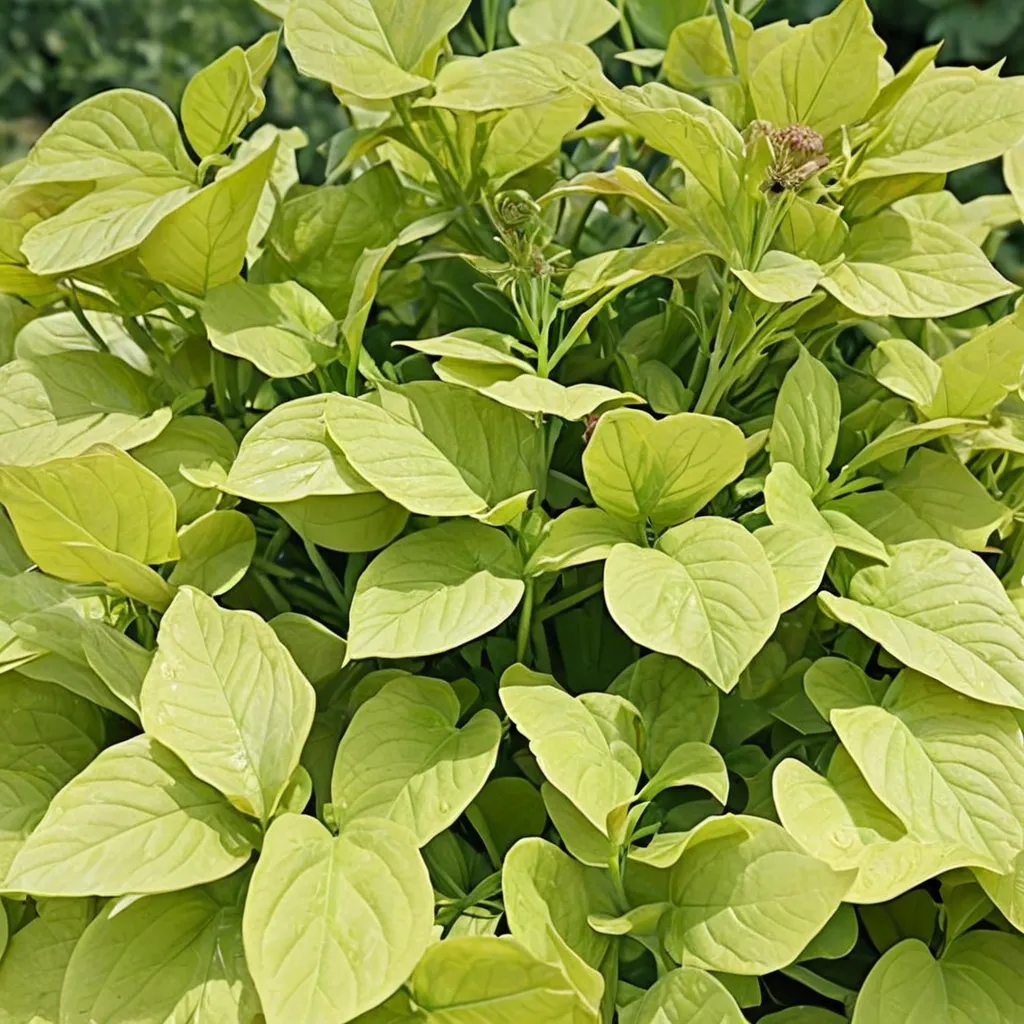
Sweet Potato Vine 'Sweet Caroline Sweetheart Lime'
Ipomoea batatas 'Sweet Caroline Sweetheart Lime'
Keep exploring
Explore the genus
Hardy in your zone?
Grow Beach Morning Glory with confidence
See it in a design of your actual yard, get zone-matched care reminders, and track it season by season in your garden journal.