Also known as Marsh Elder · 27 saves
Iva
Iva, the genus most gardeners know as marsh elder. We track 3 varieties; the ones most used by real gardeners.
The 3 most-saved Iva varieties
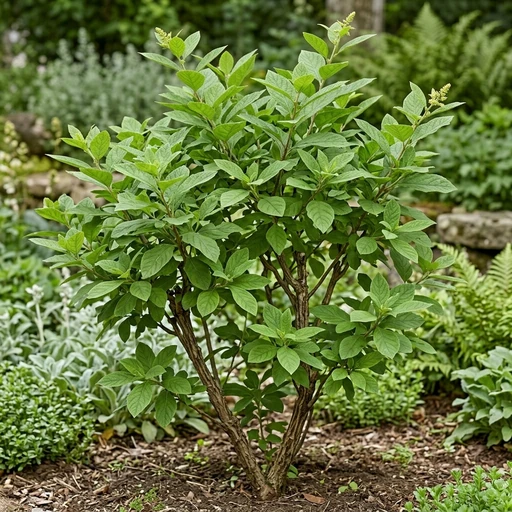
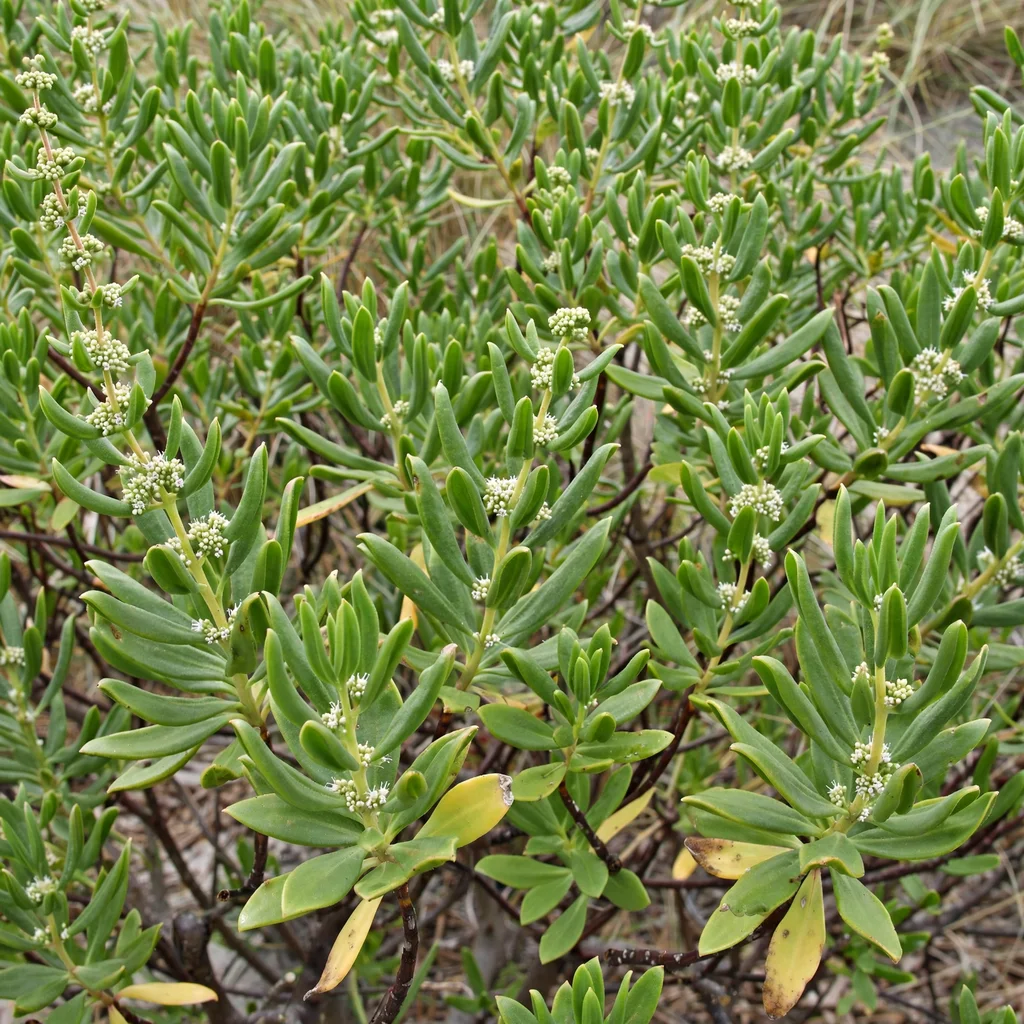
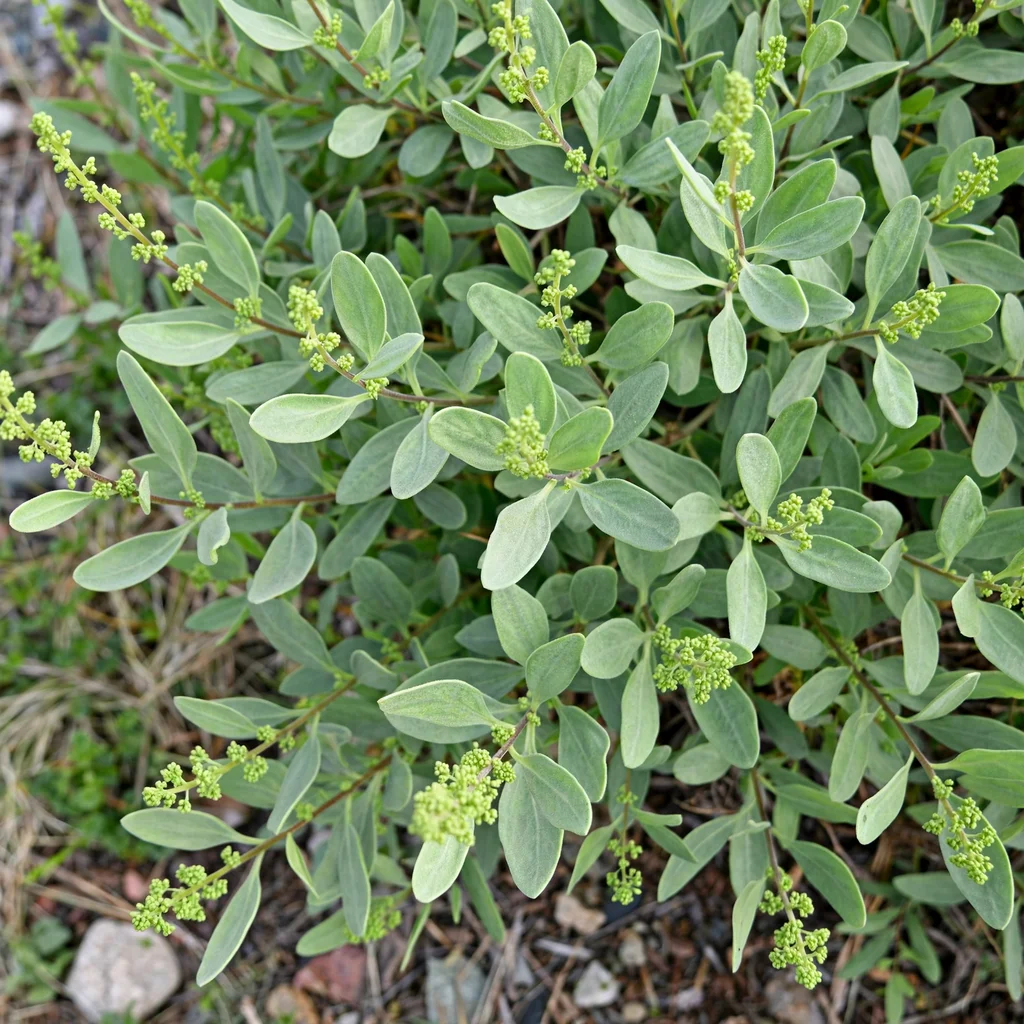
2 species of Iva
Each one is a parent of the varieties above.
Track your Iva in Sow
Save the Iva you grow and get care reminders timed to your zone.
How to grow Iva
Whats common across all Iva varieties in our catalog — drawn from the care records of the 3 most-grown of them.
The Iva year
- PlantMarch, April, May, October and November100% of varieties
Plant container stock during mild fall or early spring weather to allow root establishment before summer heat.
- PruneFebruary and March100% of varieties
Trim active branch tips lightly in early spring to shape the plant and prevent encroachment on paths.
- PropagateJune67% of varieties
Take softwood stem cuttings or separate naturally rooted layered branches to start new plants.
- Check for PestsJuly67% of varieties
Inspect dense internal foliage during summer for aphid buildup or spider mite webbing.


Do
- Provide well-drained soil when planting in standard landscape beds.
- Wear gloves when handling or pruning foliage if susceptible to mild contact dermatitis.
- Allow trailing branches contact with bare soil so stems can root and stabilize slopes.
- Plant it in full sun for densest growth
- Use it in difficult coastal or salt-spray areas where other plants fail
Avoid
- Do not prune hard into leafless old wood, as regrowing shoots depend on active green growth nodes.
- Do not overwater established plantings in poorly drained inland locations.
- Do not apply heavy fertilizers, as native foliage performs best in lean soils.
- Do not plant in deep shade
What goes wrong with Iva
| Problem | What you'll see | What to do |
|---|---|---|
| Aphids | Clusters of small insects feeding on soft spring shoots, causing minor leaf distortion. | Dislodge with a sharp spray of water from a hose or apply insecticidal soap. |
| Spider mites | Fine webbing and stippled foliage during hot, dry summer periods. | Increase ambient humidity with occasional overhead rinsing or rinse foliage with water. |
| None | Generally pest-free due to its adaptation to harsh environments. | No action required. |
| Root rot | Yellowing leaves and stem dieback caused by standing water in unventilated heavy clay. | Improve soil drainage and reduce irrigation frequency during warm months. |
| None | Generally disease-free. | No action required. |
Making more Iva
Stem Cuttings
Layering
Iva questions
How many types of Iva are there?
The Sow catalog tracks 3 distinct Iva varieties. The most popular — ranked by 27 real gardeners — are shown first above.
What zones does Iva grow in?
Across its varieties, Iva covers USDA Zones 4–10. Individual varieties differ — each plant page lists its exact range, and Sow filters the catalog to your zone automatically.
When does Iva bloom?
Most Iva varieties bloom from early summer to early fall.
Which Iva should I choose?
Start from the most-saved varieties above — popularity across thousands of gardens is a strong signal of reliability — then filter by your zone and sun. In the Sow app you can preview any of them in a photo of your actual yard before you buy.