


The Story
Plant Bio
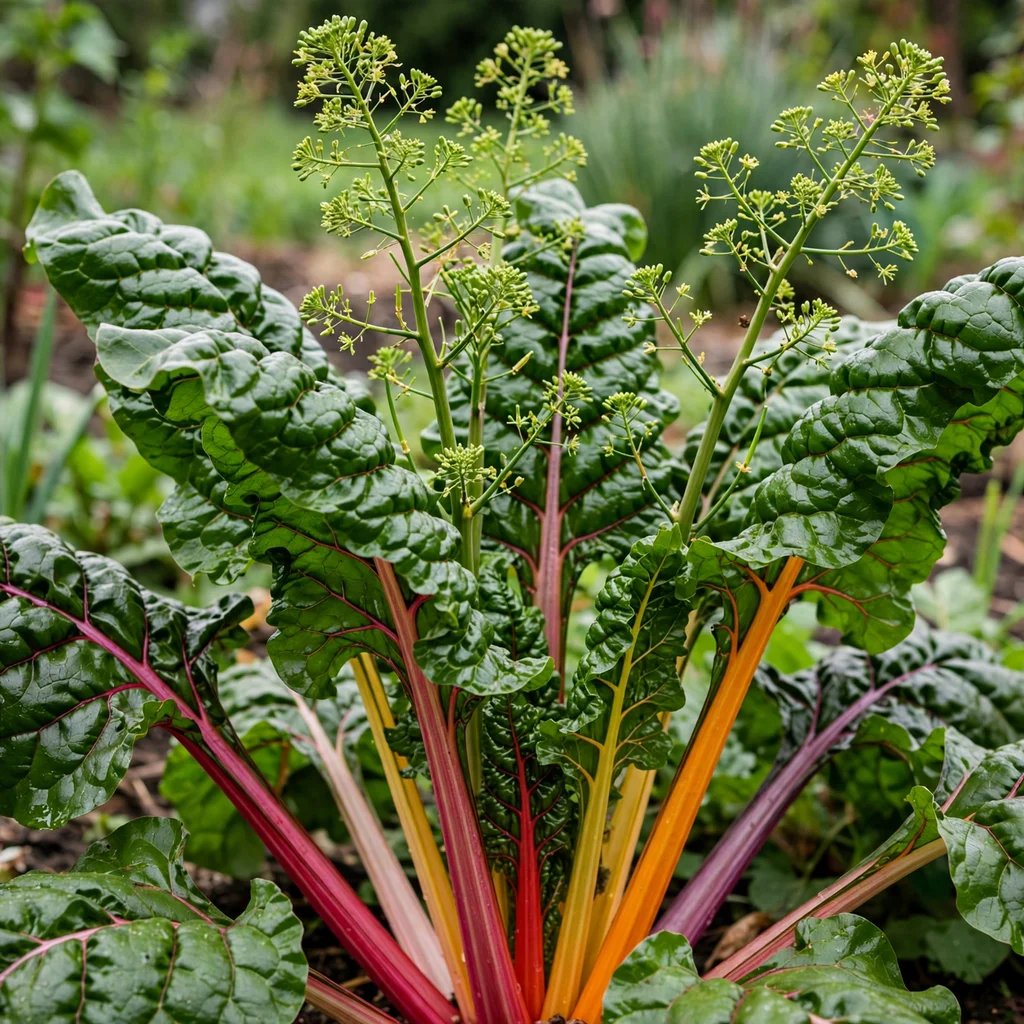
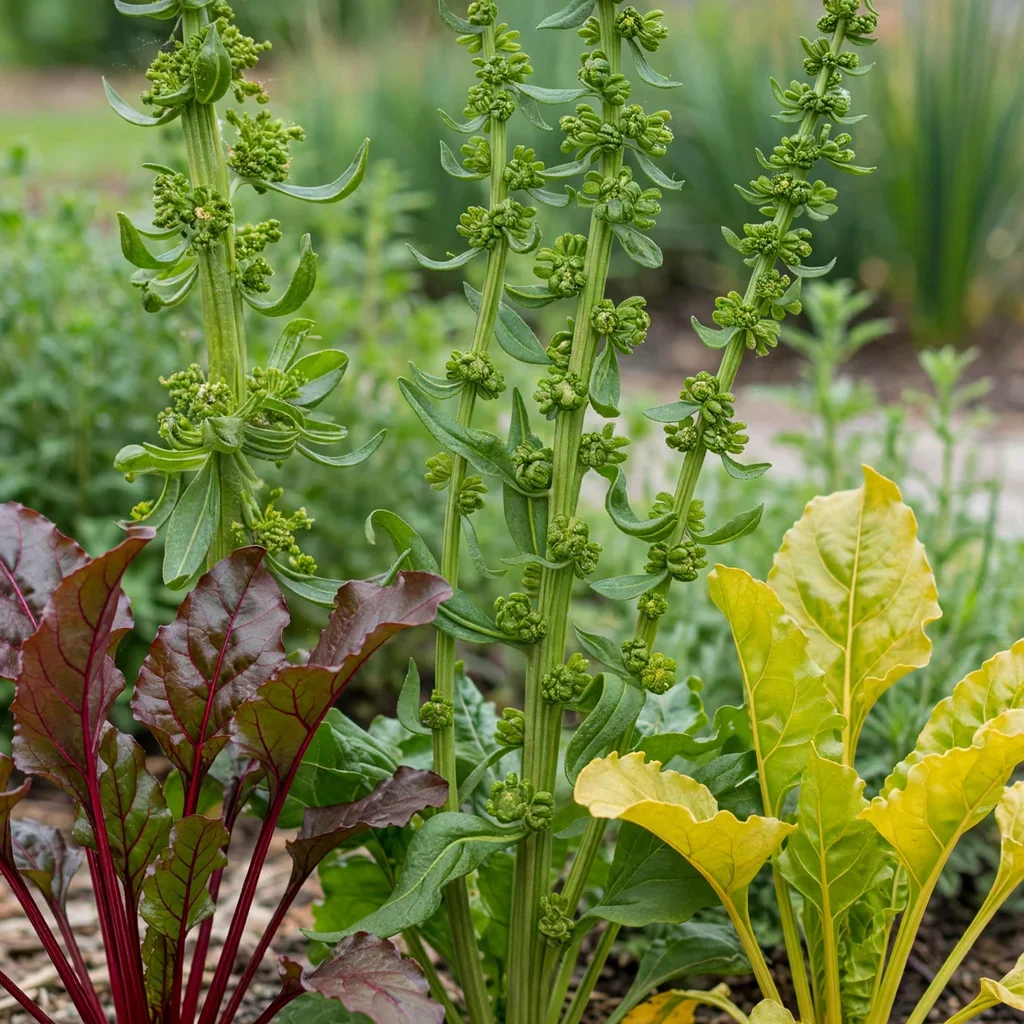
Beta vulgaris in the Leaf Beet Group is an erect biennial grown as an annual, forming an arching rosette of large crinkled leaves on thick celery-like stalks. Plants held over winter send up a branched stalk of small green wind-pollinated flowers in the second spring and then set seed.
'Bright Lights' is a seed-grown color mixture selected for stalks in red, orange, yellow, pink, white and purple under deep green savoyed leaves. It is maintained as a mixture, so seed saved from one plant segregates and does not repeat the parent color; pull second-year plants once they bolt and re-sow.
Uses & Benefits:
Essentials
At a Glance
Plant Type
Fruit Vegetable
Height
24"
Width
18"
Light
Full Sun, Partial Sun
Zones
4, 5, 6, 7, 8, 9, 10
Water
Moderate - about 1 inch per week
Humidity
Average
Lifespan
Biennial grown as annual
Native To
Mediterranean to western Asia; wild sea beet ancestor
Toxicity
Edible; high oxalate - avoid excess with kidney-stone history
Bloom period
Spring – Summer
In flower about 6 months of the year
Planting
How to Grow
- Till soil 8-10 inches deep and enrich with compost to hold steady moisture at pH 6.0-8.0.
- Sow seed clusters 1 inch deep in full sun to partial shade, thinning seedlings to 10-12 inches apart.
- Water about 1 inch per week and side-dress with nitrogen-rich fertilizer where growth is pale.
- Harvest outer leaves from 6 inches upward, leaving the center to regrow; succession-sow every few weeks in spring and late summer for fall cutting.
Pro Tip
Pick outer leaves once they reach 6 inches and leave the center bud to push new growth; mature leaves hold color best when cooked.
Keep It Thriving
Care Guide
Do
- Keep soil evenly moist with mulch and steady watering.
- Harvest outer leaves often to keep the center producing.
- Remove mined or spotted leaves promptly to limit spread.
Don't
- Do not let plants dry out in heat; drought turns leaves tough and bitter.
- Do not eat stalks raw as rhubarb; cook mature stalks to keep color and texture.
- Do not save seed to repeat the mix; seedlings segregate color.
Seasonal Care Calendar
| Task | Jan | Feb | Mar | Apr | May | Jun | Jul | Aug | Sep | Oct | Nov | Dec |
|---|---|---|---|---|---|---|---|---|---|---|---|---|
| Fertilize | ||||||||||||
| Harvest | ||||||||||||
| Pest Check | ||||||||||||
| Plant |
Watch Out For
Pests & Diseases
Common Pests
Common Diseases
In the Garden
Landscape Uses & Companions
Landscape Uses
Companion Plants
Multiply
Propagation Methods
Good to Know
Common Questions
Swiss Chard questions
What zones can Swiss Chard grow in?
Swiss Chard is hardy in USDA Zones 4–10: in that range it survives winter in the ground.
When does Swiss Chard bloom?
Swiss Chard typically blooms from spring to summer. Exact timing shifts a week or two with your zone — Sow's bloom calendar maps it to your garden.
Does Swiss Chard need full sun?
Swiss Chard does best in full sun to part shade. In hot climates, afternoon shade keeps blooms fresher longer.
More Beta to compare
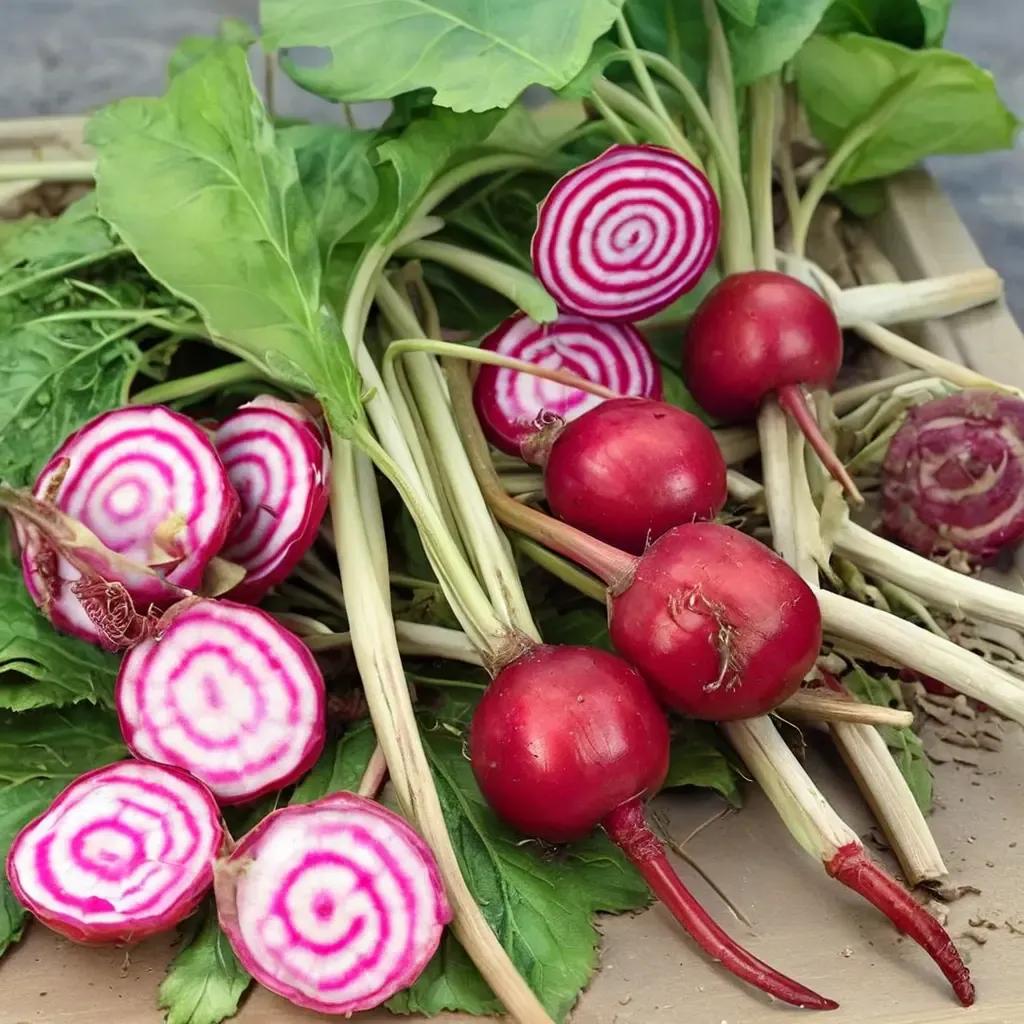
Chioggia Beet
Beta vulgaris 'Chioggia'
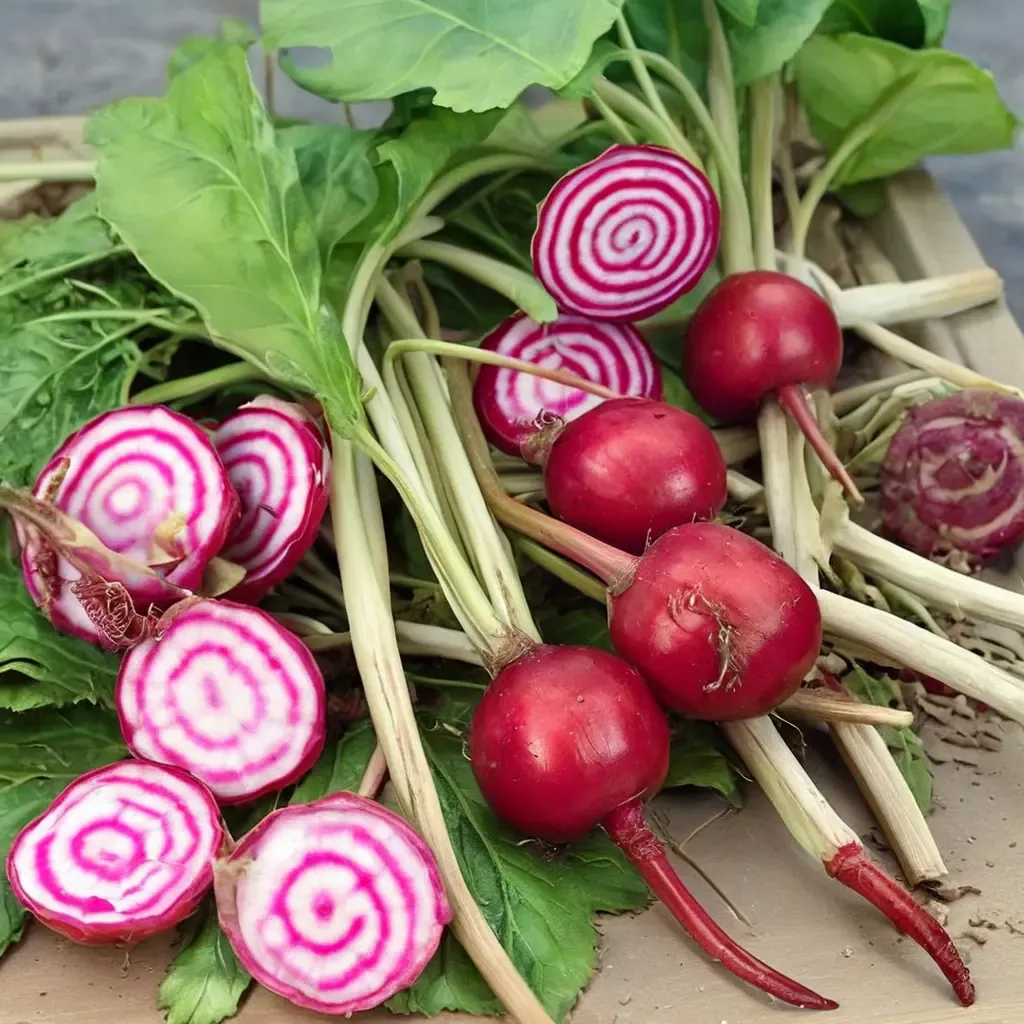
Garden Beet
Beta vulgaris 'Mix'
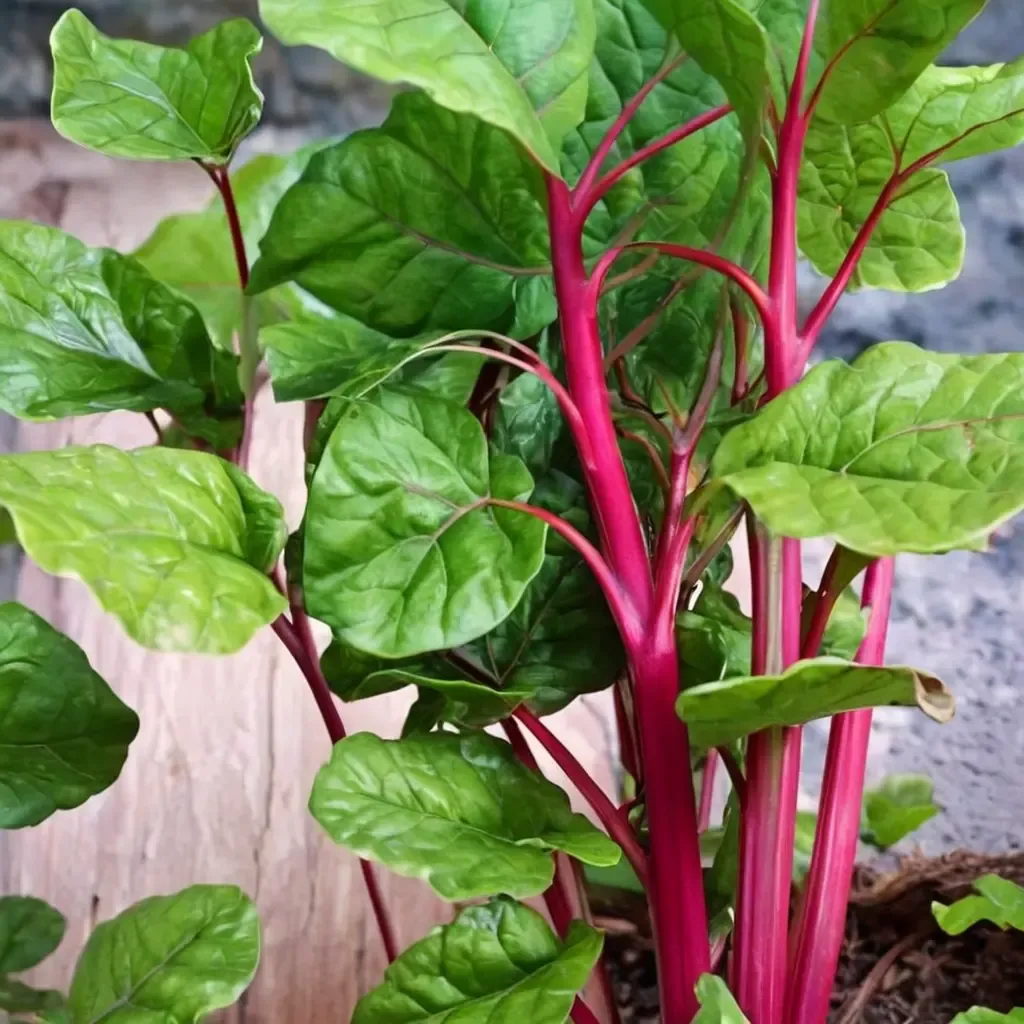
Magenta Sunset Swiss Chard
Beta vulgaris 'Magenta Sunset'
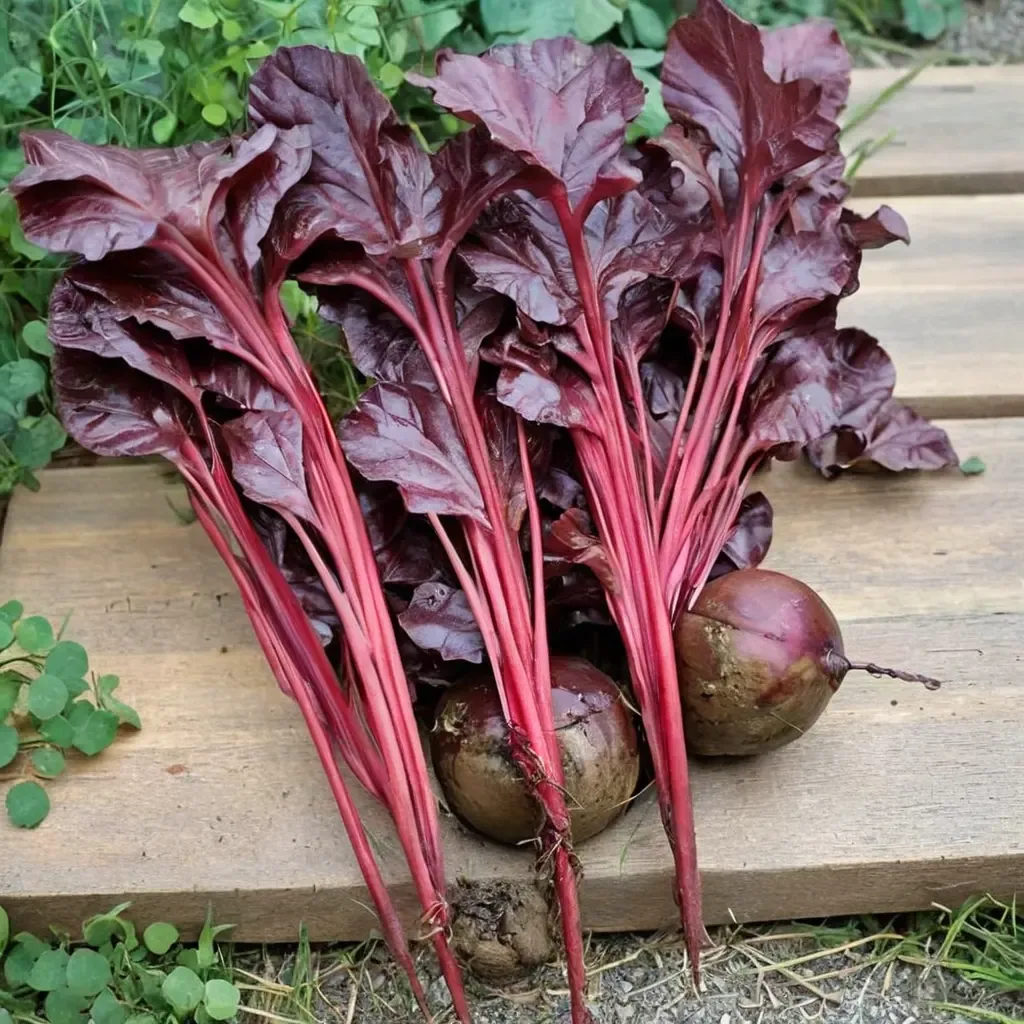
Bull's Blood Beet
Beta vulgaris 'Bull's Blood'
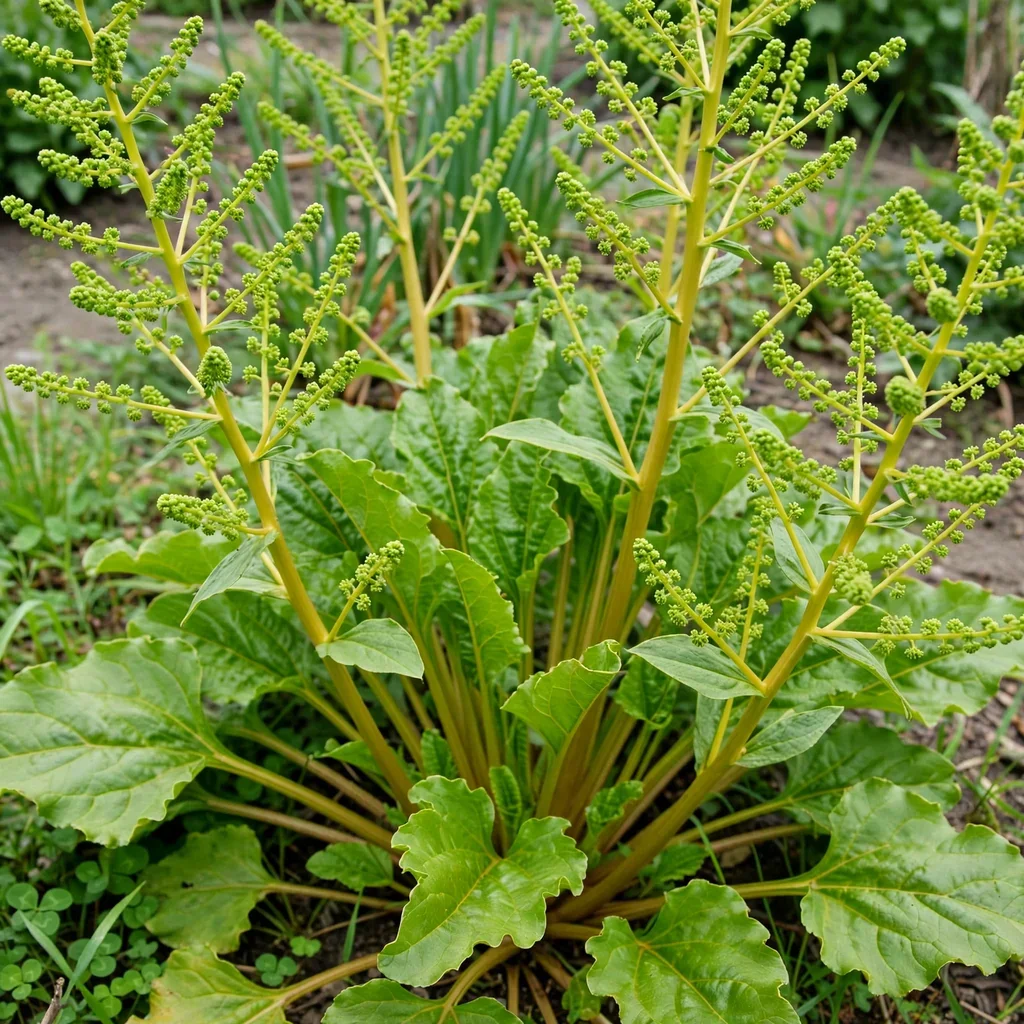
Touchstone Gold Beet
Beta vulgaris 'Touchstone Gold'
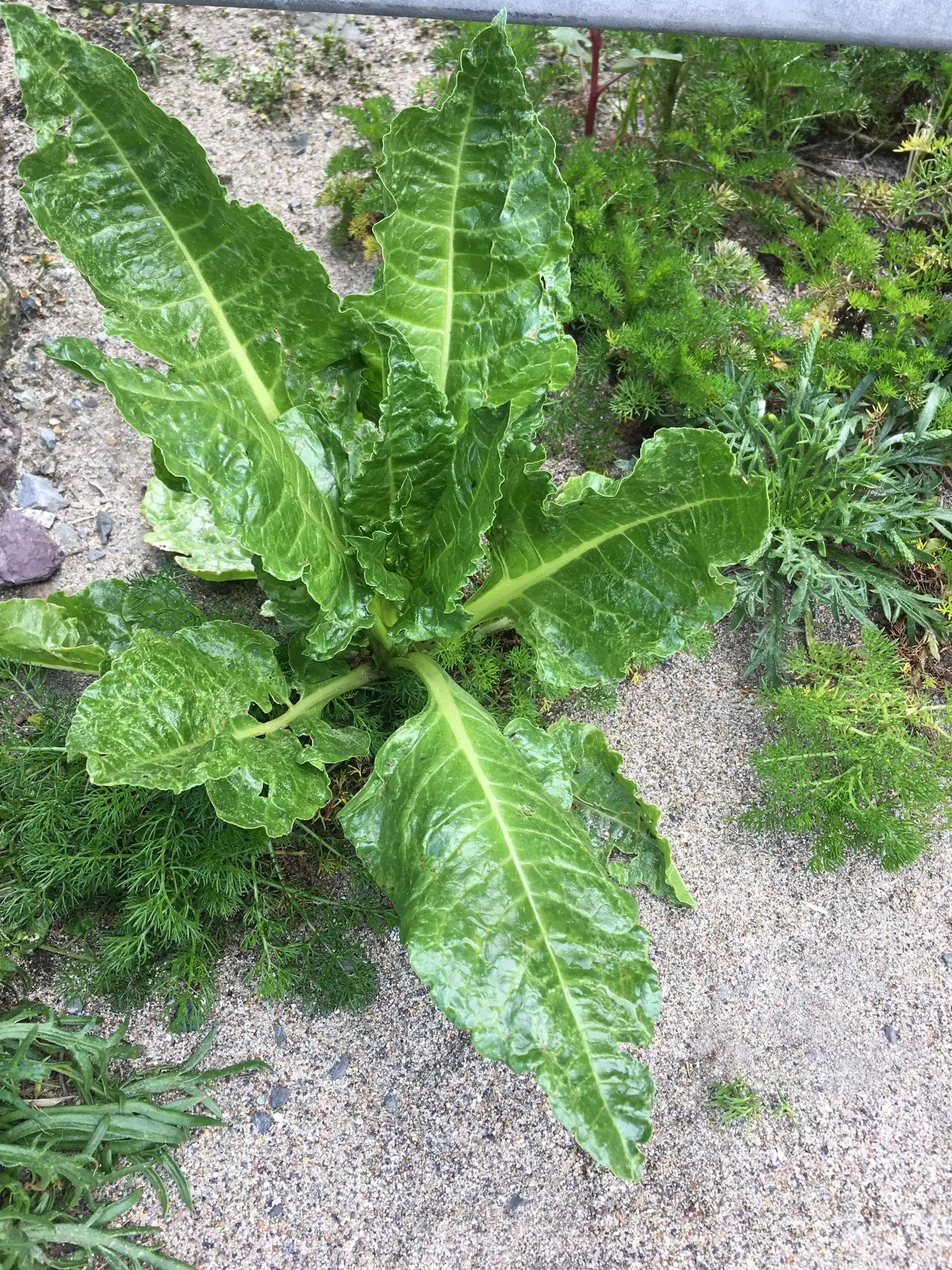
Beet
Beta vulgaris
Keep exploring
Explore the genus
Grow Swiss Chard with confidence
See it in a design of your actual yard, get zone-matched care reminders, and track it season by season in your garden journal.