The Story
Plant Bio
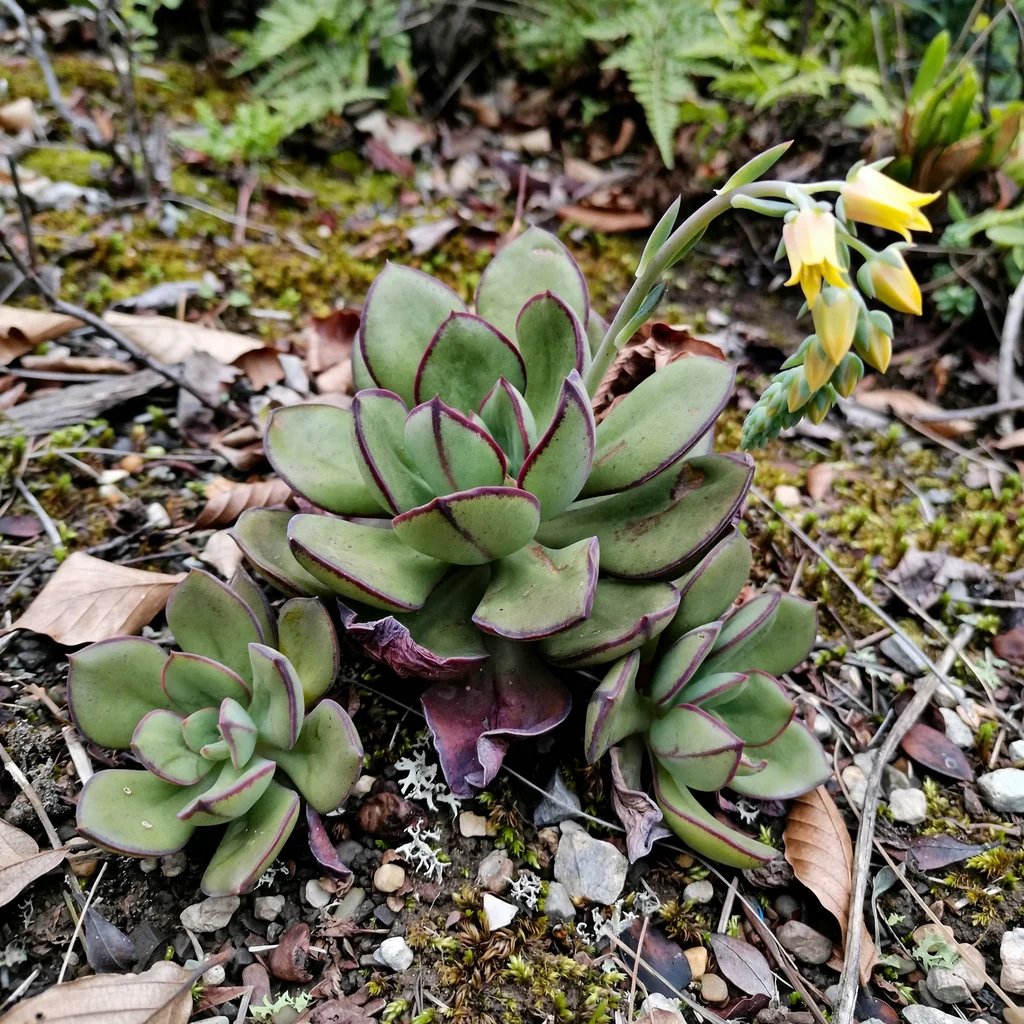
Echeveria nodulosa is a low branching succulent from central Mexico that forms rosettes on short sprawling stems and slowly builds a clumping colony. Its thick fleshy leaves store water for dry spells, and its roots require sandy sharp drainage to keep the crown aerated and free of rot.
The narrow keeled leaves are olive to light green edged and streaked in burgundy-purple, with solid purple undersides that deepen in full sun. In spring to summer it sends up an arching spike to 12 inches carrying tubular bell flowers in pale yellow marked coral-pink to red with yellow tips.
Uses & Benefits:
Essentials
At a Glance
Plant Type
Cactus Succulent
Height
8"
Width
8"
Light
Full Sun, Partial Sun
Zones
9, 10
Water
Low
Humidity
Low
Lifespan
Perennial
Native To
Mexico
Toxicity
Non-toxic
Bloom period
Spring – Summer
In flower about 6 months of the year
Planting
How to Grow
- Plant in sandy sharply drained cactus mix in a pot with drainage or a raised rock pocket.
- Set in full sun to partial shade, moving indoor plants toward brighter light to hold edge color.
- Water deeply only when the mix is dry through, keeping water out of the center of the rosette.
- Feed once a month in spring and summer with dilute balanced fertilizer.
- Keep above 40F and move pots indoors before frost to a bright cool spot for winter.
Pro Tip
Let the mix dry right through between waterings; the sprawling stems are mature habit, not stretching, so do not overwater or feed to force it upright.
Keep It Thriving
Care Guide
Do
- Give full sun to partial shade and bright light indoors
- Use sandy fast-draining mix and containers with drainage holes
- Water only when dry and keep the rosette center dry
- Remove spent flower stalks and dead lower leaves
Don't
- Do not overwater or leave standing in wet soil
- Do not cut sprawling stems thinking they are etiolated growth
- Do not expose to hard frost below 25F
Seasonal Care Calendar
| Task | Jan | Feb | Mar | Apr | May | Jun | Jul | Aug | Sep | Oct | Nov | Dec |
|---|---|---|---|---|---|---|---|---|---|---|---|---|
| Deadhead | ||||||||||||
| Fertilize | ||||||||||||
| Pest Check | ||||||||||||
| Plant | ||||||||||||
| Winter Prep |
Watch Out For
Pests & Diseases
Common Pests
Common Diseases
In the Garden
Landscape Uses & Companions
Landscape Uses
Companion Plants
Multiply
Propagation Methods
Good to Know
Common Questions
Painted Echeveria questions
What zones can Painted Echeveria grow in?
Painted Echeveria is hardy in USDA Zones 9–10: in that range it survives winter in the ground. Colder than Zone 9, grow it in a container you can move to shelter for the winter, or as an annual.
When does Painted Echeveria bloom?
Painted Echeveria typically blooms from spring to summer. Exact timing shifts a week or two with your zone — Sow's bloom calendar maps it to your garden.
Does Painted Echeveria need full sun?
Painted Echeveria does best in full sun to part shade. In hot climates, afternoon shade keeps blooms fresher longer.
Is Painted Echeveria drought tolerant?
Yes — once established (usually after the first full season), Painted Echeveria handles dry spells with minimal watering. Water deeply its first year to build the root system that makes that possible.
More Echeveria to compare
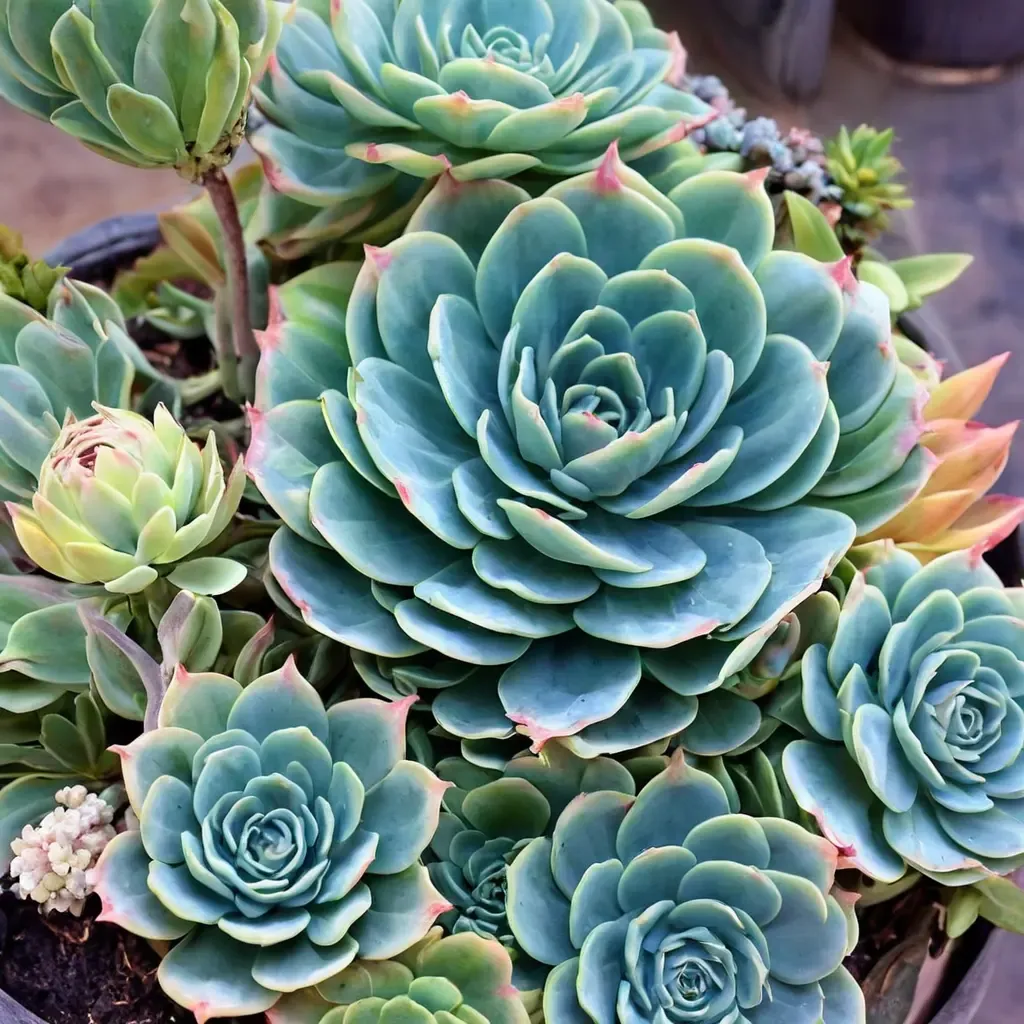
Blue Rose Echeveria
Echeveria imbricata
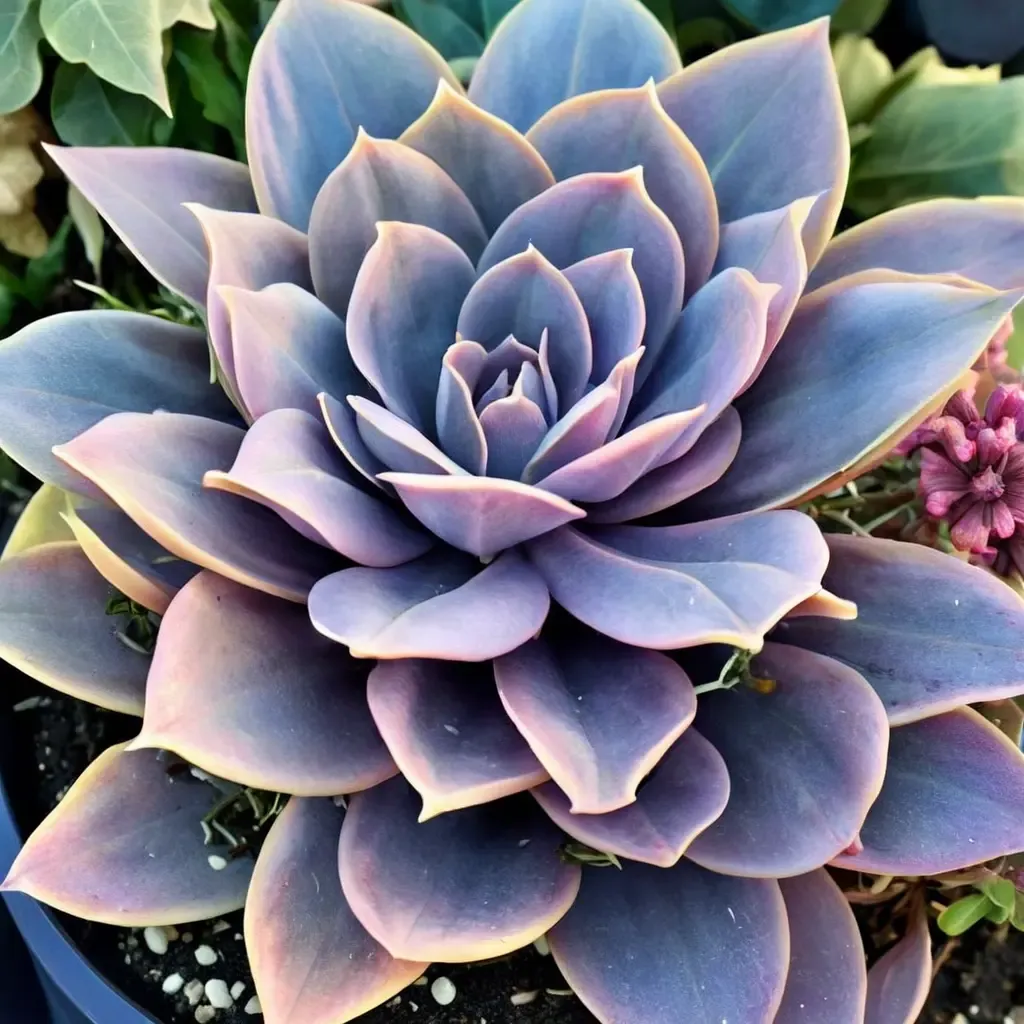
Perle Von Nurnberg
Echeveria secunda 'Perle Von Nurnberg'
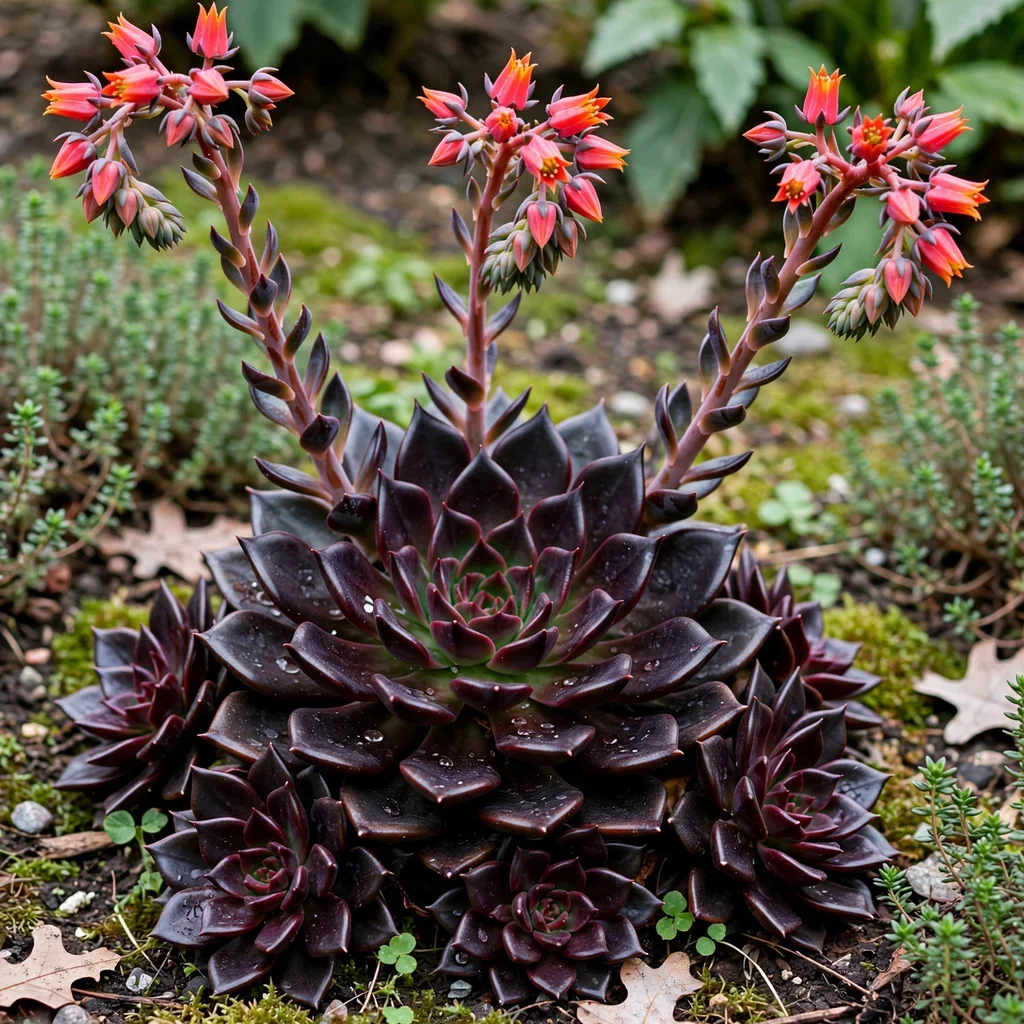
Echeveria Black Prince
Echeveria secunda 'Black Prince'
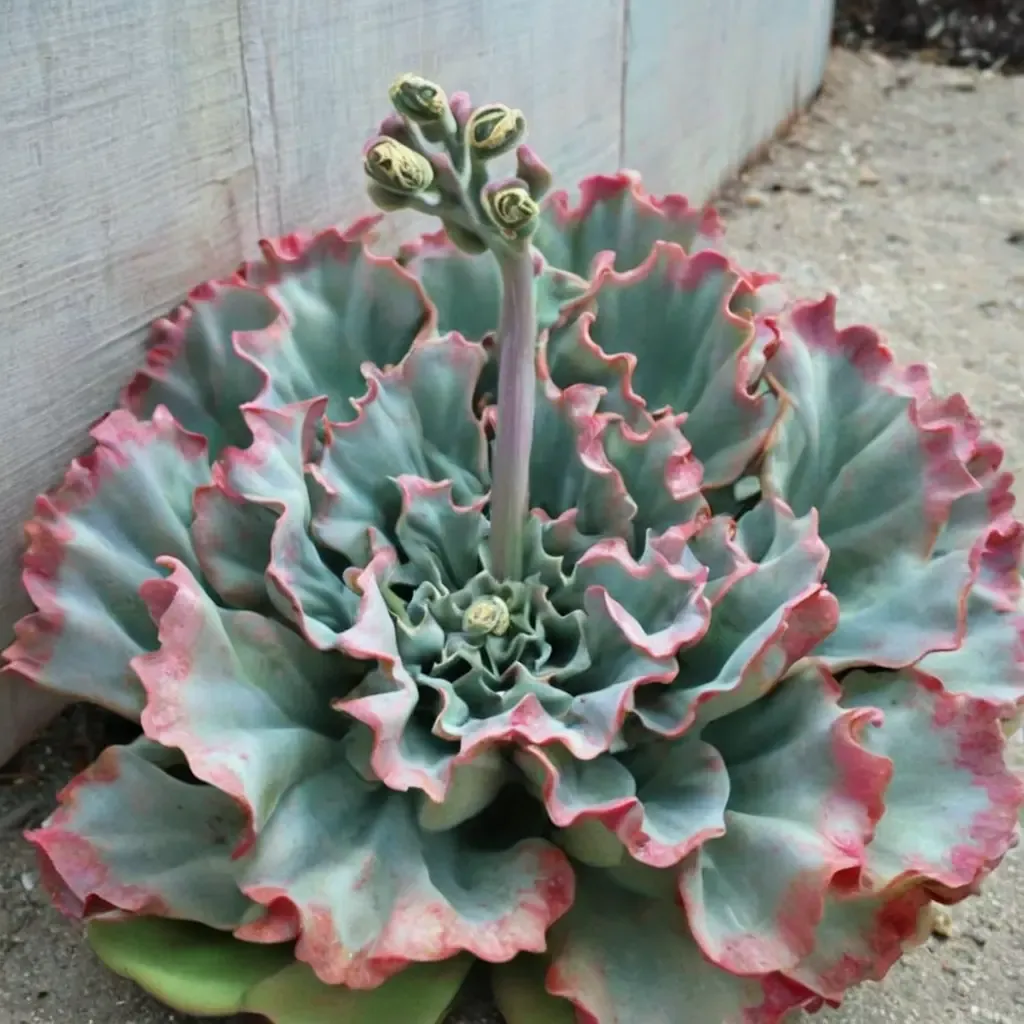
Lady Aquarius Echeveria
Echeveria gibbiflora 'Lady Aquarius'
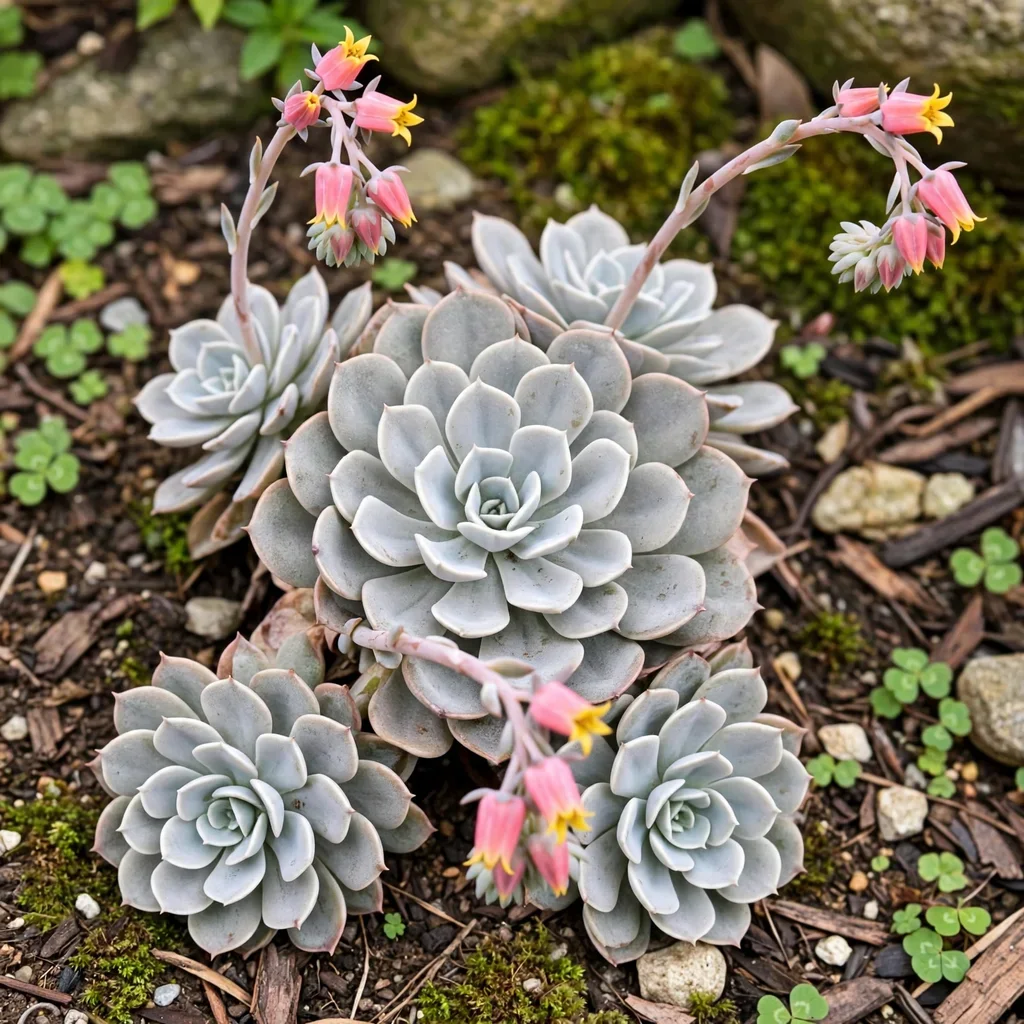
Mexican Snowball
Echeveria elegans
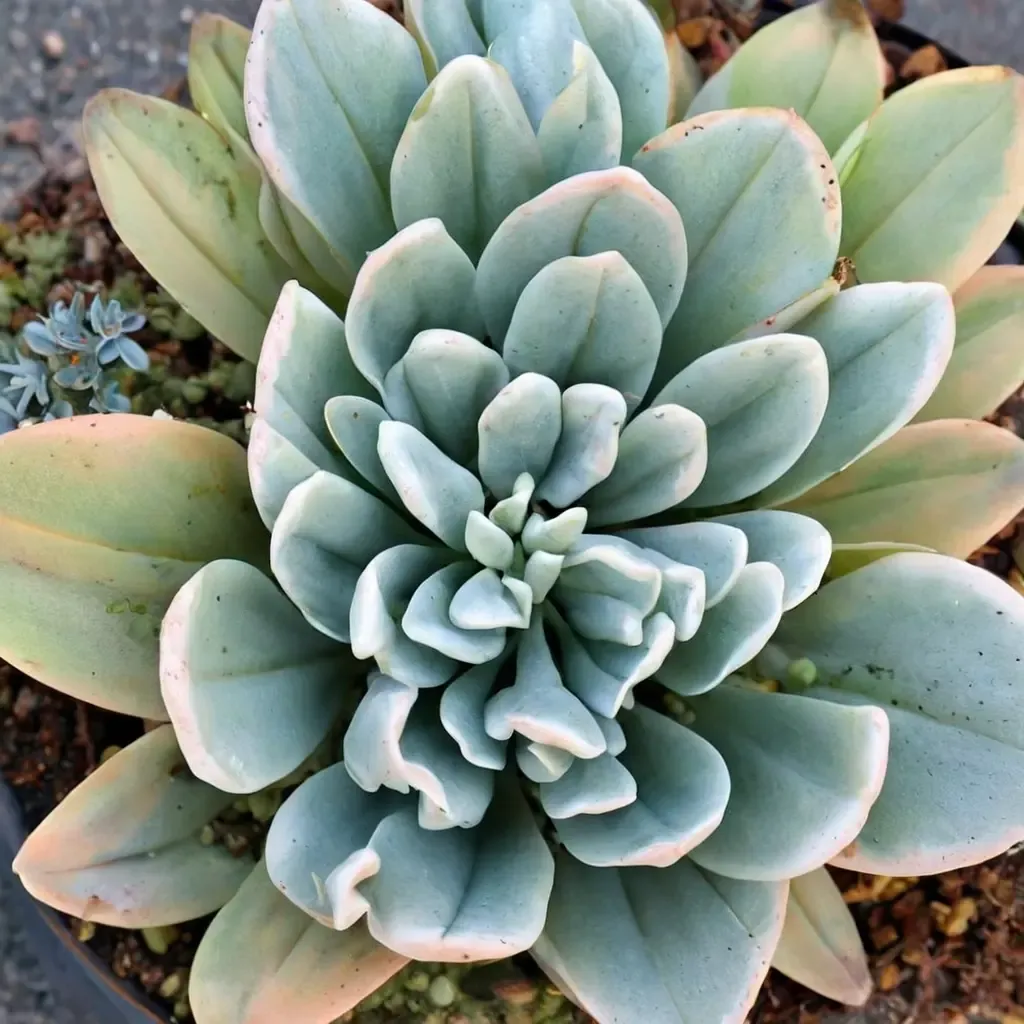
Caribbean Echeveria Echeveria Caribbean
Echeveria runyonii 'Caribbean'
Keep exploring
Explore the genus
Hardy in your zone?
Grow Painted Echeveria with confidence
See it in a design of your actual yard, get zone-matched care reminders, and track it season by season in your garden journal.