
The Story
Plant Bio
Helianthus agrestis, the southeastern sunflower, is an erect annual reaching three to six feet in gardens on single smooth stems with mostly opposite lance-shaped leaves two to four inches long with toothed margins. Each stem carries one to fifteen heads with about twelve yellow rays around a disc of fifty or more florets, opening from late summer into fall.
It is the only annual sunflower native to Florida, recognized by reddish-purple lobes on the disc corollas contrasted with yellow style branches. It requires mucky wet sand or loam that stays moist with occasional flooding and fails on dry well-drained soil where dryland sunflowers succeed.
Uses & Benefits:
Essentials
At a Glance
Plant Type
Annual
Height
72"
Width
18"
Light
Full Sun, Partial Sun
Zones
8, 9, 10
Water
Moist
Humidity
Humid-tolerant
Lifespan
Annual
Native To
Florida, Georgia
Toxicity
Unknown
Bloom period
Late summer – Fall
In flower about 4 months of the year
Planting
How to Grow
- Sow seed in spring in full sun in acidic sand or loam that stays moist.
- Keep soil consistently moist through establishment and bloom and do not let it dry to a well-drained condition.
- Water at soil level and give open spacing for airflow in humid weather.
- Leave heads in fall for seed ripening for birds and self-sowing, then pull spent stems and re-sow yearly.
Pro Tip
Sow seed where plants will stand in full sun and wet soil and keep it moist through bloom, since drought-stunted plants do not regain full height.
Keep It Thriving
Care Guide
Do
- Keep soil moist to somewhat moist through bloom.
- Plant in full sun to part sun in wet muck or marsh edge.
- Leave fall heads to mature seed for birds and next year sowing.
Don't
- Do not plant in dry well-drained soil.
- Do not prune as a perennial or cut back expecting regrowth.
- Do not count on tolerance of brackish flooding or salt spray.
Seasonal Care Calendar
| Task | Jan | Feb | Mar | Apr | May | Jun | Jul | Aug | Sep | Oct | Nov | Dec |
|---|---|---|---|---|---|---|---|---|---|---|---|---|
| Pest Check | ||||||||||||
| Plant | ||||||||||||
| Propagate | ||||||||||||
| Winter Prep |
Watch Out For
Pests & Diseases
Common Pests
Common Diseases
In the Garden
Landscape Uses & Companions
Landscape Uses
Companion Plants
Multiply
Propagation Methods
Good to Know
Common Questions
Southeastern Sunflower questions
What zones can Southeastern Sunflower grow in?
Southeastern Sunflower is an annual: it grows, flowers and sets seed in one season, so winter cold doesn't limit where it grows. Gardeners in any zone can grow it by planting at the right time, usually after the last spring frost.
When does Southeastern Sunflower bloom?
Southeastern Sunflower typically blooms from late summer to late fall. Exact timing shifts a week or two with your zone — Sow's bloom calendar maps it to your garden.
Does Southeastern Sunflower need full sun?
Southeastern Sunflower does best in full sun to part shade. In hot climates, afternoon shade keeps blooms fresher longer.
More Helianthus to compare
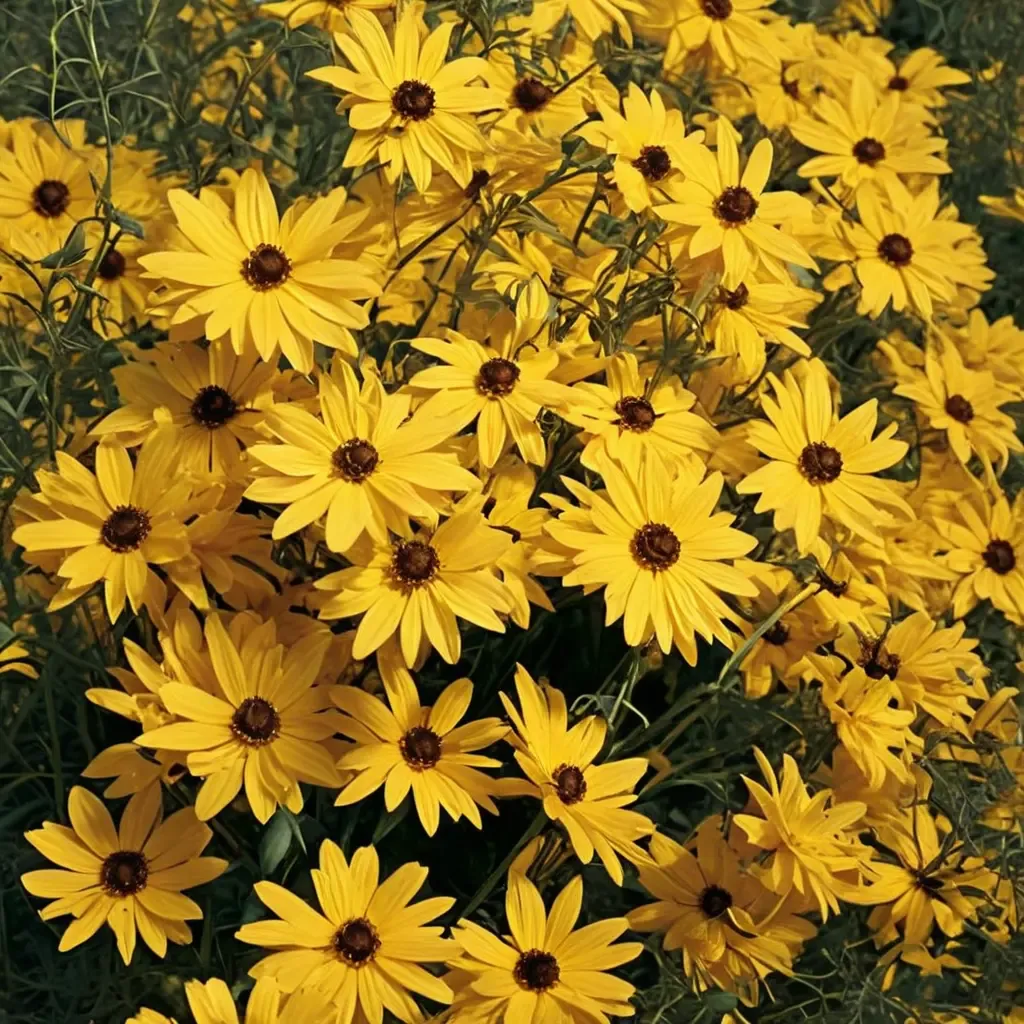
First Light Swamp Sunflower
Helianthus angustifolius 'First Light'
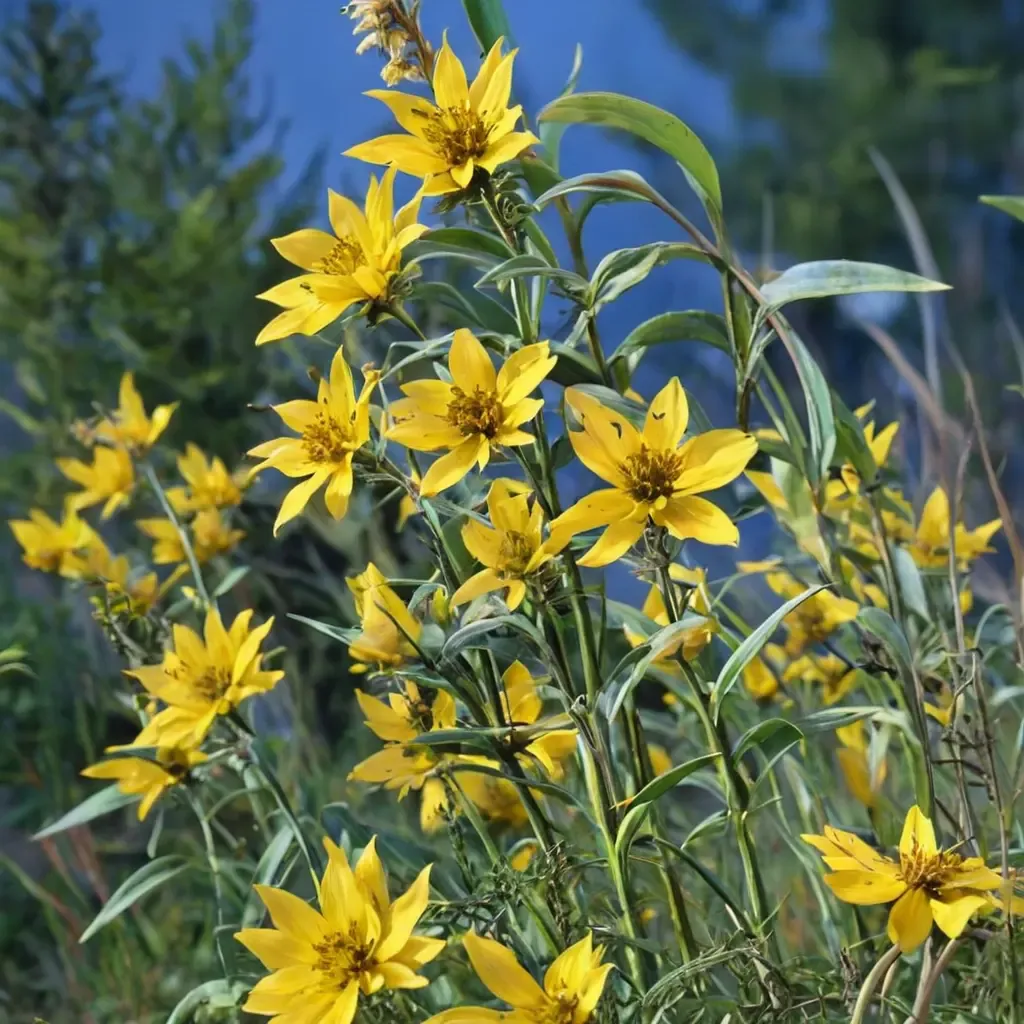
Maximilian sunflower
Helianthus maximiliani
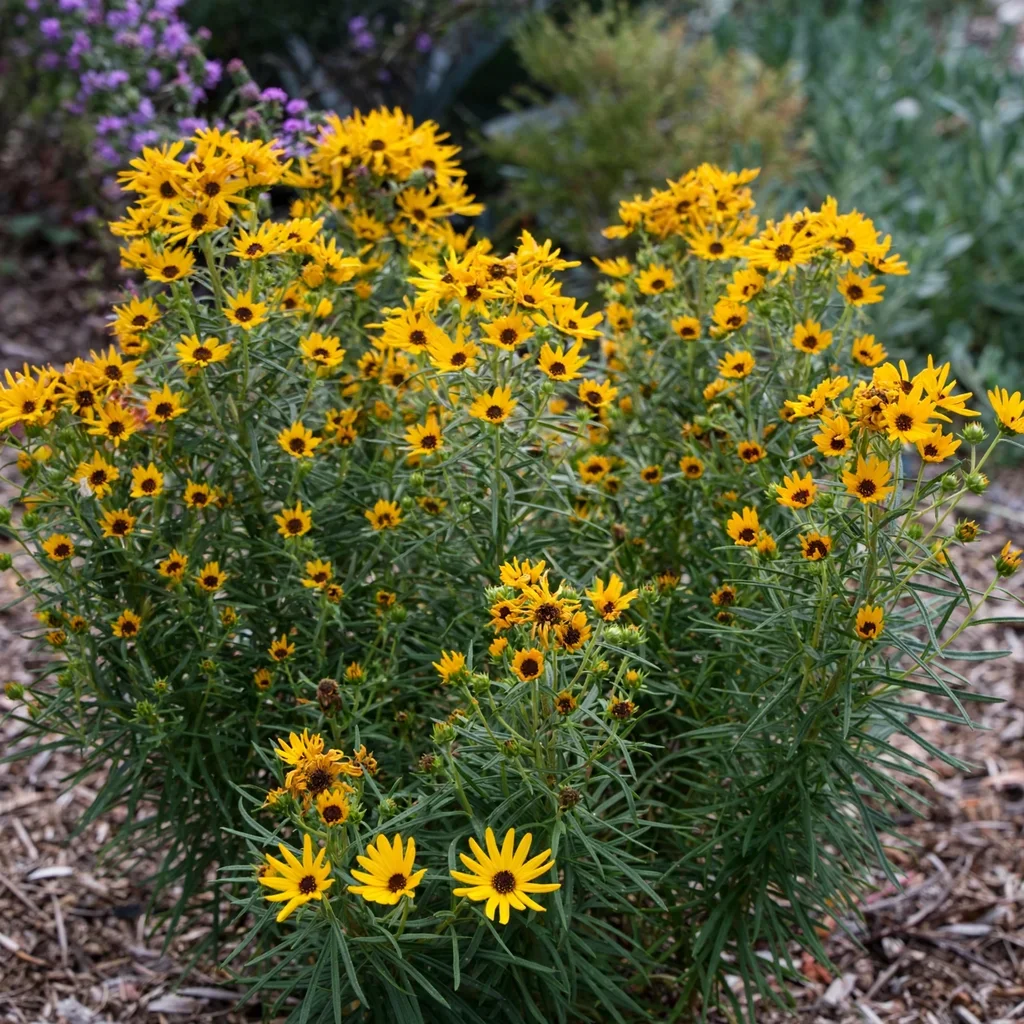
Narrow-Leaf Sunflower Low Down
Helianthus angustifolius 'Low Down'
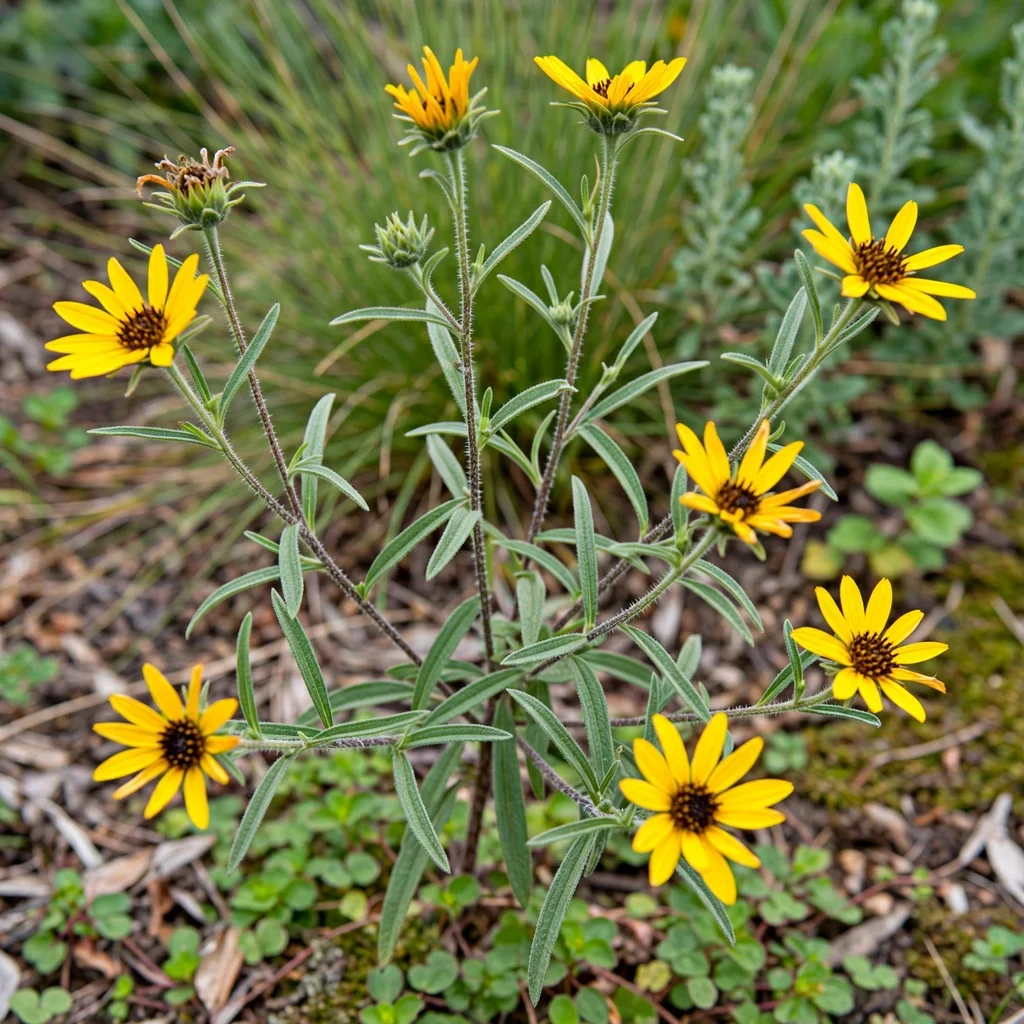
Bolander's Sunflower
Helianthus bolanderi
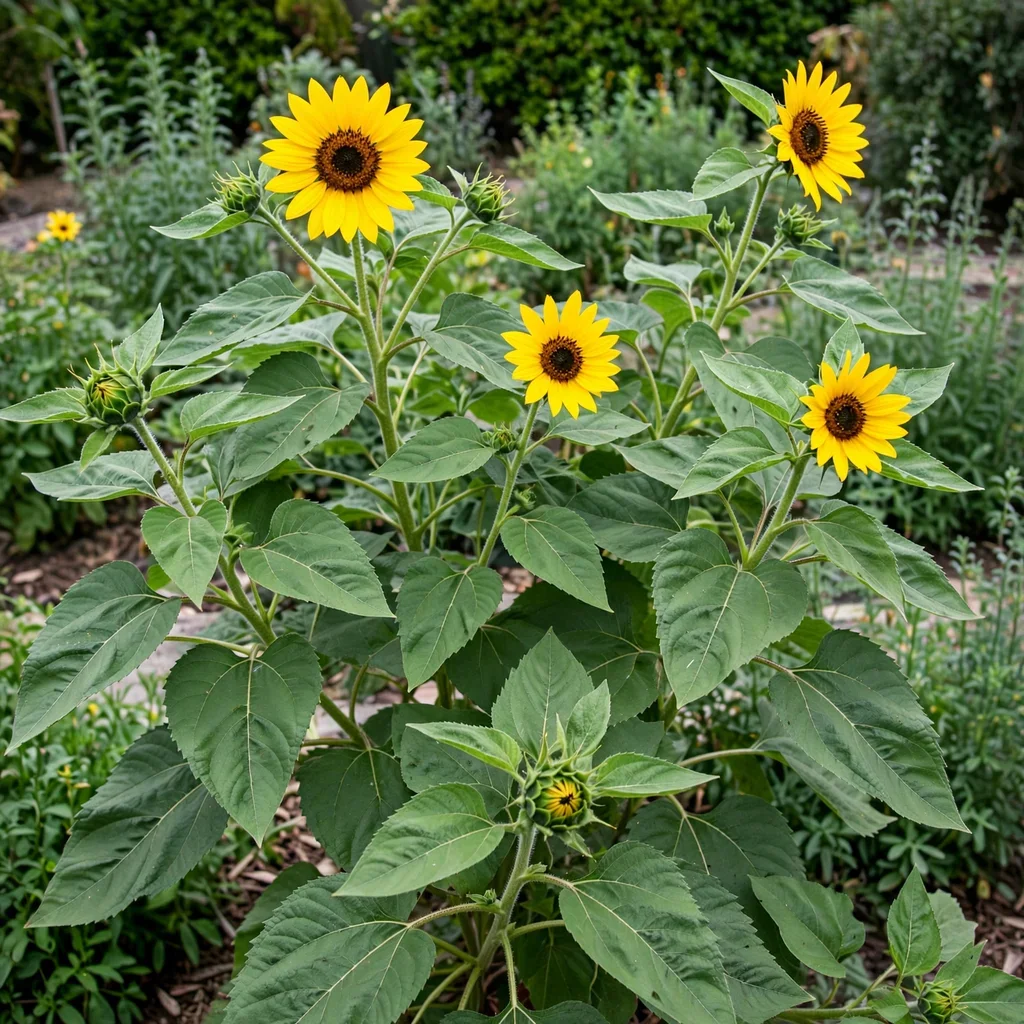
Table Mountain Sunflower
Helianthus annuus 'Table Mountain'
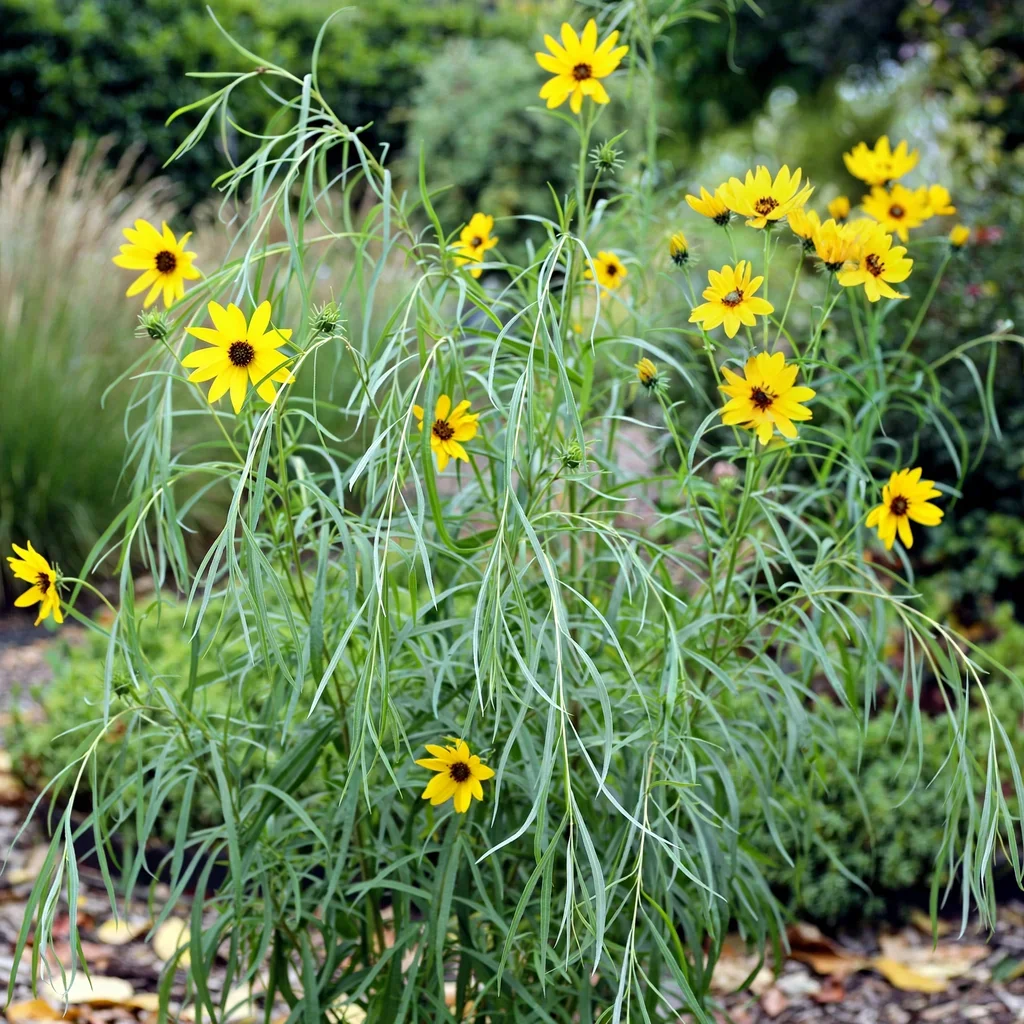
Salicifolius Sunflower Willowleaf Sunflower
Helianthus salicifolius
Keep exploring
Explore the genus
Hardy in your zone?
Grow Southeastern Sunflower with confidence
See it in a design of your actual yard, get zone-matched care reminders, and track it season by season in your garden journal.