The Story
Plant Bio
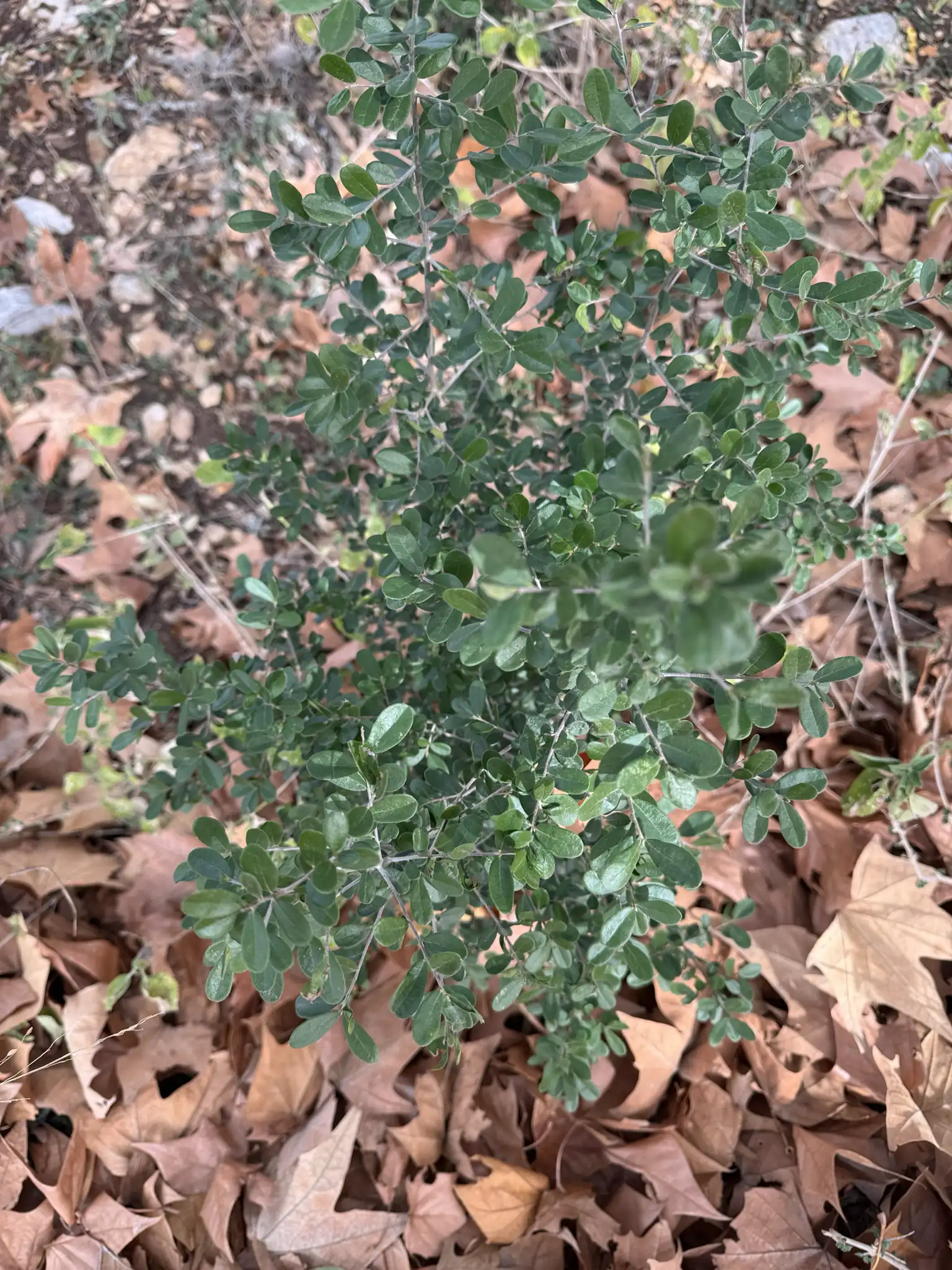
Diospyros texana, the Texas persimmon, is a slow-growing multi-trunked shrub to small tree reaching 10 to 15 feet in gardens, with very hard wood and a symmetrical open vase-shaped crown. Leaves are obovate and leathery dark green to 2 inches long, pale and fuzzy beneath, with rounded or notched tips and margins that roll under.
Bark is smooth pale gray-white and peels in thin flakes to reveal pink new bark beneath. Plants are dioecious with fragrant white to green-white urn-shaped flowers to 0.4 inch in spring, followed on female plants only by round black fruit that turns soft and sweet when fully ripe.
Uses & Benefits:
Essentials
At a Glance
Plant Type
Tree
Height
180"
Width
240"
Light
Full Sun, Partial Sun
Zones
7, 8, 9
Water
Low
Humidity
Low to moderate
Lifespan
30-50 years
Native To
Texas, southwest Oklahoma, northeastern Mexico
Toxicity
Non-toxic; unripe fruit astringent
Bloom period
Spring
In flower about 3 months of the year
Planting
How to Grow
- Plant in full sun in well-drained limestone loam, clay, caliche, or sand with alkaline pH.
- Dig the hole no deeper than the root ball and twice as wide, then water in deeply.
- Water regularly the first season to establish, then reduce to occasional deep soakings.
- Prune in winter to limb up and reveal the trunk, or leave low to form a dense screen.
- Fertilize lightly every one to two years only if growth is weak.
Pro Tip
Keep a male plant within pollinator range if you want fruit, and eat only fruit that is fully black and soft; firm fruit is intensely astringent.
Keep It Thriving
Care Guide
Do
- Plant in full sun with sharp drainage
- Leave a male tree for pollination when fruit is desired
- Pick fruit only when black and soft
Don't
- Do not plant in soggy soil
- Do not eat firm unripe fruit
- Do not expect fast growth or early crops
Seasonal Care Calendar
| Task | Jan | Feb | Mar | Apr | May | Jun | Jul | Aug | Sep | Oct | Nov | Dec |
|---|---|---|---|---|---|---|---|---|---|---|---|---|
| Fertilize | ||||||||||||
| Harvest | ||||||||||||
| Pest Check | ||||||||||||
| Plant | ||||||||||||
| Prune |
Watch Out For
Pests & Diseases
Common Pests
Common Diseases
In the Garden
Landscape Uses & Companions
Landscape Uses
Multiply
Propagation Methods
Good to Know
Common Questions
Texas Persimmon questions
What zones can Texas Persimmon grow in?
Texas Persimmon is hardy in USDA Zones 7–9: in that range it survives winter in the ground. Colder than Zone 7, winters are too cold for it to survive outdoors. Warmer than Zone 9, winter isn't the problem: it prefers colder winters, and summer heat can shorten its life.
Is Texas Persimmon deer resistant?
Not reliably. Deer may browse Texas Persimmon, especially tender spring growth — plan on repellents or fencing where pressure is high.
When does Texas Persimmon bloom?
Texas Persimmon typically blooms in spring. Exact timing shifts a week or two with your zone — Sow's bloom calendar maps it to your garden.
Does Texas Persimmon need full sun?
Texas Persimmon does best in full sun to part shade. In hot climates, afternoon shade keeps blooms fresher longer.
Is Texas Persimmon drought tolerant?
Yes — once established (usually after the first full season), Texas Persimmon handles dry spells with minimal watering. Water deeply its first year to build the root system that makes that possible.
More Diospyros to compare
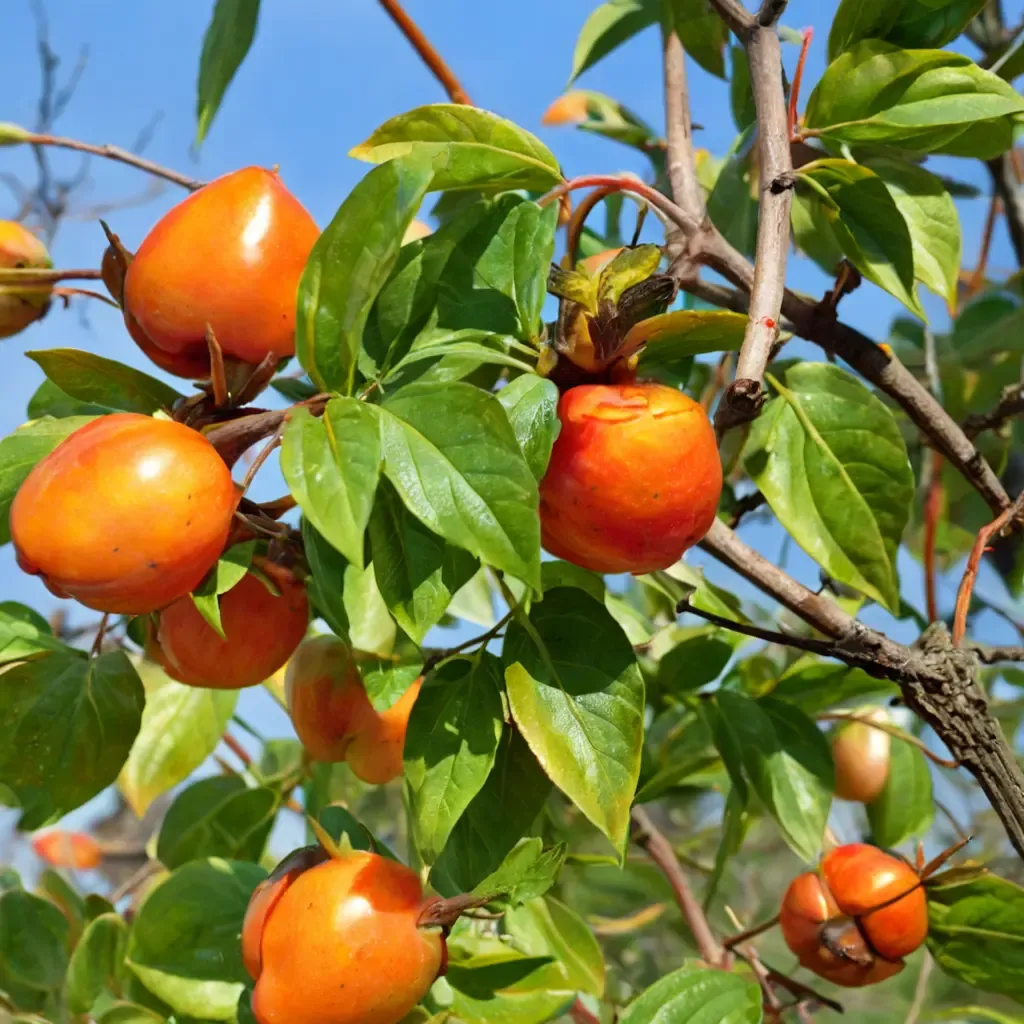
Fuyu Persimmon
Diospyros kaki 'Fuyu Imoto'
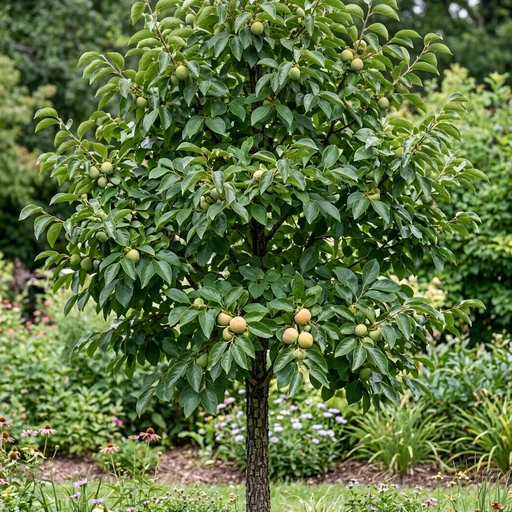
American Persimmon
Diospyros virginiana
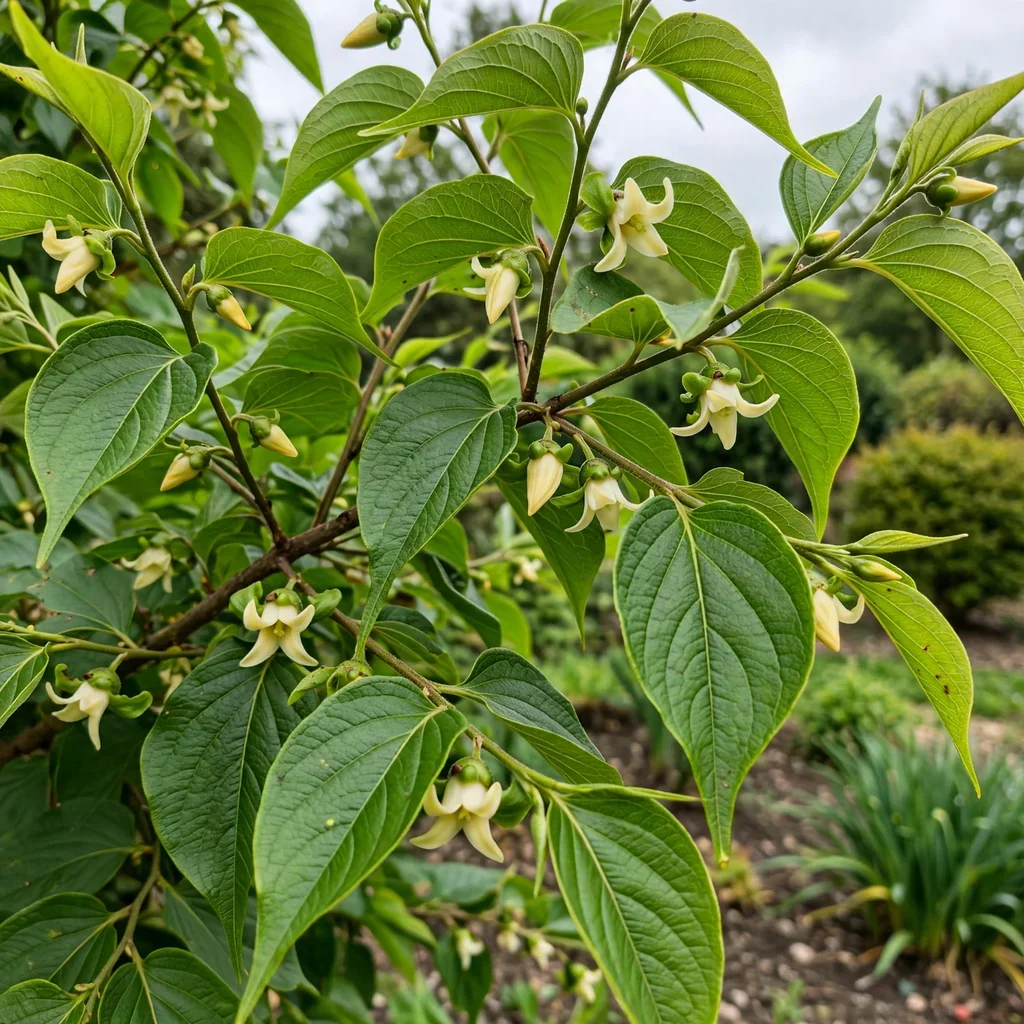
Japanese Persimmon
Diospyros kaki
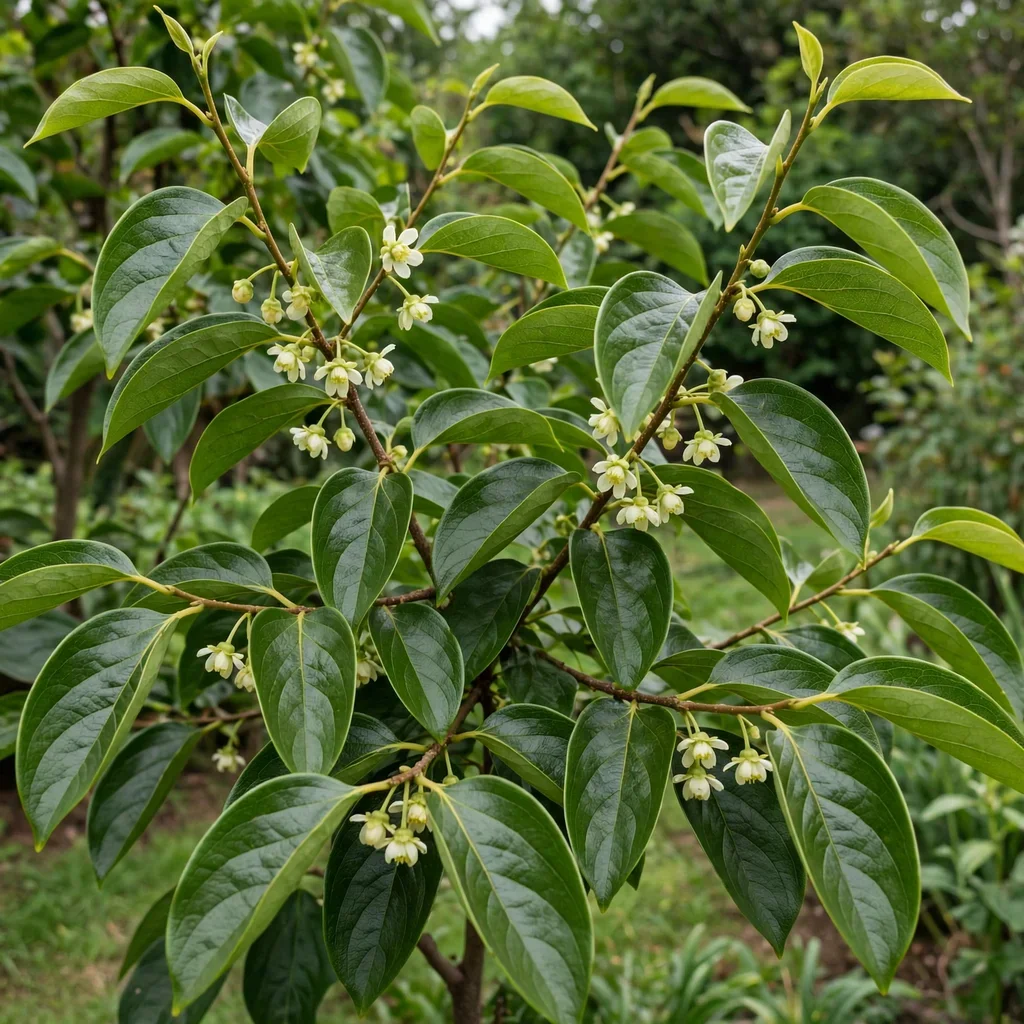
Izu Persimmon
Diospyros kaki 'Izu'
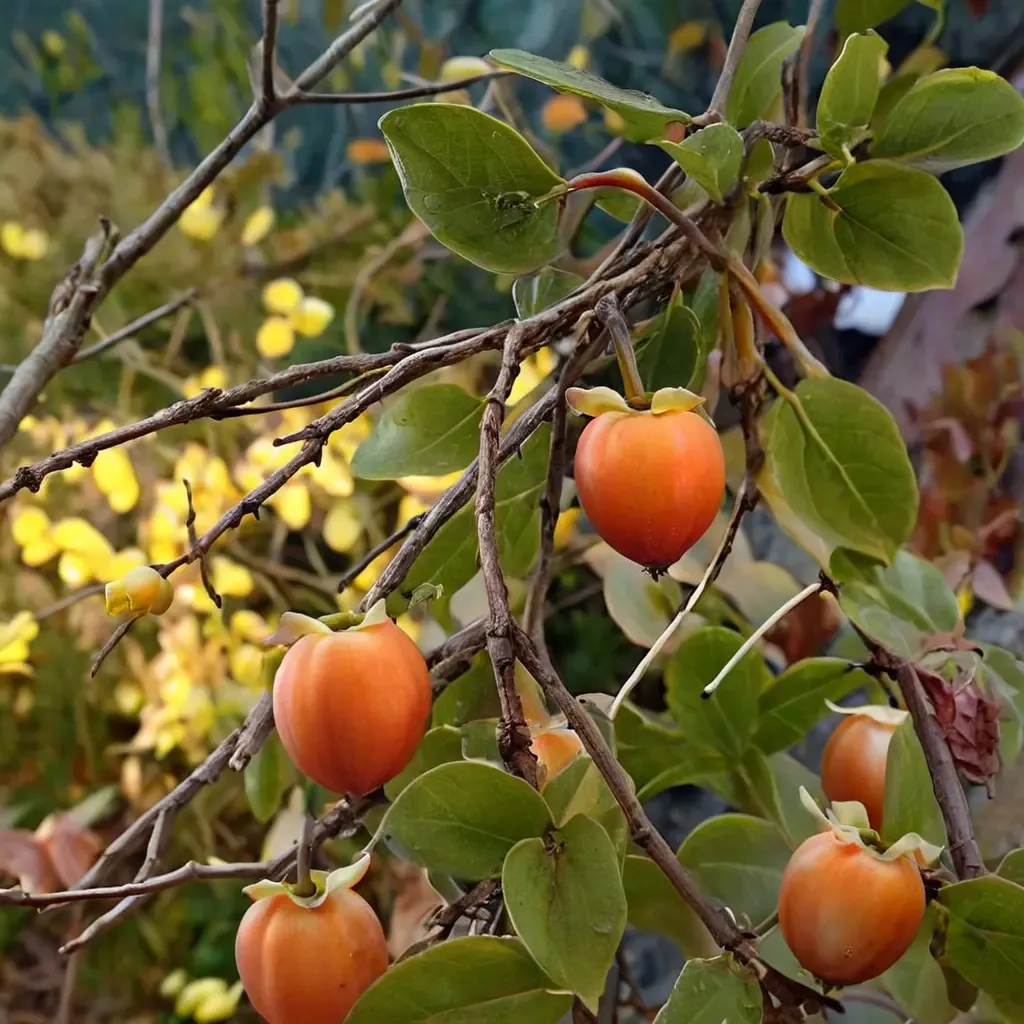
Hachiya Persimmon
Diospyros kaki 'Hachiya'
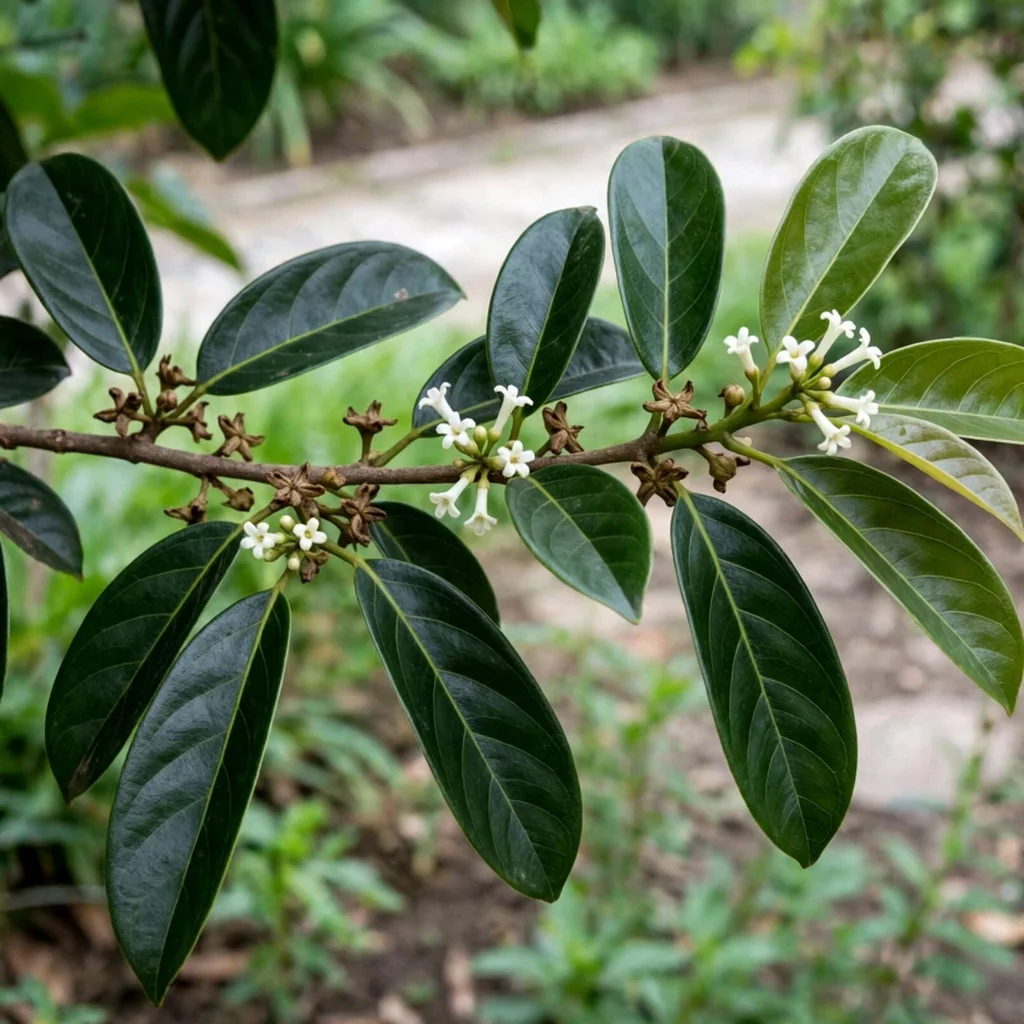
Black Sapote
Diospyros digyna
Keep exploring
Explore the genus
Hardy in your zone?
Grow Texas Persimmon with confidence
See it in a design of your actual yard, get zone-matched care reminders, and track it season by season in your garden journal.