The Story
Plant Bio
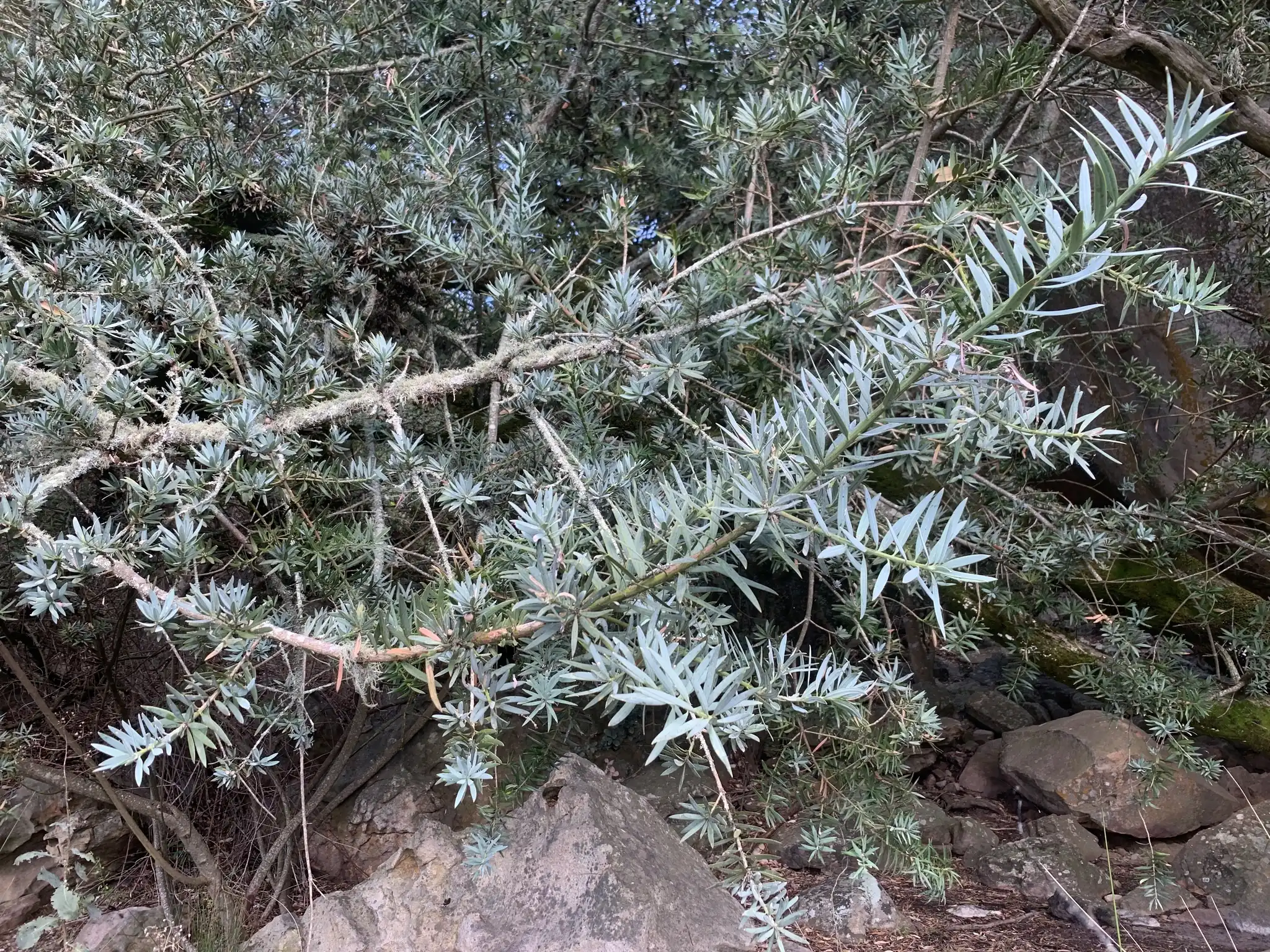
Podocarpus elongatus, the Breede River yellowwood, is a slow evergreen conifer from the Western Cape that grows as a dense upright pyramid or broad multi-stemmed shrub to twenty feet in gardens. New leaves emerge light green-blue and mature to cool gray-blue, narrow and about two inches long, with a duller surface than the broadleaf yellowwood and wood that resprouts from the base after cutting.
It is the only South African yellowwood that coppices freely, and individual plants are strictly male or female so isolated specimens often set no seed. Females ripen a fleshy green receptacle to scarlet-red beneath a single hard seed, while males release pollen from cream to pinkish cones thirty to forty millimeters long borne singly or in small clusters in the leaf axils.
Uses & Benefits:
Essentials
At a Glance
Plant Type
Tree
Height
240"
Width
144"
Light
Full Sun, Partial Sun
Zones
9, 10
Water
Moderate
Humidity
Low
Lifespan
Long-lived
Native To
Western Cape, South Africa
Toxicity
Toxic to dogs
Bloom period
Spring
In flower about 3 months of the year
Planting
How to Grow
- Plant in full sun to light shade in deep sandy loam with sharp drainage.
- Set the root ball level with grade and water deeply at planting, then regularly through the first summer.
- Mulch two to three inches, keeping mulch off the stem, to hold even moisture without waterlogging.
- Shear lightly in early summer to shape hedges and topiary; do not cut into leafless old wood.
- Once established, shift to deep occasional irrigation and protect young plants below 25F.
Pro Tip
Site for ten to twelve inches of growth a year and shear lightly to shape; buy a named female clone such as 'Monmal' if you want the red fleshy arils, since a lone seedling may never fruit.
Keep It Thriving
Care Guide
Do
- Plant in sandy, free-draining soil with room for a twenty-foot pyramid or broad shrub
- Water deeply during establishment, then reduce to occasional deep soakings
- Shear lightly to maintain density for screens near patios and pools
Don't
- Do not plant in soggy soil or heavy clay that stays wet
- Do not expect rapid screening — growth averages ten to twelve inches a year
- Do not eat foliage, stems or unripe fruit parts and keep dogs from chewing plants
Seasonal Care Calendar
| Task | Jan | Feb | Mar | Apr | May | Jun | Jul | Aug | Sep | Oct | Nov | Dec |
|---|---|---|---|---|---|---|---|---|---|---|---|---|
| Fertilize | ||||||||||||
| Mulch | ||||||||||||
| Pest Check | ||||||||||||
| Prune | ||||||||||||
| Winter Prep |
Watch Out For
Pests & Diseases
Common Pests
Common Diseases
In the Garden
Landscape Uses & Companions
Landscape Uses
Multiply
Propagation Methods
Good to Know
Common Questions
Breede River Yellowwood questions
What zones can Breede River Yellowwood grow in?
Breede River Yellowwood is hardy in USDA Zones 9–10: in that range it survives winter in the ground. Colder than Zone 9, winters are too cold for it to survive outdoors.
When does Breede River Yellowwood bloom?
Breede River Yellowwood typically blooms in spring. Exact timing shifts a week or two with your zone — Sow's bloom calendar maps it to your garden.
Does Breede River Yellowwood need full sun?
Breede River Yellowwood does best in full sun to part shade. In hot climates, afternoon shade keeps blooms fresher longer.
Is Breede River Yellowwood drought tolerant?
Yes — once established (usually after the first full season), Breede River Yellowwood handles dry spells with minimal watering. Water deeply its first year to build the root system that makes that possible.
More Podocarpus to compare
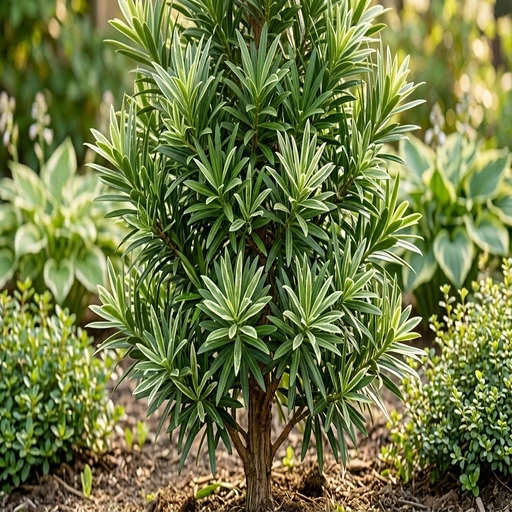
Roman Candle Podocarpus
Podocarpus macrophyllus 'Miu'
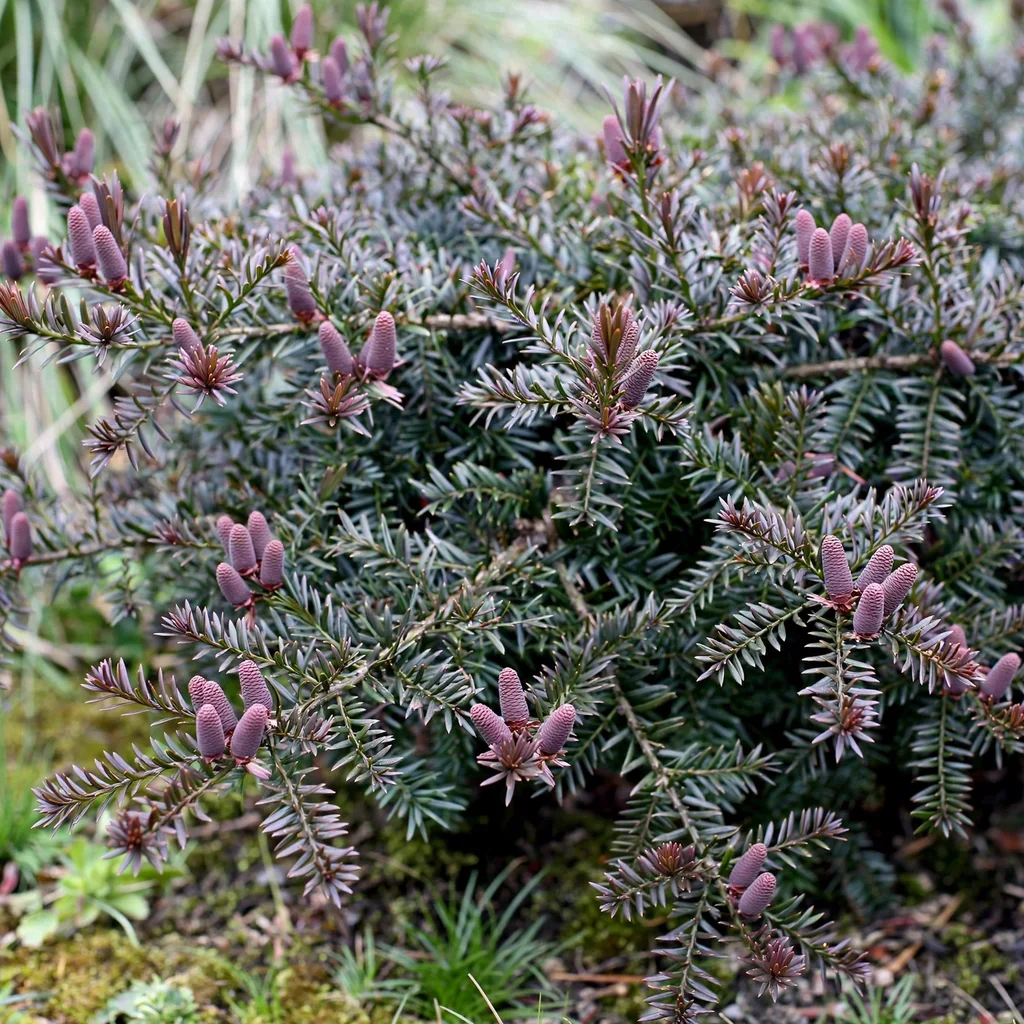
Mountain Plum-pine
Podocarpus lawrencei 'Purple King'
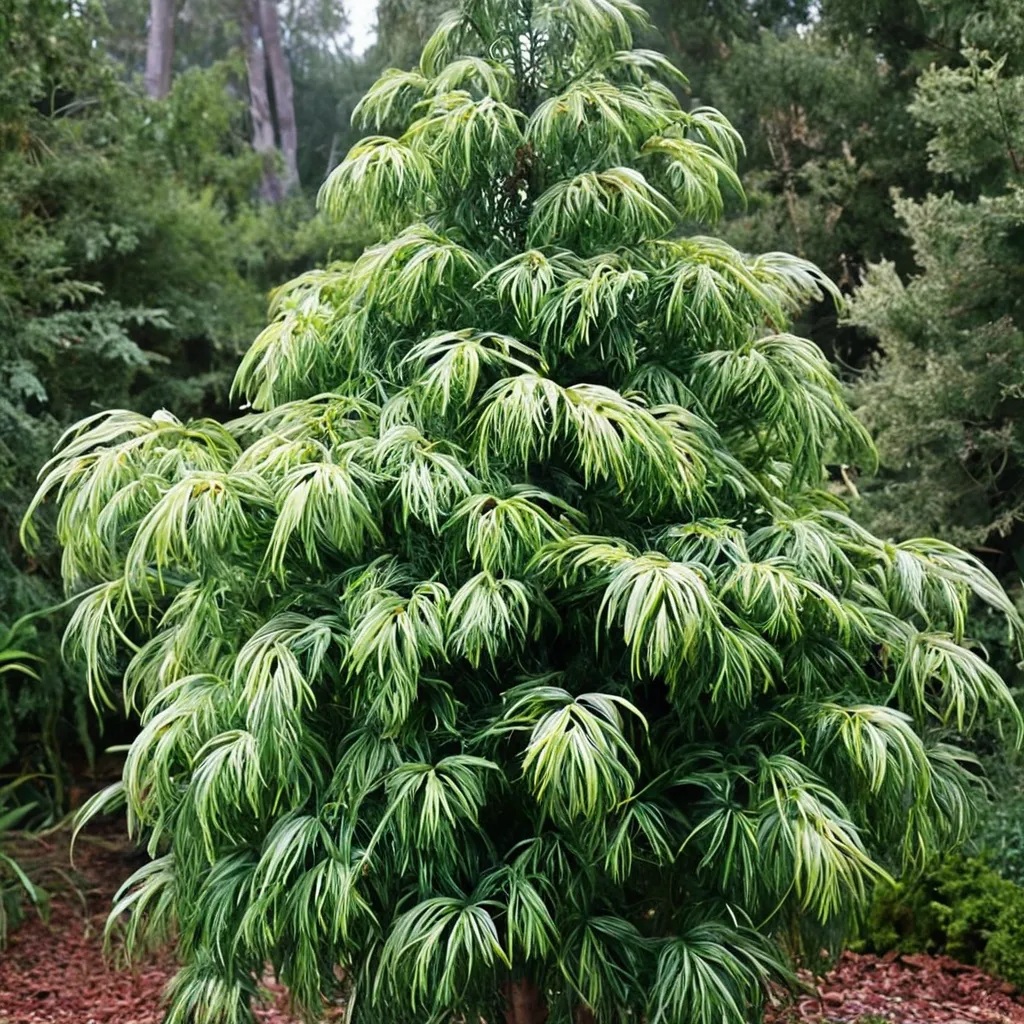
Henkel's Yellowwood
Podocarpus henkelii
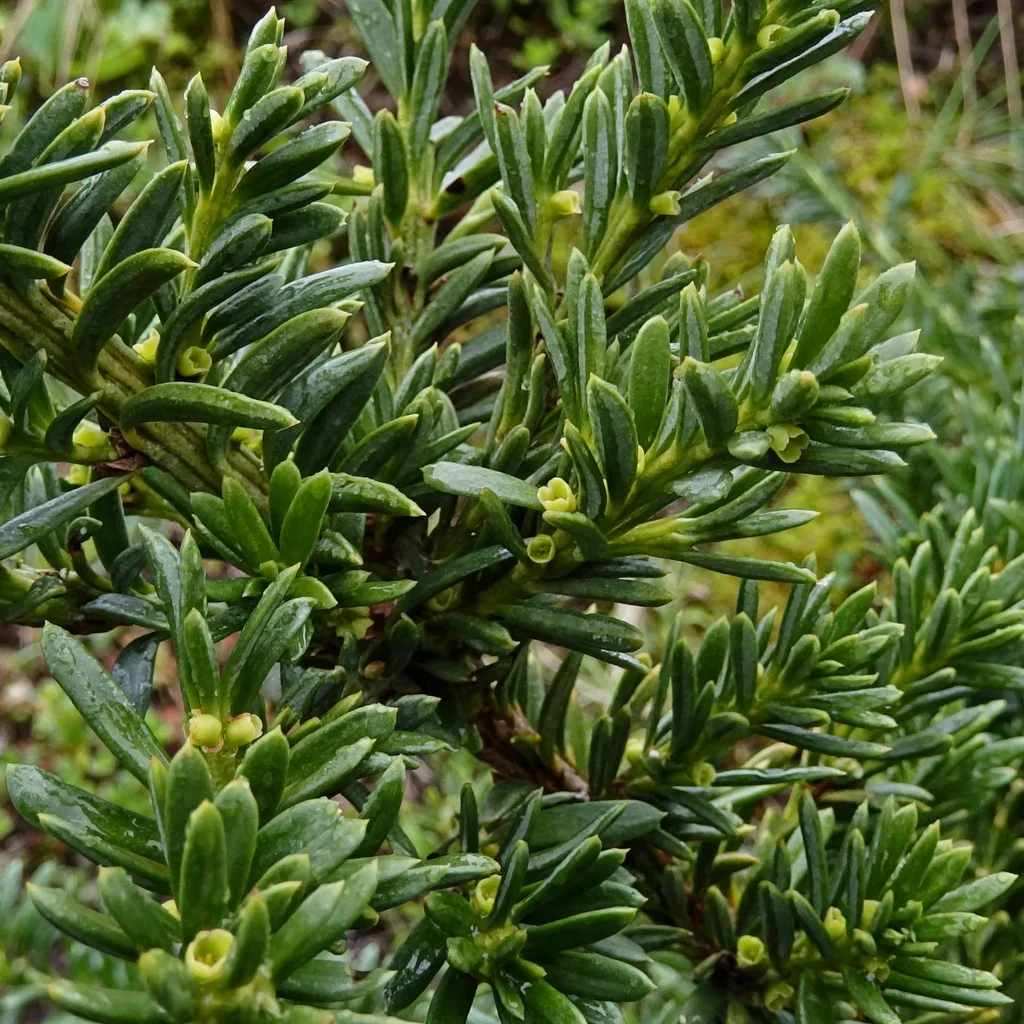
Snow Podocarp
Podocarpus nivalis 'Female Form'
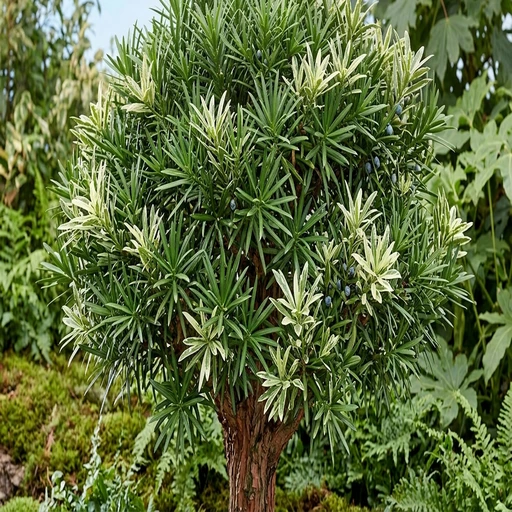
Yew Plum Pine
Podocarpus macrophyllus
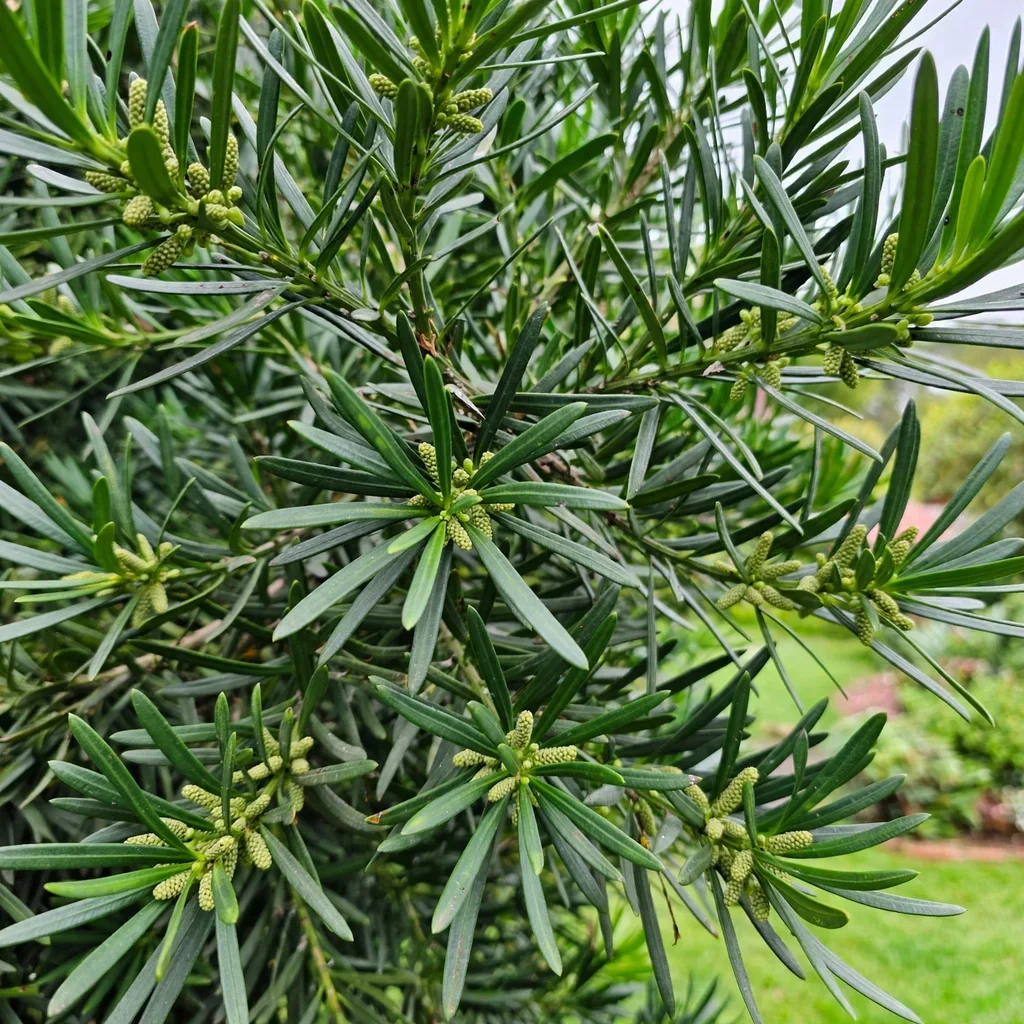
Outeniqua Yellowwood
Podocarpus falcatus
Keep exploring
Explore the genus
Hardy in your zone?
Grow Breede River Yellowwood with confidence
See it in a design of your actual yard, get zone-matched care reminders, and track it season by season in your garden journal.