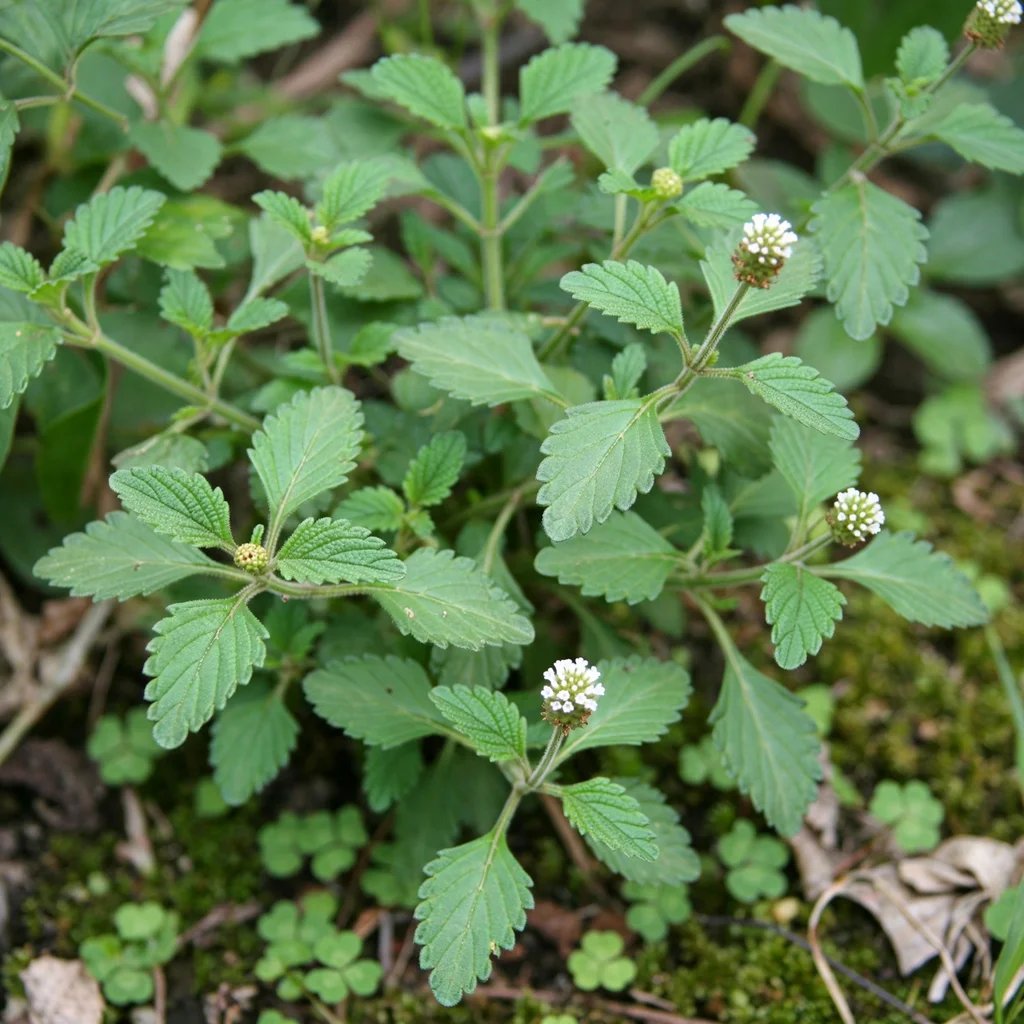
The Story
Plant Bio
Phyla dulcis is a trailing member of the verbena family that roots along its stems to form a low mat about 10 inches tall and 4 feet wide. The paired toothed green leaves release a sweet fragrance when crushed, and the stem tips carry small cone-shaped spikes of tiny white flowers from spring to fall.
Unlike true stevia, its sweet leaves carry a high camphor oil load that causes nausea and seizures in quantity and makes it unsafe in pregnancy. It runs like mint in warm moist soil and turns long, straggly and woody in shade or standing water, holding dense only with full sun, lean drainage and frequent pinching.
Uses & Benefits:
Essentials
At a Glance
Plant Type
Groundcover
Height
12"
Width
48"
Light
Full Sun, Partial Sun
Zones
7, 8, 9, 10
Water
Average
Humidity
High
Lifespan
Tender perennial
Native To
Mexico, Central America and Caribbean to South America
Toxicity
Toxic if ingested
Bloom period
Spring – Fall
In flower about 9 months of the year
Planting
How to Grow
- Plant out after frost in full sun with at least 6 hours of direct sun, spacing 12 to 18 inches to allow runners to root.
- Set into loose, rich sandy or silt loam pH 6-8 that drains freely; keep evenly moist but never in standing water.
- Water to settle in, then water when the top inch dries; established mats take short dry spells but check daily in heat.
- Pinch shoot tips every 2 to 3 weeks in summer to force branching and prevent mint-like takeover.
- Bring containers indoors before first frost; outdoor plants die below 32F and regrow only where winters stay mild.
Pro Tip
Pinch shoot tips often to keep the mat dense; shade plus wet soil produces long woody stragglers with little flavor.
Keep It Thriving
Care Guide
Do
- Do give 6+ hours of sun and good airflow to keep stems short and leafy.
- Do pinch and trim stragglers to force side shoots.
- Do grow in well-drained soil and empty saucers after watering.
Don't
- Do not plant in shade or constantly wet soil; stems turn woody and sparse.
- Do not ingest freely as a stevia substitute; foliage is high in camphor and toxic in quantity.
- Do not use if pregnant or nursing, and keep away from small children and pets.
Seasonal Care Calendar
| Task | Jan | Feb | Mar | Apr | May | Jun | Jul | Aug | Sep | Oct | Nov | Dec |
|---|---|---|---|---|---|---|---|---|---|---|---|---|
| Pest Check | ||||||||||||
| Pinch | ||||||||||||
| Plant | ||||||||||||
| Prune | ||||||||||||
| Winter Prep |
Watch Out For
Pests & Diseases
Common Pests
Common Diseases
In the Garden
Landscape Uses & Companions
Landscape Uses
Companion Plants
Multiply
Propagation Methods
Good to Know
Common Questions
Aztec Sweet Herb questions
What zones can Aztec Sweet Herb grow in?
Aztec Sweet Herb is hardy in USDA Zones 7–10: in that range it survives winter in the ground. Colder than Zone 7, grow it in a container you can move to shelter for the winter, or as an annual.
Is Aztec Sweet Herb deer resistant?
Yes — Aztec Sweet Herb is rated deer-resistant. Deer typically pass it over, though extreme hunger can override any plant's defenses.
When does Aztec Sweet Herb bloom?
Aztec Sweet Herb typically blooms from spring to fall. Exact timing shifts a week or two with your zone — Sow's bloom calendar maps it to your garden.
Does Aztec Sweet Herb need full sun?
Aztec Sweet Herb does best in full sun to part shade. In hot climates, afternoon shade keeps blooms fresher longer.
Is Aztec Sweet Herb drought tolerant?
Yes — once established (usually after the first full season), Aztec Sweet Herb handles dry spells with minimal watering. Water deeply its first year to build the root system that makes that possible.
More Phyla to compare
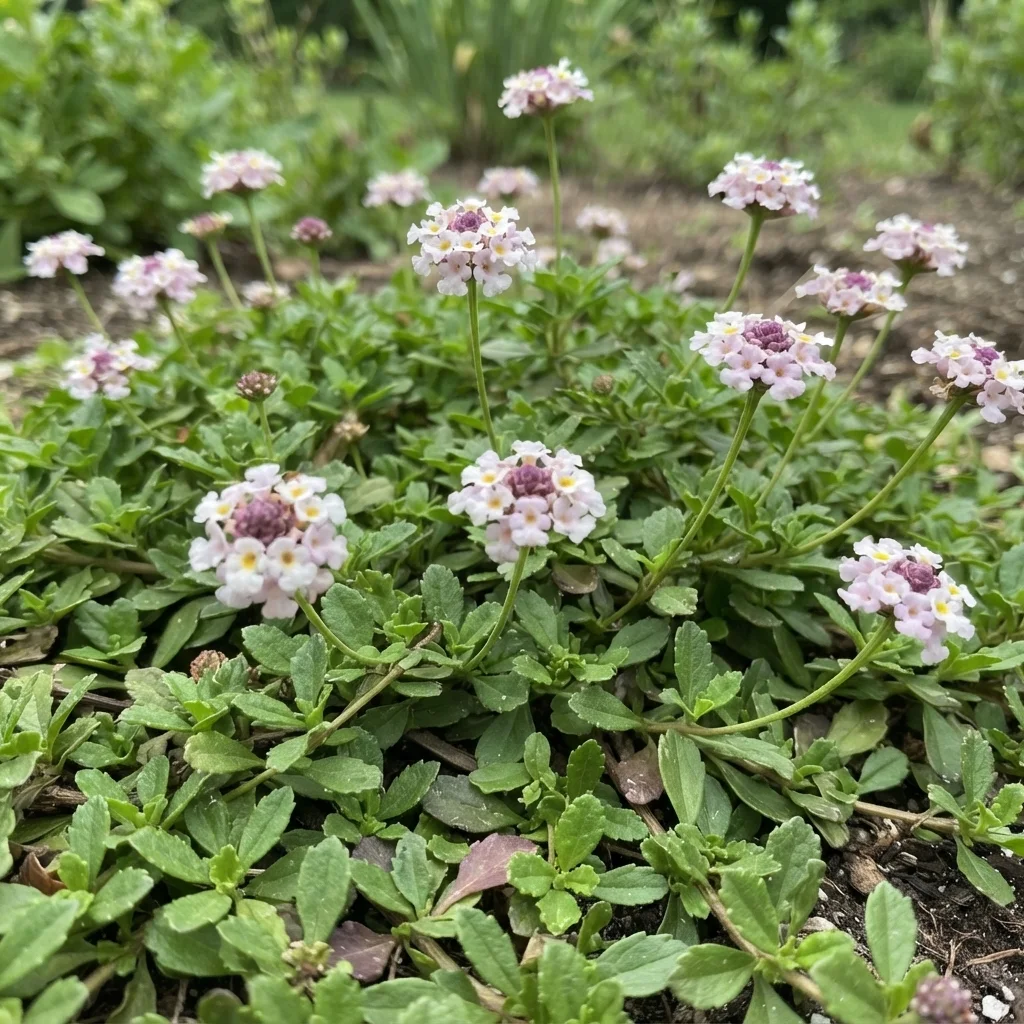
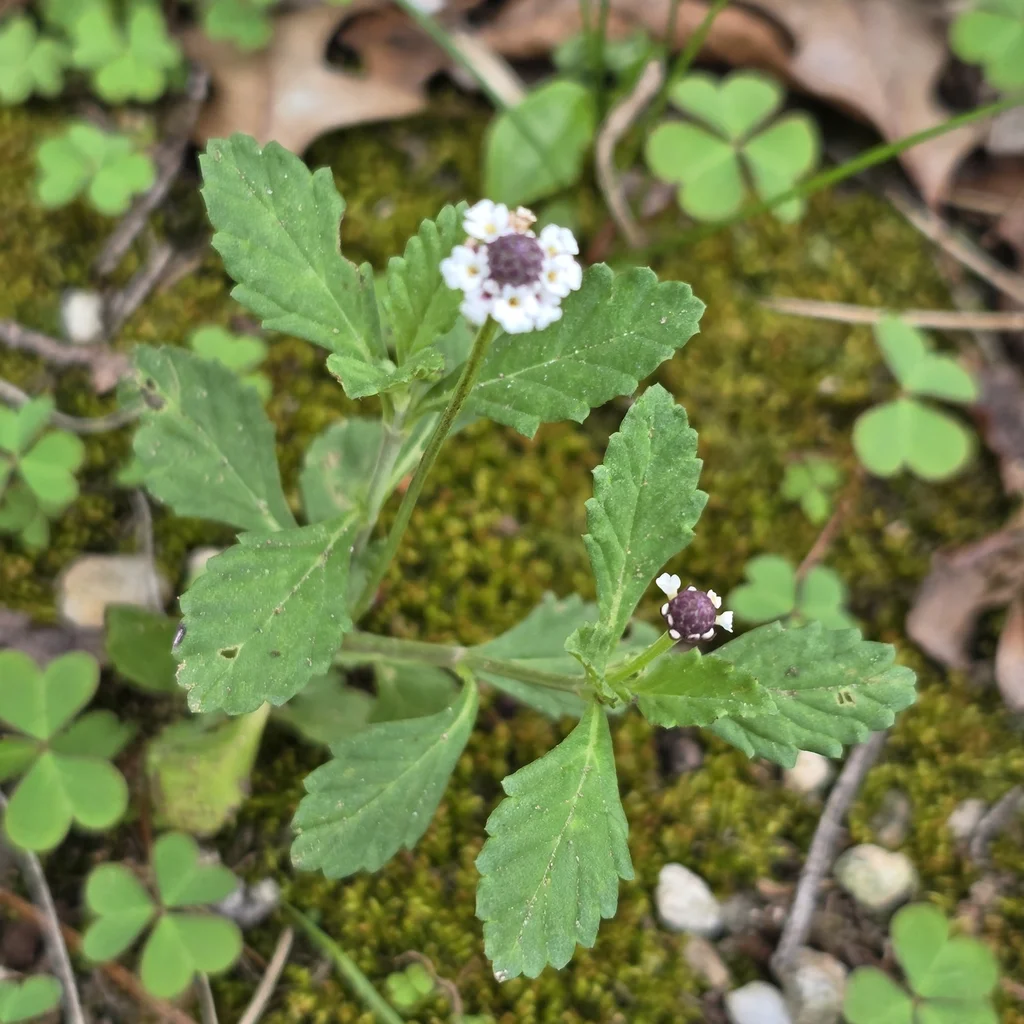
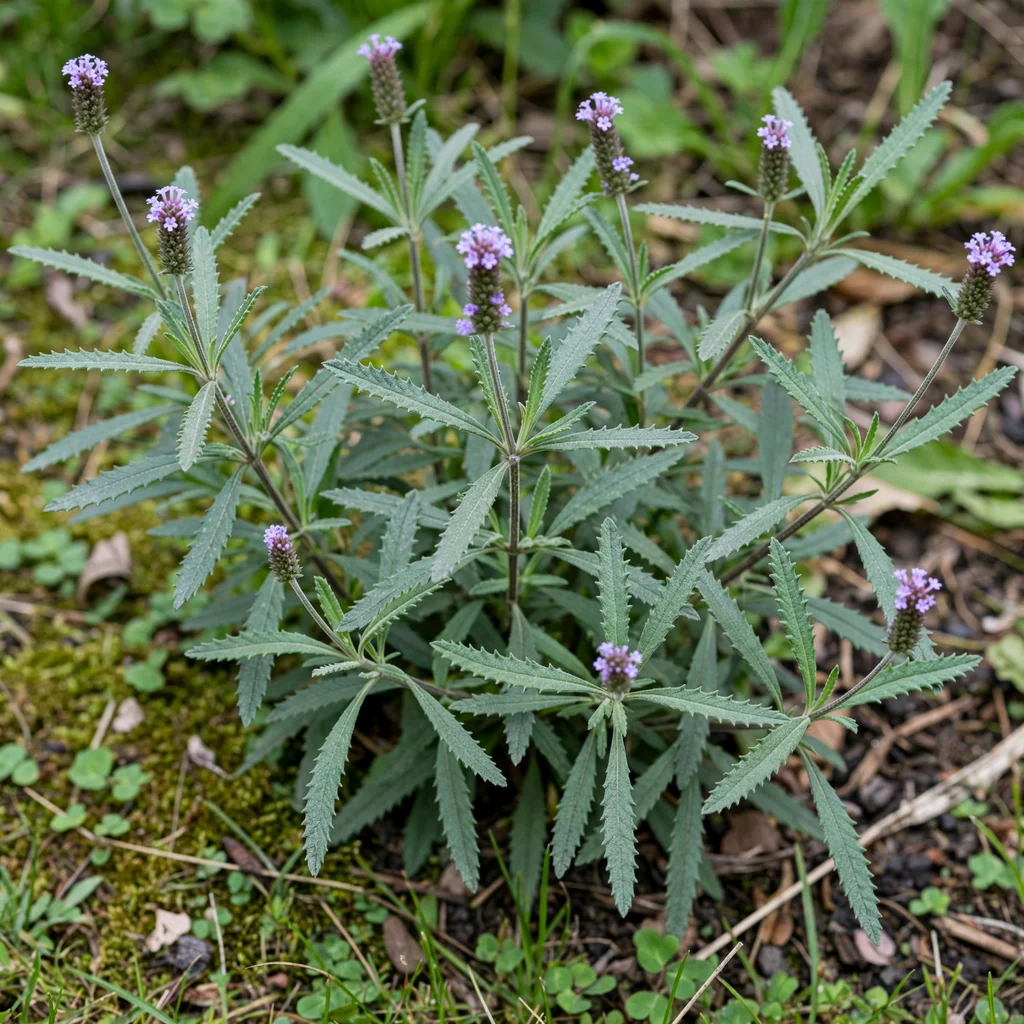
Keep exploring
Explore the genus
Hardy in your zone?
Grow Aztec Sweet Herb with confidence
See it in a design of your actual yard, get zone-matched care reminders, and track it season by season in your garden journal.