
The Story
Plant Bio
Agave albopilosa is a very slow-growing evergreen succulent forming a dense solitary to clumping rosette 10 to 12 inches high and 16 to 20 inches wide. The thick ridged mid-green to dark-green leaves are narrow and upturned, and the rosette dies after producing a single unbranched 2- to 4-foot flower spike at maturity.
What sets it apart is the tuft of fluffy white woolly hairs carried at each leaf tip, a trait rare in the genus and the reason for its white-haired common name. It is one of the smallest and most range-restricted agaves, a saxicolous endemic of near-vertical limestone cliffs at 3,300 to 4,900 feet in Huasteca Canyon, and it demands the same sharp drainage in cultivation.
Uses & Benefits:
Essentials
At a Glance
Plant Type
Cactus Succulent
Height
12"
Width
18"
Light
Full Sun, Partial Sun
Zones
9, 10
Water
Low
Humidity
Low, needs dry air
Lifespan
Monocarpic perennial, slow
Native To
Northeastern Mexico
Toxicity
Irritant sap, skin irritant
Bloom period
Spring – Summer
In flower about 6 months of the year
Marketplace
Where to Buy
Shipping costs Year-round shipping Free shipping
Planting
How to Grow
- Site in full sun to light shade with afternoon shade in hot inland gardens and free air movement.
- Plant high in very well-drained limestone or sandy rock mix, with the crown above grade.
- Water deeply then let dry completely; irrigate only occasionally once established.
- Keep completely dry in winter rain and protect pots below 25F.
- Feed little or not at all; do not cut live leaves.
Pro Tip
Plant it high in pure rock or limestone grit and keep it dry in winter; standing winter wet kills it faster than cold.
Keep It Thriving
Care Guide
Do
- Give maximum drainage with rock, coarse sand, and a clay pot.
- Water rarely and only when the mix is fully dry.
- Protect from winter wet under an eave or cold frame.
Don't
- Do not plant in heavy clay or low spots that hold water.
- Do not overwater to force faster growth; it rots.
- Do not prune live leaves or cut into the crown.
Seasonal Care Calendar
| Task | Jan | Feb | Mar | Apr | May | Jun | Jul | Aug | Sep | Oct | Nov | Dec |
|---|---|---|---|---|---|---|---|---|---|---|---|---|
| Pest Check | ||||||||||||
| Plant | ||||||||||||
| Propagate | ||||||||||||
| Spring Cleanup | ||||||||||||
| Winter Prep |
Watch Out For
Pests & Diseases
Common Pests
Common Diseases
In the Garden
Landscape Uses & Companions
Landscape Uses
Multiply
Propagation Methods
Good to Know
Common Questions
White Hair Agave questions
What zones can White Hair Agave grow in?
White Hair Agave is hardy in USDA Zones 9–10: in that range it survives winter in the ground. Colder than Zone 9, grow it in a container you can move to shelter for the winter, or as an annual.
When does White Hair Agave bloom?
White Hair Agave typically blooms from spring to summer. Exact timing shifts a week or two with your zone — Sow's bloom calendar maps it to your garden.
Does White Hair Agave need full sun?
White Hair Agave does best in full sun to part shade. In hot climates, afternoon shade keeps blooms fresher longer.
Is White Hair Agave drought tolerant?
Yes — once established (usually after the first full season), White Hair Agave handles dry spells with minimal watering. Water deeply its first year to build the root system that makes that possible.
More Agave to compare
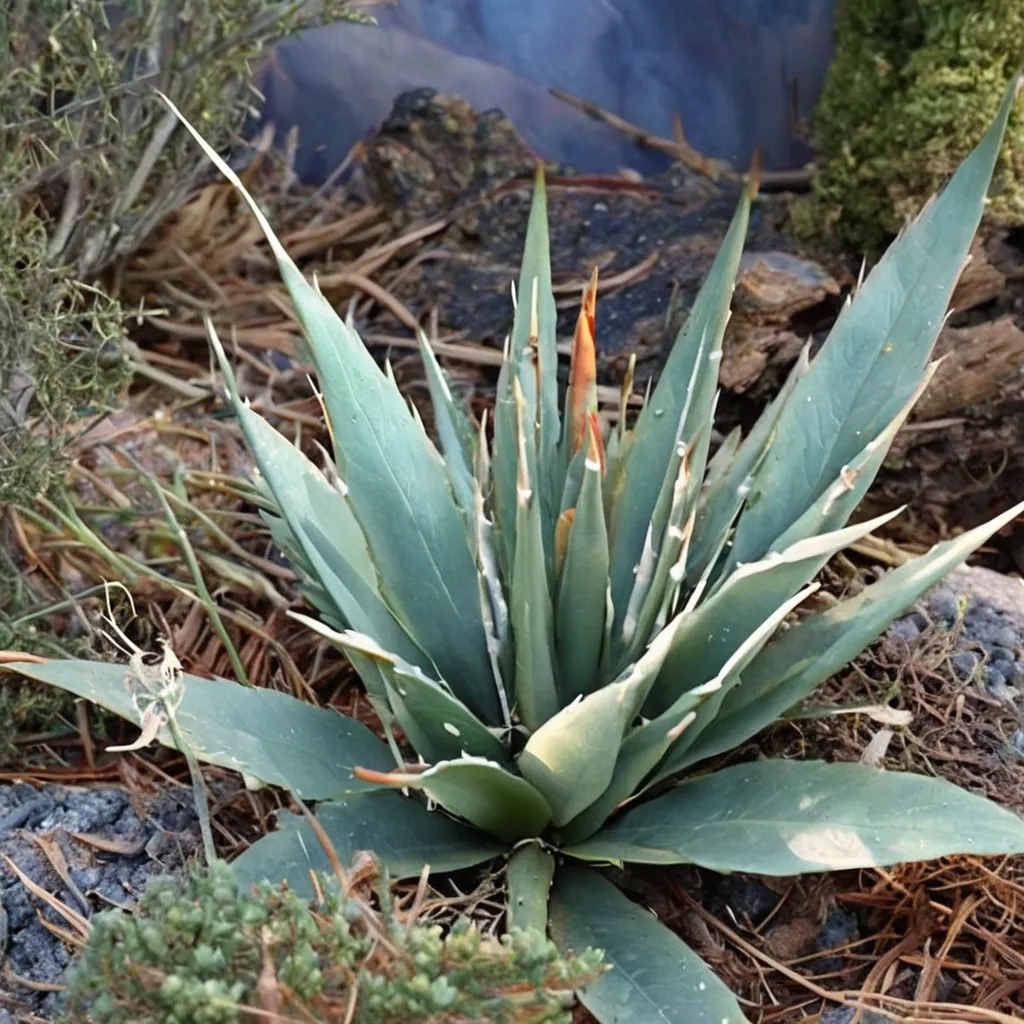
Utah Agave Kaibabensis
Agave utahensis 'kaibabensis'
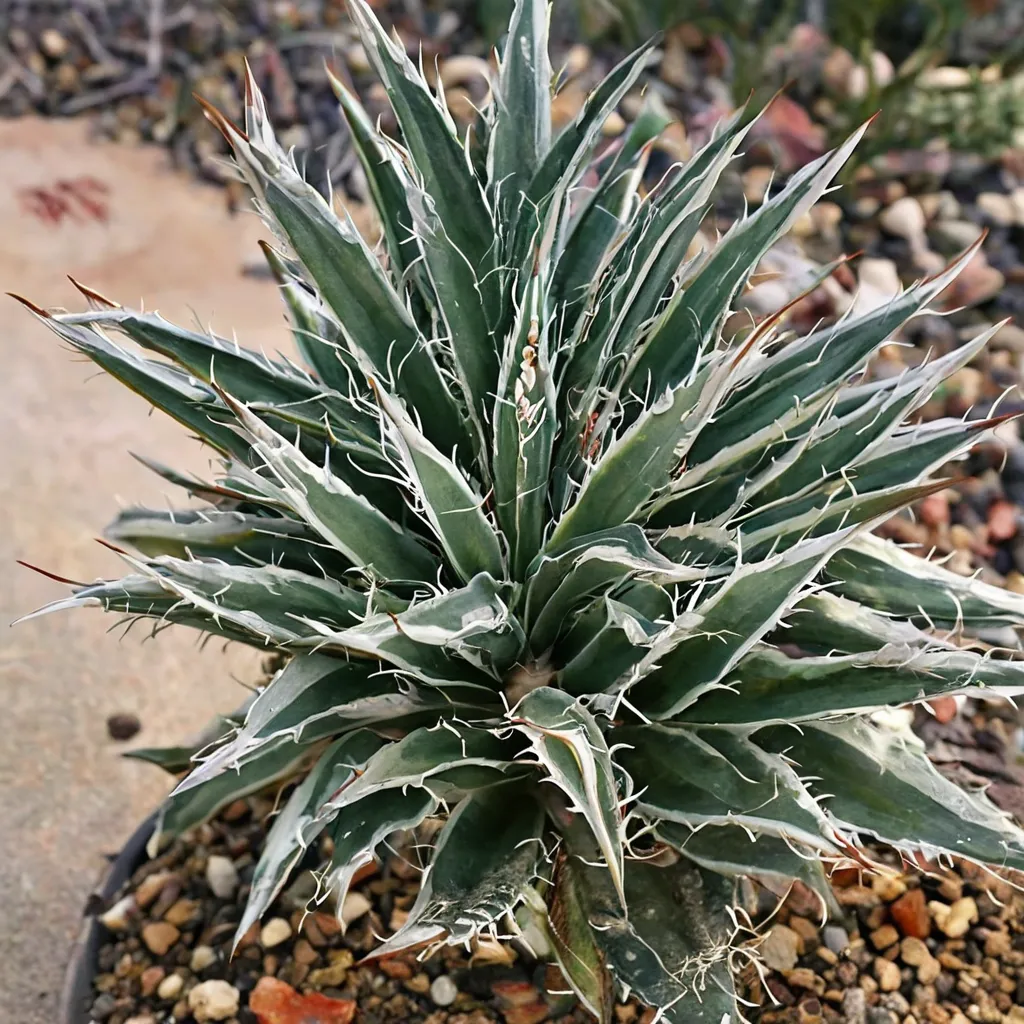
Toumey's Agave
Agave toumeyana
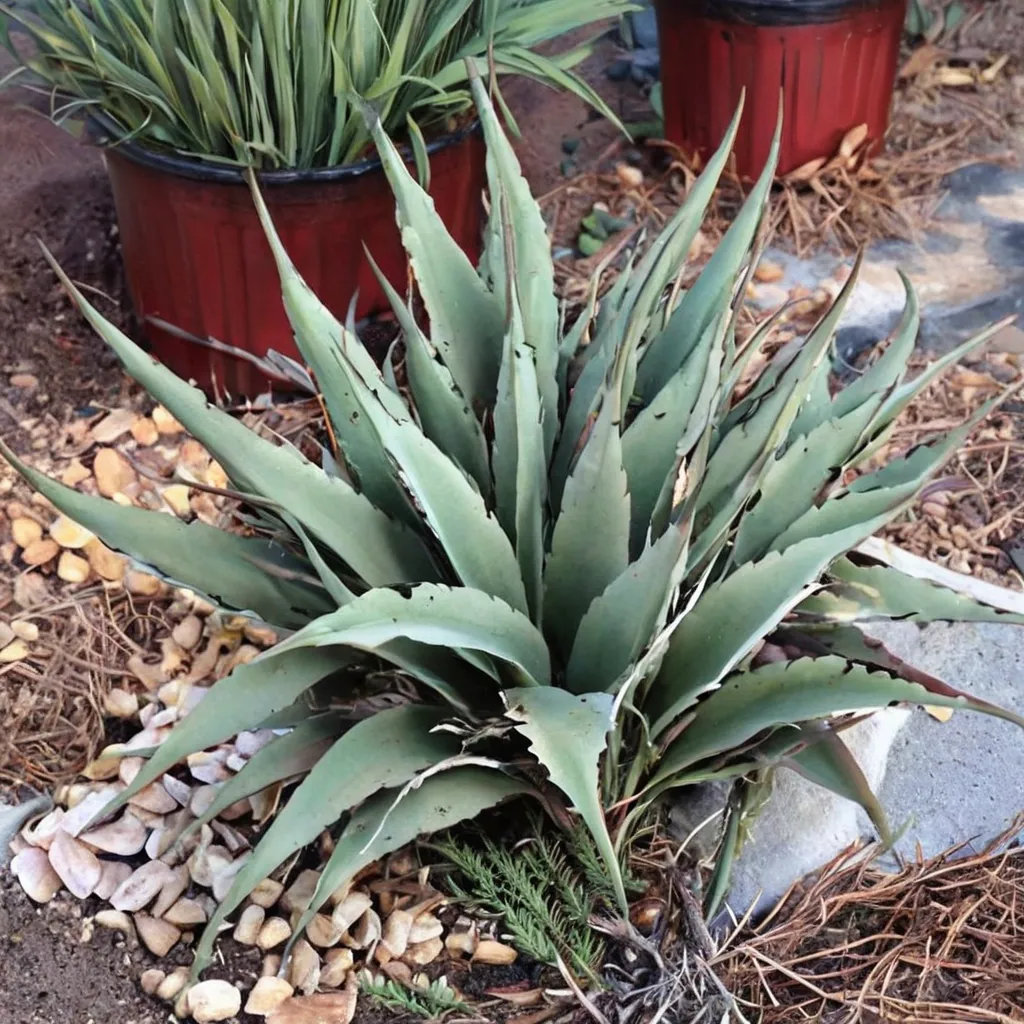
Slimfoot Century Plant
Agave gracilipes
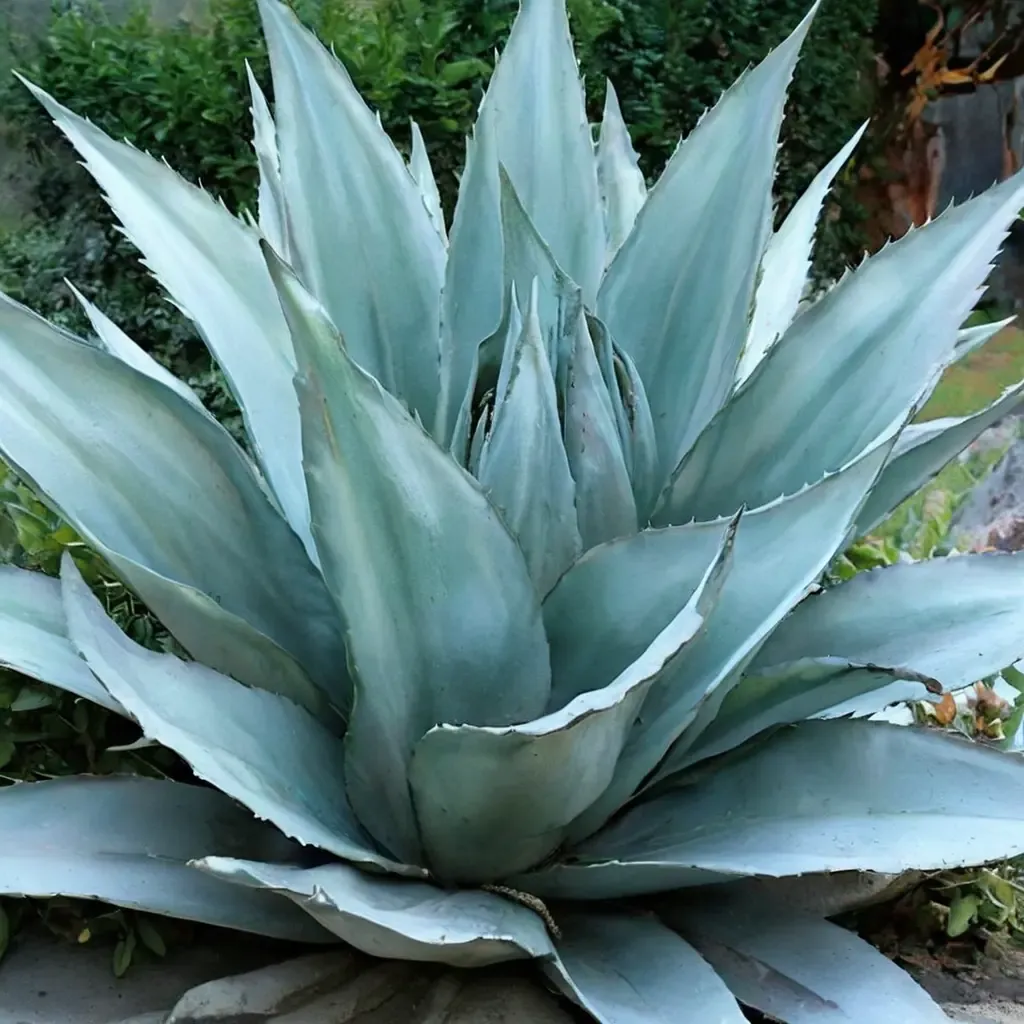
Vanzie Whale's Tongue Agave
Agave ovatifolia 'Vanzie'
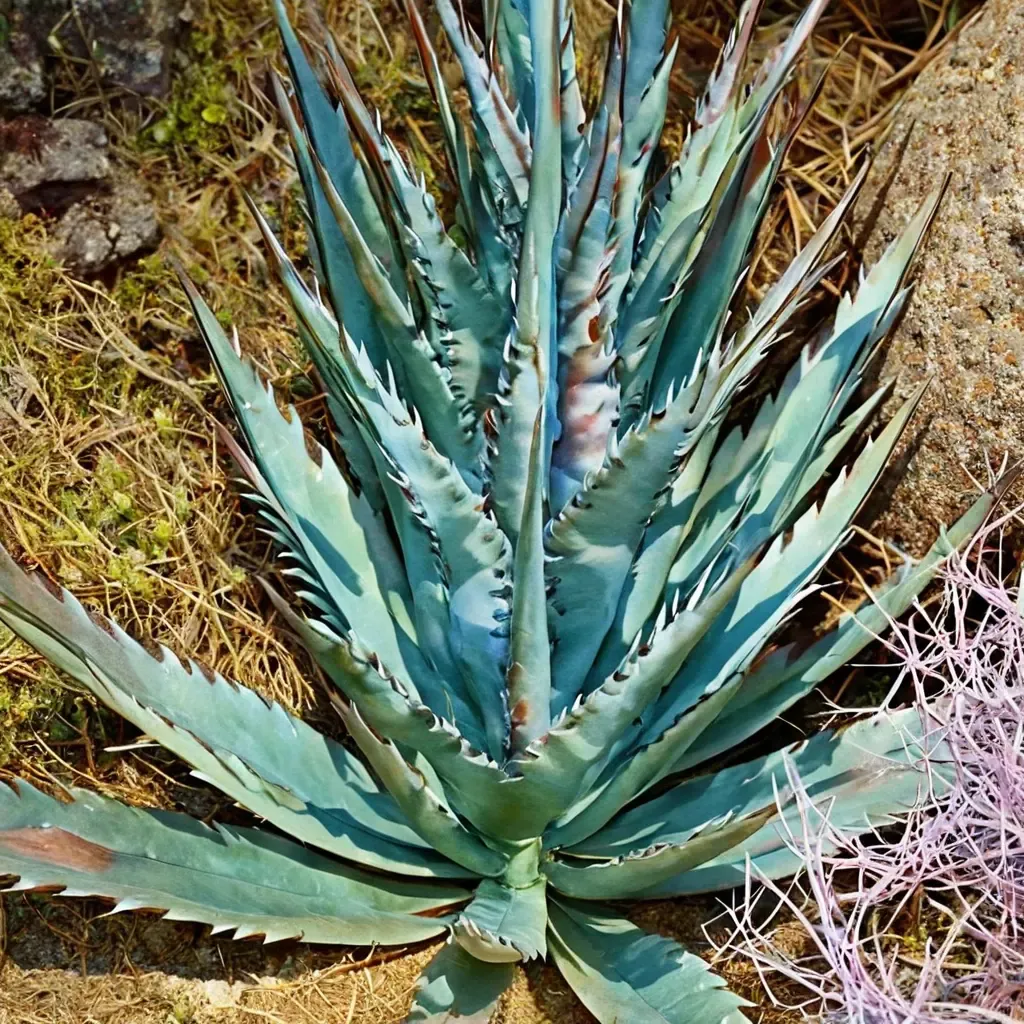
McKelvey's Agave
Agave mckelveyana
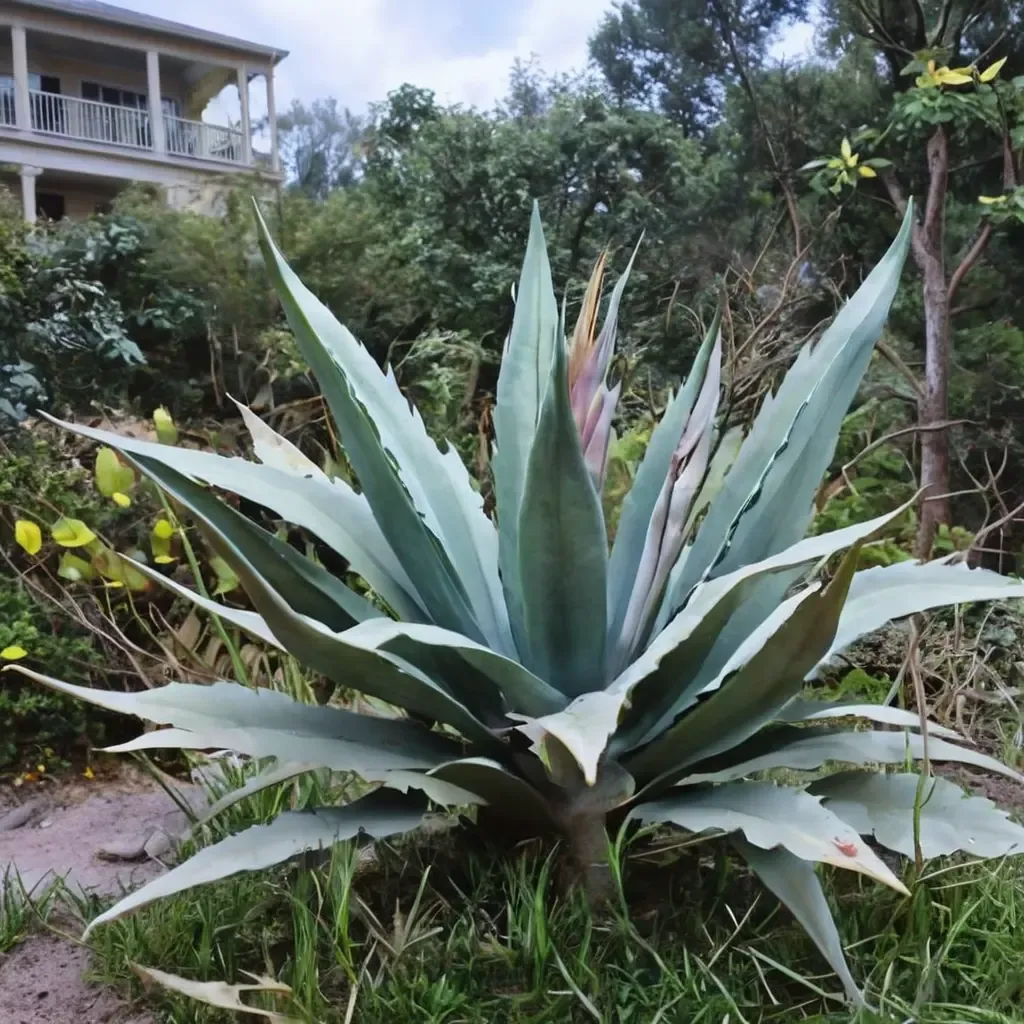
Grey Gator Agave
Agave x hybrida 'Grey Gator'
Keep exploring
Explore the genus
Hardy in your zone?
Grow White Hair Agave with confidence
See it in a design of your actual yard, get zone-matched care reminders, and track it season by season in your garden journal.