Also known as Hedgehog Cactus · 3 saves
Echinocereus
Echinocereus, the genus most gardeners know as hedgehog cactus. We track 5 varieties; the ones most used by real gardeners.
The 5 most-saved Echinocereus varieties
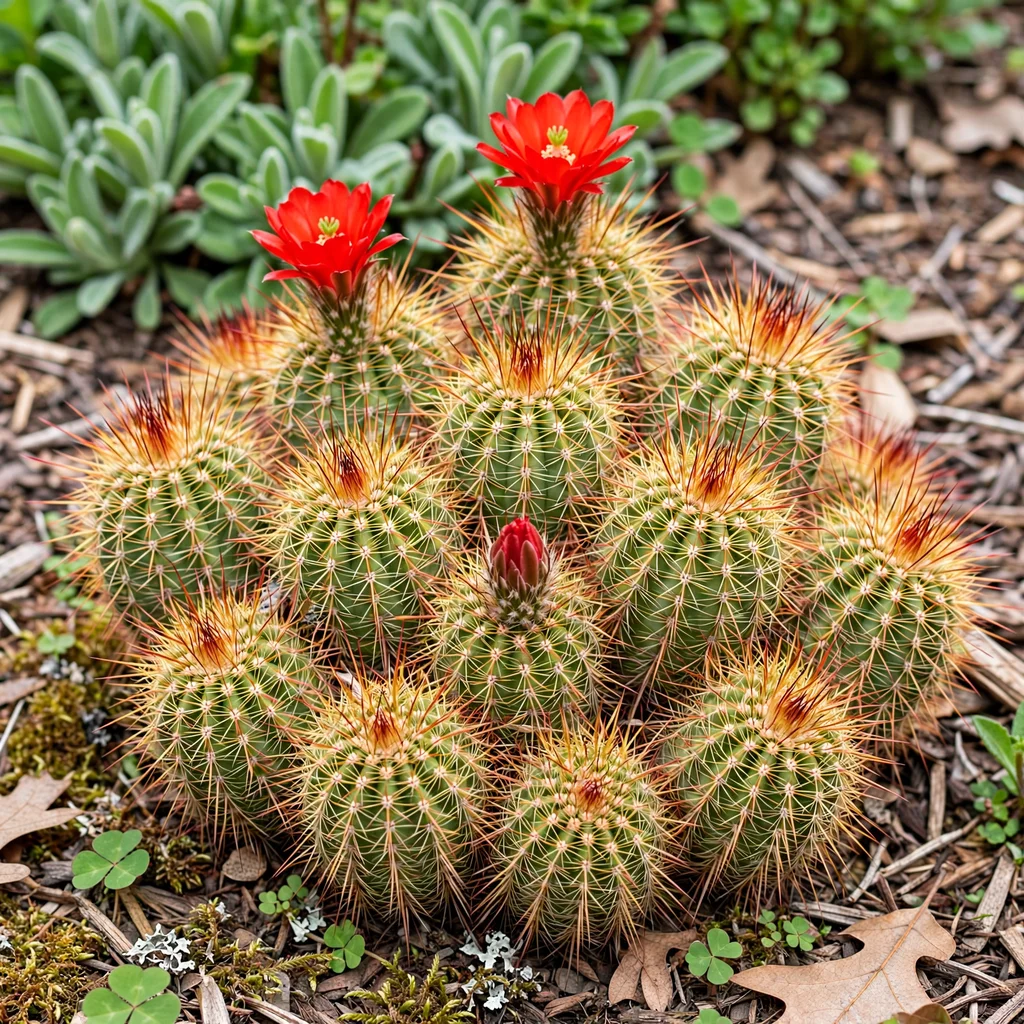
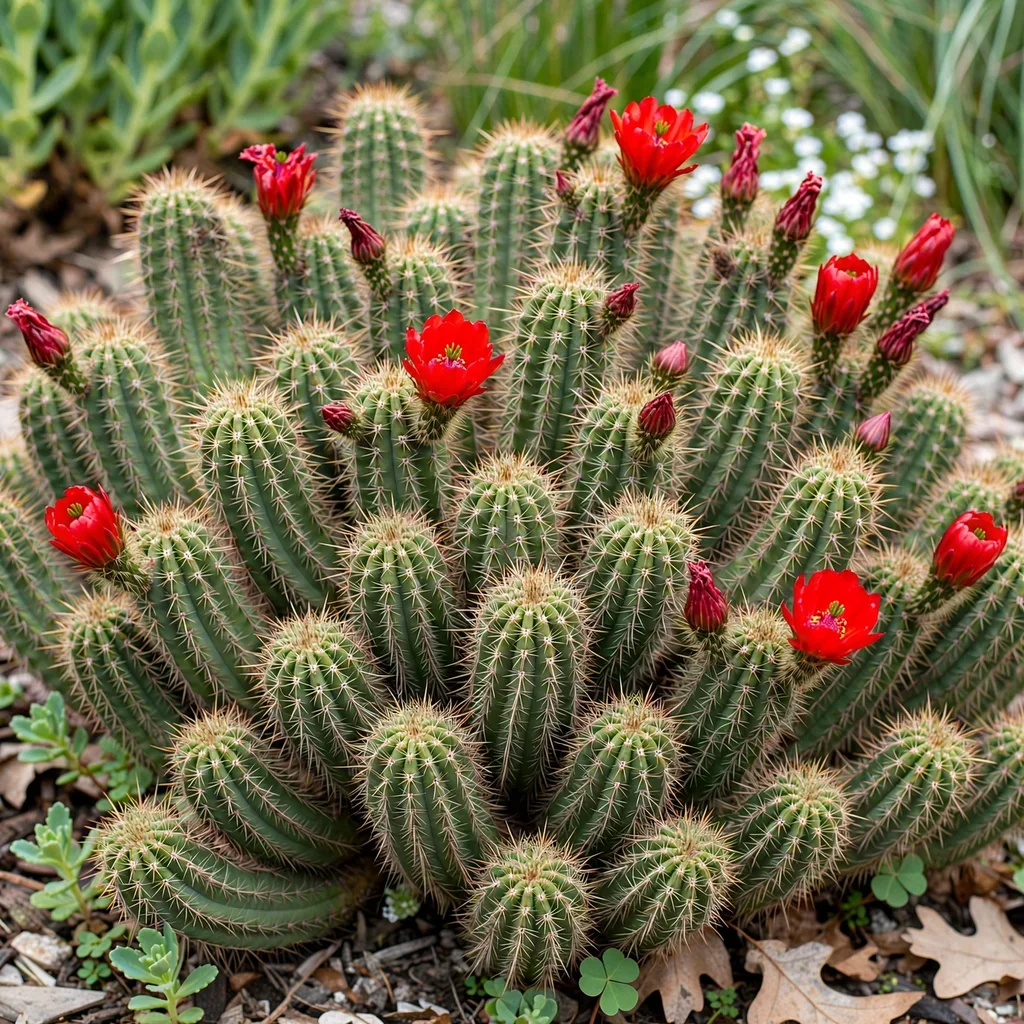
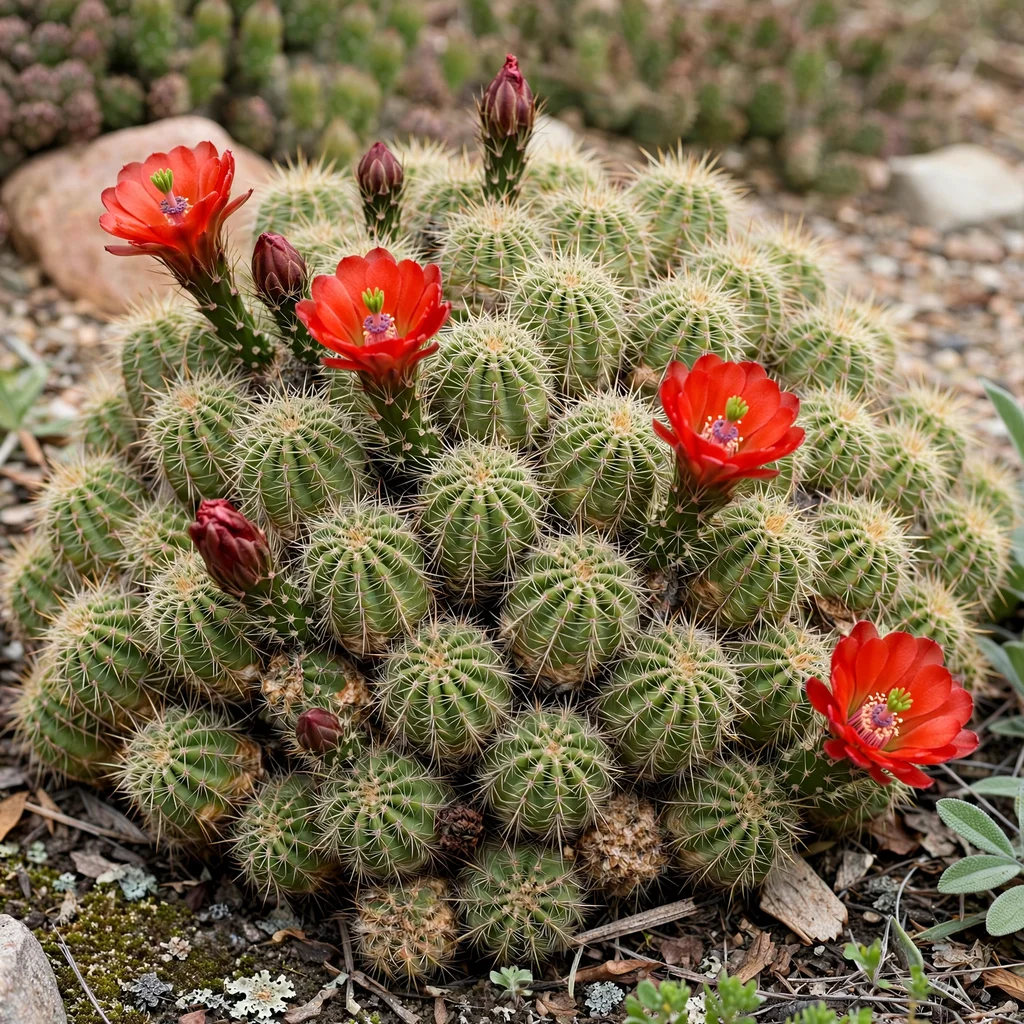
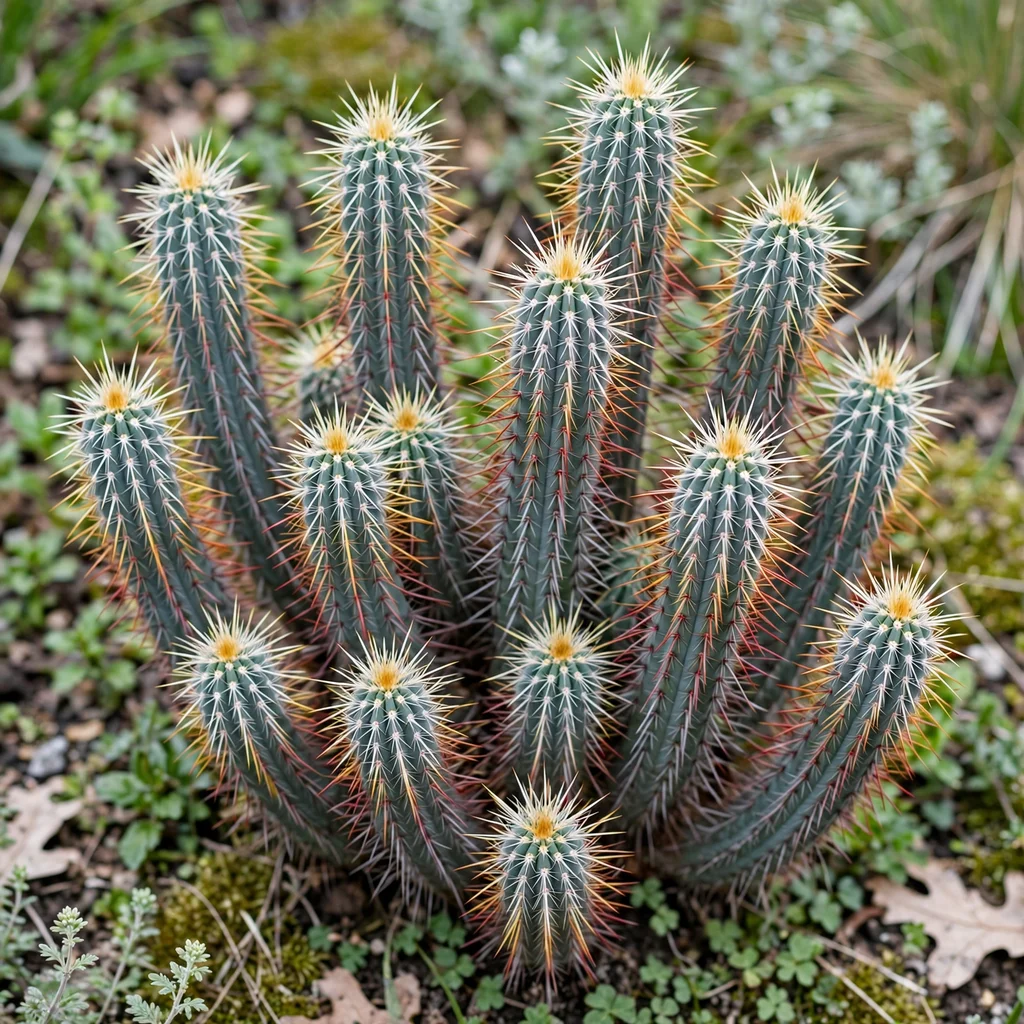
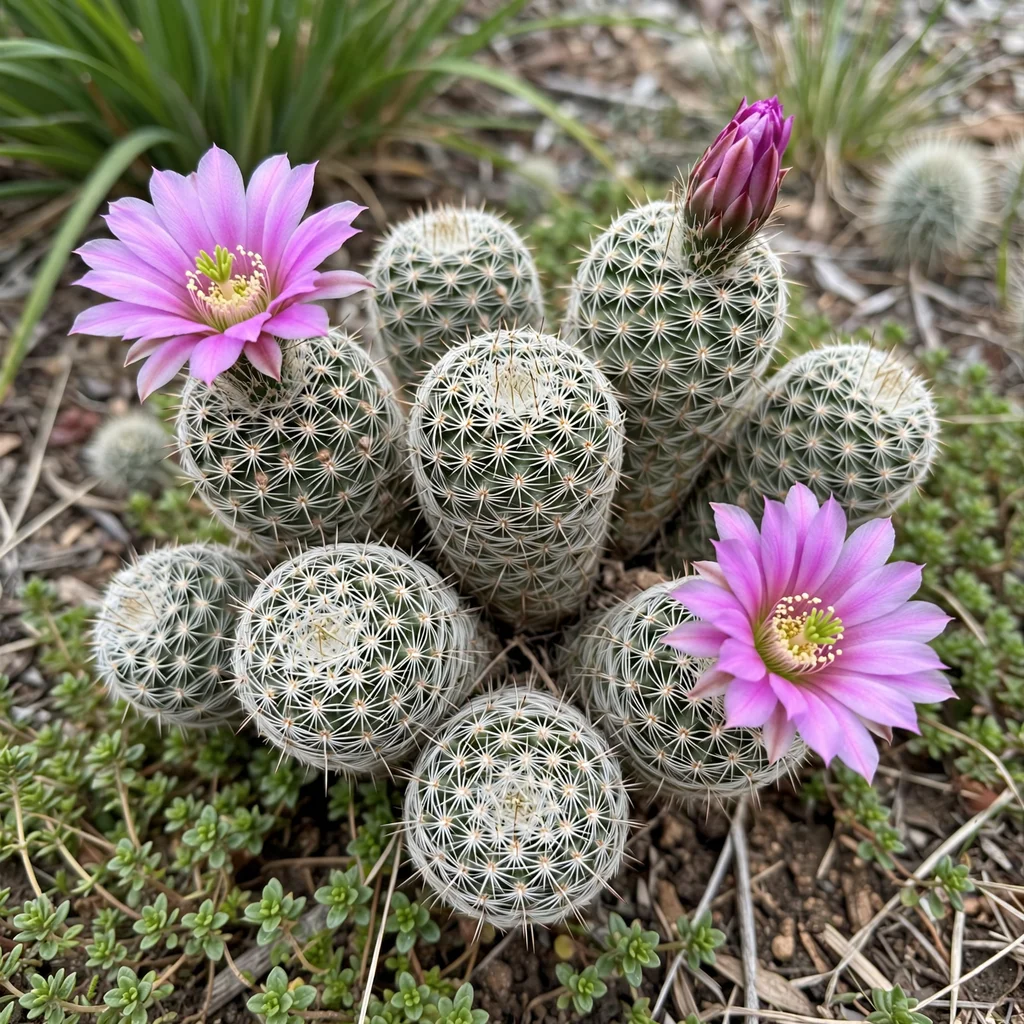
4 species of Echinocereus
Each one is a parent of the varieties above.
Track your Echinocereus in Sow
Save the Echinocereus you grow and get care reminders timed to your zone.
How to grow Echinocereus
Whats common across all Echinocereus varieties in our catalog — drawn from the care records of the 5 most-grown of them.
The Echinocereus year
- Check for PestsJune and July100% of varieties
Check spine axils for mealybug, scale, aphids and spider mites.
- Winter PrepOctober–December100% of varieties
Move under cover, stop feeding and keep almost dry, cool and bright.
- PlantApril and May80% of varieties
Plant or repot after frost danger in dry gritty mineral mix.
- PropagateMay and June80% of varieties
Take stem cuttings after flowering and callus before potting.
- FertilizeApril60% of varieties
Feed with diluted cactus fertilizer every 2 to 3 weeks in spring and summer only.


Do
- Plant in full sun in a gritty mineral mix that drains fast
- Water deeply then let soil dry fully before watering again
- Feed with diluted cactus fertilizer every 2 to 3 weeks in spring and summer only
- Give full sun and open air movement around the clump.
- Use mineral, fast-draining soil with a gravel mulch.
Avoid
- Do not overwater or leave in cold wet soil
- Do not fertilize in fall or winter
- Do not cut healthy stems; remove only dead or diseased tissue
- Do not plant in clay or rich organic soil that holds water.
What goes wrong with Echinocereus
| Problem | What you'll see | What to do |
|---|---|---|
| Mealybugs | Cottony white clusters tucked among spines and at stem bases; rarely serious on outdoor clumps. | Dislodge with a strong jet of water or alcohol swab and improve sun and air flow. |
| Spider mites | Fine webbing and rusty yellow discoloration on stem surfaces. | Spray stems with horticultural oil during cool morning hours. |
| Mealybug | White cottony masses in spine axils; yellowing and stunted growth | Inspect regularly, dab off with alcohol swab or treat with insecticidal soap, improve ventilation |
| Scale | Hard brown bumps on stems; yellowing and weak growth | Scrape off by hand, treat with horticultural oil, isolate plant until clear |
| Root and stem rot | Soft mushy brown base, collapsed stems from overwatering or cold wet soil | Grow in well-drained mineral mix, water only when dry, keep dry in winter, discard badly rotted tissue |
| Root and crown rot | Soft, darkened stem bases and collapse from excess water in clay or organic soil. | Replant bare-root into mineral soil in a shallow hole with gravel mulch, wait days to water, and keep dry in fall. |
| Root rot | Soft, blackened roots | Improve drainage and reduce watering |
Making more Echinocereus
Seed
- Sow fresh seed on surface of dry gritty cactus mix in spring.
- Mist lightly and cover to hold humidity until germination.
- Grow on bright and dry with strong light.
- Transplant seedlings once spined; expect bloom in 5 to 10 years.
Offsets
- Detach a side stem from the clump edge in late spring.
- Let the cut end callus dry for several days in shade.
- Set shallowly on dry mineral soil without burying the base.
- Wait a week to water, then water sparingly until rooted.
Echinocereus questions
How many types of Echinocereus are there?
The Sow catalog tracks 5 distinct Echinocereus varieties. The most popular — ranked by 3 real gardeners — are shown first above.
What zones does Echinocereus grow in?
Across its varieties, Echinocereus covers USDA Zones 4–10. Individual varieties differ — each plant page lists its exact range, and Sow filters the catalog to your zone automatically.
When does Echinocereus bloom?
Most Echinocereus varieties bloom from early spring to early summer.
Which Echinocereus should I choose?
Start from the most-saved varieties above — popularity across thousands of gardens is a strong signal of reliability — then filter by your zone and sun. In the Sow app you can preview any of them in a photo of your actual yard before you buy.