The Story
Plant Bio
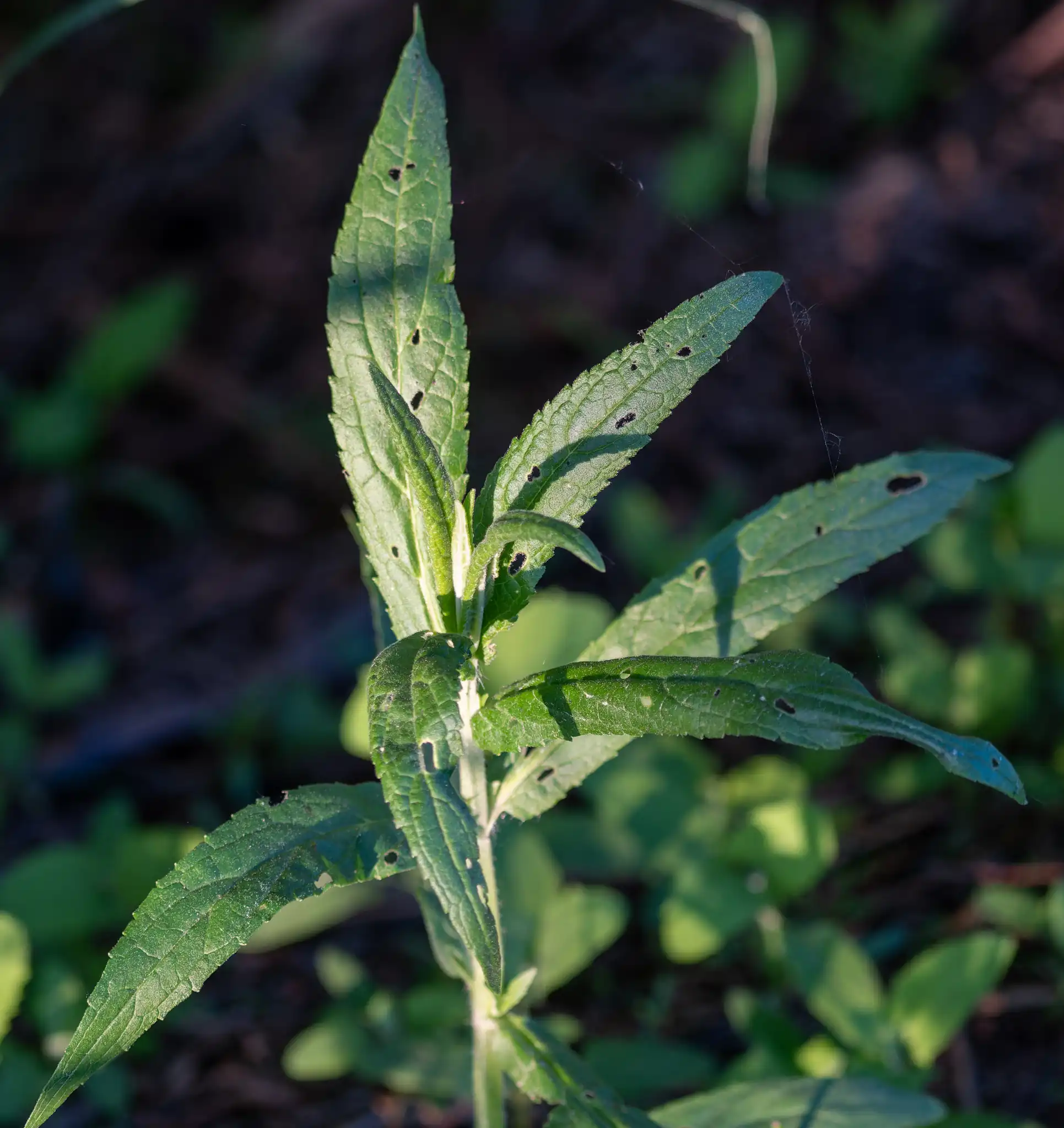
Stachys palustris is an erect, rhizomatous perennial native to damp habitats across Eurasia and naturalized throughout parts of North America. It produces four-angled hairy stems reaching up to three feet tall with dark green, lance-shaped leaves and terminal spikes of purplish-pink whorled flowers from late spring into summer.
The plant spreads through an extensive network of horizontal underground tubers that form dense colonies in wet soils. Its flowers bear distinct white and dark purple markings on the lower lips that serve as nectar guides for native bees.
Uses & Benefits:
Essentials
At a Glance
Plant Type
Perennial
Height
35"
Width
24"
Light
Full Sun, Partial Sun
Zones
4, 5, 6, 7, 8
Water
High
Humidity
High
Lifespan
Perennial
Native To
Eurasia, North America
Toxicity
Non-toxic
Bloom period
Late spring – Late summer
In flower about 4 months of the year
Planting
How to Grow
- Select a planting site in full sun to partial shade with consistently wet soil or pond margins.
- Install root barriers 12 inches deep around the planting area to contain rhizomatous tubers.
- Plant rhizomes or container specimens at the original soil depth and firm in thoroughly.
- Maintain saturated soil or shallow standing water throughout the active growing season.
Pro Tip
Sink deep root barriers around the planting zone or grow within submerged containers to restrict spreading underground tubers.
Keep It Thriving
Care Guide
Do
- Keep soil consistently wet or saturated year-round.
- Cut back dead stems to ground level in late winter.
- Contain rhizomatous tubers with root barriers to prevent unwanted spread.
Don't
- Do not allow soil to dry out completely during active growth.
- Do not over-fertilize, as excess nutrients cause weak, aggressive vegetative growth.
- Do not plant in dry herbaceous borders where moisture is unmaintained.
Seasonal Care Calendar
| Task | Jan | Feb | Mar | Apr | May | Jun | Jul | Aug | Sep | Oct | Nov | Dec |
|---|---|---|---|---|---|---|---|---|---|---|---|---|
| Divide | ||||||||||||
| Pest Check | ||||||||||||
| Prune | ||||||||||||
| Winter Prep |
Watch Out For
Pests & Diseases
Common Pests
Common Diseases
In the Garden
Landscape Uses & Companions
Landscape Uses
Companion Plants
Multiply
Propagation Methods
Good to Know
Common Questions
Marsh Woundwort questions
What zones can Marsh Woundwort grow in?
Marsh Woundwort is hardy in USDA Zones 4–8: in that range it survives winter in the ground. Warmer than Zone 8, winter isn't the problem: it prefers colder winters, and summer heat can shorten its life.
When does Marsh Woundwort bloom?
Marsh Woundwort typically blooms from late spring to late summer. Exact timing shifts a week or two with your zone — Sow's bloom calendar maps it to your garden.
Does Marsh Woundwort need full sun?
Marsh Woundwort does best in full sun to part shade. In hot climates, afternoon shade keeps blooms fresher longer.
More Stachys to compare
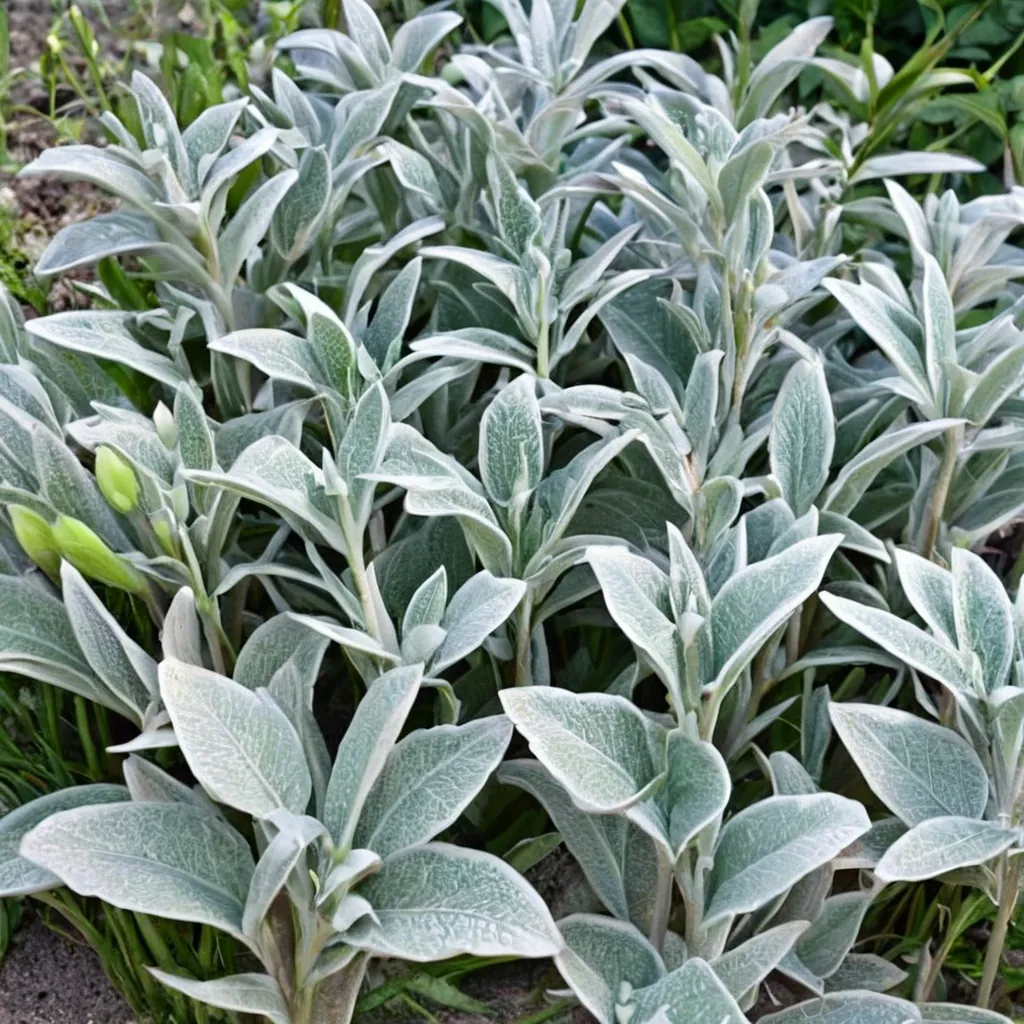
Lamb's Ear
Stachys lanata
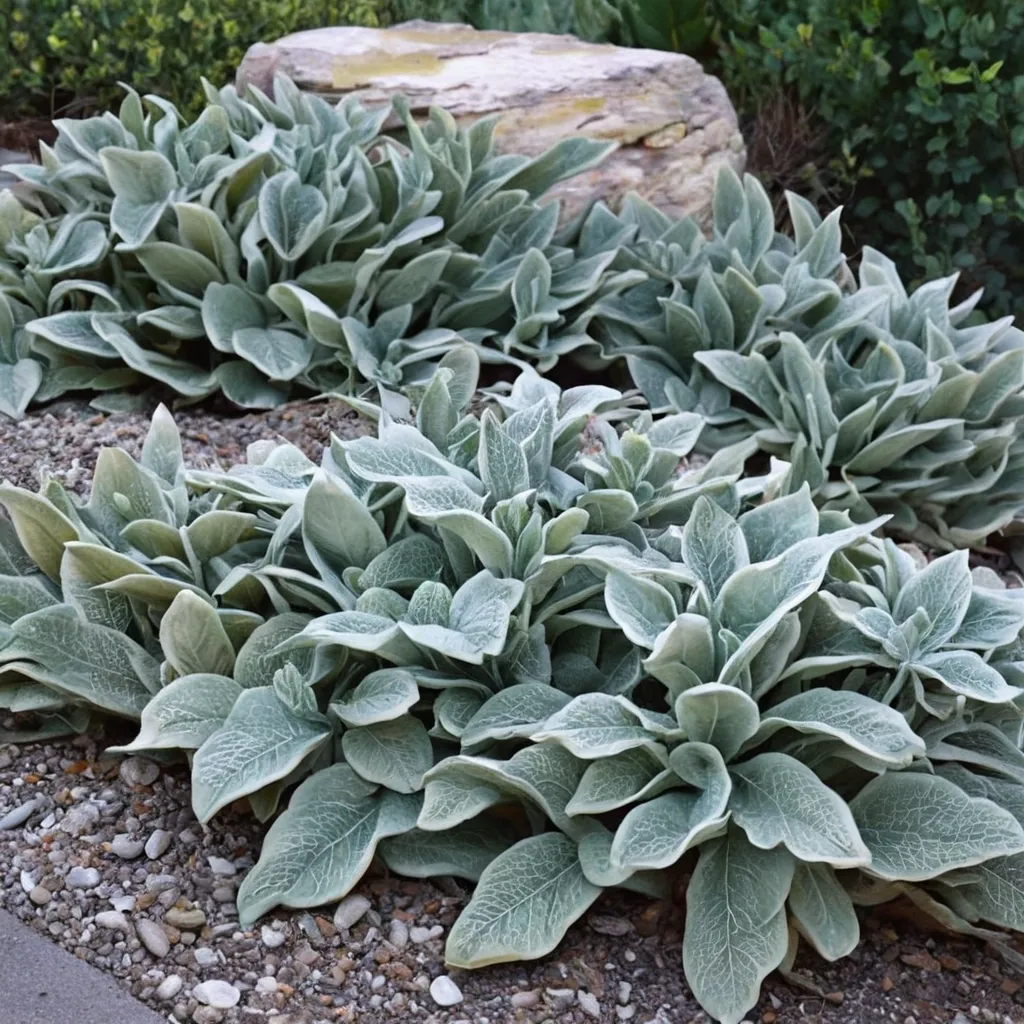
Silver Carpet Lamb's Ear
Stachys lanata 'Silver Carpet'
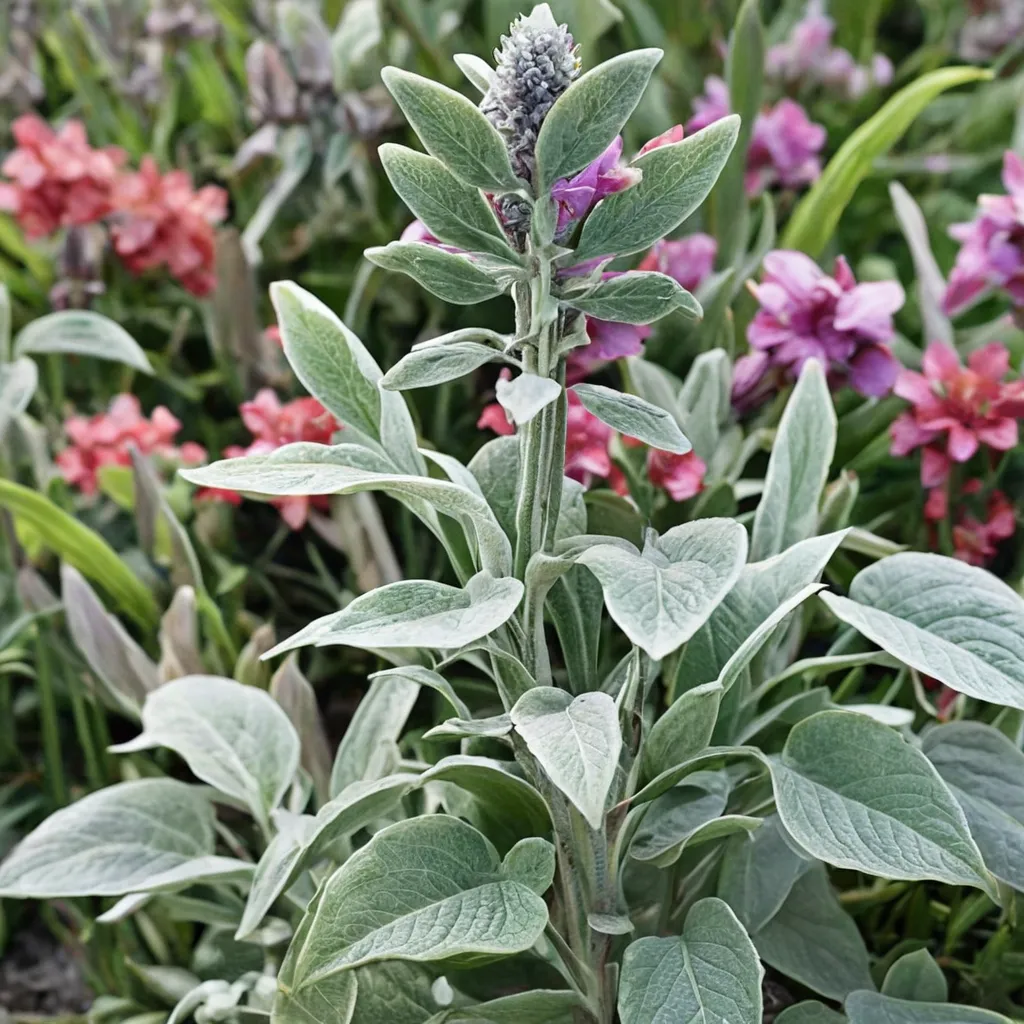
Fuzzy Wuzzy Lamb's Ear
Stachys byzantina 'Fuzzy Wuzzy'
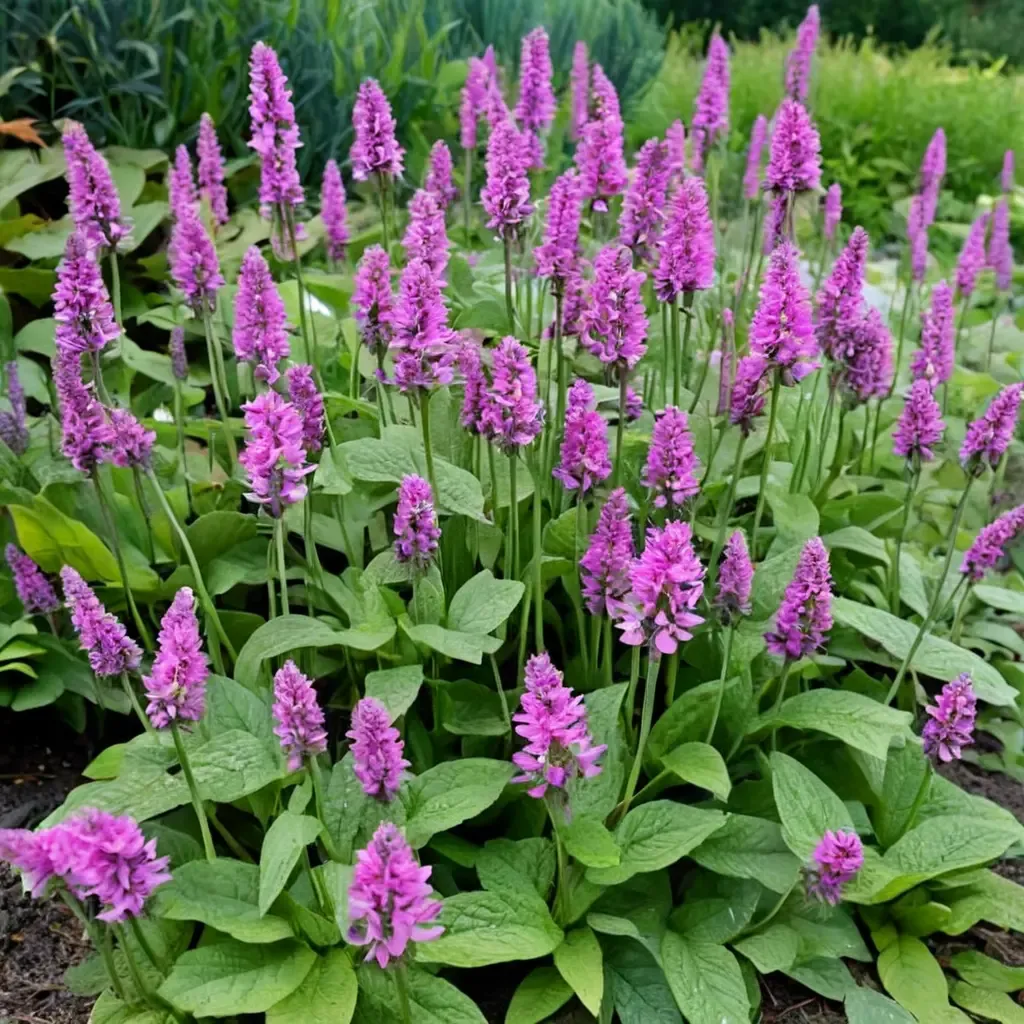
Hummelo Betony
Stachys officinalis 'Hummelo'
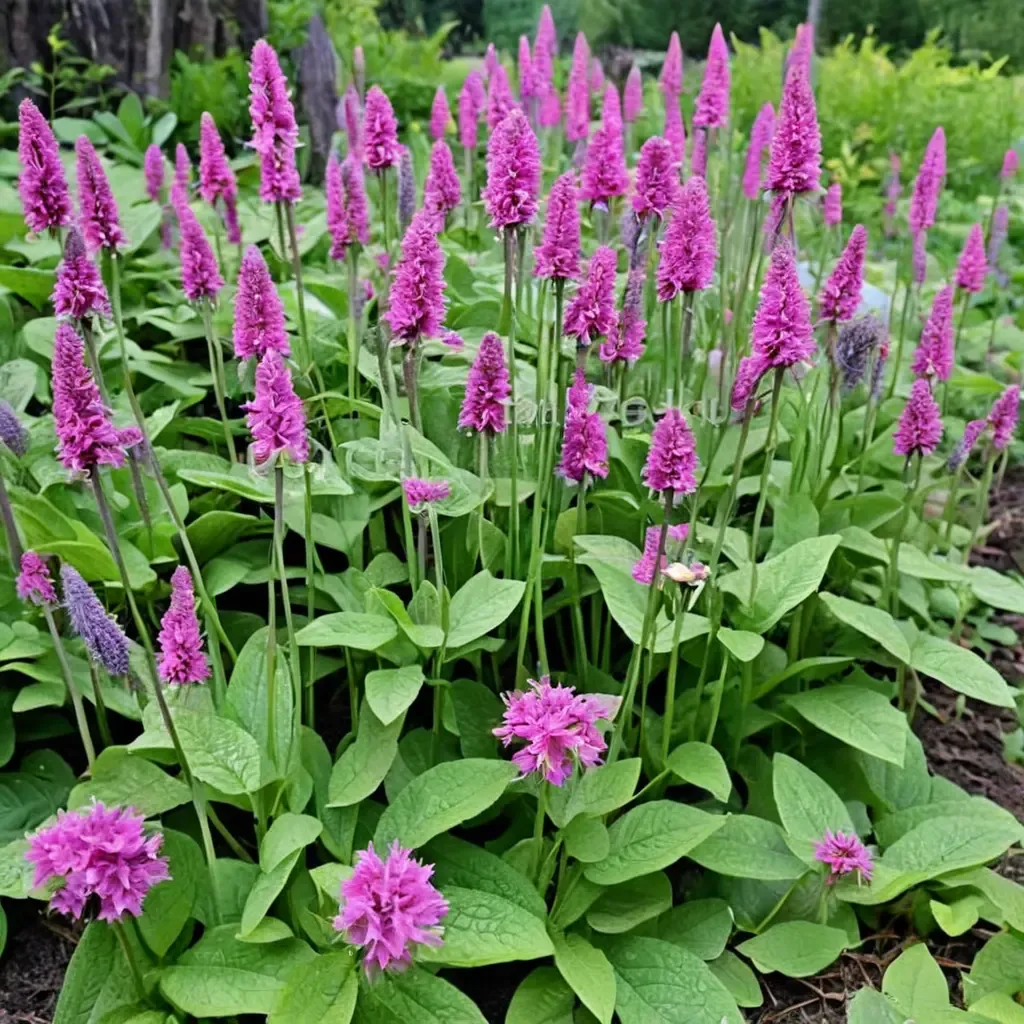
Wood Betony
Stachys officinalis
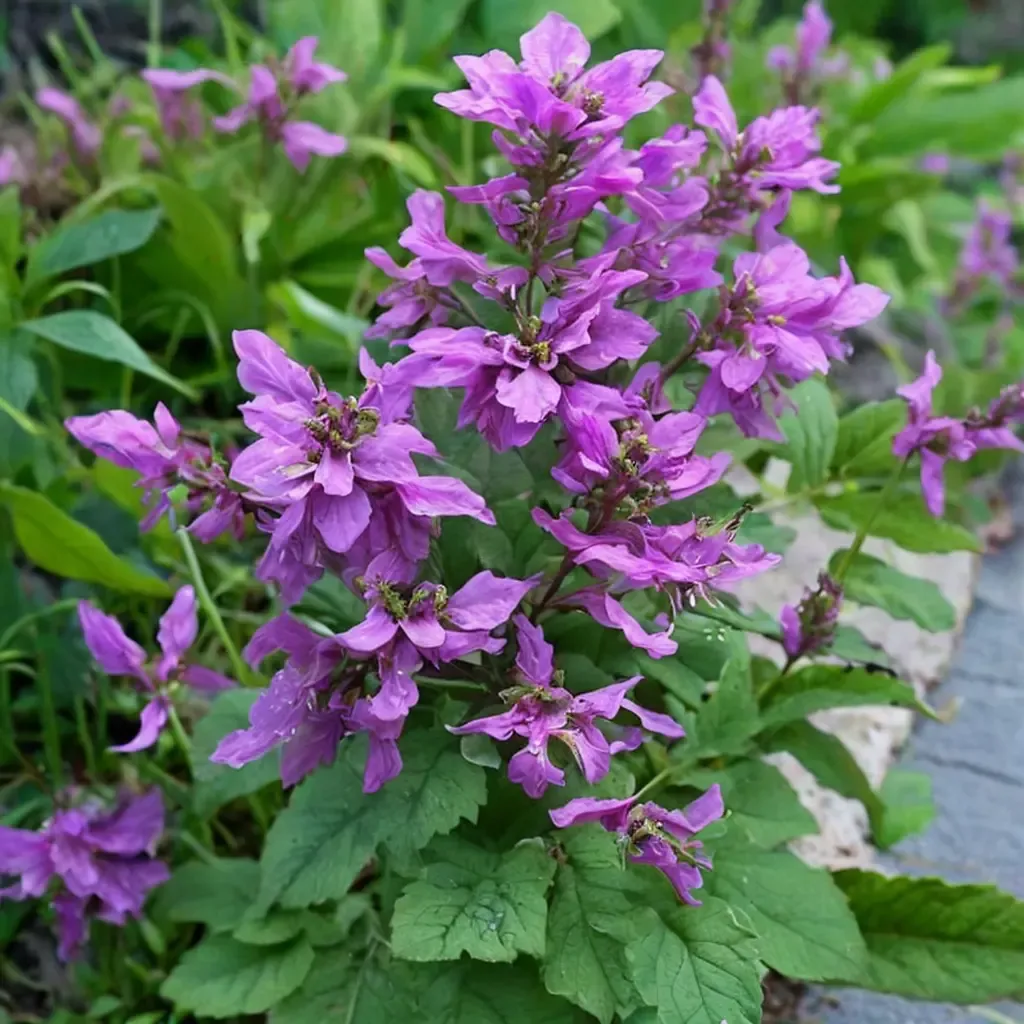
Big Betony 'Superba'
Stachys macrantha 'Superba'
Keep exploring
Explore the genus
Hardy in your zone?
Grow Marsh Woundwort with confidence
See it in a design of your actual yard, get zone-matched care reminders, and track it season by season in your garden journal.