The Story
Plant Bio
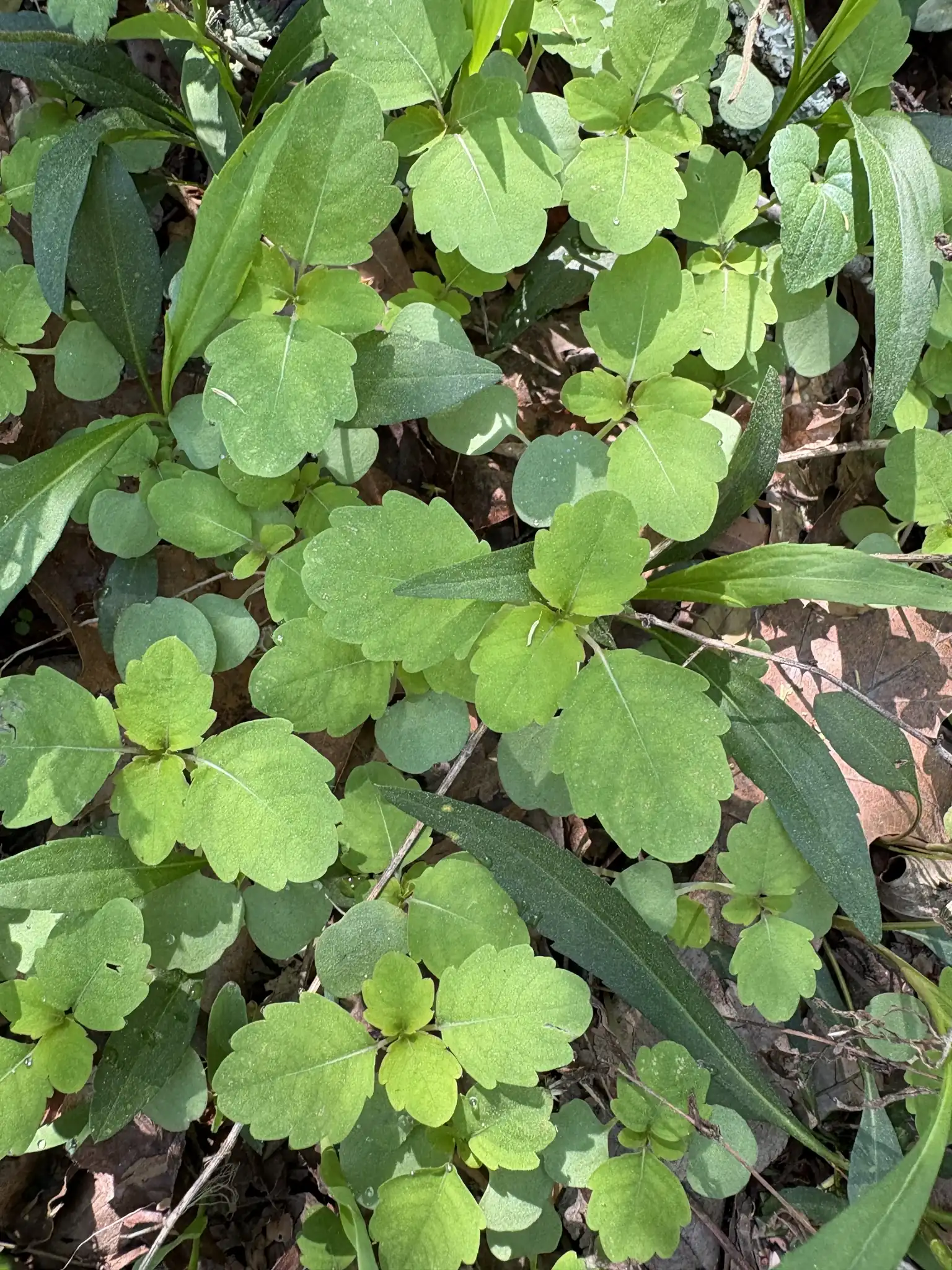
Impatiens capensis is a succulent-stemmed annual native to floodplain forests, marshes, and shaded stream banks across North America. Watery, translucent stems support oval foliage and bilaterally symmetrical orange flowers with reddish-brown spots from mid-summer until the first hard frost.
The lower sepal forms a distinct nectar-holding pouch with a reflexed spur adapted for hummingbird pollination. Ripe seed pods shatter elastically when touched, flinging seeds several feet to reseed damp soils for subsequent years.
Uses & Benefits:
Essentials
At a Glance
Plant Type
Annual
Height
60"
Width
36"
Light
Partial Sun, Shade
Zones
4, 5, 6, 7, 8, 9, 10
Water
High
Humidity
High
Lifespan
Annual
Native To
North America
Toxicity
Non-toxic
Bloom period
Mid summer – Autumn
In flower about 5 months of the year
Planting
How to Grow
- Select a planting site in partial to full shade with rich, high-organic soil that stays consistently moist.
- Sow seeds on the soil surface in fall, as they require cold, damp stratification over winter to trigger spring germination.
- Keep seedling beds boggy or saturated throughout late spring and summer to fuel rapid stem growth.
- Allow seed capsules to mature and shatter undisturbed in late summer to ensure natural self-seeding.
Pro Tip
Maintain constantly wet or saturated soil; dry conditions cause foliage to drop rapidly and will kill the plant within days.
Keep It Thriving
Care Guide
Do
- Sow seeds in wet, organic-rich soil in shaded locations.
- Ensure soils remain continuously saturated or boggy.
- Allow seed pods to explode naturally to maintain self-sustaining colonies.
Don't
- Do not let the root zone dry out, as drought kills the plant quickly.
- Do not apply heavy fertilizers, which weaken soft stem structure.
- Do not attempt to prune or shear back stems during the growing season.
Seasonal Care Calendar
| Task | Jan | Feb | Mar | Apr | May | Jun | Jul | Aug | Sep | Oct | Nov | Dec |
|---|---|---|---|---|---|---|---|---|---|---|---|---|
| Pest Check | ||||||||||||
| Plant | ||||||||||||
| Propagate | ||||||||||||
| Spring Cleanup |
Watch Out For
Pests & Diseases
Common Pests
Common Diseases
In the Garden
Landscape Uses & Companions
Landscape Uses
Multiply
Propagation Methods
Good to Know
Common Questions
Jewelweed questions
What zones can Jewelweed grow in?
Jewelweed is an annual: it grows, flowers and sets seed in one season, so winter cold doesn't limit where it grows. Gardeners in any zone can grow it by planting at the right time, usually after the last spring frost.
Is Jewelweed deer resistant?
Not reliably. Deer may browse Jewelweed, especially tender spring growth — plan on repellents or fencing where pressure is high.
When does Jewelweed bloom?
Jewelweed typically blooms from mid-summer to late fall. Exact timing shifts a week or two with your zone — Sow's bloom calendar maps it to your garden.
Does Jewelweed need full sun?
Jewelweed does best in part shade.
More Impatiens to compare
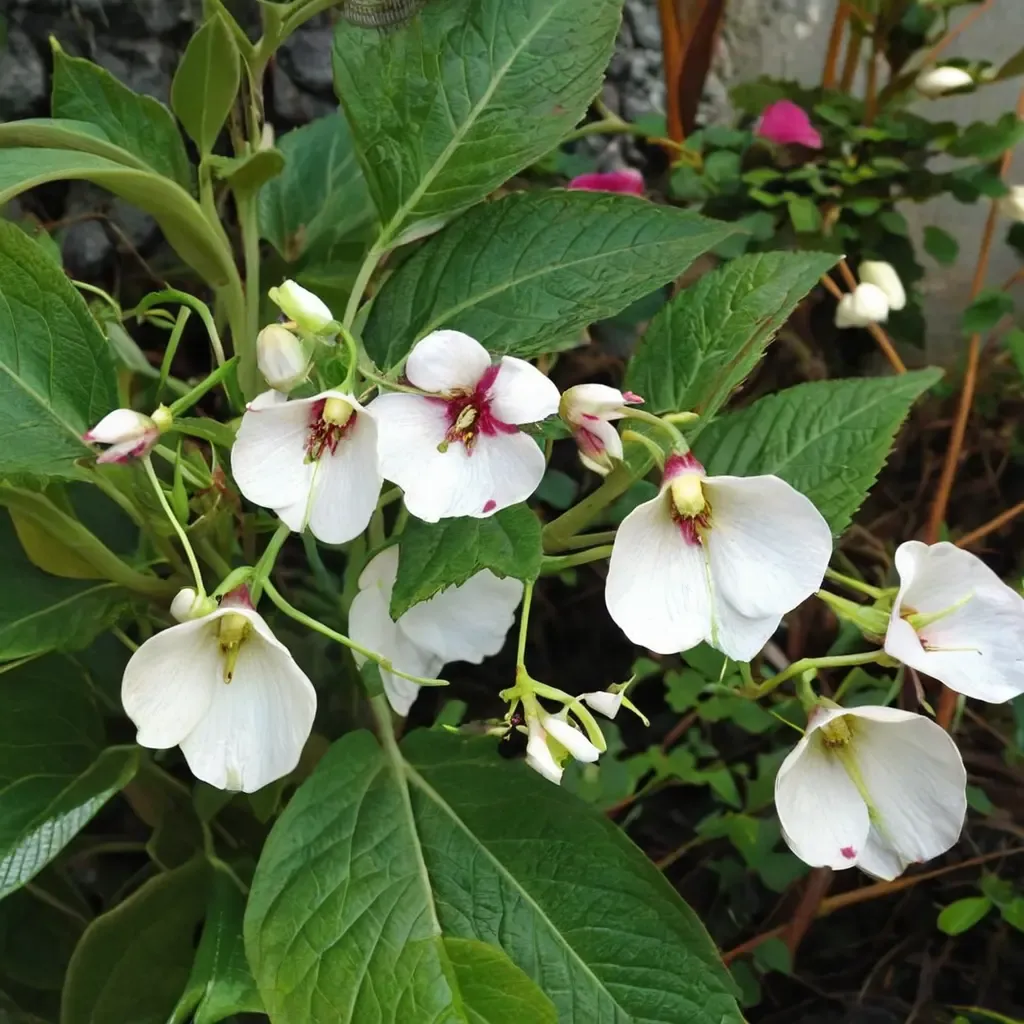
Dyemaker's Balsam
Impatiens tinctoria
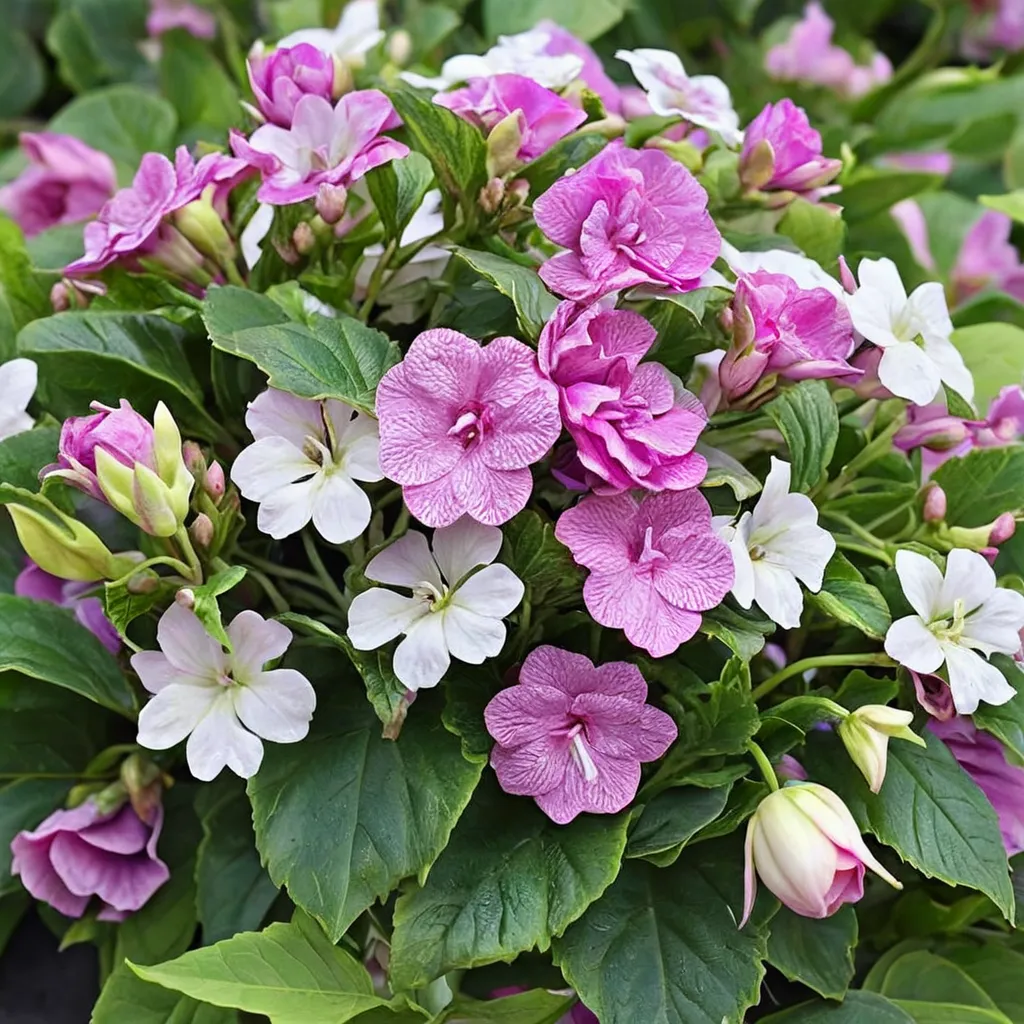
Rockapulco Wisteria Impatiens
Impatiens walleriana 'Rockapulco Wisteria'
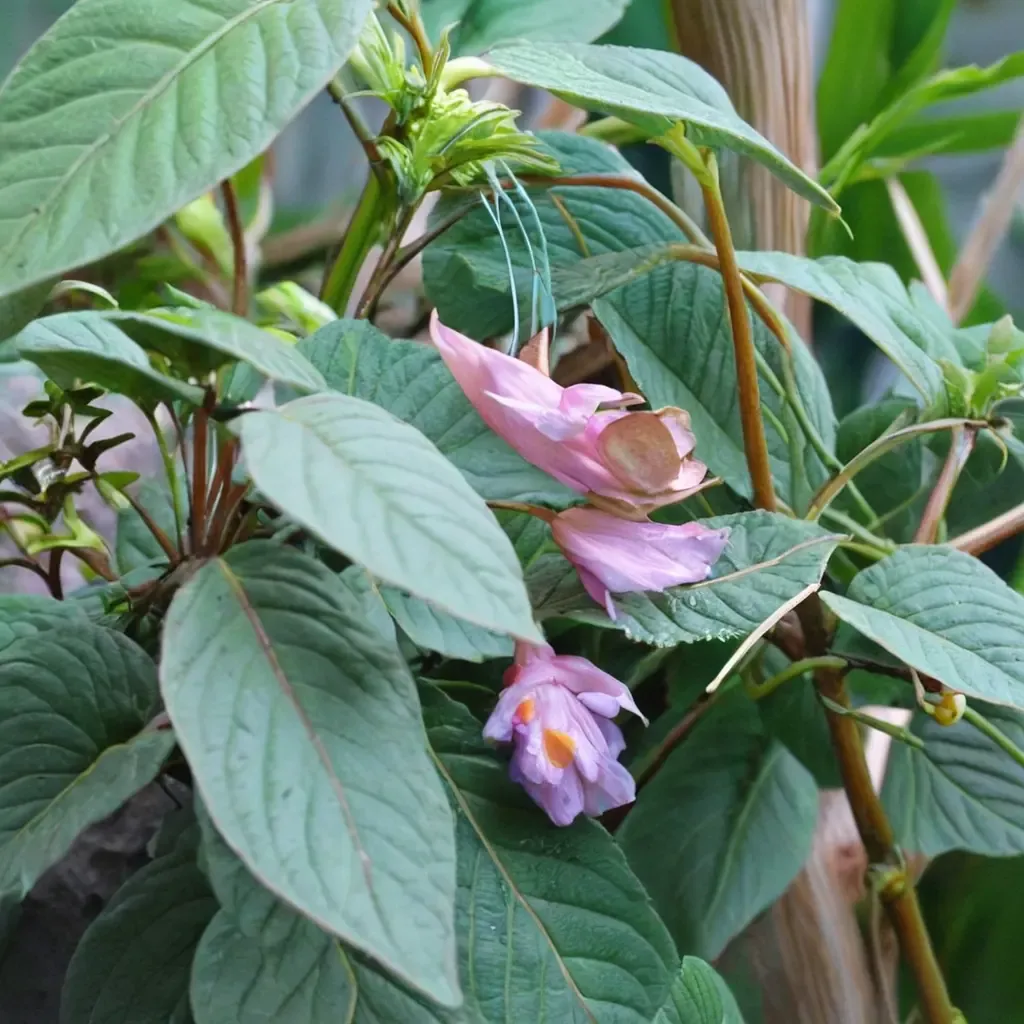
Blue Diamond Impatiens
Impatiens arguta
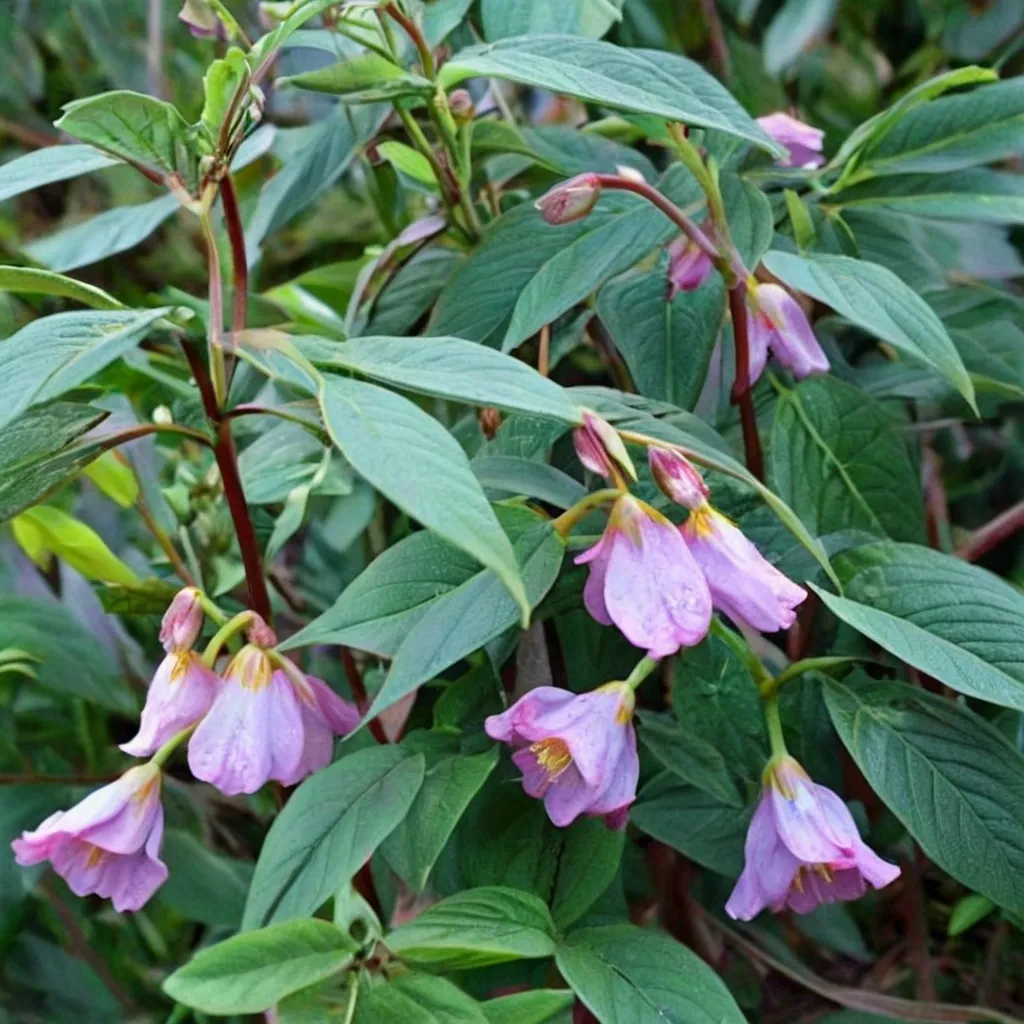
Impatiens Blue Dream
Impatiens arguta 'Blue Dream'
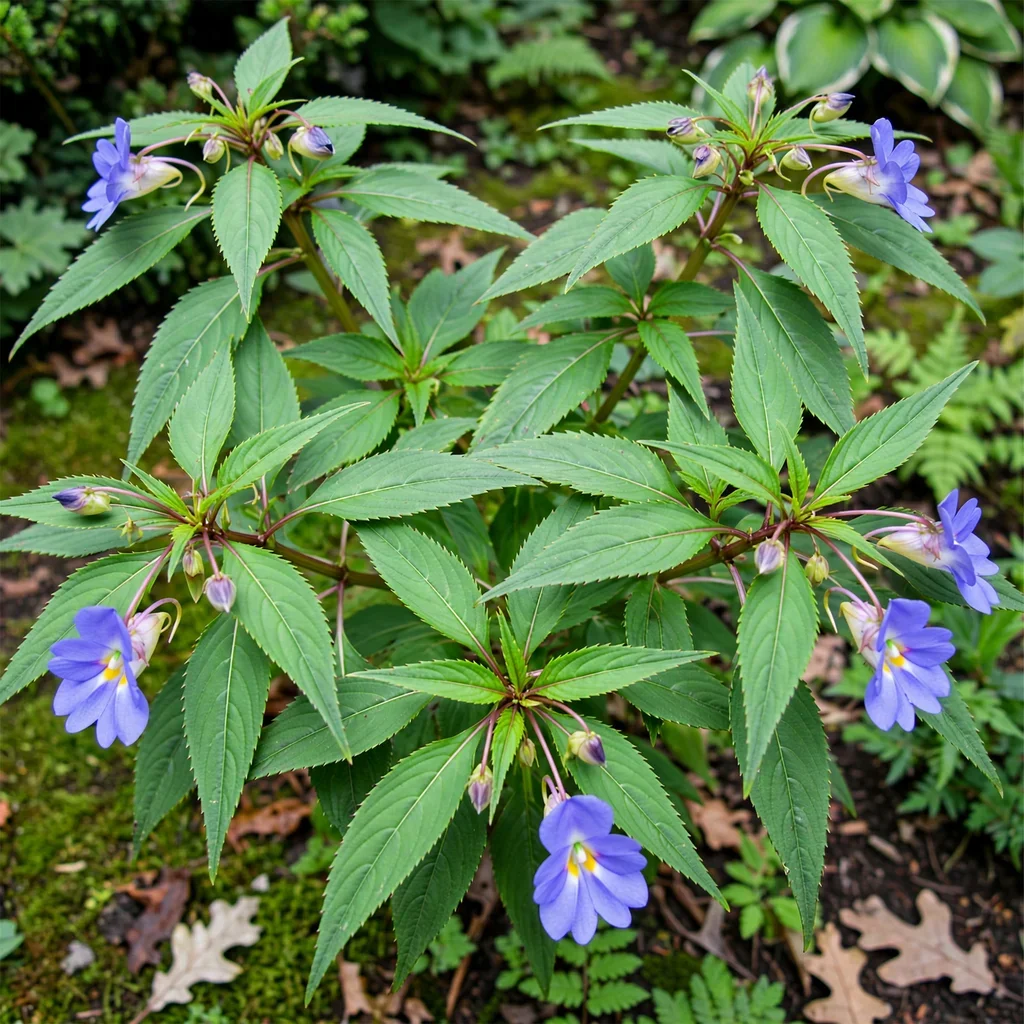
Blue Diamond Balsam
Impatiens namchabarwensis 'Blue Diamond'
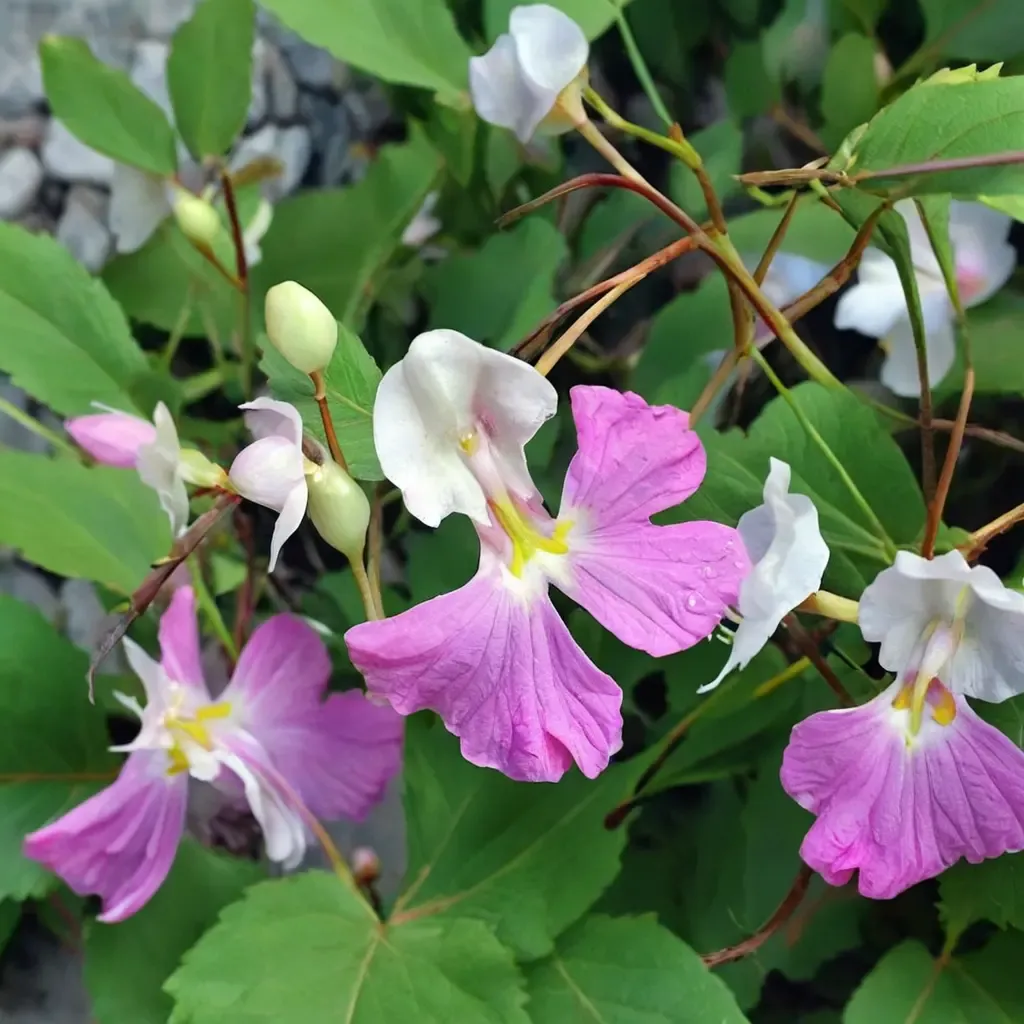
Poor Man's Orchid
Impatiens balfourii 'Poor Man's Orchid'
Keep exploring
Explore the genus
Grow Jewelweed with confidence
See it in a design of your actual yard, get zone-matched care reminders, and track it season by season in your garden journal.