The Story
Plant Bio
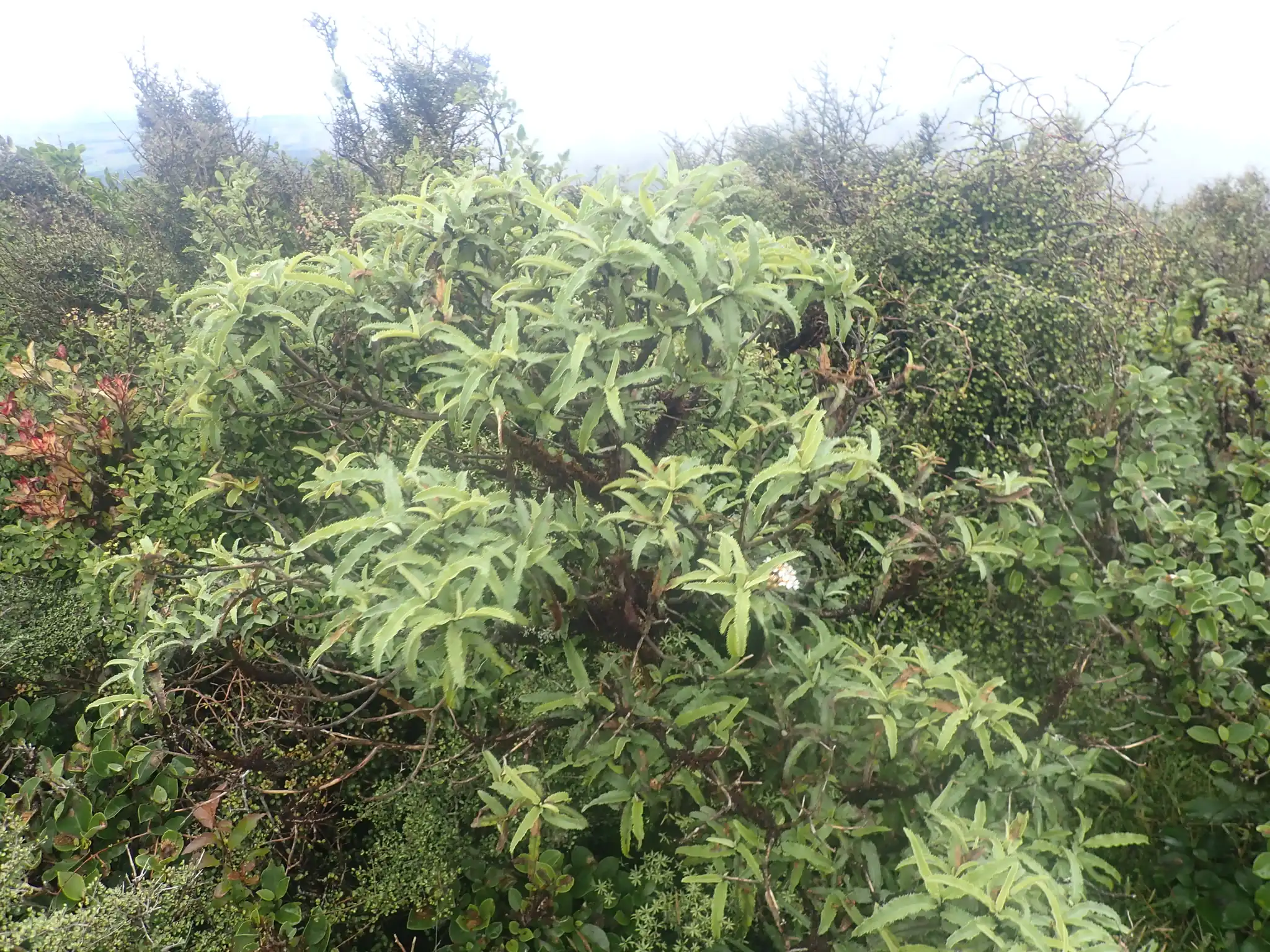
Olearia ilicifolia is a dense, spreading evergreen shrub or small tree native to New Zealand, forming a rounded canopy up to fifteen feet tall. Its stiff, glossy grey-green leaves feature sharply spiny, wavy margins reminiscent of holly and produce a distinct musky fragrance when handled.
In summer, the canopy is blanketed by broad, flat-topped clusters of small, white, daisy-like flower heads centered with yellow disks. The undersides of the foliage and young shoots are coated in a fine, velvety, whitish-to-yellowish felt that contrasts with the dark leaf stems.
Uses & Benefits:
Essentials
At a Glance
Plant Type
Shrub
Height
197"
Width
118"
Light
Full Sun, Partial Sun
Zones
8, 9, 10
Water
Moderate
Humidity
Moderate
Lifespan
Perennial
Native To
New Zealand
Toxicity
Non-Toxic
Bloom period
Late spring – Late summer
In flower about 4 months of the year
Planting
How to Grow
- Select a site in full sun to partial shade with light, well-draining soil.
- Plant container stock at the same depth as the nursery pot, backfilling without compacting the soil.
- Water moderately until established, ensuring the root zone never remains waterlogged.
- Prune foliage lightly after summer flowering to shape the canopy and preserve growth buds.
Pro Tip
Prune lightly immediately after flowering to maintain a dense canopy; cutting back into old, leafless wood prevents new shoots from emerging.
Keep It Thriving
Care Guide
Do
- Plant in well-drained loamy, sandy, or chalky soil.
- Position in coastal or high-wind areas where maritime exposure is severe.
- Trim branch tips after summer flowering to encourage bushy regrowth.
Don't
- Do not plant in heavy clay or waterlogged soils prone to standing moisture.
- Do not cut back into old, leafless wood, as bare stems will not reshoot.
- Do not over-fertilize, as an annual layer of organic mulch provides adequate nutrients.
Seasonal Care Calendar
| Task | Jan | Feb | Mar | Apr | May | Jun | Jul | Aug | Sep | Oct | Nov | Dec |
|---|---|---|---|---|---|---|---|---|---|---|---|---|
| Mulch | ||||||||||||
| Pest Check | ||||||||||||
| Propagate | ||||||||||||
| Prune |
Watch Out For
Pests & Diseases
Common Pests
Common Diseases
In the Garden
Landscape Uses & Companions
Landscape Uses
Companion Plants
Multiply
Propagation Methods
Good to Know
Common Questions
Mountain Holly questions
What zones can Mountain Holly grow in?
Mountain Holly is hardy in USDA Zones 8–10: in that range it survives winter in the ground. Colder than Zone 8, grow it in a container you can move to shelter for the winter.
Is Mountain Holly deer resistant?
Yes — Mountain Holly is rated deer-resistant. Deer typically pass it over, though extreme hunger can override any plant's defenses.
When does Mountain Holly bloom?
Mountain Holly typically blooms from late spring to late summer. Exact timing shifts a week or two with your zone — Sow's bloom calendar maps it to your garden.
Does Mountain Holly need full sun?
Mountain Holly does best in full sun to part shade. In hot climates, afternoon shade keeps blooms fresher longer.
Is Mountain Holly drought tolerant?
Yes — once established (usually after the first full season), Mountain Holly handles dry spells with minimal watering. Water deeply its first year to build the root system that makes that possible.
More Olearia to compare
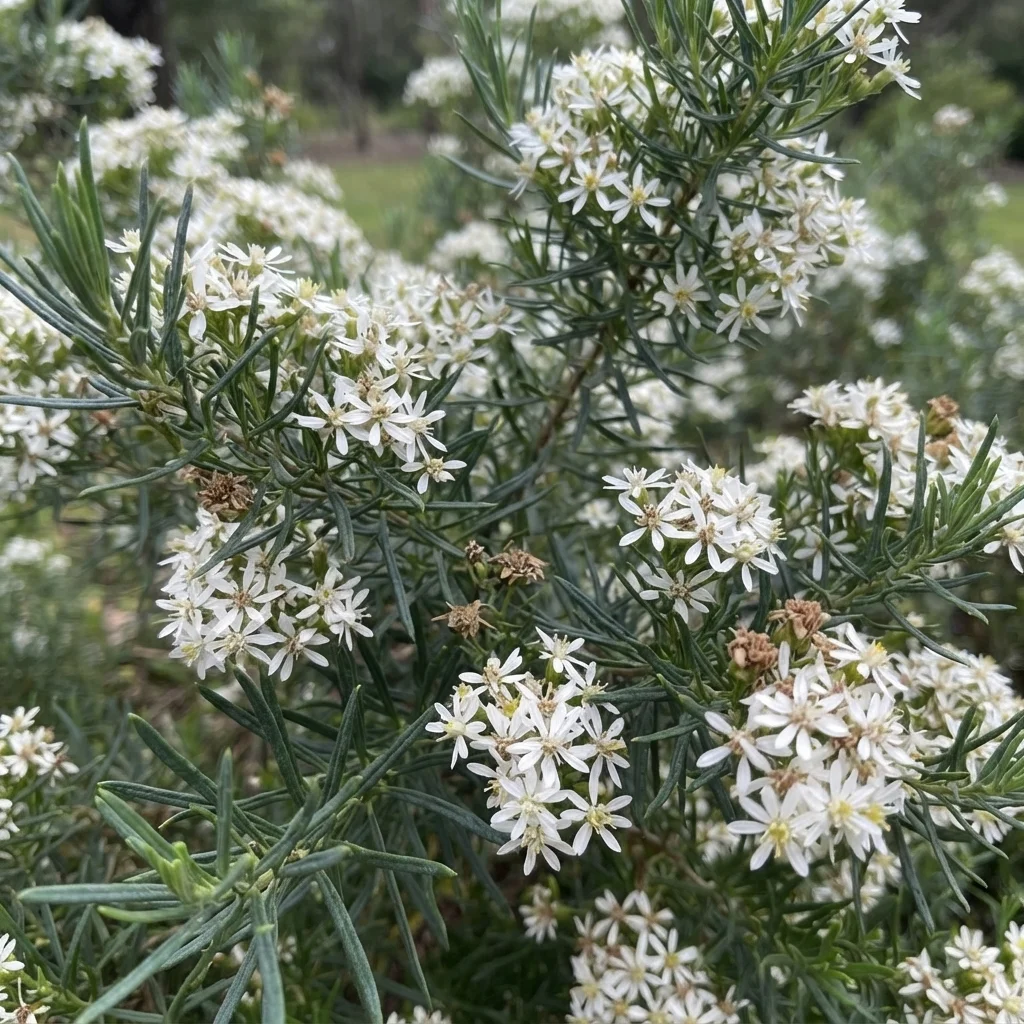
Sticky Daisy-bush
Olearia glutinosa
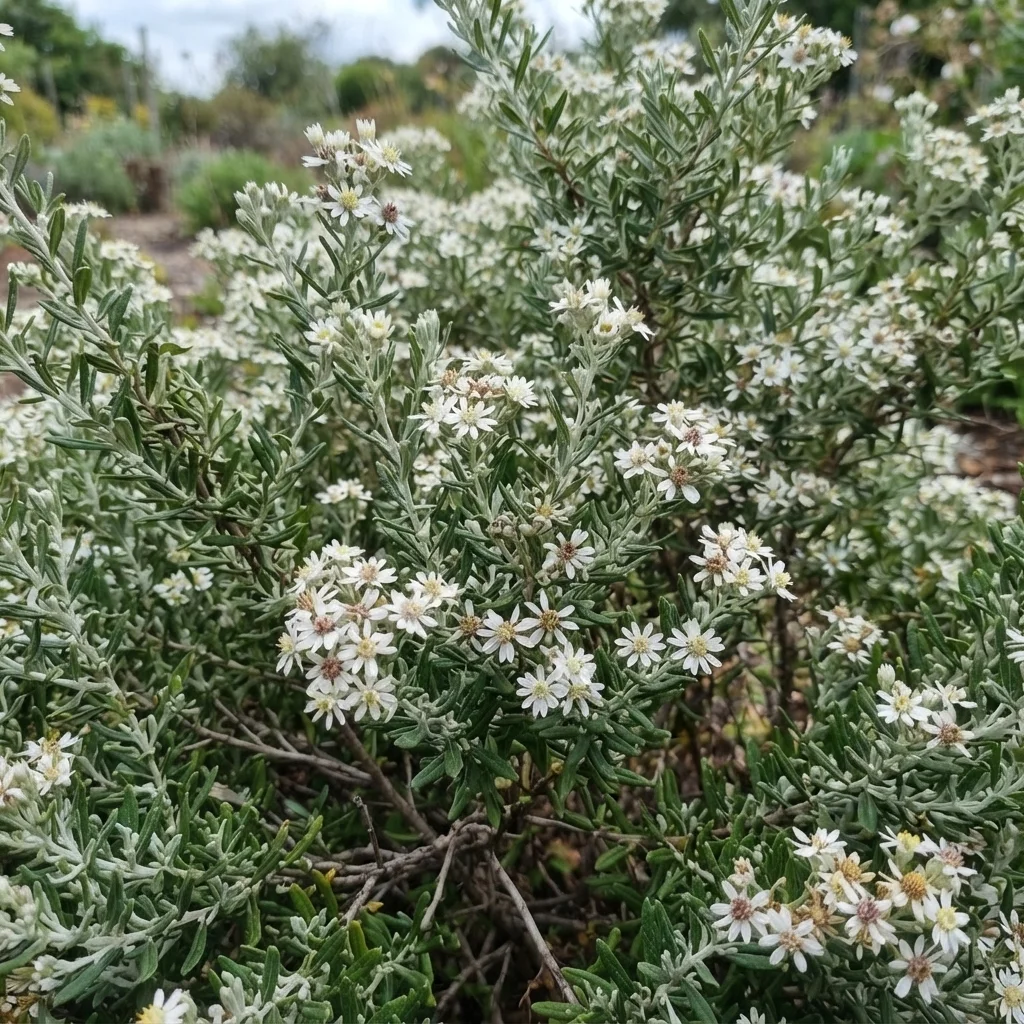
Twiggy Daisy-Bush
Olearia ramulosa
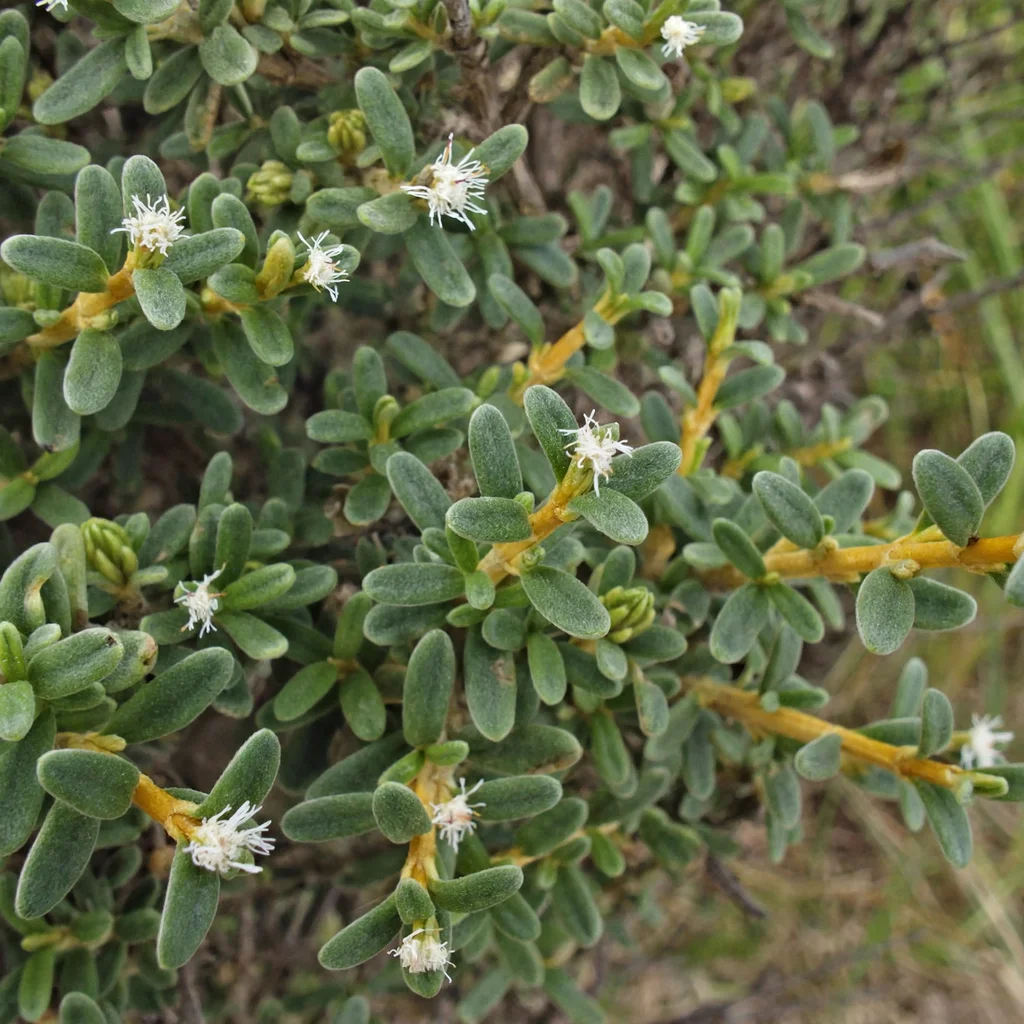
Coastal Daisy-Bush
Olearia solandri
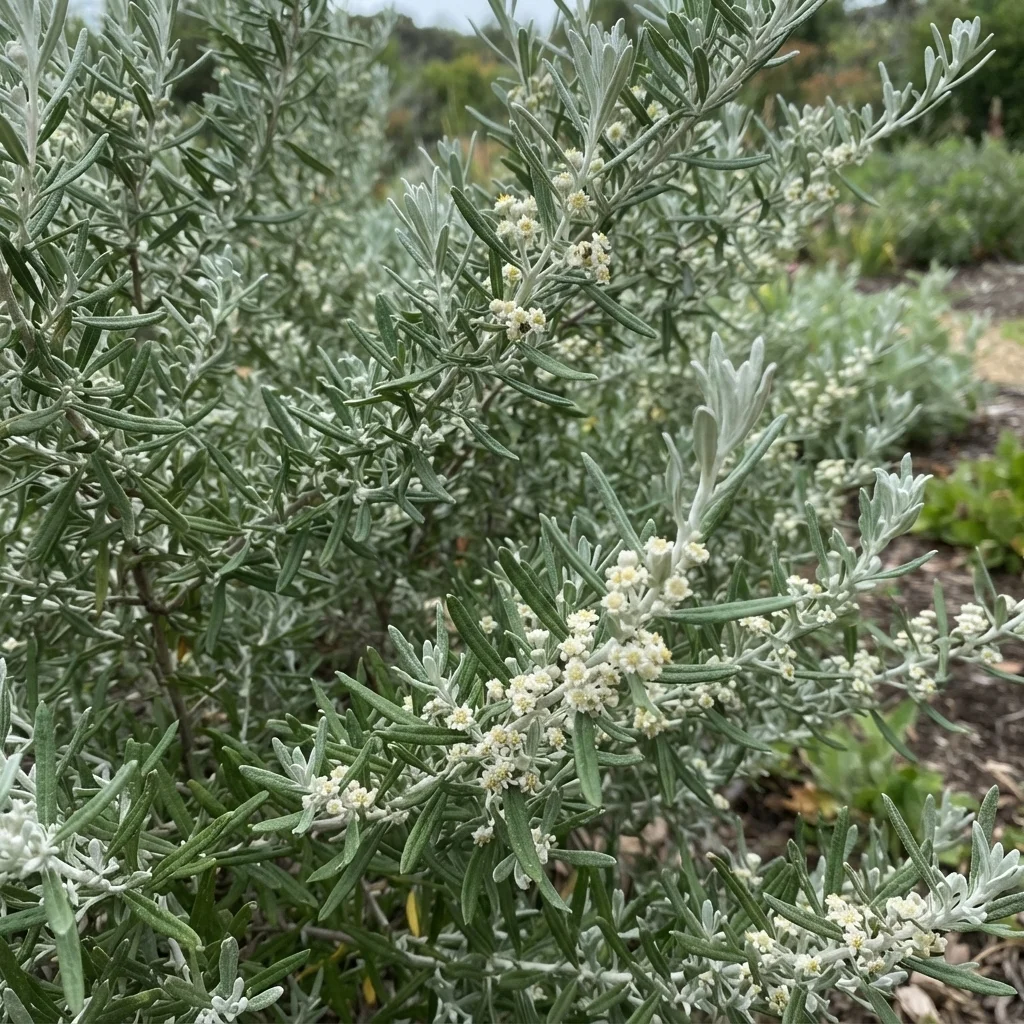
Coast Daisy-bush
Olearia axillaris
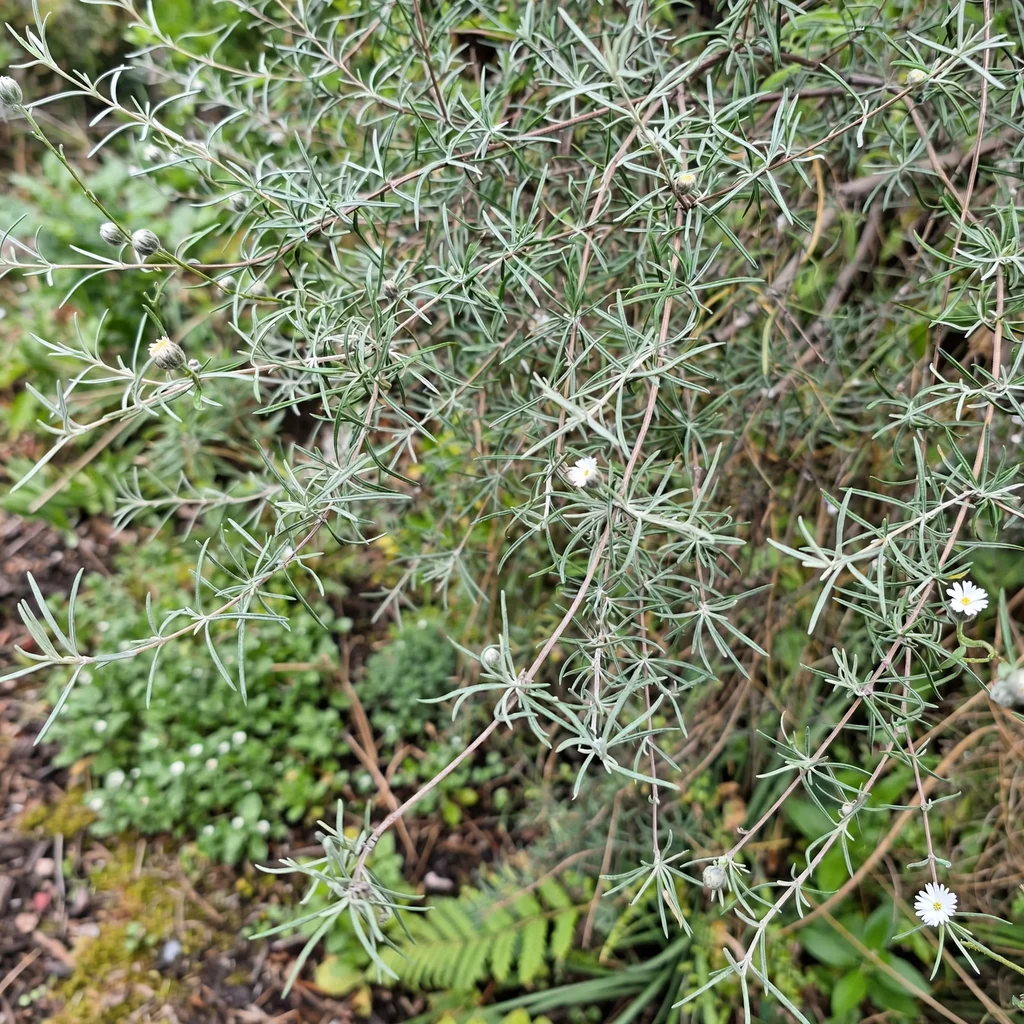
Twiggy Tree Daisy
Olearia lineata
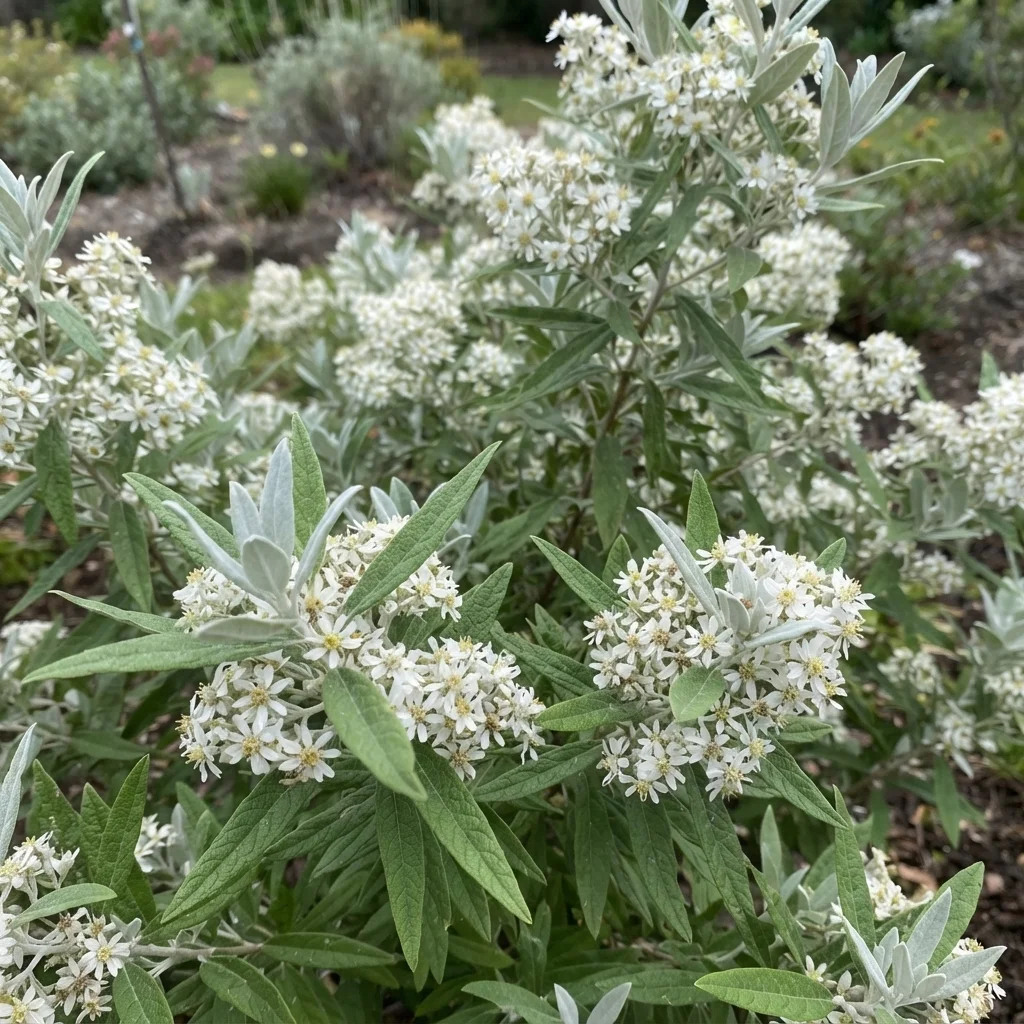
Snowy Daisy-Bush
Olearia lirata
Keep exploring
Explore the genus
Hardy in your zone?
Grow Mountain Holly with confidence
See it in a design of your actual yard, get zone-matched care reminders, and track it season by season in your garden journal.