The Story
Plant Bio
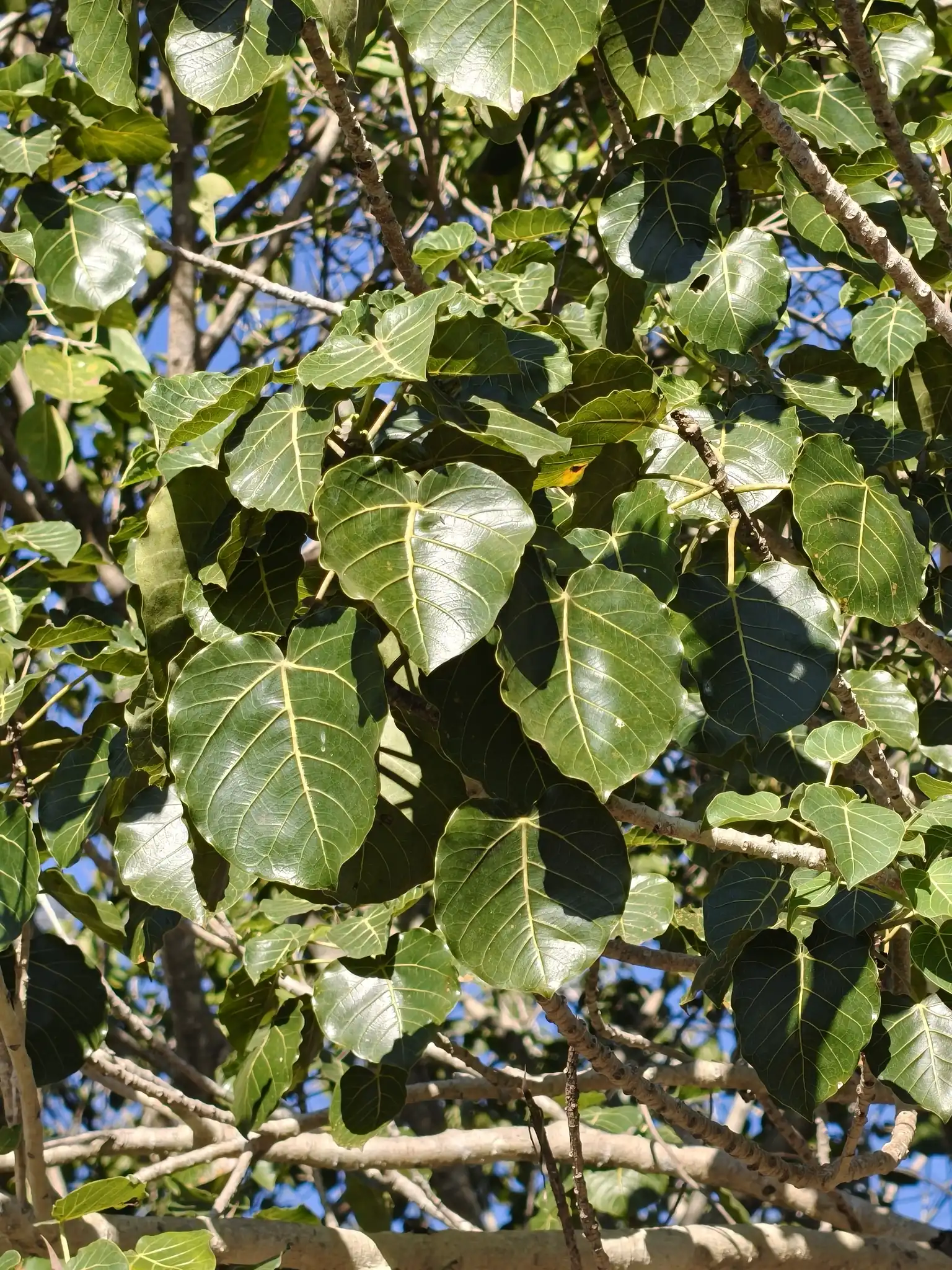
Ficus petiolaris, the rock fig, is a small caudex tree from Mexico that stores water in a swollen basal trunk with rough bark, reaching twenty to thirty feet outdoors in frost-free ground but holding at two to four feet in containers. It is broadleaf evergreen in favorable conditions but turns drought-deciduous and winter-dormant, with roots that sprawl and grip over rocks, cliffs and canyon walls.
The leaves are large, heart-shaped and leathery in bright green with a bluish sheen, pink to red veins above and tufts of white hair beneath on long reddish stalks, with new growth flushing red. The bloom is a hollow green syconium spotted red that encloses tiny male and female flowers inside, produced aseasonally in habitat and rarely indoors.
Uses & Benefits:
Essentials
At a Glance
Plant Type
Tree
Height
360"
Width
240"
Light
Full Sun, Partial Sun
Zones
10
Water
Low
Humidity
Prefers high humidity, tolerates lower
Lifespan
Long-lived tree
Native To
Mexico
Toxicity
Toxic if ingested, skin irritant
Bloom period
Year round
In flower about 12 months of the year
Planting
How to Grow
- Plant in a sharply draining loam or cactus-bonsai mix in full sun to bright indirect light for 6 or more hours.
- Water thoroughly then allow the mix to go nearly dry before watering again.
- Cut water back sharply in fall and winter when leaves drop and growth stops.
- Prune hard each spring to shape and thicken the caudex.
- Move containers indoors before frost and keep above freezing in bright light.
Pro Tip
Water thoroughly then let the mix go nearly dry, and give full sun for compact red-veined growth; winter leaf drop is dormancy, not death.
Keep It Thriving
Care Guide
Do
- Do give 6 or more hours of full sun or bright indirect light indoors.
- Do water deeply then let dry between waterings.
- Do protect from freezing and bring containers indoors before frost.
Don't
- Do not keep the mix persistently wet; the caudex rots.
- Do not prune needlessly into old leafless wood outside spring shaping.
- Do not mistake winter leaf drop for death and overwater to force leaf.
Seasonal Care Calendar
| Task | Jan | Feb | Mar | Apr | May | Jun | Jul | Aug | Sep | Oct | Nov | Dec |
|---|---|---|---|---|---|---|---|---|---|---|---|---|
| Pest Check | ||||||||||||
| Prune | ||||||||||||
| Spring Cleanup | ||||||||||||
| Winter Prep |
Watch Out For
Pests & Diseases
Common Pests
Common Diseases
In the Garden
Landscape Uses & Companions
Landscape Uses
Good to Know
Common Questions
Rock Fig questions
What zones can Rock Fig grow in?
Rock Fig is hardy in USDA Zone 10: in that range it survives winter in the ground. Colder than Zone 10, winters are too cold for it to survive outdoors.
When does Rock Fig bloom?
Rock Fig typically blooms year-round. Exact timing shifts a week or two with your zone — Sow's bloom calendar maps it to your garden.
Does Rock Fig need full sun?
Rock Fig does best in full sun to part shade. In hot climates, afternoon shade keeps blooms fresher longer.
Is Rock Fig drought tolerant?
Yes — once established (usually after the first full season), Rock Fig handles dry spells with minimal watering. Water deeply its first year to build the root system that makes that possible.
More Ficus to compare
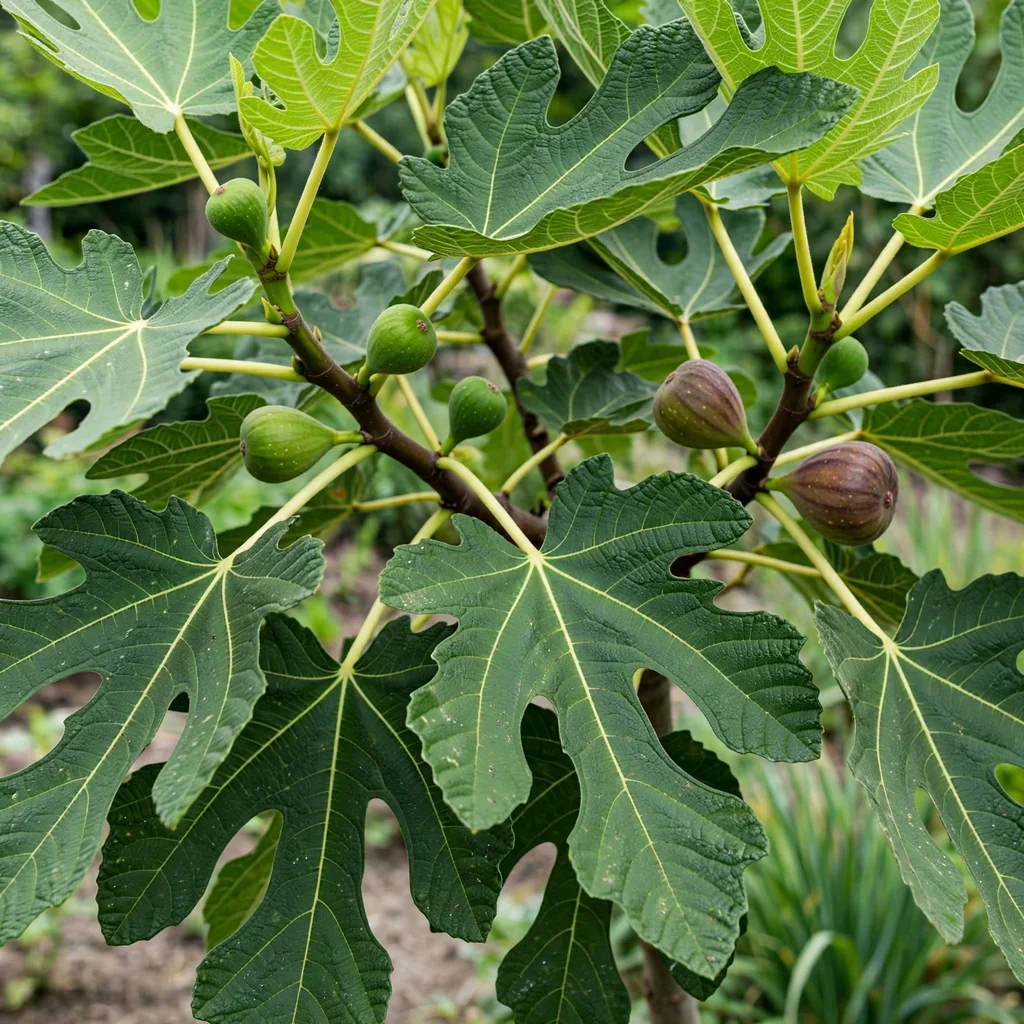
Fig Tree Brown Turkey
Ficus carica 'Brown Turkey'
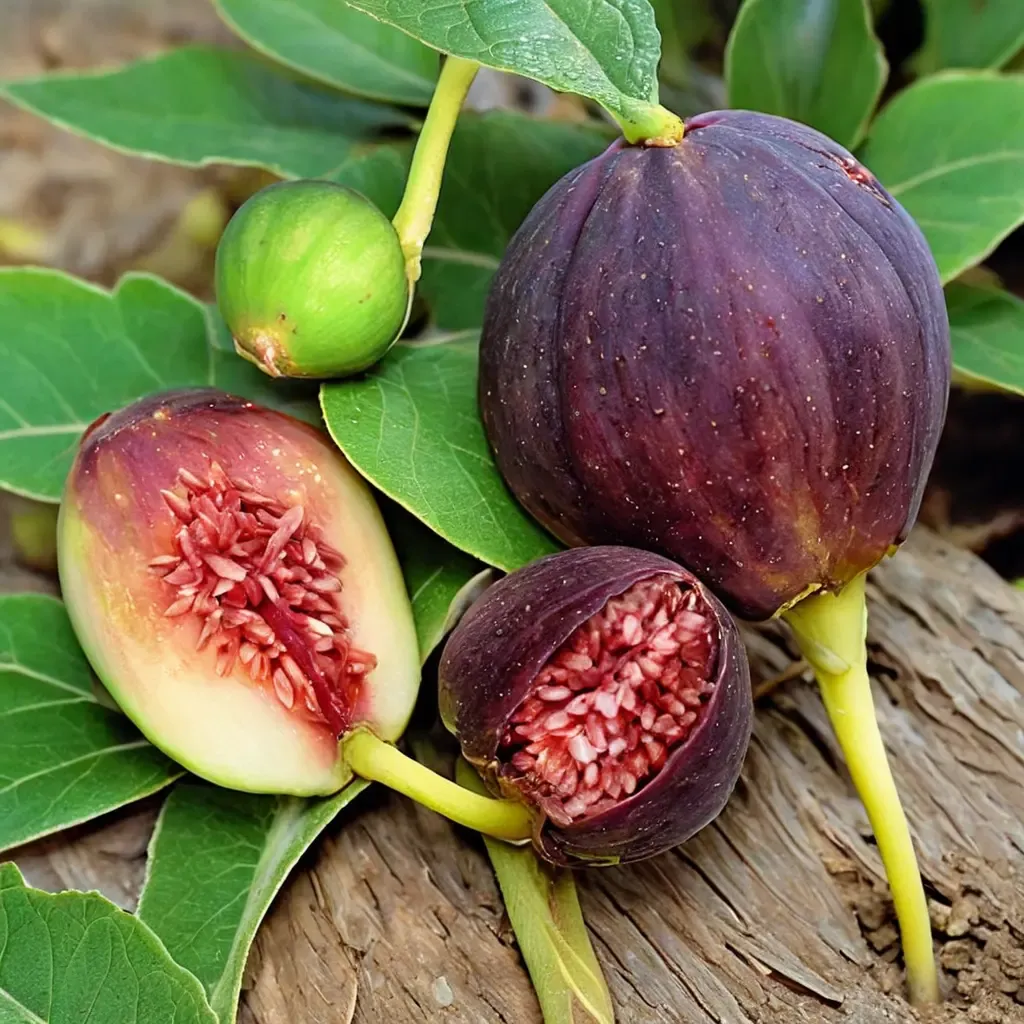
Improved Brown Turkey Fig
Ficus carica 'Improved Brown Turkey'
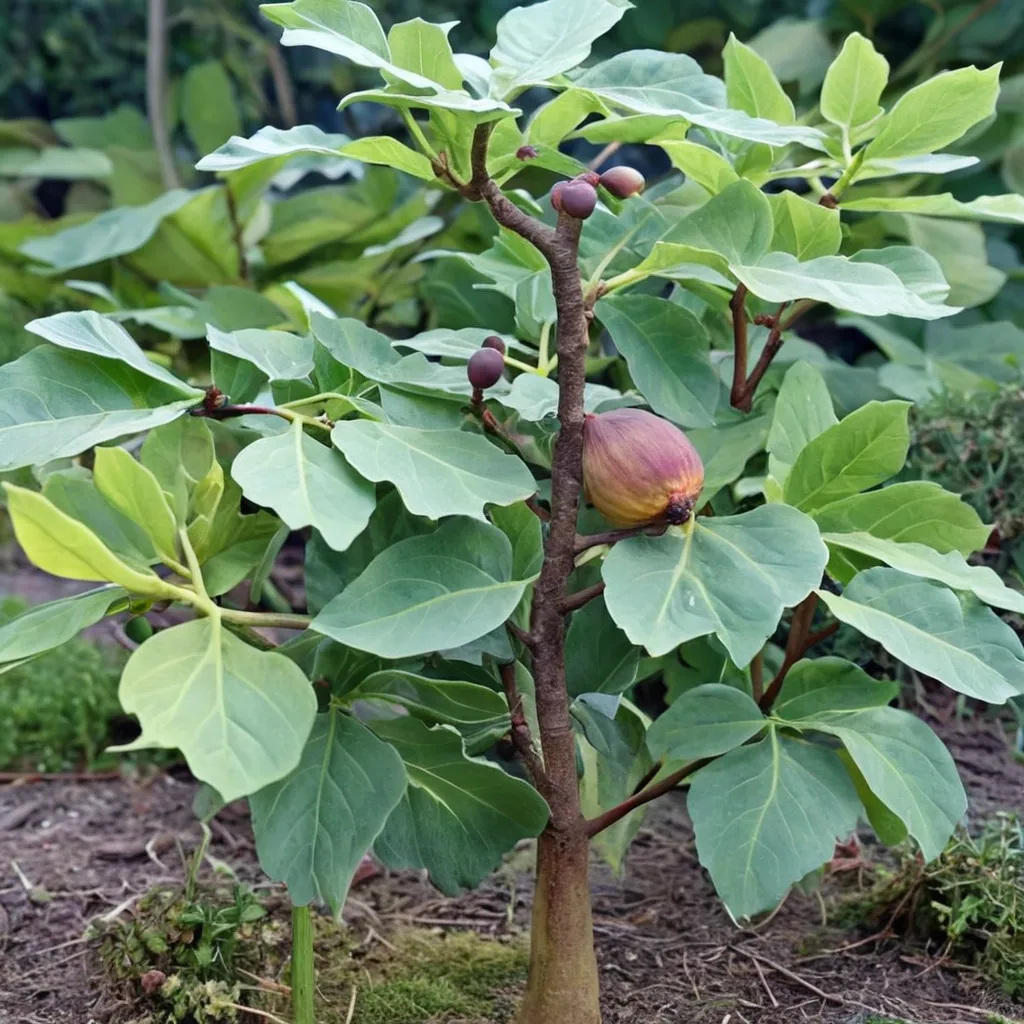
Chicago Hardy Fig
Ficus carica 'Chicago Hardy'
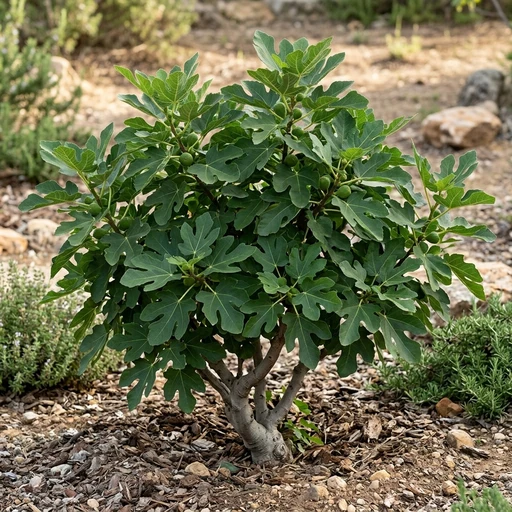
Little Miss Figgy Dwarf Fig
Ficus carica 'Little Miss Figgy'
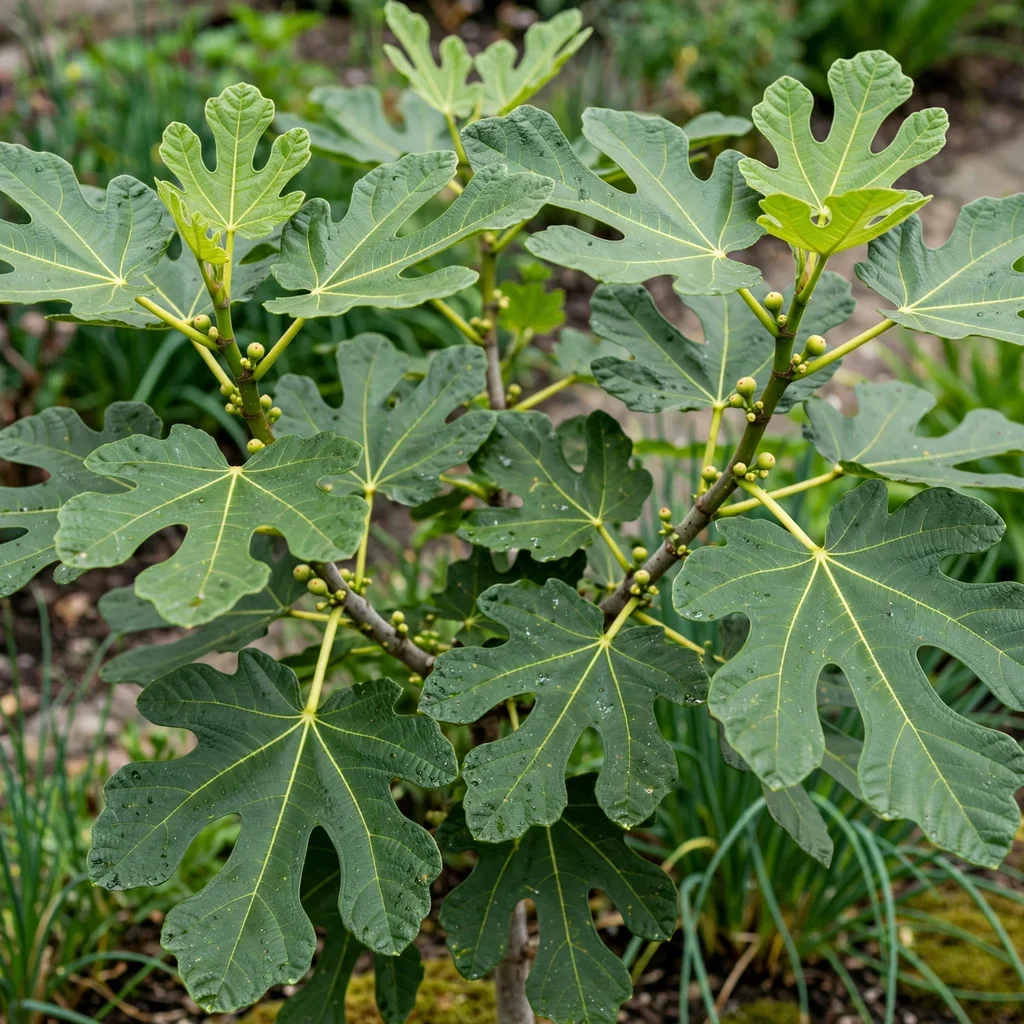
Champagne Fig
Ficus carica 'Champagne'
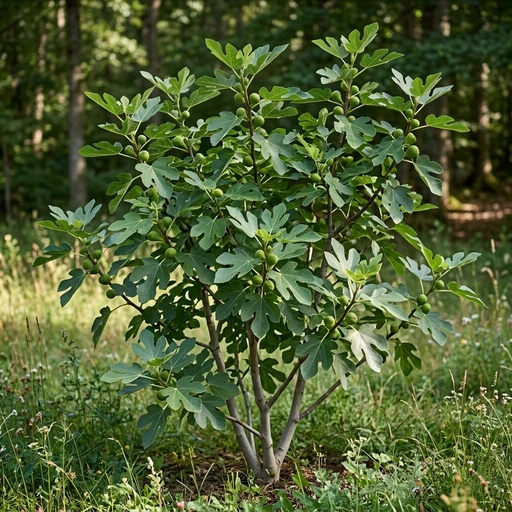
Celeste Fig
Ficus carica 'Celeste'
Keep exploring
Explore the genus
Hardy in your zone?
Grow Rock Fig with confidence
See it in a design of your actual yard, get zone-matched care reminders, and track it season by season in your garden journal.