
The Story
Plant Bio
Helianthus pauciflorus, commonly known as stiff sunflower, is a rigid herbaceous perennial native to North American prairies and open woodlands. It produces strong, unbranched stems carrying rough, leathery leaves with three prominent ribs and a coarse, sandpapery texture.
In midsummer through fall, stems bear bright yellow daisy-like flower heads up to four inches across with dark brown or reddish-purple central disks. Thick underground rhizomes allow colonies to expand rapidly, forming dense clonal thickets ideal for soil stabilization and prairie restorations.
Uses & Benefits:
Essentials
At a Glance
Plant Type
Perennial
Height
79"
Width
118"
Light
Full Sun
Zones
4, 5, 6, 7, 8
Water
Low to Medium
Humidity
Moderate
Lifespan
Perennial
Native To
North America
Toxicity
Non-toxic
Bloom period
Summer – Fall
In flower about 6 months of the year
Planting
How to Grow
- Select a site in full sun receiving at least six hours of direct sunlight daily.
- Plant in well-draining sandy, loamy, or clay soil, ensuring low spot drainage to prevent winter root rot.
- Water thoroughly at planting and supply light supplemental moisture until root systems establish.
- Avoid applying nitrogen fertilizer, which encourages weak, floppy stems and excessive foliage at the expense of upright structure.
Pro Tip
Install an underground root barrier at least fifteen inches deep around plantings to restrict aggressive rhizomatous spread in defined garden borders.
Keep It Thriving
Care Guide
Do
- Plant in full sun to maintain strong, self-supporting stems.
- Provide physical root barriers or ample space for rhizomatous spread.
- Cut spent stems back to ground level in late winter.
Don't
- Do not fertilize heavily, as rich soil causes floppy stem growth.
- Do not plant in poorly drained or waterlogged soils.
- Do not place in small, uncontained perennial borders alongside weak companion plants.
Seasonal Care Calendar
| Task | Jan | Feb | Mar | Apr | May | Jun | Jul | Aug | Sep | Oct | Nov | Dec |
|---|---|---|---|---|---|---|---|---|---|---|---|---|
| Deadhead | ||||||||||||
| Divide | ||||||||||||
| Pest Check | ||||||||||||
| Spring Cleanup |
Watch Out For
Pests & Diseases
Common Pests
Common Diseases
In the Garden
Landscape Uses & Companions
Landscape Uses
Multiply
Propagation Methods
Good to Know
Common Questions
Stiff Sunflower questions
What zones can Stiff Sunflower grow in?
Stiff Sunflower is hardy in USDA Zones 4–8: in that range it survives winter in the ground. Warmer than Zone 8, winter isn't the problem: it prefers colder winters, and summer heat can shorten its life.
Is Stiff Sunflower deer resistant?
Not reliably. Deer may browse Stiff Sunflower, especially tender spring growth — plan on repellents or fencing where pressure is high.
When does Stiff Sunflower bloom?
Stiff Sunflower typically blooms from summer to fall. Exact timing shifts a week or two with your zone — Sow's bloom calendar maps it to your garden.
Does Stiff Sunflower need full sun?
Stiff Sunflower does best in full sun (6+ hours).
Is Stiff Sunflower drought tolerant?
Yes — once established (usually after the first full season), Stiff Sunflower handles dry spells with minimal watering. Water deeply its first year to build the root system that makes that possible.
More Helianthus to compare
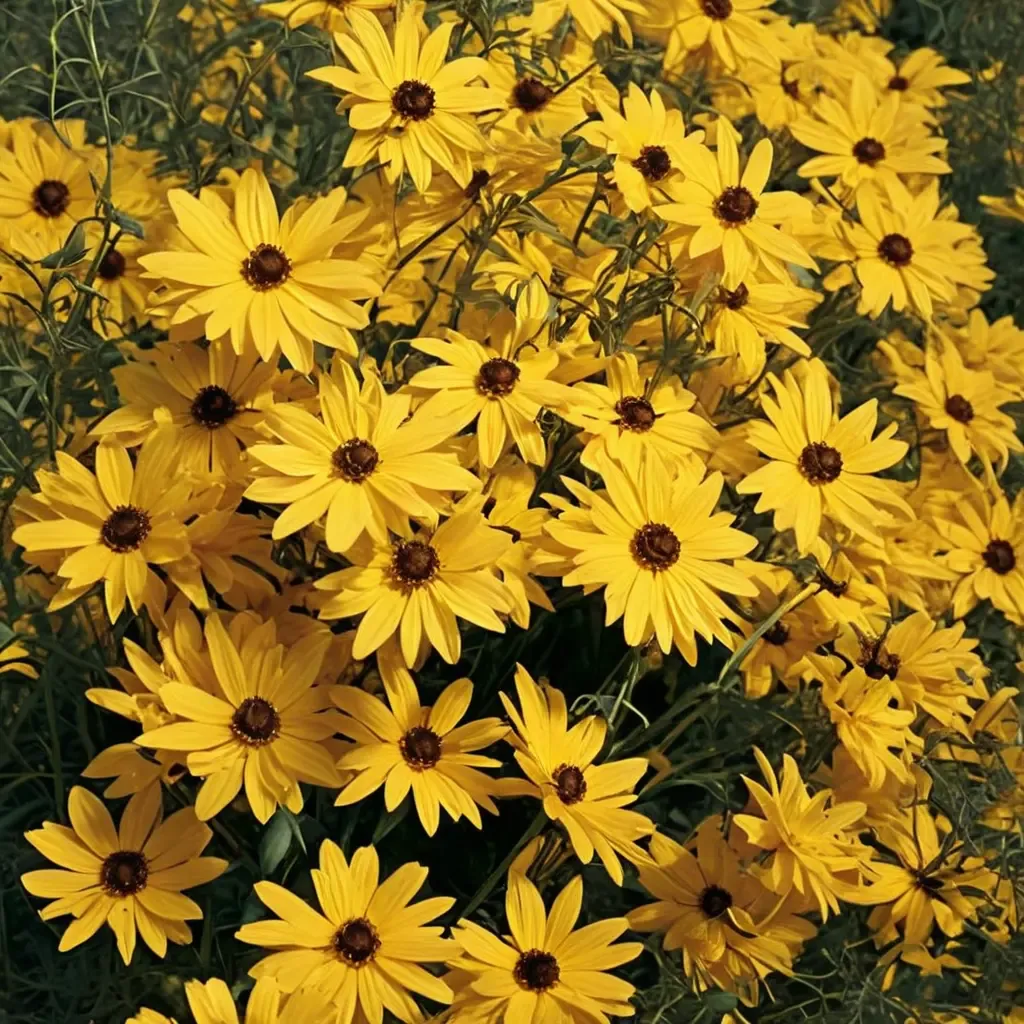
First Light Swamp Sunflower
Helianthus angustifolius 'First Light'
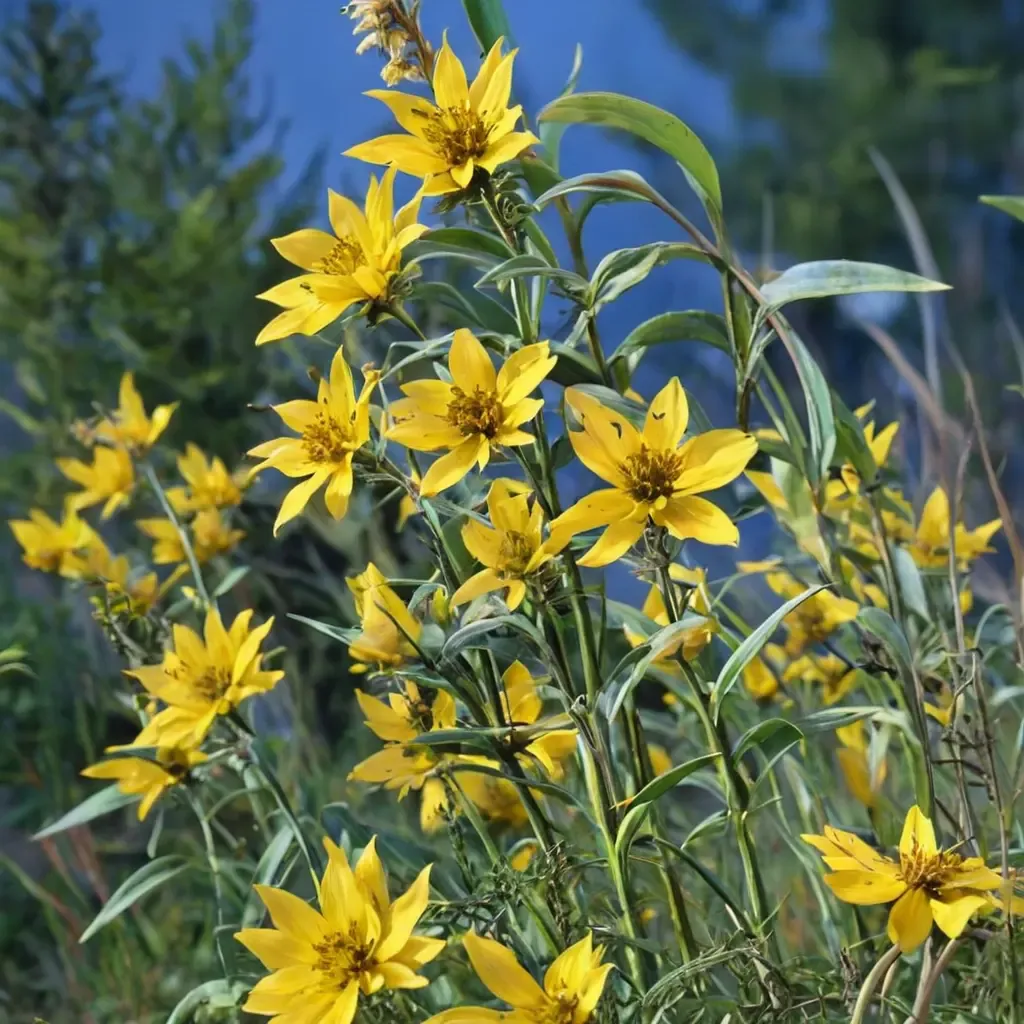
Maximilian sunflower
Helianthus maximiliani
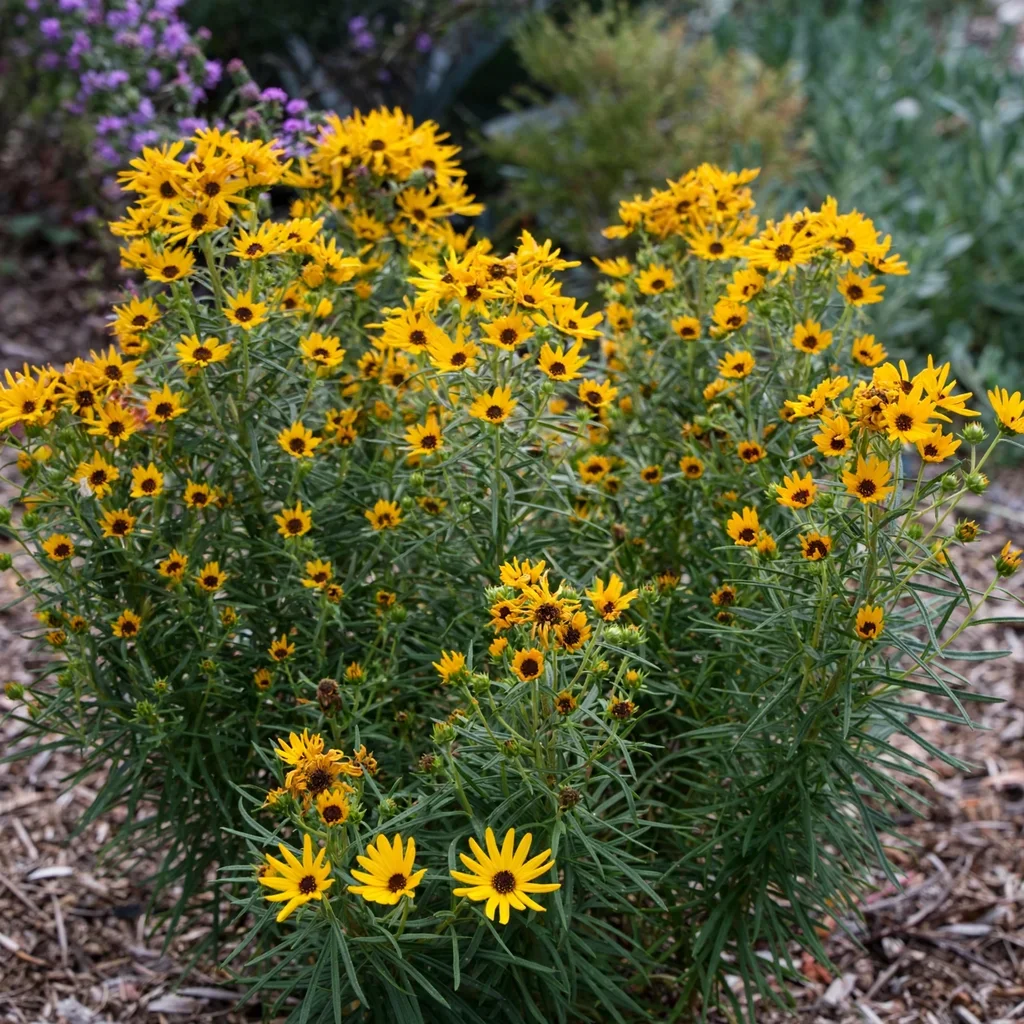
Narrow-Leaf Sunflower Low Down
Helianthus angustifolius 'Low Down'
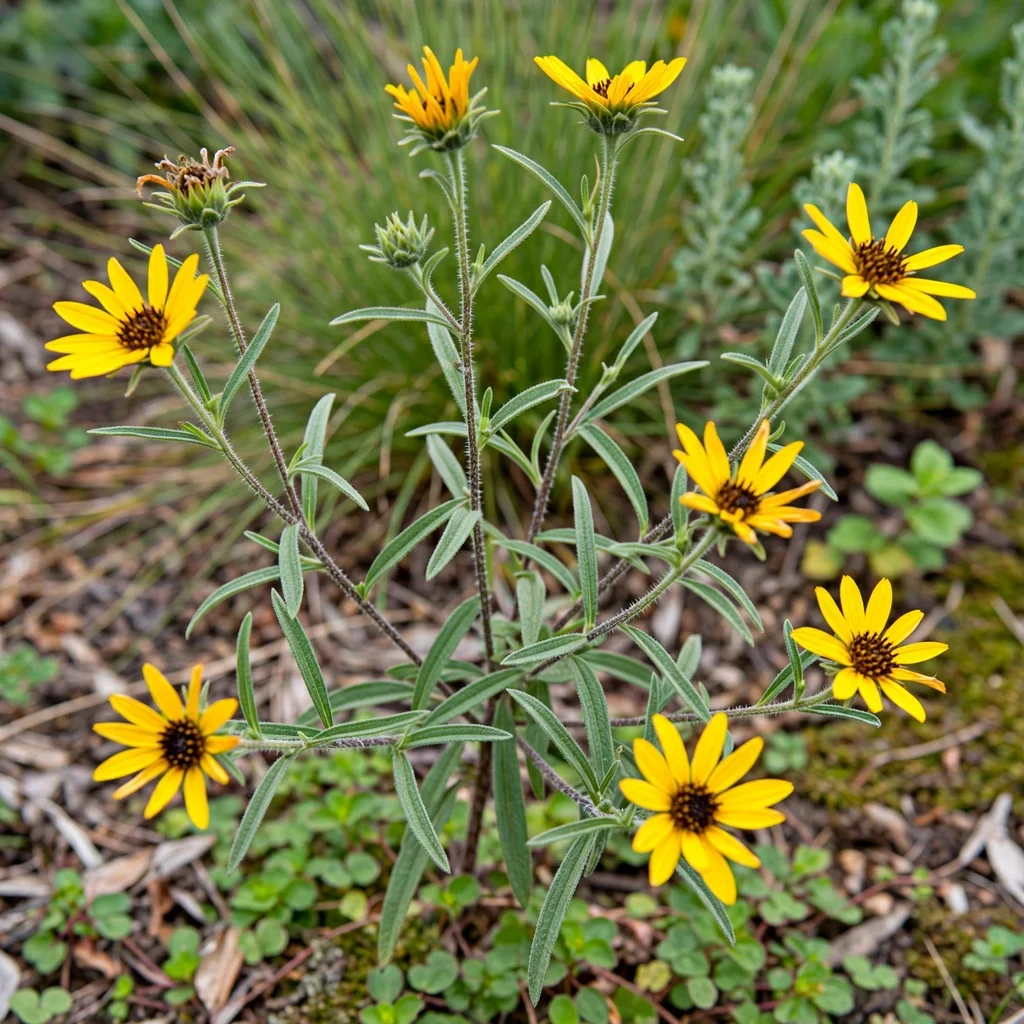
Bolander's Sunflower
Helianthus bolanderi
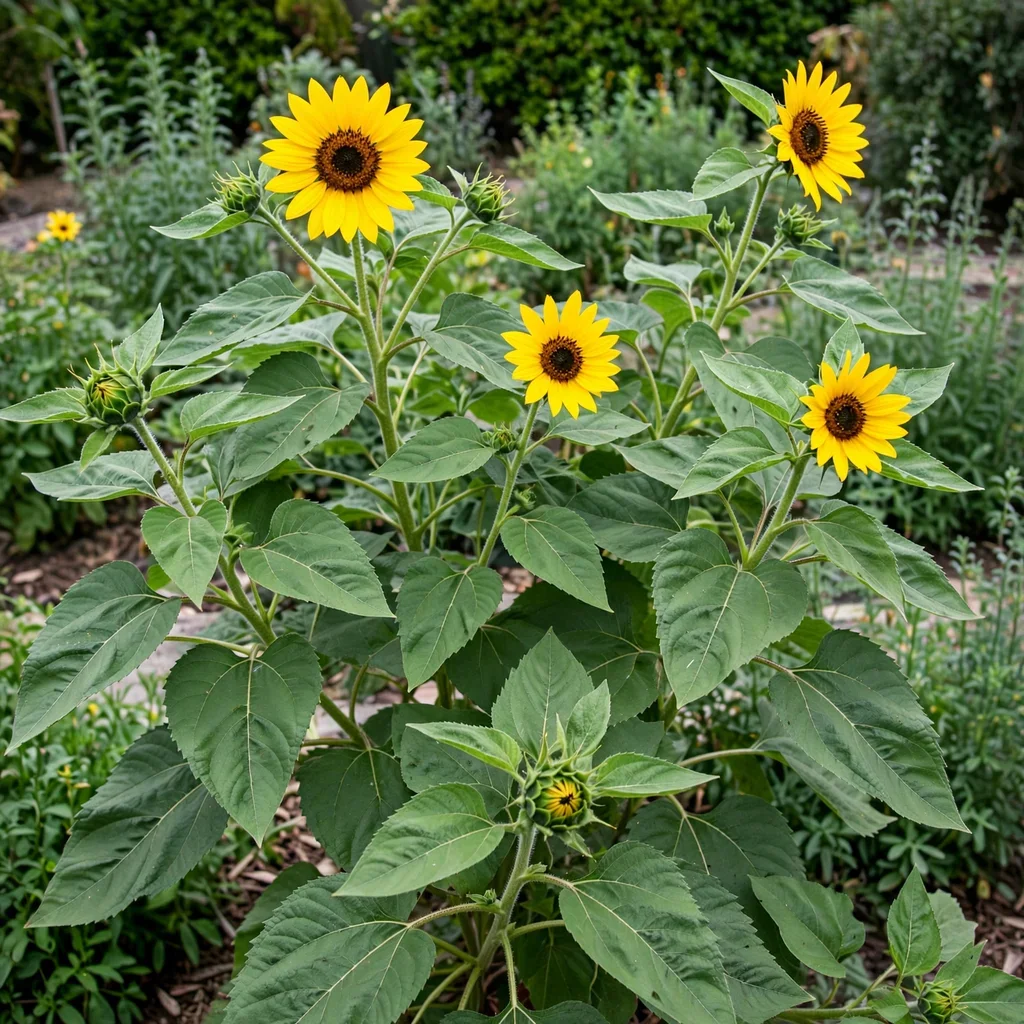
Table Mountain Sunflower
Helianthus annuus 'Table Mountain'
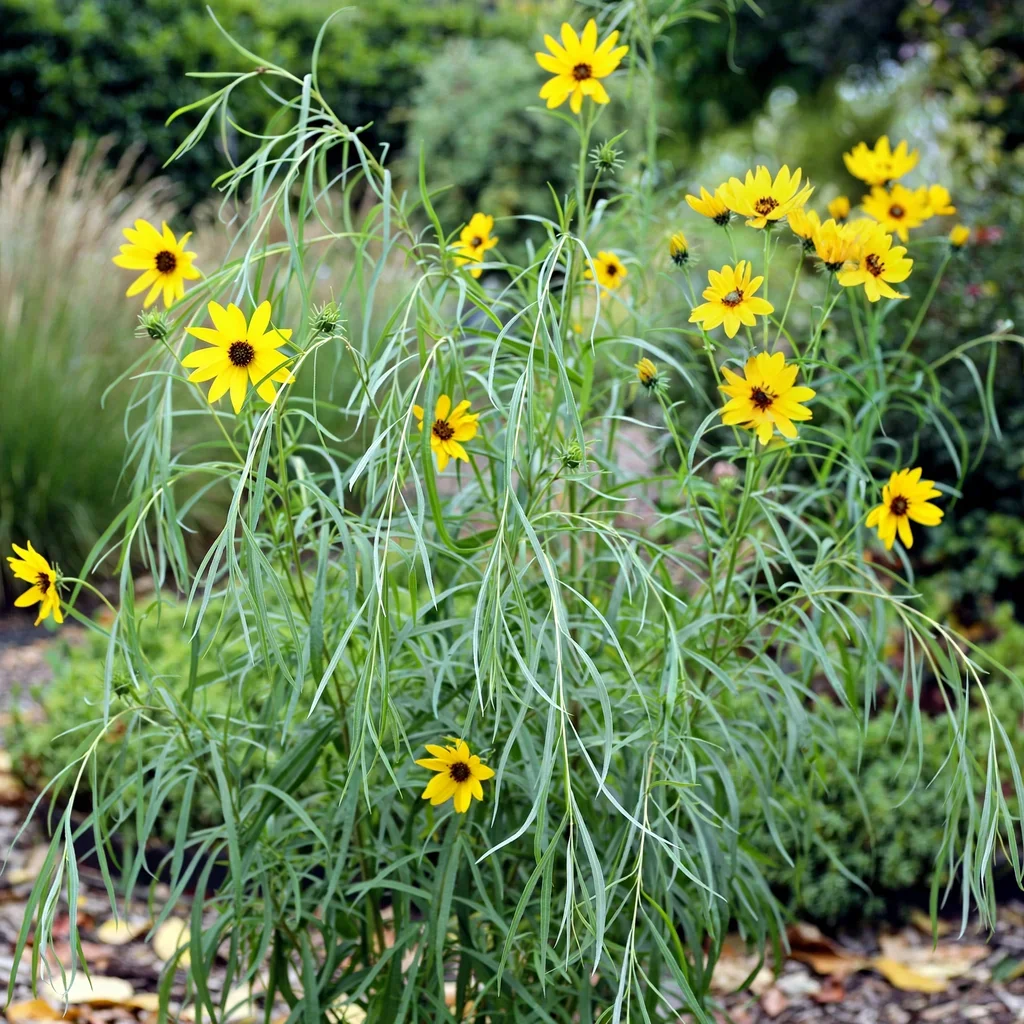
Salicifolius Sunflower Willowleaf Sunflower
Helianthus salicifolius
Keep exploring
Explore the genus
Hardy in your zone?
Grow Stiff Sunflower with confidence
See it in a design of your actual yard, get zone-matched care reminders, and track it season by season in your garden journal.