The Story
Plant Bio
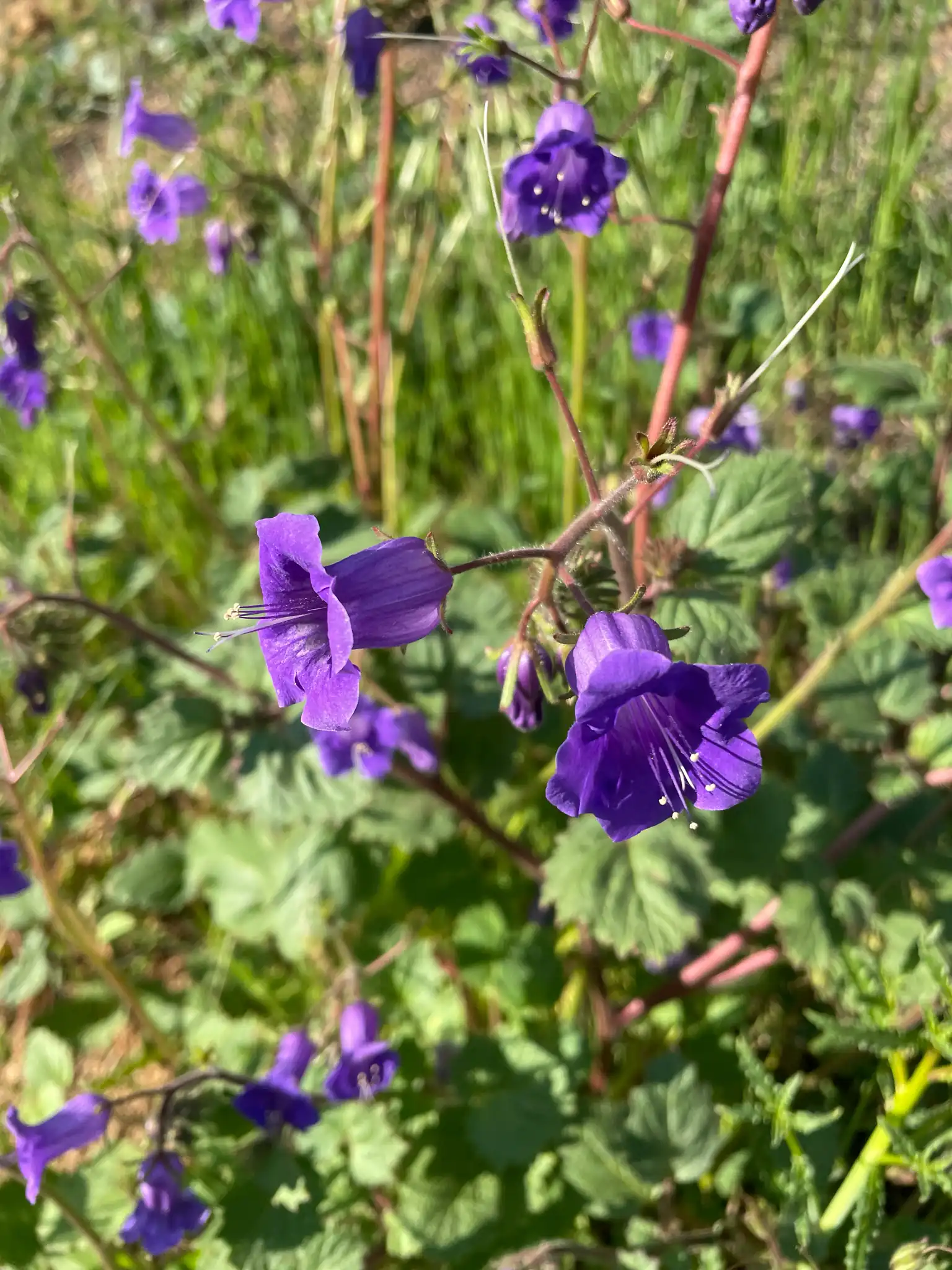
Phacelia minor is an erect annual native to California and northwestern Mexico, growing up to three feet tall in lean soils. Stiff-hairy stems bear coarsely toothed foliage and open clusters of deep purple to blue, bell-shaped flowers with prominent white stamens.
This species is distinguished by its deep tubular-campanulate flowers and white-lobed stamens that extend beyond the petals. Glandular hairs on the stems and velvety leaves give off a resinous scent and help protect the foliage in hot, arid chaparral habitats.
Uses & Benefits:
Essentials
At a Glance
Plant Type
Annual
Height
40"
Width
16"
Light
Full Sun, Partial Sun
Zones
8, 9, 10
Water
Low
Humidity
Low
Lifespan
Annual
Native To
California, Mexico
Toxicity
Skin Irritant
Bloom period
Spring – Early summer
In flower about 4 months of the year
Planting
How to Grow
- Select an open site in full sun or light shade with fast-draining, sandy or gravelly soil.
- Scatter seeds directly over bare soil in late fall or early winter before winter rains.
- Press seeds lightly into the surface without burying them, as light aids germination.
- Thin emerging seedlings to ten inches apart once true leaves develop.
Pro Tip
Sow seed directly where plants are to bloom in late fall; rich soil and added fertilizer produce weak, floppy stems that quickly rot at the crown.
Keep It Thriving
Care Guide
Do
- Sow seeds directly outdoors during late autumn or early winter.
- Provide coarse, sharply draining soil with minimal organic matter.
- Allow seed heads to mature on the plant if naturalized self-seeding is desired.
Don't
- Do not fertilize or grow in moisture-retentive, heavy clay soil.
- Do not overwater established seedlings.
- Do not handle stems without gloves if susceptible to contact skin irritation.
Seasonal Care Calendar
| Task | Jan | Feb | Mar | Apr | May | Jun | Jul | Aug | Sep | Oct | Nov | Dec |
|---|---|---|---|---|---|---|---|---|---|---|---|---|
| Deadhead | ||||||||||||
| Pest Check | ||||||||||||
| Plant | ||||||||||||
| Spring Cleanup |
Watch Out For
Pests & Diseases
Common Pests
Common Diseases
In the Garden
Landscape Uses & Companions
Landscape Uses
Multiply
Propagation Methods
Good to Know
Common Questions
California Bluebell questions
What zones can California Bluebell grow in?
California Bluebell is an annual: it grows, flowers and sets seed in one season, so winter cold doesn't limit where it grows. Gardeners in any zone can grow it by planting at the right time, usually after the last spring frost.
Is California Bluebell deer resistant?
Not reliably. Deer may browse California Bluebell, especially tender spring growth — plan on repellents or fencing where pressure is high.
When does California Bluebell bloom?
California Bluebell typically blooms from early spring to early summer. Exact timing shifts a week or two with your zone — Sow's bloom calendar maps it to your garden.
Does California Bluebell need full sun?
California Bluebell does best in full sun to part shade. In hot climates, afternoon shade keeps blooms fresher longer.
Is California Bluebell drought tolerant?
Yes — once established (usually after the first full season), California Bluebell handles dry spells with minimal watering. Water deeply its first year to build the root system that makes that possible.
More Phacelia to compare
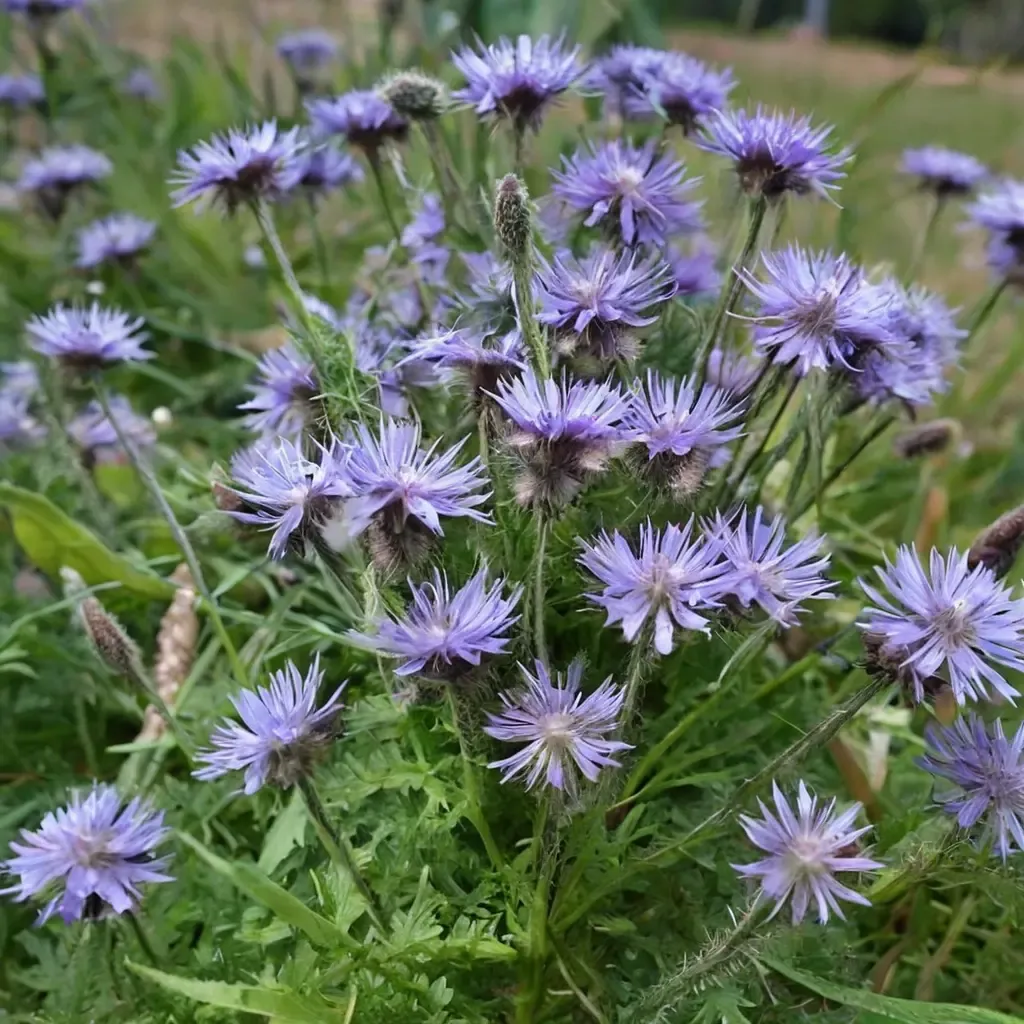
Lacy phacelia Bluebell phacelia
Phacelia tanacetifolia
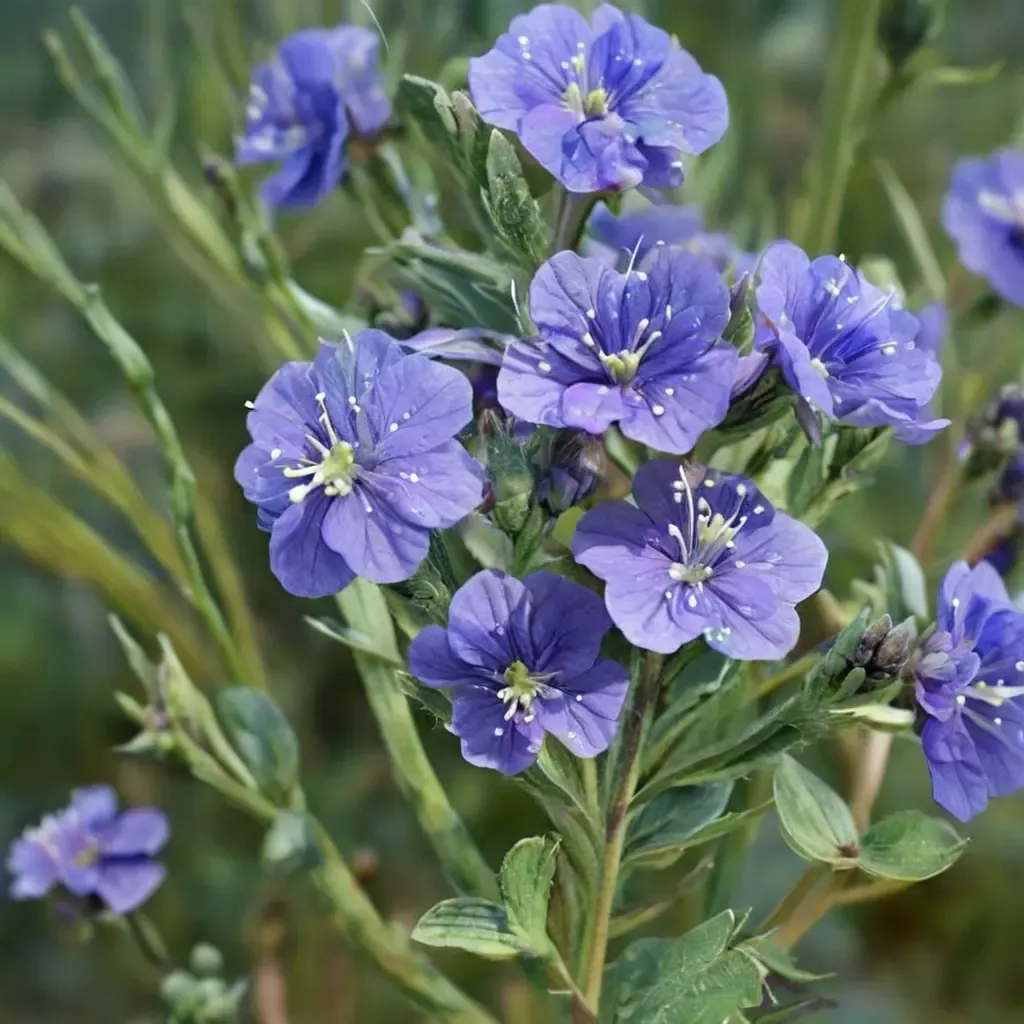
Great Valley Phacelia
Phacelia ciliata
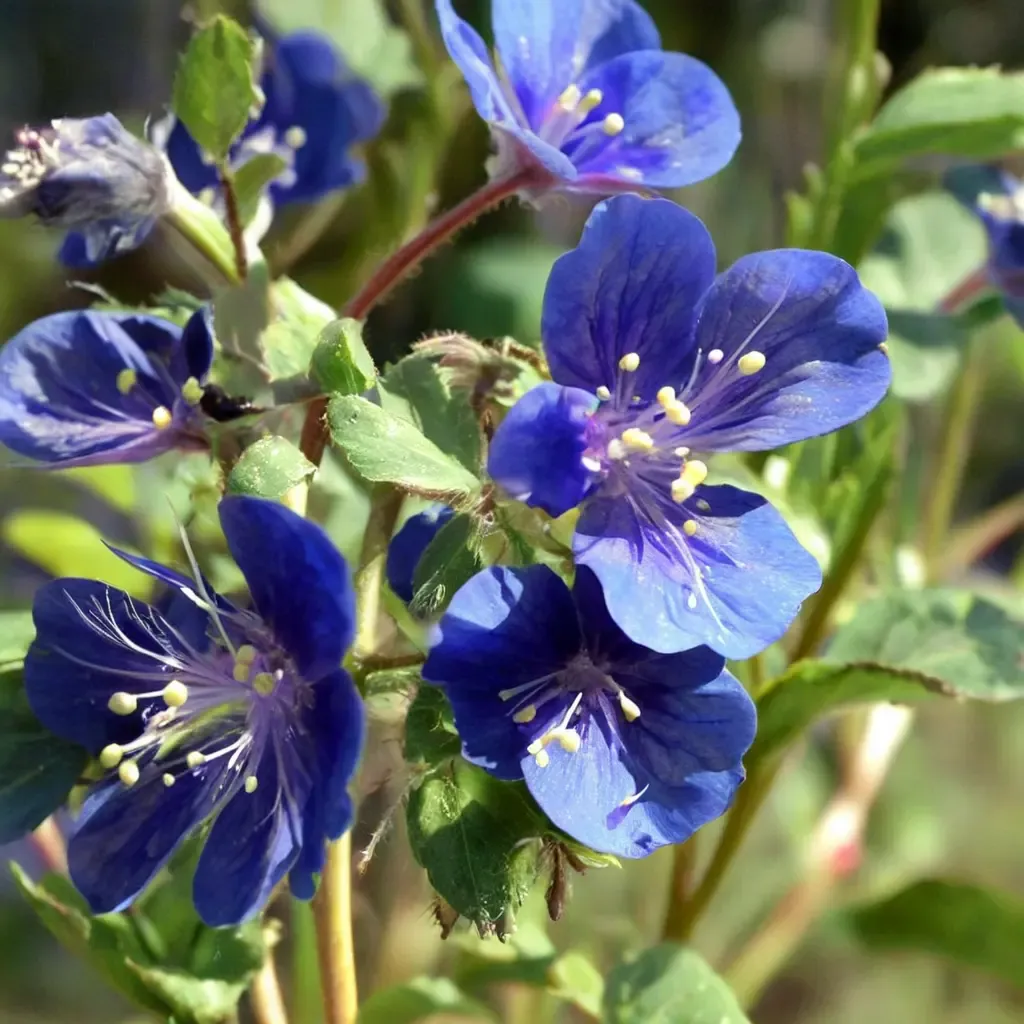
Parry's Phacelia
Phacelia parryi
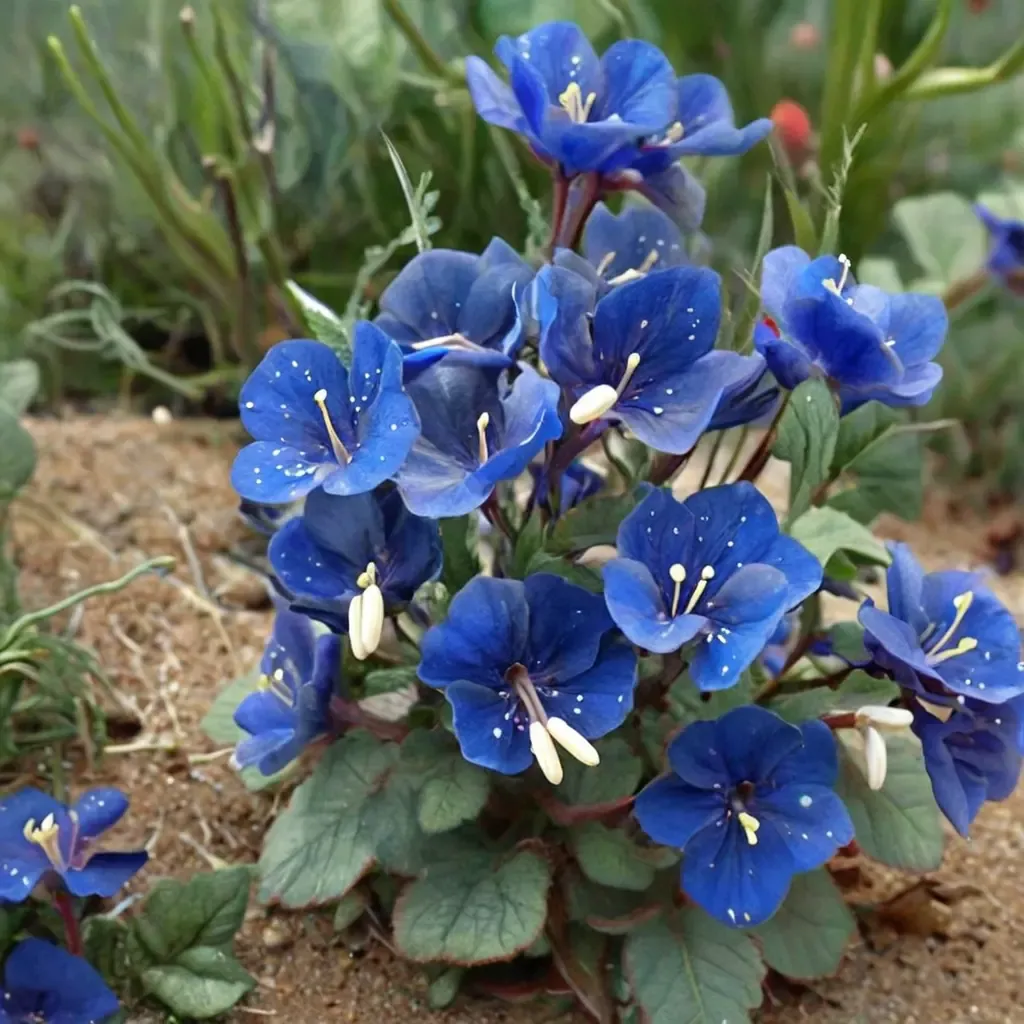
Desert Bluebell
Phacelia campanularia
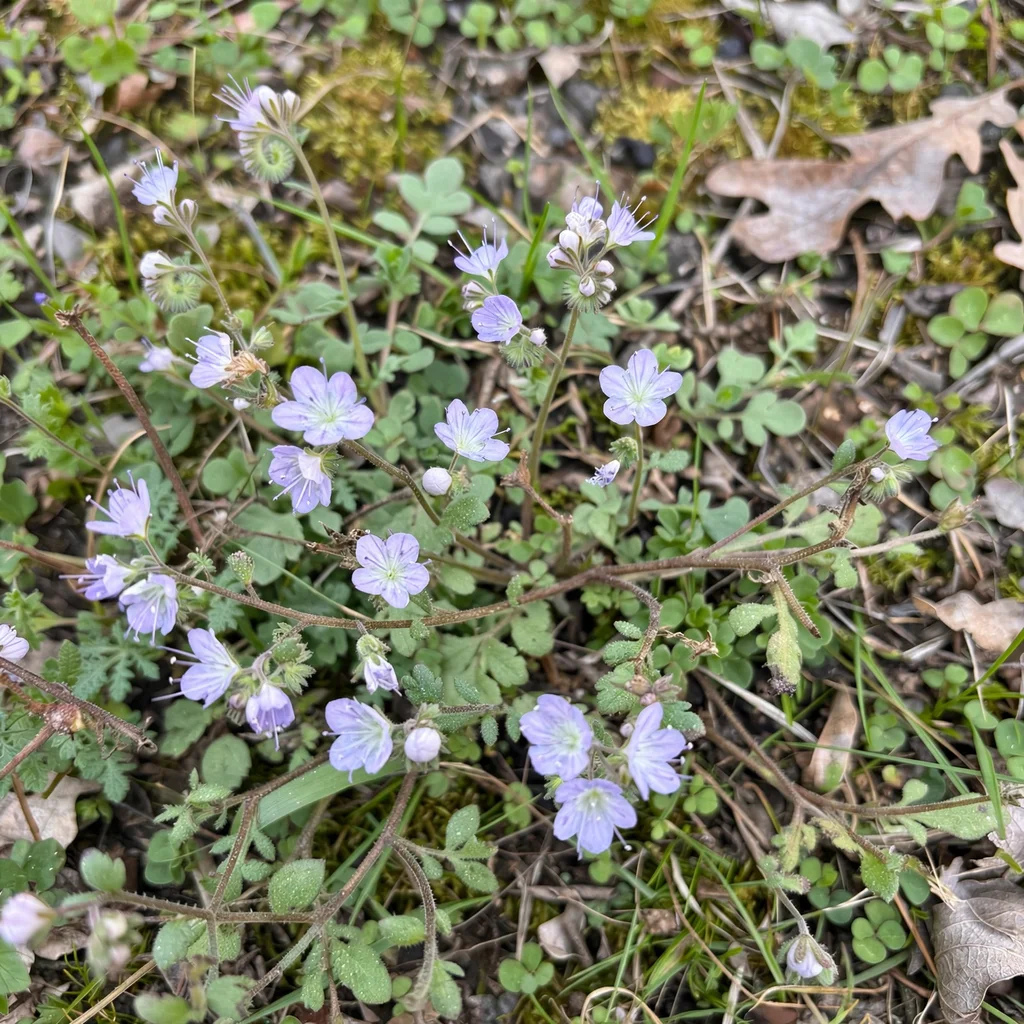
Smallflower Phacelia
Phacelia dubia
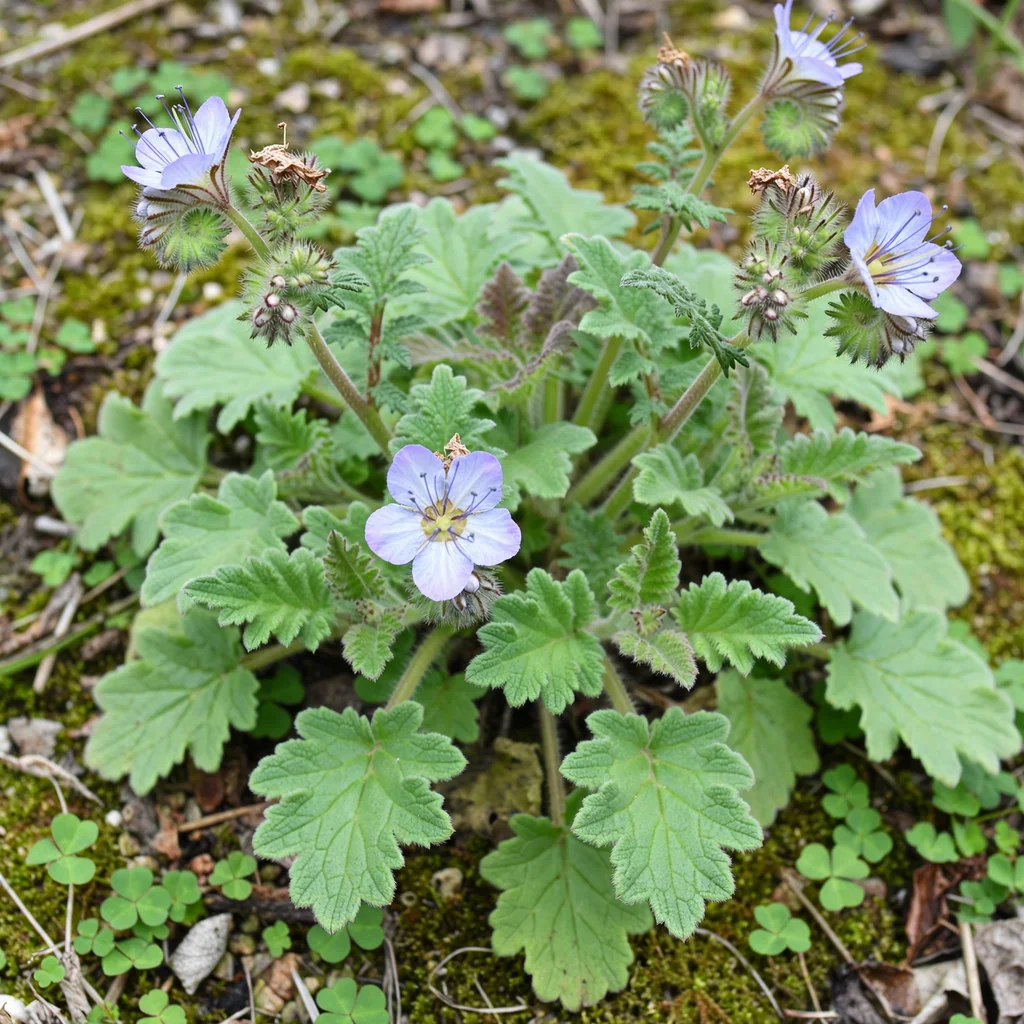
Bolander's Phacelia
Phacelia bolanderi
Keep exploring
Explore the genus
Hardy in your zone?
Grow California Bluebell with confidence
See it in a design of your actual yard, get zone-matched care reminders, and track it season by season in your garden journal.