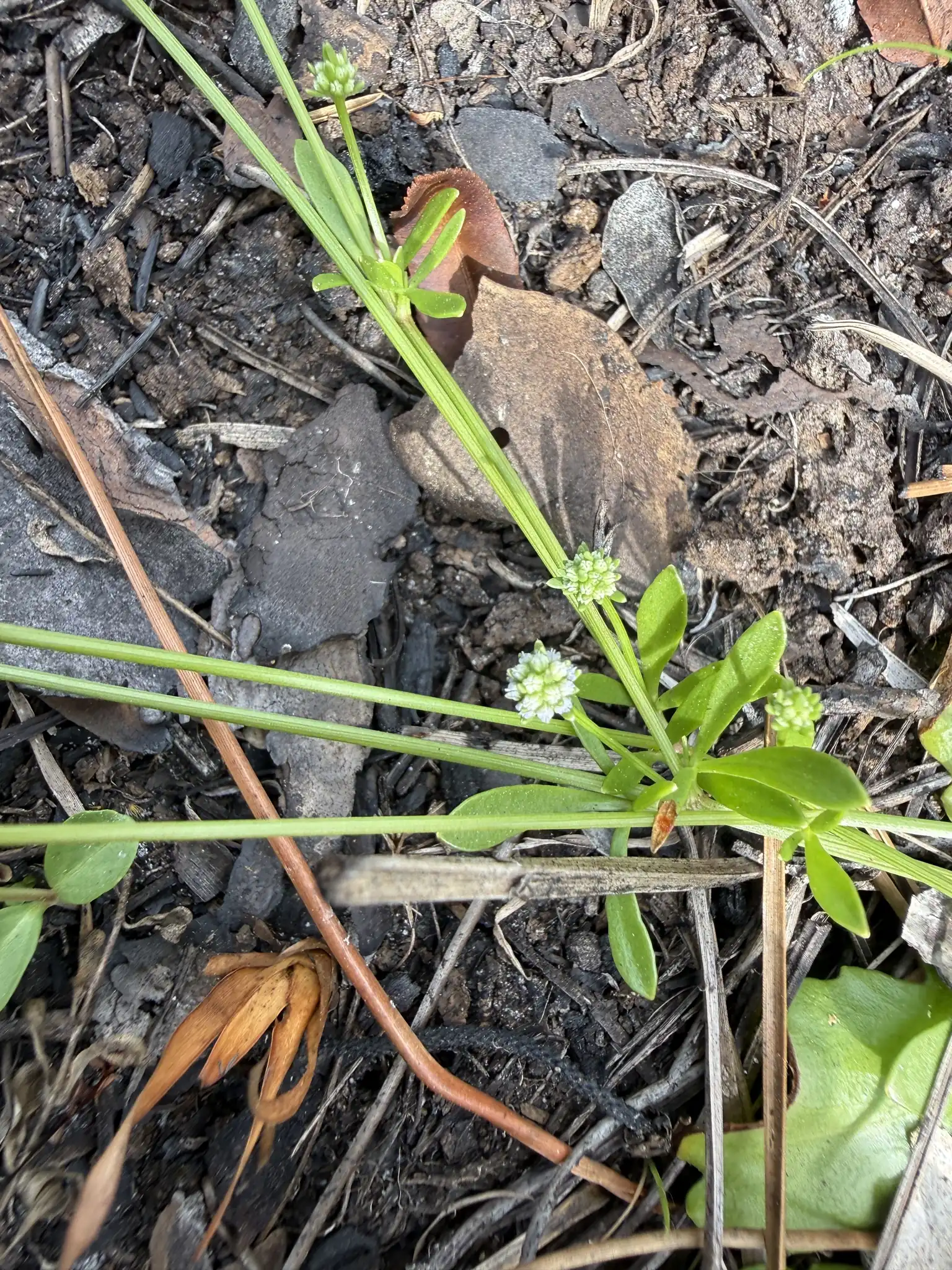
The Story
Plant Bio
Eryngium baldwinii is a sprawling biennial to short-lived perennial in the carrot family, forming low prostrate stems to 3 feet long with variable basal leaves. The bloom is carried as many small 1/4-inch heads of greenish-white to purplish-blue flowers rather than the large thistle-like cones of upland sea hollies.
Unlike dry rock-garden eryngos, this species requires consistently moist to wet sandy or organic soil and spreads as a vine-like groundcover. The effect is a hazy light-blue wash from hundreds of tiny heads from spring to fall, and the foliage dies back in winter in colder parts of its range.
Uses & Benefits:
Essentials
At a Glance
Plant Type
Groundcover
Height
36"
Width
36"
Light
Full Sun, Partial Sun
Zones
8, 9, 10
Water
Moist to wet
Humidity
Tolerates humidity
Lifespan
Biennial to short-lived perennial
Native To
Southeastern USA
Toxicity
Unknown - not confirmed
Bloom period
Spring – Fall
In flower about 9 months of the year
Planting
How to Grow
- Plant in full sun in moist sandy or organic soil that stays damp.
- Space plants to allow stems to sprawl and root along the ground.
- Water to keep soil consistently moist through the first summer; established plants still need wet periods.
- Leave flower heads to set seed for replacement plants, as individuals are short-lived.
- Cut back dead stems in late winter before spring regrowth.
Pro Tip
Hold off mowing once buds appear; plants bloom far more when left undisturbed to sprawl.
Keep It Thriving
Care Guide
Do
- Keep soil consistently moist to wet, never allowing it to dry hard.
- Give full sun with only light midday shade in hot sites.
- Leave spent heads to reseed to replace short-lived plants.
Don't
- Do not plant in dry rock-garden soil like upland sea hollies.
- Do not mow or shear once buds form; it removes the bloom.
- Do not expect a showy thistle display or a climbing vine.
Seasonal Care Calendar
| Task | Jan | Feb | Mar | Apr | May | Jun | Jul | Aug | Sep | Oct | Nov | Dec |
|---|---|---|---|---|---|---|---|---|---|---|---|---|
| Mulch | ||||||||||||
| Pest Check | ||||||||||||
| Plant | ||||||||||||
| Spring Cleanup |
Watch Out For
Pests & Diseases
Common Pests
Common Diseases
In the Garden
Landscape Uses & Companions
Landscape Uses
Multiply
Propagation Methods
Good to Know
Common Questions
Baldwin's Eryngo questions
What zones can Baldwin's Eryngo grow in?
Baldwin's Eryngo is hardy in USDA Zones 8–10: in that range it survives winter in the ground. Colder than Zone 8, grow it in a container you can move to shelter for the winter, or as an annual.
When does Baldwin's Eryngo bloom?
Baldwin's Eryngo typically blooms from spring to fall. Exact timing shifts a week or two with your zone — Sow's bloom calendar maps it to your garden.
Does Baldwin's Eryngo need full sun?
Baldwin's Eryngo does best in full sun to part shade. In hot climates, afternoon shade keeps blooms fresher longer.
More Eryngium to compare
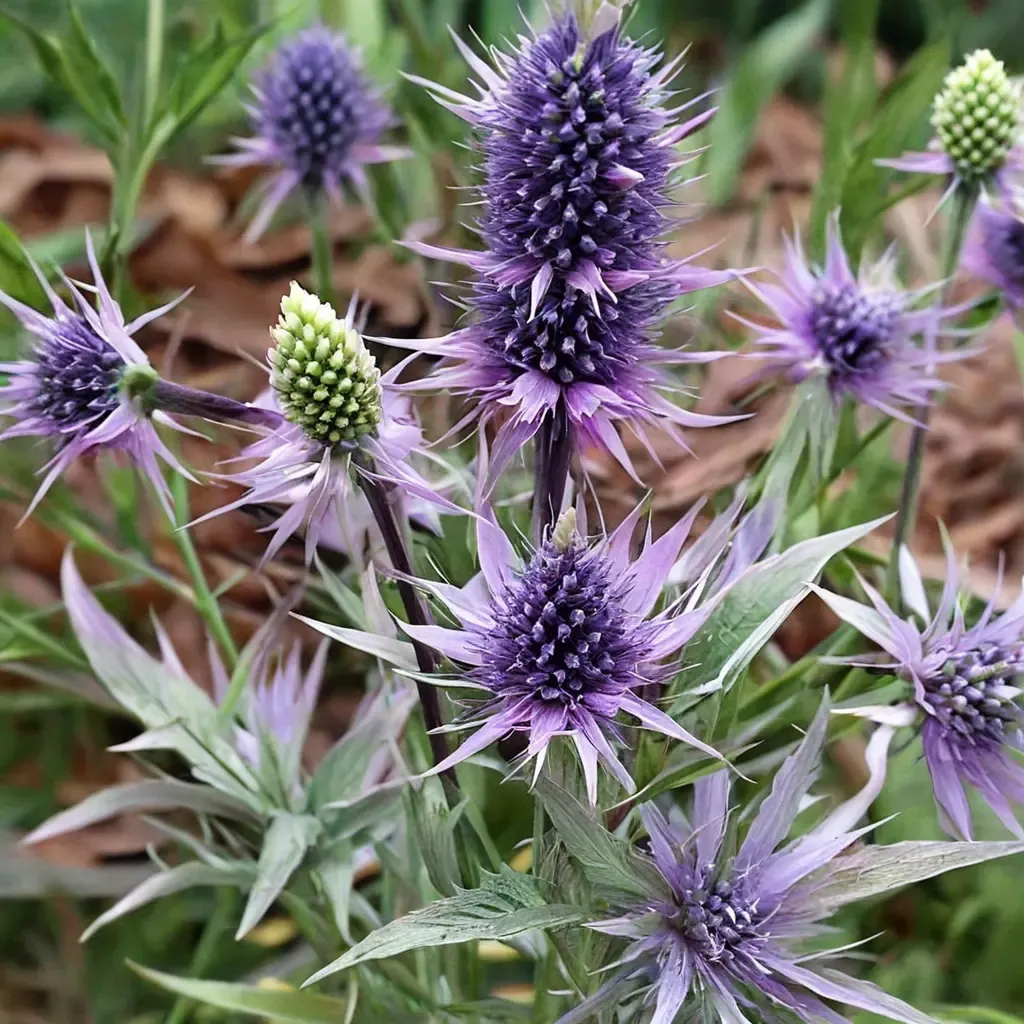
Sea Holly
Eryngium heterophyllum
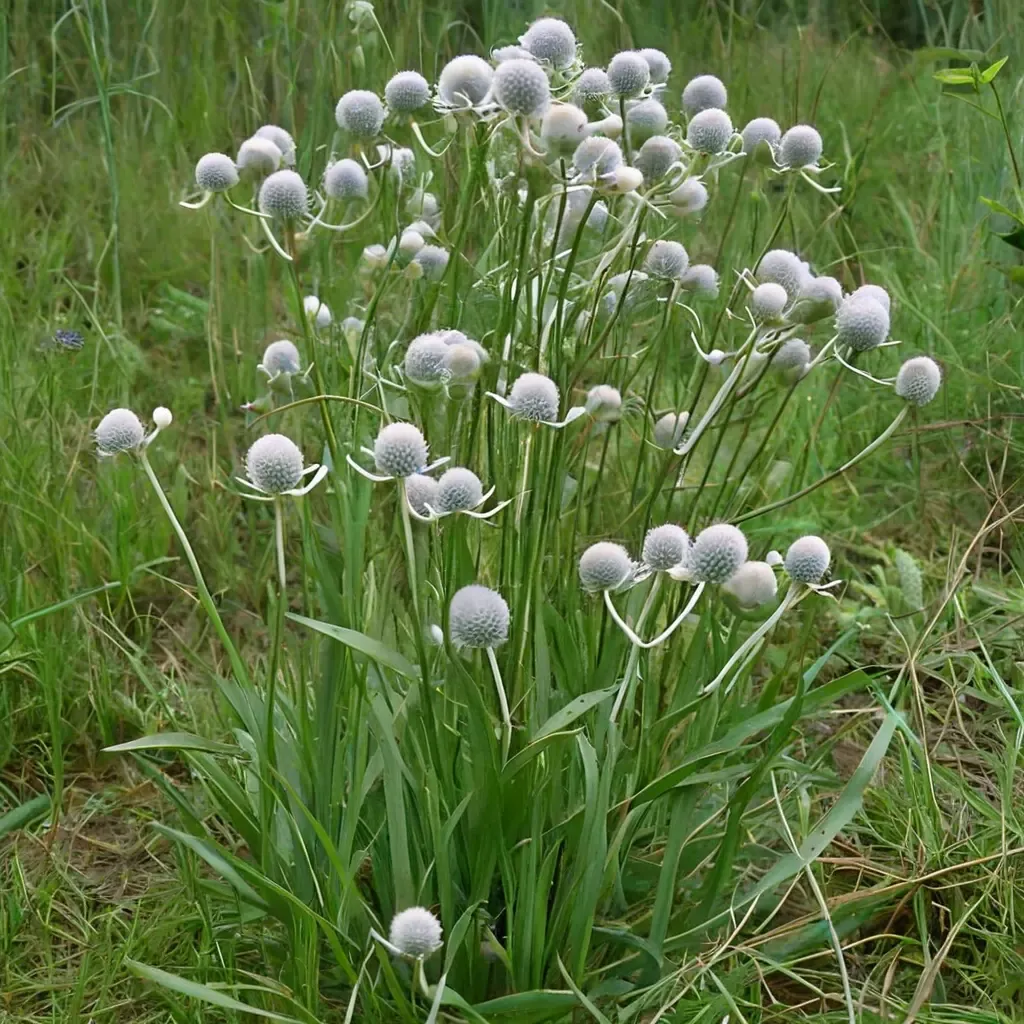
Rattlesnake master
Eryngium yuccifolium
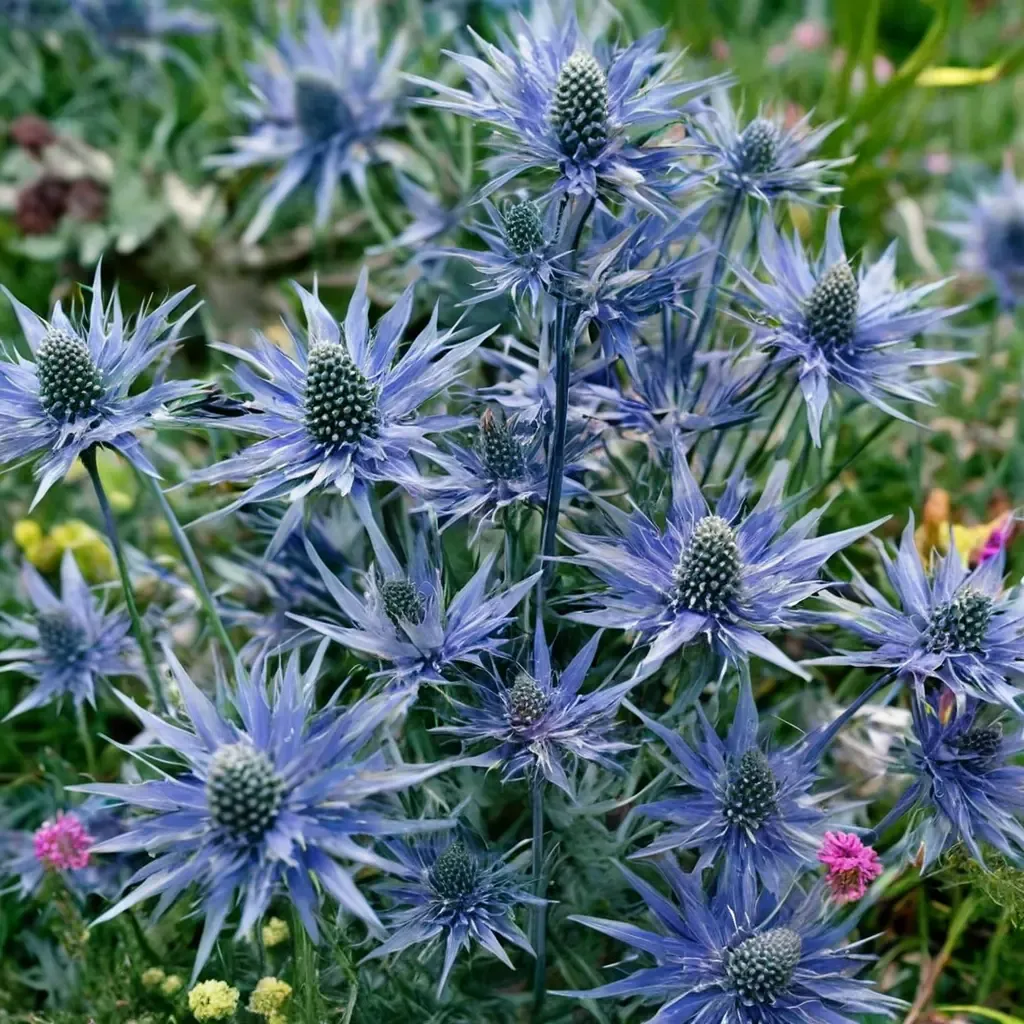
Big Blue Sea Holly
Eryngium x hybrida 'Big Blue'
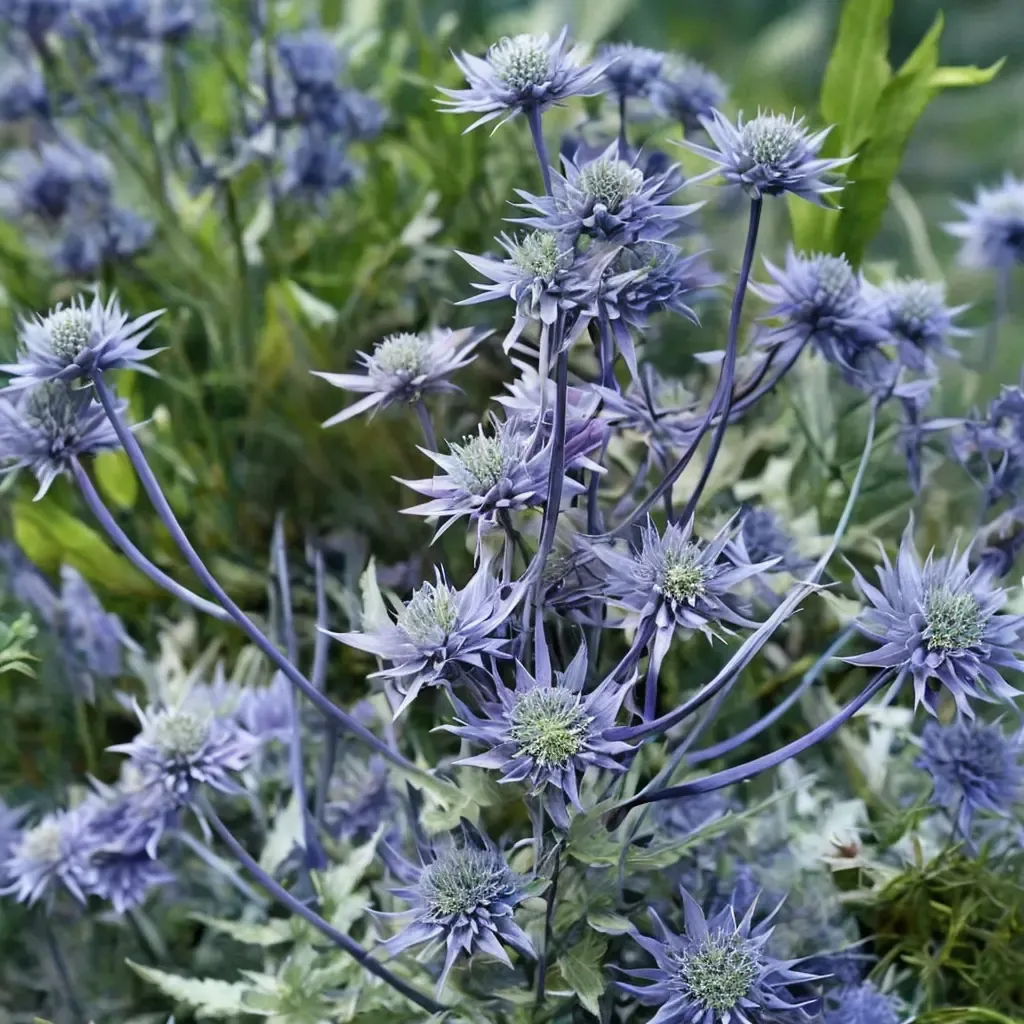
Blue Glitter Sea Holly
Eryngium planum 'Blue Glitter'
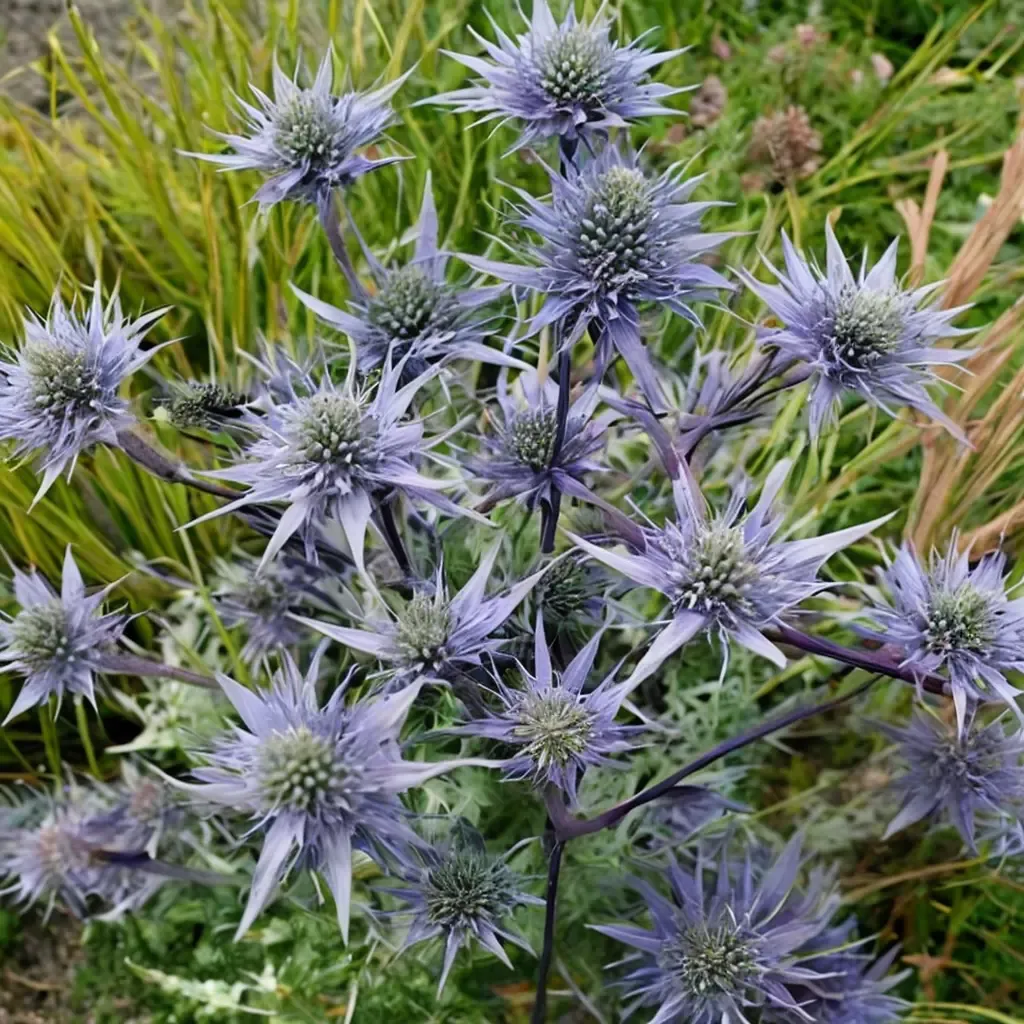
Picos Blue Sea Holly
Eryngium bourgatii 'Picos Blue'
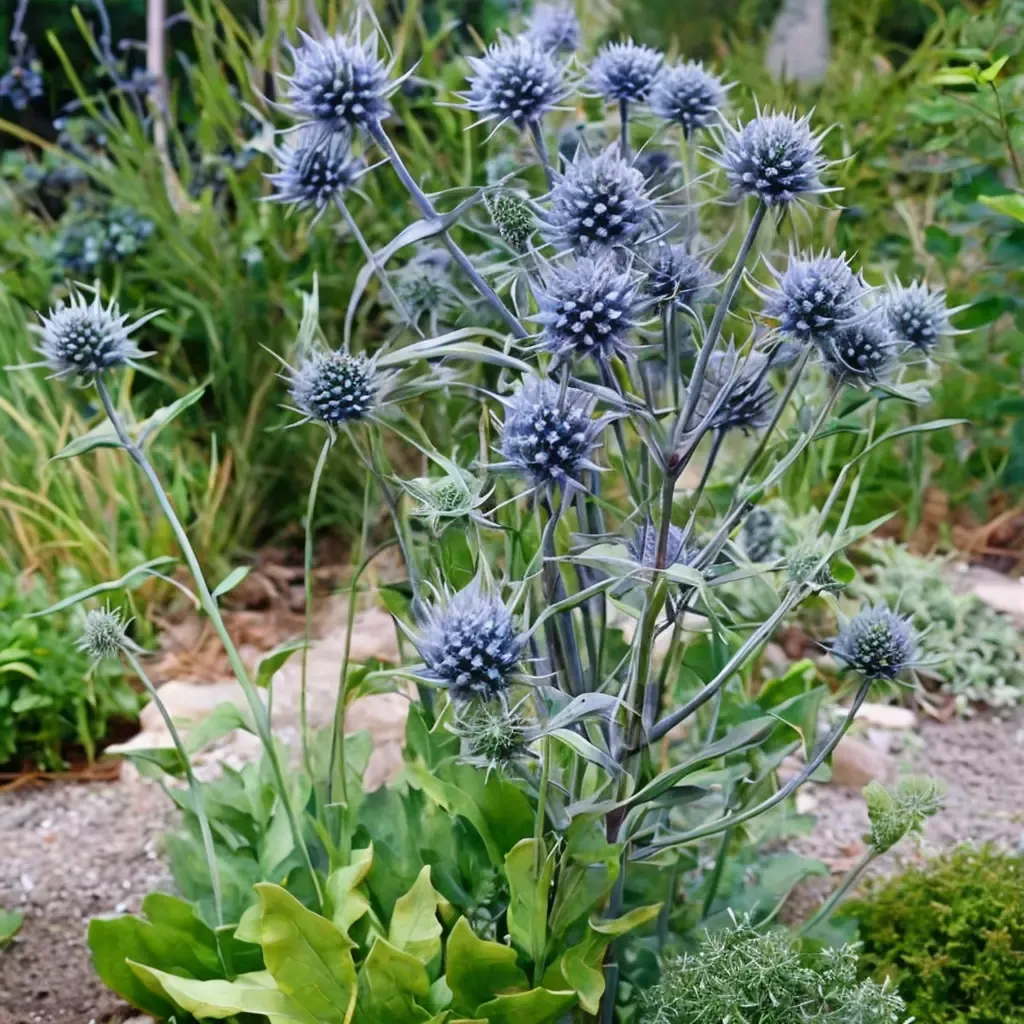
Flat Sea Holly
Eryngium planum
Keep exploring
Explore the genus
Hardy in your zone?
Grow Baldwin's Eryngo with confidence
See it in a design of your actual yard, get zone-matched care reminders, and track it season by season in your garden journal.