The Story
Plant Bio
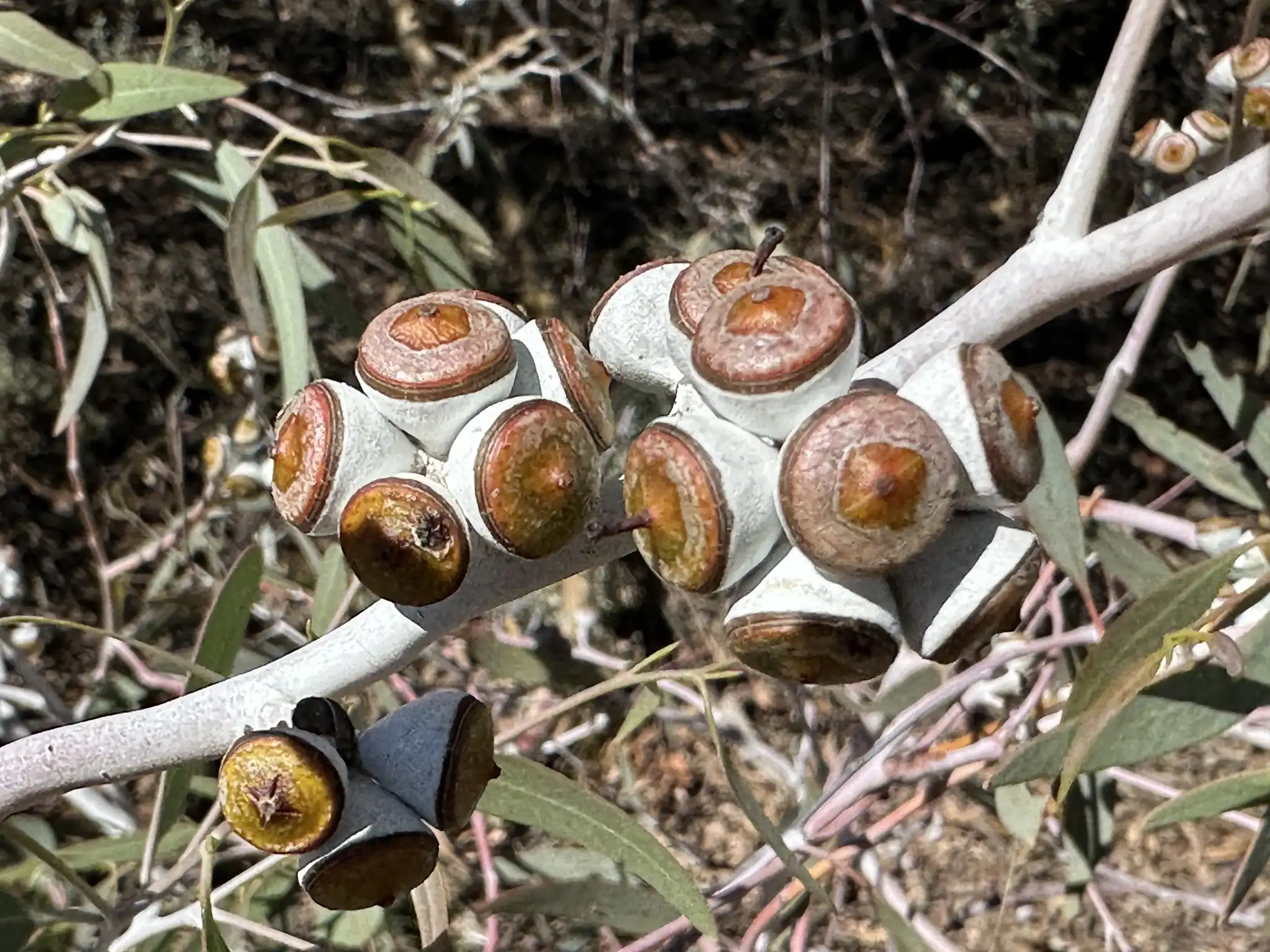
Eucalyptus campaspe is an evergreen tree native to arid Western Australia, growing as a small canopy or multi-stemmed mallet with smooth, fluted bark in coppery, cinnamon, and silver tones. Its narrow, dull grey-green leaves weather to a mild gloss, while juvenile shoots carry a distinct silvery-white bloom.
Lacking a lignotuber, this species relies on its single or fluted main trunk and produces glaucous buds that yield cream-colored flowers in summer. Its exceptional drought tolerance and silver-dusted young foliage make it an architectural accent for hot, dry landscapes.
Uses & Benefits:
Essentials
At a Glance
Plant Type
Tree
Height
433"
Width
236"
Light
Full Sun
Zones
9, 10
Water
Low
Humidity
Low
Lifespan
Perennial
Native To
Western Australia
Toxicity
Non-toxic
Bloom period
Summer – Late summer
In flower about 3 months of the year
Planting
How to Grow
- Select a planting site in full sun with deep, sharply draining sand, loam, or stony soil.
- Dig a hole twice as wide as the root ball and equal in depth, keeping the soil unamended.
- Set the tree at its original container depth and backfill, firming the soil gently around the root system.
- Water deeply at planting, then restrict watering to long intervals until the root system is established.
Pro Tip
Avoid pruning back into old leafless wood; as a non-lignotuberous mallet, it cannot regenerate from heavy structural cuts.
Keep It Thriving
Care Guide
Do
- Plant in light, well-draining soil with maximum sunlight exposure.
- Tip-prune young shoots lightly to encourage structural canopy strength.
- Allow the soil to dry out completely between waterings once established.
Don't
- Do not prune severely into thick, old wood lacking green leaves.
- Do not apply high-phosphorus or heavy nitrogen fertilizers.
- Do not plant in poorly draining clay or waterlogged low spots.
Seasonal Care Calendar
| Task | Jan | Feb | Mar | Apr | May | Jun | Jul | Aug | Sep | Oct | Nov | Dec |
|---|---|---|---|---|---|---|---|---|---|---|---|---|
| Mulch | ||||||||||||
| Pest Check | ||||||||||||
| Prune | ||||||||||||
| Winter Prep |
Watch Out For
Pests & Diseases
Common Pests
Common Diseases
In the Garden
Landscape Uses & Companions
Landscape Uses
Companion Plants
Multiply
Propagation Methods
Good to Know
Common Questions
Silver Gimlet questions
What zones can Silver Gimlet grow in?
Silver Gimlet is hardy in USDA Zones 9–10: in that range it survives winter in the ground. Colder than Zone 9, winters are too cold for it to survive outdoors.
Is Silver Gimlet deer resistant?
Not reliably. Deer may browse Silver Gimlet, especially tender spring growth — plan on repellents or fencing where pressure is high.
When does Silver Gimlet bloom?
Silver Gimlet typically blooms in summer. Exact timing shifts a week or two with your zone — Sow's bloom calendar maps it to your garden.
Does Silver Gimlet need full sun?
Silver Gimlet does best in full sun (6+ hours).
Is Silver Gimlet drought tolerant?
Yes — once established (usually after the first full season), Silver Gimlet handles dry spells with minimal watering. Water deeply its first year to build the root system that makes that possible.
More Eucalyptus to compare
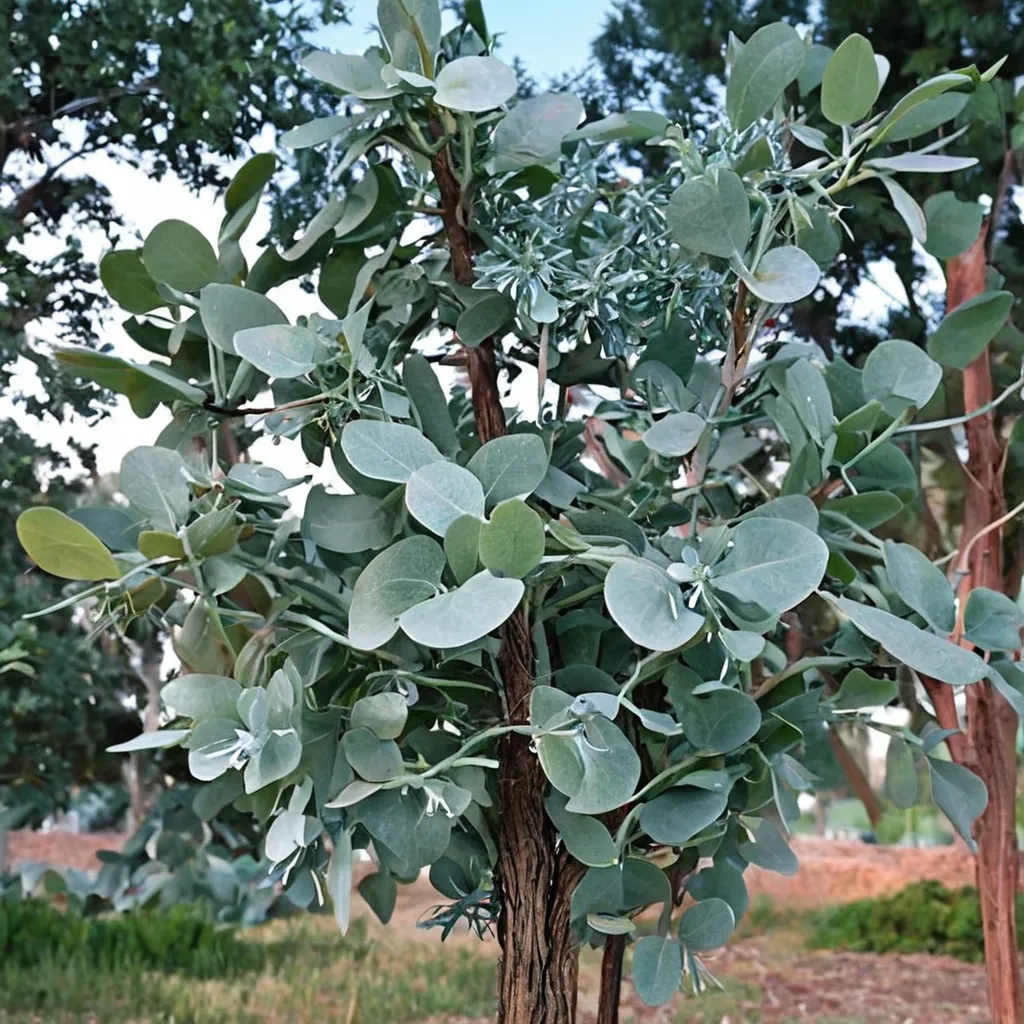
Silver Dollar Eucalyptus
Eucalyptus cinerea
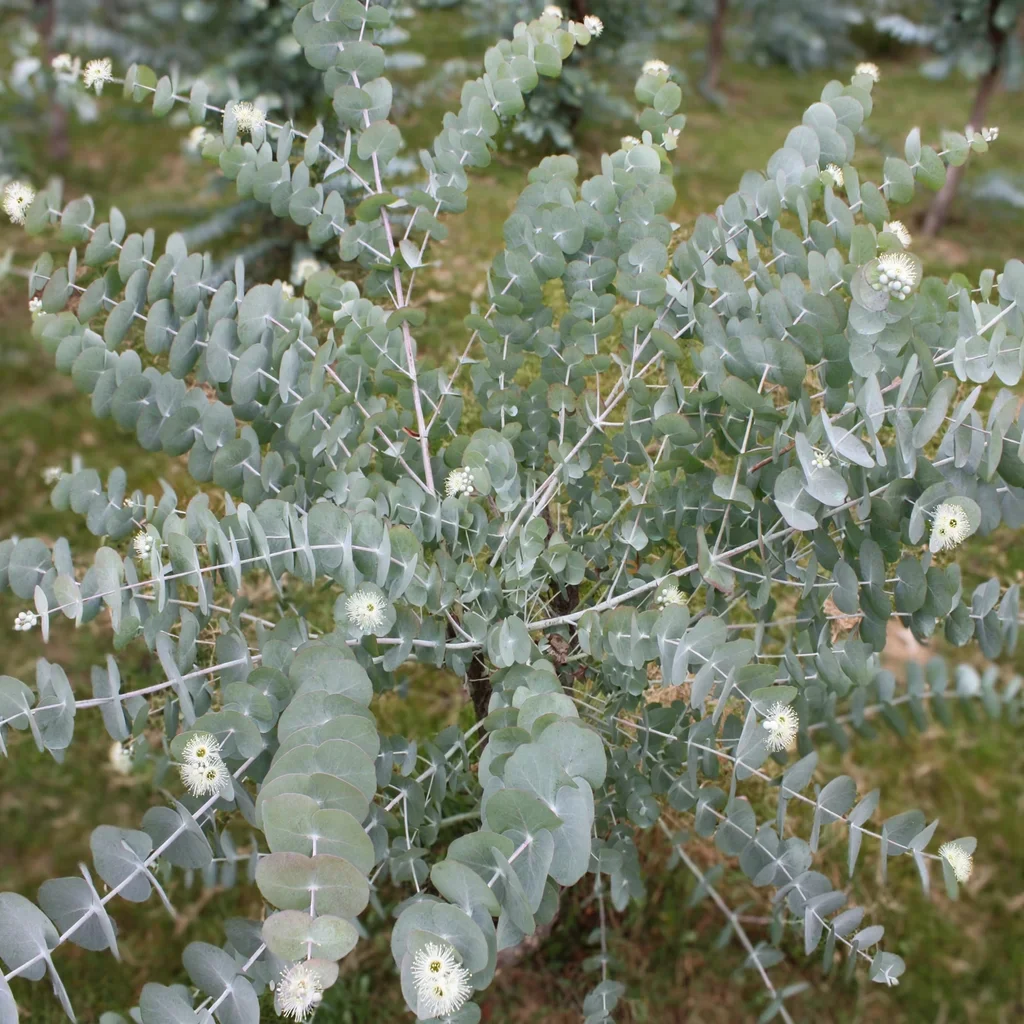
Silver Dollar Tree
Eucalyptus cinerea 'Silver Dollar Tree'
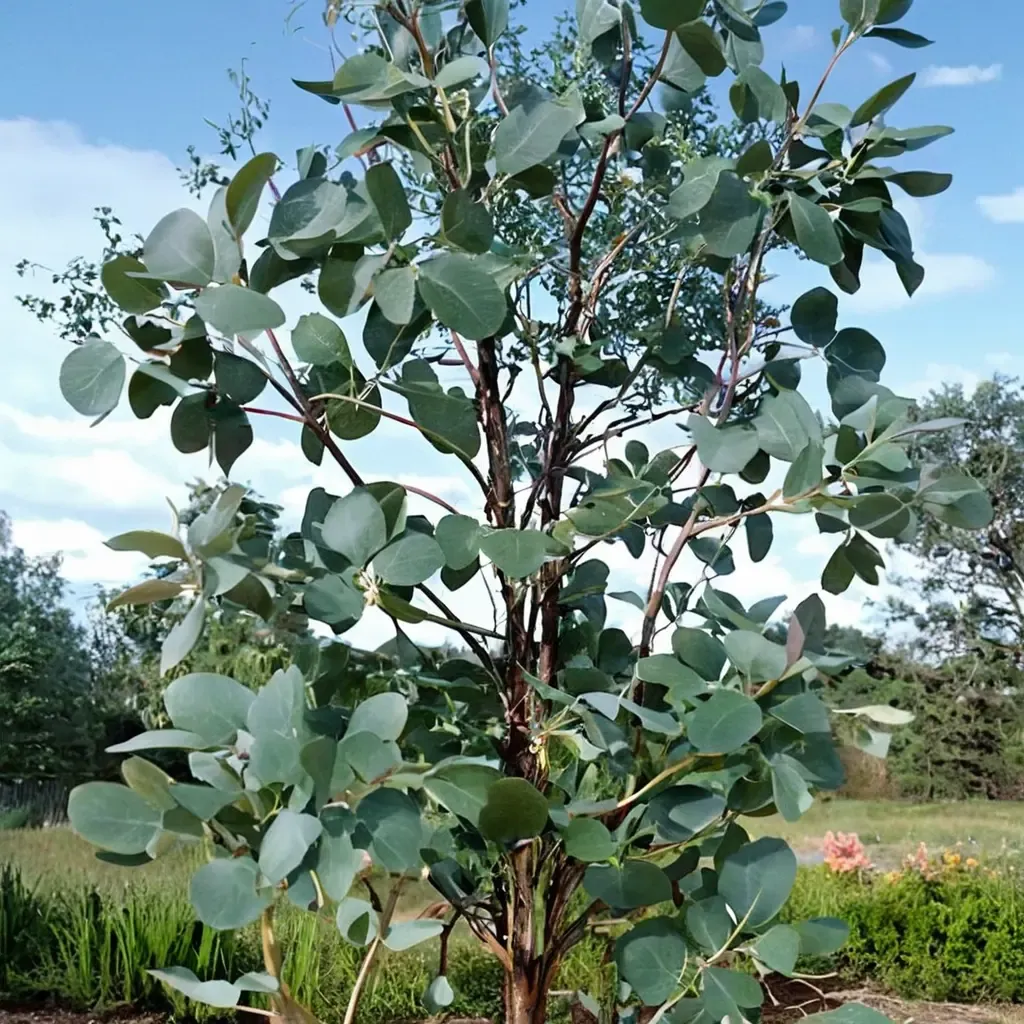
Omeo Gum
Eucalyptus neglecta
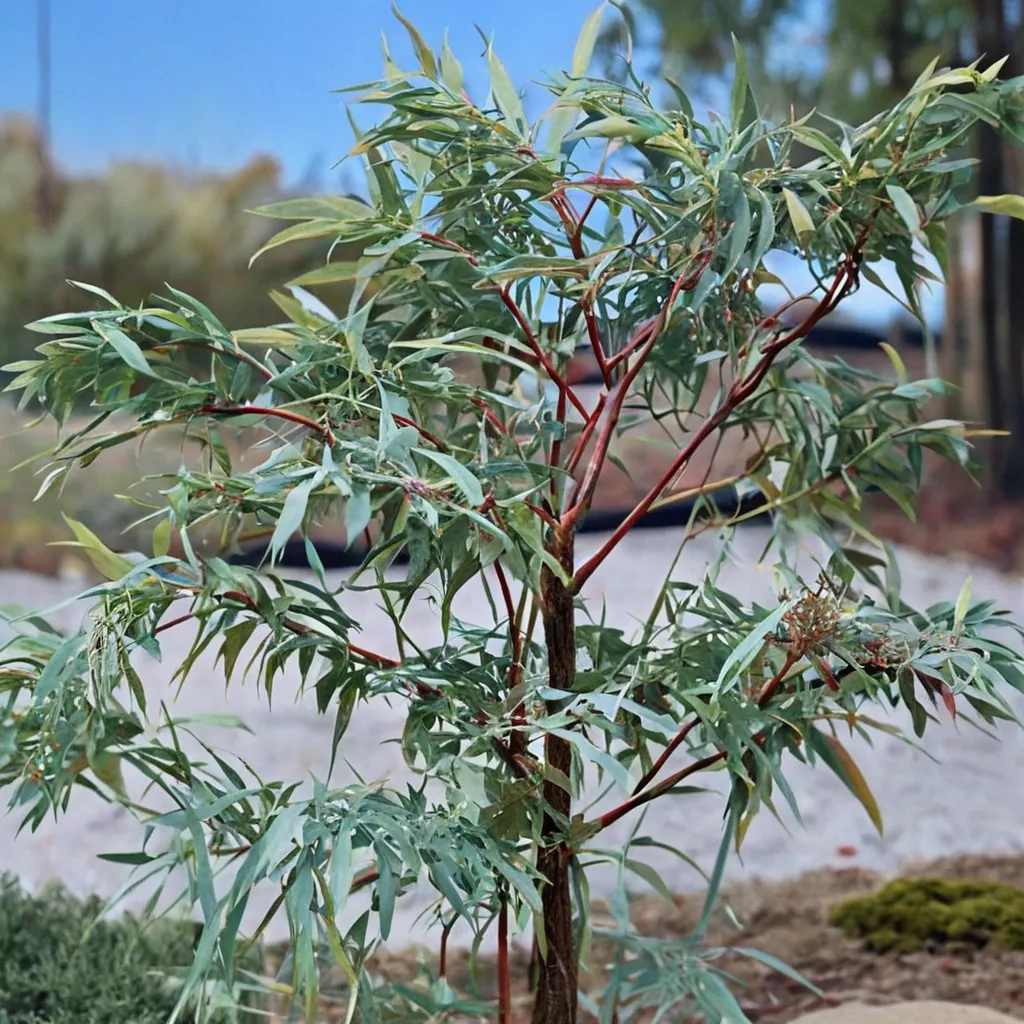
Narrow-leaved Peppermint Eucalyptus
Eucalyptus nicholii
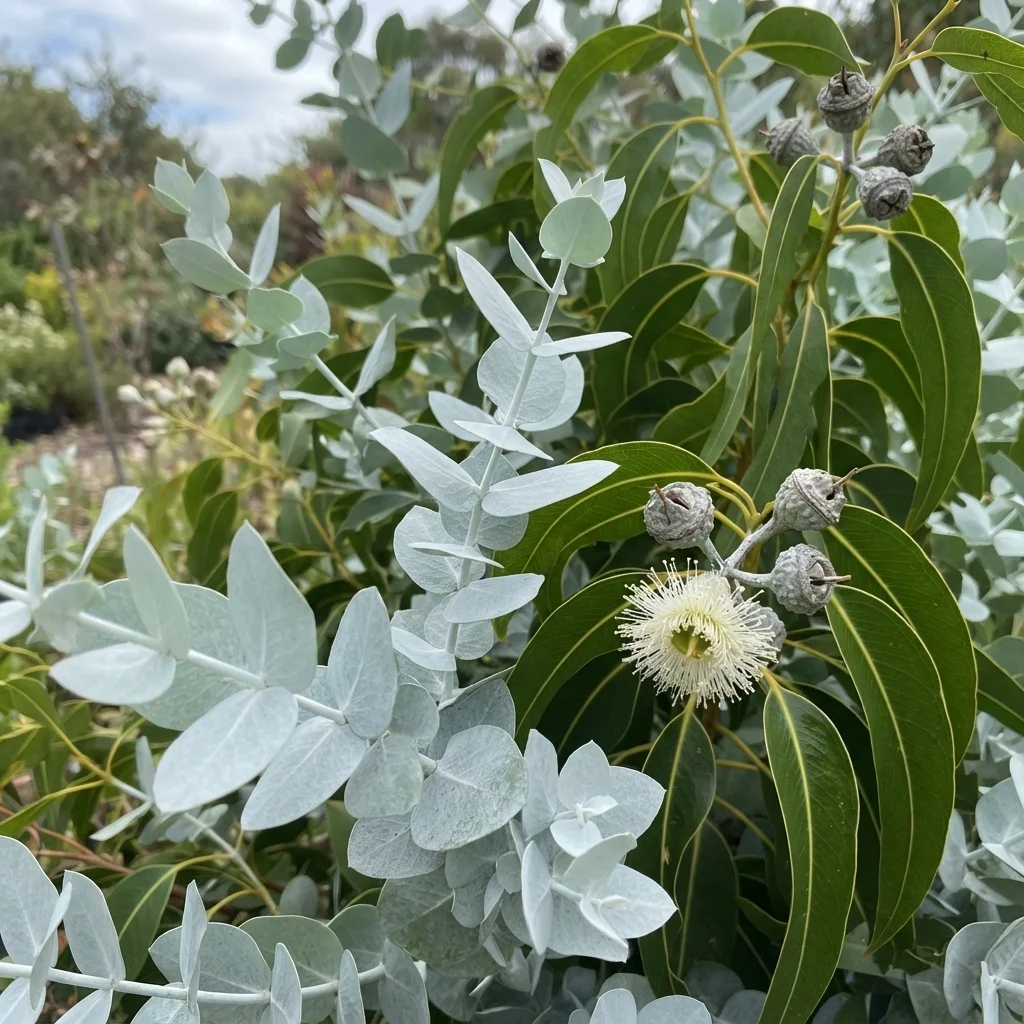
Tasmanian Blue Gum
Eucalyptus globulus
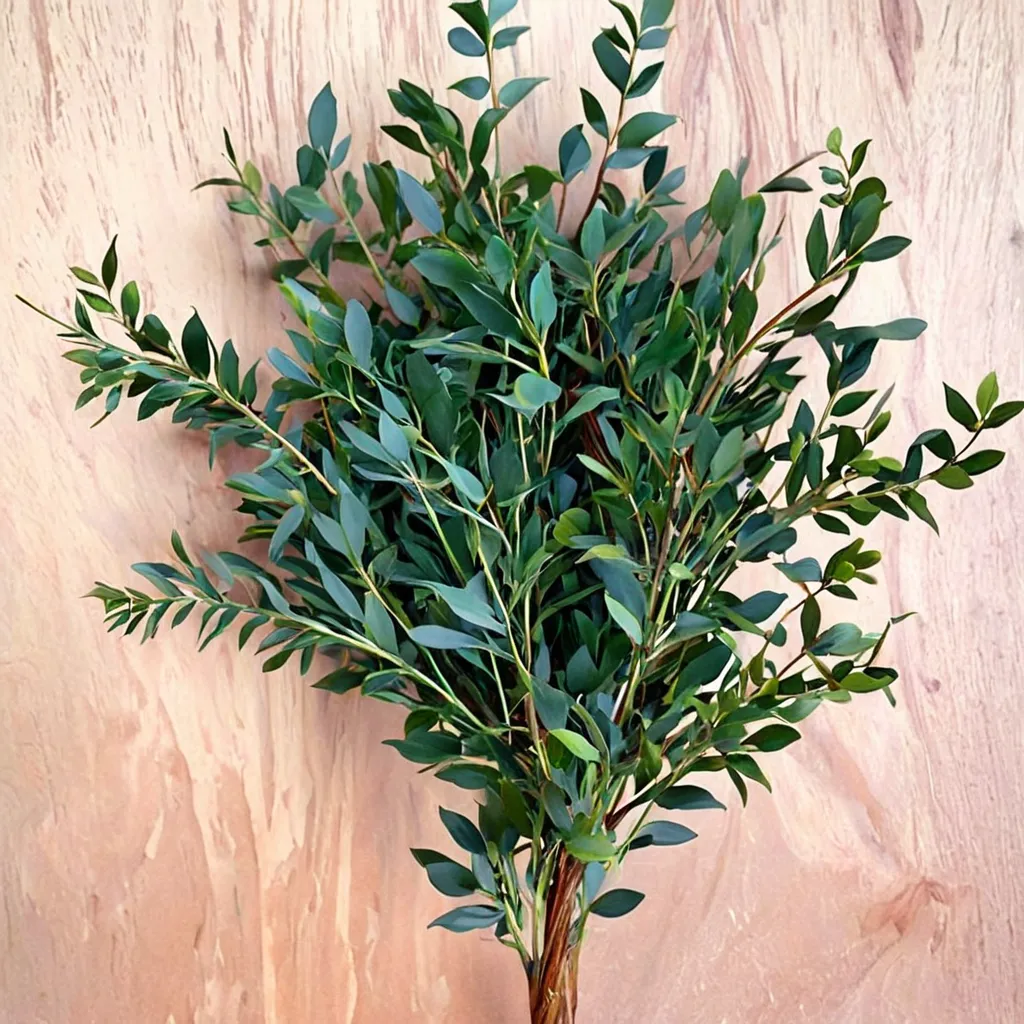
Small-leaved Gum
Eucalyptus parvula
Keep exploring
Explore the genus
Hardy in your zone?
Grow Silver Gimlet with confidence
See it in a design of your actual yard, get zone-matched care reminders, and track it season by season in your garden journal.