The Story
Plant Bio
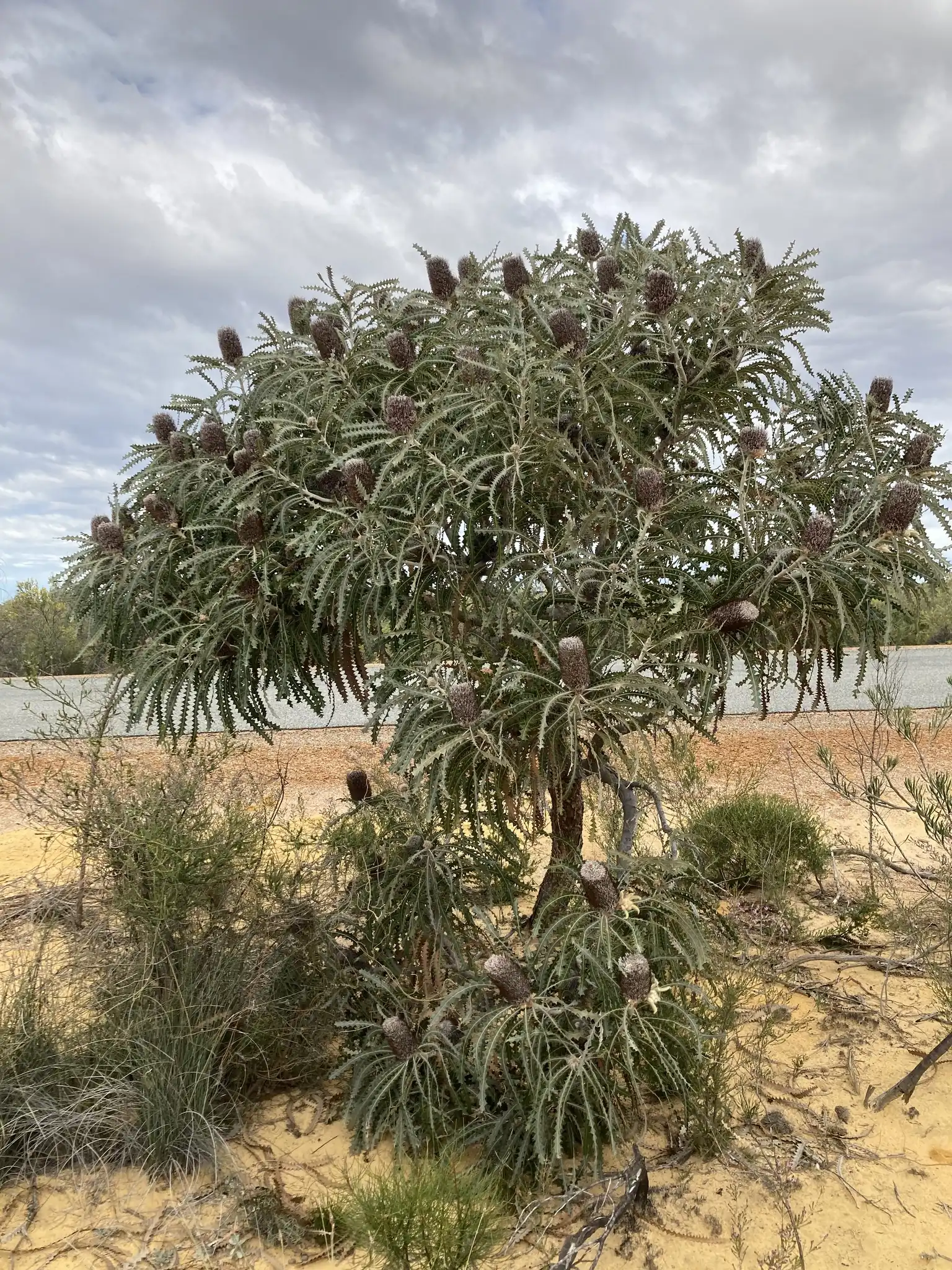
Banksia victoriae is an evergreen large shrub to small tree from Western Australia, reaching 13 to 20 feet in gardens with a narrow 3 to 6 foot spread and smooth gray bark on densely hairy stems. The long linear leaves are deeply cut into triangular woolly lobes, each tipped with a sharp pungent point.
What sets it apart is the stout acorn-shaped spike to about 5 inches long and 4 inches wide, packed with orange flowers and held clear of the canopy. Like other banksias it forms proteoid roots to extract phosphorus from poor soils, which makes added phosphorus toxic rather than helpful.
Uses & Benefits:
Essentials
At a Glance
Plant Type
Shrub
Height
216"
Width
60"
Light
Full Sun, Partial Sun
Zones
9, 10
Water
Low
Humidity
Low, needs dry air in summer
Lifespan
Long-lived shrub
Native To
Western Australia
Toxicity
Non-toxic; sharp leaf points irritate skin
Bloom period
Late fall – Winter
In flower about 4 months of the year
Planting
How to Grow
- Plant in spring in a raised mound of fast-draining sand or sandy loam in 6 to 8 hours of sun.
- Water to settle, then water deeply only when dry and keep winter rain from pooling at the crown.
- Feed sparingly once in spring with low-phosphorus native fertilizer or skip feeding.
- Tip-prune new shoots and remove spent spikes after winter bloom; never cut into bare wood.
- Where winters drop below 23F, grow in a large terracotta pot with cactus mix plus sand.
Pro Tip
Tip-prune lightly after flowering and never cut below green foliage; bare wood does not reshoot.
Keep It Thriving
Care Guide
Do
- Plant high with the crown above grade in coarse sand and lean loam.
- Water deeply then let dry; keep summers dry and airy.
- Feed rarely, only with low-phosphorus native fertilizer.
Don't
- Do not overwater or plant in clay where feet stay wet.
- Do not use standard high-phosphorus fertilizer.
- Do not cut hard into leafless wood; it will not resprout.
Seasonal Care Calendar
| Task | Jan | Feb | Mar | Apr | May | Jun | Jul | Aug | Sep | Oct | Nov | Dec |
|---|---|---|---|---|---|---|---|---|---|---|---|---|
| Fertilize | ||||||||||||
| Mulch | ||||||||||||
| Pest Check | ||||||||||||
| Plant | ||||||||||||
| Prune |
Watch Out For
Pests & Diseases
Common Pests
Common Diseases
In the Garden
Landscape Uses & Companions
Landscape Uses
Companion Plants
Multiply
Propagation Methods
Good to Know
Common Questions
Woolly Orange Banksia questions
What zones can Woolly Orange Banksia grow in?
Woolly Orange Banksia is hardy in USDA Zones 9–10: in that range it survives winter in the ground. Colder than Zone 9, grow it in a container you can move to shelter for the winter.
When does Woolly Orange Banksia bloom?
Woolly Orange Banksia typically blooms from late fall to late winter. Exact timing shifts a week or two with your zone — Sow's bloom calendar maps it to your garden.
Does Woolly Orange Banksia need full sun?
Woolly Orange Banksia does best in full sun to part shade. In hot climates, afternoon shade keeps blooms fresher longer.
Is Woolly Orange Banksia drought tolerant?
Yes — once established (usually after the first full season), Woolly Orange Banksia handles dry spells with minimal watering. Water deeply its first year to build the root system that makes that possible.
More Banksia to compare
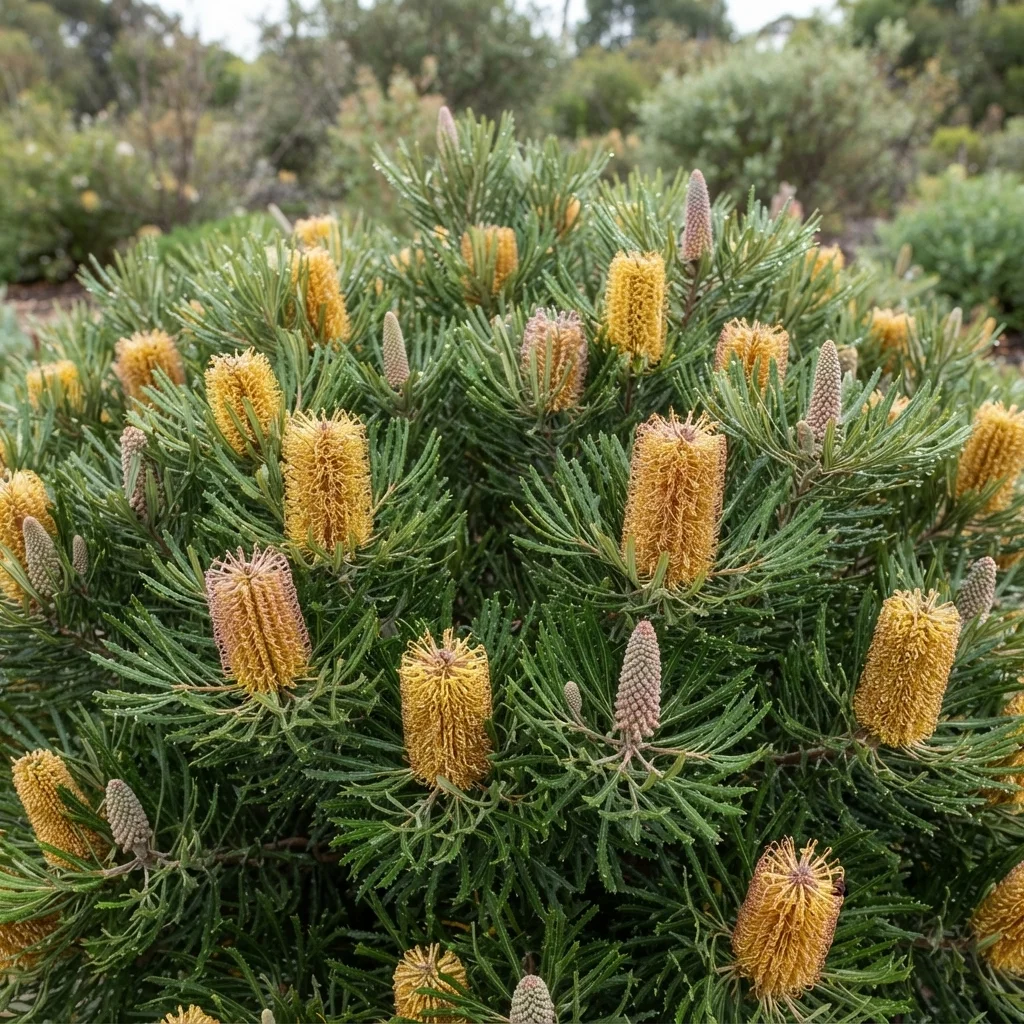
Birthday Candles Banksia
Banksia spinulosa 'Birthday Candles'
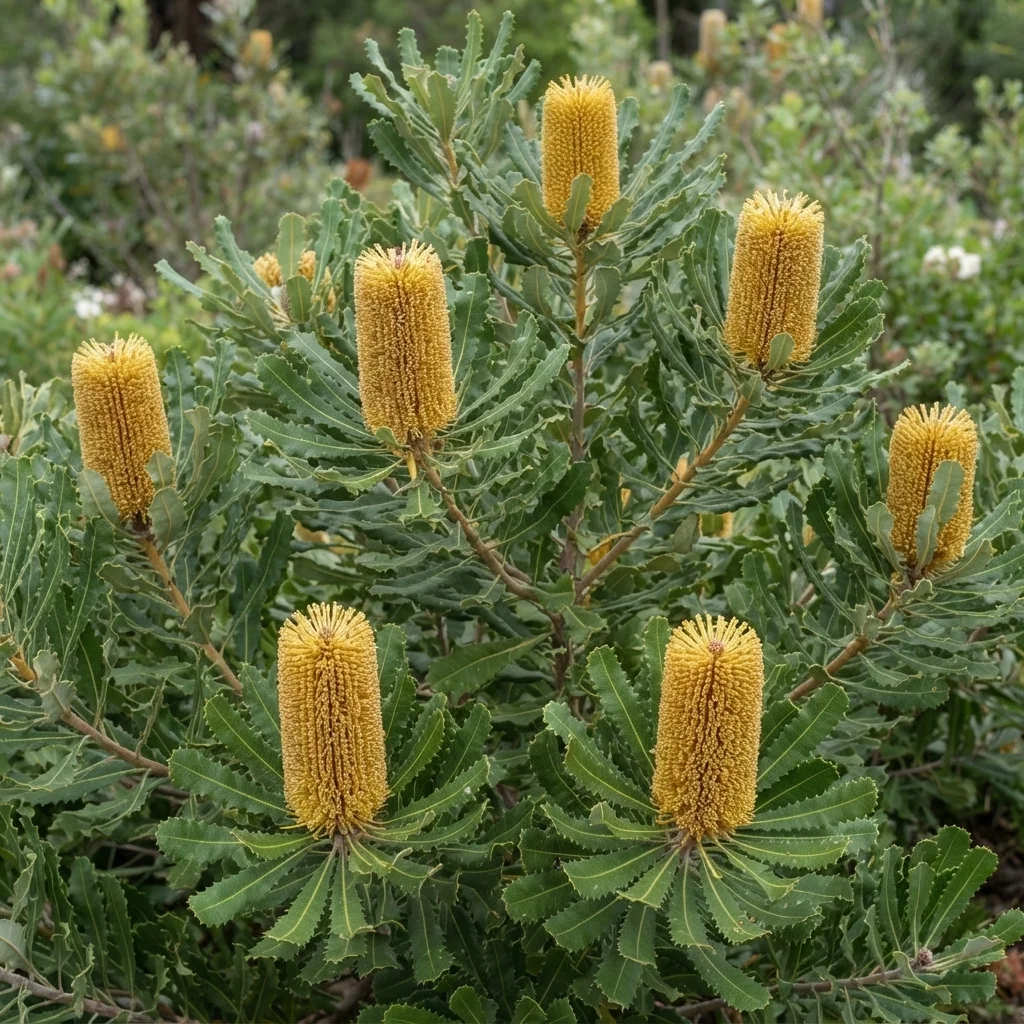
Southern Plains Banksia
Banksia media
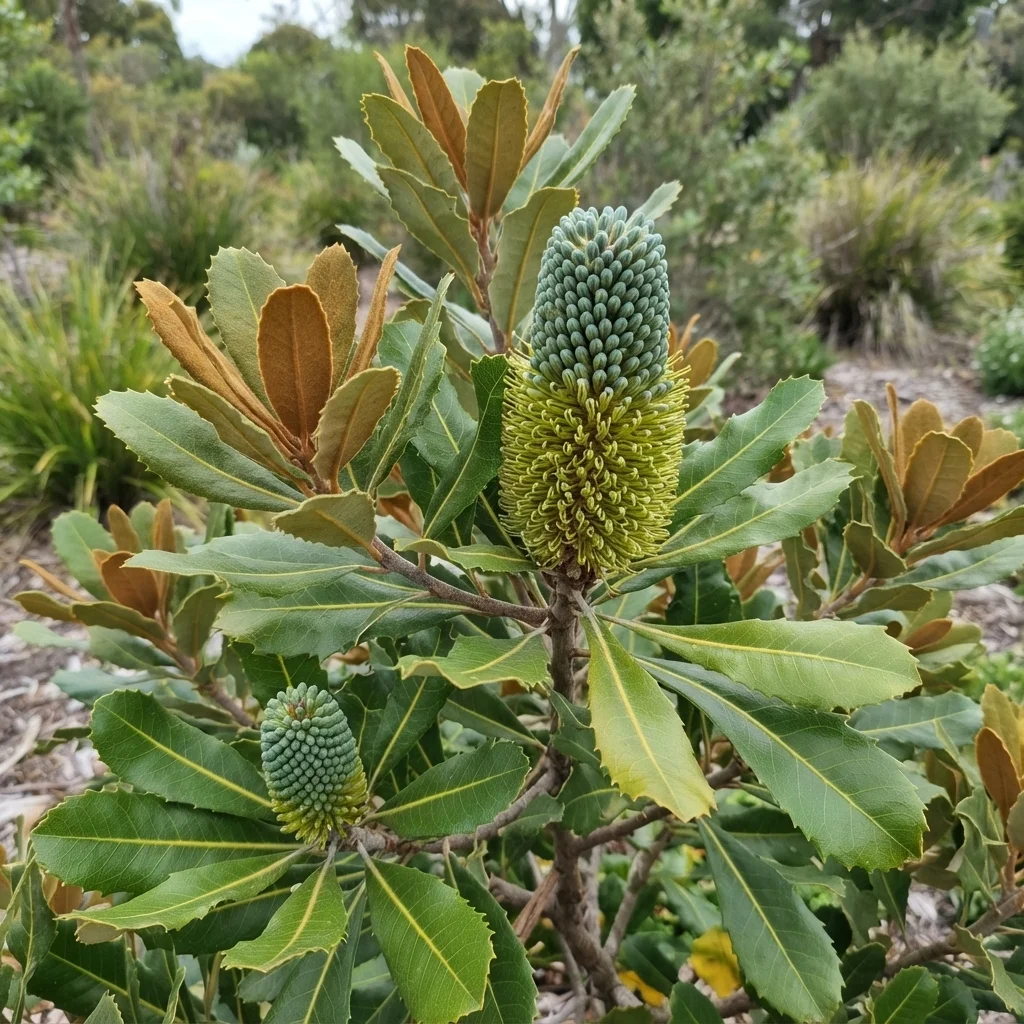
Swamp Banksia
Banksia robur
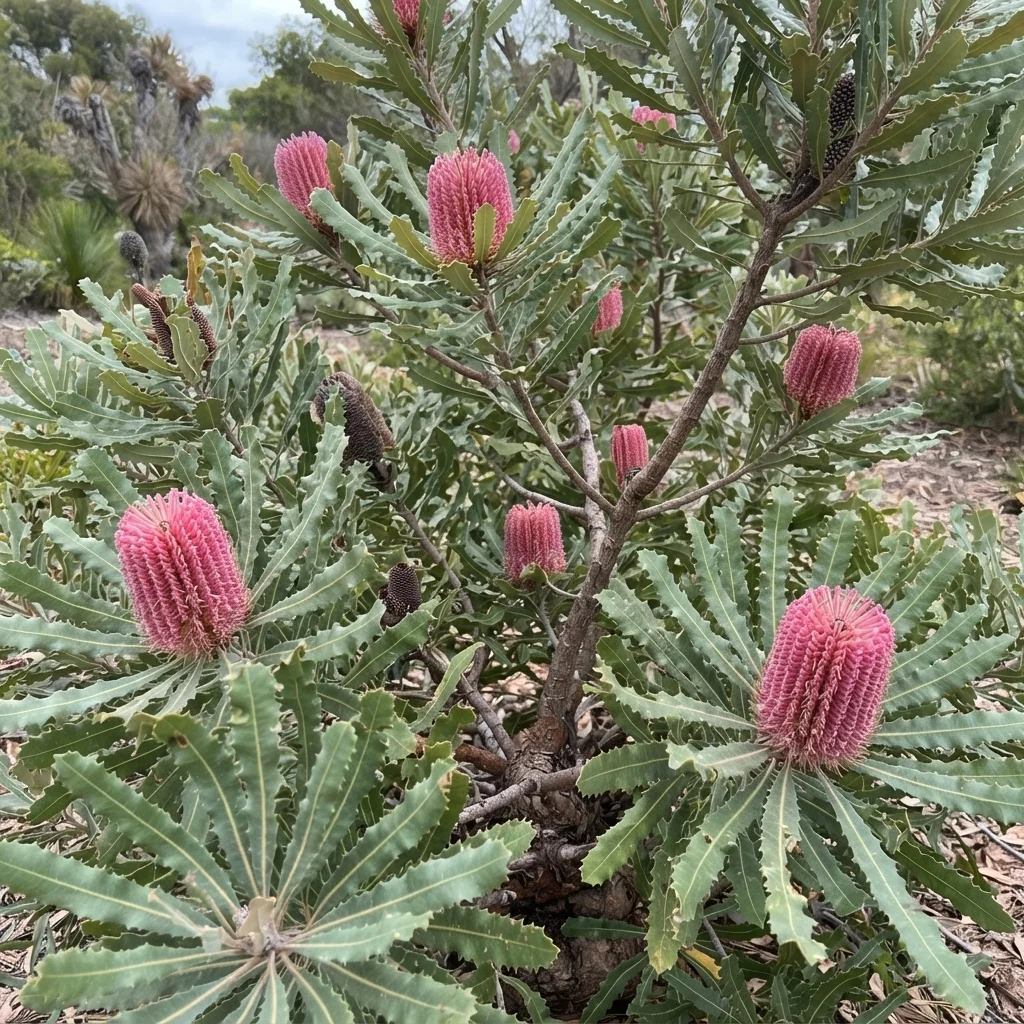
Menzies' Banksia
Banksia menziesii
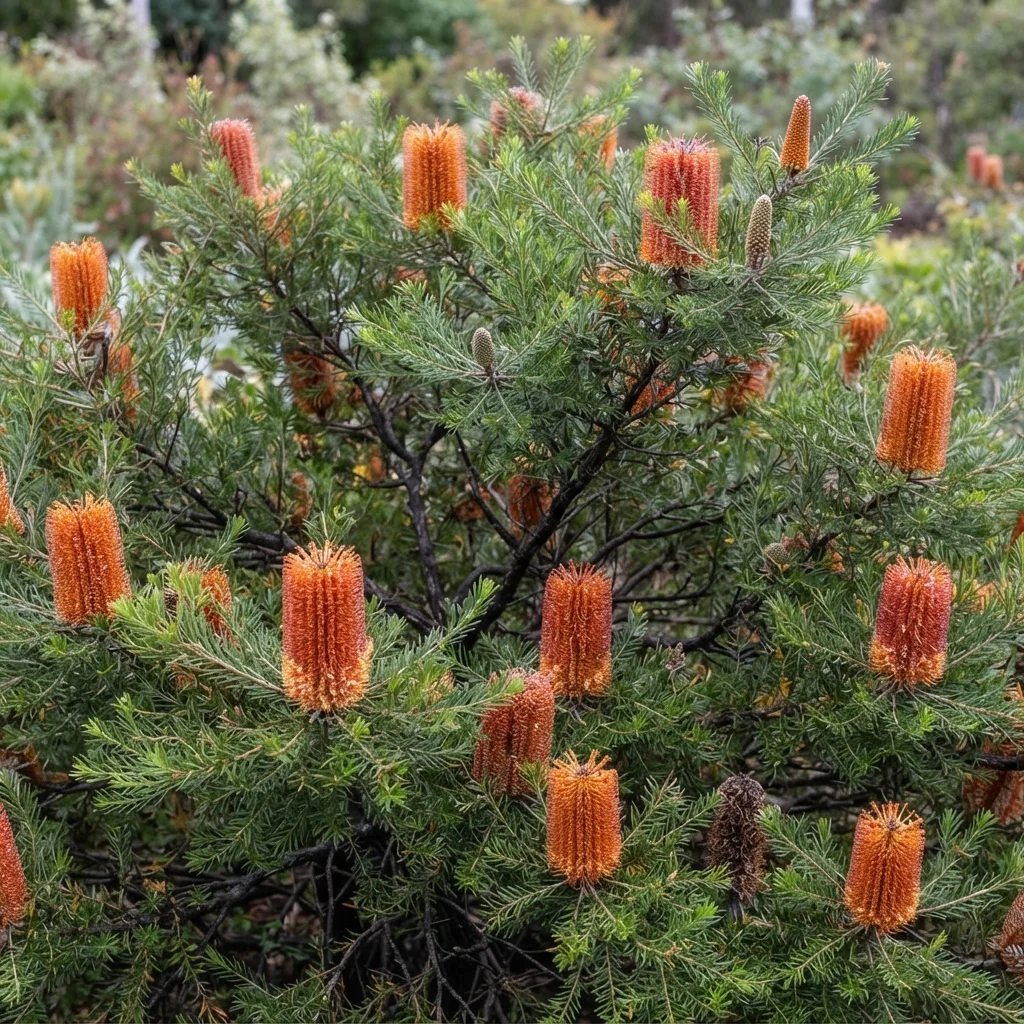
Heath Banksia
Banksia ericifolia
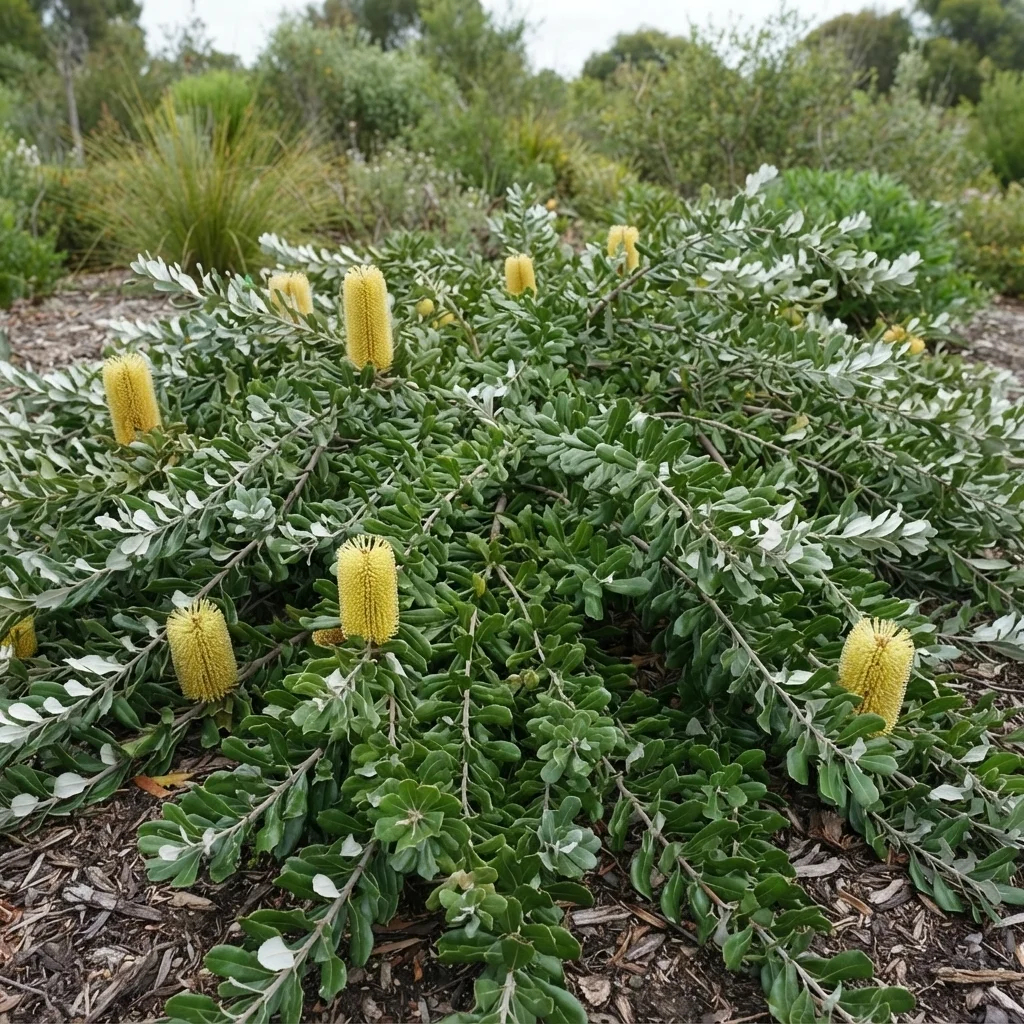
Prostrate Coast Banksia
Banksia integrifolia 'Roller Coaster'
Keep exploring
Explore the genus
Hardy in your zone?
Grow Woolly Orange Banksia with confidence
See it in a design of your actual yard, get zone-matched care reminders, and track it season by season in your garden journal.