The Story
Plant Bio
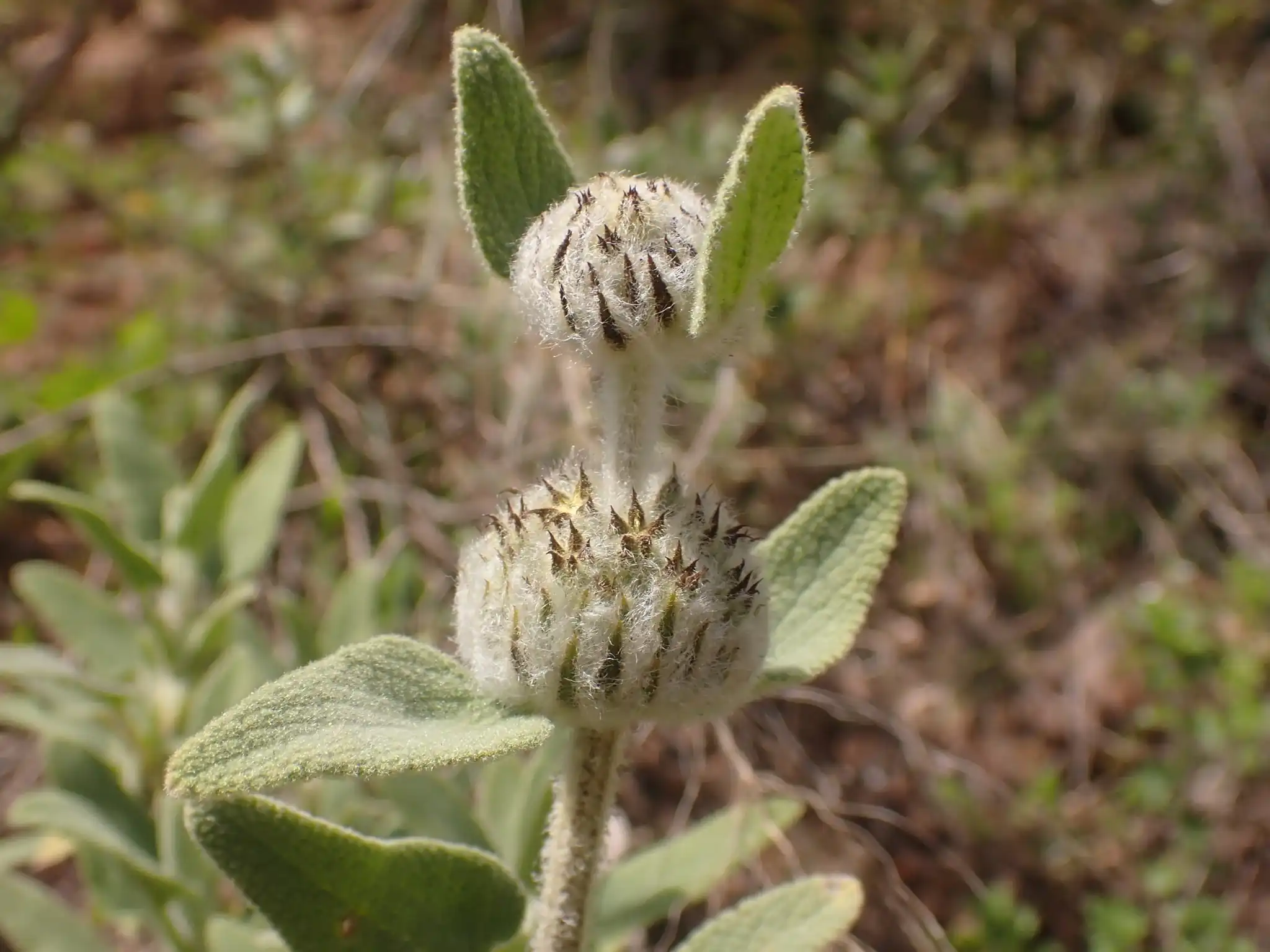
Phlomis lycia is a highly branched evergreen subshrub that forms a rounded, spreading mound to about five feet tall and four feet wide, with narrow gray-green leaves held on square stems. The flowers are hooded yellow tubes carried in stacked whorls along the upper stems, opening from white-furred buds in late spring to summer.
What sets it apart is its narrow gray foliage and dense covering of white felt on the unopened buds, which makes the plant look silver before the yellow flowers open. Summer heat deepens the leaves to green with a golden cast, and in prolonged drought they fade to yellow-green without damage, then green up again with cooler weather.
Uses & Benefits:
Essentials
At a Glance
Plant Type
Shrub
Height
59"
Width
47"
Light
Full Sun
Zones
8, 9, 10
Water
Low
Humidity
Low - dislikes wet and humid conditions
Lifespan
Woody perennial shrub
Native To
SW Anatolia, Turkey and E Aegean Islands
Toxicity
Unknown - no toxicity reported
Bloom period
Late spring – Summer
In flower about 4 months of the year
Planting
How to Grow
- Plant in spring in full sun in light, sharply drained sandy loam or rocky soil, sheltered from cold wind.
- Space about 3 feet apart to allow a rounded 4-foot spread and free air flow around the crown.
- Water to settle in, then water sparingly; once rooted it needs low watering and no rich fertilizer.
- Leave faded whorls for structure, then trim lightly after bloom and tip-prune in late winter to keep it compact.
Pro Tip
Plant it in the hottest, leanest spot and keep summer water low; yellow-green leaves in summer drought are normal, not a signal to water or feed.
Keep It Thriving
Care Guide
Do
- Give full sun and excellent drainage on a slope or raised bed
- Prune lightly in late winter and deadhead after bloom
- Leave seedheads through fall for structure
Don't
- Do not plant in shade, clay, or wet soil
- Do not overwater, overfertilize, or cut hard into old leafless wood
- Do not overhead water in humid weather
Seasonal Care Calendar
| Task | Jan | Feb | Mar | Apr | May | Jun | Jul | Aug | Sep | Oct | Nov | Dec |
|---|---|---|---|---|---|---|---|---|---|---|---|---|
| Deadhead | ||||||||||||
| Mulch | ||||||||||||
| Pest Check | ||||||||||||
| Plant | ||||||||||||
| Spring Cleanup |
Watch Out For
Pests & Diseases
Common Pests
Common Diseases
In the Garden
Landscape Uses & Companions
Landscape Uses
Multiply
Propagation Methods
Good to Know
Common Questions
Lycia Jerusalem Sage questions
What zones can Lycia Jerusalem Sage grow in?
Lycia Jerusalem Sage is hardy in USDA Zones 8–10: in that range it survives winter in the ground. Colder than Zone 8, grow it in a container you can move to shelter for the winter.
Is Lycia Jerusalem Sage deer resistant?
Yes — Lycia Jerusalem Sage is rated deer-resistant. Deer typically pass it over, though extreme hunger can override any plant's defenses.
When does Lycia Jerusalem Sage bloom?
Lycia Jerusalem Sage typically blooms from late spring to late summer. Exact timing shifts a week or two with your zone — Sow's bloom calendar maps it to your garden.
Does Lycia Jerusalem Sage need full sun?
Lycia Jerusalem Sage does best in full sun (6+ hours).
Is Lycia Jerusalem Sage drought tolerant?
Yes — once established (usually after the first full season), Lycia Jerusalem Sage handles dry spells with minimal watering. Water deeply its first year to build the root system that makes that possible.
More Phlomis to compare
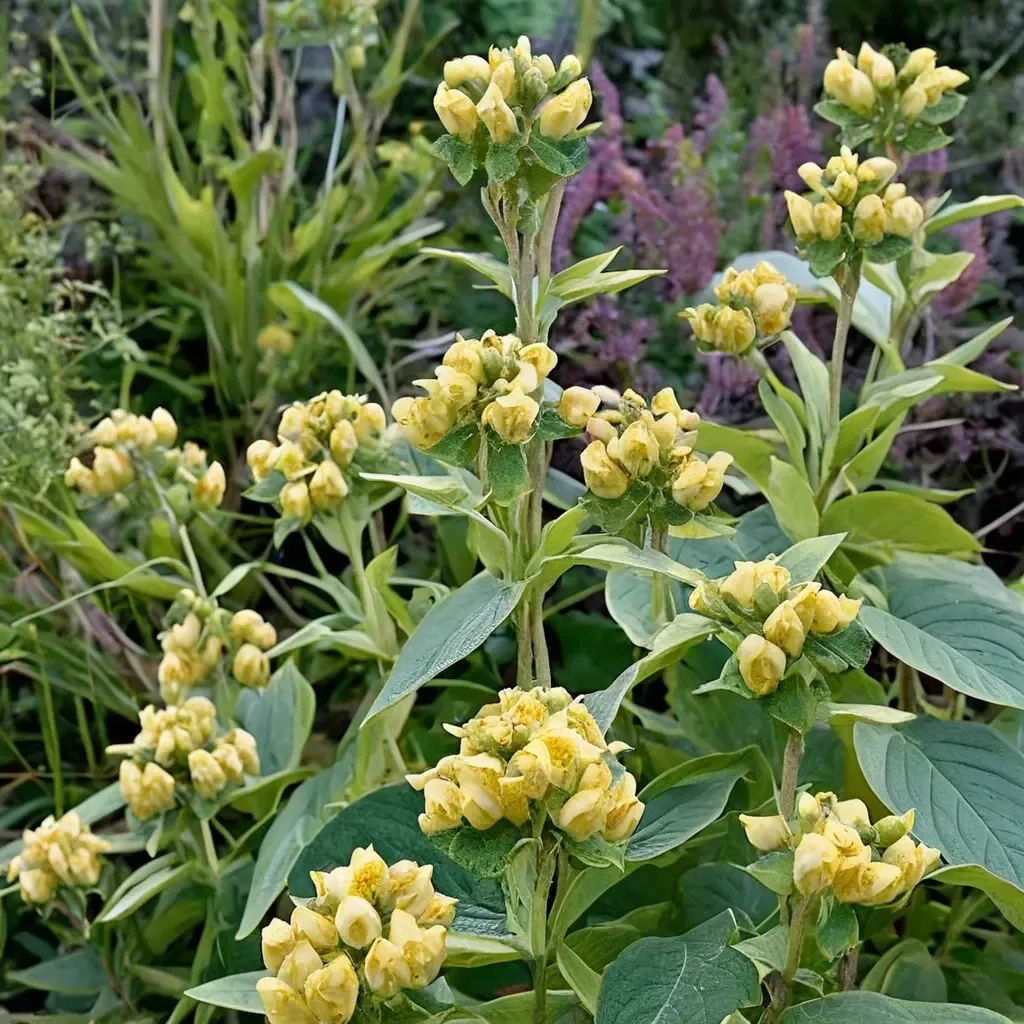
Turkish sage
Phlomis russeliana
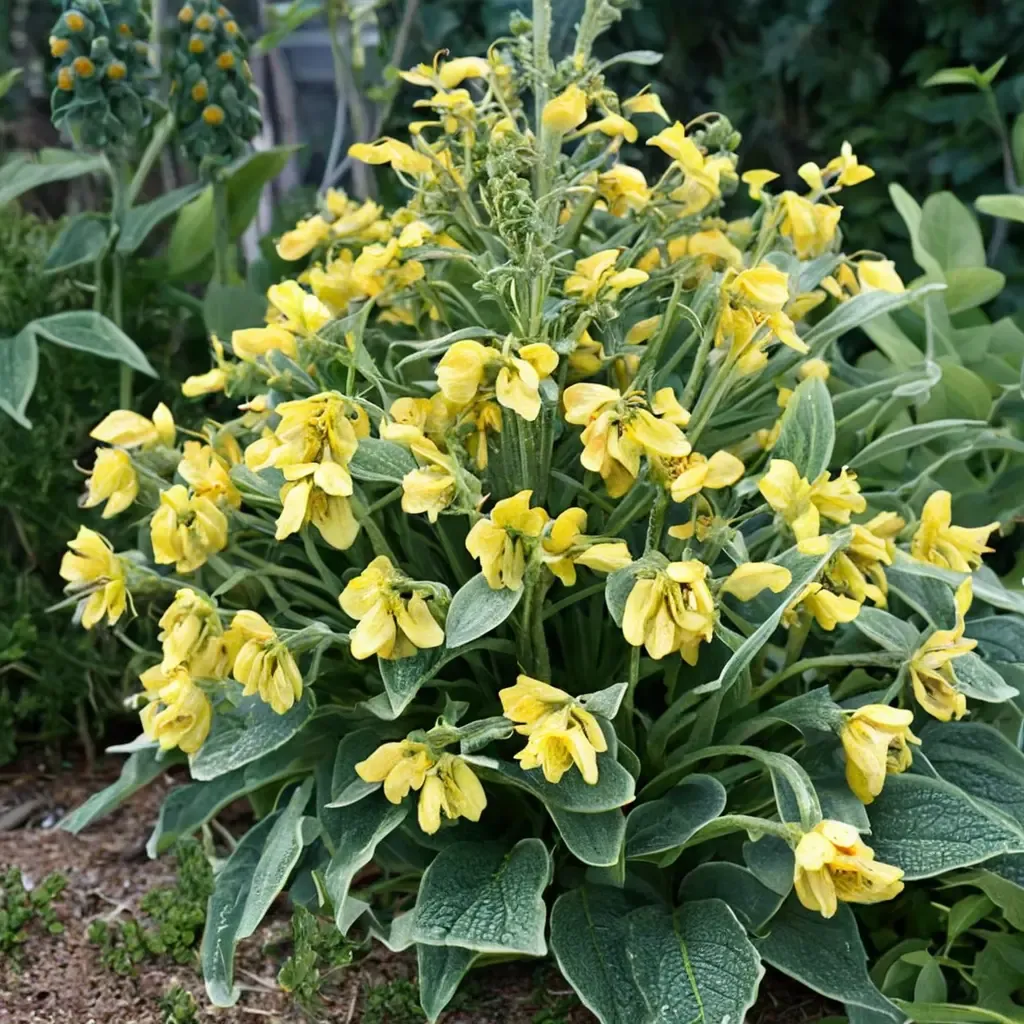
Jerusalem sage
Phlomis fruticosa
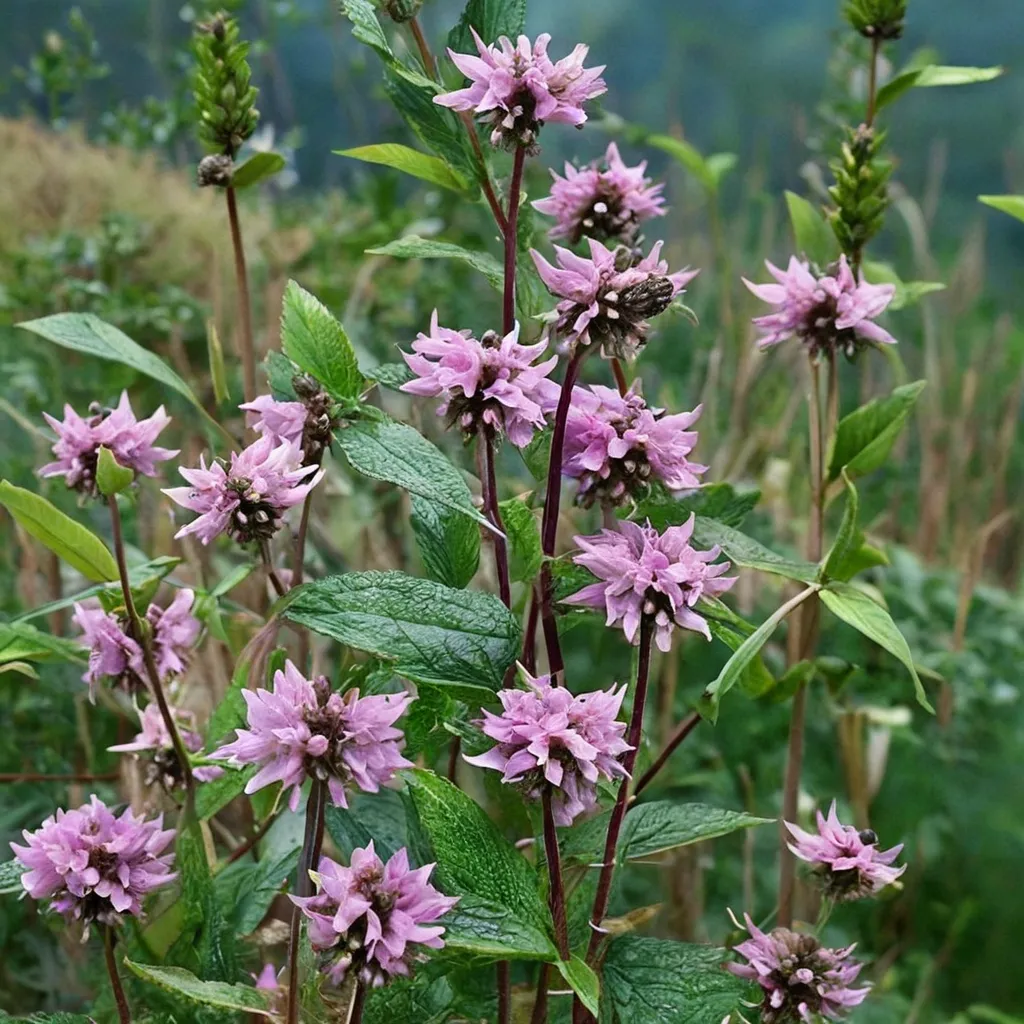
Tuberous Jerusalem Sage
Phlomis tuberosa
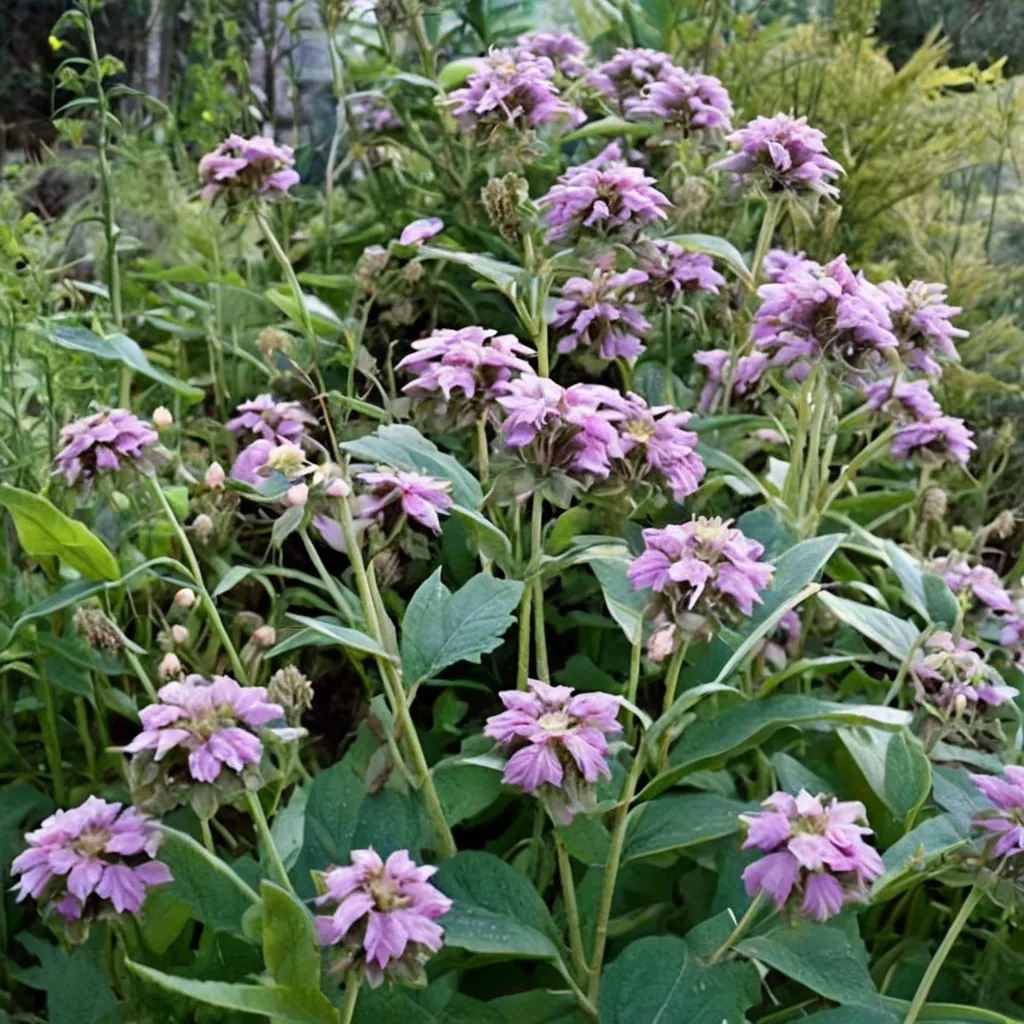
Cashmere Phlomis
Phlomis cashmeriana
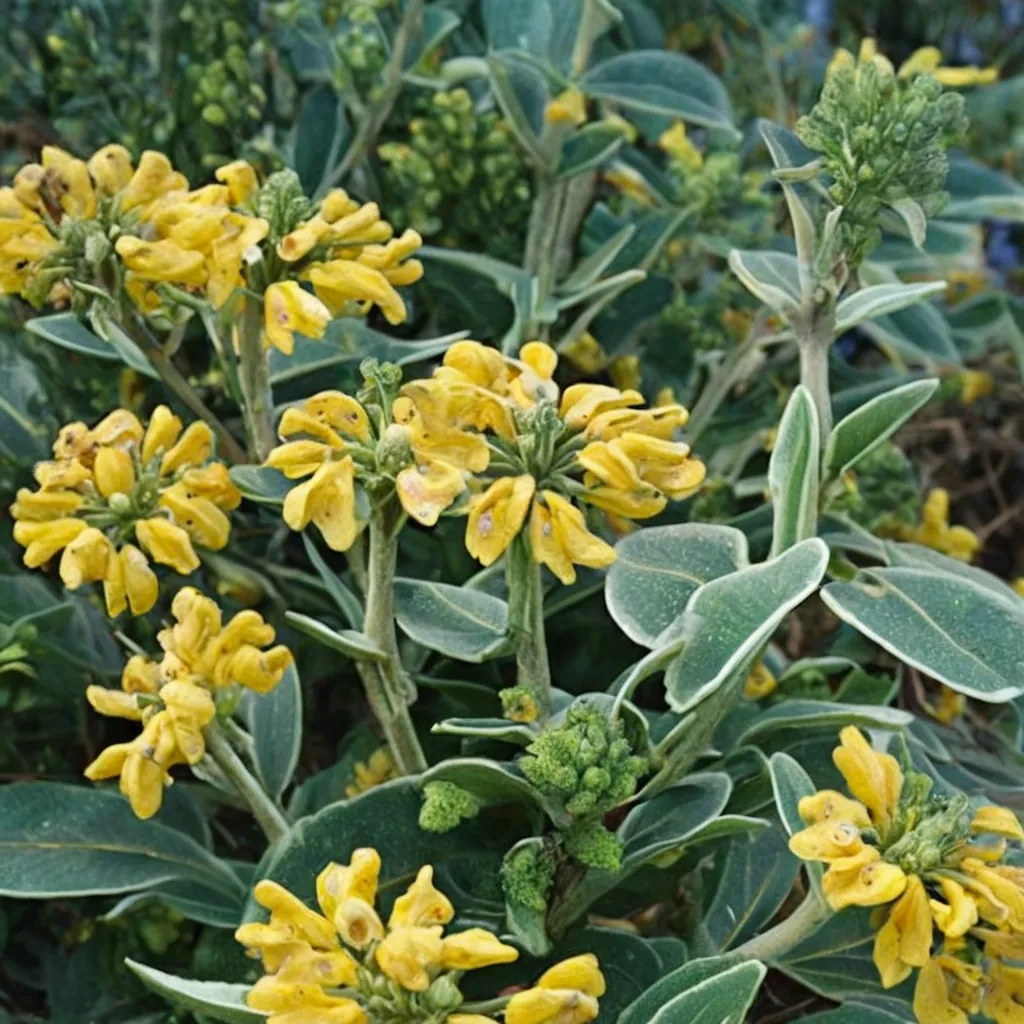
Jerusalem Sage Miss Grace
Phlomis fruticosa 'Miss Grace'
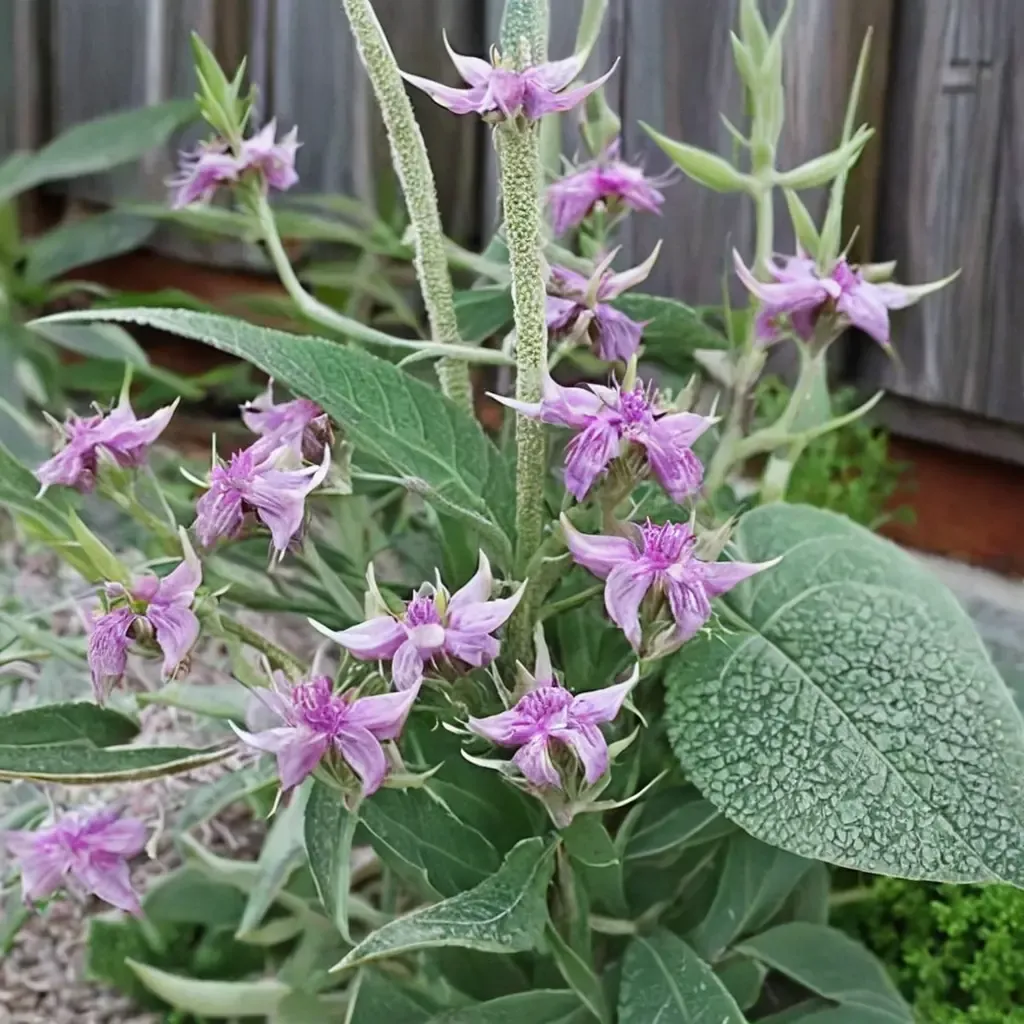
Purple Phlomis
Phlomis purpurea
Keep exploring
Explore the genus
Hardy in your zone?
Grow Lycia Jerusalem Sage with confidence
See it in a design of your actual yard, get zone-matched care reminders, and track it season by season in your garden journal.