The Story
Plant Bio
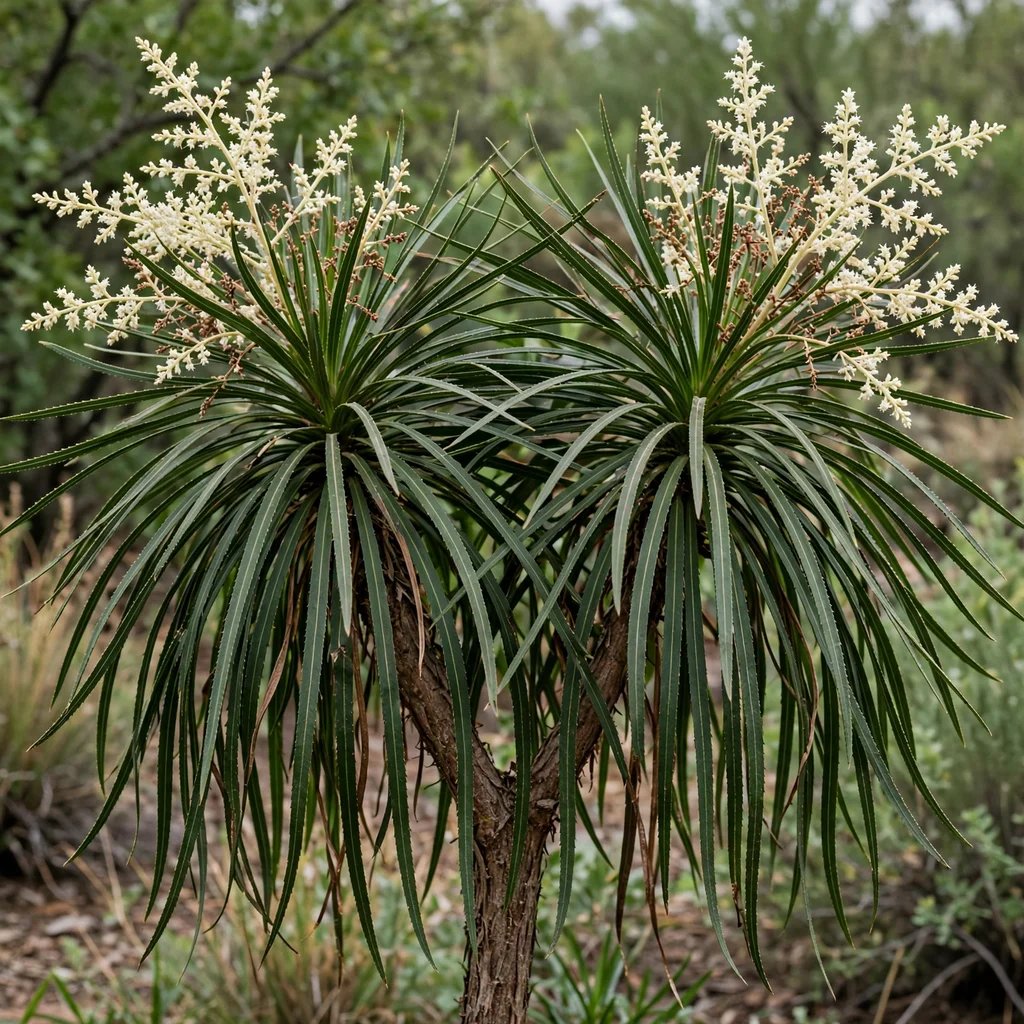
Nolina matapensis is an arborescent evergreen succulent from Sonoran woodland, forming a single or few-branched trunk topped with dense rosettes of narrow grass-like leaves. Mature plants hold a thatch of dead leaves down the trunk and send up a 4- to 6-foot branched panicle of tiny cup-shaped white flowers above the foliage.
Unlike clumping beargrasses, it develops a true woody trunk to 15 feet in gardens with 5-foot dark green leaves about 1 inch wide edged with fine teeth that cut skin like paper. It is extremely slow from seed, taking many years to form a trunk or flower, and established plants survive to about 15F in sharp drainage.
Uses & Benefits:
Essentials
At a Glance
Plant Type
Tree
Height
180"
Width
96"
Light
Full Sun, Partial Sun
Zones
8, 9, 10
Water
Low
Humidity
Unknown
Lifespan
Long-lived
Native To
Sonora and Chihuahua, Mexico
Toxicity
Unknown; sharp leaf edges cause cuts
Bloom period
Spring – Summer
In flower about 6 months of the year
Planting
How to Grow
- Plant in full sun with 6 to 8 hours of direct sun in sandy or rocky, fast-draining soil.
- Set the trunk base at soil level, backfill with native soil amended with coarse grit, and water in once.
- Water deeply once a month through the first two summers to speed establishment, then reduce to natural rainfall.
- Feed nothing; this species builds its trunk on lean soil and low water.
- Wear heavy gloves and long sleeves when handling to avoid paper-cut leaf margins.
Pro Tip
Leave the dead-leaf skirt intact and keep the crown dry; stripping the thatch or watering overhead invites trunk rot and sets this slow plant back for years.
Keep It Thriving
Care Guide
Do
- Provide sharp drainage on a slope or raised mound.
- Leave the persistent dead-leaf skirt for insulation and insect habitat.
- Allow soil to dry completely between waterings.
Don't
- Do not overwater or plant in clay bowls that hold winter wet.
- Do not shear the rosette or strip the skirt for a tidy look.
- Do not cut into the woody trunk to control size.
Seasonal Care Calendar
| Task | Jan | Feb | Mar | Apr | May | Jun | Jul | Aug | Sep | Oct | Nov | Dec |
|---|---|---|---|---|---|---|---|---|---|---|---|---|
| Pest Check | ||||||||||||
| Plant | ||||||||||||
| Prune | ||||||||||||
| Winter Prep |
Watch Out For
Pests & Diseases
Common Pests
Common Diseases
In the Garden
Landscape Uses & Companions
Landscape Uses
Multiply
Propagation Methods
Good to Know
Common Questions
Sonoran Tree Beargrass questions
What zones can Sonoran Tree Beargrass grow in?
Sonoran Tree Beargrass is hardy in USDA Zones 8–10: in that range it survives winter in the ground. Colder than Zone 8, winters are too cold for it to survive outdoors.
Is Sonoran Tree Beargrass deer resistant?
Yes — Sonoran Tree Beargrass is rated deer-resistant. Deer typically pass it over, though extreme hunger can override any plant's defenses.
When does Sonoran Tree Beargrass bloom?
Sonoran Tree Beargrass typically blooms from spring to summer. Exact timing shifts a week or two with your zone — Sow's bloom calendar maps it to your garden.
Does Sonoran Tree Beargrass need full sun?
Sonoran Tree Beargrass does best in full sun to part shade. In hot climates, afternoon shade keeps blooms fresher longer.
Is Sonoran Tree Beargrass drought tolerant?
Yes — once established (usually after the first full season), Sonoran Tree Beargrass handles dry spells with minimal watering. Water deeply its first year to build the root system that makes that possible.
More Nolina to compare
Sacahuista Beargrass
Nolina microcarpa
Mexican Grass Tree
Nolina longifolia
Nelson's Beargrass
Nolina nelsonii
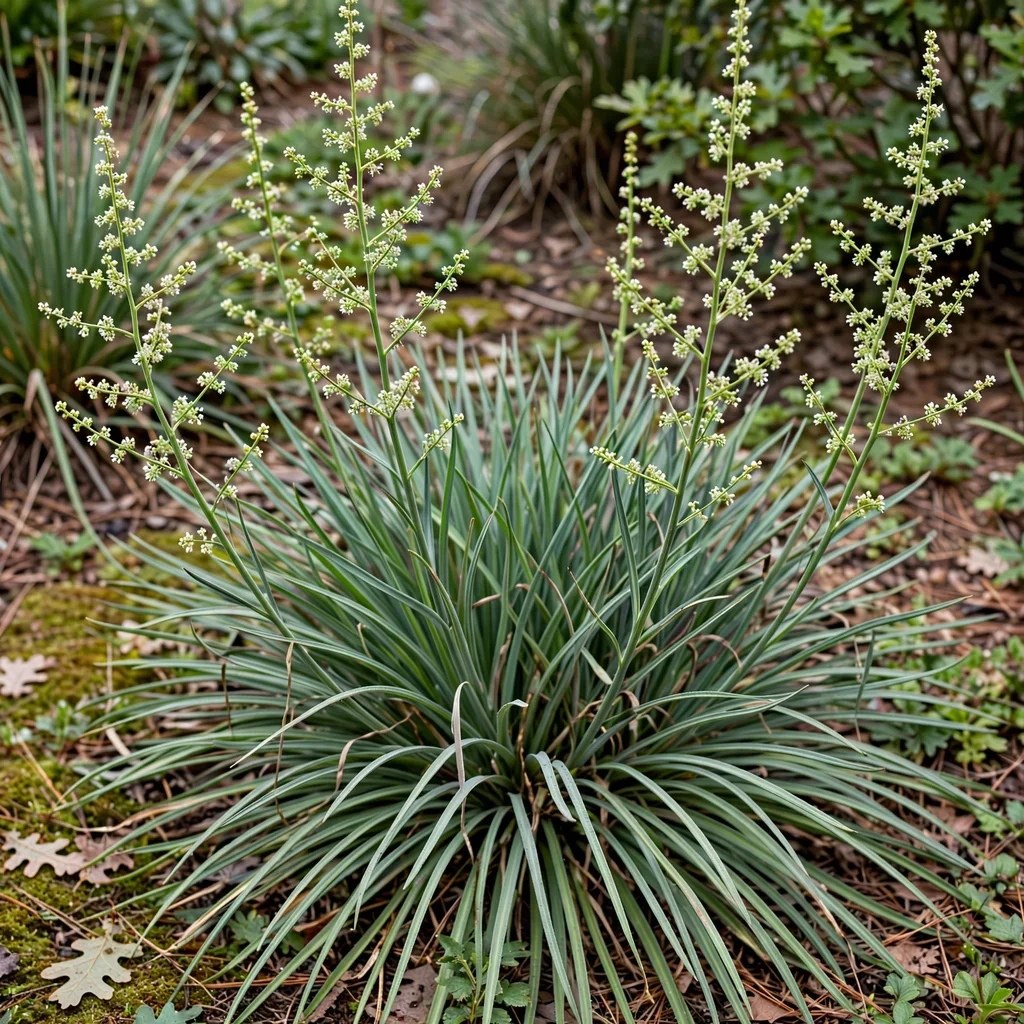
Georgia Beargrass
Nolina georgiana
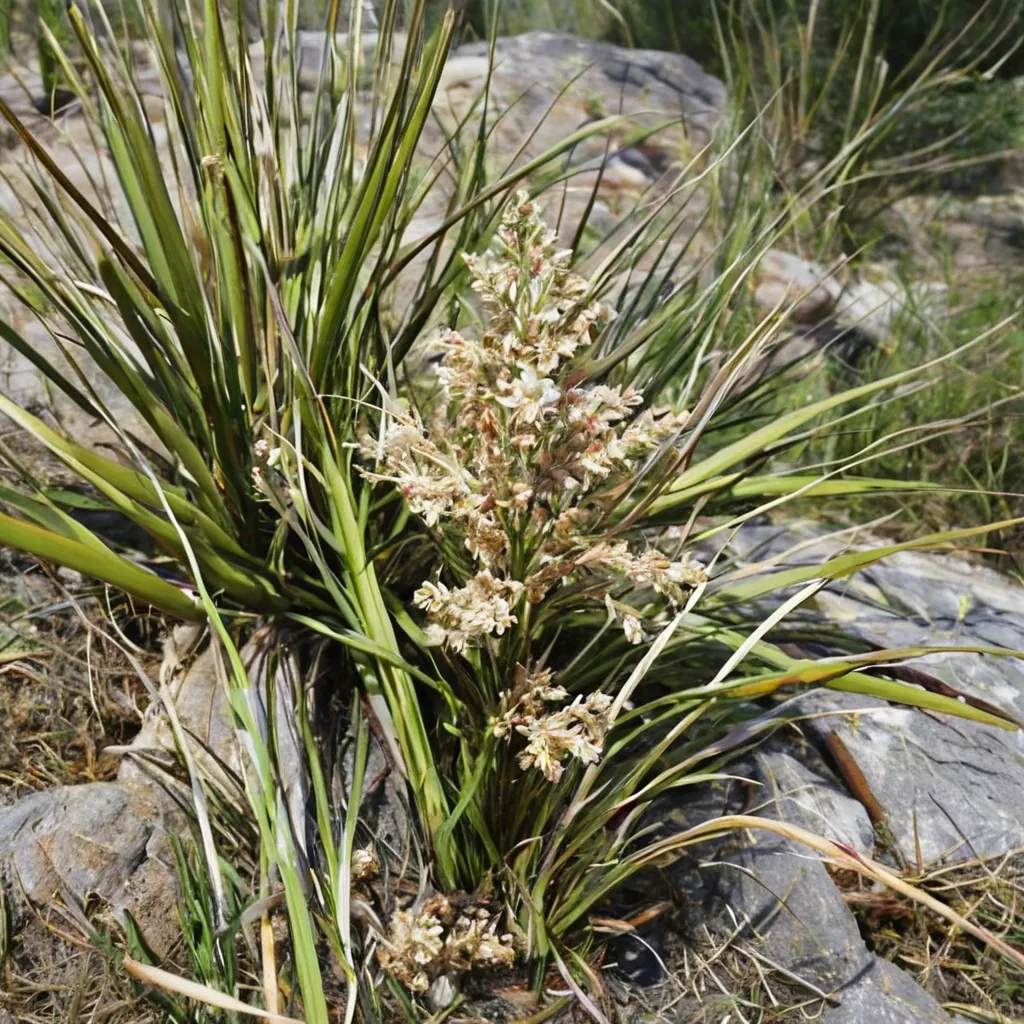
Tufted Beargrass
Nolina cespitifera
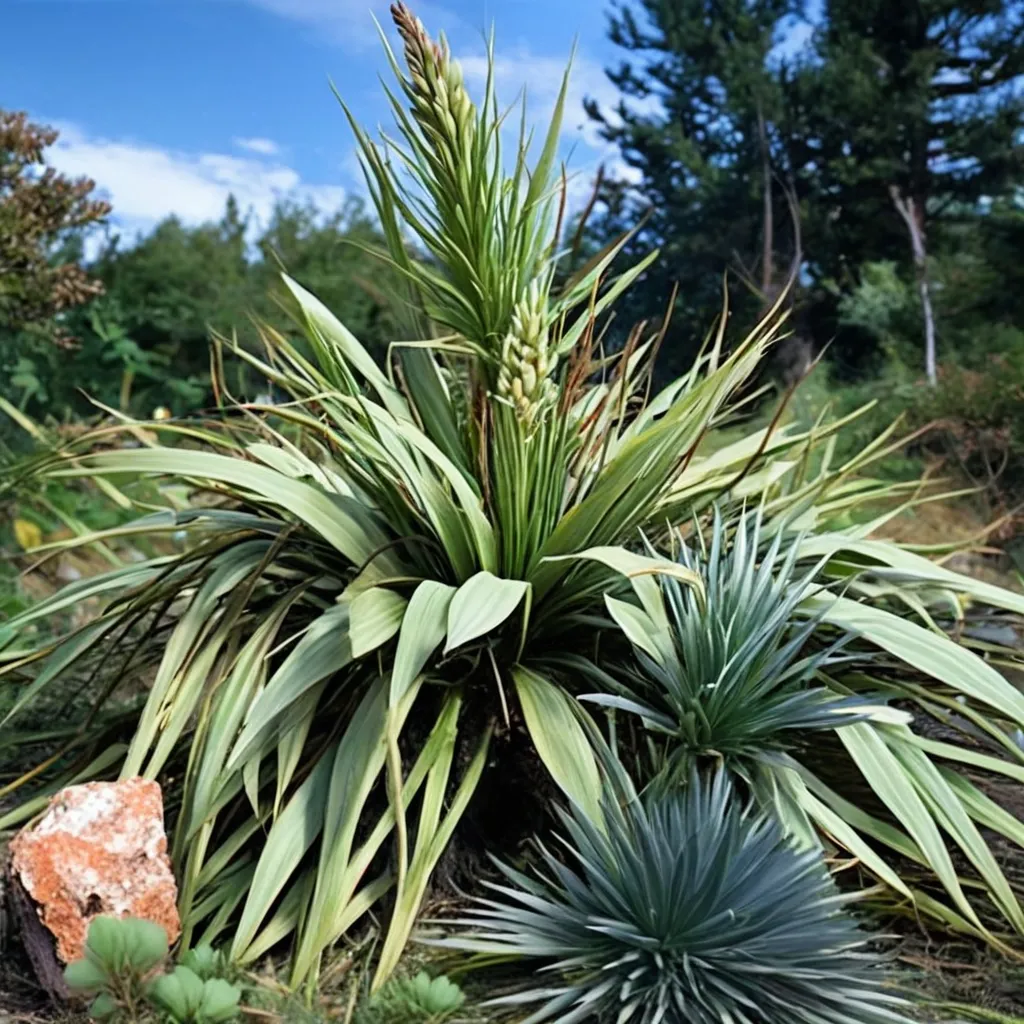
Mexican Beargrass
Nolina hibernica 'La Pe'
Keep exploring
Explore the genus
Hardy in your zone?
Grow Sonoran Tree Beargrass with confidence
See it in a design of your actual yard, get zone-matched care reminders, and track it season by season in your garden journal.