The Story
Plant Bio
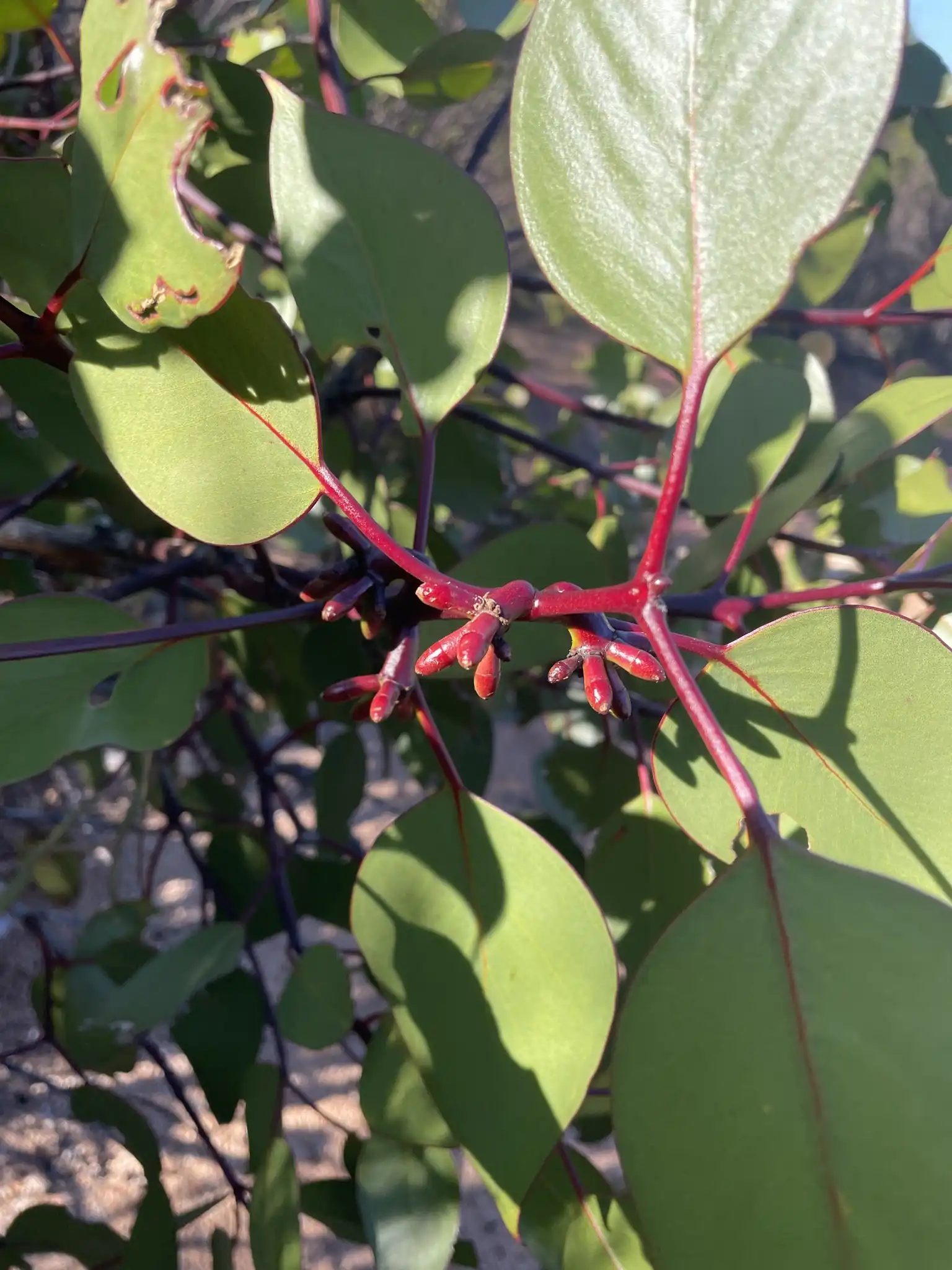
Eucalyptus grossa is an evergreen, multi-stemmed shrub native to the mallee districts of Western Australia. It forms a broad, spreading canopy clad in thick, glossy green leaves on red-tinged branchlets, retaining foliage down to ground level.
Heavy downturned stalks support large ribbed buds that open into yellow-green flower clusters across winter, spring, and fall. A woody underground lignotuber allows the plant to resprout following severe top damage.
Uses & Benefits:
Essentials
At a Glance
Plant Type
Shrub
Height
197"
Width
197"
Light
Full Sun
Zones
9, 10
Water
Low
Humidity
Low to Moderate
Lifespan
Perennial
Native To
Australia
Toxicity
Toxic if ingested
Bloom period
Late winter – Fall
In flower about 10 months of the year
Planting
How to Grow
- Select a site in full sun with gritty, free-draining soil.
- Dig a hole twice as wide as the root ball and equal in depth.
- Position the plant so the soil line matches the original container depth and fill with unamended native soil.
- Water thoroughly at planting to settle the soil around the roots.
- Limit supplemental watering once established, allowing the soil to dry out completely between irrigation cycles.
Pro Tip
Never prune into old bare timber; trimming back into leafless wood destroys dormant buds, so restrict shaping to light tip-pruning of active growth shoots.
Keep It Thriving
Care Guide
Do
- Plant in full sun and sharply draining soil.
- Lightly tip-prune young branches after flowering to encourage dense branching.
- Protect young foliage from deer browsing and severe freezes.
Don't
- Do not prune hard into mature, leafless wood.
- Do not overwater or plant in poorly draining, waterlogged sites.
- Do not apply standard high-phosphorus commercial fertilizers.
Seasonal Care Calendar
| Task | Jan | Feb | Mar | Apr | May | Jun | Jul | Aug | Sep | Oct | Nov | Dec |
|---|---|---|---|---|---|---|---|---|---|---|---|---|
| Fertilize | ||||||||||||
| Mulch | ||||||||||||
| Pest Check | ||||||||||||
| Prune |
Watch Out For
Pests & Diseases
Common Pests
Common Diseases
In the Garden
Landscape Uses & Companions
Landscape Uses
Companion Plants
Multiply
Propagation Methods
Good to Know
Common Questions
Coarse-Leaved Mallee questions
What zones can Coarse-Leaved Mallee grow in?
Coarse-Leaved Mallee is hardy in USDA Zones 9–10: in that range it survives winter in the ground. Colder than Zone 9, grow it in a container you can move to shelter for the winter.
Is Coarse-Leaved Mallee deer resistant?
Not reliably. Deer may browse Coarse-Leaved Mallee, especially tender spring growth — plan on repellents or fencing where pressure is high.
When does Coarse-Leaved Mallee bloom?
Coarse-Leaved Mallee typically blooms in late winter. Exact timing shifts a week or two with your zone — Sow's bloom calendar maps it to your garden.
Does Coarse-Leaved Mallee need full sun?
Coarse-Leaved Mallee does best in full sun (6+ hours).
Is Coarse-Leaved Mallee drought tolerant?
Yes — once established (usually after the first full season), Coarse-Leaved Mallee handles dry spells with minimal watering. Water deeply its first year to build the root system that makes that possible.
More Eucalyptus to compare
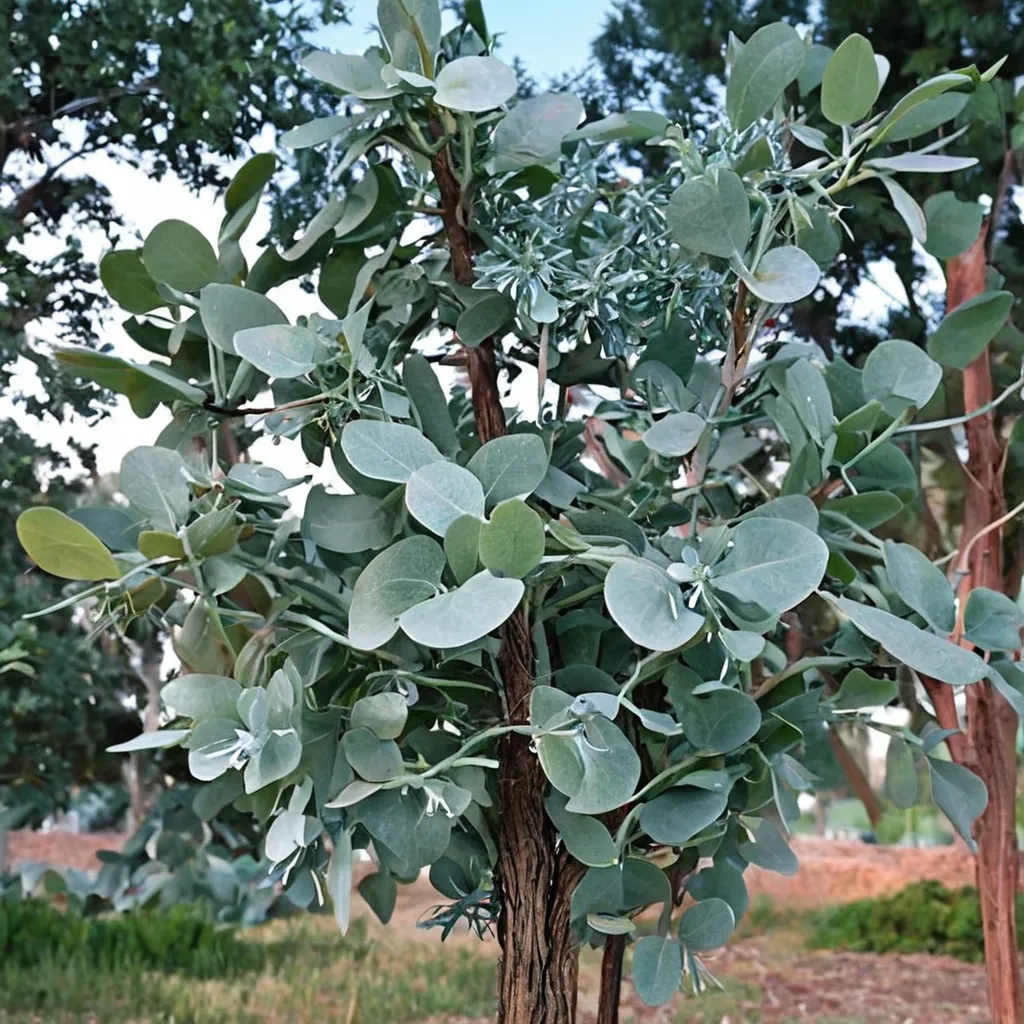
Silver Dollar Eucalyptus
Eucalyptus cinerea
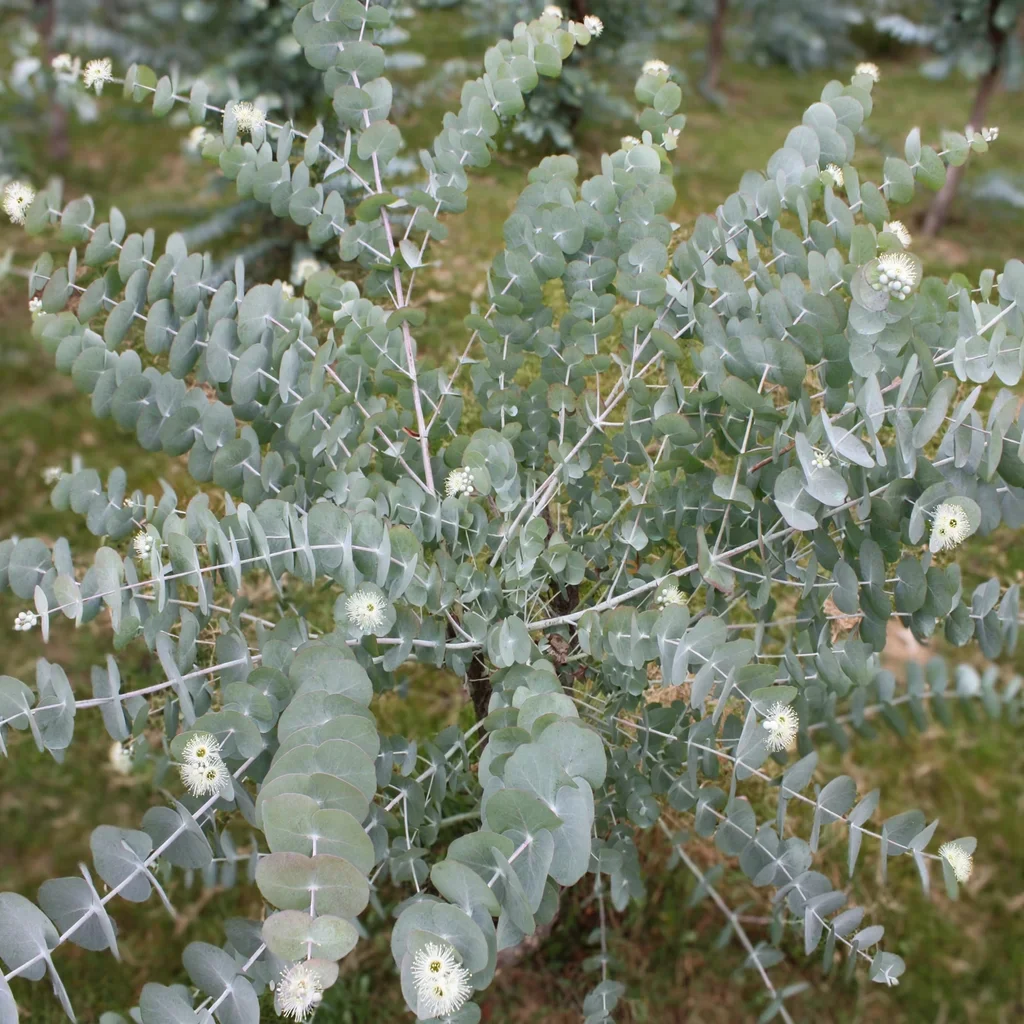
Silver Dollar Tree
Eucalyptus cinerea 'Silver Dollar Tree'
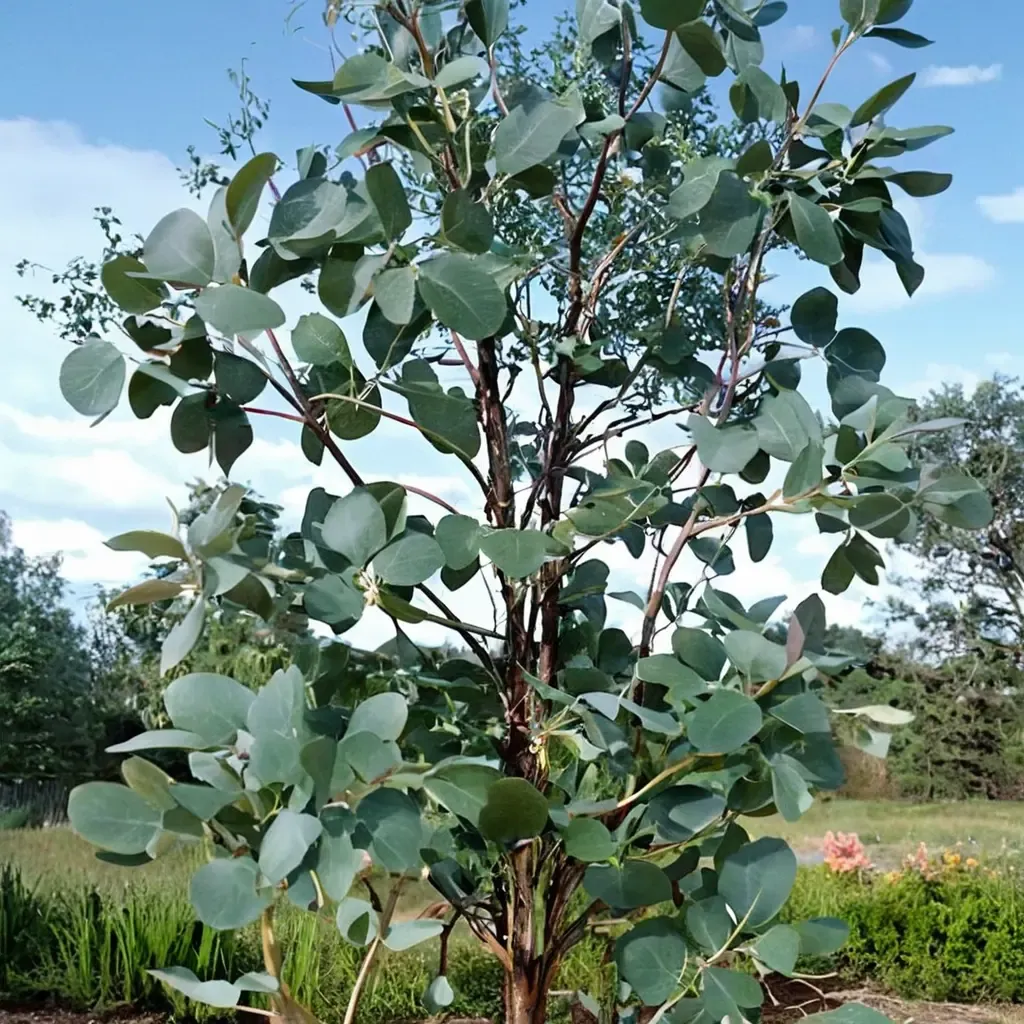
Omeo Gum
Eucalyptus neglecta
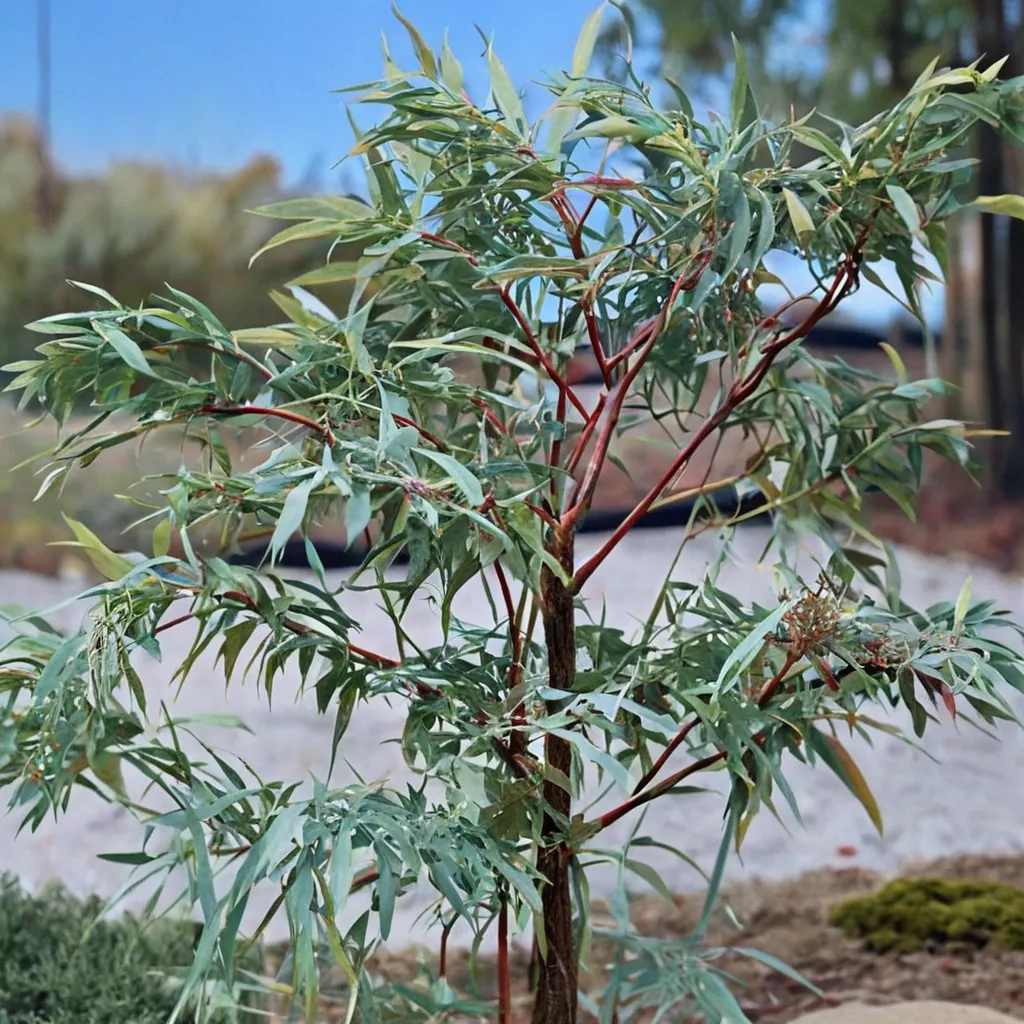
Narrow-leaved Peppermint Eucalyptus
Eucalyptus nicholii
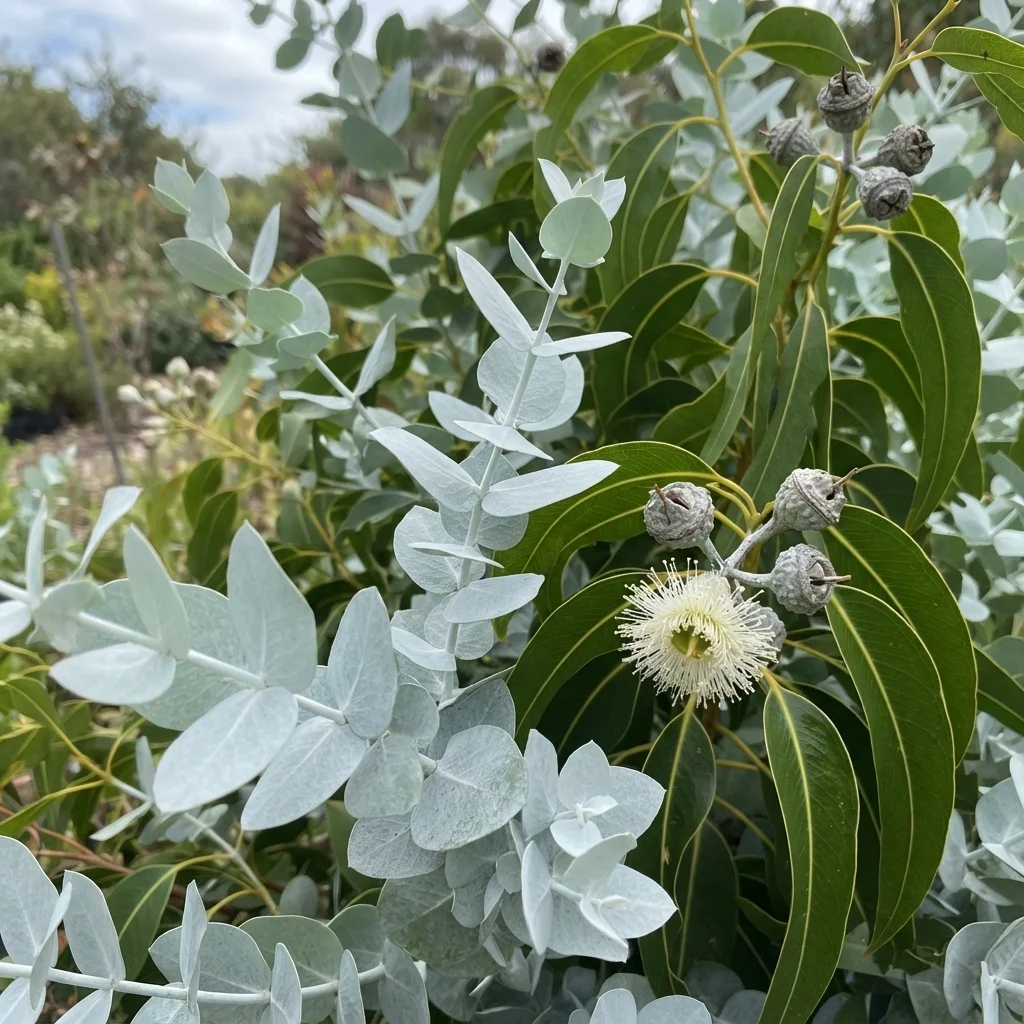
Tasmanian Blue Gum
Eucalyptus globulus
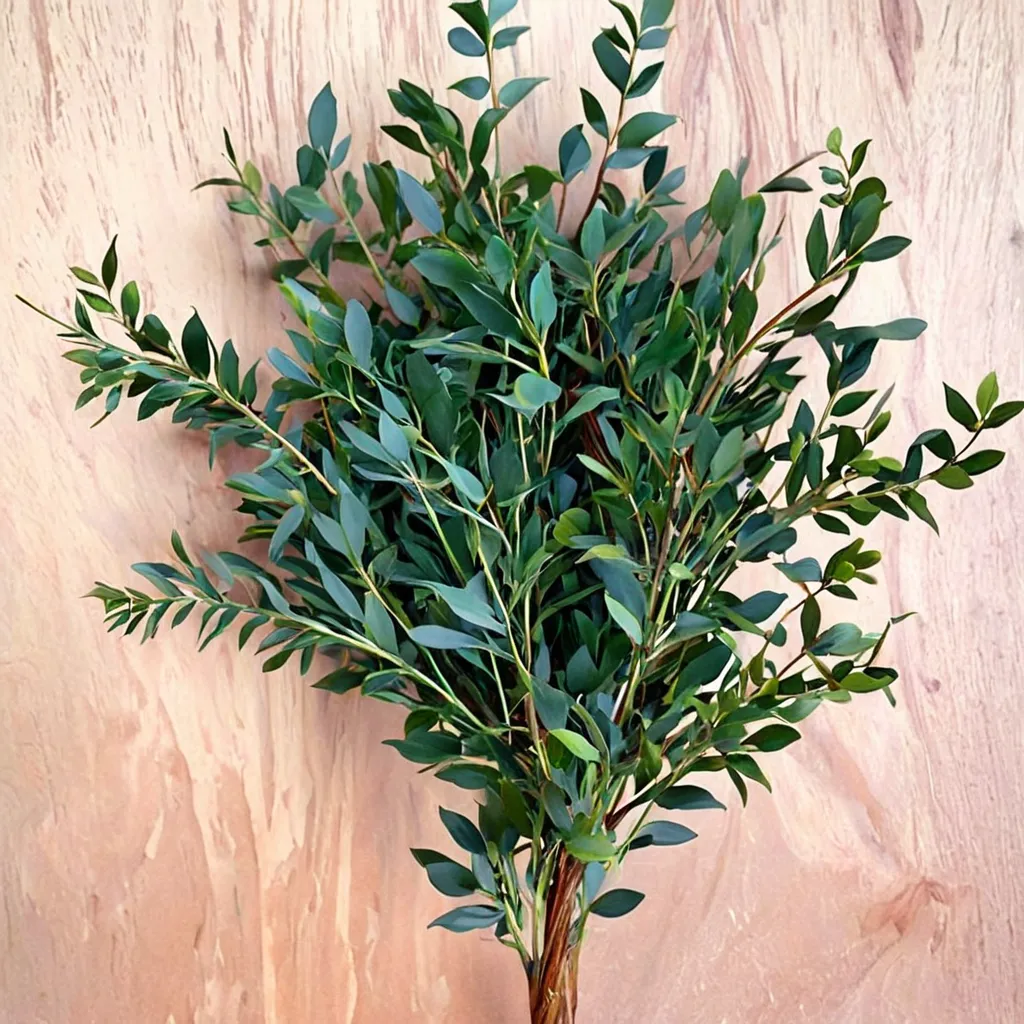
Small-leaved Gum
Eucalyptus parvula
Keep exploring
Explore the genus
Hardy in your zone?
Grow Coarse-Leaved Mallee with confidence
See it in a design of your actual yard, get zone-matched care reminders, and track it season by season in your garden journal.