The Story
Plant Bio
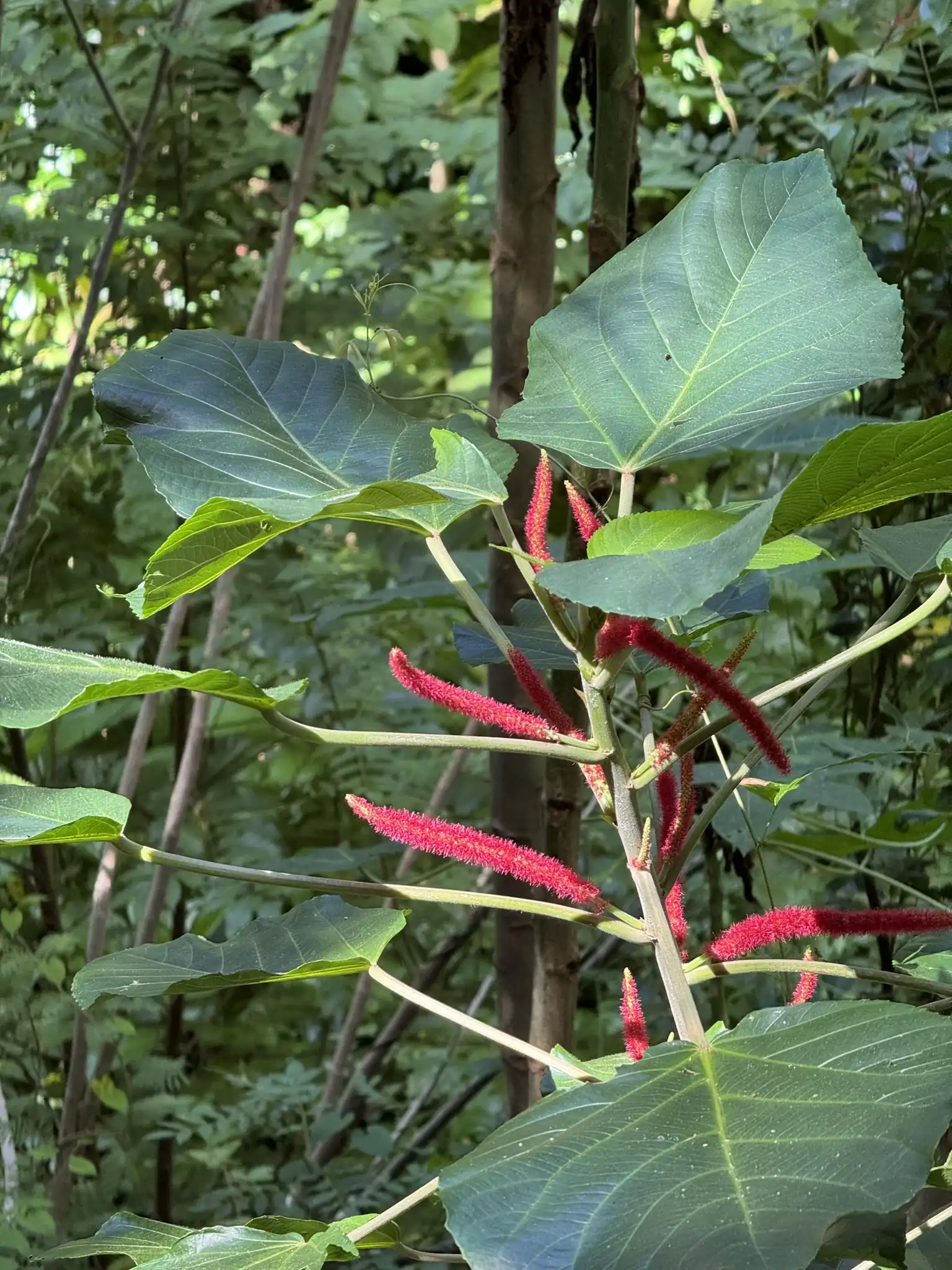
Acalypha hispida is an evergreen tropical shrub from the South Pacific, reaching five to six feet in frost-free gardens with arching stems clothed in large heart-shaped green leaves. The flowers carry no petals; the show comes from long pendulous catkins of tiny female flowers densely covered in red hairs, hanging up to eighteen inches below the foliage.
This species is grown for those velvety crimson tassels, which lengthen through summer into winter where warmth and light hold. Cultivated plants are female and set no seed, so increase comes from stem cuttings that root readily in summer warmth.
Uses & Benefits:
Essentials
At a Glance
Plant Type
Tropical
Height
72"
Width
48"
Light
Full Sun, Partial Sun
Zones
10
Water
Medium
Humidity
High
Lifespan
Tropical evergreen shrub, grown as annual
Native To
Bismarck Archipelago, South Pacific
Toxicity
Toxic if ingested
Bloom period
Summer – Winter
In flower about 9 months of the year
Planting
How to Grow
- Plant out after all frost danger has passed in full sun to partial shade in moist fertile well-drained loam or sand.
- Set container or basket plants at the same depth as in the nursery pot and water in thoroughly.
- Water to keep soil evenly moist through summer, raising humidity indoors with grouping or a pebble tray.
- Feed every two to three weeks in active growth with a balanced fertilizer.
- Bring indoors before first frost to a bright warm room and keep drier through winter.
Pro Tip
Keep it warm, bright and evenly moist; cold wet soil and dry indoor air stop growth faster than missed feeding.
Keep It Thriving
Care Guide
Do
- Give full sun for longest tassels with afternoon shade in hot climates
- Keep soil consistently moist but never waterlogged
- Prune in spring to hold size and keep plants dense
Don't
- Do not leave outdoors below 50 degrees
- Do not let soil dry out completely or sit cold and wet in winter
- Do not expect seed; cultivated plants are sterile females
Seasonal Care Calendar
| Task | Jan | Feb | Mar | Apr | May | Jun | Jul | Aug | Sep | Oct | Nov | Dec |
|---|---|---|---|---|---|---|---|---|---|---|---|---|
| Fertilize | ||||||||||||
| Pest Check | ||||||||||||
| Propagate | ||||||||||||
| Prune | ||||||||||||
| Winter Prep |
Watch Out For
Pests & Diseases
Common Pests
Common Diseases
In the Garden
Landscape Uses & Companions
Landscape Uses
Multiply
Propagation Methods
Good to Know
Common Questions
Chenille Plant questions
What zones can Chenille Plant grow in?
Chenille Plant is hardy in USDA Zone 10: in that range it survives winter in the ground. Colder than Zone 10, grow it in a container you can move to shelter for the winter, or as an annual.
When does Chenille Plant bloom?
Chenille Plant typically blooms from summer to winter. Exact timing shifts a week or two with your zone — Sow's bloom calendar maps it to your garden.
Does Chenille Plant need full sun?
Chenille Plant does best in full sun to part shade. In hot climates, afternoon shade keeps blooms fresher longer.
More Acalypha to compare
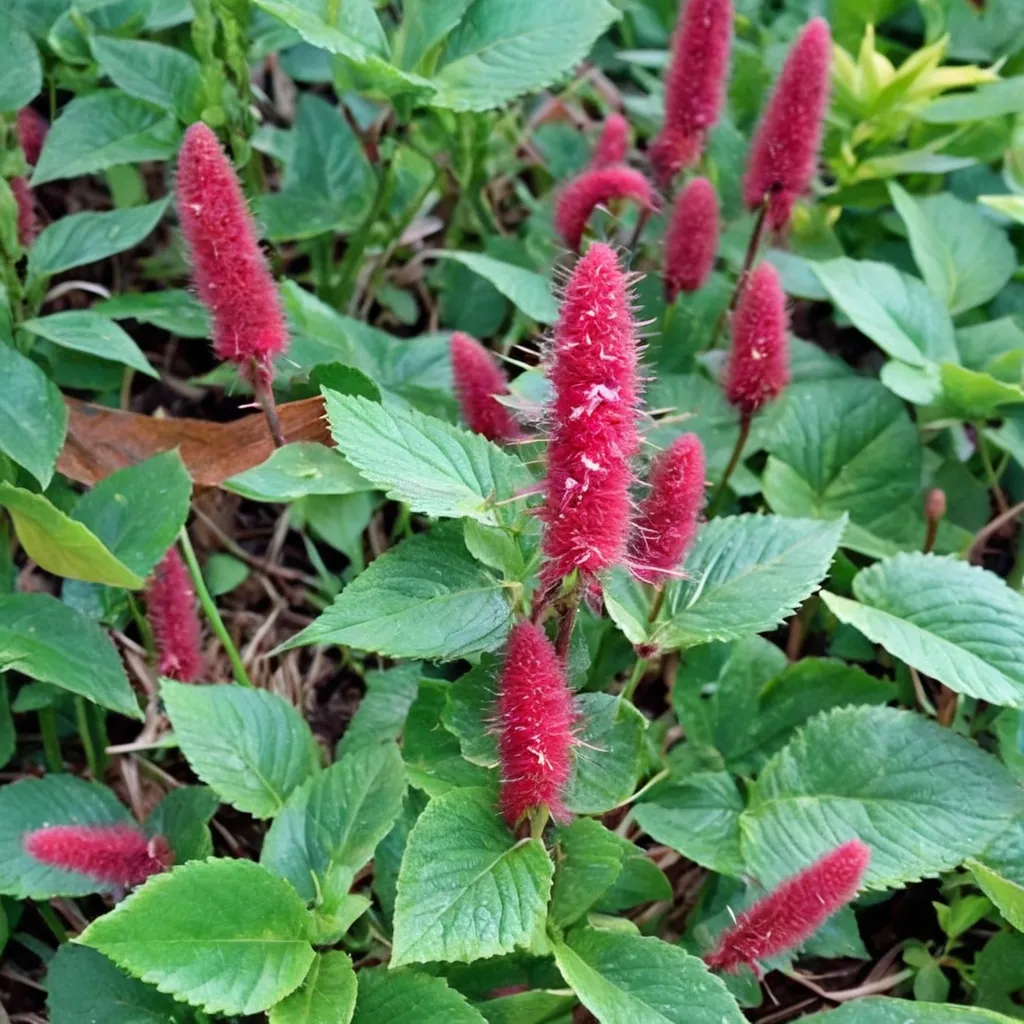
Dwarf Chenille Plant
Acalypha herzogiana 'Firetail'
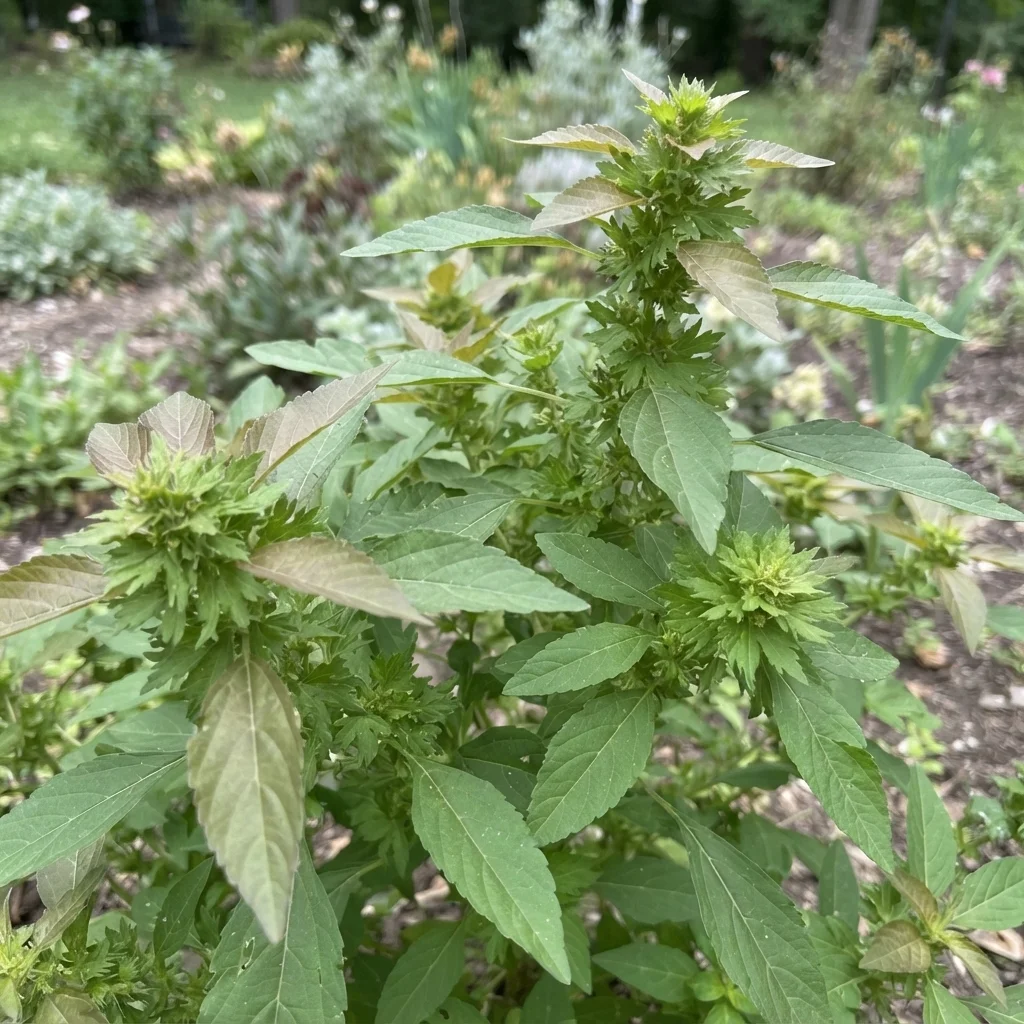
Virginia Three-Seeded Mercury
Acalypha virginica
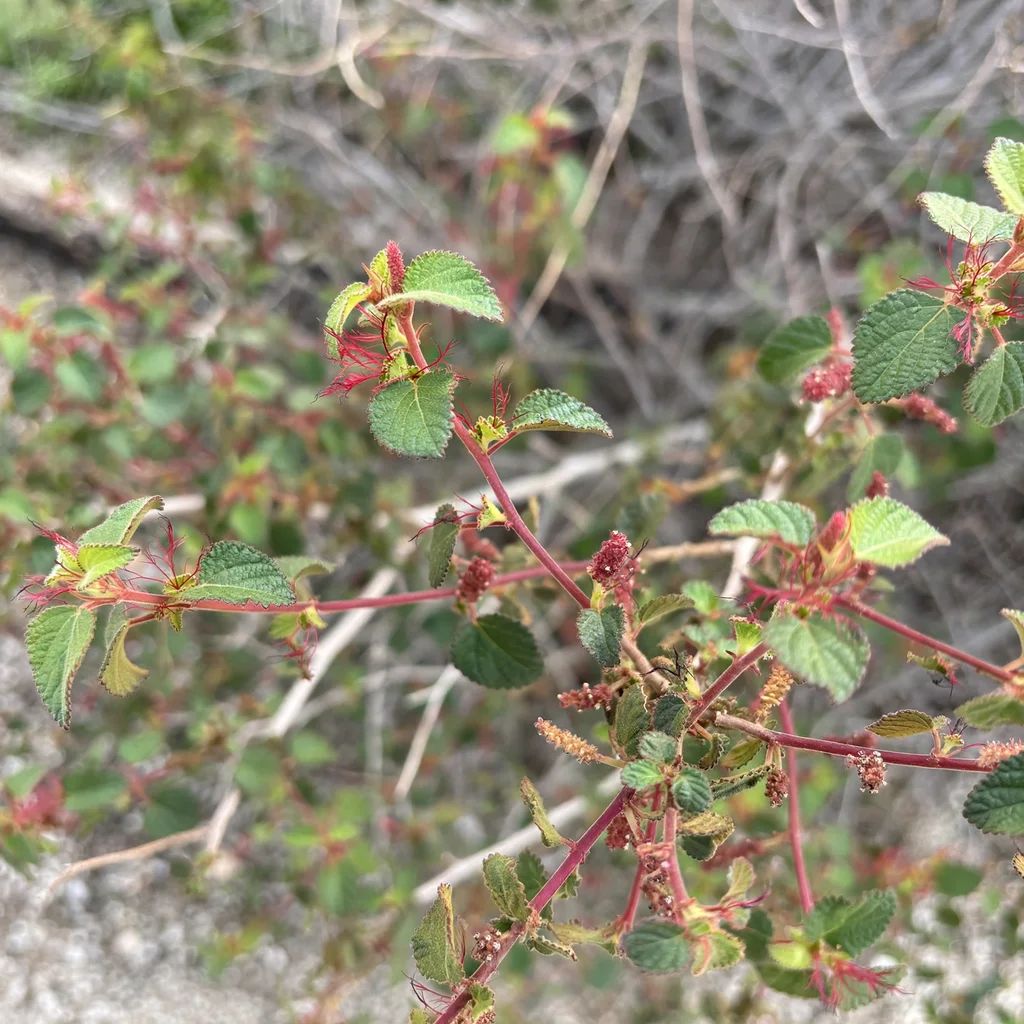
California Copperleaf
Acalypha californica
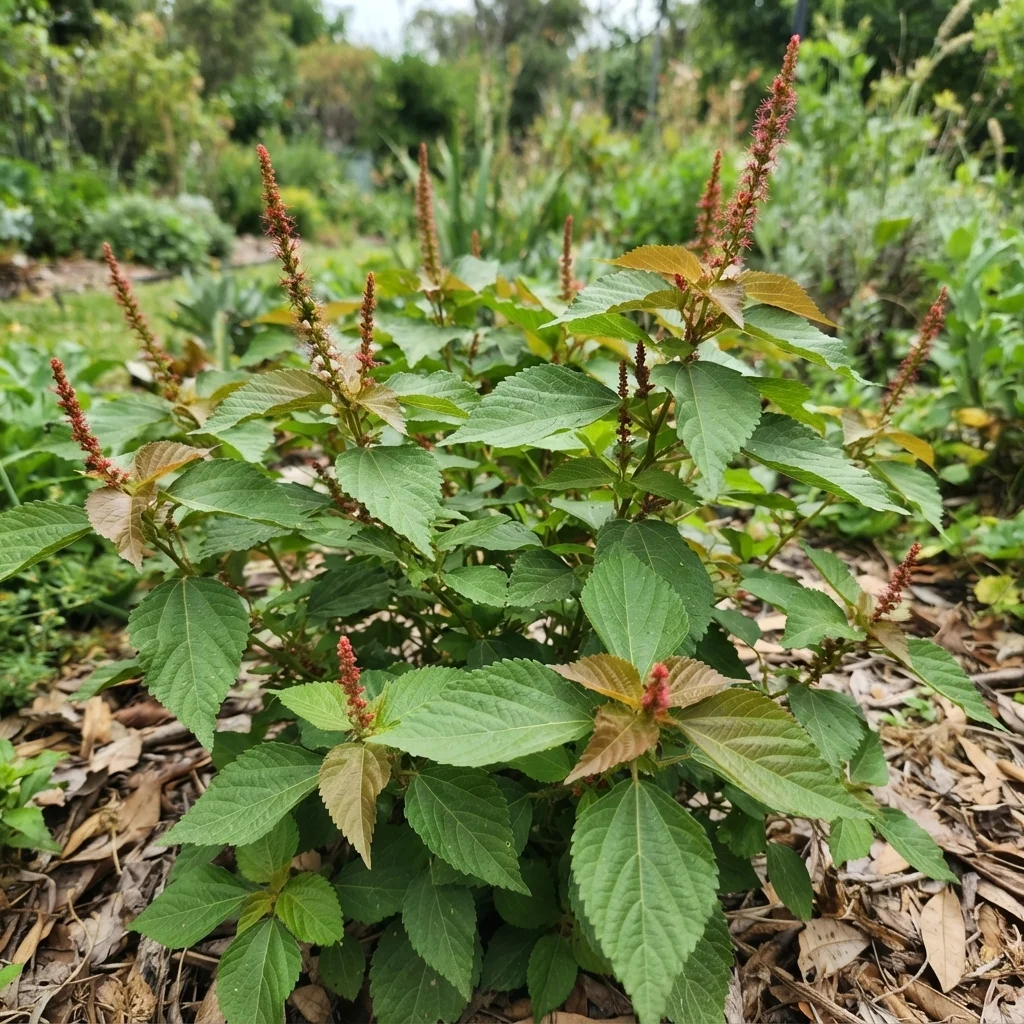
Shrubby Copperleaf
Acalypha phleoides
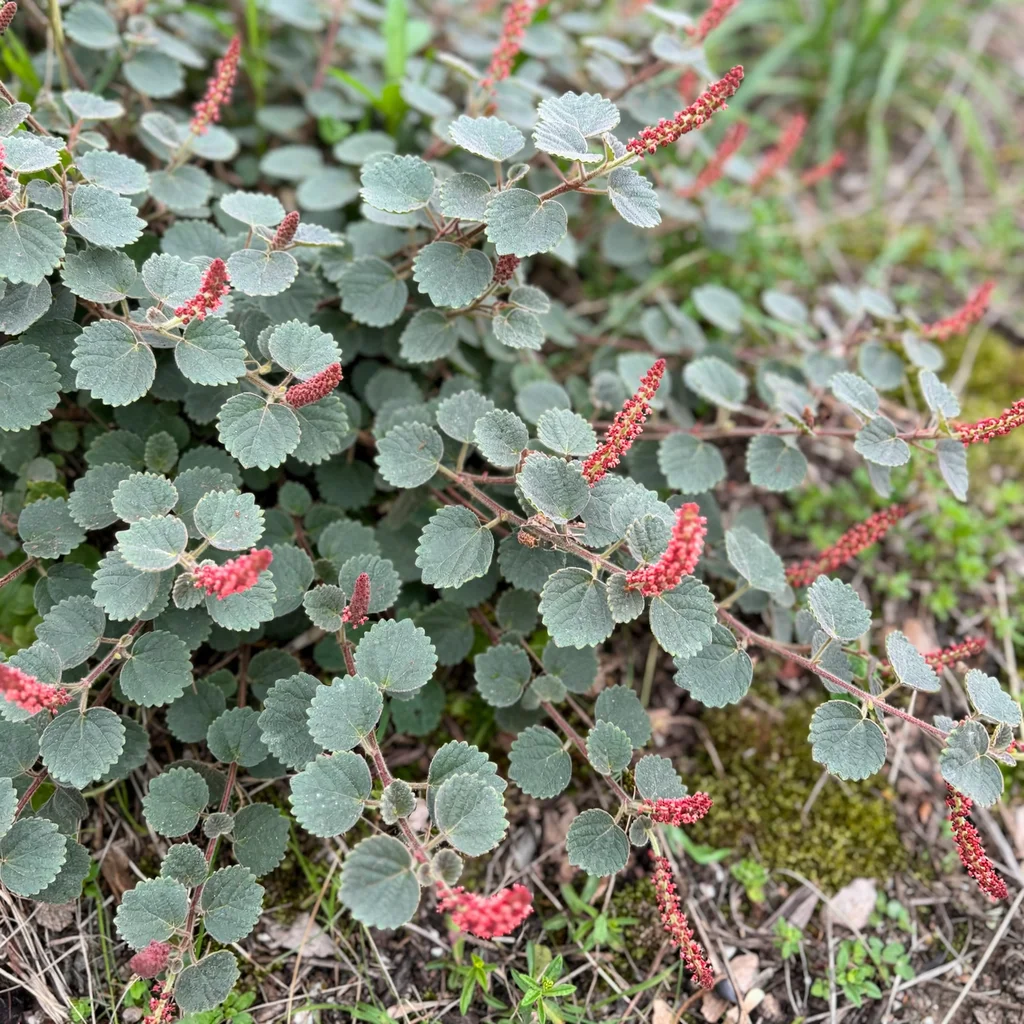
Round Copperleaf
Acalypha monostachya
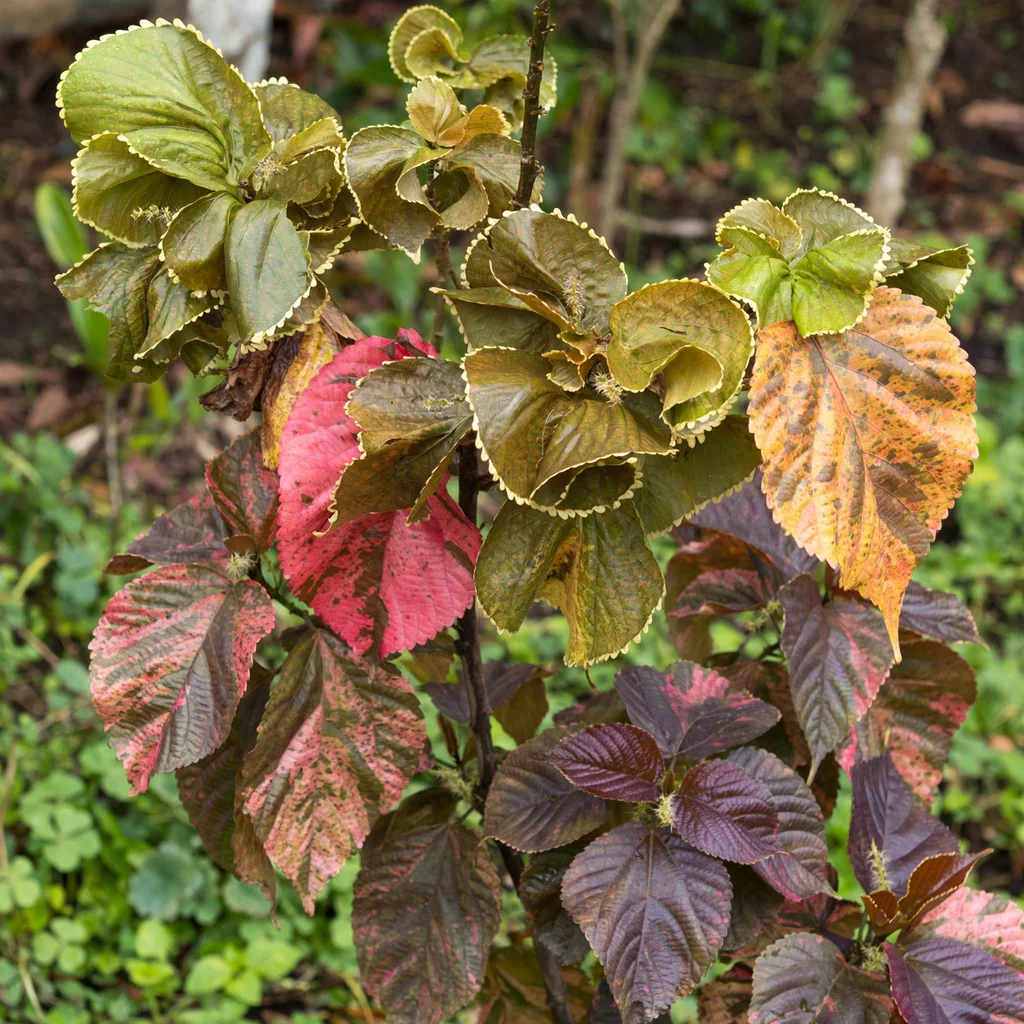
Copperleaf
Acalypha wilkesiana
Keep exploring
Explore the genus
Hardy in your zone?
Grow Chenille Plant with confidence
See it in a design of your actual yard, get zone-matched care reminders, and track it season by season in your garden journal.