
The Story
Plant Bio
Ceanothus lemmonii, Lemmon's ceanothus, is an evergreen shrub that forms a low spreading mound 2 to 3 feet tall and slightly wider, with small evergreen leaves on pale green to gray-green branchlets. In spring the mound is covered with small dense clusters of pale to deep blue flowers with pale yellow stamens, followed by small capsules that ripen to black fruits.
Unlike taller California lilacs, it stays under 3 feet in gardens and spreads as a ground-covering mound for rocky, well-drained acidic soil. It requires very low summer water and sharp drainage, since summer-wet soil causes root-rot collapse within a few years, and deer browse its flowers and leaves.
Uses & Benefits:
Essentials
At a Glance
Plant Type
Shrub
Height
36"
Width
42"
Light
Full Sun, Partial Sun
Zones
7, 8, 9, 10
Water
Very low
Humidity
Unknown
Lifespan
Short-lived if summer-wet
Native To
California, USA
Toxicity
Unknown
Bloom period
Spring – Early summer
In flower about 4 months of the year
Planting
How to Grow
- Plant in full sun in rocky, well-draining acidic soil pH 5.4 to 6.8.
- Set the crown slightly high with gravel around the base to keep it dry.
- Water deeply but infrequently the first fall and winter, then taper to very low water.
- Give no supplemental summer water once established and never let water stand.
- Cage young plants if deer browse shoot tips and flowers.
Pro Tip
Plant high in rocky, fast-draining ground, keep the crown dry, and withhold summer water once established; wet summer soil is what kills it.
Keep It Thriving
Care Guide
Do
- Plant in fall so winter rain establishes roots
- Use gravel mulch pulled back from the stem
- Water deeply but infrequently only in the first year
Don't
- Do not water in summer once established
- Do not plant in clay or low ground that holds water
- Do not fertilize heavily or enrich with rich compost
Seasonal Care Calendar
| Task | Jan | Feb | Mar | Apr | May | Jun | Jul | Aug | Sep | Oct | Nov | Dec |
|---|---|---|---|---|---|---|---|---|---|---|---|---|
| Mulch | ||||||||||||
| Pest Check | ||||||||||||
| Plant | ||||||||||||
| Prune |
Watch Out For
Pests & Diseases
Common Pests
Common Diseases
In the Garden
Landscape Uses & Companions
Landscape Uses
Multiply
Propagation Methods
Good to Know
Common Questions
Lemmon's Ceanothus questions
What zones can Lemmon's Ceanothus grow in?
Lemmon's Ceanothus is hardy in USDA Zones 7–10: in that range it survives winter in the ground. Colder than Zone 7, grow it in a container you can move to shelter for the winter.
Is Lemmon's Ceanothus deer resistant?
Not reliably. Deer may browse Lemmon's Ceanothus, especially tender spring growth — plan on repellents or fencing where pressure is high.
When does Lemmon's Ceanothus bloom?
Lemmon's Ceanothus typically blooms from early spring to early summer. Exact timing shifts a week or two with your zone — Sow's bloom calendar maps it to your garden.
Does Lemmon's Ceanothus need full sun?
Lemmon's Ceanothus does best in full sun to part shade. In hot climates, afternoon shade keeps blooms fresher longer.
Is Lemmon's Ceanothus drought tolerant?
Yes — once established (usually after the first full season), Lemmon's Ceanothus handles dry spells with minimal watering. Water deeply its first year to build the root system that makes that possible.
More Ceanothus to compare
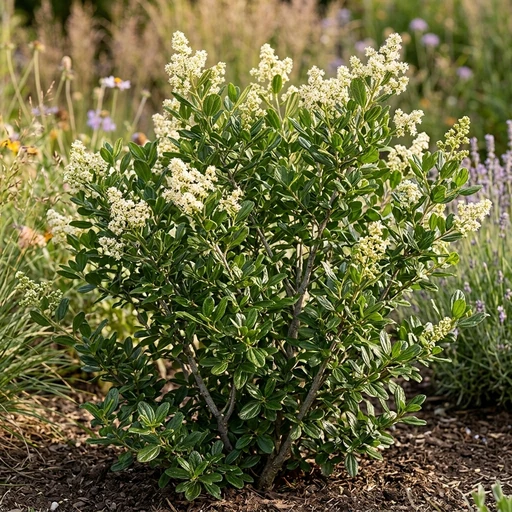
New Jersey Tea
Ceanothus americanus
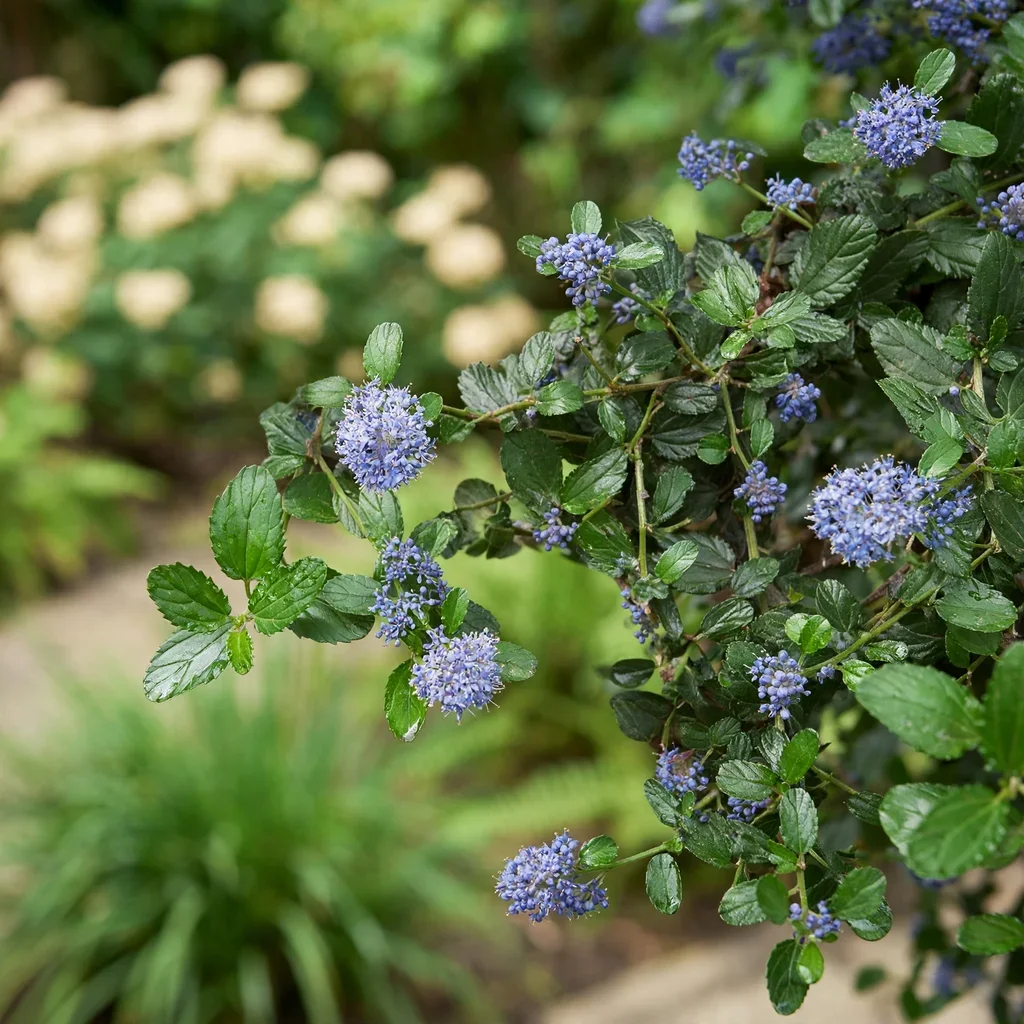
California Lilac
Ceanothus thyrsiflorus
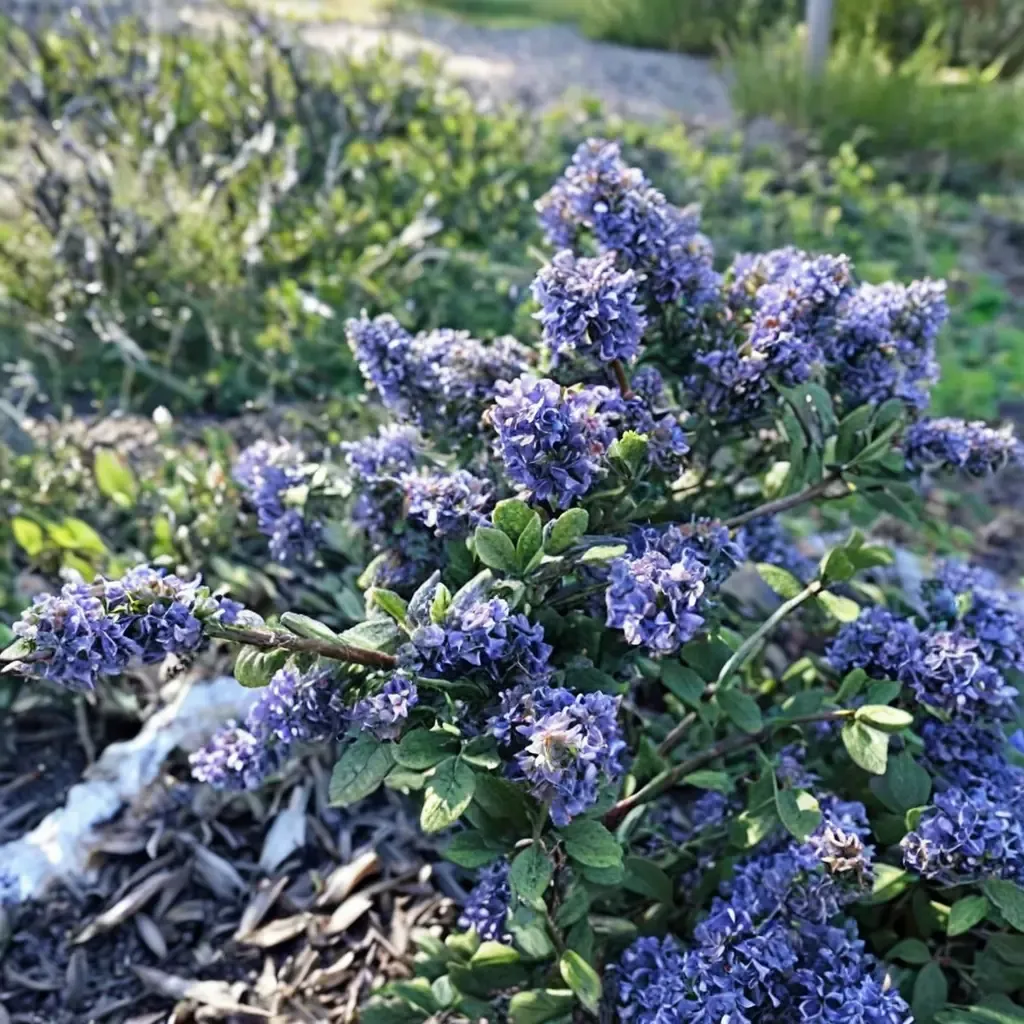
Valley Violet California Lilac
Ceanothus maritimus 'Valley Violet'
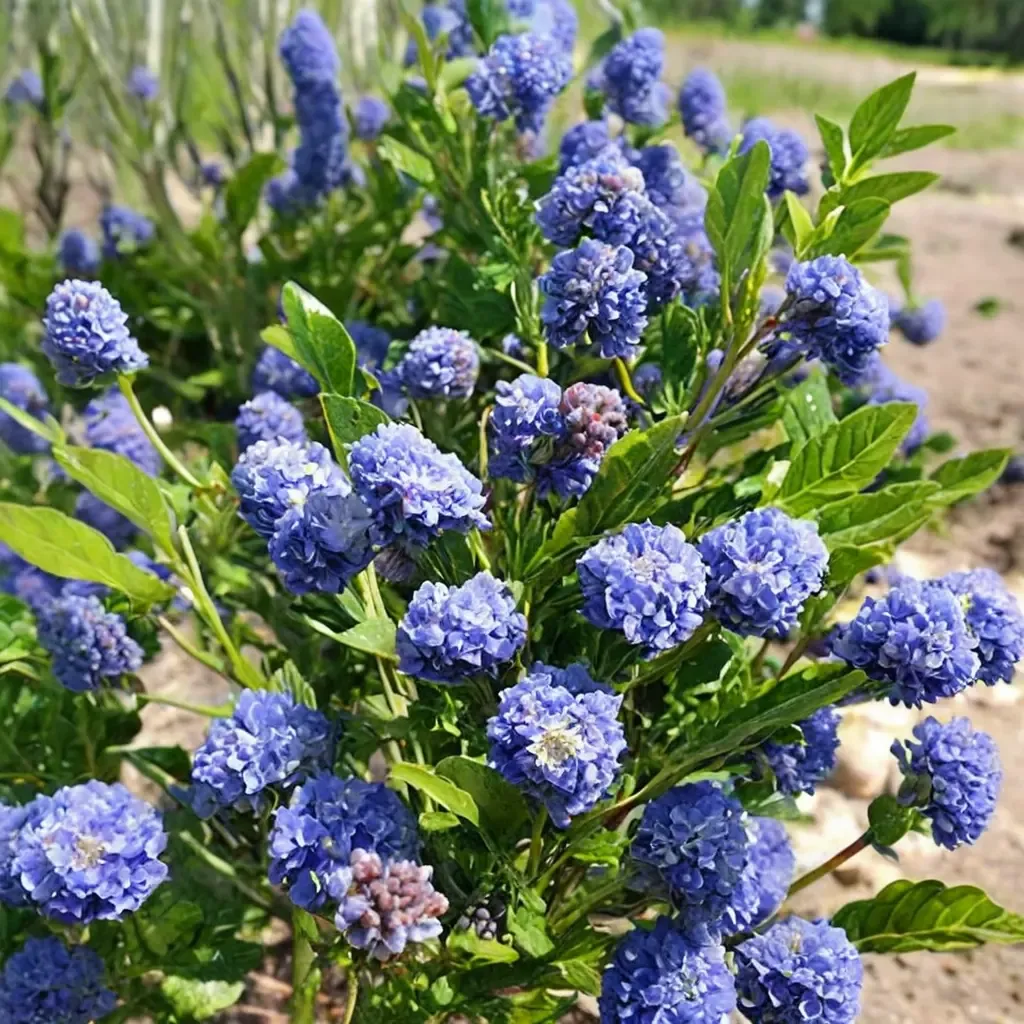
Skylark California Lilac
Ceanothus thyrsiflorus 'Skylark'
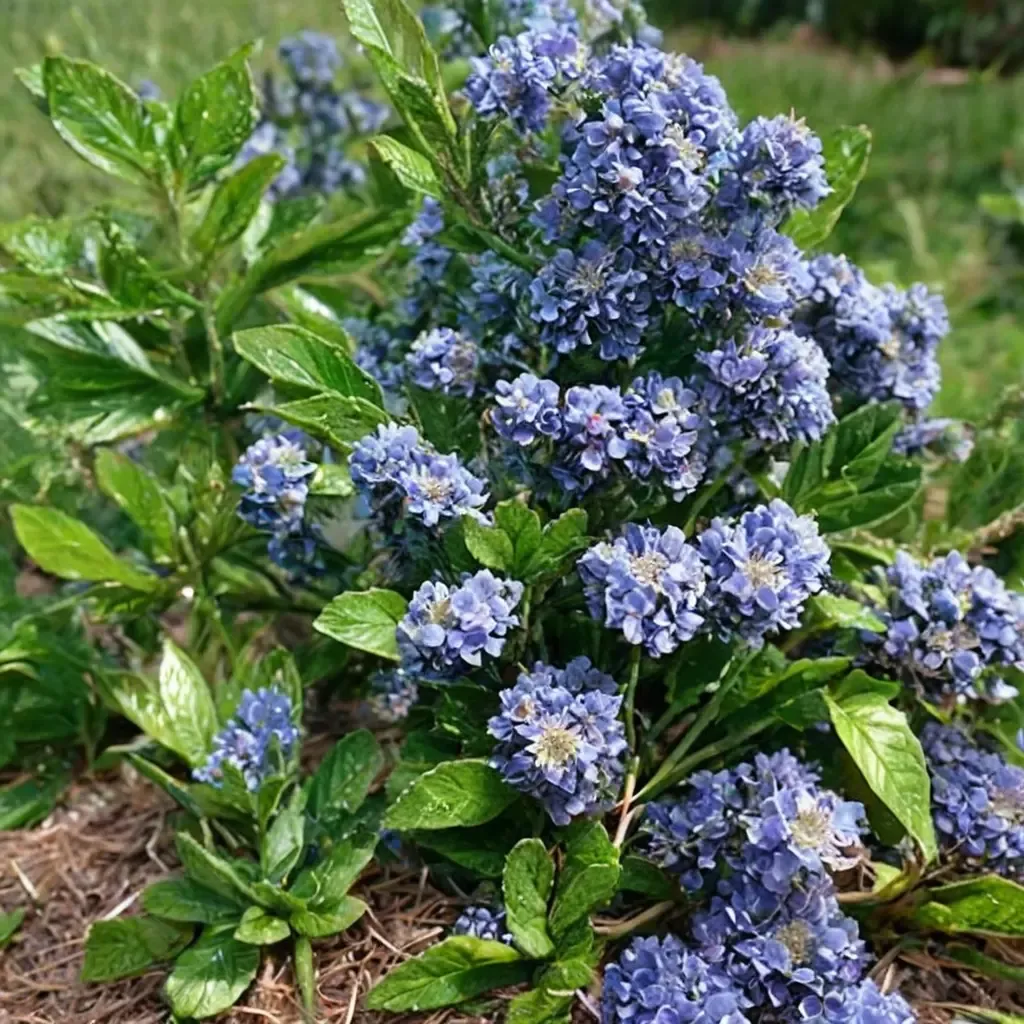
Victoria California Lilac
Ceanothus griseus 'Victoria'
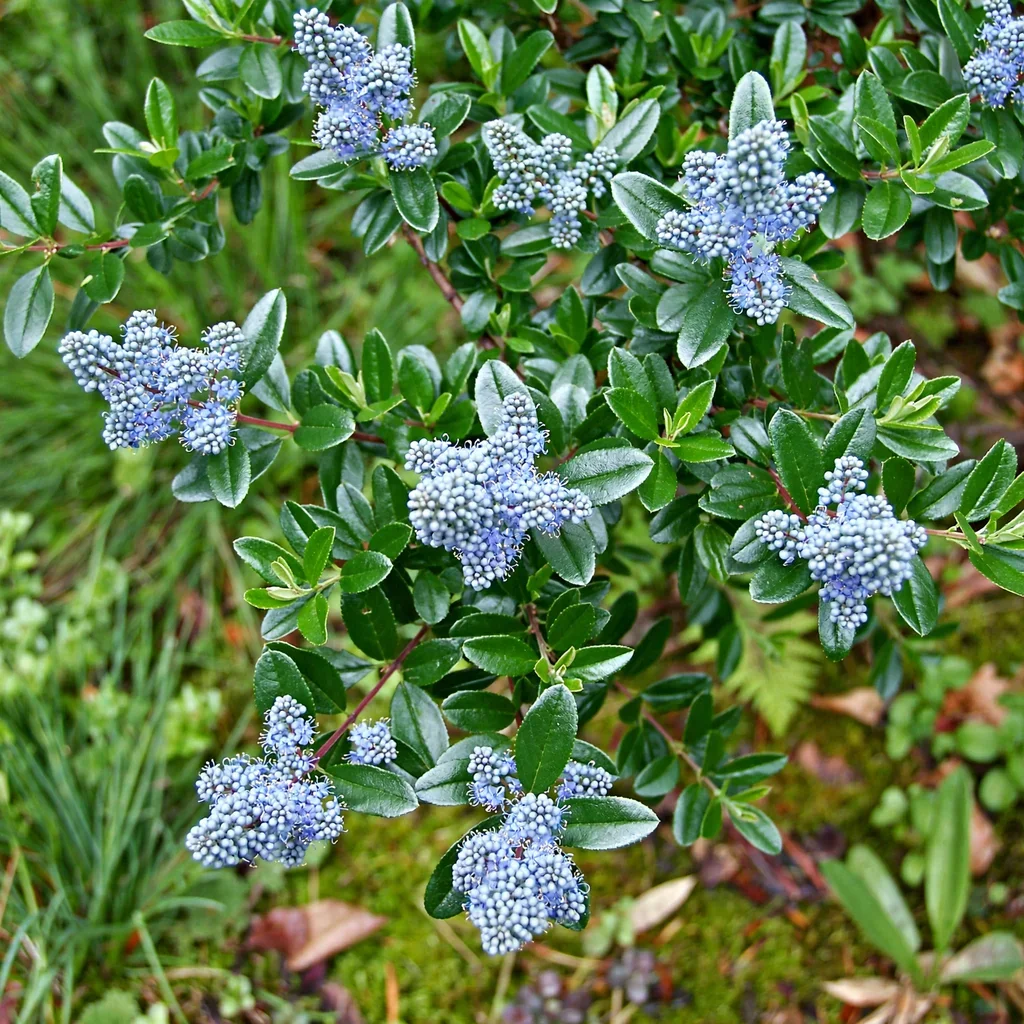
Yankee Point California Lilac
Ceanothus thyrsiflorus 'Yankee Point'
Keep exploring
Explore the genus
Hardy in your zone?
Grow Lemmon's Ceanothus with confidence
See it in a design of your actual yard, get zone-matched care reminders, and track it season by season in your garden journal.