The Story
Plant Bio
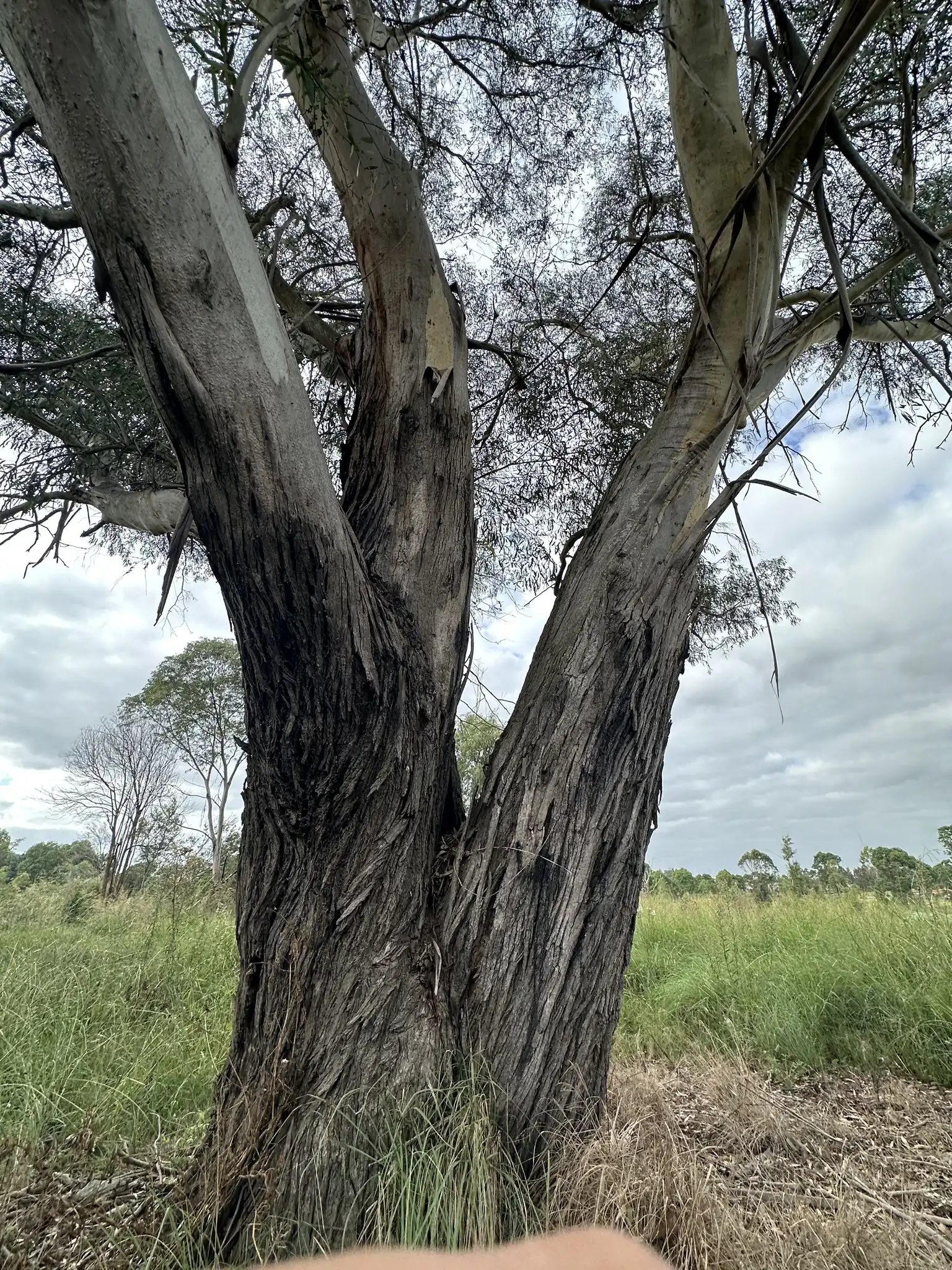
Eucalyptus elata is a tall evergreen tree native to southeastern Australia, featuring a straight trunk, smooth upper bark, and a weeping canopy of narrow foliage. The glossy green leaves release a strong peppermint fragrance when crushed, while dense clusters of small white flowers open from yellow-green buds in spring.
This species is distinguished by its drooping branch tips and persistent rough bark at the trunk base that transitions into smooth white or cream bark above. Its leaves contain high concentrations of aromatic oils that provide foliage scent throughout the year.
Uses & Benefits:
Essentials
At a Glance
Plant Type
Tree
Height
1200"
Width
600"
Light
Full Sun
Zones
8, 9, 10
Water
Low to medium
Humidity
Moderate
Lifespan
Long-lived
Native To
Eastern Australia
Toxicity
Foliage contains aromatic oils that are toxic if ingested in quantity
Bloom period
Spring – Summer
In flower about 6 months of the year
Planting
How to Grow
- Select a full-sun site with deep, well-draining soil and clear clearance from overhead power lines and structures.
- Plant containerized trees at the same soil depth as in the pot, taking care to minimize taproot disturbance.
- Water deeply during the first growing season until the tree establishes a firm root structure.
- Apply a thin layer of organic mulch around the root zone while keeping the material away from direct contact with the bark.
Pro Tip
Avoid severe pruning into old leafless wood, as mature smooth-barked eucalyptus stems do not regenerate clean growth and will suffer structural decay.
Keep It Thriving
Care Guide
Do
- Plant in a full sun position with sufficient space for a tall canopy
- Ensure soil drains freely to prevent root decay
- Prune lightly to clear dead or damaged branches
Don't
- Do not prune severely into old bare wood or pollard established trunks
- Do not apply heavy doses of high-phosphorus fertilizers
- Do not plant close to building foundations or underground utilities
Seasonal Care Calendar
| Task | Jan | Feb | Mar | Apr | May | Jun | Jul | Aug | Sep | Oct | Nov | Dec |
|---|---|---|---|---|---|---|---|---|---|---|---|---|
| Fertilize | ||||||||||||
| Mulch | ||||||||||||
| Pest Check | ||||||||||||
| Prune |
Watch Out For
Pests & Diseases
Common Pests
Common Diseases
In the Garden
Landscape Uses & Companions
Landscape Uses
Companion Plants
Multiply
Propagation Methods
Good to Know
Common Questions
River Peppermint questions
What zones can River Peppermint grow in?
River Peppermint is hardy in USDA Zones 8–10: in that range it survives winter in the ground. Colder than Zone 8, winters are too cold for it to survive outdoors.
When does River Peppermint bloom?
River Peppermint typically blooms from spring to summer. Exact timing shifts a week or two with your zone — Sow's bloom calendar maps it to your garden.
Does River Peppermint need full sun?
River Peppermint does best in full sun (6+ hours).
Is River Peppermint drought tolerant?
Yes — once established (usually after the first full season), River Peppermint handles dry spells with minimal watering. Water deeply its first year to build the root system that makes that possible.
More Eucalyptus to compare
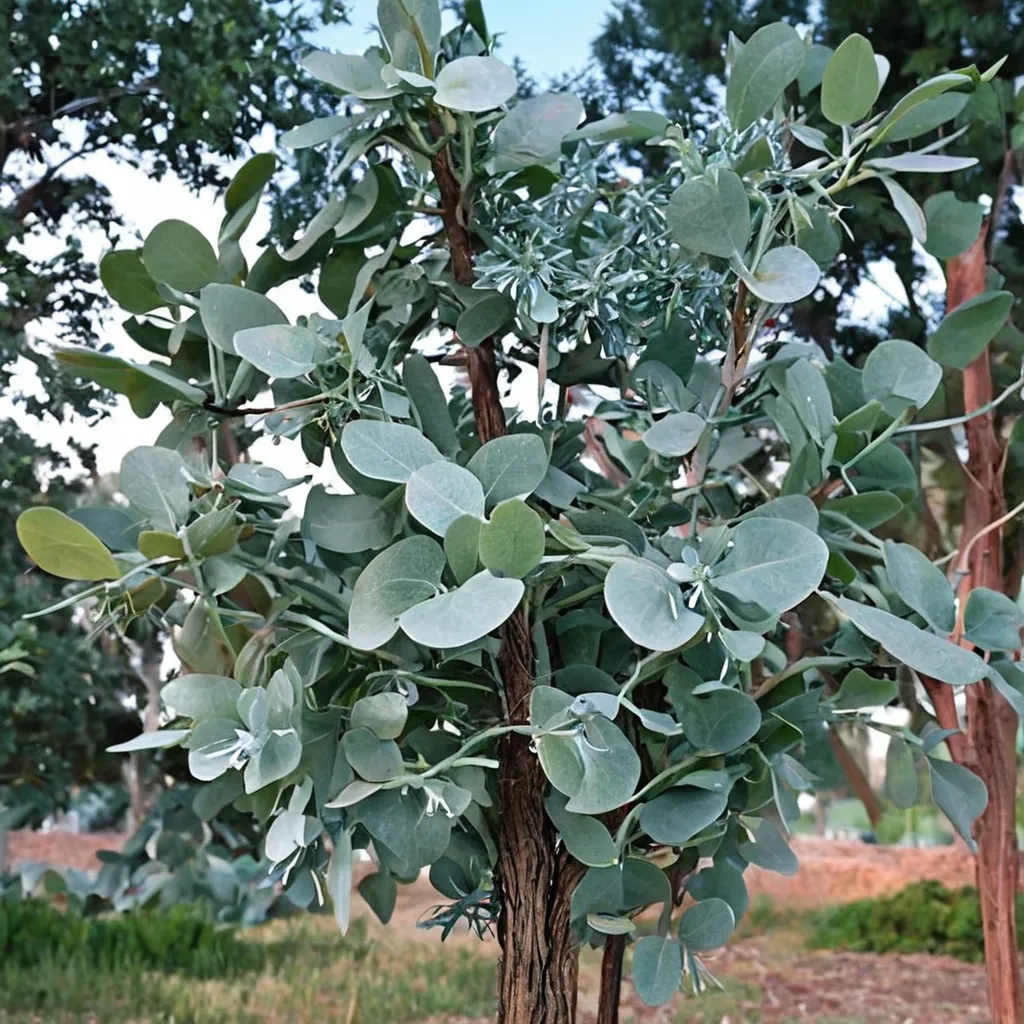
Silver Dollar Eucalyptus
Eucalyptus cinerea
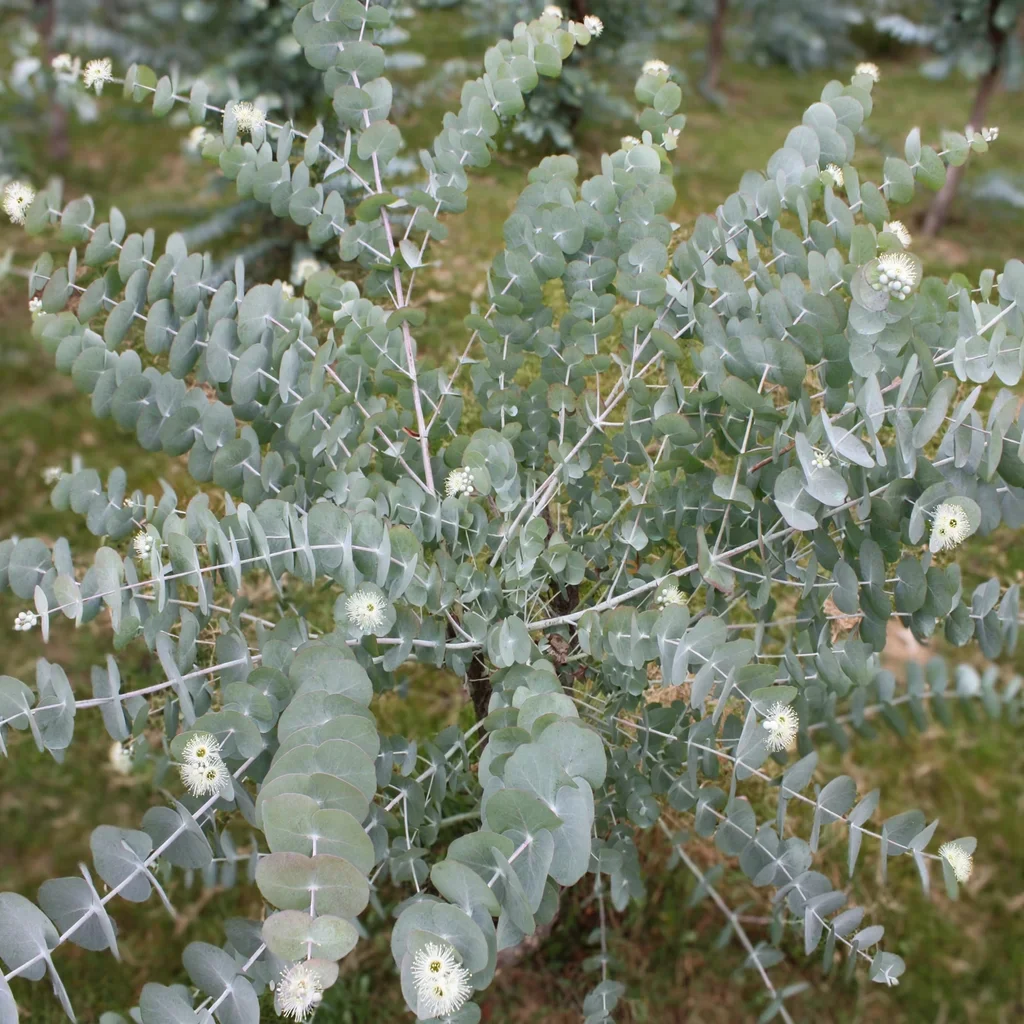
Silver Dollar Tree
Eucalyptus cinerea 'Silver Dollar Tree'
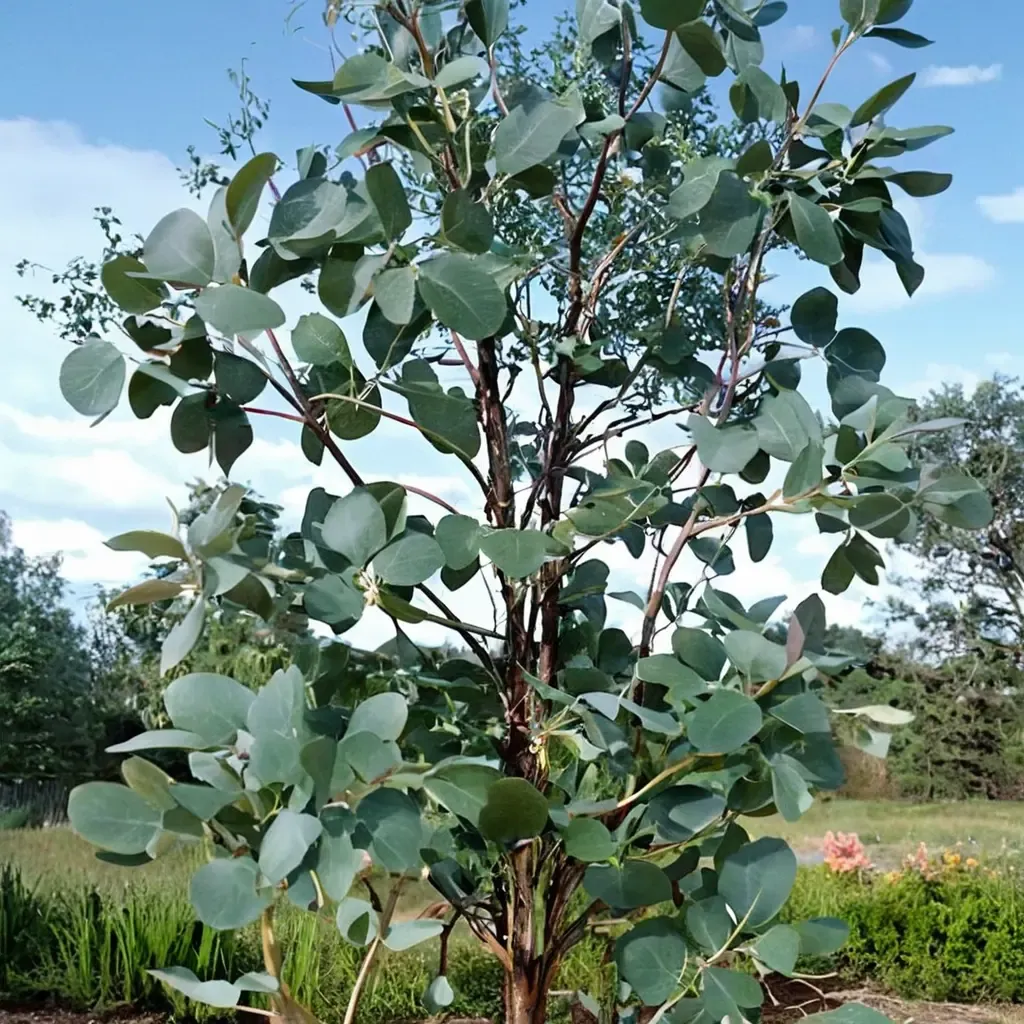
Omeo Gum
Eucalyptus neglecta
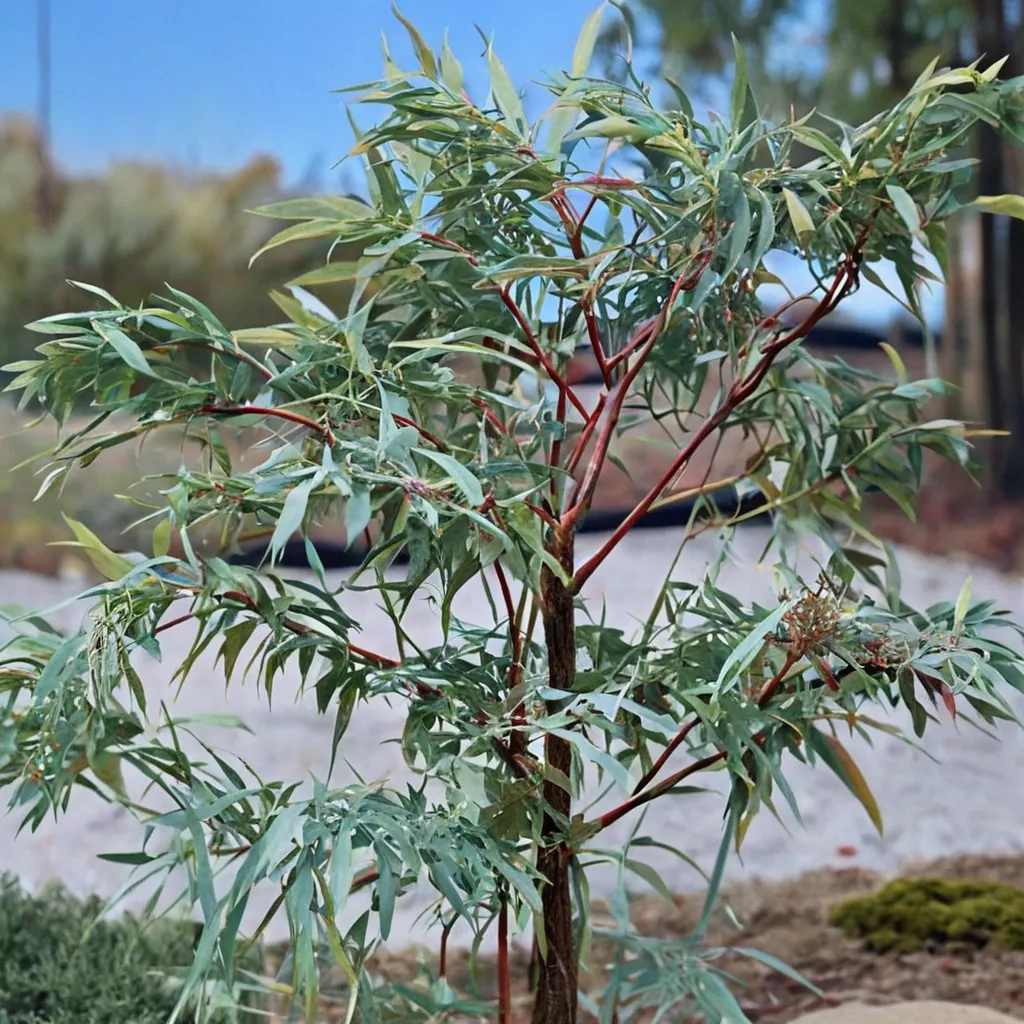
Narrow-leaved Peppermint Eucalyptus
Eucalyptus nicholii
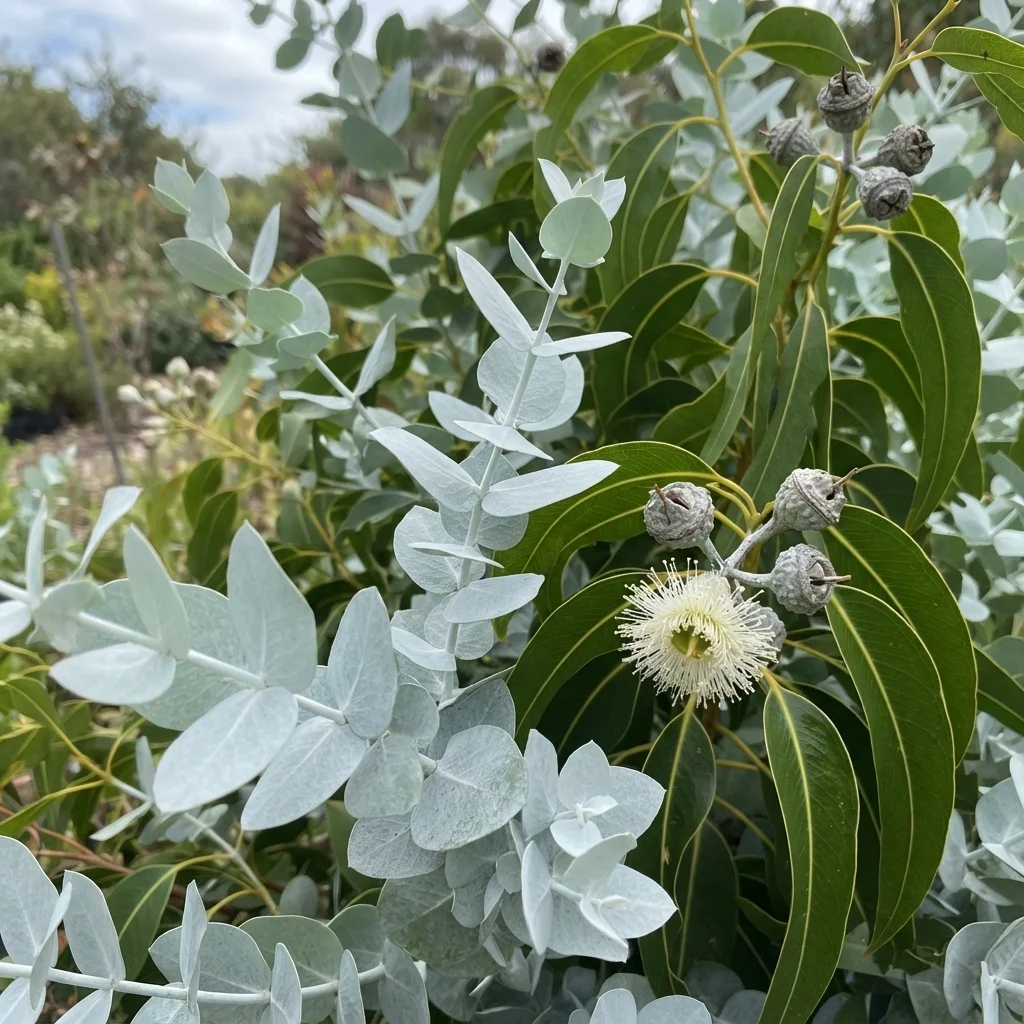
Tasmanian Blue Gum
Eucalyptus globulus
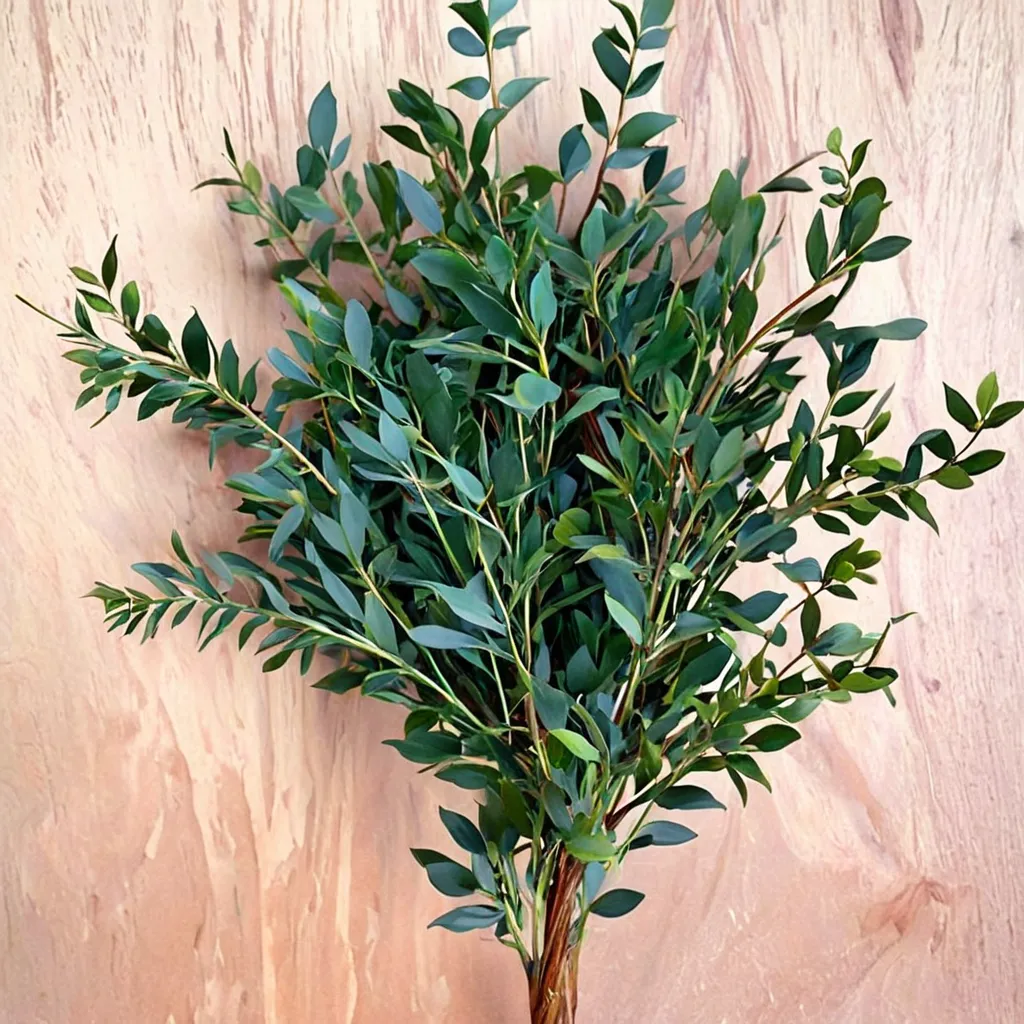
Small-leaved Gum
Eucalyptus parvula
Keep exploring
Explore the genus
Hardy in your zone?
Grow River Peppermint with confidence
See it in a design of your actual yard, get zone-matched care reminders, and track it season by season in your garden journal.