The Story
Plant Bio
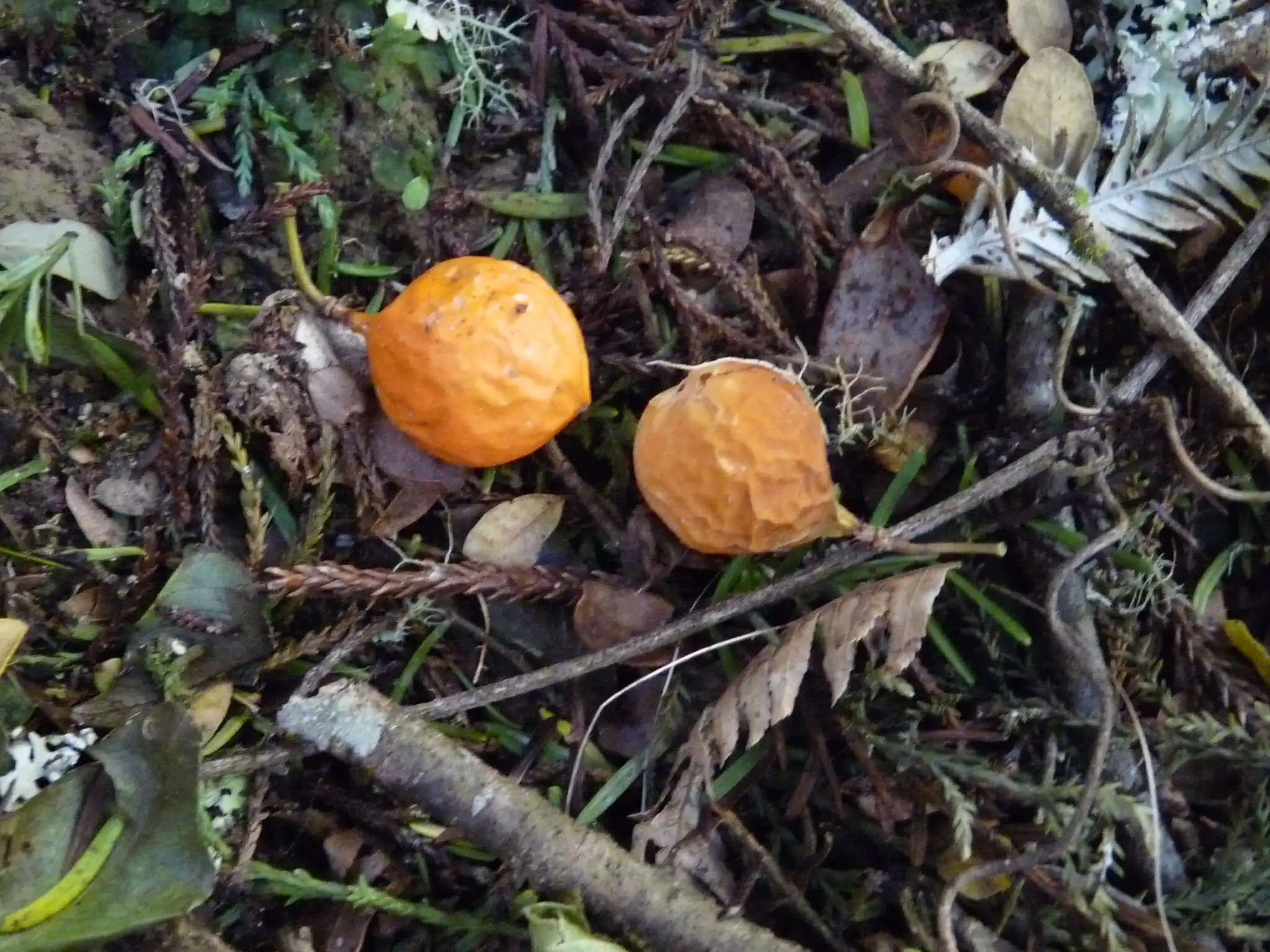
Passiflora tetrandra is an evergreen liana native to New Zealand forest margins, where it uses axillary tendrils to climb high into canopy trees. It features leathery, glossy, dark green lanceolate leaves that form a dense, thick curtain of foliage year-round.
Unlike most passionflower species, this dioecious vine produces small, fragrant, four-petaled flowers that range from yellowish-green to white in spring. Female plants that are cross-pollinated by a male plant bear edible, bright orange fruit with peppery seeds.
Uses & Benefits:
Essentials
At a Glance
Plant Type
Vine
Height
354"
Width
354"
Light
Full Sun, Partial Sun
Zones
8, 9, 10
Water
Moderate
Humidity
Moderate to high
Lifespan
Perennial
Native To
New Zealand
Toxicity
Non-toxic
Bloom period
Spring – Summer
In flower about 6 months of the year
Planting
How to Grow
- Select a planting site with a sturdy trellis, wall, or structure that supports high vertical climbing.
- Prepare moisture-retentive, well-draining soil rich in organic matter, placing organic mulch over the root site to maintain cool soil temperatures.
- Plant in partial shade or full sun, ensuring the roots remain shaded while the vine climbs toward bright light.
- Water regularly during active growth, keeping the root zone consistently moist but never waterlogged.
Pro Tip
Position the root zone in cool, shaded, moist soil while allowing the upper vine to reach full sun, and avoid cutting back into old leafless stems.
Keep It Thriving
Care Guide
Do
- Keep roots cool by mulching heavily around the base of the plant.
- Provide a strong support structure for heavy mature vines.
- Water regularly during dry spells to maintain soil moisture.
Don't
- Do not prune hard into old, leafless woody stems.
- Do not allow the root zone to dry out completely during summer.
- Do not leave young plants unprotected during severe freezes.
Seasonal Care Calendar
| Task | Jan | Feb | Mar | Apr | May | Jun | Jul | Aug | Sep | Oct | Nov | Dec |
|---|---|---|---|---|---|---|---|---|---|---|---|---|
| Fertilize | ||||||||||||
| Mulch | ||||||||||||
| Pest Check | ||||||||||||
| Prune |
Watch Out For
Pests & Diseases
Common Pests
Common Diseases
In the Garden
Landscape Uses & Companions
Landscape Uses
Multiply
Propagation Methods
Good to Know
Common Questions
New Zealand Passionflower questions
What zones can New Zealand Passionflower grow in?
New Zealand Passionflower is hardy in USDA Zones 8–10: in that range it survives winter in the ground. Colder than Zone 8, grow it in a container you can move to shelter for the winter, or as an annual.
Is New Zealand Passionflower deer resistant?
Not reliably. Deer may browse New Zealand Passionflower, especially tender spring growth — plan on repellents or fencing where pressure is high.
When does New Zealand Passionflower bloom?
New Zealand Passionflower typically blooms from spring to summer. Exact timing shifts a week or two with your zone — Sow's bloom calendar maps it to your garden.
Does New Zealand Passionflower need full sun?
New Zealand Passionflower does best in full sun to part shade. In hot climates, afternoon shade keeps blooms fresher longer.
More Passiflora to compare
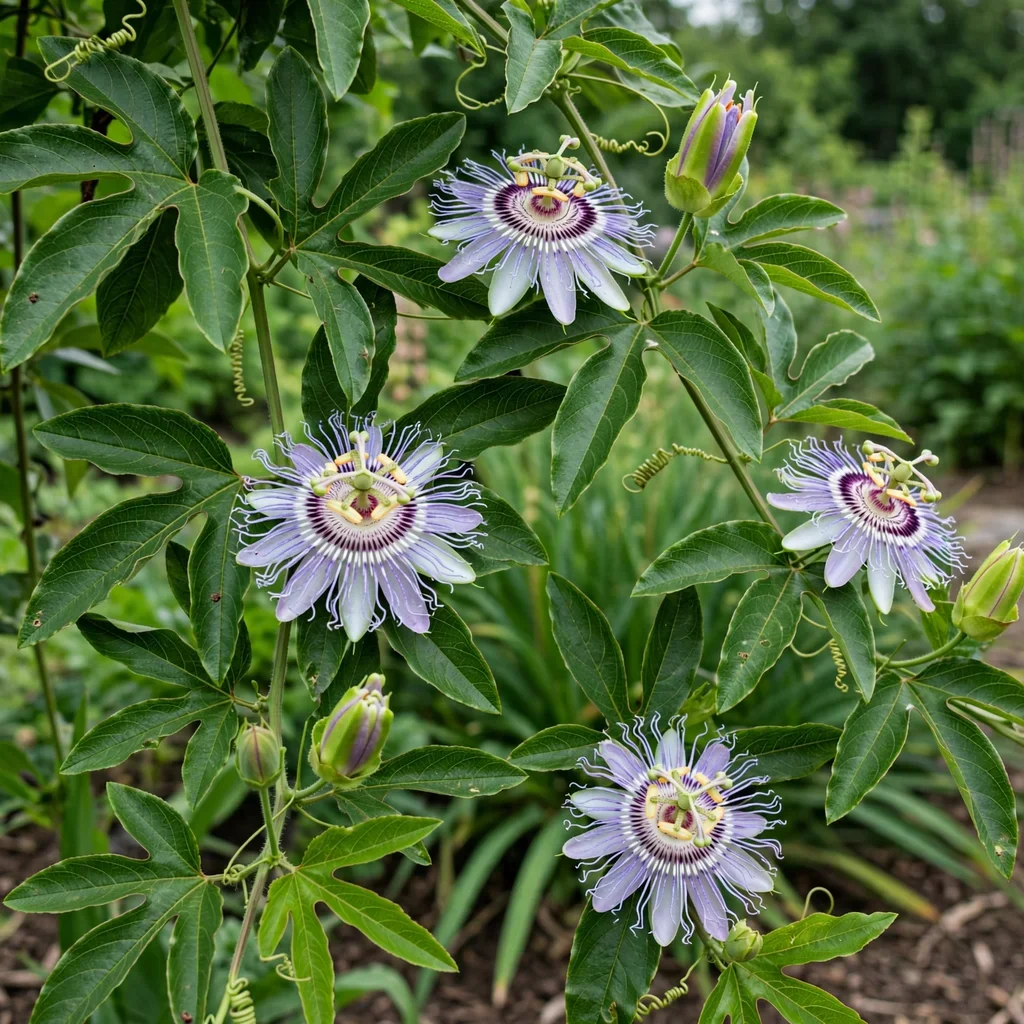
Purple Passionflower
Passiflora incarnata
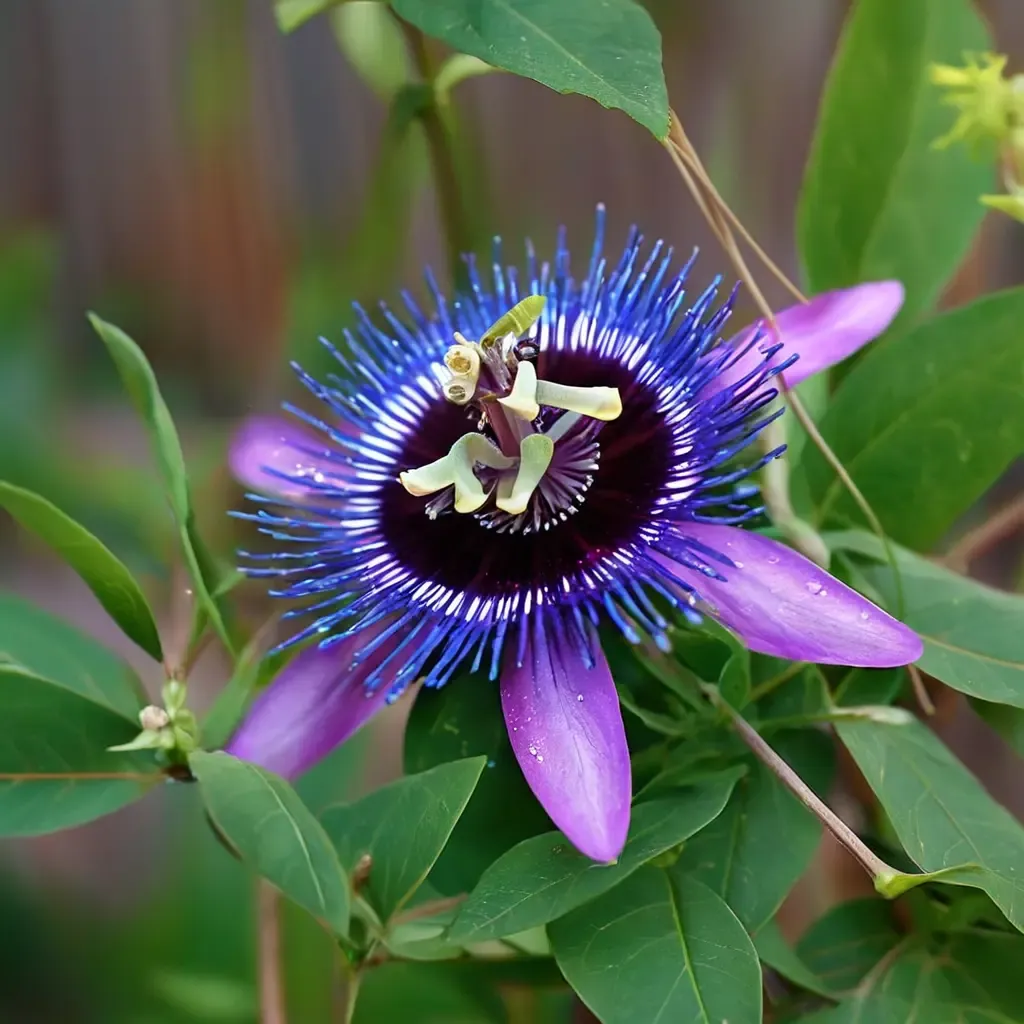
Blue Passionflower
Passiflora loefgrenii
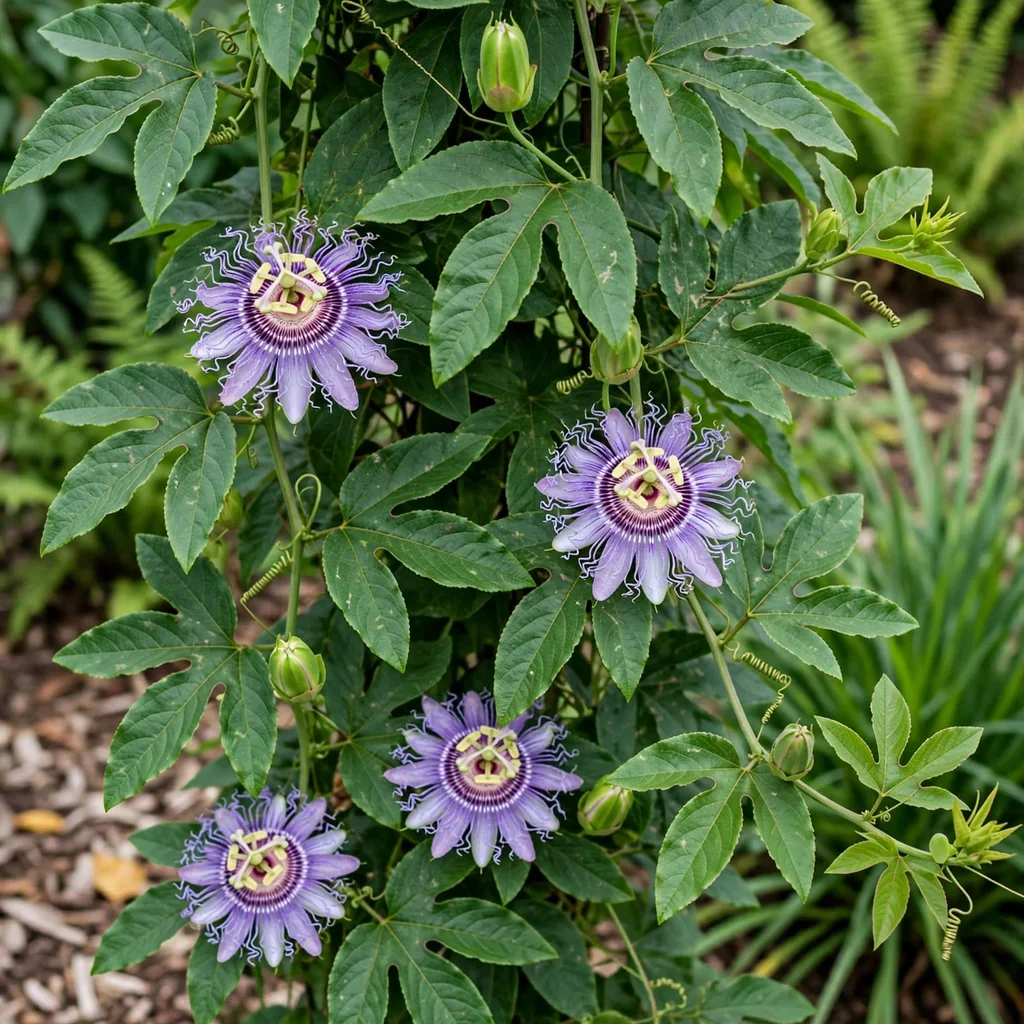
Butterfly Flower Purple Passionflower
Passiflora incarnata 'Butterfly Flower'
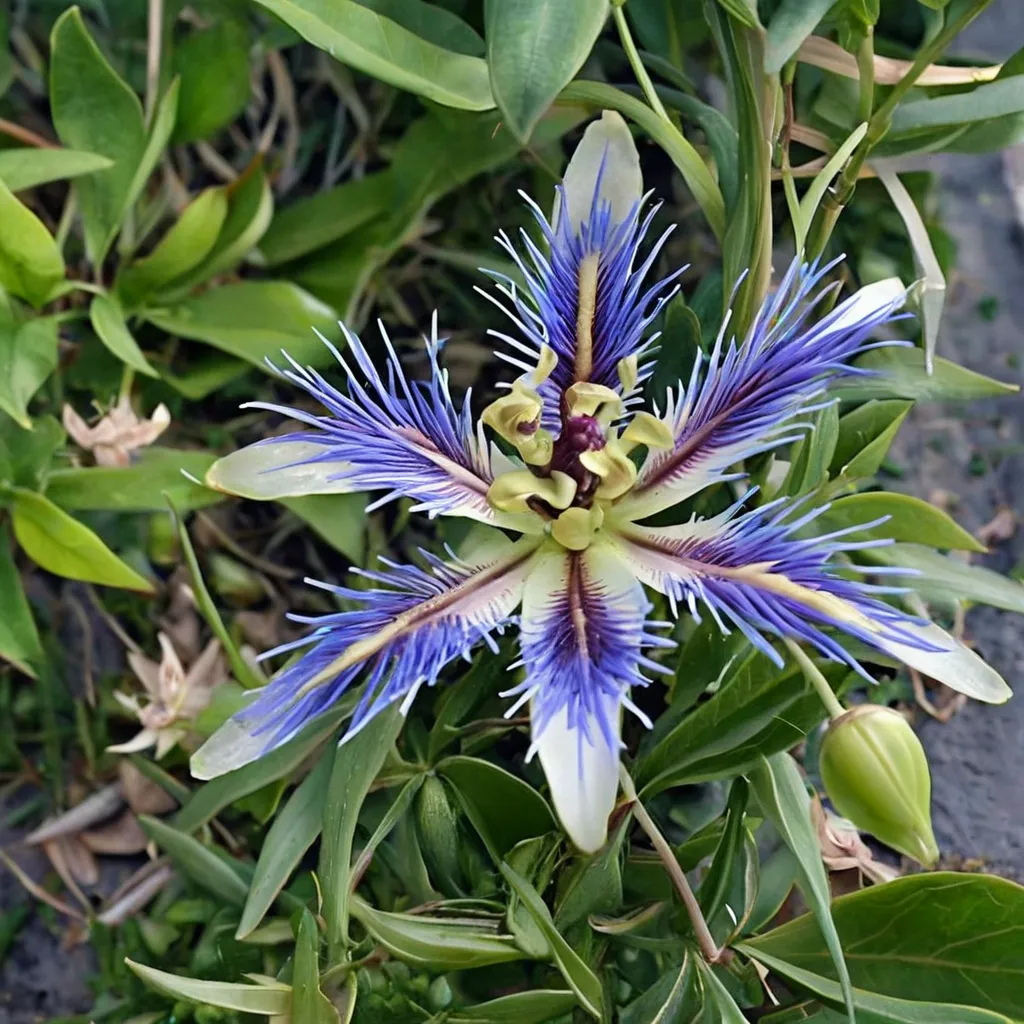
Waterloo Blue Passionflower
Passiflora caerulea 'Waterloo Blue'
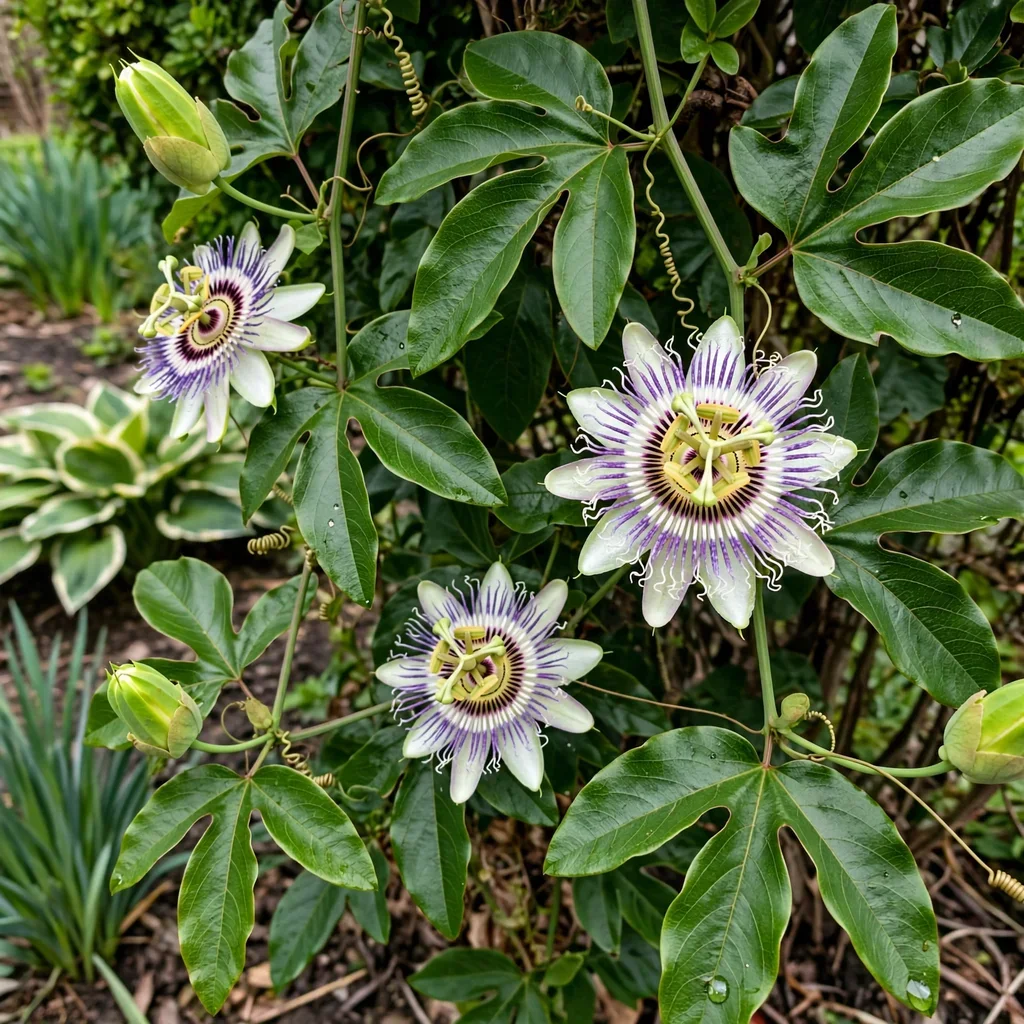
Sea Anemone Passion Flower
Passiflora actinia
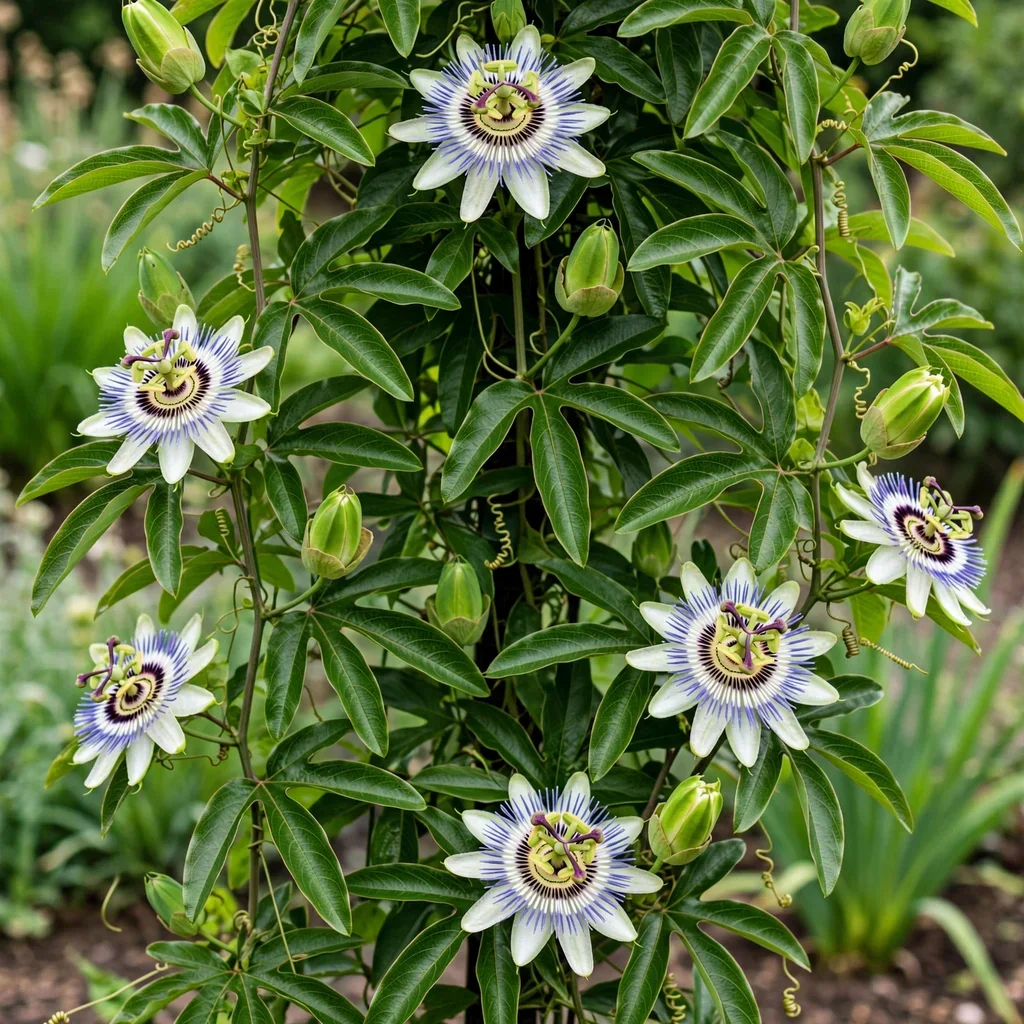
White Passionflower
Passiflora alba 'Blue Horizon'
Keep exploring
Explore the genus
Hardy in your zone?
Grow New Zealand Passionflower with confidence
See it in a design of your actual yard, get zone-matched care reminders, and track it season by season in your garden journal.