8 saves
Astelia
We track 5 varieties; the ones most used by real gardeners.
The 5 most-saved Astelia varieties
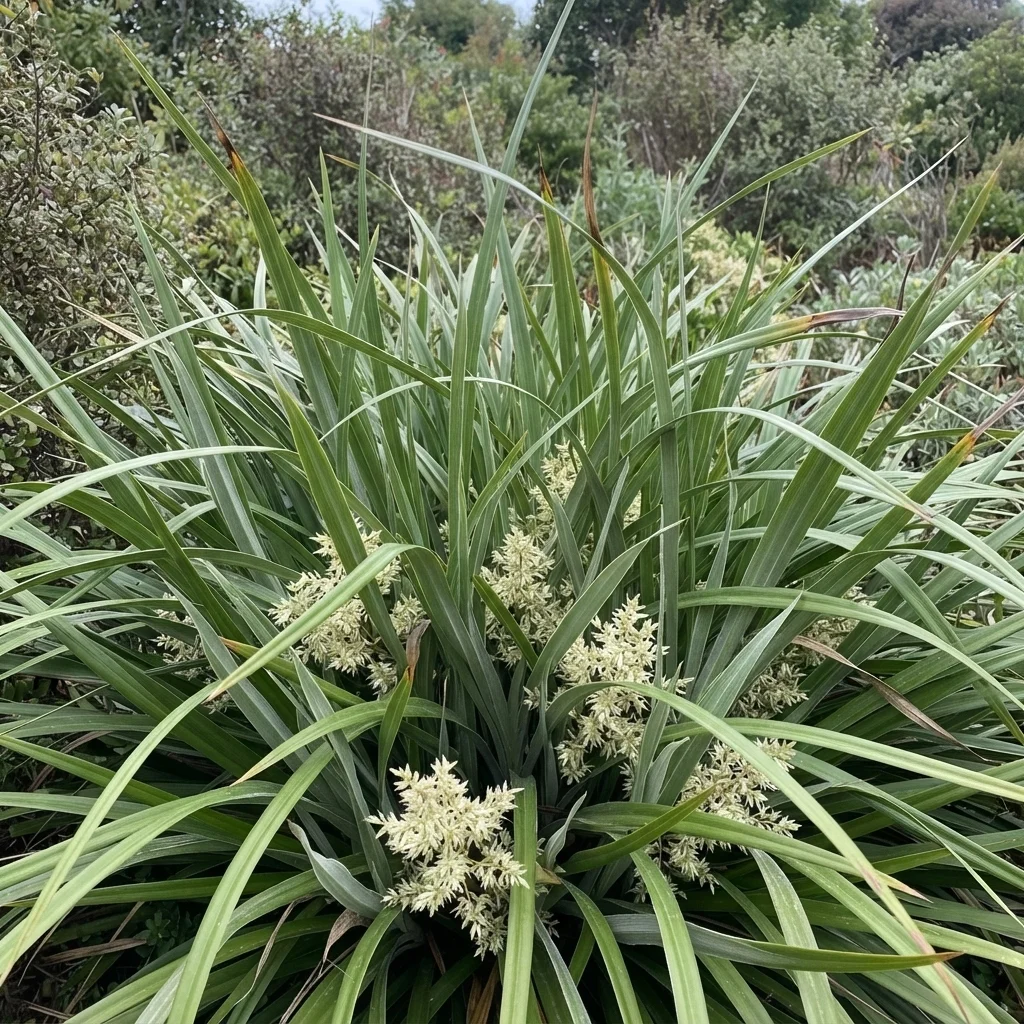
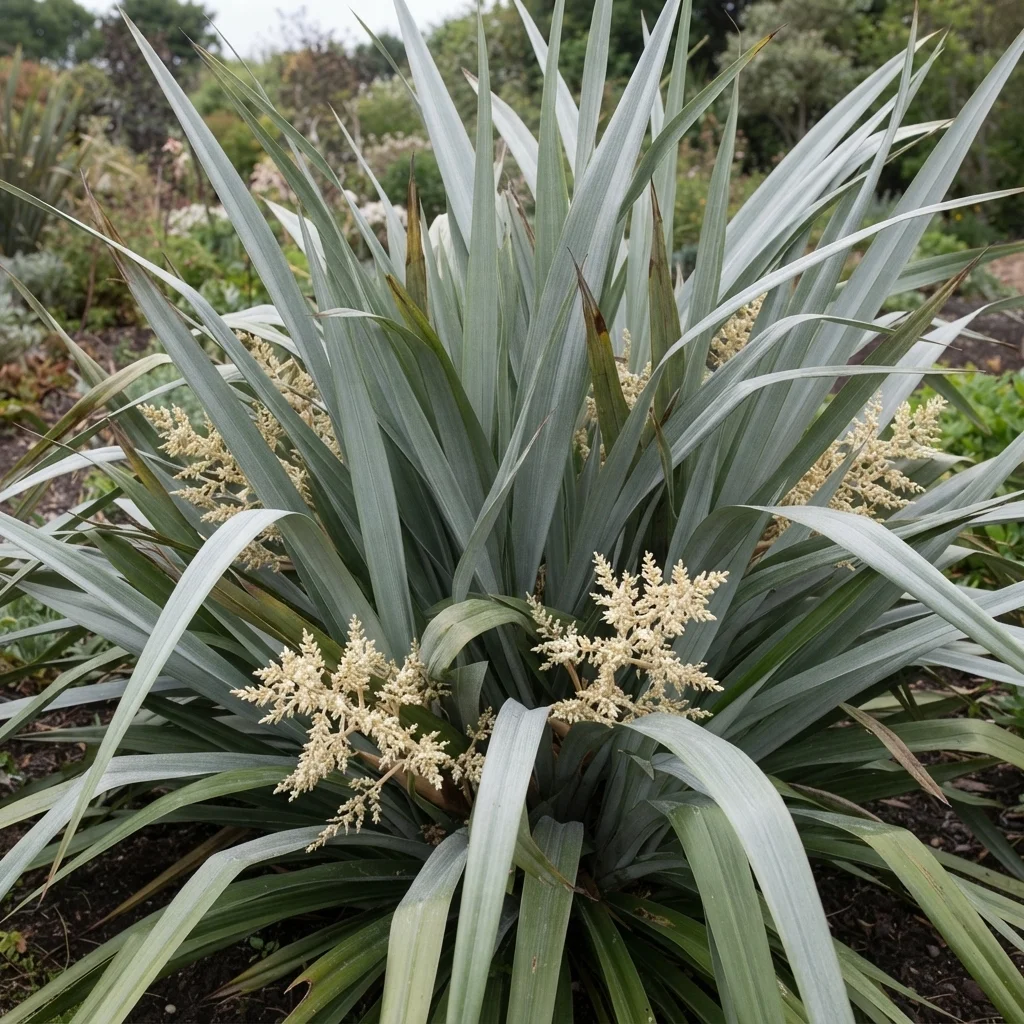
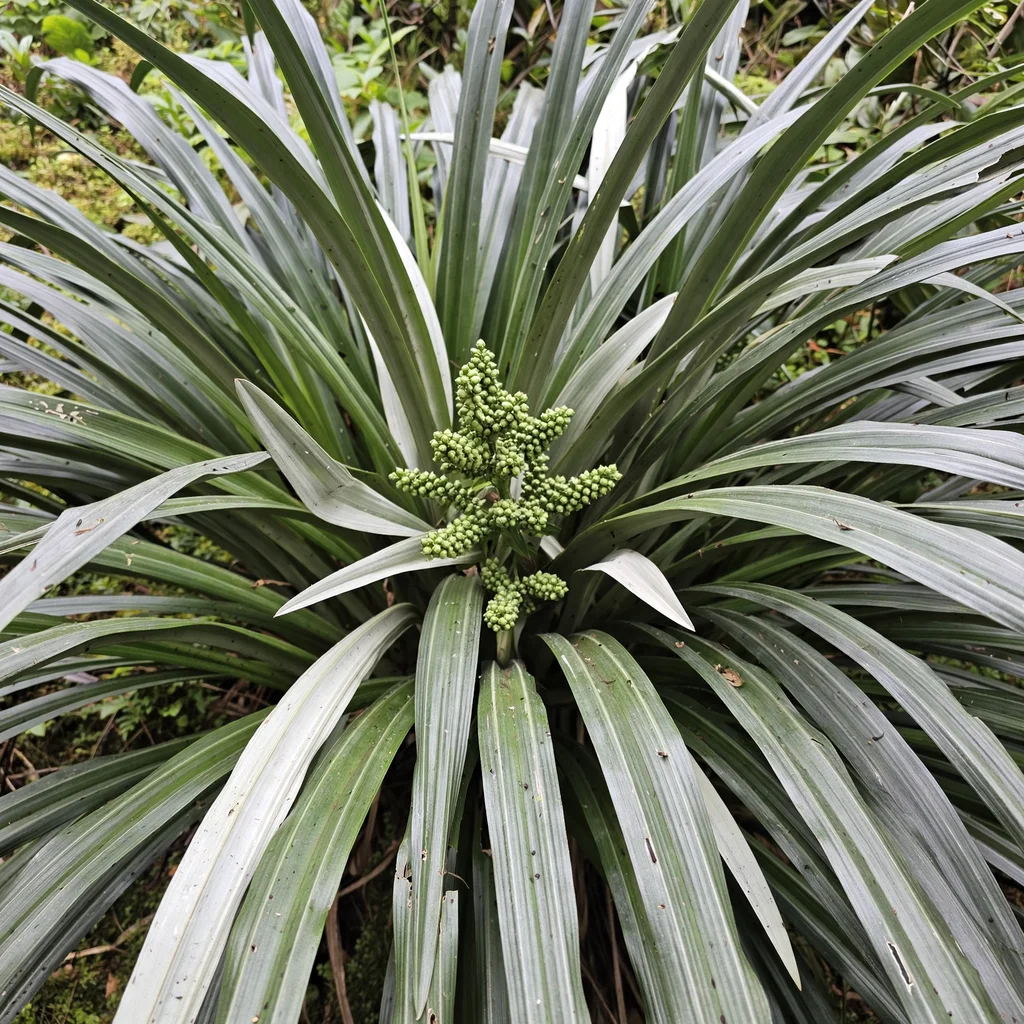
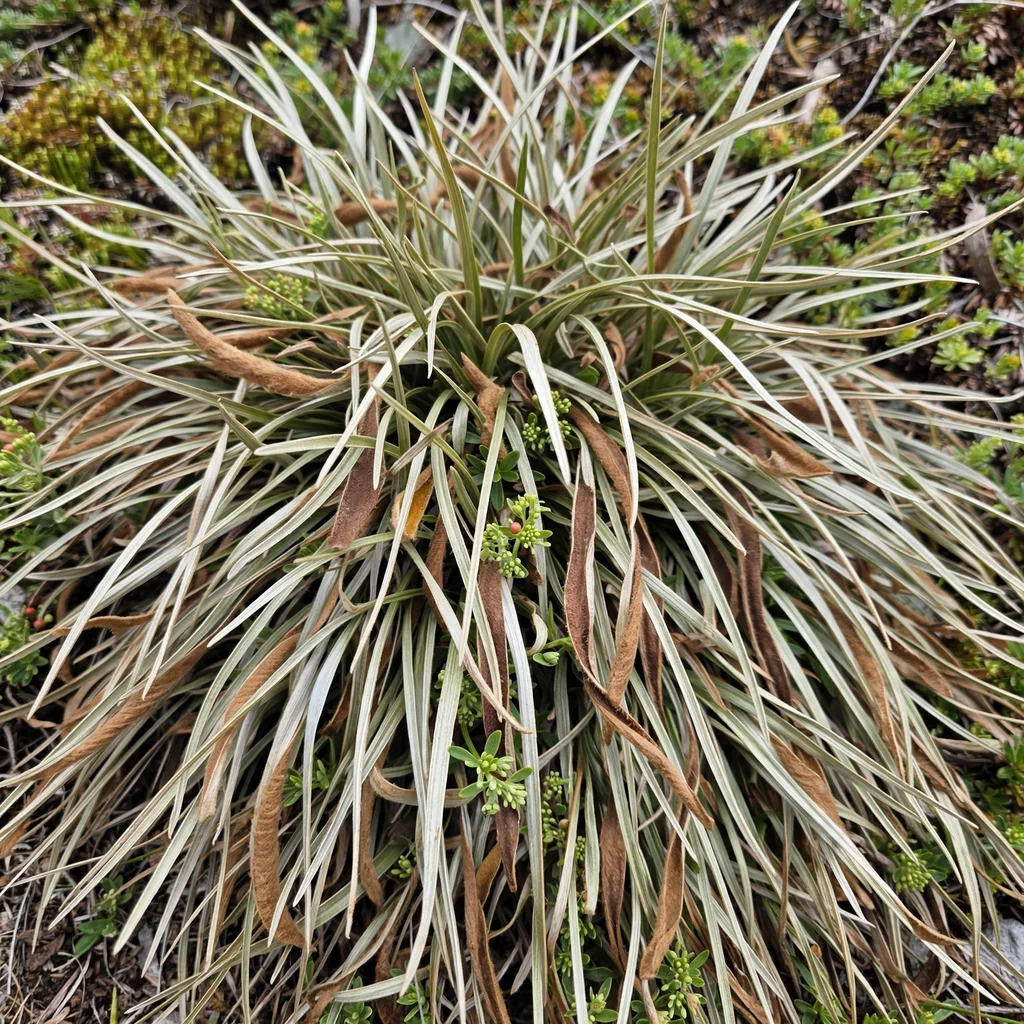
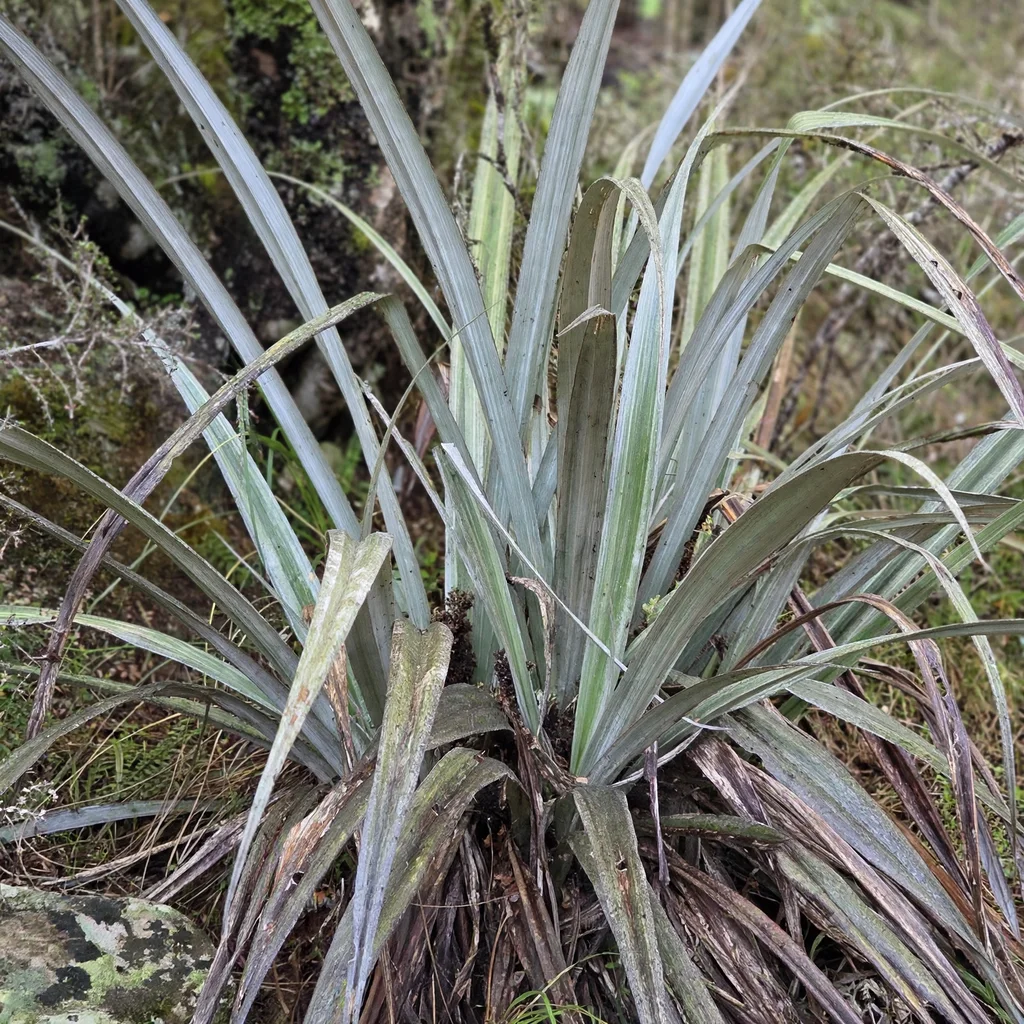
5 species of Astelia
Each one is a parent of the varieties above.
Track your Astelia in Sow
Save the Astelia you grow and get care reminders timed to your zone.
How to grow Astelia
Whats common across all Astelia varieties in our catalog — drawn from the care records of the 5 most-grown of them.
The Astelia year
- FertilizeMarch and April80% of varieties
Apply a balanced, slow-release fertilizer around the base of the plant to support spring growth.
- Check for PestsJune and July80% of varieties
Inspect leaf undersides for spider mites during warm, dry weather.
- DivideMarch and April60% of varieties
Divide established clumps in early spring to propagate new plants.
- Spring CleanupMarch and April60% of varieties
Gently pull away fully dried outer leaves by hand to clear winter damage.
- PruneMarch and April40% of varieties
Trim off dead, withered, or damaged lower foliage at the base to keep the rosette tidy.
- Winter PrepNovember40% of varieties
Protect container-grown specimens from severe freezing temperatures below 20°F.


Do
- Plant in highly permeable, well-drained soil to prevent root rot.
- Provide light afternoon shade in hot, dry inland regions.
- Trim away only the dead or damaged outer leaves at the base.
- Plant in well-drained, humus-rich acidic to neutral soil
- Provide shade from harsh afternoon sun in hot climates
Avoid
- Do not allow the plant to sit in standing water or heavy, waterlogged winter soils.
- Do not shear the foliage or cut back into the central growing crown.
- Do not plant in areas with heavy foot traffic where the stiff, sharp-tipped leaves could cause puncture injuries.
- Do not shear or cut foliage back into old basal tissue
What goes wrong with Astelia
| Problem | What you'll see | What to do |
|---|---|---|
| Spider mites | Fine webbing on leaf bases and stippled, dulling silver foliage, particularly in dry, sheltered container environments. | Increase local humidity, blast the foliage with a sharp stream of water, or apply insecticidal soap to the undersides of the leaves. |
| Aphids | Clusters of small, soft-bodied insects on new growth and flower panicles, accompanied by sticky honeydew. | Wash the insects off with a strong spray of water or apply a horticultural oil spray during cool weather. |
| Deer and rabbits | Browsed foliage margins and chewed leaf tips | Install physical netting or spray repellent treatments around foliage. |
| Spider Mites | Fine webbing and dull yellow stippling along leaf surfaces during dry periods. | Rinse foliage undersides with a firm spray of water or apply insecticidal soap. |
| Root rot | Wilting, yellowing leaf bases, and a loose, unstable crown that easily pulls away from the soil. | Improve soil drainage immediately, reduce watering frequency, and ensure the plant is not buried too deeply in the soil. |
| Powdery mildew | White powdery patches on foliage in stagnant air conditions | Increase air circulation around the crown and apply bio-fungicides if severe. |
| Root Rot | Browning or soft, rotting leaf bases and collapse of the central crown. | Improve soil drainage immediately and avoid planting in wet, poorly drained soils. |
Making more Astelia
Division
- Dig up the entire established clump in early spring using a sharp spade.
- Carefully slice through the tough rhizomes, ensuring each division has a healthy rosette and root system.
- Replant the divisions immediately into well-draining soil at the same depth as the original plant.
- Water thoroughly and keep the soil lightly moist until new growth appears.
Seed
- Sow fresh seed in spring in a warm sunny position
- Surface-sow on sandy well-drained mix and press in lightly
- Keep evenly moist but never waterlogged until germination
- Transplant seedlings to individual pots once large enough to handle
Astelia questions
How many types of Astelia are there?
The Sow catalog tracks 5 distinct Astelia varieties. The most popular — ranked by 8 real gardeners — are shown first above.
What zones does Astelia grow in?
Across its varieties, Astelia covers USDA Zones 7–10. Individual varieties differ — each plant page lists its exact range, and Sow filters the catalog to your zone automatically.
When does Astelia bloom?
Most Astelia varieties bloom from spring to summer.
Which Astelia should I choose?
Start from the most-saved varieties above — popularity across thousands of gardens is a strong signal of reliability — then filter by your zone and sun. In the Sow app you can preview any of them in a photo of your actual yard before you buy.