Also known as Tree Fern · 4 saves
Dicksonia
Dicksonia, the genus most gardeners know as tree fern. We track 3 varieties; the ones most used by real gardeners.
The 3 most-saved Dicksonia varieties
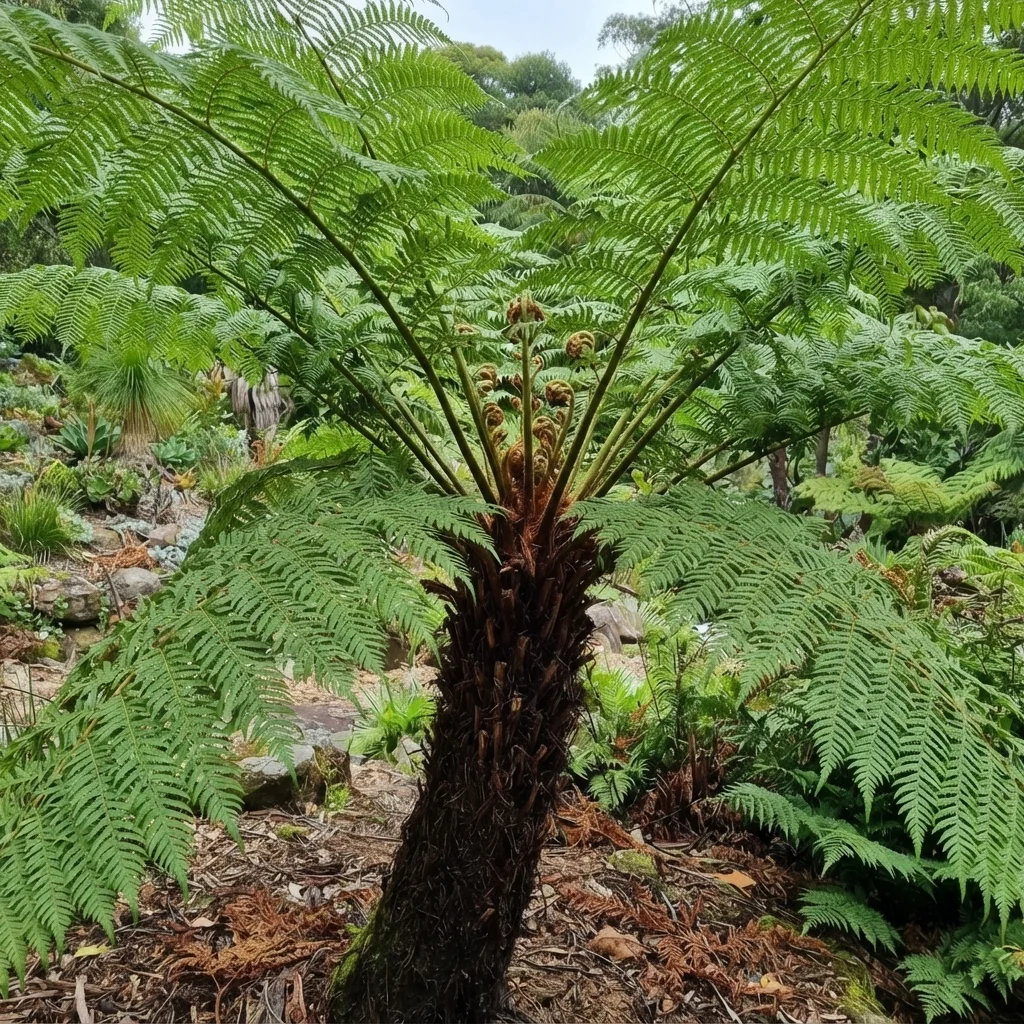
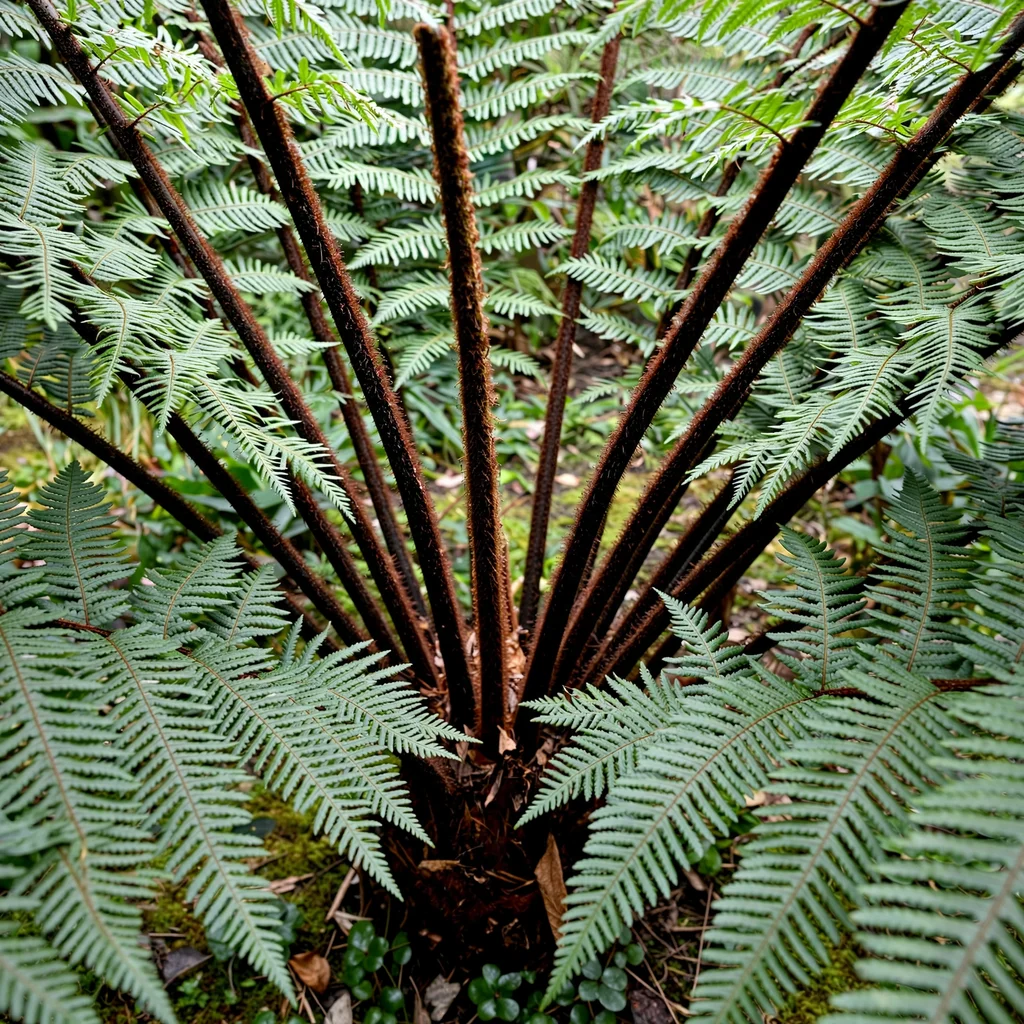
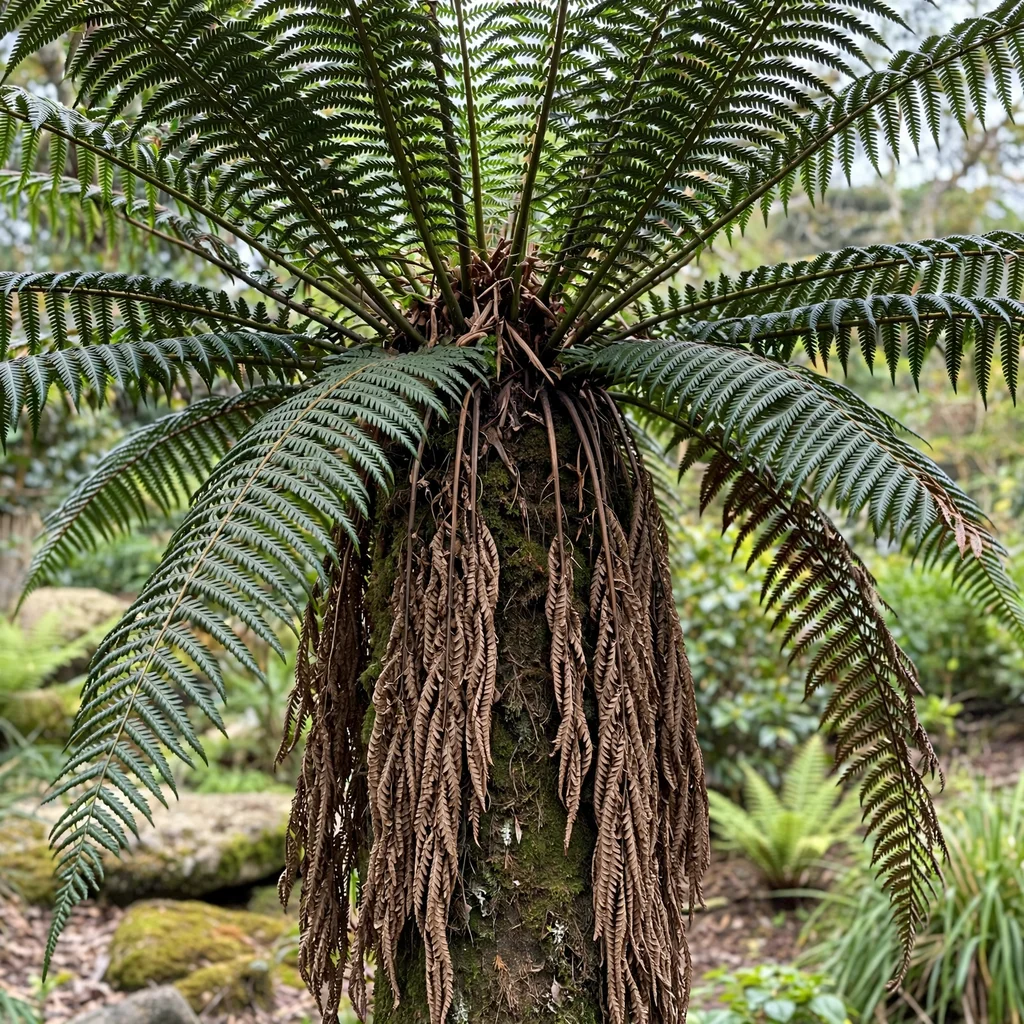
3 species of Dicksonia
Each one is a parent of the varieties above.
Track your Dicksonia in Sow
Save the Dicksonia you grow and get care reminders timed to your zone.
How to grow Dicksonia
Whats common across all Dicksonia varieties in our catalog — drawn from the care records of the 3 most-grown of them.
The Dicksonia year
- FertilizeApril–July100% of varieties
Apply a balanced, diluted liquid organic fertilizer to the soil and moist trunk during active growth.
- Check for PestsJune–August100% of varieties
Inspect emerging fiddleheads and frond undersides for slugs, spider mites, and scale.
- Winter PrepNovember and December100% of varieties
In colder zones, wrap the trunk and protect the crown with straw or fleece to prevent frost damage.
- PruneMarch and April67% of varieties
Cut completely brown, dead fronds close to the trunk base, leaving a short collar.


Do
- Water the fibrous trunk daily during hot, dry weather to maintain high humidity and moisture.
- Apply a balanced, diluted liquid organic fertilizer to both the soil and the moist trunk during the spring and summer.
- Wear gloves when handling the crown to avoid skin irritation from the dense golden-brown hairs.
- Keep the soil consistently moist year-round.
- Water the top crown during hot, dry spells to maintain ambient humidity.
Avoid
- Never prune into the old, leafless woody trunk tissue, as this will permanently damage the plant.
- Do not allow the trunk or root zone to dry out completely at any time of the year.
- Avoid planting in areas subject to stagnant water, waterlogging, or strong coastal salt winds.
- Do not allow standing water to settle in the crown during winter freezes.
What goes wrong with Dicksonia
| Problem | What you'll see | What to do |
|---|---|---|
| Slugs and snails | Irregular holes chewed into young, emerging fiddleheads as they uncoil. | Apply iron phosphate bait around the base of the trunk or handpick the pests at night. |
| Spider mites | Fine webbing on the undersides of fronds and stippled, dusty-looking foliage, particularly in low-humidity environments. | Increase atmospheric humidity by misting and spray the fronds with insecticidal soap or horticultural oil. |
| Mealybugs | White, cottony masses nesting in the crevices of the crown and frond bases, causing weakened growth. | Dab pests directly with a cotton swab dipped in rubbing alcohol or apply systemic insecticides in severe cases. |
| Scale insects | Small brownish bumps along stipe bases and frond undersides causing yellowing leaves. | Wipe manually or apply horticultural oil or neem oil to affected stems. |
| Root rot | Wilting, yellowing fronds and a soft, decaying trunk base caused by Pythium or Phytophthora species. | Ensure the soil is well-drained and avoid over-watering or letting the plant sit in stagnant water. |
| Foliar leaf spot | Small brown or black spots on the fronds, often spreading in damp, stagnant conditions. | Improve air circulation around the canopy and avoid overhead watering of the fronds during cool, humid weather. |
| Root and crown rot | Browning fronds and soft, decayed meristem tissue caused by standing water. | Ensure soil drains freely and keep water out of the crown during freezing winter periods. |
Making more Dicksonia
Spore Sowing
- Collect mature spores from the undersides of fertile pinnae in summer or fall.
- Sow the spores evenly onto the surface of a sterile, moist peat-and-sand mixture.
- Cover the container with a transparent lid to maintain high humidity and place in indirect light.
- Mist regularly to keep the medium damp until prothalli emerge, then transplant young sporophytes.
Spores
- Collect ripe, golden-brown spore capsules from the undersides of fertile mature pinnae.
- Sow spores evenly over sterile, fine peat or fern compost in sealed tray chambers.
- Maintain constant high humidity and consistent misting at warm, indirect light conditions.
- Prick out emerging prothalli and transplant small plantlets once true fronds develop.
Dicksonia questions
How many types of Dicksonia are there?
The Sow catalog tracks 3 distinct Dicksonia varieties. The most popular — ranked by 4 real gardeners — are shown first above.
What zones does Dicksonia grow in?
Across its varieties, Dicksonia covers USDA Zones 8–10. Individual varieties differ — each plant page lists its exact range, and Sow filters the catalog to your zone automatically.
Which Dicksonia should I choose?
Start from the most-saved varieties above — popularity across thousands of gardens is a strong signal of reliability — then filter by your zone and sun. In the Sow app you can preview any of them in a photo of your actual yard before you buy.