The Story
Plant Bio
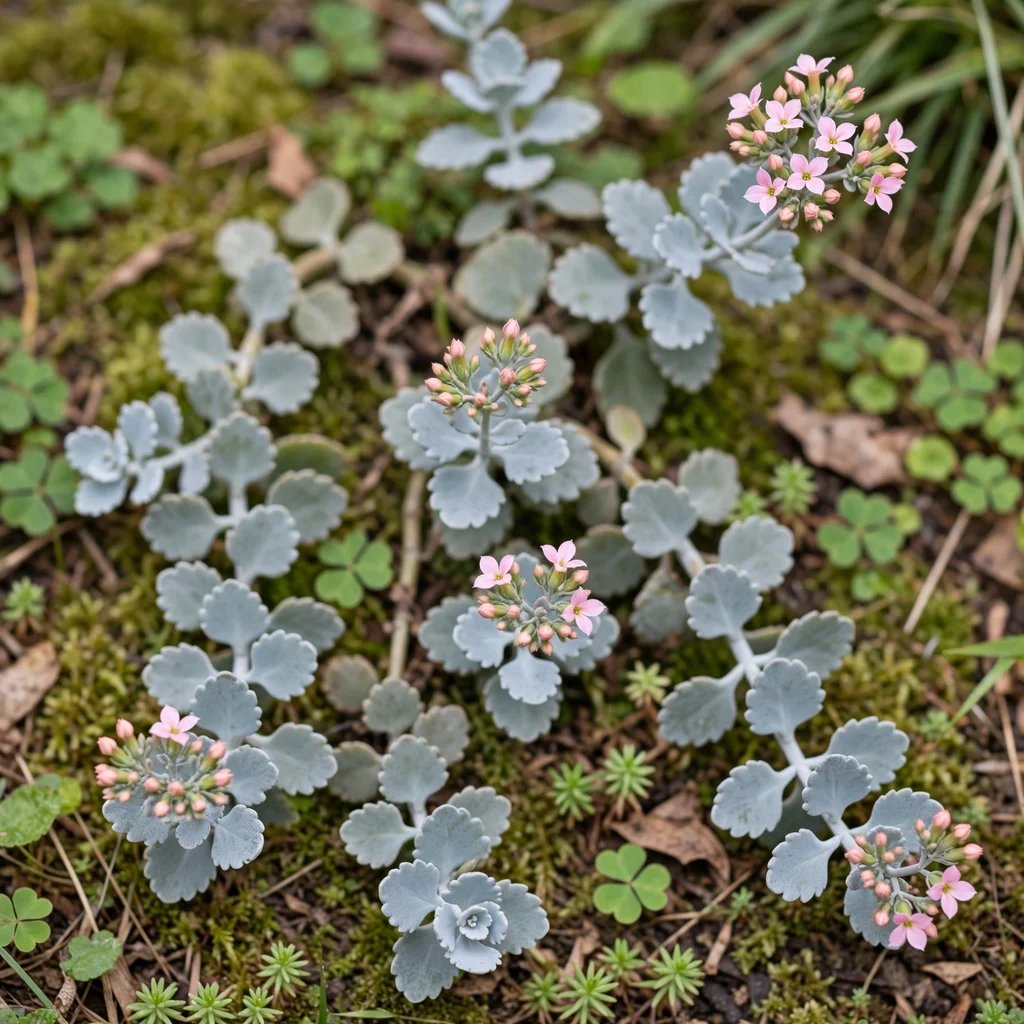
Kalanchoe pumila is a low, spreading succulent subshrub from the rocky highlands of central Madagascar, rooting along arching stems to form a mound 8 to 12 inches high. Its fleshy, scalloped leaves carry a dense white farina that gives the plant a frosted silver-blue cast and slows water loss, and in late winter it sends delicate stems above the foliage carrying clusters of small urn-shaped pink flowers veined in deeper purple.
It stays smaller and more trailing than the common florist's kalanchoe, with powder-blue foliage rather than glossy green, and a looser, airy flower cluster. The white bloom on the leaves is part of the leaf surface, not dust or spray, and plants with it intact establish faster and scorch less in full sun.
Uses & Benefits:
Essentials
At a Glance
Plant Type
Cactus Succulent
Height
12"
Width
24"
Light
Full Sun, Partial Sun
Zones
9, 10
Water
Low
Humidity
Low with good air flow
Lifespan
Tender perennial grown as houseplant or annual
Native To
Madagascar
Toxicity
Toxic to cats, dogs and livestock
Bloom period
Late winter – Spring
In flower about 4 months of the year
Planting
How to Grow
- Give bright light and 4 or more hours of direct sun indoors; outdoors give full sun with part shade in hot afternoons.
- Pot in a fast-draining cactus or succulent mix in a container with a drainage hole; keep the crown at the surface.
- Water deeply, then let the mix dry completely before watering again; empty saucers and avoid overhead watering.
- Keep above 45F, and move pots indoors before first frost; it grows outdoors year-round only in zones 9-11.
- To rebloom, give 14 hours of uninterrupted darkness nightly for 3 to 4 weeks in fall, with cool temperatures and dry soil.
Pro Tip
Water only when the mix is dry through, and never scrub the leaves — the silver farina does not regrow where rubbed off, and overwatering collapses the crown long before drought harms it.
Keep It Thriving
Care Guide
Do
- Do give strong light to keep stems compact and silver color dense.
- Do use a gritty, rocky mix and shallow watering that dries fast.
- Do pinch stem tips after bloom to branch and remove spent flower stems.
Don't
- Do not overwater or leave in wet saucers; crown and root rot is the main killer.
- Do not rub off the white farina mistaking it for mildew or dust.
- Do not feed heavily or with high-nitrogen fertilizer; it produces soft, floppy growth.
Seasonal Care Calendar
| Task | Jan | Feb | Mar | Apr | May | Jun | Jul | Aug | Sep | Oct | Nov | Dec |
|---|---|---|---|---|---|---|---|---|---|---|---|---|
| Deadhead | ||||||||||||
| Pest Check | ||||||||||||
| Plant | ||||||||||||
| Prune | ||||||||||||
| Winter Prep |
Watch Out For
Pests & Diseases
Common Pests
Common Diseases
In the Garden
Landscape Uses & Companions
Landscape Uses
Companion Plants
Multiply
Propagation Methods
Good to Know
Common Questions
Flower Dust Plant questions
What zones can Flower Dust Plant grow in?
Flower Dust Plant is hardy in USDA Zones 9–10: in that range it survives winter in the ground. Colder than Zone 9, grow it in a container you can move to shelter for the winter, or as an annual.
When does Flower Dust Plant bloom?
Flower Dust Plant typically blooms from late winter to late spring. Exact timing shifts a week or two with your zone — Sow's bloom calendar maps it to your garden.
Does Flower Dust Plant need full sun?
Flower Dust Plant does best in full sun to part shade. In hot climates, afternoon shade keeps blooms fresher longer.
Is Flower Dust Plant drought tolerant?
Yes — once established (usually after the first full season), Flower Dust Plant handles dry spells with minimal watering. Water deeply its first year to build the root system that makes that possible.
More Kalanchoe to compare
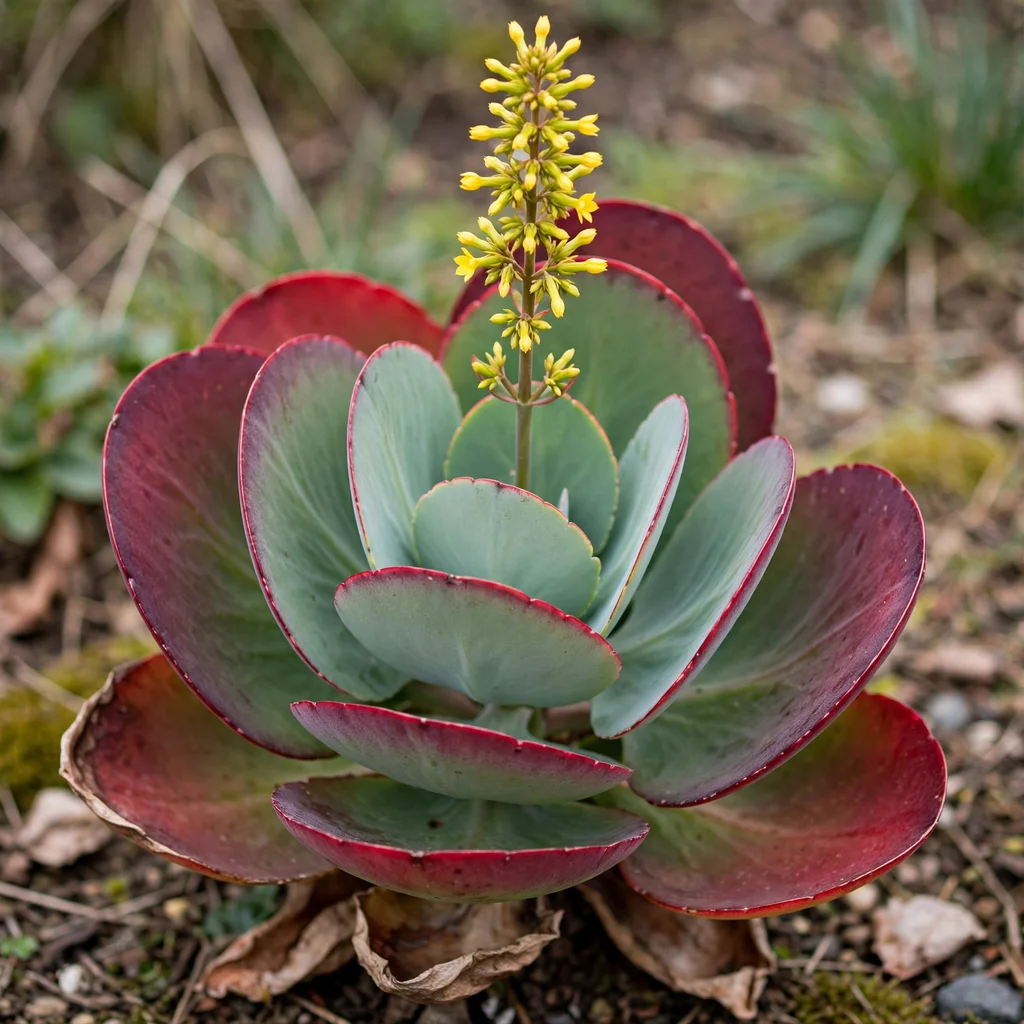
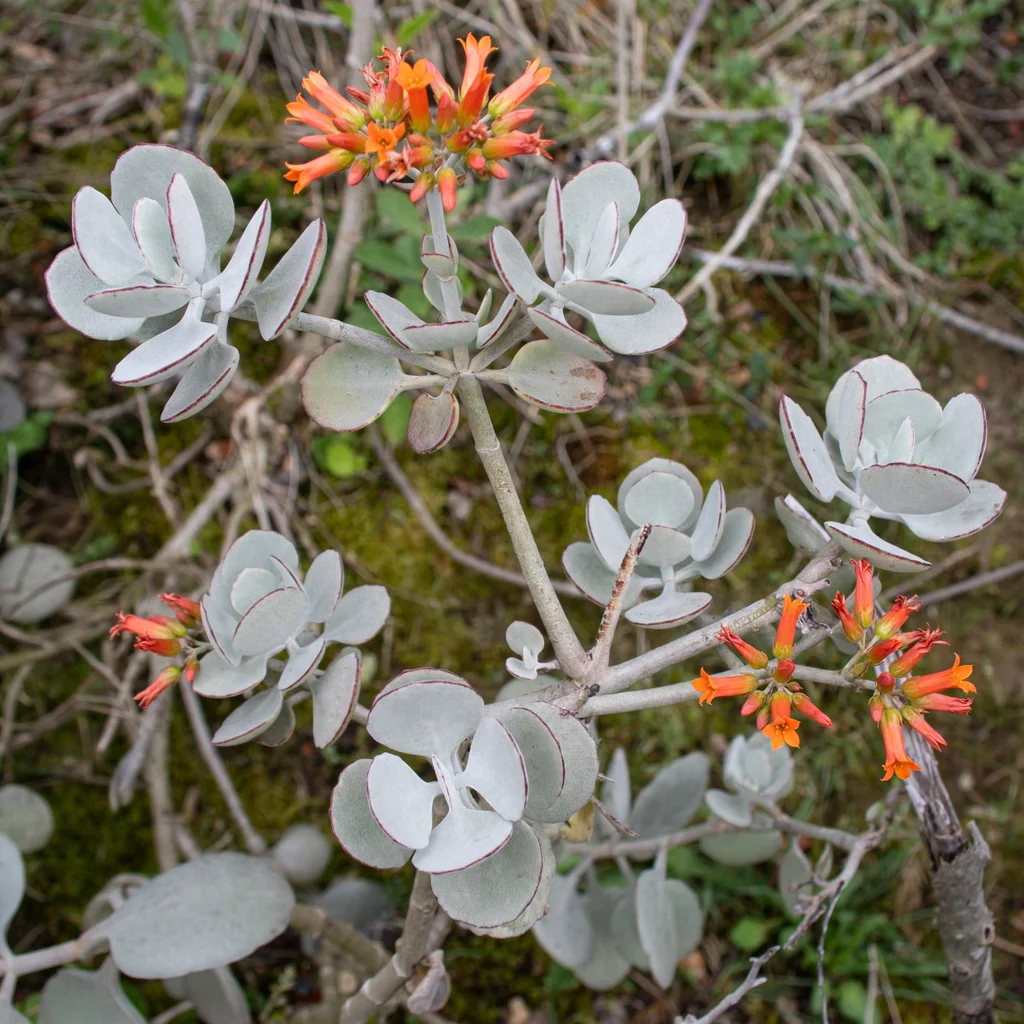
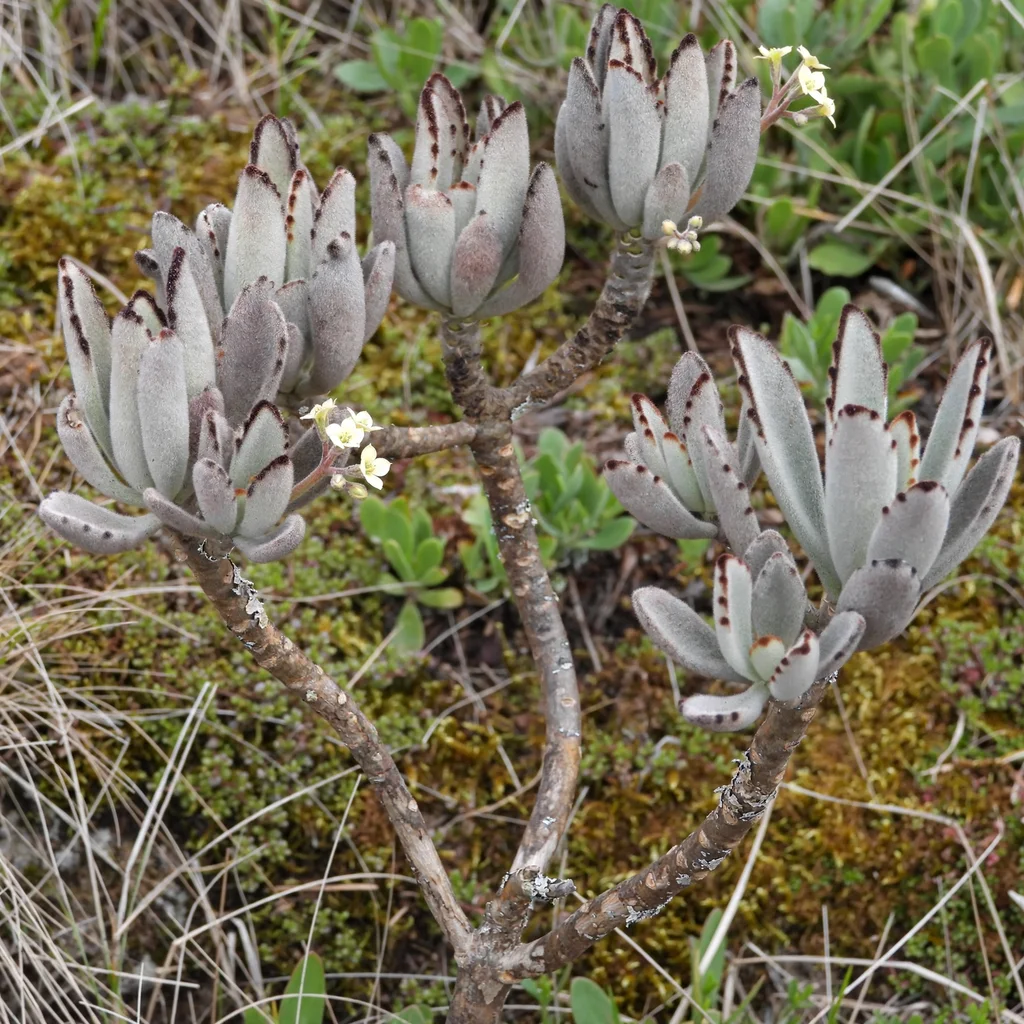
Keep exploring
Explore the genus
Hardy in your zone?
Grow Flower Dust Plant with confidence
See it in a design of your actual yard, get zone-matched care reminders, and track it season by season in your garden journal.