The Story
Plant Bio
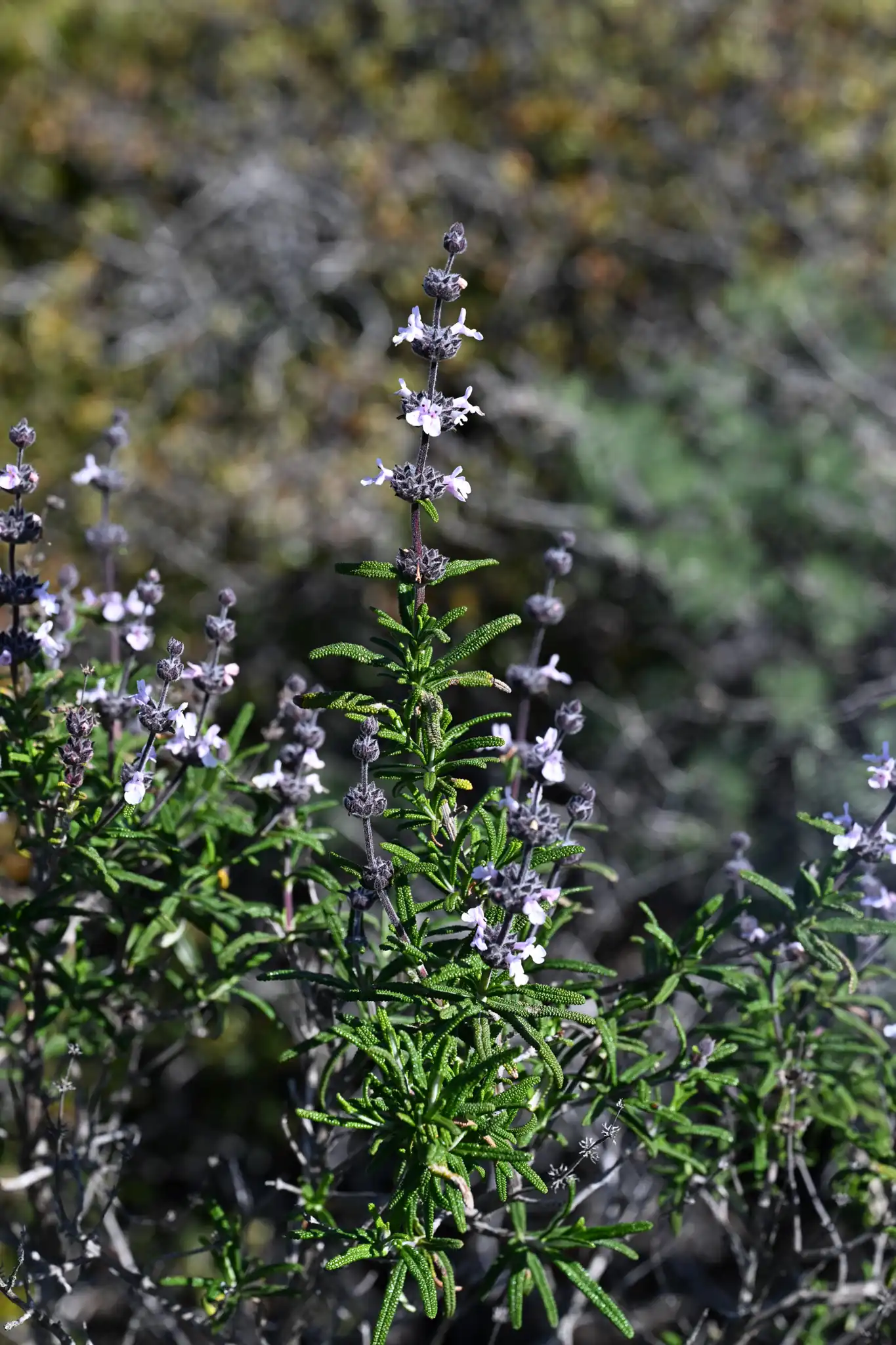
Salvia brandegeei is an evergreen woody shrub native to maritime coastal bluffs and scrub habitats in southern California and northwestern Baja California. It forms an upright to spreading structure with narrow, dark green leaves that feature puckered upper surfaces and white-hairy undersides.
The species produces tiered whorls of light lavender-blue to bright blue flowers set against contrasting violet-gray calyces in spring. Strongly rolled leaf margins and highly aromatic foliage reflect its adaptation to dry, salt-laden coastal conditions.
Uses & Benefits:
Essentials
At a Glance
Plant Type
Shrub
Height
60"
Width
84"
Light
Full Sun
Zones
7, 8, 9, 10
Water
Low
Humidity
Low to Medium
Lifespan
Perennial
Native To
California, Mexico
Toxicity
Non-toxic / Mild skin irritant
Bloom period
Spring – Late spring
In flower about 3 months of the year
Planting
How to Grow
- Plant in a full-sun location with fast-draining sandy, loamy, or open soil.
- Water thoroughly at planting to settle the soil, then irrigate deeply but infrequently until established.
- Cease routine summer watering once established, relying solely on natural rainfall to prevent root rot.
- Tip-prune young branches lightly after spring flowering to promote dense, branched structural wood.
Pro Tip
Restrict pruning strictly to light tip-pruning on mature plants, as stems rarely break new growth from old leafless wood.
Keep It Thriving
Care Guide
Do
- Ensure soil drains rapidly away from the root crown.
- Tip-prune young growth to encourage dense structure.
Don't
- Do not irrigate established plants during hot summer months.
- Do not hard-prune back into old bare wood.
Seasonal Care Calendar
| Task | Jan | Feb | Mar | Apr | May | Jun | Jul | Aug | Sep | Oct | Nov | Dec |
|---|---|---|---|---|---|---|---|---|---|---|---|---|
| Fertilize | ||||||||||||
| Pest Check | ||||||||||||
| Prune | ||||||||||||
| Spring Cleanup |
Watch Out For
Pests & Diseases
Common Pests
Common Diseases
In the Garden
Landscape Uses & Companions
Landscape Uses
Multiply
Propagation Methods
Good to Know
Common Questions
Brandegee's Sage questions
What zones can Brandegee's Sage grow in?
Brandegee's Sage is hardy in USDA Zones 7–10: in that range it survives winter in the ground. Colder than Zone 7, grow it in a container you can move to shelter for the winter.
When does Brandegee's Sage bloom?
Brandegee's Sage typically blooms in spring. Exact timing shifts a week or two with your zone — Sow's bloom calendar maps it to your garden.
Does Brandegee's Sage need full sun?
Brandegee's Sage does best in full sun (6+ hours).
Is Brandegee's Sage drought tolerant?
Yes — once established (usually after the first full season), Brandegee's Sage handles dry spells with minimal watering. Water deeply its first year to build the root system that makes that possible.
More Salvia to compare
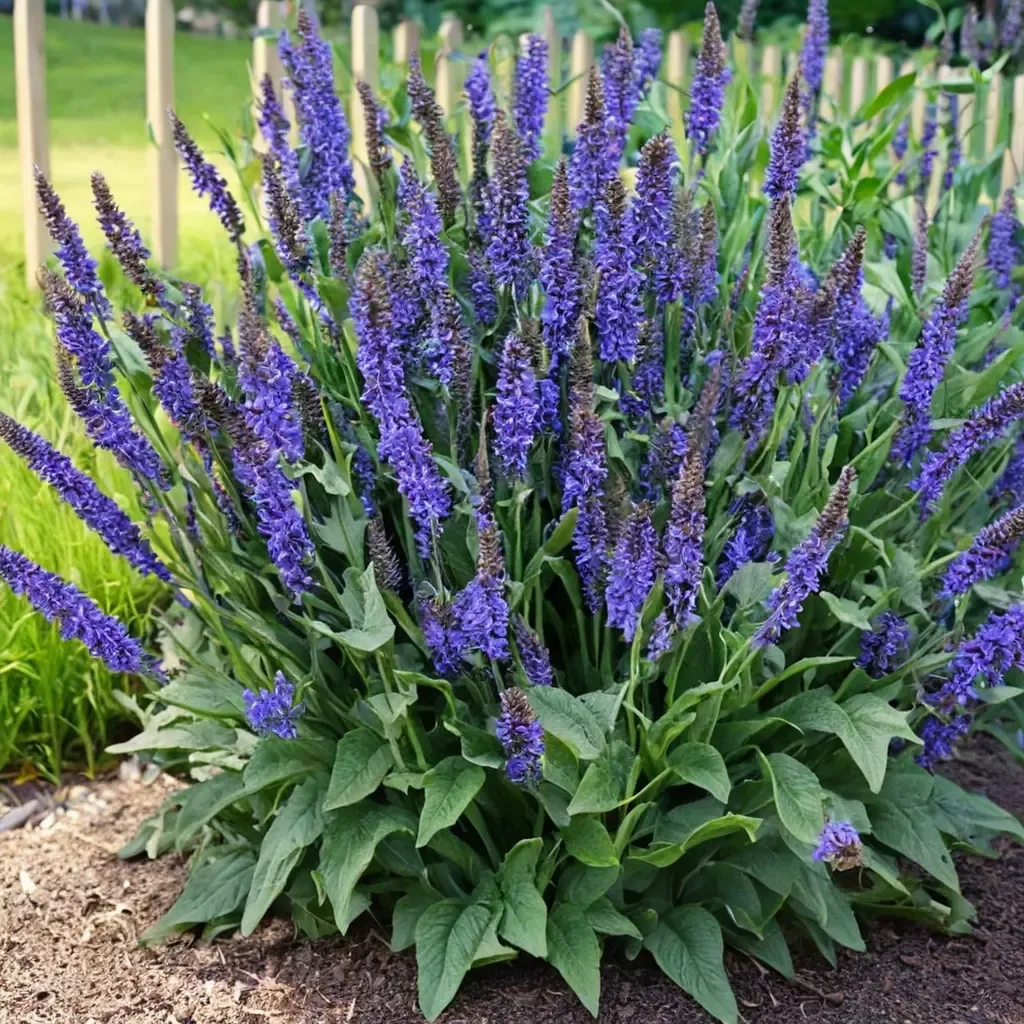
May Night Sage
Salvia nemorosa 'May Night'
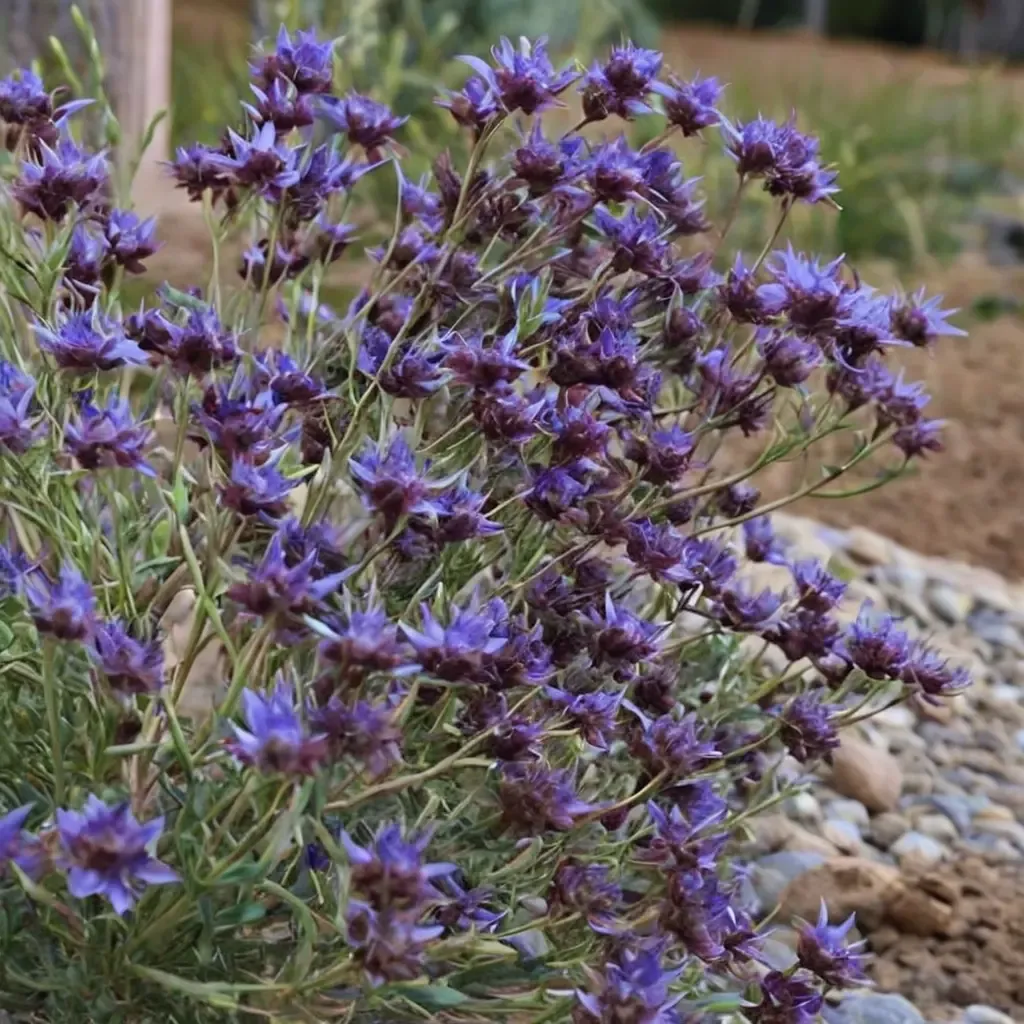
Celestial Blue Sage Wood Sage
Salvia nemorosa 'Celestial Blue'
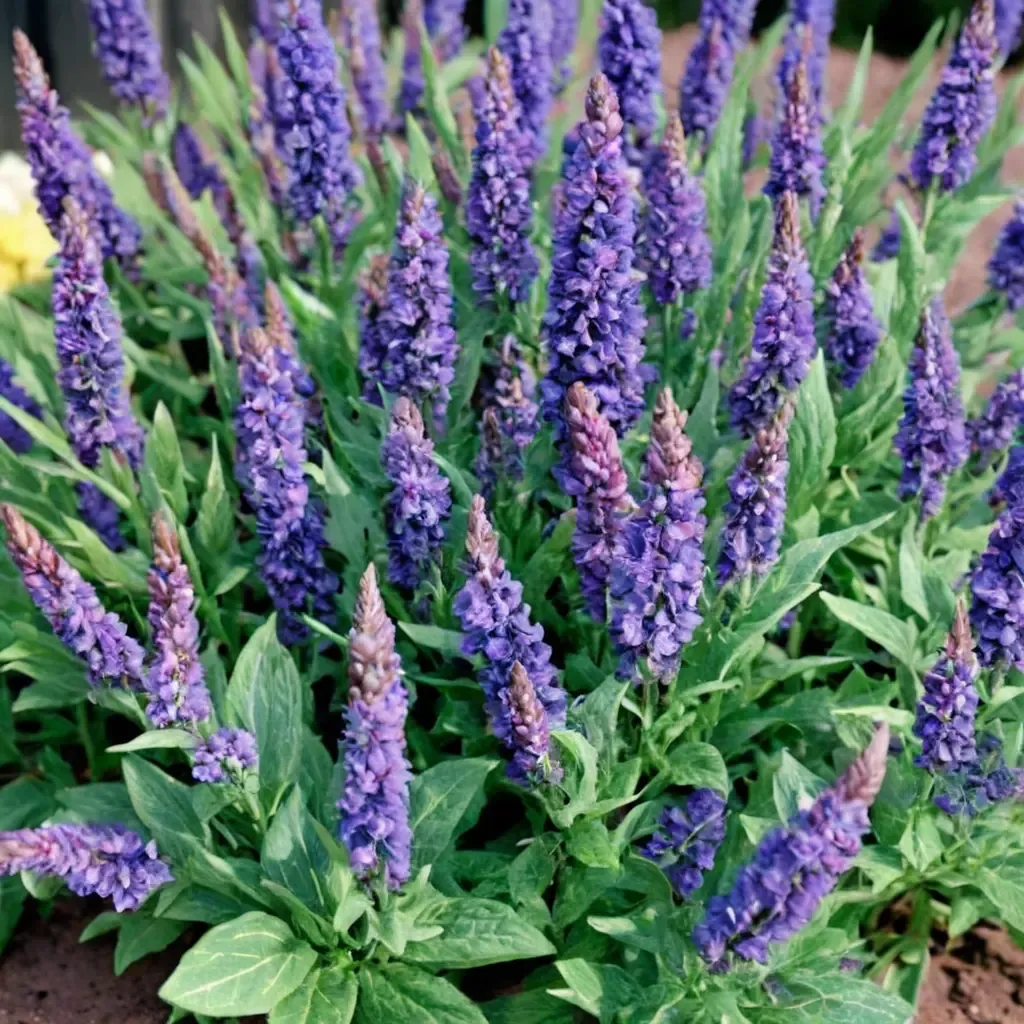
Marcus Woodland Sage
Salvia nemorosa 'Marcus'
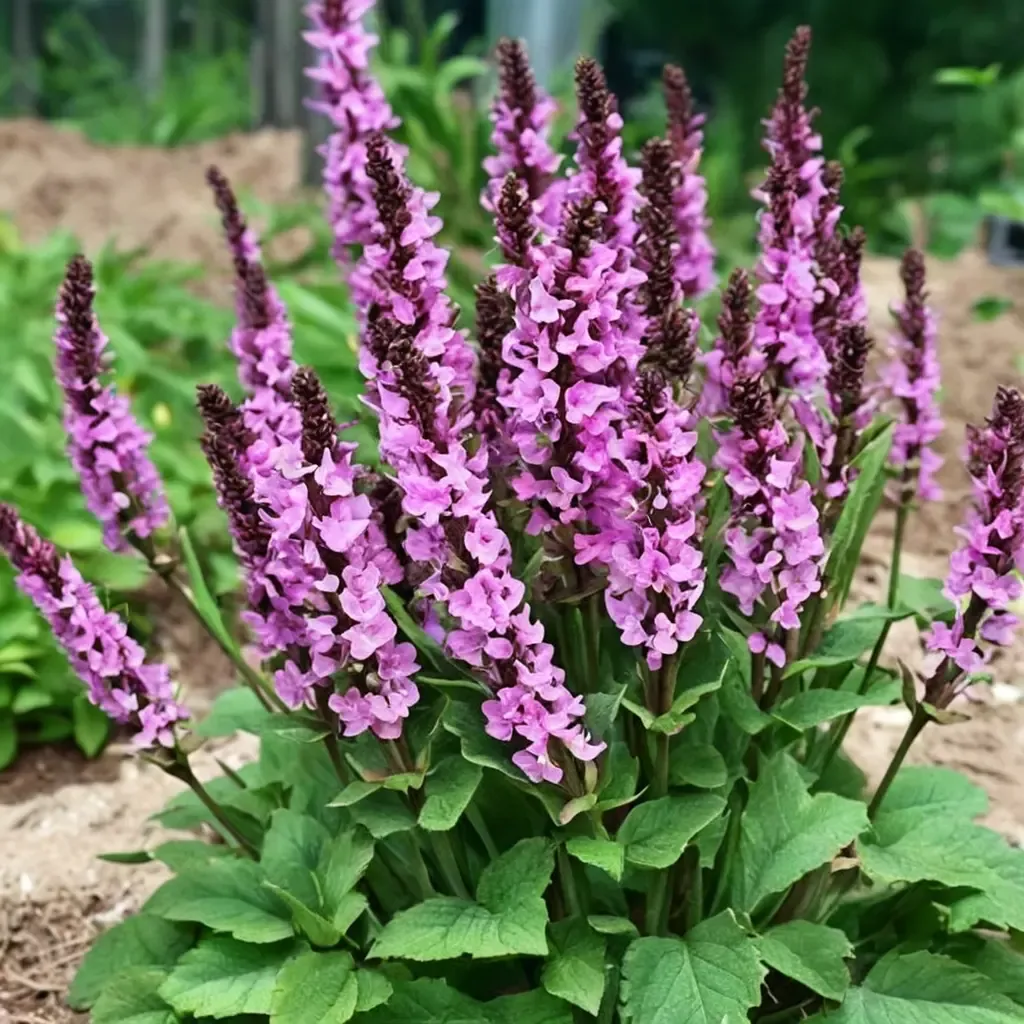
Rose Marvel Sage
Salvia nemorosa 'Rose Marvel'
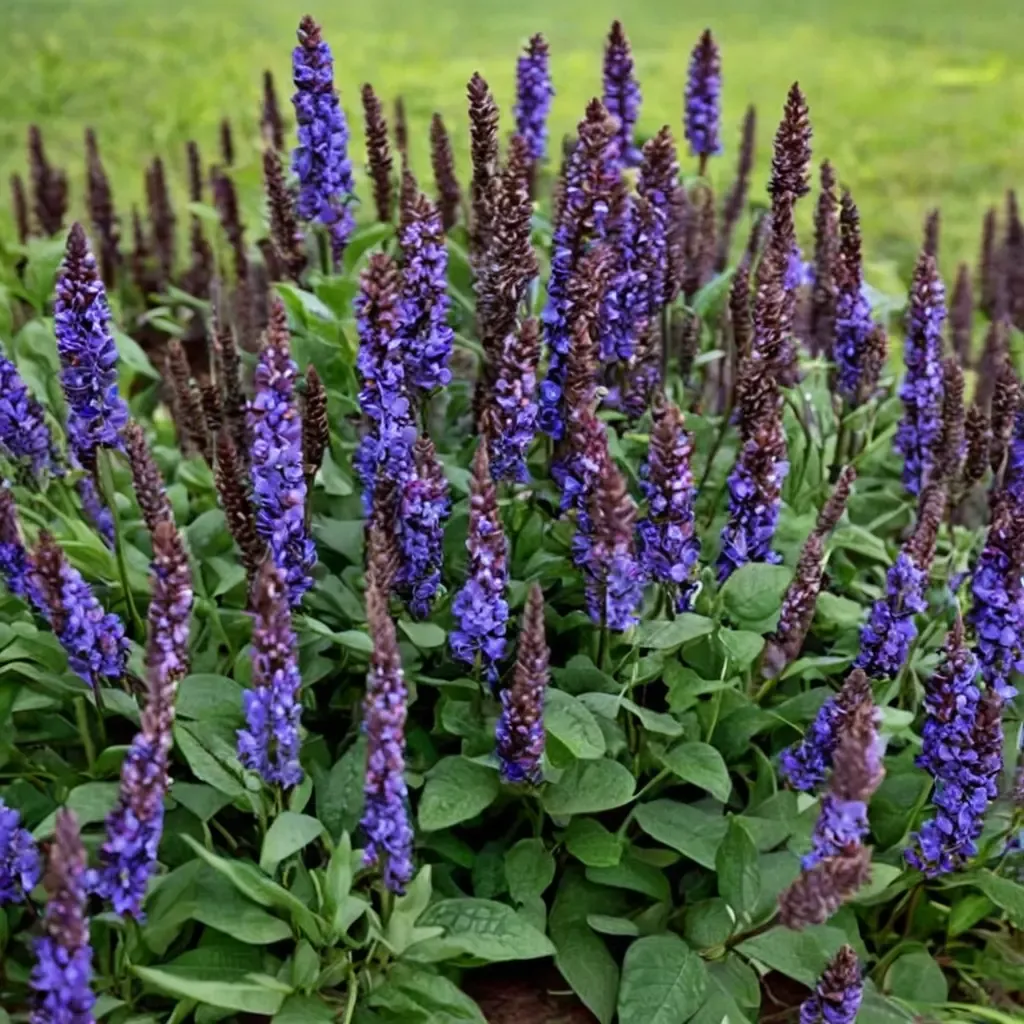
Bumbleblue Sage
Salvia nemorosa 'Bumbleblue'
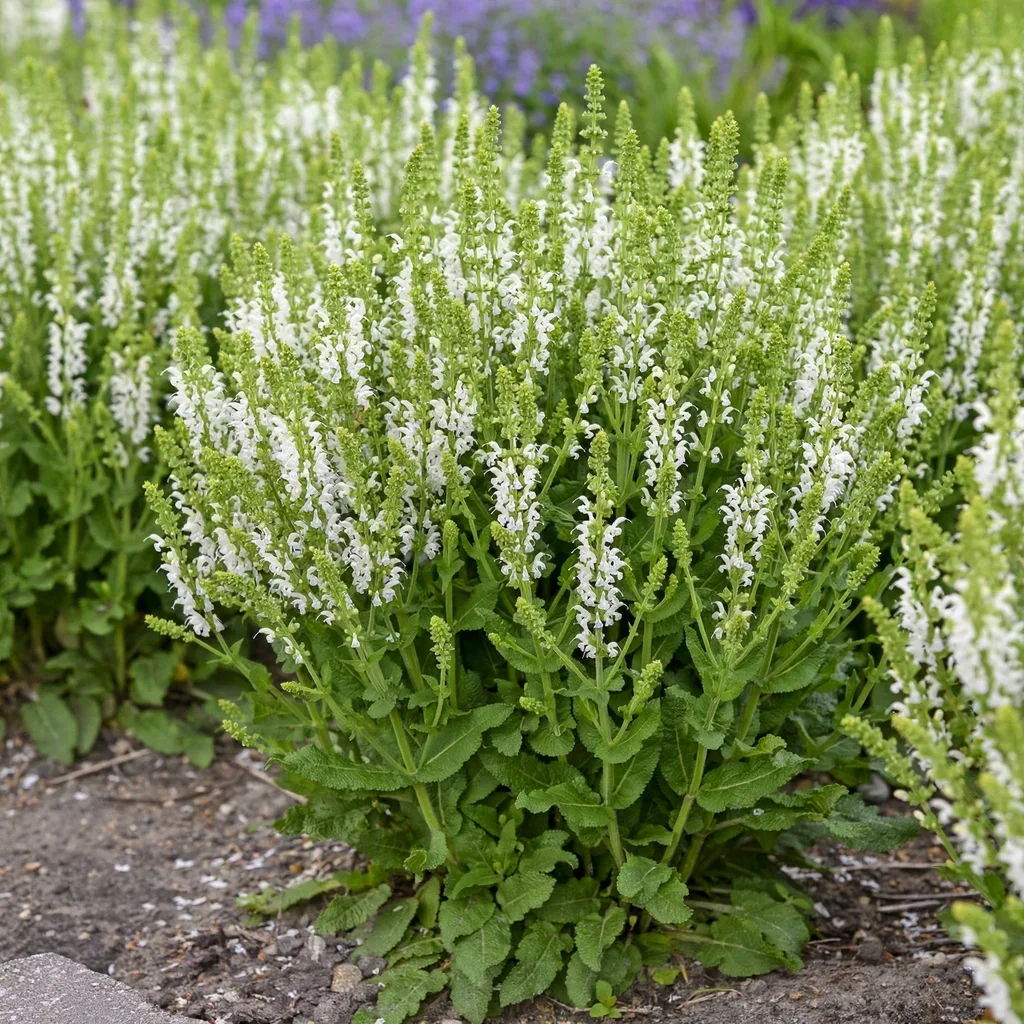
White Profusion Salvia
Salvia x hybrida 'White Profusion'
Keep exploring
Explore the genus
Hardy in your zone?
Grow Brandegee's Sage with confidence
See it in a design of your actual yard, get zone-matched care reminders, and track it season by season in your garden journal.