The Story
Plant Bio
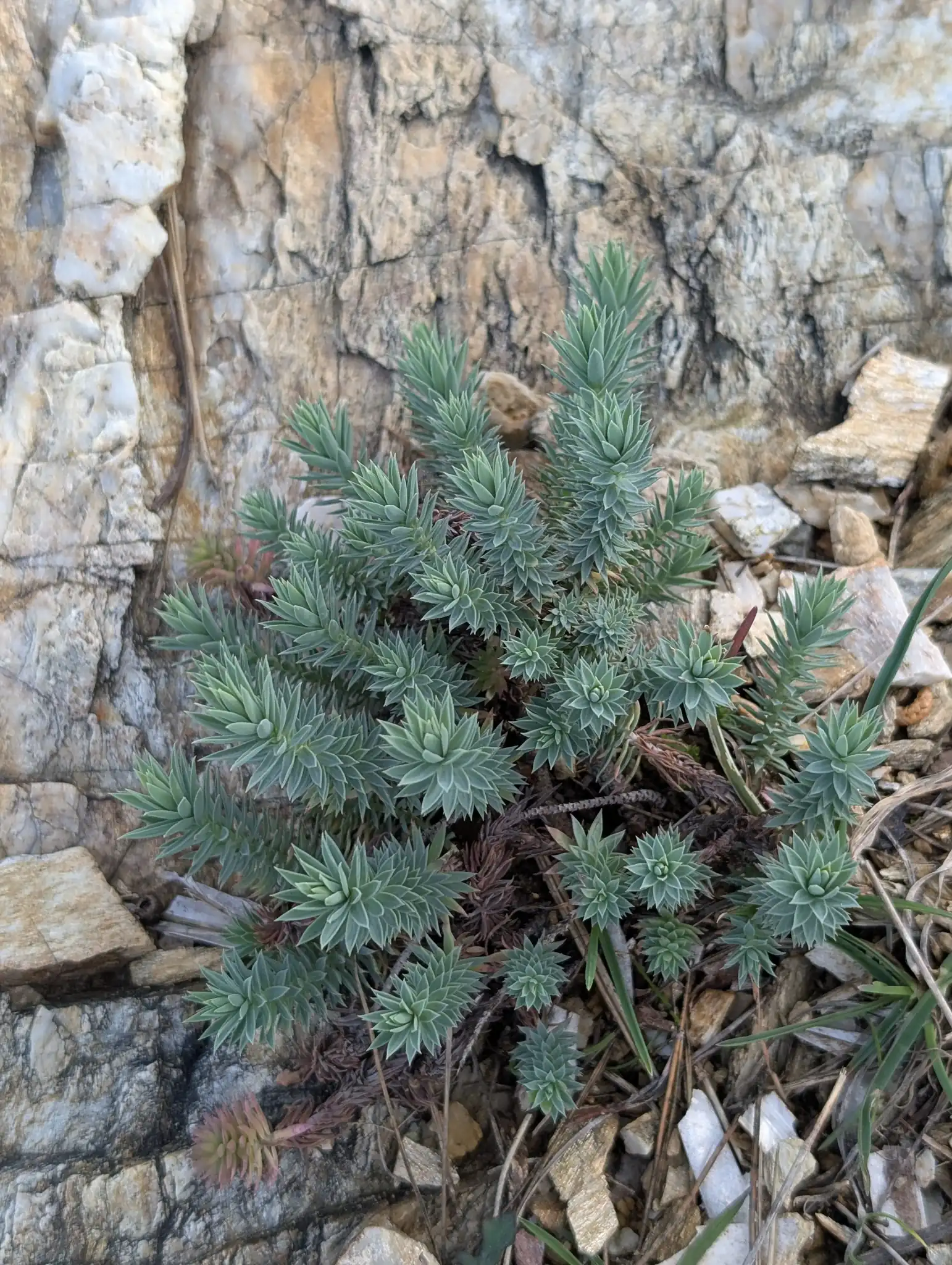
Euphorbia pithyusa, the little fir spurge, is a compact, dome-shaped evergreen perennial native to the Mediterranean basin, characterized by tightly packed, upright-to-spreading stems. The narrow, needle-like grey-green leaves are arranged in dense whorls along the stems, with the lower foliage developing pink or reddish tones during winter.
In spring and summer, the stems terminate in compact clusters of yellow to lime-green cyathia that provide nectar for generalist bees. This species is highly salt-tolerant, making it exceptionally well-suited for exposed coastal rockeries and cliff-side plantings.
Uses & Benefits:
Essentials
At a Glance
Plant Type
Perennial
Height
20"
Width
16"
Light
Full Sun
Zones
8, 9, 10
Water
Low
Humidity
Low
Lifespan
Perennial
Native To
Mediterranean Basin
Toxicity
Toxic milky sap
Bloom period
Spring – Summer
In flower about 6 months of the year
Planting
How to Grow
- Select a planting site in full sun that receives at least six to eight hours of direct daily sunlight.
- Incorporate gravel, coarse sand, or crushed stone into the planting hole to guarantee absolute sharp drainage.
- Set the plant so the crown sits slightly above the surrounding soil level to prevent water from pooling.
- Water sparingly immediately after planting to settle the soil, then withhold water until the root system establishes.
Pro Tip
Avoid organic mulches and rich loam, which trap moisture around the crown and trigger fatal root rot; instead, topdress with gravel or crushed stone to ensure rapid drainage.
Keep It Thriving
Care Guide
Do
- Wear heavy gloves and protective eyewear when handling the plant to avoid contact with the toxic milky sap.
- Plant in poor, lean, or rocky mineral soils with a neutral to slightly acidic pH.
- Remove spent flower stems in late summer to maintain a tidy, compact dome shape.
Don't
- Do not apply fertilizers or organic soil amendments, which cause weak, leggy growth and shorten the plant's lifespan.
- Never prune back into old, leafless wood, as the stems lack the capacity to regenerate from bare wood.
- Do not allow organic mulch to touch the crown or stems, which leads to immediate rot.
Seasonal Care Calendar
| Task | Jan | Feb | Mar | Apr | May | Jun | Jul | Aug | Sep | Oct | Nov | Dec |
|---|---|---|---|---|---|---|---|---|---|---|---|---|
| Pest Check | ||||||||||||
| Propagate | ||||||||||||
| Prune | ||||||||||||
| Winter Prep |
Watch Out For
Pests & Diseases
Common Pests
Common Diseases
In the Garden
Landscape Uses & Companions
Landscape Uses
Multiply
Propagation Methods
Good to Know
Common Questions
Little Fir Spurge questions
What zones can Little Fir Spurge grow in?
Little Fir Spurge is hardy in USDA Zones 8–10: in that range it survives winter in the ground. Colder than Zone 8, grow it in a container you can move to shelter for the winter, or as an annual.
Is Little Fir Spurge deer resistant?
Yes — Little Fir Spurge is rated deer-resistant. Deer typically pass it over, though extreme hunger can override any plant's defenses.
When does Little Fir Spurge bloom?
Little Fir Spurge typically blooms from spring to summer. Exact timing shifts a week or two with your zone — Sow's bloom calendar maps it to your garden.
Does Little Fir Spurge need full sun?
Little Fir Spurge does best in full sun (6+ hours).
Is Little Fir Spurge drought tolerant?
Yes — once established (usually after the first full season), Little Fir Spurge handles dry spells with minimal watering. Water deeply its first year to build the root system that makes that possible.
More Euphorbia to compare
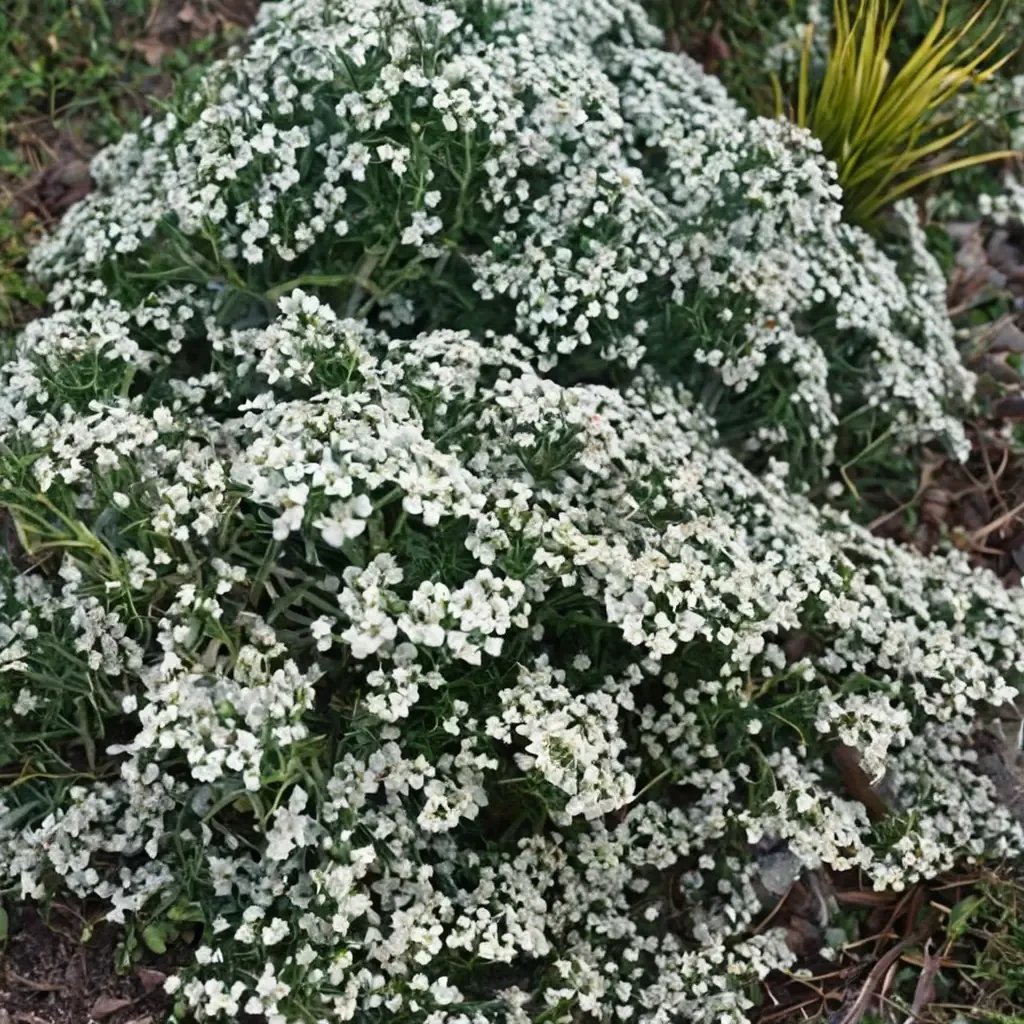
Carolina Snow Flowering Spurge
Euphorbia corollata 'Carolina Snow'
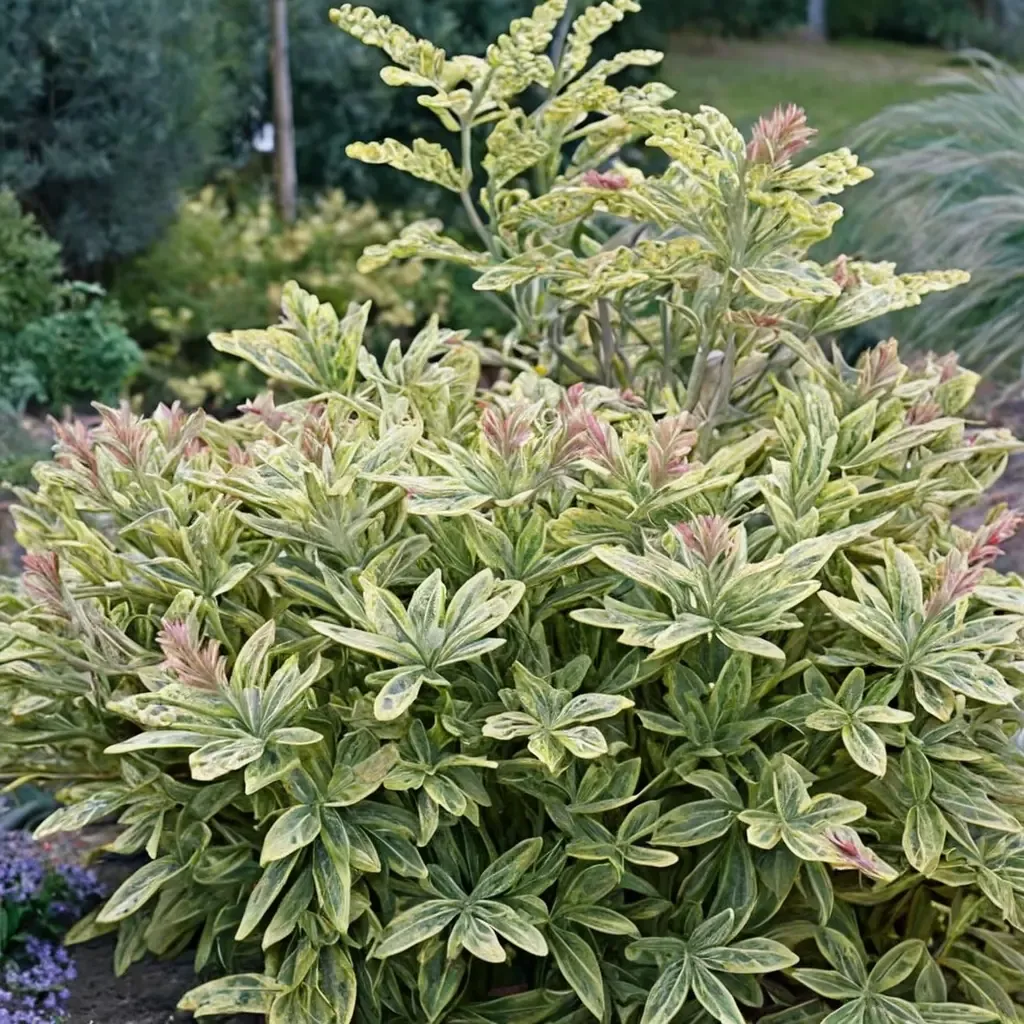
Ascot Rainbow Spurge
Euphorbia x hybrida 'Ascot Rainbow'
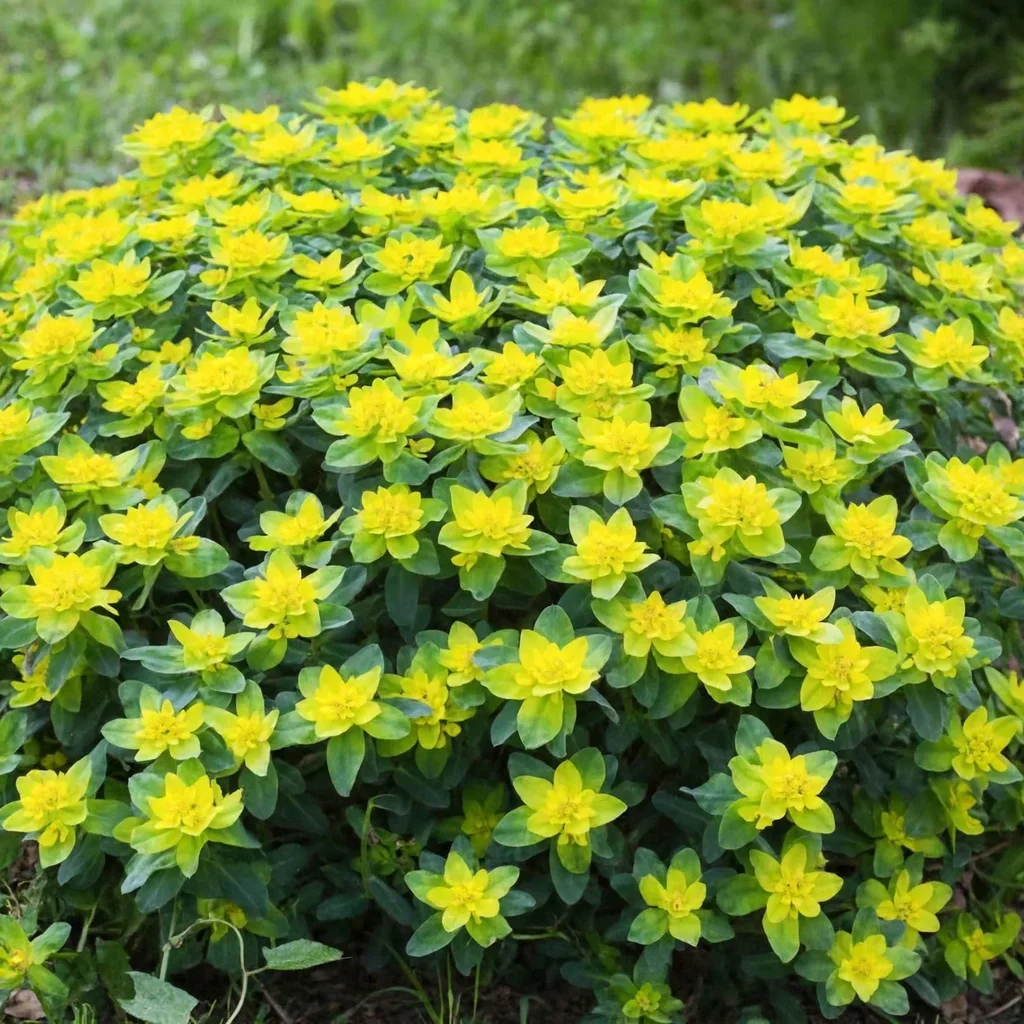
Mediterranean Spurge
Euphorbia polychroma
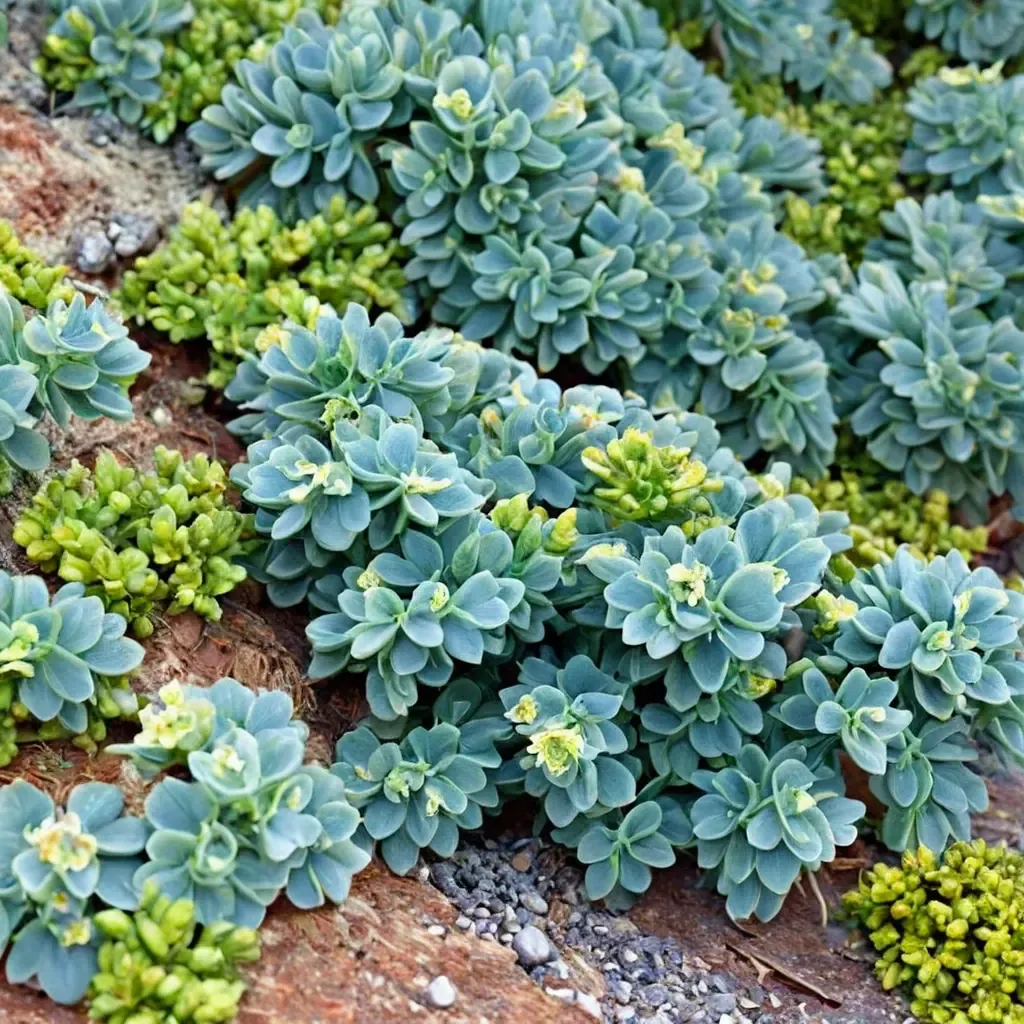
Myrtle Spurge
Euphorbia myrsinites
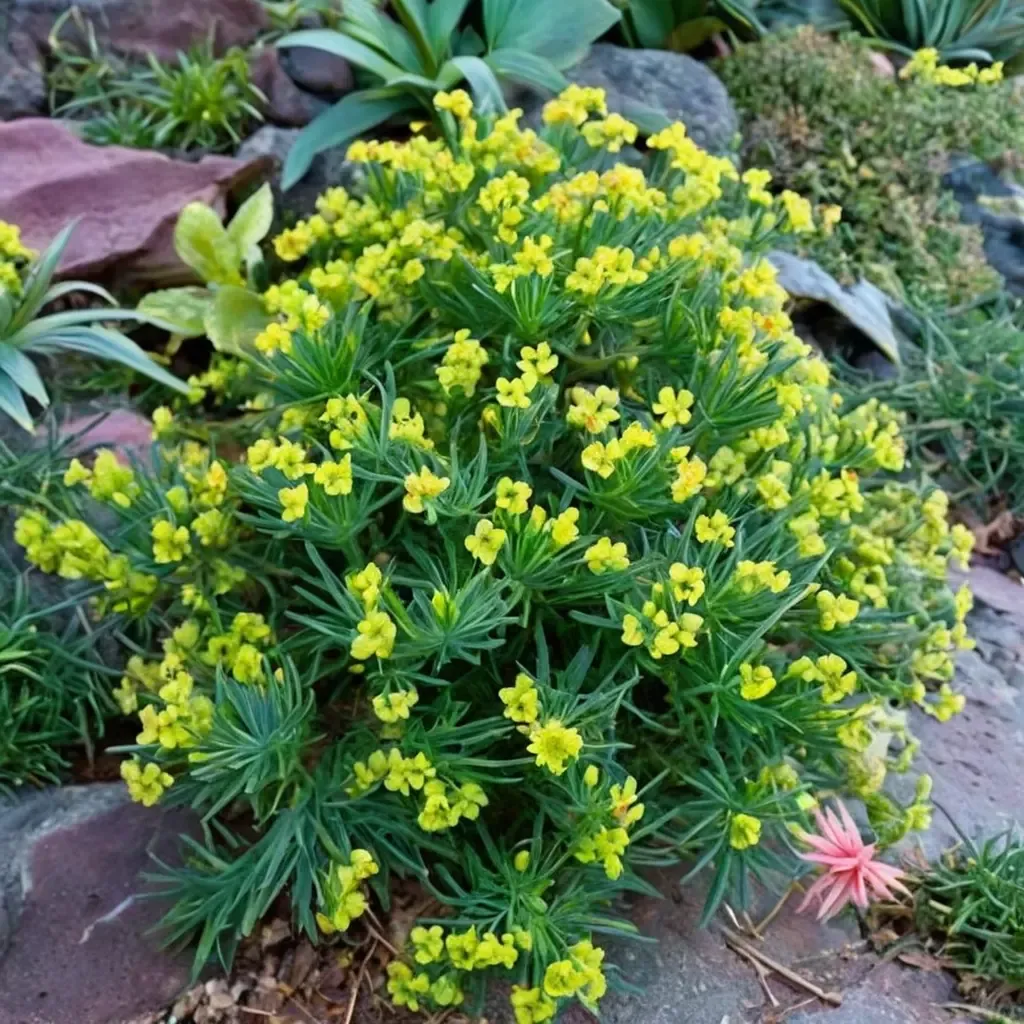
Ruby Spurge
Euphorbia cyparissias 'Fens Ruby'
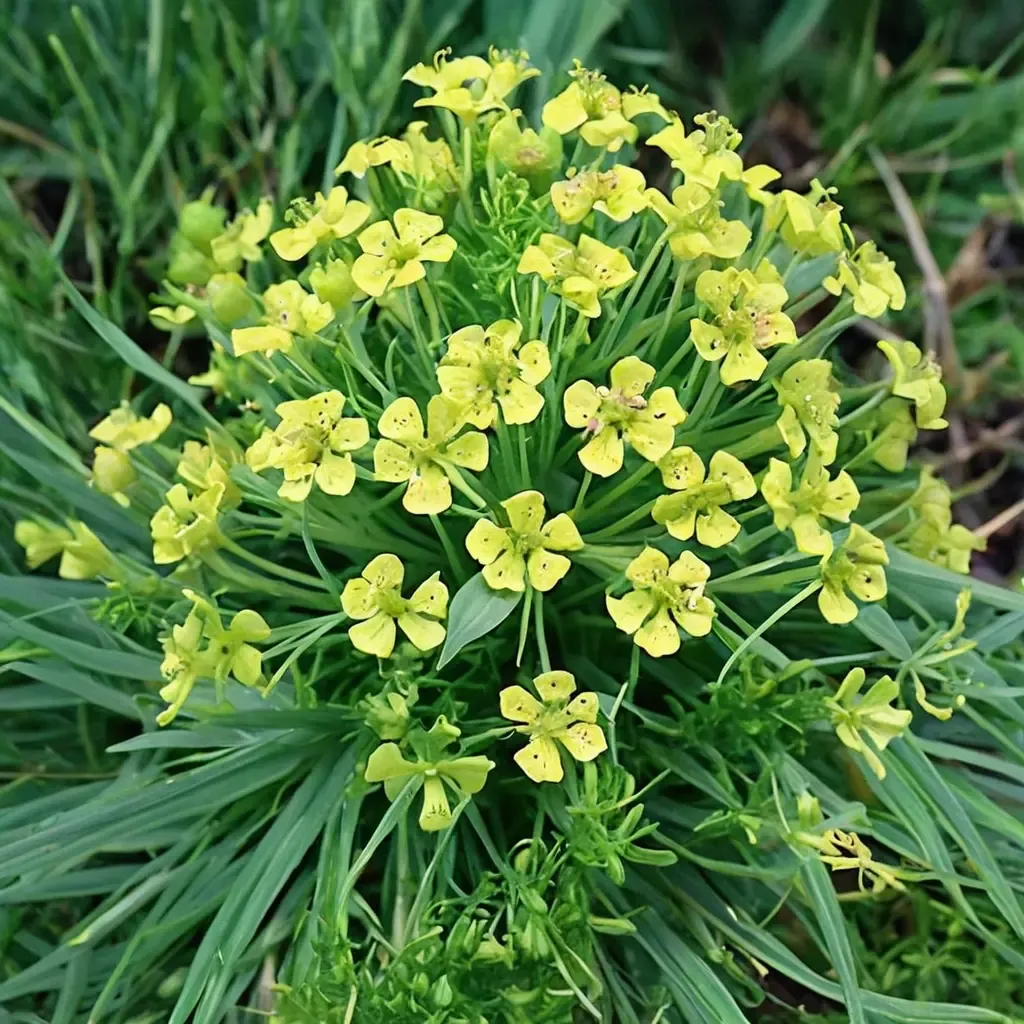
Cypress Spurge
Euphorbia cyparissias
Keep exploring
Explore the genus
Hardy in your zone?
Grow Little Fir Spurge with confidence
See it in a design of your actual yard, get zone-matched care reminders, and track it season by season in your garden journal.