The Story
Plant Bio
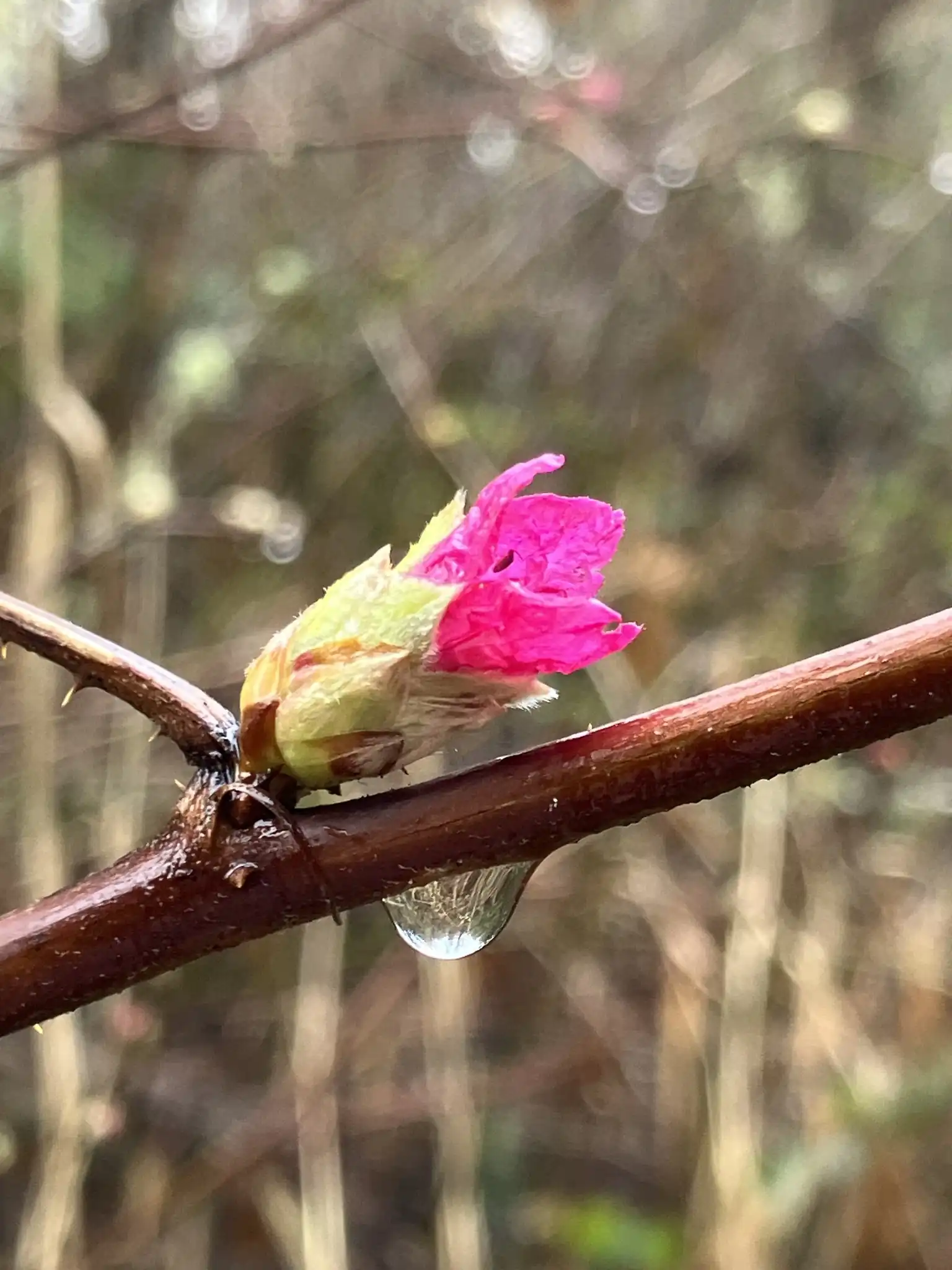
Rubus spectabilis is an upright-to-arching, deciduous shrub native to the moist Pacific coast of North America, where it forms dense thickets via underground rhizomes. Its stems carry fine prickles and bright green three-parted leaves, followed by edible aggregate berries in summer.
Solitary bright pink to magenta-red flowers open from leaf axils in early spring, providing an essential early nectar source for migrating Rufous hummingbirds. The plant thrives in wet, acidic understory soils and stream banks where conventional garden brambles fail.
Uses & Benefits:
Essentials
At a Glance
Plant Type
Shrub
Height
157"
Width
354"
Light
Full Sun, Partial Sun
Zones
4, 5, 6, 7, 8
Water
High / Consistently wet
Humidity
High
Lifespan
Perennial
Native To
North America (Pacific Coast)
Toxicity
Non-toxic (has fine prickles)
Bloom period
Spring – Late spring
In flower about 3 months of the year
Planting
How to Grow
- Select a planting location in full sun to partial shade with rich, moist to wet acidic soil.
- Dig a planting hole twice as wide as the root ball and set the crown flush with the soil surface.
- Water deeply at planting and maintain steady moisture, never allowing the root zone to dry out completely.
- Apply a generous top-dressing of leaf mold or wood mulch to conserve soil humidity.
- Install root barriers if planting near cultivated garden borders to contain rhizomatous expansion.
Pro Tip
Install physical root barriers or root-prune perimeter suckers annually, as continuous moisture prompts rapid underground spread.
Keep It Thriving
Care Guide
Do
- Keep soil consistently moist or wet, especially during hot summer periods.
- Prune out dead, damaged, or weak older canes in late winter.
- Top-dress annually with organic compost or leaf mold to maintain moist soil conditions.
Don't
- Do not plant in dry, exposed borders where soil dries out in summer.
- Do not sheared aggressively into old wood; remove whole damaged canes at ground level instead.
- Do not heavily apply high-nitrogen fertilizers, which trigger excessive vegetative running over fruiting.
Seasonal Care Calendar
| Task | Jan | Feb | Mar | Apr | May | Jun | Jul | Aug | Sep | Oct | Nov | Dec |
|---|---|---|---|---|---|---|---|---|---|---|---|---|
| Harvest | ||||||||||||
| Mulch | ||||||||||||
| Pest Check | ||||||||||||
| Prune |
Watch Out For
Pests & Diseases
Common Pests
Common Diseases
In the Garden
Landscape Uses & Companions
Landscape Uses
Multiply
Propagation Methods
Good to Know
Common Questions
Salmonberry questions
What zones can Salmonberry grow in?
Salmonberry is hardy in USDA Zones 4–8: in that range it survives winter in the ground. Warmer than Zone 8, winter isn't the problem: it prefers colder winters, and summer heat can shorten its life.
Is Salmonberry deer resistant?
Not reliably. Deer may browse Salmonberry, especially tender spring growth — plan on repellents or fencing where pressure is high.
When does Salmonberry bloom?
Salmonberry typically blooms in spring. Exact timing shifts a week or two with your zone — Sow's bloom calendar maps it to your garden.
Does Salmonberry need full sun?
Salmonberry does best in full sun to part shade. In hot climates, afternoon shade keeps blooms fresher longer.
More Rubus to compare
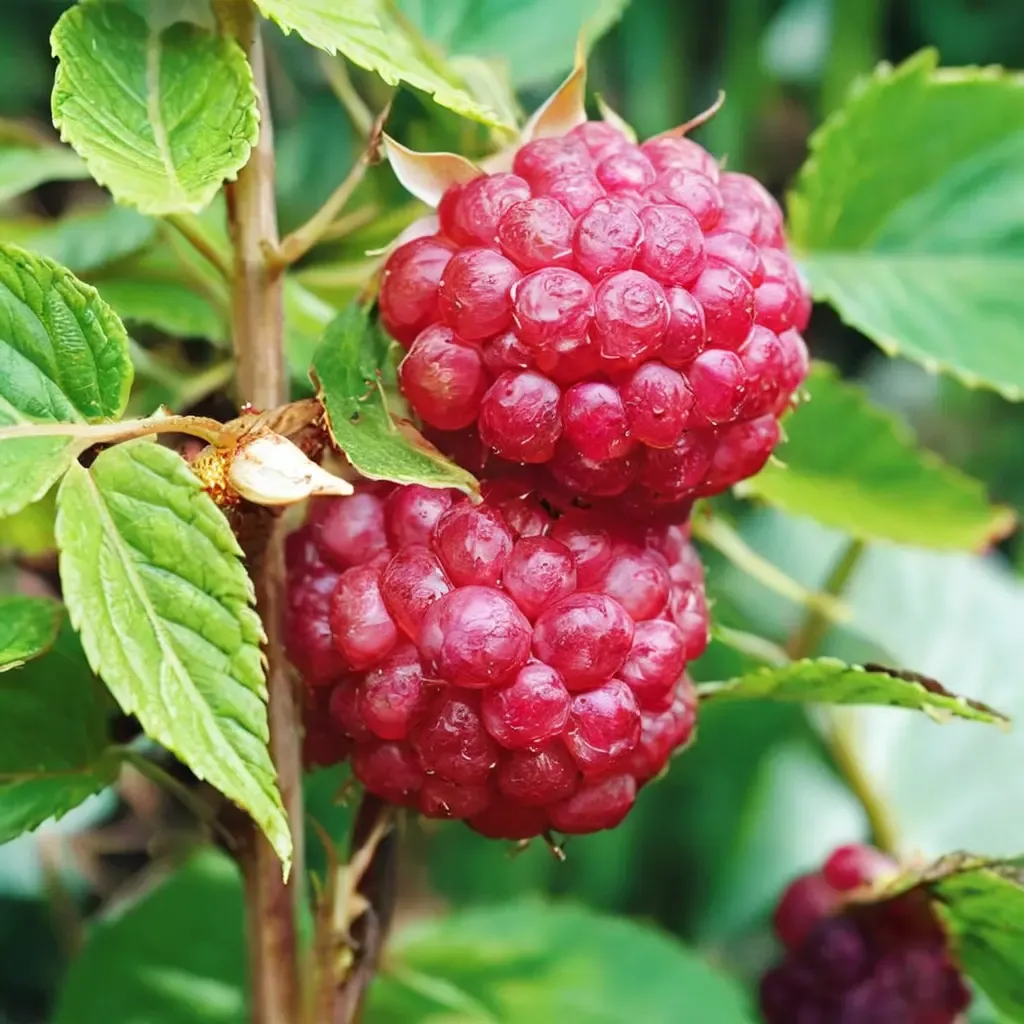
Mammoth Red Raspberry
Rubus idaeus 'Mammoth Red'
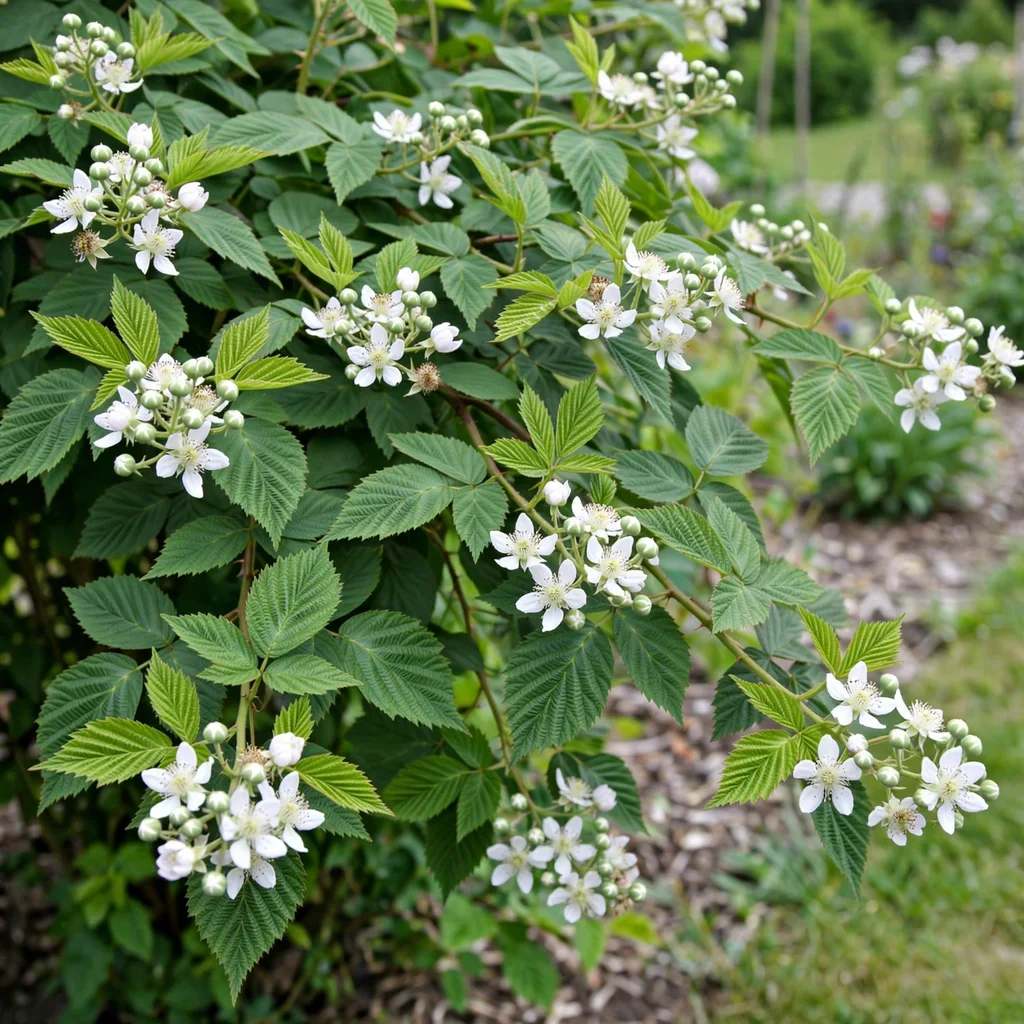
Triple Crown Blackberry
Rubus fruticosus 'Triple Crown'
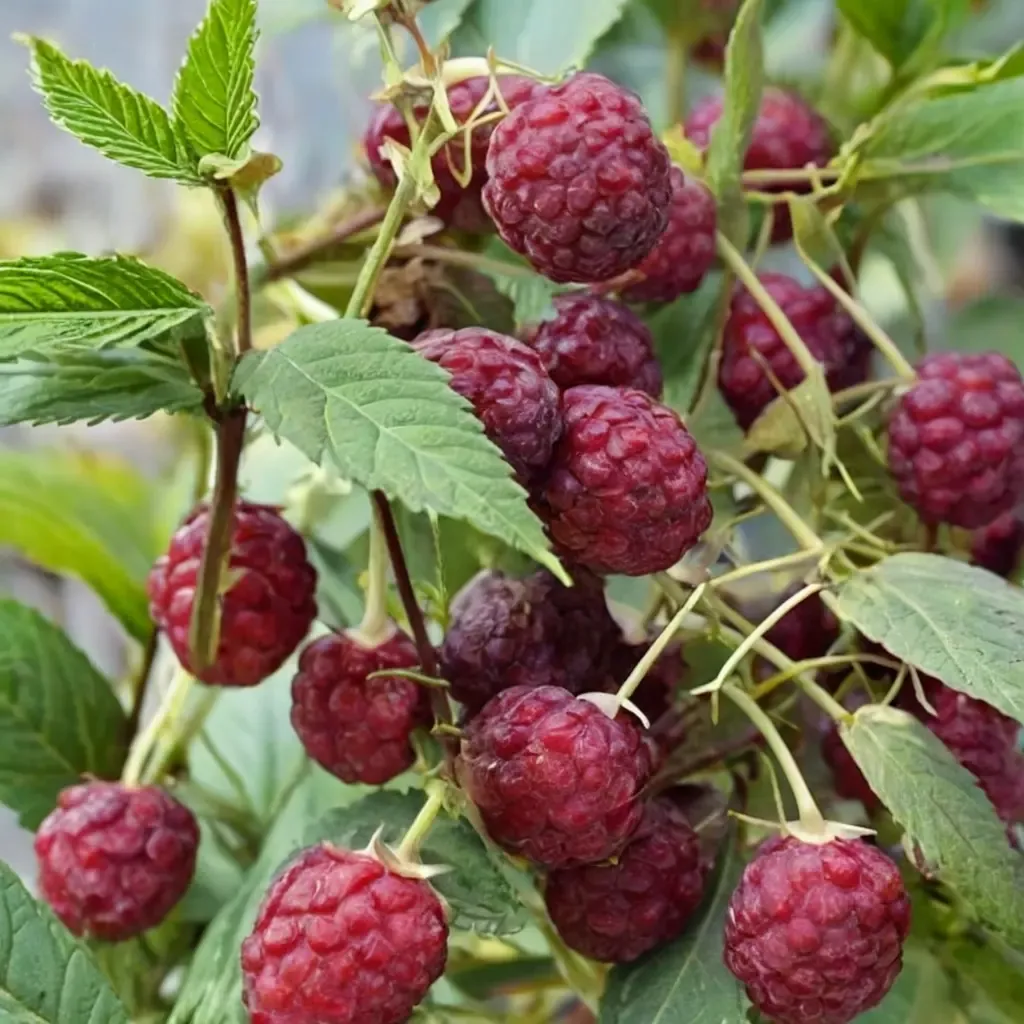
Crimson Night Raspberry
Rubus idaeus 'Crimson Night'
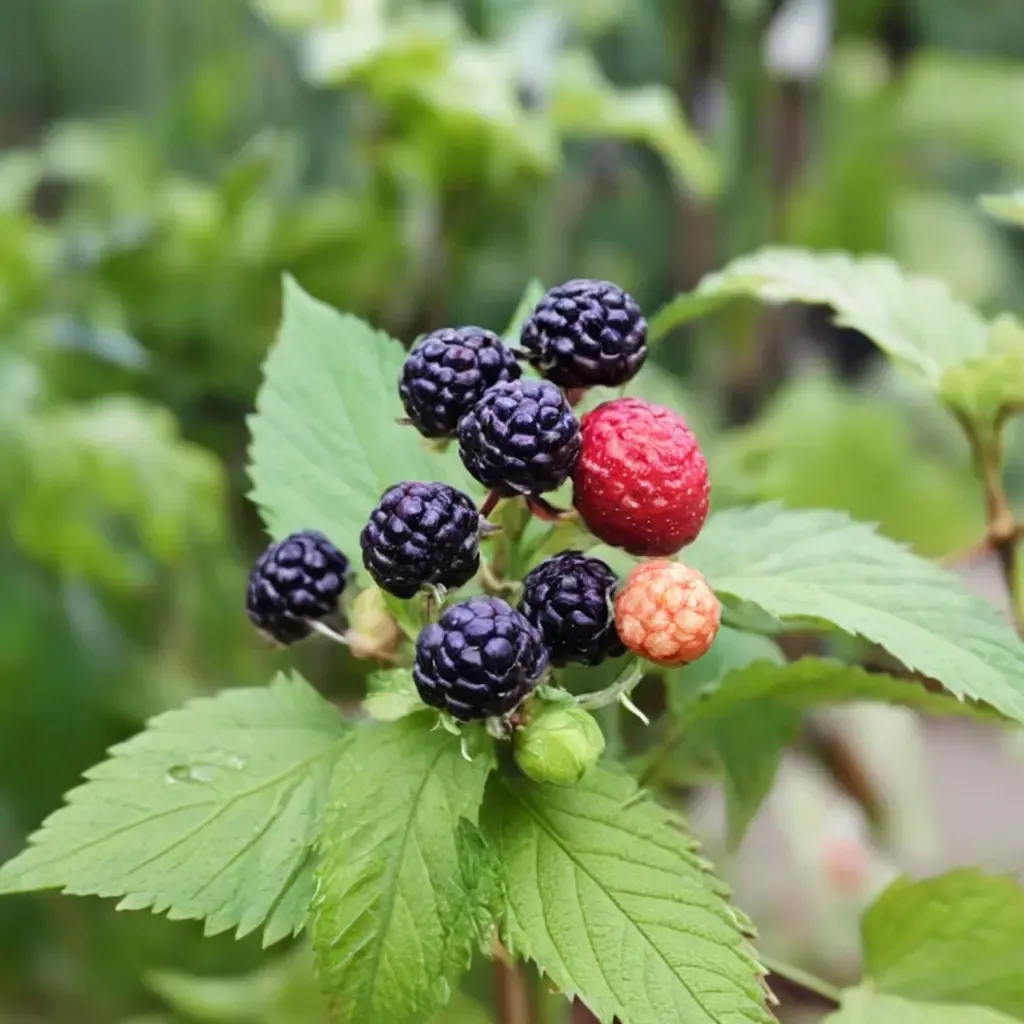
Jewel Black Raspberry
Rubus idaeus 'Jewel'
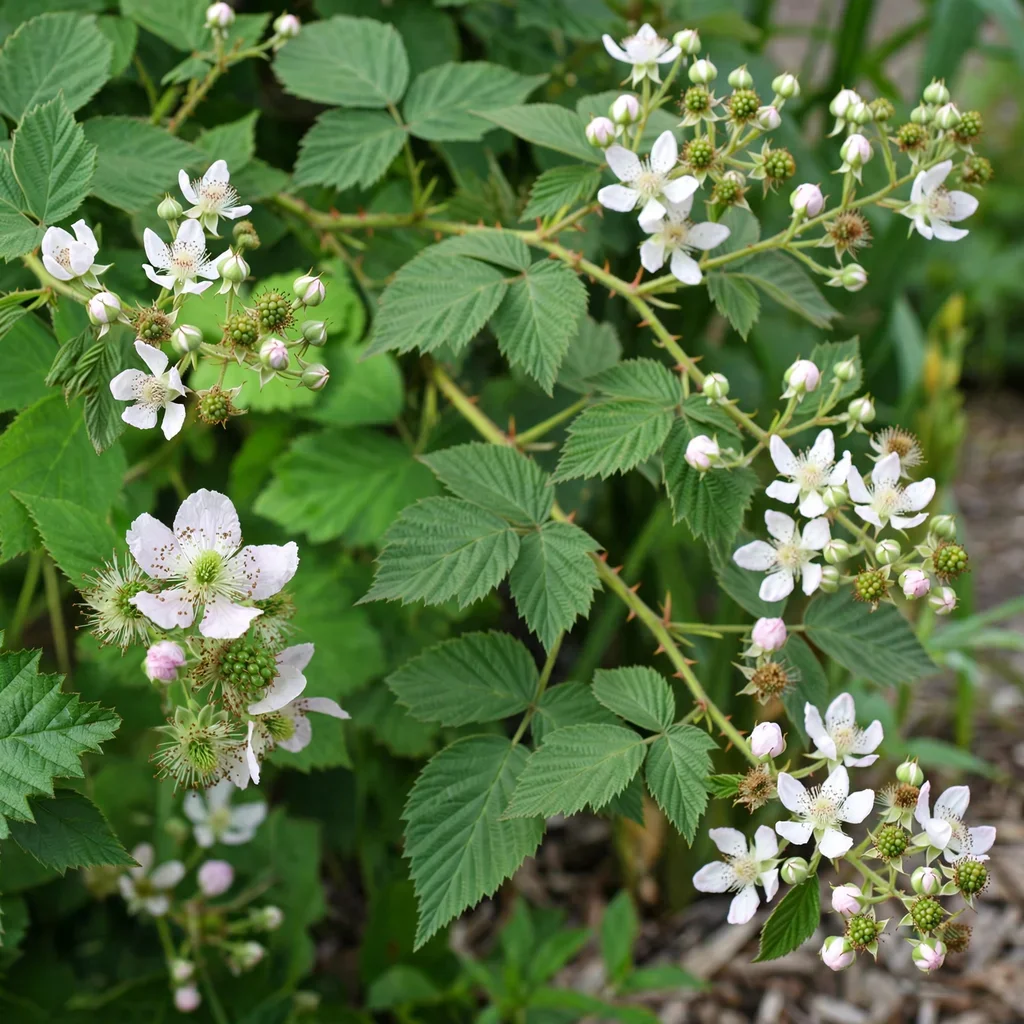
Apache Thornless Blackberry
Rubus fruticosus 'Apache Thornless'
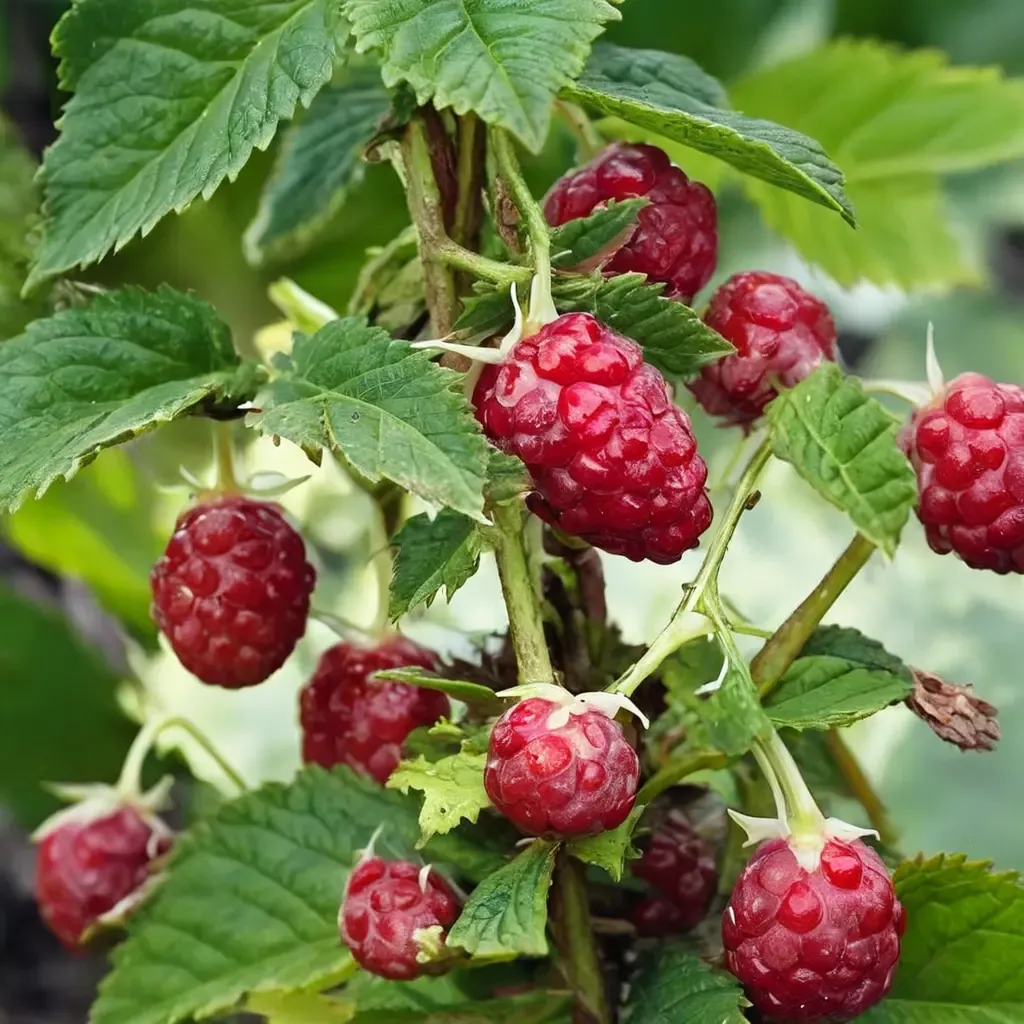
Canby raspberry
Rubus idaeus 'Canby'
Keep exploring
Explore the genus
Hardy in your zone?
Grow Salmonberry with confidence
See it in a design of your actual yard, get zone-matched care reminders, and track it season by season in your garden journal.