The Story
Plant Bio
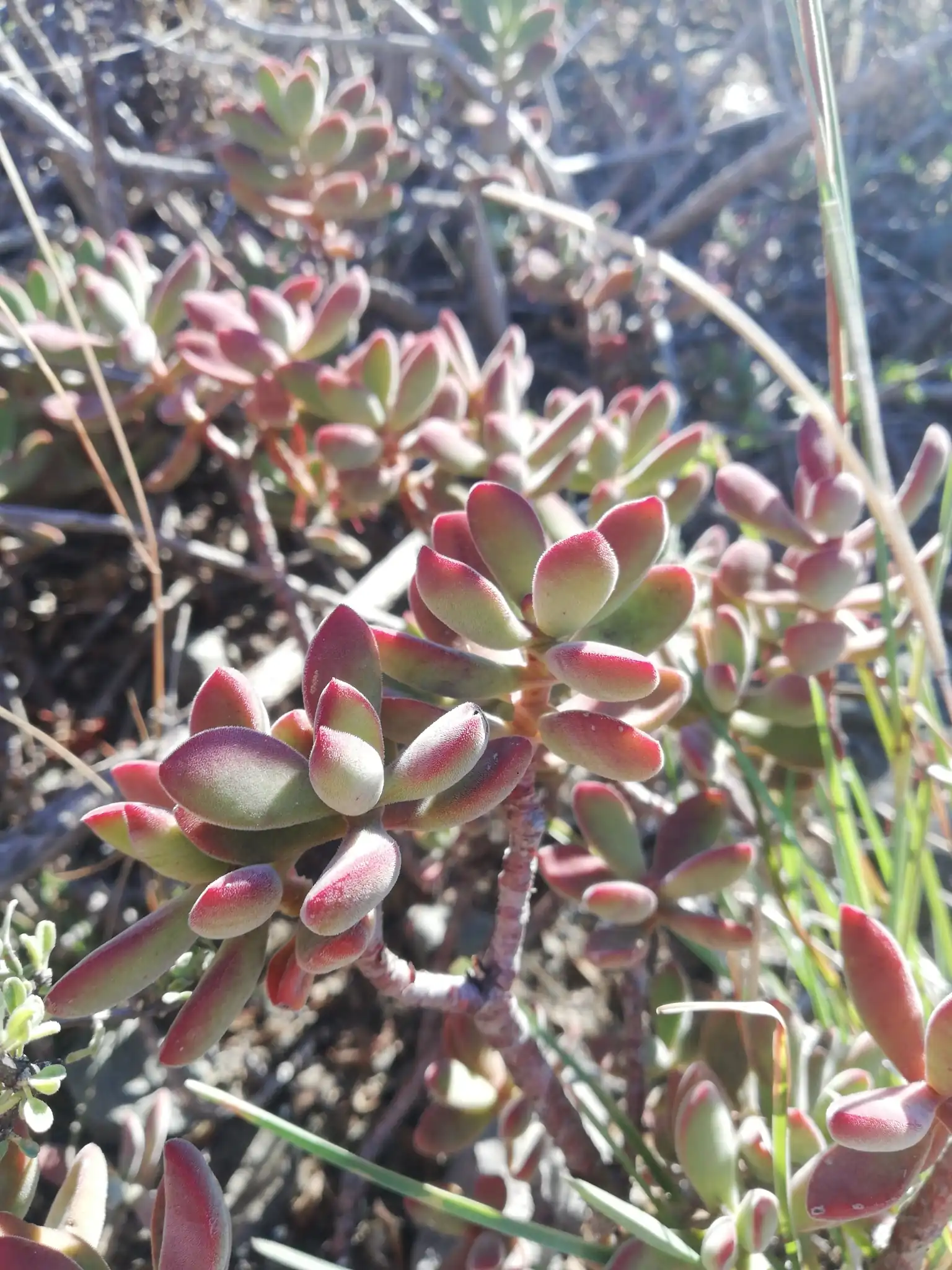
Crassula rogersii is a small much-branched succulent from the Eastern Cape, forming a tight sub-globose cushion 6 to 12 inches tall with fleshy red stems that turn woody and reddish-brown with age. The opposite club-shaped leaves are about three-quarters of an inch long, convex on both faces and coated in short white hairs, green to yellow-green and edged red at the margin and tip in strong sun.
It holds apart from other hairy Crassulas by its blunt leaves under an inch long, convex without a sharp edge and packed into a velvety felt along the stems. In summer to fall it sends up slender stems to 8 inches carrying globular clusters of small starry pale-yellow flowers with dark brown anthers.
Uses & Benefits:
Essentials
At a Glance
Plant Type
Cactus Succulent
Height
12"
Width
12"
Light
Full Sun, Partial Sun
Zones
9, 10
Water
Low
Humidity
Low
Lifespan
Perennial
Native To
South Africa (Eastern Cape)
Toxicity
Toxic to cats and dogs if ingested
Bloom period
Summer – Fall
In flower about 6 months of the year
Planting
How to Grow
- Plant in a fast-draining cactus and succulent mix in a shallow pot with a drainage hole.
- Set in full sun to partial shade with morning or evening sun; shield from hot afternoon sun in summer.
- Water deeply, then let the mix dry completely; water every 2 to 3 weeks in growth and less in summer dormancy.
- Empty the saucer so the pot never stands in water and keep air moving around the leaves.
- Bring indoors before frost and overwinter above 25F in bright light with almost dry soil.
Pro Tip
Give it morning sun and a soak-then-dry cycle; shade with constant moisture keeps it green and soft and rots the crown, while bright light and a dry rest bring the red tips.
Keep It Thriving
Care Guide
Do
- Do provide bright light for compact growth and red leaf tips.
- Do let the mix dry right out between soakings.
- Do use shallow containers with drainage and empty the saucer.
Don't
- Do not overwater or leave the pot standing in water; wet feet rot the stems.
- Do not grow in deep shade; plants stay green and stretch.
- Do not shear yearly; lift and divide congested clumps in winter only if needed to prevent rot.
Seasonal Care Calendar
| Task | Jan | Feb | Mar | Apr | May | Jun | Jul | Aug | Sep | Oct | Nov | Dec |
|---|---|---|---|---|---|---|---|---|---|---|---|---|
| Divide | ||||||||||||
| Pest Check | ||||||||||||
| Propagate | ||||||||||||
| Prune | ||||||||||||
| Winter Prep |
Watch Out For
Pests & Diseases
Common Pests
Common Diseases
In the Garden
Landscape Uses & Companions
Landscape Uses
Companion Plants
Multiply
Propagation Methods
Good to Know
Common Questions
Rogers' Crassula questions
What zones can Rogers' Crassula grow in?
Rogers' Crassula is hardy in USDA Zones 9–10: in that range it survives winter in the ground. Colder than Zone 9, grow it in a container you can move to shelter for the winter, or as an annual.
When does Rogers' Crassula bloom?
Rogers' Crassula typically blooms from summer to fall. Exact timing shifts a week or two with your zone — Sow's bloom calendar maps it to your garden.
Does Rogers' Crassula need full sun?
Rogers' Crassula does best in full sun to part shade. In hot climates, afternoon shade keeps blooms fresher longer.
Is Rogers' Crassula drought tolerant?
Yes — once established (usually after the first full season), Rogers' Crassula handles dry spells with minimal watering. Water deeply its first year to build the root system that makes that possible.
More Crassula to compare
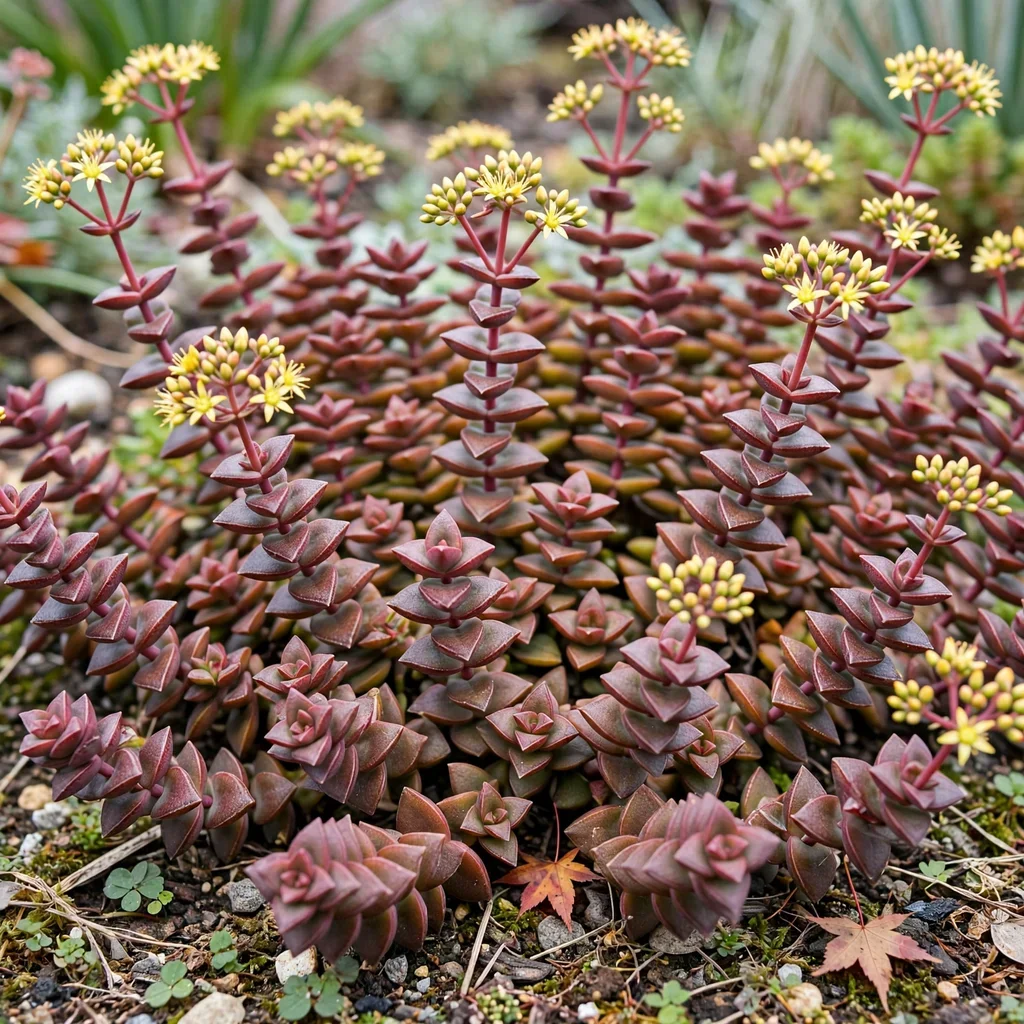
Small Red Carpet String of Buttons
Crassula perforata 'Small Red Carpet'
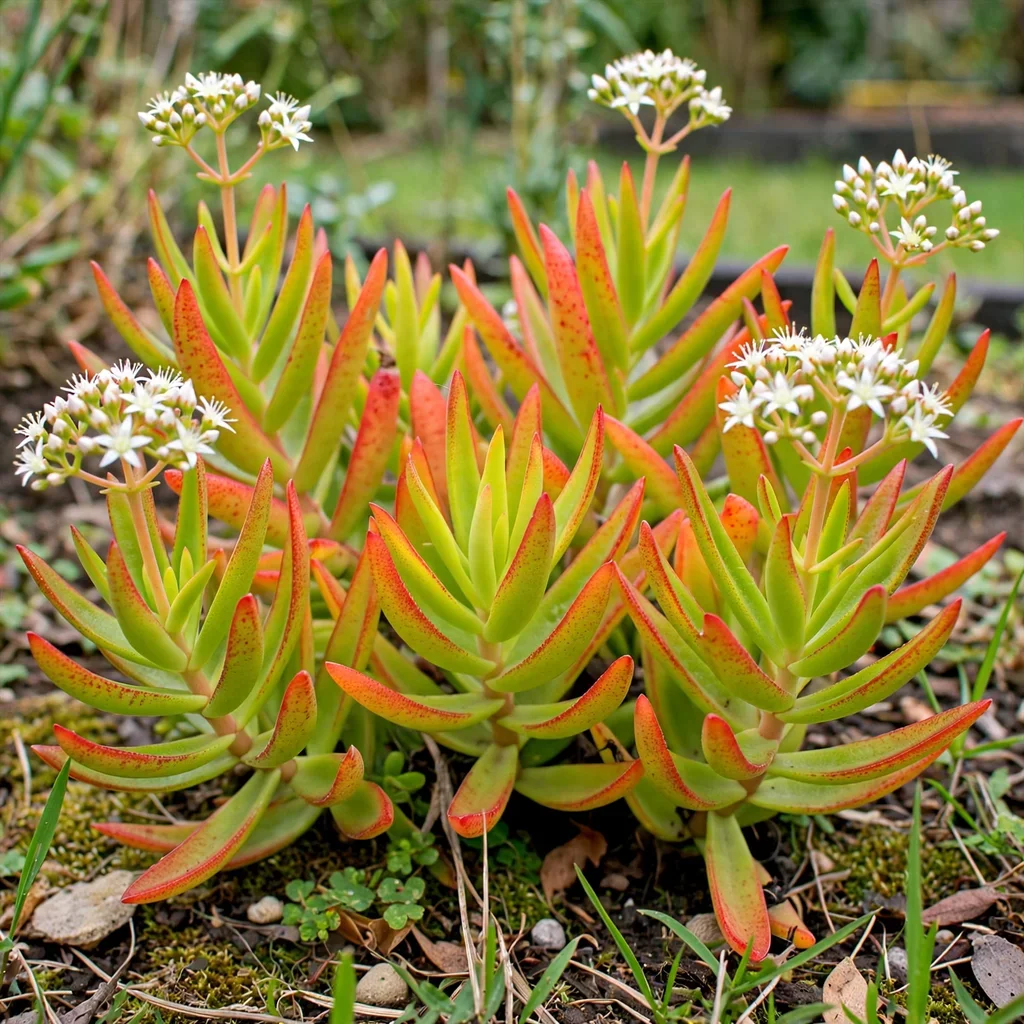
Campfire Crassula
Crassula erosula 'Campfire'
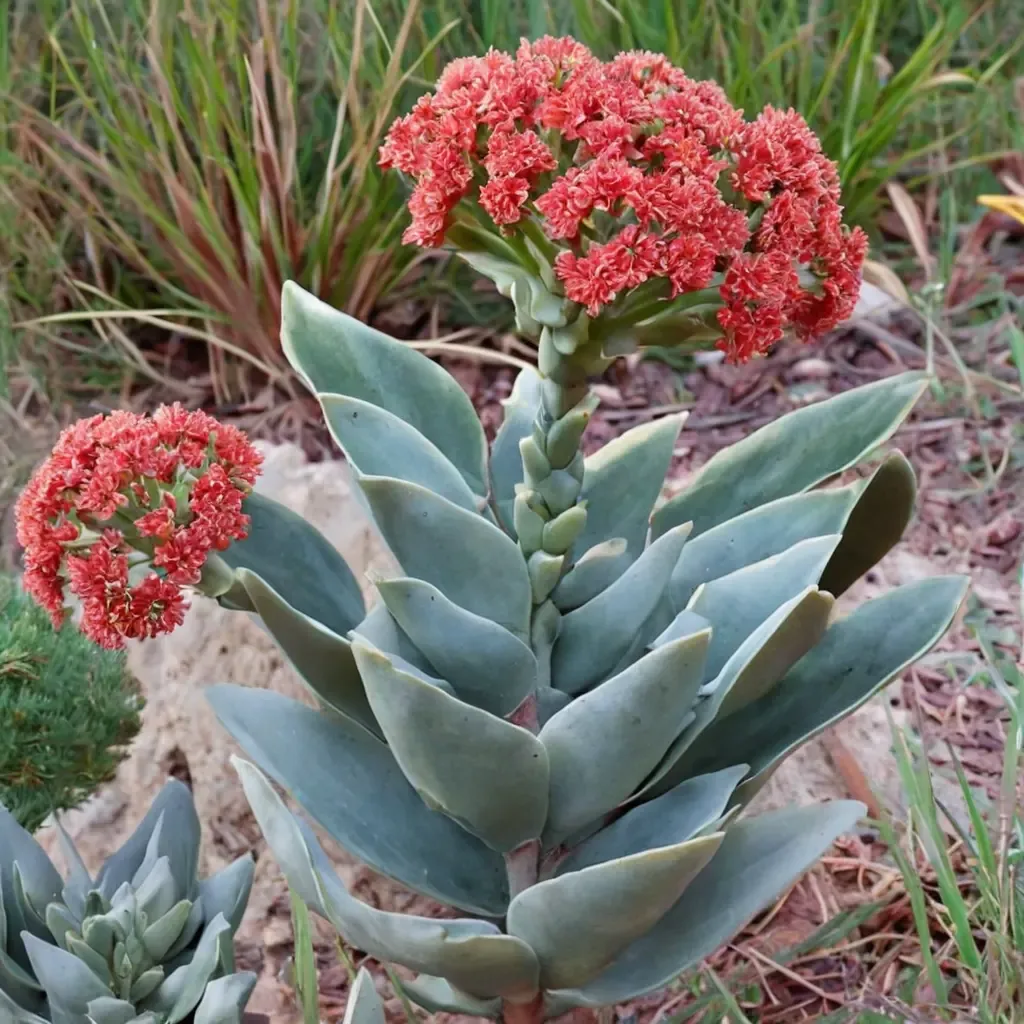
Propeller Plant
Crassula falcata
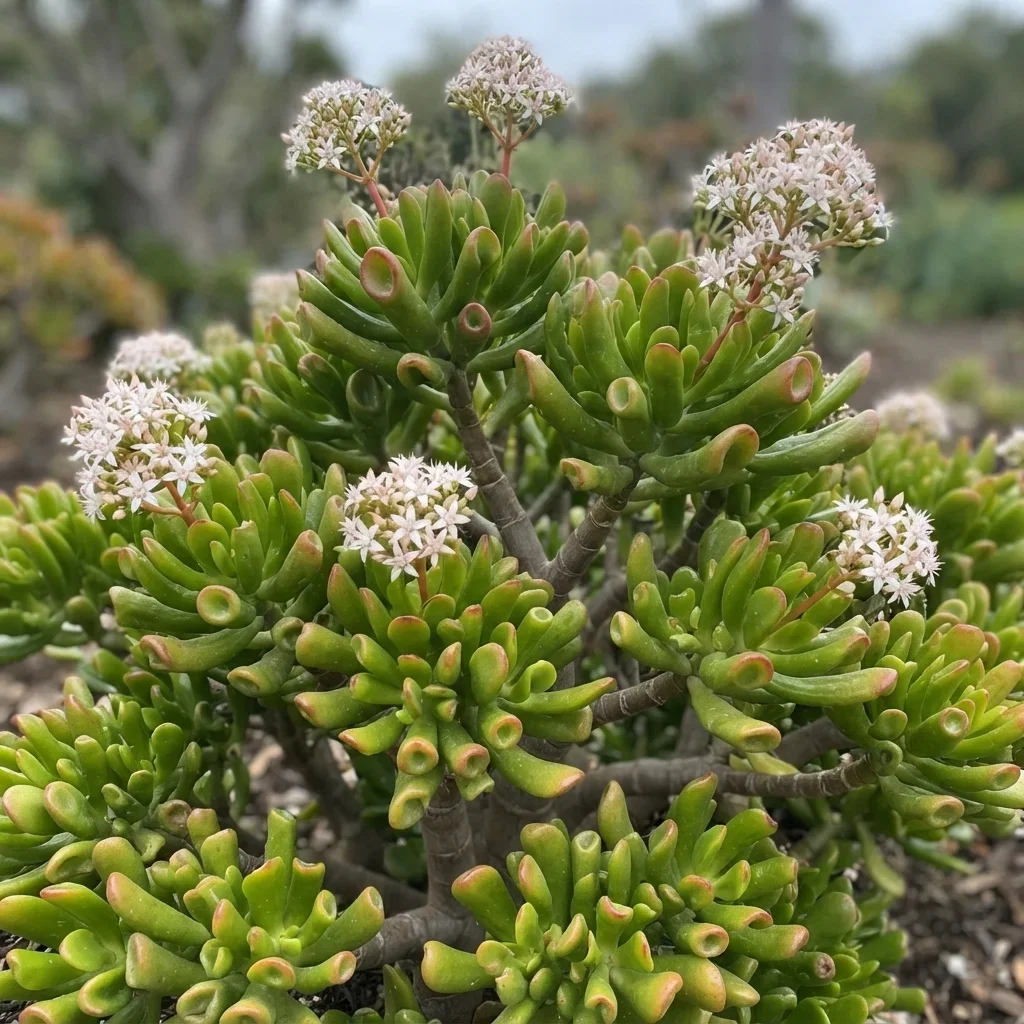
Hobbit Jade Plant
Crassula ovata 'Hobbit'
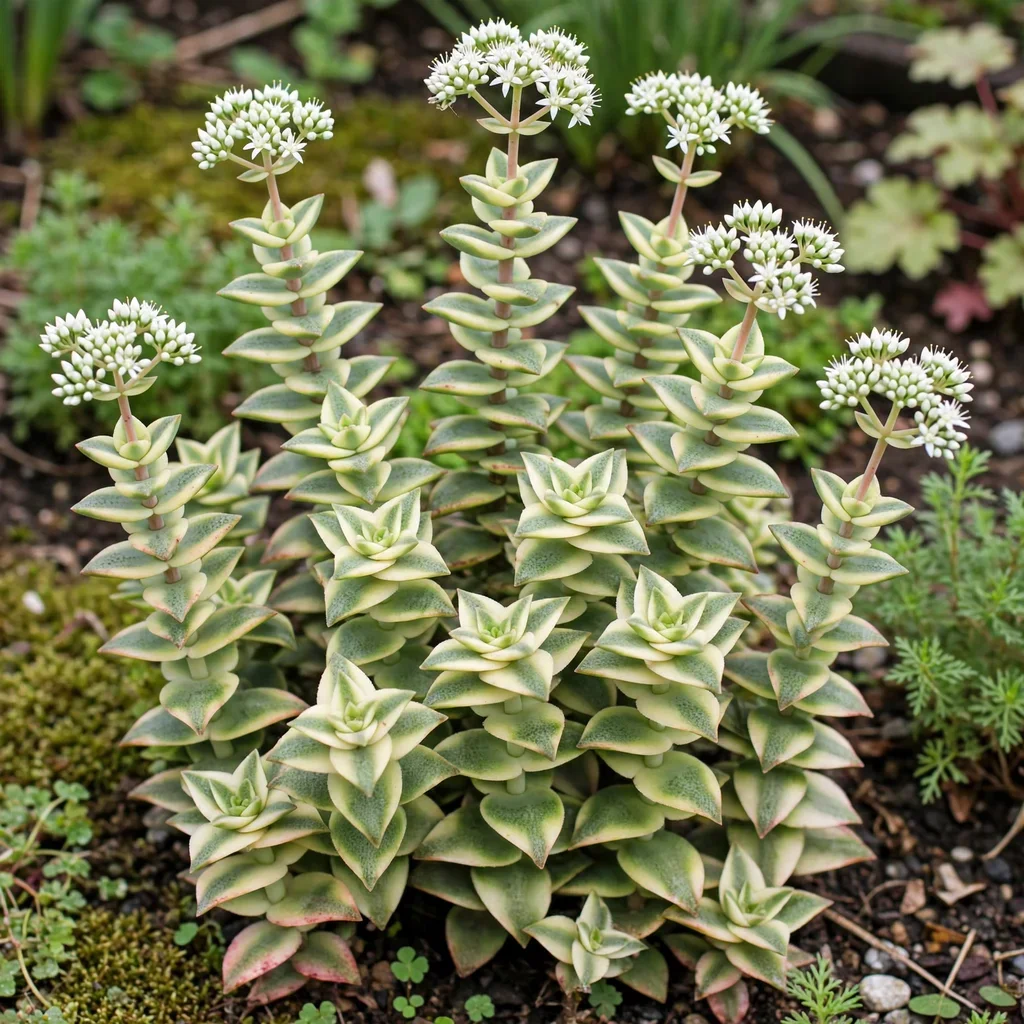
Variegated Red Pagoda
Crassula capitella 'Variegata'
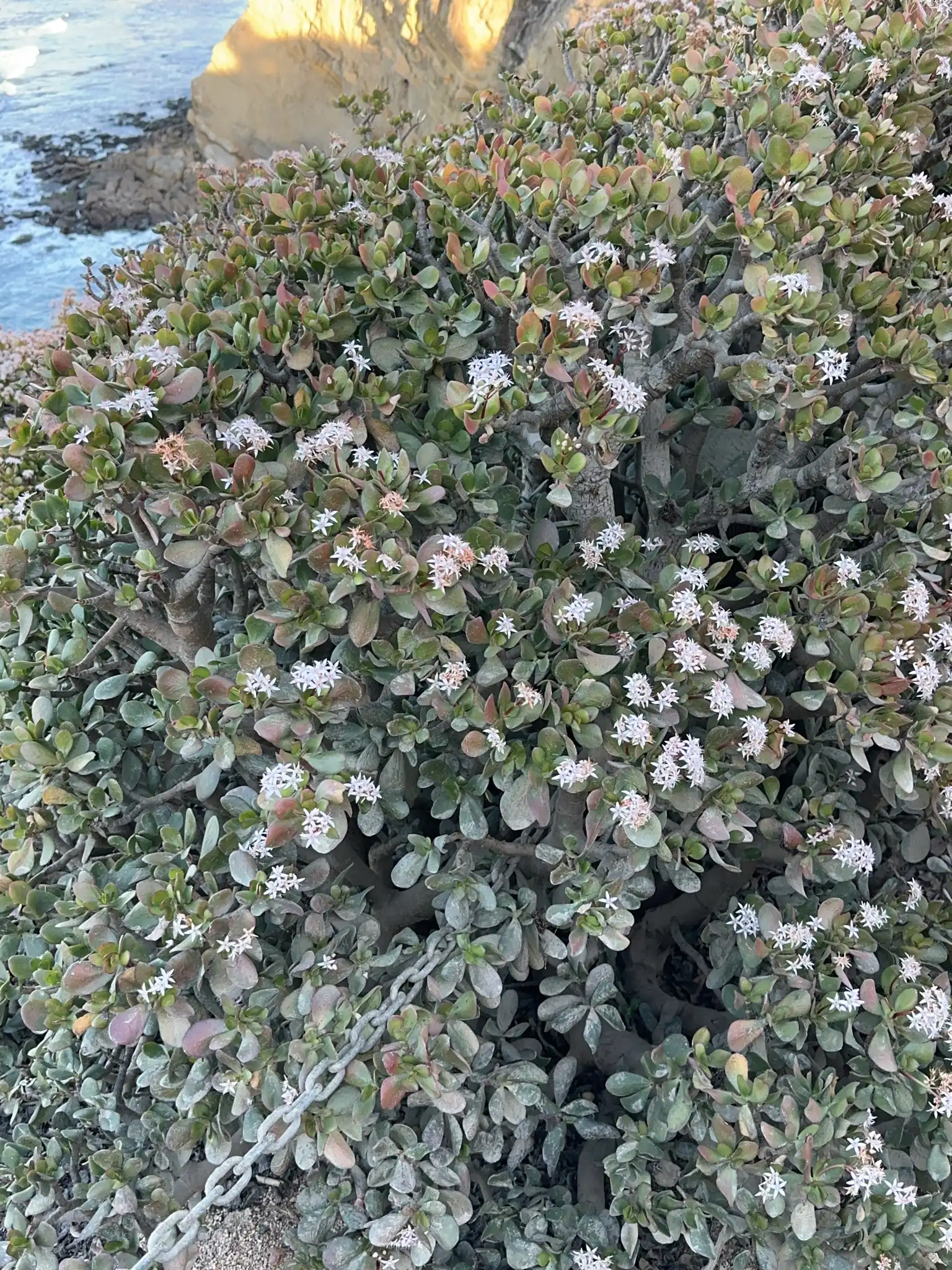
Jade Plant
Crassula ovata
Keep exploring
Explore the genus
Hardy in your zone?
Grow Rogers' Crassula with confidence
See it in a design of your actual yard, get zone-matched care reminders, and track it season by season in your garden journal.