The Story
Plant Bio
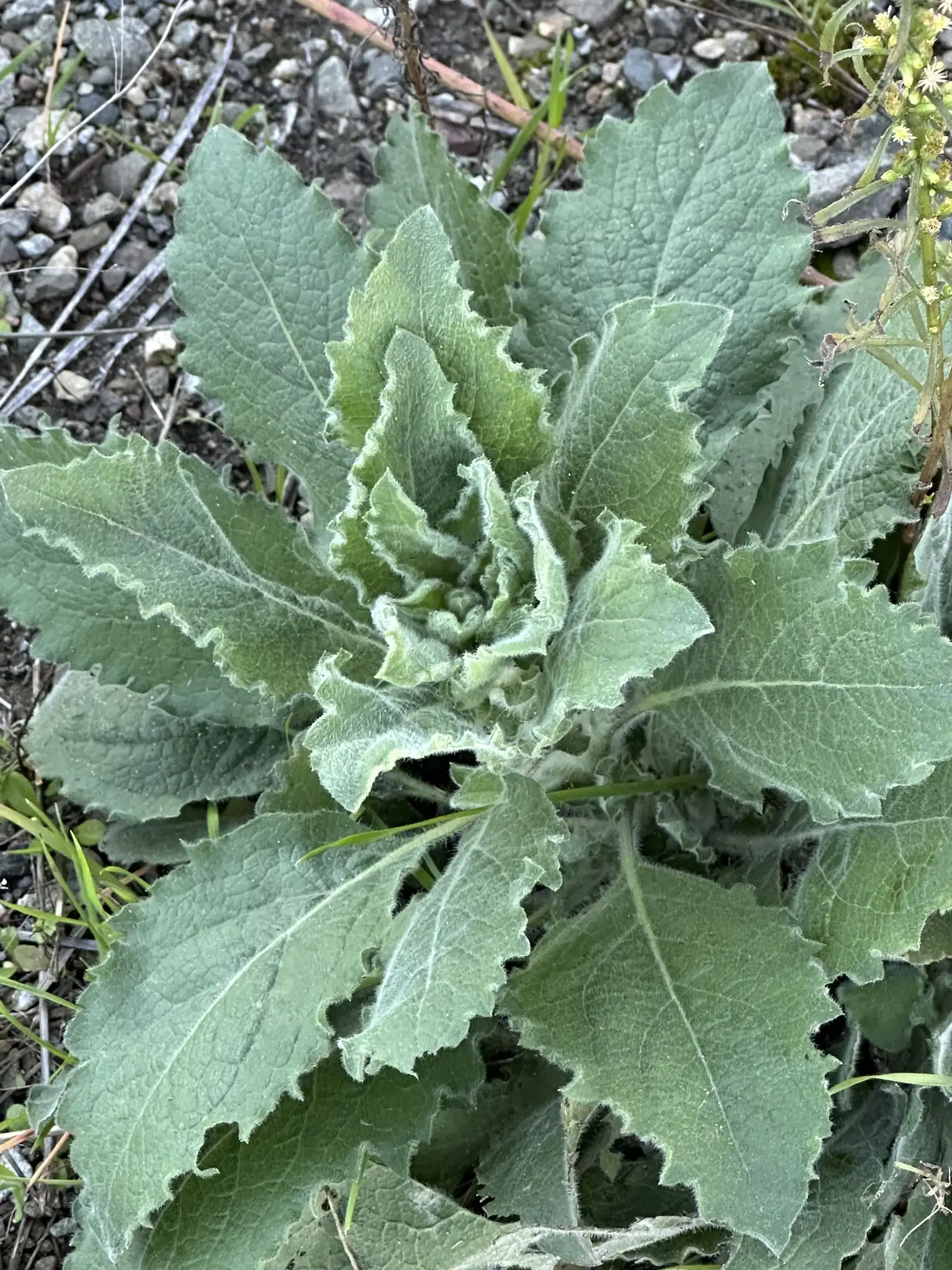
Heterotheca grandiflora, commonly known as telegraph weed, is an erect herb native to sandy dunes and disturbed ground across the southwestern United States and northwestern Mexico. It forms a basal rosette before sending up tall, hairy flowering stems topped with yellow daisy-like blooms from summer through fall.
The foliage is covered in sticky glandular trichomes that release a pungent resinous scent when bruised, deterring deer and rabbits. Adapted to nutrient-poor coastal soils, it develops strong drought resistance once established.
Uses & Benefits:
Essentials
At a Glance
Plant Type
Perennial
Height
79"
Width
39"
Light
Full Sun
Zones
8, 9, 10
Water
Low
Humidity
High salt and sea spray tolerance
Lifespan
Annual or short-lived perennial
Native To
Southwestern United States, Northwestern Mexico
Toxicity
Resinous sap may cause contact dermatitis
Bloom period
Summer – Fall
In flower about 6 months of the year
Planting
How to Grow
- Select a site in full sun with sharp, sandy, or gravelly drainage.
- Sow seeds directly onto the soil surface in autumn or early spring without burying them deeply.
- Water lightly during initial germination until the basal rosette forms.
- Discontinue irrigation once established, letting natural rain patterns sustain the plant.
Pro Tip
Plant in unamended, gritty soil and refrain from fertilizing to keep the stem structure compact and prevent flopping.
Keep It Thriving
Care Guide
Do
- Provide sharp soil drainage to prevent fungal root rots.
- Wear gloves when handling stems to prevent sticky resin contact dermatitis.
- Allow flower heads to mature if natural seed dispersal for wildlife is desired.
Don't
- Do not apply nitrogen fertilizer or rich compost around the root zone.
- Do not overwater or plant in poorly drained clay soils.
- Do not cut back into old leafless stem tissue.
Seasonal Care Calendar
| Task | Jan | Feb | Mar | Apr | May | Jun | Jul | Aug | Sep | Oct | Nov | Dec |
|---|---|---|---|---|---|---|---|---|---|---|---|---|
| Pest Check | ||||||||||||
| Plant | ||||||||||||
| Prune | ||||||||||||
| Spring Cleanup |
Watch Out For
Pests & Diseases
Common Pests
Common Diseases
In the Garden
Landscape Uses & Companions
Landscape Uses
Multiply
Propagation Methods
Good to Know
Common Questions
Telegraph Weed questions
What zones can Telegraph Weed grow in?
Telegraph Weed is an annual: it grows, flowers and sets seed in one season, so winter cold doesn't limit where it grows. Gardeners in any zone can grow it by planting at the right time, usually after the last spring frost.
Is Telegraph Weed deer resistant?
Yes — Telegraph Weed is rated deer-resistant. Deer typically pass it over, though extreme hunger can override any plant's defenses.
When does Telegraph Weed bloom?
Telegraph Weed typically blooms from summer to fall. Exact timing shifts a week or two with your zone — Sow's bloom calendar maps it to your garden.
Does Telegraph Weed need full sun?
Telegraph Weed does best in full sun (6+ hours).
Is Telegraph Weed drought tolerant?
Yes — once established (usually after the first full season), Telegraph Weed handles dry spells with minimal watering. Water deeply its first year to build the root system that makes that possible.
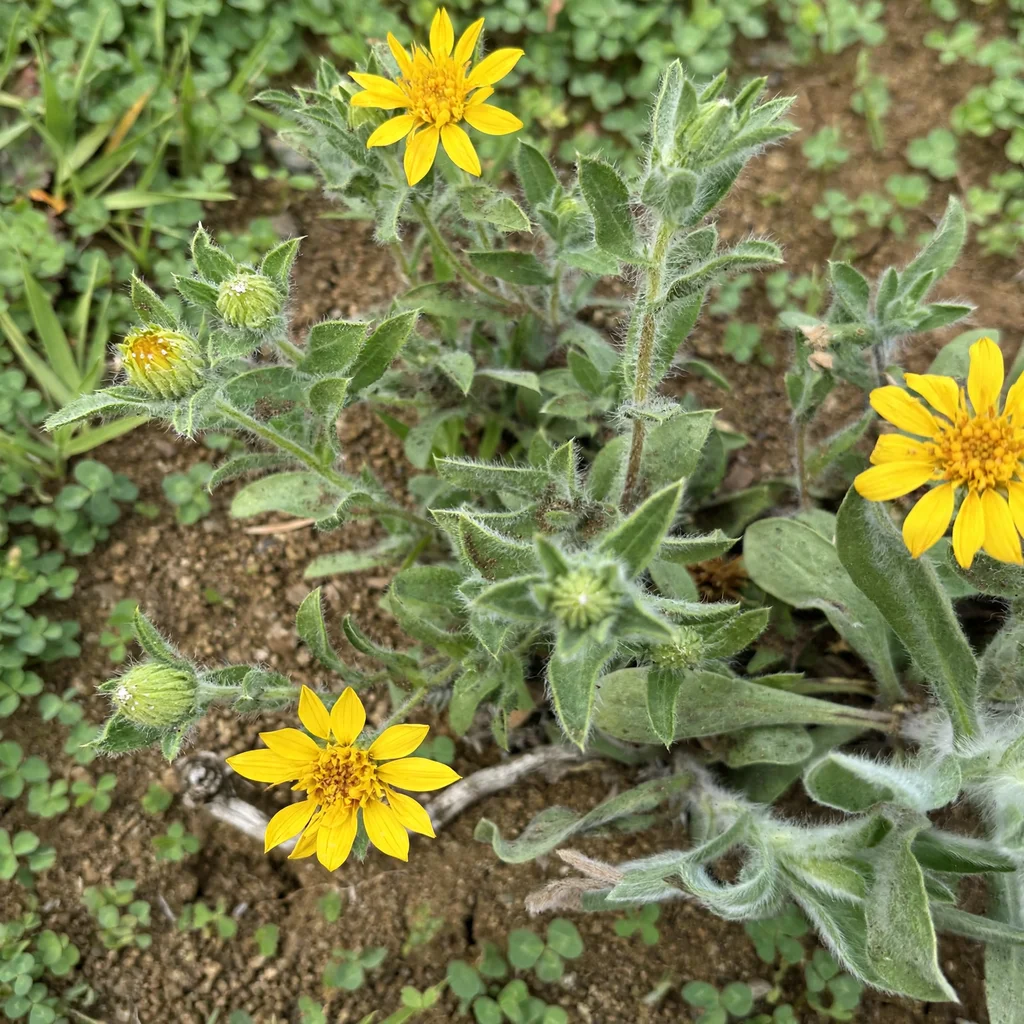
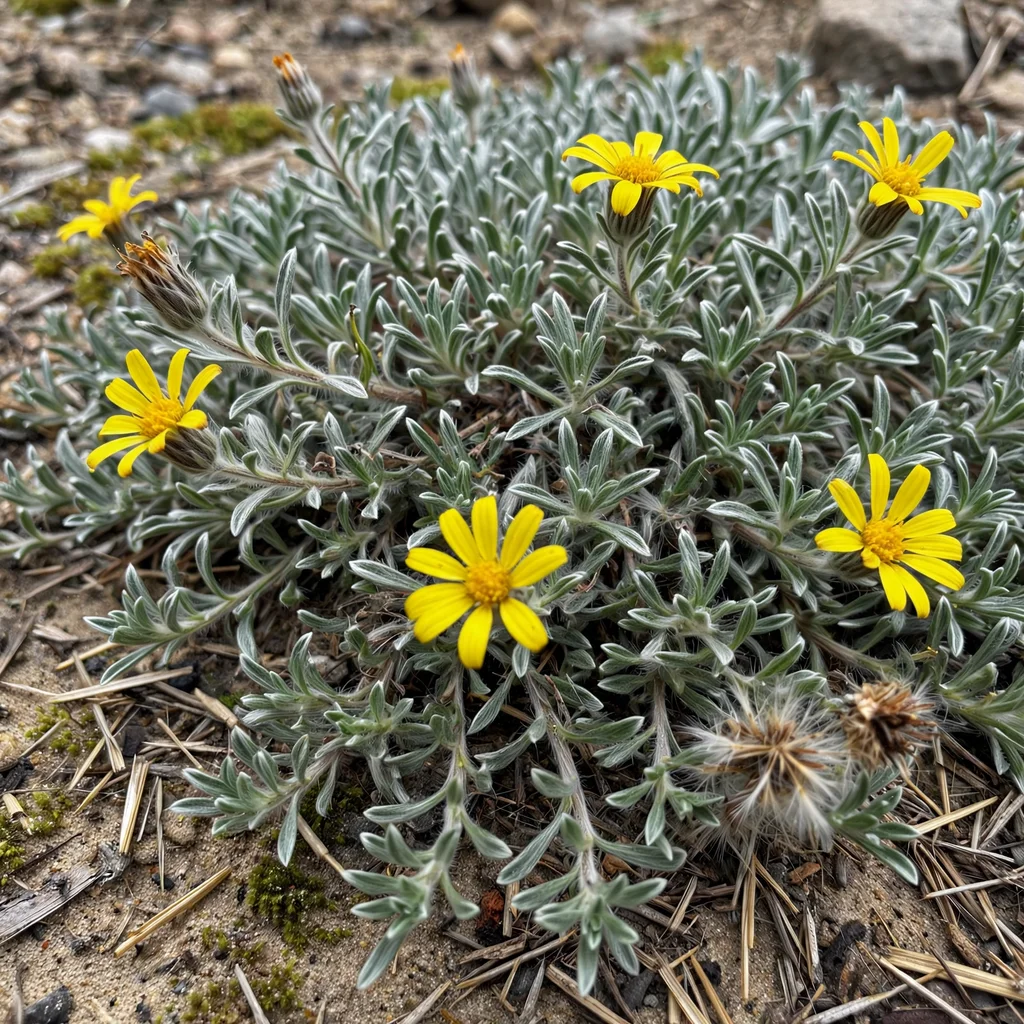
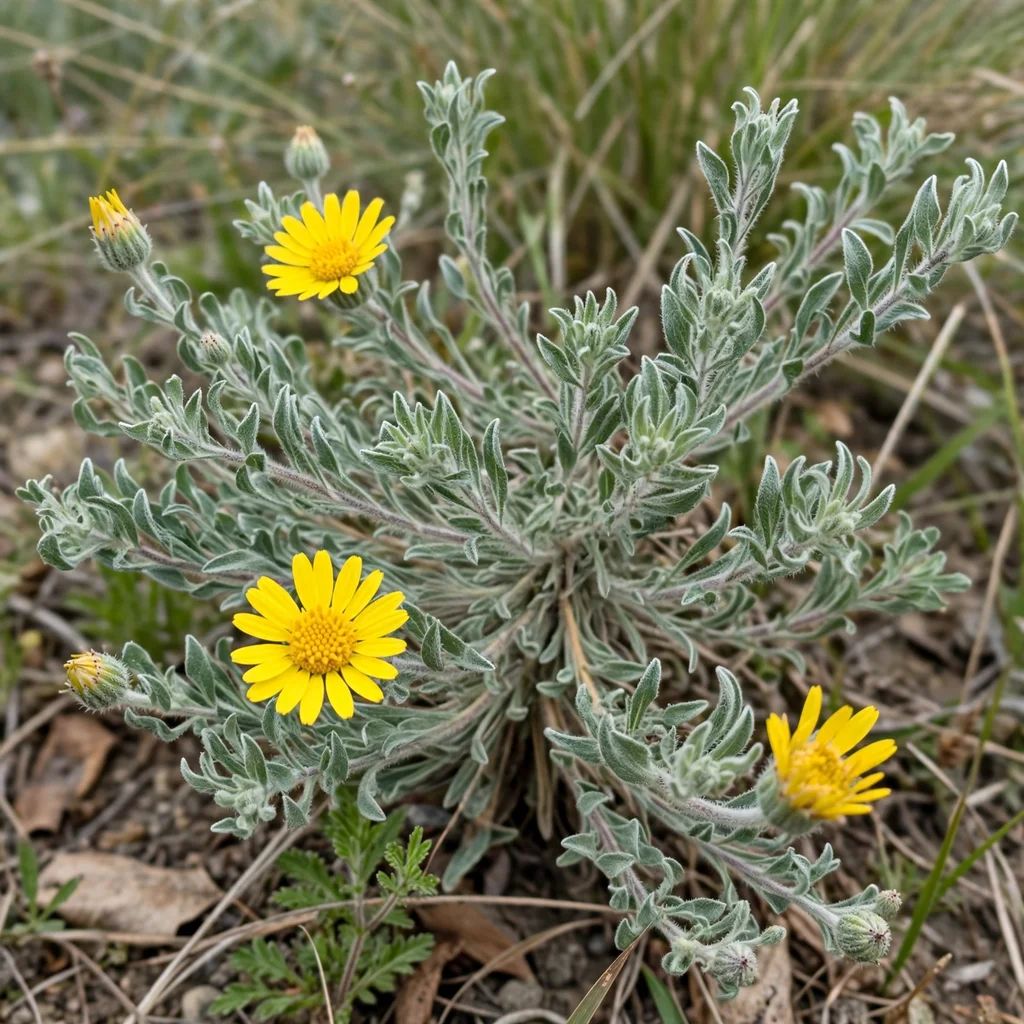
More Heterotheca to compare
Keep exploring
Explore the genus
Hardy in your zone?
Grow Telegraph Weed with confidence
See it in a design of your actual yard, get zone-matched care reminders, and track it season by season in your garden journal.